- English
- French
- German
- Portuguese
- Spanish
- Russian
- Japanese
- Korean
- Arabic
- Greek
- German
- Turkish
- Italian
- Danish
- Romanian
- Indonesian
- Czech
- Afrikaans
- Swedish
- Polish
- Basque
- Catalan
- Esperanto
- Hindi
- Lao
- Albanian
- Amharic
- Armenian
- Azerbaijani
- Belarusian
- Bengali
- Bosnian
- Bulgarian
- Cebuano
- Chichewa
- Corsican
- Croatian
- Dutch
- Estonian
- Filipino
- Finnish
- Frisian
- Galician
- Georgian
- Gujarati
- Haitian
- Hausa
- Hawaiian
- Hebrew
- Hmong
- Hungarian
- Icelandic
- Igbo
- Javanese
- Kannada
- Kazakh
- Khmer
- Kurdish
- Kyrgyz
- Latin
- Latvian
- Lithuanian
- Luxembou..
- Macedonian
- Malagasy
- Malay
- Malayalam
- Maltese
- Maori
- Marathi
- Mongolian
- Burmese
- Nepali
- Norwegian
- Pashto
- Persian
- Punjabi
- Serbian
- Sesotho
- Sinhala
- Slovak
- Slovenian
- Somali
- Samoan
- Scots Gaelic
- Shona
- Sindhi
- Sundanese
- Swahili
- Tajik
- Tamil
- Telugu
- Thai
- Ukrainian
- Urdu
- Uzbek
- Vietnamese
- Welsh
- Xhosa
- Yiddish
- Yoruba
- Zulu
How to Select the Right NOx Sensor for Your Engine
Choosing the right Diesel NOx sensor has a direct effect on meeting pollution standards, extending the life of the engine, and improving its operating efficiency. A Diesel NOx sensor checks the amount of nitrogen oxide in the exhaust and tells the engine control unit how to best work the selective catalytic reduction systems. It is very important for OEM makers, aftertreatment system installers, and fleet managers to pick a sensor that meets legal standards like EPA 2010 or Euro VI and can still do a good job of detecting things even in harsh circumstances. This guide explains the technology standards, testing methods, and buying strategies so that you can make smart choices that meet the needs of production scaling, cost control, and certification.
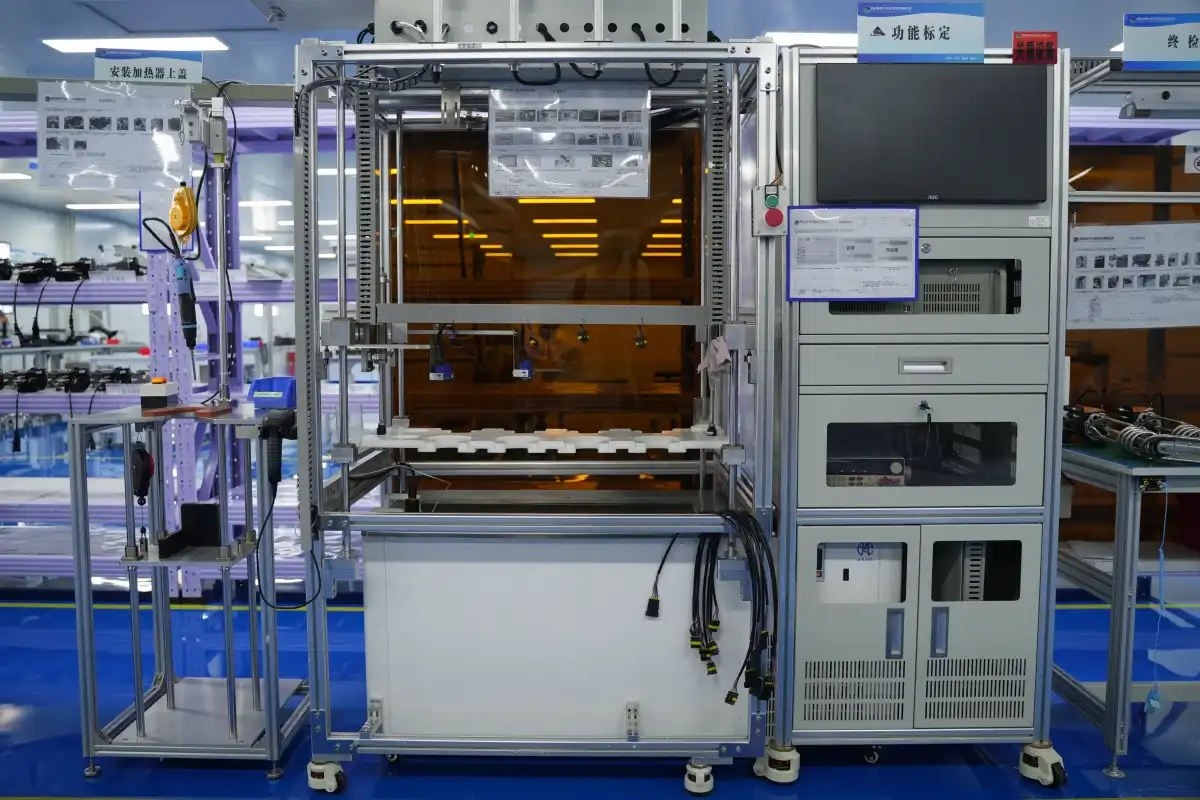
Understanding the Role and Function of Diesel NOx Sensors
To meet environmental standards and protect parts used after cleaning, modern diesel engines need accurate tracking of nitrogen oxide. A Diesel NOx sensor constantly checks the amount of NO and NO₂ in the exhaust stream and sends that information to the ECU or SCR control module through the CAN bus. This input lets the system change the amount of urea used on the fly, making sure that dangerous emissions are efficiently turned into safe nitrogen and water vapor.
How Does a Diesel NOx Sensor Work?
Diesel NOx sensors use hot electrochemical technology and usually have ceramic zirconia parts that use internal measurement cells to find nitrogen oxides. A small controller controls the heater's temperature, which is generally kept between 700°C and 800°C, so it works reliably even when the exhaust temperature changes. The sensor checks the amount of Diesel NOx sensor in the air in parts per million or milligrams per cubic meter. It also checks the temperature of the sensor, the heater current, and the internal oxygen balance to make sure the readings are correct.
This information lets the ECU do closed-loop SCR control by changing the amount of AdBlue or DEF used to get the best Diesel NOx sensor conversion, do on-board diagnostics to find problems with the sensor, catalyst, or dosing system, and improve combustion control by changing the rates of exhaust gas recirculation and the timing of injections. If you don't give the right amount of Diesel NOx sensor, it can lead to emission problems, and if you give too much, it can cause crystalline layers or ammonia slip.
What Is the Function of a NOx Sensor in a Vehicle?
There are more important things that a Diesel NOx sensor does than just measuring. To keep emission goals in check, it checks the catalytic converter's ability to reduce emissions and make sure the system is working right. It also makes sure that vehicles meet emission standards like Euro VI and EPA rules and finds sensor or catalyst faults that set off diagnostic trouble codes. These features keep engine parts from getting damaged and make sure your fleet stays legal during emissions tests or traffic checks.
How Does the NOx Sensor Support the SCR System?
A closed-loop control system is made up of sensors that are upstream and downstream of each other. The upstream Diesel NOx sensor measures how much Diesel NOx sensor gets into the SCR catalyst. This information helps the ECU figure out how much urea to feed in order to turn the Diesel NOx sensor into nitrogen and water vapor. The Diesel NOx sensor further downstream then checks to see if the Diesel NOx sensor decrease met the goals. Once the decrease isn't enough, the ECU either changes the dosing rate or sets a fault code to let repair teams know. This two-sensor design makes sure that the conversion works as well as possible while using as little urea as possible and keeping the catalyst clean.
Criteria to Consider When Choosing the Right Diesel NOx Sensor
When looking at Diesel NOx sensors for diesel uses, procurement managers and R&D experts have to weigh a lot of different factors. In order to make a choice, you need to know about engine configurations, output numbers, emission control timelines, and the total cost of ownership. By matching sensor specs to application needs, you can avoid expensive delays in integration and make sure that the sensor will work reliably for a long time in harsh working conditions.
Measurement Range and Operating Temperature
Typical features of industrial-grade Diesel NOx sensors include Diesel NOx sensor concentration measurement ranges from 0 to 1500 parts per million, operating temperatures from 200°C to 900°C to handle different exhaust conditions, response times of less than one second to allow real-time feedback, a supply voltage of 12 volts DC that works with standard vehicle electrical systems, and an accuracy of within ±5 to ±10 ppm depending on the model and calibration. These factors have a direct effect on how quickly and accurately the system controls emissions, no matter what the load is.
OEM Versus Aftermarket Sensor Considerations
Original equipment manufacturer Diesel NOx sensors are guaranteed to work with current engine control systems and meet the high quality standards set by carmakers. These Diesel NOx sensors go through a lot of validation tests, and they come with contracts that cover failures before they're supposed to. Aftermarket options might save you money at first, but the quality, accuracy of the tuning, and service life aren't always the same. When looking at aftermarket choices, make sure that the providers you are considering offer approval paperwork, thorough technical specs, reports on compatibility testing, and helpful technical support. Well-known companies like Bosch and Denso have strict rules about how their products are made. New companies that have ISO 9001 and IATF 16949 certifications show they are committed to quality management systems that work for cars.
Environmental Resilience and Durability
Extreme temperatures, vibrations, chemical contact, and water getting in are just some of the tough situations that diesel engines have to work in. Choose Diesel NOx sensors that have strong housings made of materials that can handle changes in temperature, sealed connections that keep water out, mounting designs that can handle vibrations, and protection coatings that keep sulfur compounds and particles out. Generator set makers that work with mines, power plants, and backup power systems really like Diesel NOx sensors that have been used for more than 150,000 hours and still work.

How to Test and Diagnose Diesel NOx Sensor Performance?
Proactive repair plans make Diesel NOx sensors last longer and stop them from breaking down when they're least expected, which can affect emission compliance. By setting up organized testing methods, technical teams can find patterns of wear and tear before they cause trouble codes or inspection fails.
Using Diagnostic Tools for Sensor Evaluation
To check the electrical health, multimeters measure heater resistance and supply voltage. Diagnostic scanners, on the other hand, connect to live Diesel NOx sensor data streams and get saved fault codes. To find differences, compare the measured numbers to the manufacturer's specs. To figure out how the Diesel NOx sensor responds, check the voltage output when it's not being used and when it is. Check the heater's current draw to make sure the ceramic element is working right. Diagnostic scanners give more information by showing Diesel NOx sensor values in real time, the state of sensors being ready to go, and freeze-frame data that is saved when problems happen.
Interpreting Error Codes and Performance Issues
Common diagnostic trouble codes for Diesel NOx sensors include circuit malfunction codes that show issues with the wiring or connector corrosion, implausible signal codes that show Diesel NOx sensor drift or contamination, response time codes that show ceramic element degradation, and heater circuit codes that show power supply problems. To fix these codes in a planned way, check the wire leads for damage, clean the connections to get rid of corrosion, test the resistance values of the Diesel NOx sensors, and make sure the exhaust system is solid to get rid of false readings caused by leaks.
Repair or Replacement Decision Criteria
Check to see if Diesel NOx sensor problems are caused by problems that can be fixed or by Diesel NOx sensors that need to be replaced. Use approved solvents to clean Diesel NOx sensors that are slightly dirty, fix broken wire leads and connectors, update the ECU software to fix calibration problems, and replace Diesel NOx sensors that are drifting a lot, are physically damaged, or aren't working at all. When doing a cost analysis, you should weigh the cost of replacing Diesel NOx sensors against the fines that could be given for emission violations, lost work time from longer downtime, and damage to SCR catalysts from wrong doses.
Comparing Top Diesel NOx Sensors in 2026: Features, Costs, and Performance
Objective comparisons that show how the performance of different Diesel NOx sensor choices vary are helpful for procurement teams. This review looks at the accuracy requirements, the environmental rating, the warranty coverage, and the total cost over a period of time that is usual for service.
The best Diesel NOx sensor models can measure accurately to within ±5 ppm in controlled conditions, work in temperature ranges that are good for heavy-duty diesel uses, have response times that let you handle things precisely in real time, and have an average time between failures that is more than 10,000 hours. Prices change based on how much you order, and buying in bulk can save you money through volume discounts, longer warranty terms, dedicated expert support, and faster delivery times.
Industry feedback shows that integration risks are lower for Diesel NOx sensors that meet ISO 26262 functional safety standards and come with a lot of technical paperwork. Suppliers that let you change the types of connectors, cable lengths, and communication methods can work with a wide range of engine systems without having to do a lot of redesigning. Aftertreatment system integrators like Diesel NOx sensors that have been shown to work with a number of different SCR catalyst formulas and urea delivery systems.
Where and How to Procure Diesel NOx Sensors for Your Fleet?
Setting up reliable supply lines makes sure that the abundance of Diesel NOx sensors matches the schedules for output and upkeep. Authenticity of the product, dependability of transportation, inventory management, and assistance needs after the sale must all be taken into account in procurement strategies.
Trusted Distribution Channels
You can get Diesel NOx sensors from authorized distributors who work directly with makers, approved OEM partners who offer Diesel NOx sensors that have been tested and proven to work with certain engine platforms, and well-known industrial suppliers whose quality control procedures have been written down. Check the qualifications of your suppliers, such as whether they have ISO certifications, intellectual property rights, and traceability systems that keep fake parts from getting into your supply chain. Being close to shipping centers cuts down on wait times and makes warranty claims easier.
International Procurement Considerations
Cross-border sourcing adds new organizational challenges, such as the need for customs paperwork, shipping times of four to eight weeks for ocean freight, import taxes and tariff classifications, and coordinating warranty service across time zones. Negotiate terms that spell out standards for packaging to keep items from getting damaged during shipping, make it clear what the warranty covers and how to file a claim, set minimum order quantities that balance the cost of inventory with the price per unit, and describe the technical support that is available, including response times and languages used for communication.
Leveraging OEM Partnerships for Quality Assurance
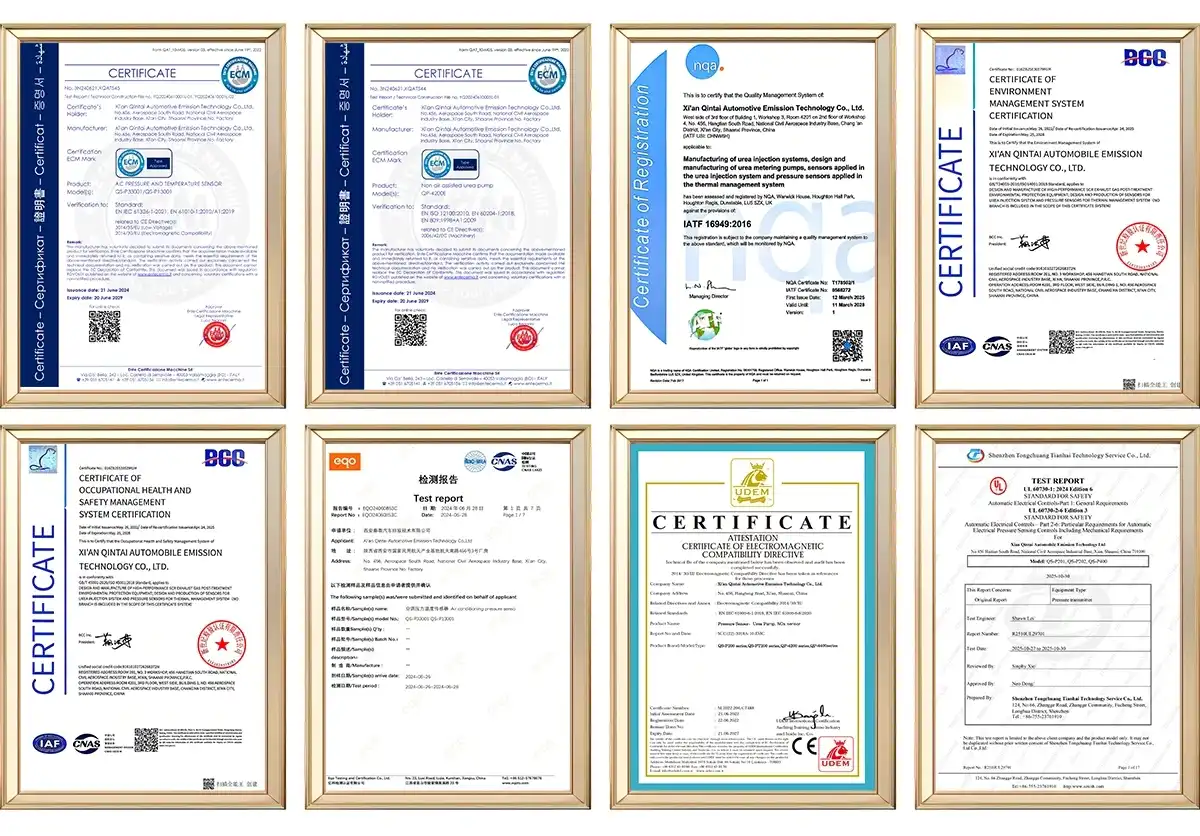
Working with makers who have well-known certifications gives you more trust. Companies that are ISO 9001 certified have strong quality management systems. Companies that are IATF 16949 certified have process controls that are specific to the automotive industry. Companies that are CMC and Ex certified meet measurement and explosion-proof requirements. And companies that are UL, CE, REACH, and RoHS certified make sure their products meet international safety and environmental standards. Suppliers who can do their own research and development (R&D) are always making Diesel NOx sensors work better and changing their goods to meet new emission rules.
Conclusion
When choosing the right Diesel NOx sensor, you have to think about a lot of things, including technical specs, legal compliance, operating durability, and total cost. Learn how Diesel NOx sensors work in SCR systems, check the accuracy of measurements and how well they can handle harsh environments, set up organized testing procedures, and work with certified sources who offer full support. These steps will help your engines meet pollution standards, keep aftertreatment parts safe, and require less upkeep over their entire service life.
FAQ
Q1: How Often Should Diesel NOx Sensors Be Replaced?
A: How often Diesel NOx sensors need to be replaced depends on how they are used, the quality of the fuel, and how often they are maintained. In on-highway use, Diesel NOx sensors usually last between 150,000 and 300,000 miles. Check the performance of the Diesel NOx sensors by running regular diagnostic scans. Replace any units that show consistent measurement drift, longer reaction times, or trouble codes that keep coming up. Generator sets that are used all the time may need to be checked every 10,000 hours.
Q2: Can Aftermarket NOx Sensors Affect Vehicle Warranties?
A: If producers require original equipment, installing Diesel NOx sensors that aren't made by the maker could cancel the warranty. Carefully read the guarantee paperwork and talk to a lawyer before thinking about aftermarket options. Many alternative Diesel NOx sensors from trustworthy sellers meet or go beyond OEM requirements and come with liability insurance, but it's still important to check before buying.
Q3: What Are Key Indicators of Sensor Failure?
A: Watch out for malfunction warning signs that are lit up, a drop in engine performance or power output, high urea use that could mean you're overdosing, diagnostic trouble codes for Diesel NOx sensor circuits, and failed emission tests. Take care of these signs right away to avoid damage to the trigger and fines from the government.
Partner with Qintai for Reliable Diesel NOx Sensor Solutions
With 20 years of experience, Qintai Automotive Emission Technology knows a lot about making Diesel NOx sensors and systems that clean up diesel engines. Weichai Power, Yuchai Power, and Quanchai Power are some of our main OEM clients. We are a national high-tech company and the biggest seller of Diesel NOx sensors in China. Our many certifications, including ISO 9001, IATF 16949, CMC, Ex, UL, CE, REACH, and RoHS, and our 58 invention patents show that we are dedicated to quality and new ideas. We offer open OEM and ODM services that can be customized to meet the needs of each application. Throughout production, we keep a close eye on quality. We have offices in more than 60 countries around the world, in South America, Europe, and the Middle East. Email our technical team at info@qt-sensor.com to talk about your Diesel NOx sensor needs, get full specifications, or get cheap quotes for large orders that lower your overall costs.
References
1. Internal Combustion Engine Emission Control Technologies: NOx Sensor Applications in Diesel Aftertreatment Systems, Society of Automotive Engineers, 2023.
2. Selective Catalytic Reduction System Design and Optimization for Heavy-Duty Diesel Engines, International Journal of Engine Research, 2022.
3. Electrochemical Sensors for Automotive Emission Monitoring: Principles and Performance Evaluation, Journal of Sensor Technology, 2023.
4. Comparative Analysis of OEM and Aftermarket Emission Sensors: Quality, Reliability, and Cost Considerations, Automotive Engineering International, 2024.
5. Diagnostic Procedures for Diesel Engine Aftertreatment Systems: Testing and Troubleshooting NOx Sensors, Heavy-Duty Trucking Maintenance Guide, 2023.
6. Global Emission Regulations and Compliance Strategies for Commercial Diesel Vehicles, Environmental Protection Agency Technical Report, 2024.

Our customers’ satisfaction speaks for our quality — contact us to experience the same reliable service.