- English
- French
- German
- Portuguese
- Spanish
- Russian
- Japanese
- Korean
- Arabic
- Greek
- German
- Turkish
- Italian
- Danish
- Romanian
- Indonesian
- Czech
- Afrikaans
- Swedish
- Polish
- Basque
- Catalan
- Esperanto
- Hindi
- Lao
- Albanian
- Amharic
- Armenian
- Azerbaijani
- Belarusian
- Bengali
- Bosnian
- Bulgarian
- Cebuano
- Chichewa
- Corsican
- Croatian
- Dutch
- Estonian
- Filipino
- Finnish
- Frisian
- Galician
- Georgian
- Gujarati
- Haitian
- Hausa
- Hawaiian
- Hebrew
- Hmong
- Hungarian
- Icelandic
- Igbo
- Javanese
- Kannada
- Kazakh
- Khmer
- Kurdish
- Kyrgyz
- Latin
- Latvian
- Lithuanian
- Luxembou..
- Macedonian
- Malagasy
- Malay
- Malayalam
- Maltese
- Maori
- Marathi
- Mongolian
- Burmese
- Nepali
- Norwegian
- Pashto
- Persian
- Punjabi
- Serbian
- Sesotho
- Sinhala
- Slovak
- Slovenian
- Somali
- Samoan
- Scots Gaelic
- Shona
- Sindhi
- Sundanese
- Swahili
- Tajik
- Tamil
- Telugu
- Thai
- Ukrainian
- Urdu
- Uzbek
- Vietnamese
- Welsh
- Xhosa
- Yiddish
- Yoruba
- Zulu
How Does a Pressure Transducer Work in Hydraulic Systems?
Hydraulic systems power some of the world's most demanding industrial applications, from heavy construction equipment to sophisticated agricultural machinery. At the heart of these systems lies a critical component that often goes unnoticed: the pressure transducer. This device serves as the system's vigilant guardian, continuously monitoring pressure levels to ensure optimal performance, prevent costly failures, and maintain operational safety. A pressure sensor complements this role by providing additional, real-time pressure data that enhances diagnostic accuracy and supports proactive maintenance strategies.
Understanding how pressure transducers function in hydraulic systems isn't just academic knowledge—it directly impacts your bottom line. For purchasing managers seeking compliant, cost-effective solutions and R&D engineers designing next-generation equipment, grasping the technical intricacies of these devices enables smarter procurement decisions and better system integration.
This comprehensive guide examines the working principles, performance factors, selection criteria, and real-world applications of hydraulic pressure transducers, providing actionable insights tailored to OEM manufacturers, aftertreatment system integrators, and aftermarket professionals operating in the competitive U.S. industrial landscape.
Understanding Pressure Transducers in Hydraulic Systems
Core Operating Principles
Hydraulic pressure transducers use basic physics to turn mechanical energy into electrical signals that can be measured. When hydraulic fluid under pressure touches the detecting device, it puts stress on it mechanically. The detecting element changes its electrical properties in response to the stress. This could be a piezoelectric crystal, a capacitive ceramic element, or a strain gauge attached to a flexible diaphragm. Then, signal processing circuitry takes these small electrical changes and filters out noise while boosting the signal to make a stable, accurate output that shows the current pressure level.
The process of conversion happens very quickly, often in milliseconds. This lets hydraulic systems react right away to changes in pressure. In situations where sudden pressure spikes could damage expensive equipment or put operators in danger, this ability to respond quickly comes in very handy. Modern pressure sensors use temperature adjustment and digital signal processing to keep their accuracy over a wide range of temperatures that are common in building equipment and generator sets.
Distinguishing Transducers, Sensors, and Transmitters
The language used in the industry can be hard for procurement professionals to understand at times. Any device that can sense pressure is called a pressure sensor. A pressure transducer, on the other hand, changes pressure into an electrical signal. Pressure transmitters go even further. They condition and standardize the signal, usually to 4-20mA or 0-10V outputs that are used in the industry, so it can be sent to control systems over longer distances. These terms are often used interchangeably in hydraulics, but knowing the difference between them is helpful when comparing technical specs from different makers.
Standard industrial sensors would break down in tough circumstances, but transducers made for hydraulic systems have to be able to handle it. They have housings that are tough, electrical connections that are sealed, and materials that can handle fluids that are made from petroleum. When looking at different suppliers, these details are important because hydraulic-grade devices have ratings and certifications that regular pressure sensors don't have.
Common Transducer Technologies in Hydraulics
For different hydraulic tasks, different sensor systems work best. Knowing about these technologies makes it easier to match devices to system needs:
Piezoresistive transducers Because they are accurate, long-lasting, and inexpensive, piezoresistive transducers are the most common type used in hydraulics. Strain gauges made of silicon or metal change electrical resistance when they are put under stress. They can handle high pressures (up to 10,000 psi or more) that are typical in hydraulic systems and keep their accuracy within ±0.5% of full scale. Because they are built to last, they can handle the shaking and shock loads that come from mobile equipment like loaders and farm tractors.
Capacitive pressure sensors A clay plate in capacitive pressure sensors bends when they are under pressure, which changes the capacitance between the electrodes. The ceramic structure is very stable in hydraulic oil settings and very resistant to chemicals. These sensors work great in situations where long-term stability without drift is needed. This makes them perfect for generator sets and other stationary industrial equipment that doesn't need to be serviced for thousands of hours. Capacitance-type pressure transducers are safer by nature in environments that could be explosive, which is good for mining and oil applications.
Piezoelectric transducers When compressed, piezoelectric transducers directly produce an electric charge, so they don't need an outside power source. Because they respond so quickly, they can be used to measure dynamic pressure in hydraulic tests and study. But they can't measure static pressure, which means they can't be used for constant tracking tasks that are common in production machines.
MEMS-based transducers MEMS-based transducers are the newest technology. They combine tiny sensing elements with signal processing on silicon chips to make the most advanced technology yet. These smaller devices take up less space when they're installed and offer digital communication protocols that work with Industry 4.0 plans. MEMS technology lets devices have advanced features like self-diagnostics and wireless connection. However, the higher unit prices mean that these devices are best used in high-end OEM apps.
For certain types of uses, each technology has its own unique benefits. When purchasing managers compare choices from various pressure sensor makers, they should look at more than just the original cost. They should also think about the total cost of ownership, which includes the need for calibration, the rate of failure, and the ability to work with current control systems.
Key Factors Affecting Pressure Transducer Performance in Hydraulic Systems
Measurement Accuracy and Calibration Requirements
The level of accuracy determines whether your hydraulic system works within the limits of its design or faces a catastrophic failure. Most pressure sensors list their accuracy as a percentage of full-scale output. For example, a 5,000-psi transducer that is ±1% exact could show 50 psi high or low at any pressure level. This is very important in pollution control systems that need to keep a close eye on exhaust backpressure to make sure they follow China VI and Euro VI rules. If you aren't precise enough, the aftertreatment systems might regenerate wrong, which would waste more fuel and could damage the engine.
As sensing elements age and go through thermal cycling, calibration drift happens slowly over time. Critical hydraulic systems should have their calibration checked once a year, but stable capacitive sensors can work in controlled environments for up to 24 months. Transducers in building equipment that works in places with big changes in temperature need to be checked more often. Setting up calibration protocols with standards that can be tracked protects both system performance and regulatory compliance. This is especially important for OEM manufacturers who sell equipment in regulated markets.
Environmental Challenges in Hydraulic Applications
Extreme temperatures make it hard to get accurate pressure readings. When working in the field in the winter, hydraulic systems in farm equipment can work at -40°C. In the summer, they can work at +85°C. Good transducers have circuitry that adjusts for temperature, but the accuracy should be stated in the specification sheets across the whole expected operating range, not just at room temperature. Instead of relying on optimistic lab rates, procurement managers should make sure that the temperature specifications of potential devices fit what they will be used for in the field.
The problem of vibration is another big one. Heavy machinery constantly shakes in many directions, which can wear out sensor elements and break electrical connections. To be able to handle these conditions, hydraulic-grade transducers have a welded diaphragm structure and electronics that are potted. Standards for testing, like MIL-STD-810, measure shaking resistance and give us a way to compare things without bias. In mobile equipment uses, devices that meet these standards have much lower failure rates than general industrial sensors.
Both the accuracy of measurements and the life of a device are affected by contamination caused by hydraulic fluid breaking down, water getting in, and particles building up. Transducers that are sealed and rated IP67 or IP69K keep water out of electrical parts. Materials used for diaphragms must not break down when hydraulic oil additives and temperature changes happen. Wetted parts made of stainless steel are compatible with a wide range of fluids, and special coatings can handle particularly harsh fluids in certain situations.
Troubleshooting and Maintenance Best Practices
By spotting early warning signs, catastrophic failures can be avoided. Often, inconsistent pressure readings are caused by problems with the electrical link rather than a broken sensor. In fact, over 60% of recorded "transducer failures" in field uses are due to loose connectors or damaged cables. Systematic repair, which includes checking the power source voltage, the consistency of the signals, and the device for physical damage, fixes most problems without having to replace it.
When a real sensor failure does happen, knowing the failure modes helps with fixing the problem. When pressure spikes cause the diaphragm to break, there is permanent zero-shift. Gradual accuracy drift is a sign that temperature compensation is getting worse. By keeping track of failure trends across your entire fleet of equipment, you can see if environmental factors go beyond what the component was designed to handle. This can help you choose new parts and possibly make changes to the way the system is designed.
Pressure sensor performance is at the heart of this approach. Transducers last longer when state tracking is used. Outliers can be found before they cause problems in the system by comparing multiple sensors in redundant measurement points. When it comes to generator sets, this method works especially well because unplanned downtime costs a lot of money. Tracking performance trends also backs up suppliers' claims of quality with real operational data, which makes it easier to negotiate with pressure sensor suppliers when contracts need to be renewed.
Selecting the Right Pressure Transducer for Your Hydraulic System
Defining System Requirements
To choose the right transducer, you must first carefully write down the system requirements. The pressure range is the most important thing. The transducer has to be able to handle both normal working pressures and possible transients. When valves are opened in hydraulic systems, there are often pressure spikes that can reach 150 to 200% of the normal working pressure. If you choose a transducer that is rated for maximum expected pressure instead of average operating pressure, you can keep it from breaking down too soon because of damage from too much pressure.
How compatible the output signals are has a direct effect on the cost of integration. Analog 4-20mA current loop signals are often used in older technology because they are good at blocking noise over long wire runs. More and more, modern systems require voltage outputs or digital standards like CANbus that allow for more complex data exchange. Digital sensors that give more than just pressure values are especially helpful for aftertreatment system integrators because they speed up troubleshooting and lower the number of warranty claims.
As much as electrical specifications affect the choice of transducer, physical installation requirements also play a big role. Thread size and type must match existing hydraulic ports. Common standards include 1/4" NPT threads for smaller equipment and M12 or M14 metric threads for European machinery. Pressure port orientation is important in installations with limited space. Electrical connections include industrial circular connectors and integrated cable designs, each with its own benefits for different mounting situations.
Comparing Device Types for Hydraulic Applications
Knowing when to use transducers instead of simpler pressure switches or mechanical gauges can help you get the most out of your system in terms of cost and functionality. Mechanical gauges give you a local reading without needing power, but they can't be monitored from afar and can be hard to read in dimly lit areas. Pressure switches give you simple on/off signals that can be used for alarms but don't provide the continuous measurement needed for closed-loop control.
By sending continuous pressure feedback to electronic controllers, pressure transducers make it possible for complex system control. This lets you use advanced features like load-sensing hydraulics, which change pump output based on actual demand, which cuts energy use by 20–40% compared to fixed-displacement systems. In mobile equipment applications, the extra cost of transducers usually pays for itself within months through fuel savings.
Evaluating Suppliers and Brand Considerations
Long-term success depends on both the device specifications and the supplier that is chosen. Manufacturers that have been around for a long time and have a lot of experience with hydraulics can offer tried-and-true designs backed by a lot of application engineering resources. Honeywell and TE Connectivity, for example, have global support networks and a lot of technical documentation that makes integration easier and cuts down on engineering time for OEM manufacturers.
Emerging suppliers may offer good prices, but they need to be carefully checked out. Quality certifications, like ISO 9001 for basic quality management and IATF 16949 for the automotive industry, show that a company can meet strict requirements for traceability and process control. Suppliers that work with emission-regulated markets should show that they know about the relevant standards and testing protocols. Ask for examples of installations that have been done in similar situations and get in touch with those customers to find out about real-world performance and how responsive the supplier is.
When standard catalog products don't perfectly meet your needs, you should look into custom OEM solutions. When purchasing managers compare choices from various pressure sensor makers, companies that offer customization services can make sure that the transducer specifications, housing configurations, and output signals work best for your application. Custom devices usually have minimum order quantities, which means that they are most cost-effective for production volumes over a few hundred units per year. Customization can help your equipment stand out in competitive markets by providing better performance or enabling features that standard components can't support.

Practical Applications and Case Studies
Mobile Hydraulics in Construction Equipment
When it comes to measuring hydraulic pressure, construction equipment like excavators, wheel loaders, and bulldozers work in harsh conditions with constant vibration and shock loading. Pressure transducers are used in these machines to keep an eye on three hydraulic circuits at once: the main pump output, the pilot control pressure, and the implement circuit pressure. They send data to electronic controllers that help them improve performance and keep parts safe.
Modern construction equipment uses electro-hydraulic control systems more and more, which replace manual lever controls with electronic joysticks. These systems rely on pressure transducers to turn operator input into precise actuator movement. This makes operation smoother, reduces operator fatigue, and increases productivity in a way that can be measured. Manufacturers of equipment say that operators can finish tasks 15-20% faster with electronically controlled systems than with traditional hydraulic linkages.
Industrial Hydraulics and Process Control
Stationary industrial hydraulic systems in factories use pressure transducers to keep an eye on the process and make sure the quality of the products being made. For example, metal forming presses need accurate pressure control to make sure that the parts they make are all the same size, and injection molding machines need accurate hydraulic pressure measurement to make sure that the cavities they fill are filled correctly. These uses need long-term stability and reliability because replacing sensors means stopping production and losing money.
Capacitive pressure transducers work well in these conditions because they provide accurate measurements over many years of continuous use. They are more stable than strain gauges, so they don't need to be calibrated as often, which lowers maintenance costs. The ceramic sensing element can handle the high temperatures that are common around hydraulic power units without losing its performance. When buying an industrial product, buyers should look at the total cost of ownership over the expected service life instead of just the initial purchase price.
Emission Control and Aftertreatment Systems
Pressure measurement is an important part of diesel engine aftertreatment systems that have to follow strict emission rules. Differential pressure sensors keep an eye on the particulate filter and start regeneration cycles when the amount of soot builds up to a certain level. Dosing system pressure sensors make sure that the right amount of urea is injected into selective catalytic reduction systems. These uses need sensors that meet automotive quality standards and work reliably for more than 500,000 miles.
Integrators of aftertreatment systems have a hard time finding the right balance between how much sensors cost and how reliable they need to be. If a sensor fails, it can lead to emission compliance violations and expensive warranty claims. To lower these risks, they should work with well-known pressure sensor manufacturers that offer automotive-grade products and full technical support. Sensors made specifically for aftertreatment applications have features like media isolation that stops urea crystallization damage and extended temperature ratings for installation near exhaust components.
Emerging Trends and Future Developments
Smart sensors with built-in diagnostics and wireless connectivity are becoming more popular thanks to Industry 4.0. For example, modern pressure transducers have microprocessors that check their own performance and find potential problems before they affect the system's operation. This preventative maintenance feature cuts down on unplanned downtime and increases the life of equipment by allowing condition-based maintenance instead of fixed-interval replacement.
Wireless pressure measurement gets rid of the need for expensive cabling in retrofitting situations and on mobile equipment where wire harnesses are constantly bending and being exposed to the elements. Battery-powered wireless sensors that work with industrial IoT protocols make it possible to monitor pressure in places that weren't possible before, like on rotating equipment and temporary installations. The technology is still developing, with batteries lasting longer and standardized communication protocols making it easier for more controllers to work with them.
As MEMS sensor technology keeps improving, it gets more accurate and can do more in smaller packages. For example, putting pressure sensing and temperature measurement into the same device lowers installation costs and makes the system work better by letting real-time density corrections happen. In the future, MEMS sensors with machine learning algorithms will be able to predict when hydraulic systems need maintenance by looking at patterns in pressure signatures, which will change how maintenance is done across all industries.
Conclusion
Pressure sensor selection is a key part of this discussion. Pressure transducers are important parts of hydraulic systems in many industries. They turn mechanical pressure into electrical signals that allow precise control, improve safety, and maximize efficiency. Learning about how they work, how they perform, and what the application needs helps procurement managers and engineers choose the right devices that balance cost, reliability, and functionality.
As hydraulic systems get more complex—with electronic controls, emission compliance features, and predictive maintenance capabilities—selecting quality pressure measurement solutions from well-known suppliers becomes more important for staying competitive. Investing in the right transducers and building partnerships with suppliers pays off in the form of lower downtime, lower maintenance costs, and better system performance that sets your equipment apart in tough industrial markets. A reliable pressure sensor ultimately serves as the foundation for all these benefits, ensuring accurate data and consistent control under varying operating conditions.
FAQ
How often should hydraulic pressure transducers be calibrated?
Calibration intervals depend on how important the application is and how it is used. For example, safety-critical systems and emission compliance applications usually need to be checked for calibration once a year using traceable standards. For stable capacitive designs in industrial equipment that is used in controlled environments, validation intervals may be pushed back to 18 to 24 months. Mobile equipment that is used in harsh conditions may benefit from validation more often, maybe every 6 to 12 months. Keeping calibration records shows that you did your part and helps with warranty claims if something breaks too soon.
What distinguishes a pressure sensor from a pressure transducer?
There isn't much difference between the terms when it comes to how they are used in everyday life. Technically, sensors detect changes in pressure, transducers turn pressure into electrical signals, and transmitters turn signals into standardized outputs for long-distance transmission. In hydraulic applications, most devices do all three of these things, so it's more important to make sure that the technical specs, like output signal type, accuracy, and environmental ratings, match your system's needs. What makes a pressure transducer different from a pressure sensor?
Can pressure transducers withstand harsh hydraulic environments?
Quality hydraulic-grade transducers made for industrial use can handle harsh conditions that would destroy regular sensors. They are protected against vibration, temperature changes, and fluid contamination with features like potted electronics, welded stainless steel construction, and IP67+ sealing. Checking the specifications, such as operating temperature range, vibration resistance ratings, and fluid compatibility, will help you choose the right devices to handle your specific environmental challenges. Reputable manufacturers offer detailed environmental specifications and application guidance to help you make the right choice.
Partner with Qintai for Reliable Hydraulic Pressure Measurement Solutions
Finding the right hydraulic pressure transducer means finding the right balance between technical performance, regulatory compliance, and long-term reliability. Qintai has been helping global OEM manufacturers and aftertreatment system integrators with these problems for 20 years. As China's top pressure sensor manufacturer and the main supplier to Weichai Power, Yuchai Power, and Quanchai Power, we offer quality solutions that are proven to meet automotive standards and the freedom to make solutions that fit your exact needs.
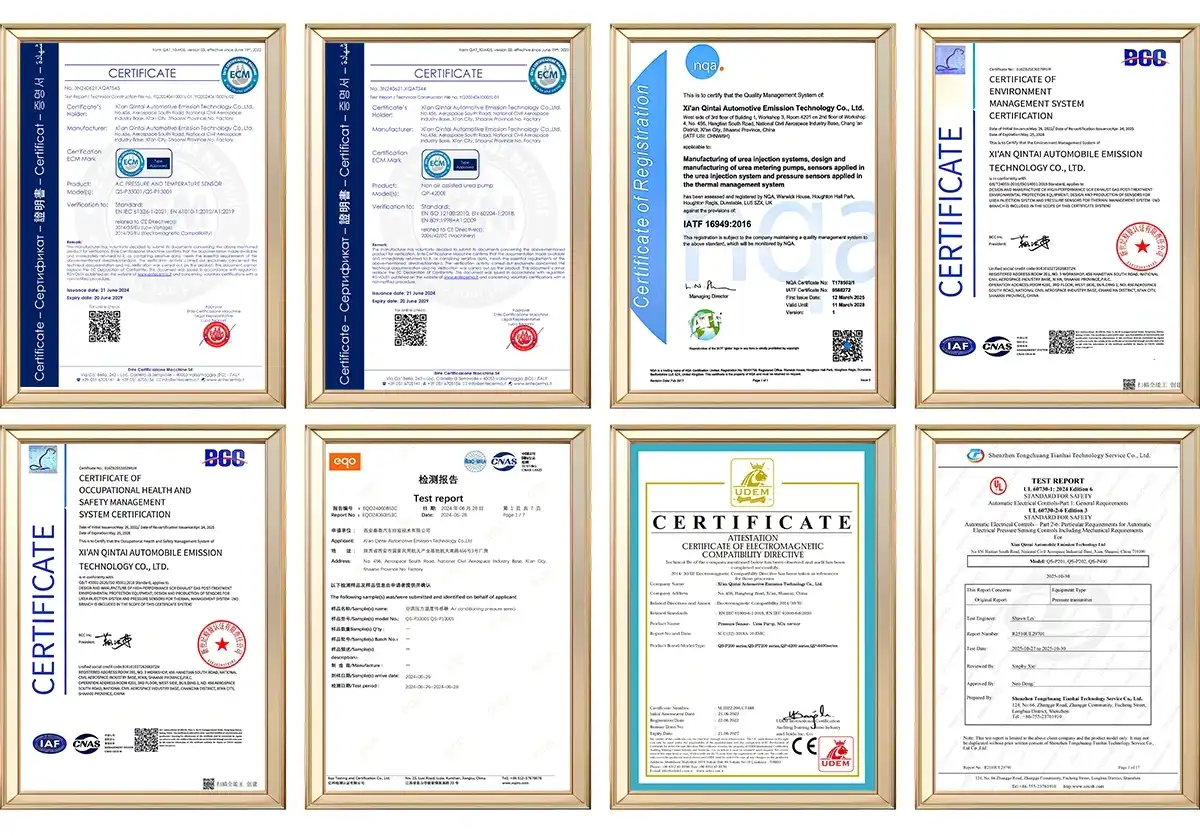
Our pressure sensors are certified to meet the strict requirements for emission-controlled equipment on international markets, such as IATF 16949, ISO 9001, CE, and REACH. This means that we can provide high-volume production runs with guaranteed consistency or custom transducer designs optimized for your specific hydraulic application. Our independent research and development team and advanced manufacturing capabilities can help you find solutions that improve system performance while keeping costs down. We also offer quick technical support and good terms for qualified OEM customers and distributors.
Find out how Qintai's expertise in measuring pressure can help you compete in the U.S. market. Visit qt-sensor.com to see all of our products or email our technical team at info@qt-sensor.com to talk about your specific needs. We look forward to building a long-term relationship with you that gives your hydraulic systems the quality, reliability, and support they need.
References
1. Johnson, M. & Williams, R. (2021). Hydraulic Pressure Measurement: Principles and Industrial Applications. Industrial Press Inc.
2. Chen, L., et al. (2022). "Performance Comparison of Piezoresistive and Capacitive Pressure Transducers in Mobile Hydraulic Systems." Journal of Fluid Power Technology, 44(3), 215-228.
3. Schmidt, K. (2020). Sensor Selection for Hydraulic Control Systems: Engineering Guide for OEM Applications. SAE International.
4. Anderson, P. & Martinez, J. (2023). "Condition Monitoring and Predictive Maintenance in Industrial Hydraulic Systems." Hydraulics & Pneumatics, 76(2), 34-41.
5. Zhang, W., et al. (2022). "MEMS Pressure Sensors in Automotive Aftertreatment Applications: Reliability and Performance Analysis." Sensors and Actuators A: Physical, 338, 113467.
6. Thompson, D. (2021). Heavy Equipment Hydraulics: Design, Maintenance, and Troubleshooting. McGraw-Hill Professional.
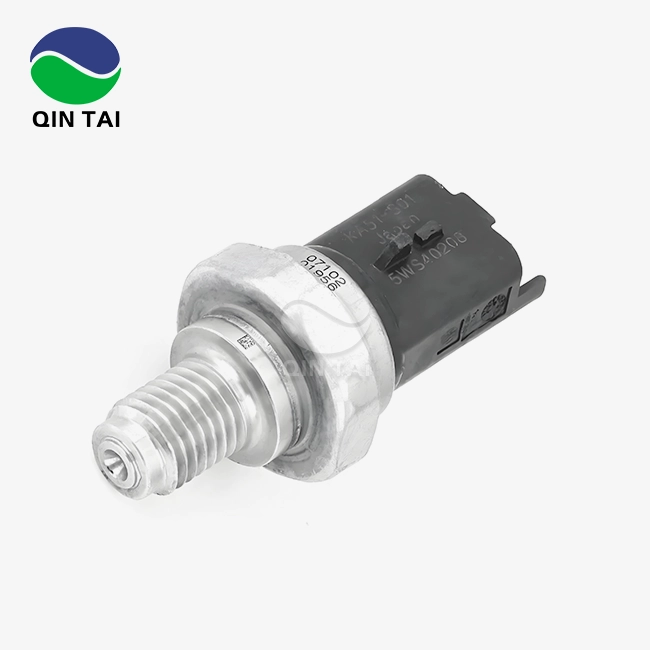
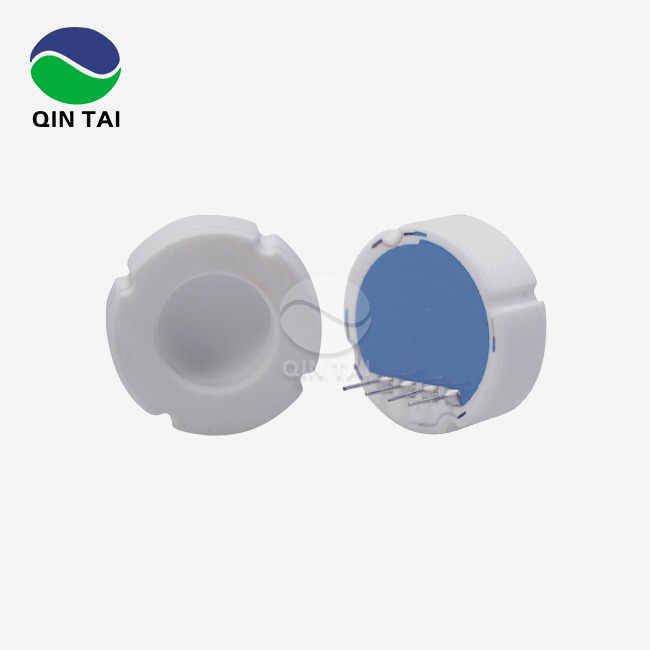

Our customers’ satisfaction speaks for our quality — contact us to experience the same reliable service.