- English
- French
- German
- Portuguese
- Spanish
- Russian
- Japanese
- Korean
- Arabic
- Greek
- German
- Turkish
- Italian
- Danish
- Romanian
- Indonesian
- Czech
- Afrikaans
- Swedish
- Polish
- Basque
- Catalan
- Esperanto
- Hindi
- Lao
- Albanian
- Amharic
- Armenian
- Azerbaijani
- Belarusian
- Bengali
- Bosnian
- Bulgarian
- Cebuano
- Chichewa
- Corsican
- Croatian
- Dutch
- Estonian
- Filipino
- Finnish
- Frisian
- Galician
- Georgian
- Gujarati
- Haitian
- Hausa
- Hawaiian
- Hebrew
- Hmong
- Hungarian
- Icelandic
- Igbo
- Javanese
- Kannada
- Kazakh
- Khmer
- Kurdish
- Kyrgyz
- Latin
- Latvian
- Lithuanian
- Luxembou..
- Macedonian
- Malagasy
- Malay
- Malayalam
- Maltese
- Maori
- Marathi
- Mongolian
- Burmese
- Nepali
- Norwegian
- Pashto
- Persian
- Punjabi
- Serbian
- Sesotho
- Sinhala
- Slovak
- Slovenian
- Somali
- Samoan
- Scots Gaelic
- Shona
- Sindhi
- Sundanese
- Swahili
- Tajik
- Tamil
- Telugu
- Thai
- Ukrainian
- Urdu
- Uzbek
- Vietnamese
- Welsh
- Xhosa
- Yiddish
- Yoruba
- Zulu
AdBlue vs DEF: Understanding the Differences
People often get AdBlue and DEF (Diesel Exhaust Fluid) mixed up when talking about ways to reduce diesel engine emissions. In fact, both terms refer to the same urea solution in water. It is a 32.5% high-purity mixture that is used to lower harmful nitrogen oxide pollution using Selective Catalytic Reduction technology. The main difference is regional branding: AdBlue is more common in European markets, while DEF is the usual word in North America. Diesel engine makers and buying teams that coordinate foreign supply chains need to understand this similarity very well. The two fluids work perfectly with an AdBlue Dosing System, which carefully doses the solution into the exhaust streams to turn NOx into safe nitrogen and water vapour. This makes sure that strict pollution standards like Euro VI and EPA rules are met.
What Are AdBlue and DEF? Clarifying the Basics
Even buying managers and R&D engineers with a lot of experience can get confused by the language used to talk about emission reduction fluids. Understanding the basic chemistry and regulatory system of these goods makes it easier to make decisions about what to buy and makes sure that operations are carried out correctly.
The Chemical Composition and Standards
AdBlue and DEF are made up of 32.5% automotive-grade urea mixed with deionised water, which is what ISO 22241 calls for. This worldwide standard makes sure that purity levels stay the same, which stops crystallisation or pollution that could hurt sensors or SCR catalysts. In the exhaust system, the heat breaks down the urea into ammonia, which mixes with NOx in the catalytic converter. Any deviation from ISO standards lowers the effectiveness of reducing emissions and increases the risk of expensive engine damage. This is why checking the seller's approval is so important when choosing a supplier.
How SCR Technology Utilizes These Fluids?
The best way to get rid of NOx after burning in diesel engines is to use Selective Catalytic Reduction. AdBlue or DEF is injected into the SCR system before the catalyst. Exhaust temps between 250°C and 500°C help the chemical processes go smoothly. Modern SCR designs have NOx monitors, temperature probes, and dose control units that change the amount of fluid injected all the time based on the load on the engine and the level of emissions. This flexible management makes sure that China VI, Euro VI, and Tier 4 Final standards are met while keeping fuel efficiency high, which is very important for companies that make big trucks and generator sets that want to save money in the long run.
Regional Terminology and Global Supply Chain Implications
Even though the chemicals are the same, the way AdBlue and DEF are named affects how buying works, especially for companies that do business in more than one country. In their technical documents, European OEMs usually talk about AdBlue, while North American building machinery makers talk about DEF. This regional difference can make things more difficult when buying goods across borders or putting together aftertreatment parts from various stores. B2B buyers who are in charge of global fleets or export operations need to make sure that standards are the same across all areas and that providers provide ISO 22241-compliant fluid no matter what brand they are. This care avoids delays in the process and makes sure that it works well with the dose hardware that is already in place.
Key Differences Between AdBlue and DEF to Consider
Even though they do the same thing, there are real differences in procurement situations that affect things like total cost of ownership, planning logistics, and quality assurance processes.
ISO Compliance and Certification Requirements
The levels of biuret, aldehydes, metals, and other contaminants that are allowed in AdBlue and DEF for an AdBlue Dosing System must be within the ranges set by ISO 22241 guidelines. On the other hand, regional certification groups may require more tests or labelling. Suppliers in Europe often have VDA (German Automotive Industry Association) approval, while wholesalers in North America stress API (American Petroleum Institute) license. Purchasing managers should make sure that bulk sellers give batch test certificates and paperwork for tracking, especially when buying for OEM uses where guarantee coverage depends on using approved fluids. Fluids that aren't up to par speed up the breakdown of catalysts and set off problems in the emission system, which leads to unnecessary maintenance and fines from the government.
Packaging, Storage, and Shelf Life Considerations
The integrity of the fluid and the effectiveness of store management are directly affected by how it is handled. When AdBlue and DEF are exposed to temperatures above 30°C or below -11°C, they break down and form crystal layers that block injectors and pumps. Industrial customers usually get large deliveries in IBC totes or tanker trucks, which means they need storage spaces with temperature control. Smaller containers, running from 2.5 to 55 gallons, are sold through retail repair outlets. Under ideal conditions, urea can last for 12 to 18 months, but UV light and changes in temperature speed up the breakdown process. To keep product quality high and waste to a minimum, supply chain managers must use FIFO (first-in, first-out) turnover and keep temperature logs for storing.
Pricing Dynamics and Procurement Strategies
Cost structures change depending on the number of orders, where they are located, and the facilities of the provider. When bulk buyers negotiate annual contracts with integrated dose system providers, they can often get better prices and make sure they have access to the systems during times of high demand. Price differences between regions are caused by the cost of shipping, the ability to make urea locally, and the development of the distribution network.
Historically, the price of DEF in North America has been linked to the price of urea used in agriculture. On the other hand, the price of AdBlue in Europe is higher because of tighter environmental regulations. To get the best deals on prices, procurement pros spread out their supplier relationships, make regional distribution partnerships, and use long-term contracts that include technology support and inventory management services.

In-Depth Overview of AdBlue Dosing Systems
For SCR technology to work, it needs accurate fluid dosing, which can only be done by high-tech dosing tools. Technical buyers can choose the right solutions for a wide range of diesel uses by understanding system design and how components work together.
Core Components and System Architecture
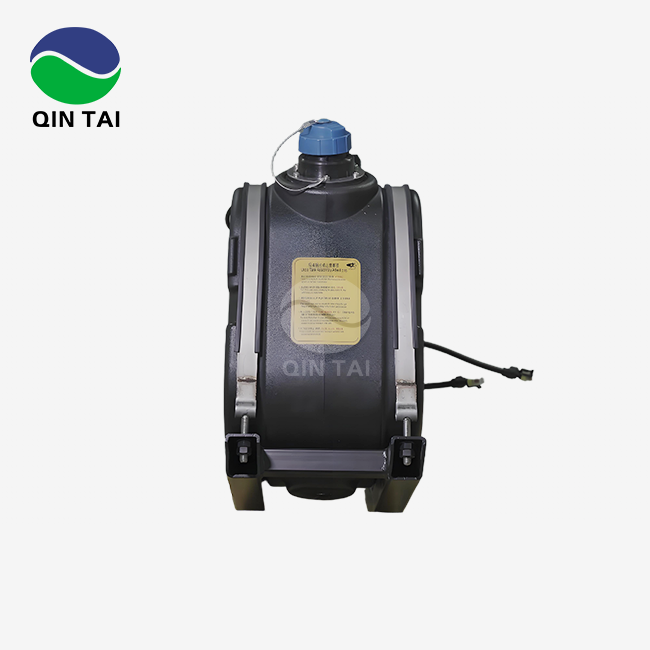
To meet pollution goals, a complete dosing unit combines several parts that work together. The dosing control unit takes information from NOx monitors, exhaust temperature probes, and engine management systems and figures out the best amount of fuel to give in real time. The delivery module has a pump that pulls fluid from the storage tank and passes it through to get rid of particles and keep the injectors from getting clogged.
The injector, which can work with or without air, turns AdBlue into tiny drops that quickly evaporate in the hot exhaust stream. Pressure monitors and level signs give diagnostic information that lets repair be planned ahead of time and keeps systems from breaking down. To make sure that heavy trucks, farm equipment, and fixed generators can all work together, high-quality parts made to car standards are used.
Dynamic Dosing Control and Emission Optimization
Modern dosing controls use complex algorithms to find the best mix between how well NOx is reduced and how much fluid is used. When the load changes quickly, like when building equipment and vocational trucks are used, the system needs to act quickly to stop emission spikes and avoid overdosing, which wastes fluid and harms catalysts through ammonia slip. Closed-loop input from NOx monitors further downstream is used by advanced controls to change injection rates in milliseconds. This dynamic management lowers running costs by keeping compliance margins high during regulatory testing while reducing the amount of fluid used. When R&D engineers look at dose systems, they should focus on ones that let them change the calibration settings to fit the needs of each engine and duty cycle.
Sensor Integration and Compatibility
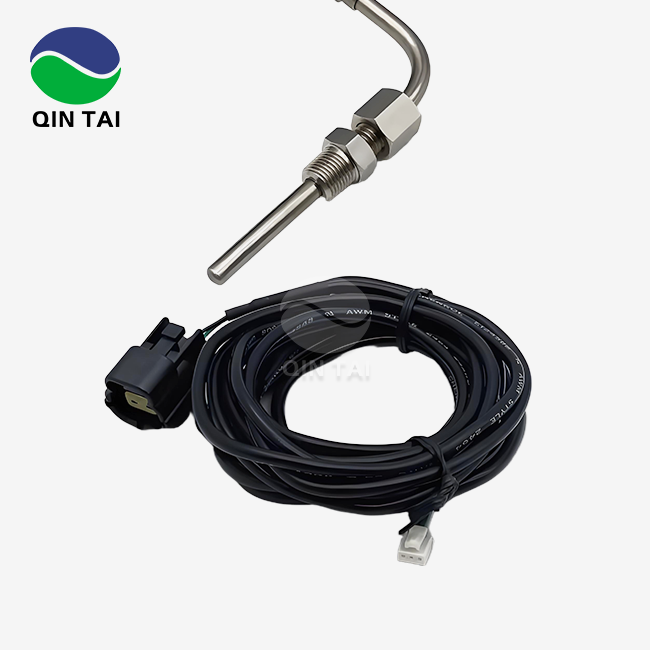
For accurate emission control with an AdBlue Dosing System, choices about doses need to be based on accurate sensor data. NOx monitors use zirconia or electrochemical cells to measure the concentrations of NOx before and after the catalyst. This gives input for closed-loop control. Temperature monitors at the catalyst's entrance and exit help with timing the injections and stop fluid from being wasted during cold-start dosing.
Pressure sensors check the health of the system and find leaks or problems with pumps before they break. Integrators of aftertreatment systems look for dose platforms that support open communication methods like CAN bus and OBDII interfaces. This makes it possible for these platforms to work seamlessly with a variety of engine control units. This makes it easier for OEMs to use proven SCR technology on new engine designs, which cuts down on engineering costs and speeds up time-to-market.
Choosing the Right AdBlue Dosing System for Your Fleet or Business
Finding the best dosing hardware means finding a balance between technical specs, total cost of ownership, and provider support skills that match practical needs.
OEM Versus Aftermarket Solutions
Original equipment makers (OEMs) often sell dosing systems along with engine packages. This way, the warranties are covered by the same company and the systems are sure to work together. These OEM options go through a lot of validation testing and meet the strict durability standards needed for new car approvals. Aftermarket options are cheaper and can be used in both retrofit and substitute situations.
Purchasing managers need to check to see if extra systems have the same certifications and if installing them voids any engine warranties that are already in place. Reliable aftermarket providers offer detailed technical paperwork and application engineering help to make sure that the system is correctly sized and integrated. The choice depends on things like how old the car is, how much service life it still has, and how many OEM repair networks are in the operating territories.
Electric Versus Mechanical Dosing Mechanisms
Dosing technology has changed from pumps that are powered by a motor to units that are handled electronically and offer more accuracy and testing tools. Electric dosing pumps work regardless of engine speed, so they can accurately measure throughout the whole working range, from rest to full load. These systems have self-priming and cleaning features that keep them from freezing and needing as much upkeep. When mechanical systems are powered by the engine's extra power, they are simple, but they are hard to control. When technical buyers are choosing systems for heavy-duty uses like mining equipment, marine generators, or stationary engines that run all the time, they should look for electric designs that allow for remote tracking and preventative maintenance alerts that reduce unplanned downtime.
Evaluating Supplier Credentials and Support Infrastructure
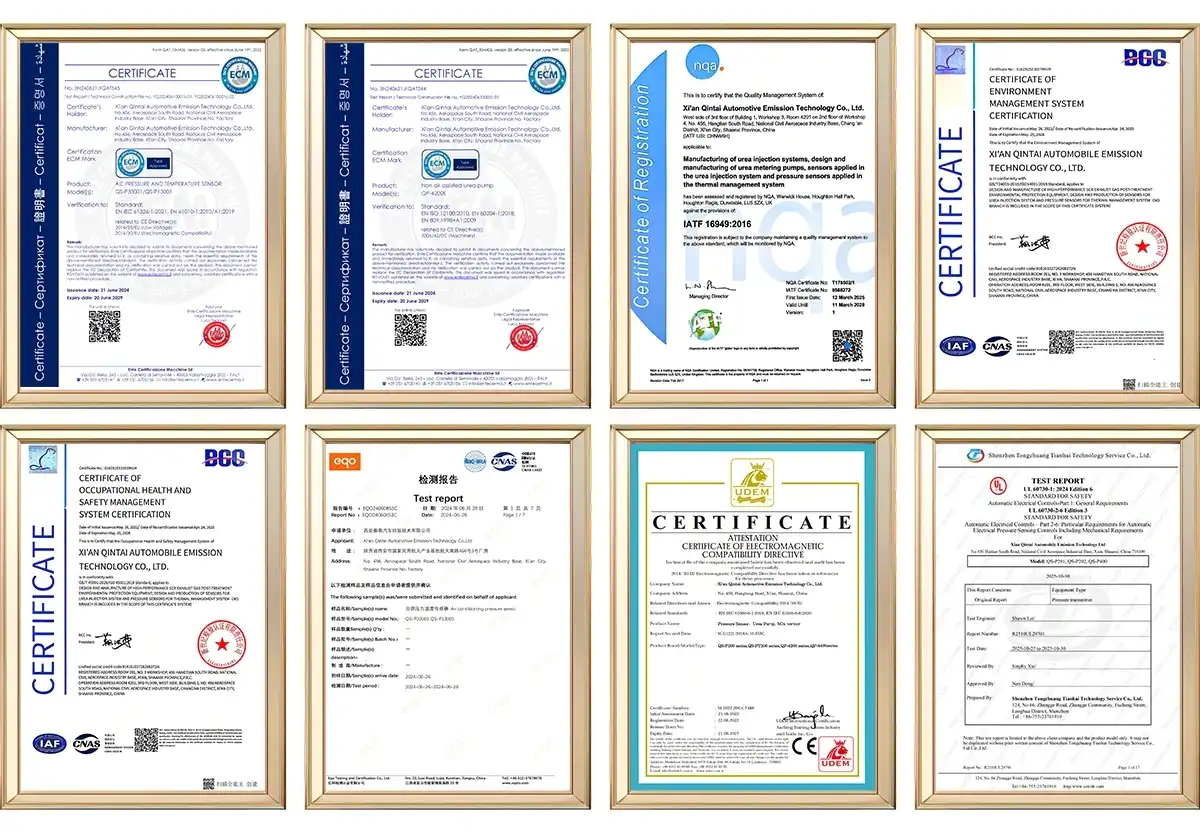
Working with well-known dosing system makers guarantees ongoing expert help, easy access to extra parts, and warranty fulfilment. Qualified providers have certifications, such as IATF 16949 for managing quality in the car industry, and intellectual property portfolios that show they can come up with new ideas. Buyers should make sure that candidates offer a full range of after-sales services, such as training for installation, help with starting, and help with fixing problems in the field. When negotiating long-term deals, supply chain managers gain when sellers run regional distribution centers that cut down on lead times and keep safety stock levels high. Through joint engineering and analysis of performance data, these relationships lower organisational risks and back up efforts to make things better all the time.
Maintenance, Troubleshooting and Best Practices for AdBlue Dosing Systems
AdBlue Dosing Systems need to be maintained, fixed, and used in the best way possible. Proactive repair plans make systems last longer, stop them from failing to meet emission standards, and lower the total cost of ownership over the whole lifetime of the equipment.
Routine Maintenance Protocols
Maintenance intervals are usually the same as engine service intervals, which can be anywhere from 500 to 1,000 working hours, based on the severity of the application. Using troubleshooting tools, technicians should look for contamination in the fluid filters, look for leaks in the hose connections, and confirm the spray patterns of the injectors.
Many current systems have self-cleaning features that get rid of any leftover fluid after the system is turned off. This keeps crystals from forming in the injector tubes. Manufacturers may release software changes that improve dosing formulas or diagnostic tools, which may mean that the controller needs to be reprogrammed every so often. If fleet maintenance managers use digital work order systems, they should include dosing system checks in their preventive maintenance checklists. This way, they can keep track of service history data that can be used to support warranty claims and find long-term problems that need supplier action.
Common Issues and Troubleshooting Approaches
The most common problem with dose systems is that sensors stop working. This can be caused by temperature shock or fluids that aren't up to par. Since replacing a NOx monitor can cost between $500 and $1,200 per unit, it makes financial sense to check the quality of the fluid on a regular basis. Injector fouling usually shows up as bad atomisation and more fluid use, which can be fixed by ultrasonic cleaning or replacing the injector.
Diagnostics on the control unit that can be accessed through OBDII ports give fault codes that show specific failure modes. This lets fixes be targeted instead of replacing all the parts at once. Managers of parts should keep important extra parts like sensors, filters, and injectors in stock, making sure that the quantities are right for the number of vehicles in the fleet and the failure rates seen in the past. This will help avoid long periods of downtime while guarantee replacements are found.
Compliance Documentation and Regulatory Requirements
More and more, emission rules require keeping computer records that show how the SCR system is working properly and the quality of the fluid. Depending on the state, fleet owners must keep service records for dosing systems, receipts for fluid purchases, and compliance test results for three to seven years. When telematics systems are connected to engine controllers, they can instantly record dosing action. This creates audit trails that show the emission control system is always working.
Companies that make environmental protection equipment and offer solutions for treating industrial exhaust should set up quality management systems that keep track of calibration plans, upkeep processes, and the ability to trace back to specific batches of fluid. This paperwork guards against fines from the government and helps with the certification renewals needed for working permits in areas that are sensitive to emissions.
Conclusion
Making the difference between AdBlue and DEF clearer gets rid of the misunderstanding that makes foreign buying and AdBlue Dosing System integration harder. Chemically, these fluids are the same and work through the same SCR processes. The only difference in their names is in the way they are named in different markets, not in how they work. To have a successful execution, you need to choose the right dosing hardware for the job, build relationships with certified fluid providers, and follow strict upkeep procedures. As emission standards get stricter around the world, companies that make diesel engines and fleet owners can stay ahead of the competition by learning the basics of SCR technology and working with providers who offer full technical support. The dose system is an important investment that will protect engine assets, make sure regulations are followed, and show environmental responsibility throughout the lifespan of the equipment.
FAQ
Q1: Are AdBlue and DEF truly interchangeable products?
A: Yes, they both meet the ISO 22241 requirements for a 32.5% urea mix. Check the licenses of the seller, no matter what language is used.
Q2: How often should dosing systems require servicing?
A: Maintenance intervals are usually between 500 and 1,000 working hours, but they can be longer or shorter based on the purpose and what the maker recommends. In harsh settings, checks may need to be done more often.
Q3: Can aftermarket dosing systems work with all diesel engine types?
A: When properly defined, quality aftermarket solutions offer wide compatibility. However, buyers should check the support for communication protocols and the size of the catalyst to make sure proper integration and emission compliance.
Partner with Qintai for Reliable AdBlue Dosing System Solutions
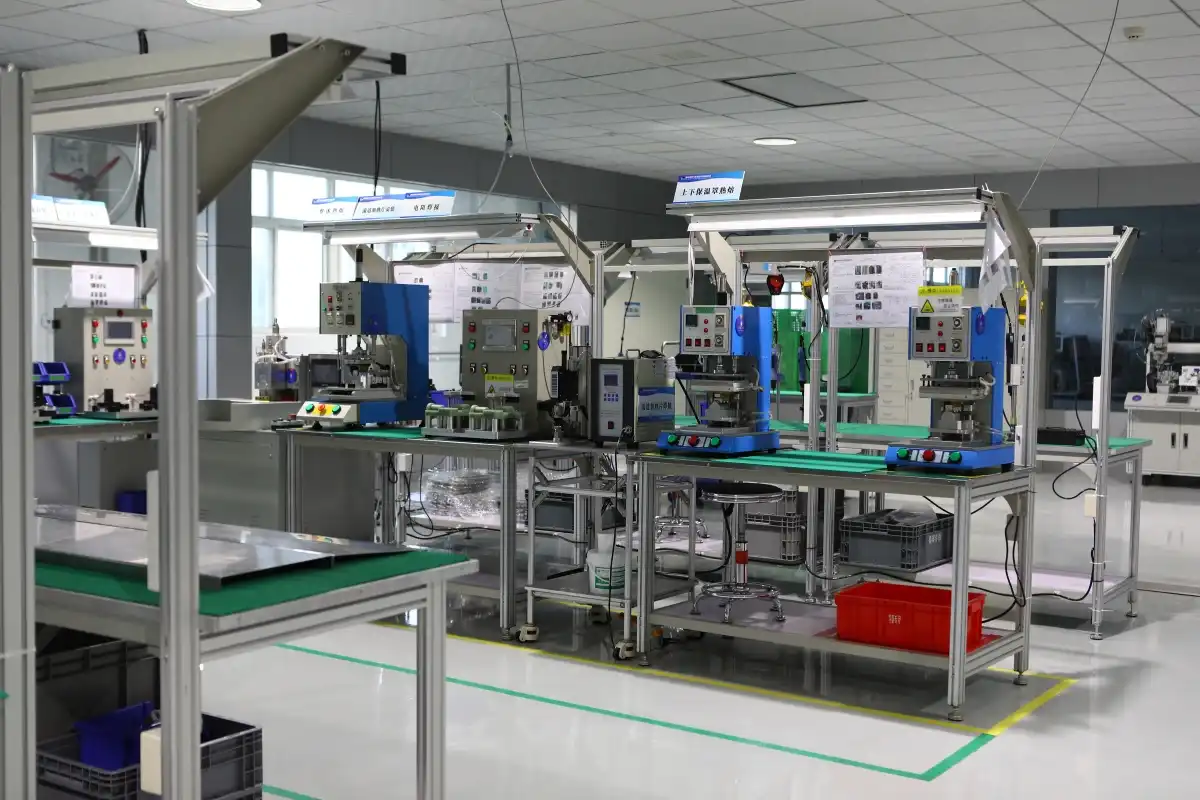
Qintai Automotive Emission Technology Co., Ltd. has more than 20 years of experience with SCR and can help diesel engine makers, aftertreatment integrators, and industrial vehicle owners who need proven ways to reduce emissions. We are the biggest AdBlue Dosing System seller in China's OEM market. Our IATF 16949-certified factories make parts for major power names like Weichai, Yuchai, and Quanchai. Our engineers have 58 idea patents that cover sensor technology, dosing control algorithms, and system integration methods that make NOx reduction work best in a wide range of situations, from heavy cars to generator sets.
For agricultural tools, building equipment, and industrial power production, we offer full customisation services that meet the specific needs of our customers. Get in touch with our technical experts at info@qt-sensor.com to talk about how our approved dose systems and pressure sensors can help you meet your emission compliance goals while lowering your total cost of ownership through high reliability and quick support after the sale.
References
1. Society of Automotive Engineers International. "SCR Systems for Heavy-Duty Diesel Engines: Technology Overview and Performance Standards." SAE Technical Paper Series, 2022.
2. International Organization for Standardization. "ISO 22241: Diesel Engines - NOx Reduction Agent AUS 32 - Part 1-5 Complete Specification." ISO Standards Catalogue, 2019.
3. U.S. Environmental Protection Agency. "Diesel Exhaust Fluid Quality Requirements and Testing Protocols for Heavy-Duty Highway Engines." EPA Emission Standards Reference Guide, 2021.
4. European Automobile Manufacturers Association. "AdBlue Quality Assurance and SCR System Integration Guidelines for Commercial Vehicles." ACEA Position Paper, 2020.
5. Automotive Industry Action Group. "IATF 16949 Quality Management Systems: Requirements for Automotive Production and Relevant Service Parts Organizations." AIAG Publications, 2023.
6. Diesel Technology Forum. "Selective Catalytic Reduction: Best Practices for Fleet Operators and Maintenance Professionals." Industry White Paper, 2022.
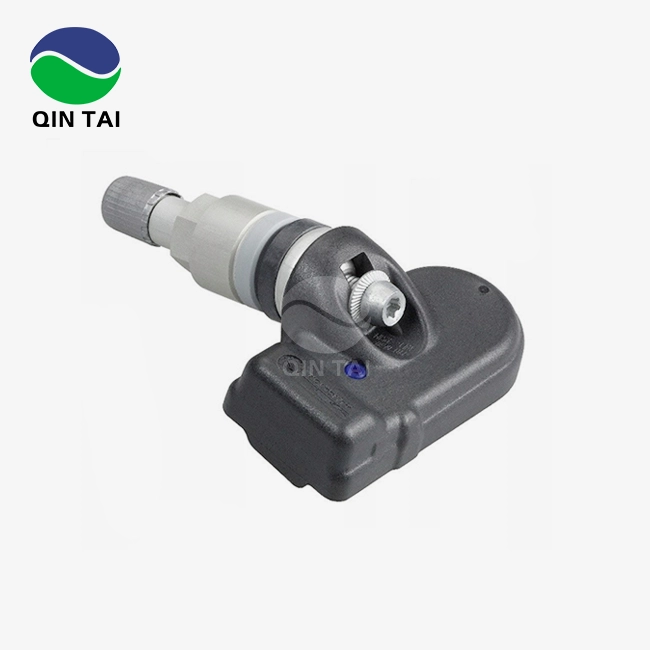
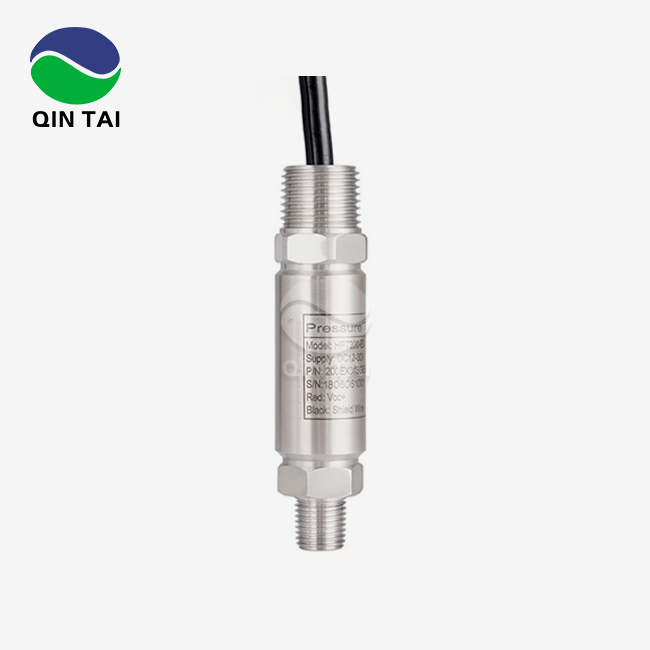

Our customers’ satisfaction speaks for our quality — contact us to experience the same reliable service.