- English
- French
- German
- Portuguese
- Spanish
- Russian
- Japanese
- Korean
- Arabic
- Greek
- German
- Turkish
- Italian
- Danish
- Romanian
- Indonesian
- Czech
- Afrikaans
- Swedish
- Polish
- Basque
- Catalan
- Esperanto
- Hindi
- Lao
- Albanian
- Amharic
- Armenian
- Azerbaijani
- Belarusian
- Bengali
- Bosnian
- Bulgarian
- Cebuano
- Chichewa
- Corsican
- Croatian
- Dutch
- Estonian
- Filipino
- Finnish
- Frisian
- Galician
- Georgian
- Gujarati
- Haitian
- Hausa
- Hawaiian
- Hebrew
- Hmong
- Hungarian
- Icelandic
- Igbo
- Javanese
- Kannada
- Kazakh
- Khmer
- Kurdish
- Kyrgyz
- Latin
- Latvian
- Lithuanian
- Luxembou..
- Macedonian
- Malagasy
- Malay
- Malayalam
- Maltese
- Maori
- Marathi
- Mongolian
- Burmese
- Nepali
- Norwegian
- Pashto
- Persian
- Punjabi
- Serbian
- Sesotho
- Sinhala
- Slovak
- Slovenian
- Somali
- Samoan
- Scots Gaelic
- Shona
- Sindhi
- Sundanese
- Swahili
- Tajik
- Tamil
- Telugu
- Thai
- Ukrainian
- Urdu
- Uzbek
- Vietnamese
- Welsh
- Xhosa
- Yiddish
- Yoruba
- Zulu
Which SCR Dosing System Features Matter Most When Comparing Models?
When comparing SCR Dosing System models, the most critical features include dosing accuracy and pressure control, sensor compatibility and signal reliability, durability under extreme conditions, and diagnostic capabilities. These elements directly determine whether your emission control strategy meets Euro VI or EPA standards while maintaining operational efficiency and minimizing total cost of ownership across heavy-duty diesel applications.


Introduction
SCR Dosing Systems are now an important part of current diesel engine emission control methods. As rules get stricter around the world, especially with Euro VI and EPA Tier 4 Final standards, picking the right dosing system has become much more important. Making the right choice affects not only how well the car works and how well it follows the rules, but also how much it costs and how reliable it is in the long run.
We know that procurement managers and research and development experts are under a lot of pressure to find a balance between budget limits, emission standards, and system stability. This guide gives you the information you need to compare SCR Dosing System models correctly, guiding you through technical details, brand choices, and buying factors with confidence. If you're putting systems into heavy cars, building equipment, or generator sets, you need to know about these basic features to protect your investment and make sure you're following the rules.
Understanding SCR Dosing Systems: Core Features and Working Principles
SCR Dosing Systems work by carefully adding a urea-based fluid (often called AdBlue or Diesel Exhaust Fluid) into the exhaust stream. This input makes it easier for dangerous nitrogen oxides to be turned into safe nitrogen and water vapor. Several linked parts must work together for the system to be successful.
Key Components and Their Roles
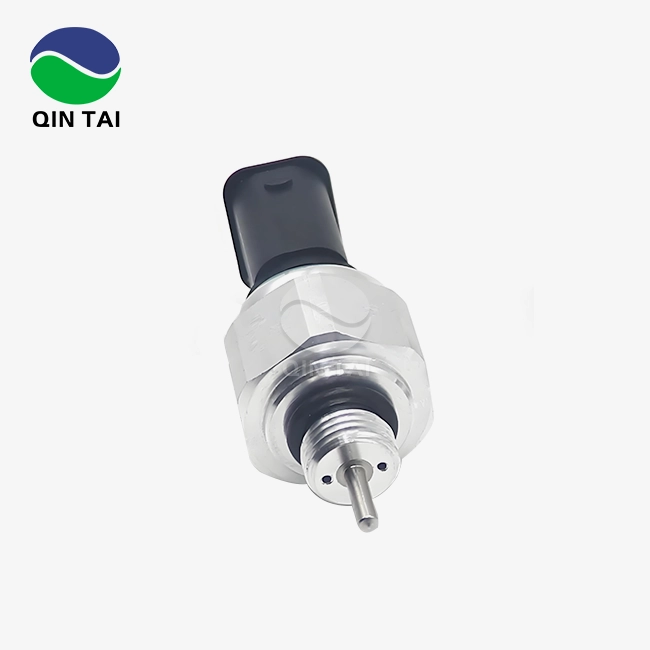
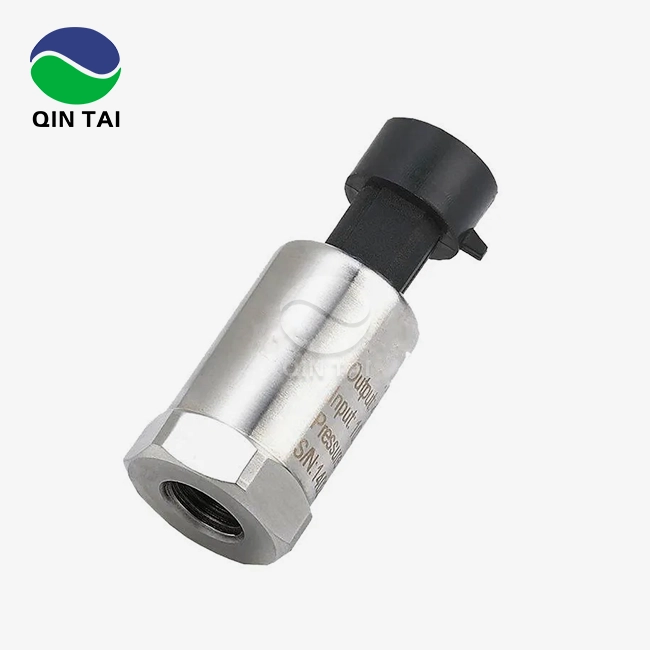
The dosing control unit is like the brain of the machine. It gets information from many sensors in real time and figures out the best rate of urea injection. The injector turns the fluid into tiny drops so that they can mix more efficiently, and the pump raises the pressure of the urea solution to a range of 5 to 9 bar. A very important part, the urea pressure monitor, gives closed-loop input to make sure that the doses are given correctly. This sensor finds drops in pressure that mean there are leaks, blocks, or air in the system. It also finds cases where there is too much pressure, which could be caused by frozen AdBlue or broken valves. Without accurate pressure monitoring, the system can't figure out what's wrong with the injectors or the way the pump is working.
Maintenance and Longevity Considerations
Maintenance must be done on a regular basis to keep systems running well and extend their life. Urea crystallization is still one of the most common ways things fail. It happens when fluid that isn't moving evaporates and leaves behind solid deposits. Crystallization can damage important parts of modern sensors, so they use dead-volume reduction techniques and smooth internal flow paths to keep this from happening. It is very important to understand these basics when looking at how efficient a system is and how stable it will be over time, especially in situations where it needs to last for more than a million kilometers.

Essential Features to Compare When Evaluating SCR Dosing System Models
When looking at various models, certain traits become clear as key differences between systems that work well and those that don't. These traits have a direct effect on your ability to meet pollution standards while keeping costs low.
Dosing Accuracy and Pressure Stability
Accurate dosing is the most important part of reducing NOx effectively. Systems have to keep their accuracy within ±5% even when the engine is working hard and the exhaust temperature is changing. The urea dosing pressure sensor is very important because it gives the real-time feedback that is needed for closed-loop control. Pressure stability stops both too little dosing, which wastes AdBlue and can cause ammonia to leak, and too much dosing, which can damage emissions. In normal business situations, high-tech monitors from well-known brands can keep their accuracy for 15,000 to 20,000 hours of use, which is essential for maintaining the long-term reliability of any SCR Dosing System deployed in heavy-duty or off-highway applications.
Sensor Compatibility and Signal Integration
Integration goes smoothly because it works with different types of diesel engines and existing vehicle electronics. Whether they use digital standards like SENT or analog voltage values like 0.5V to 4.5V, output signals must match the ECU's calibration needs. When buying, physical fitting standards like M10x1 or M12x1.5 need to be checked. Systems that work well with a lot of different sensors make integration easier and installation faster. This is especially important for aftertreatment system integrators who work with a lot of different OEM platforms. Gold-plated connections in sensor connectors stop signal drift and stop the P204B fault code, which is often caused by contamination or rust in the connectors.
Durability and Environmental Resistance
Industrial-grade systems are built to last in harsh conditions, while consumer-oriented designs are made to last in normal conditions. For heavy-duty commercial logistics uses, sensors must be able to handle constant road vibrations and temperature changes over millions of kilometers. Construction and mining equipment works in places with a lot of dust and shocks, and sensors have to work even though they are under a lot of mechanical stress. Marine diesel engines have extra problems because they need to be able to handle high-salinity environments. The best systems have flexible internal buffering structures that can handle the 9% volume expansion that happens when AdBlue freezes at -11°C. This keeps sensors from getting damaged during cold starts.
These aspects of longevity have a direct effect on the total cost of ownership. When systems fail too soon, warranty claims, vehicle downtime, and emergency parts procurement all happen, which costs fleet operators a lot of money. Supplier guarantees that cover more time than usual show that the maker trusts the quality and dependability of the build.
Advanced Diagnostics and Real-Time Monitoring
Advanced diagnostic tools increase performance and make debugging easier. Systems that are monitored in real time find problems before they get worse and cause failures. Pressure sensors that find blockages, leaks, or air entering allow predictive maintenance, which cuts down on unplanned downtime. Integration with telematics platforms lets fleet managers keep an eye on multiple vehicles at once, which helps them make the best use of maintenance schedules and spare parts supplies. These features are especially helpful for companies that make generator sets that are used in remote mines or power plants, where finding problems quickly saves money by avoiding costly service breaks.
Comparing SCR Dosing Systems to Alternative Emission Control Technologies
Several technologies are being used to try to lower NOx emissions, and SCR Dosing Systems are one of them. Figuring out where they fit in the bigger picture of emission control helps you understand their own strengths and weaknesses.
SCR Versus Exhaust Gas Recirculation
Compared to Exhaust Gas Recirculation, SCR systems are better at reducing NOx—often by more than 95%—but they need a steady supply of urea and precise control over how much is added. EGR systems send exhaust gasses back into the combustion chamber, which lowers the temperature at which the fuel is burning and the amount of NOx that is released. EGR, on the other hand, can make more particulate matter and use more fuel. A lot of new engines use both technologies together. They use EGR to cut down on NOx levels and SCR to polish the emissions completely. This hybrid method strikes a good mix between economy and low emissions.
Complementary Technologies
Diesel Oxidation Catalysts mostly break down carbon monoxide and hydrocarbons into water and carbon dioxide. Soot particles are caught by diesel particulate filters. In integrated aftertreatment systems, neither technology can be used instead of SCR to control NOx. Instead, they work with it. Engineers can improve the general performance of a system and keep parts from clashing if they know how SCR dosing works with these parallel systems.
Emerging Hybrid Solutions
New hybrid and alternative technologies are always changing, which means they bring new benefits and drawbacks. Some companies try out plasma-assisted catalysis or ammonia storage catalysts. Despite showing promise, these technologies are still mostly new compared to SCR systems that have been used for a long time. People who make procurement decisions should weigh the risks of new technology against the chance of innovation. This is especially important in situations where uptime and regulatory compliance are essential.
Market-Leading SCR Dosing System Brands and Their Differentiators
The SCR Dosing System market is dominated by a few well-known brands, and each one is better at certain types of applications. Knowing these things that make suppliers different helps match their skills with specific business needs.
Bosch is known for making reliable equipment and having a large aftermarket. Their dosing units are used in a lot of different car platforms, and parts and dealer networks are easy to find. This makes it easier to get extra parts and cuts down on the time it takes to get new parts. Delphi focuses on the accuracy of its parts and the merging of its systems. It provides solutions that work well with a variety of engine control units. Their engineering support helps integrators deal with tricky calibration problems.
Continental adds new features, such as improved sensor fusion and analysis that can predict what will happen. A lot of the time, their systems have more than one sensor input to cross-check data and make problem recognition more accurate. Wayne Flow Solutions specializes in precise flow control, which is especially useful in situations where dosing rates need to be changed over a wide range of working conditions. Their modular designs make it easier to customize and expand the system.
In addition to these global leaders, specialized suppliers such as Xi'an Qintai Automotive Emission Technology bring a lot of knowledge to certain parts. Qintai is a national high-tech company that has been around since 2001. Its main products are pressure monitors and SCR aftertreatment systems. Their ISO9001, IATF16949, CMC, Ex, UL, CE, REACH, and RoHS certifications show that they are dedicated to quality. Qintai has the biggest market share in China and is the main seller to Weichai Power, Yuchai Power, and Quanchai Power. It has 58 invention rights and its own research team. This track record gives procurement managers confidence in a company that has been reliable in the past.
When choosing a brand, it's still important to look at things like warranty terms, availability of spare parts, and dealer authorization. Total cost of ownership goes down when suppliers offer local expert help and quick delivery of parts. Authorized dealers sell original parts and offer trained installation help, which lowers the risk of getting fake parts or not integrating them correctly.
Procurement Considerations: How to Choose and Buy the Right SCR Dosing System
To do good procurement, you must first clearly define your practical and legal needs based on the types of vehicles you need to buy and the emission standards that apply. When heavy trucks cross foreign borders, they have to follow different area rules, which means their systems have to be approved for more than one standard. When construction equipment is used in enclosed spaces, it may have to follow stricter emission rules than when it is used in the field, making the selection of a compliant SCR Dosing System a critical decision that directly affects regulatory acceptance and operational flexibility across diverse territories.
Total Cost of Ownership Analysis
The total cost of ownership is more than just the price you paid for the item. Labor costs and vehicle downtime during integration are affected by how hard the installation is. Long-term repair costs are affected by how often parts need to be replaced and how much they cost. Warranty coverage guards against early failures, but it varies a lot from one provider to the next. Systems with full coverage and longer warranty periods lower financial risk. Lifecycle costs over a typical vehicle's service life, which is usually 10 to 15 years for business use, show the real economic value that goes beyond the initial price.
Supplier Selection and Risk Mitigation
Choosing a supplier means finding a balance between ease of use and trustworthiness. Online shopping channels offer low prices and a large range, but you have to be very careful to make sure the seller is real. Local wholesalers can get items quickly and offer hands-on help, but they may charge more. Prioritizing verified sources and approved sellers lowers the risk of getting fake parts or systems that don't work with each other. Certification documents, like ISO, IATF, and product-specific approvals, show that the manufacturing quality is good and that all the rules are followed.
Post-Purchase Support Infrastructure
Integration success and long-term satisfaction depend on the framework for help after the sale. Help with installation from trained technicians cuts down on the time needed for commissioning and avoids mistakes that cost a lot of money. Maintenance services, such as system diagnostics and calibration, keep the performance of a vehicle at its best for as long as it is owned. Training users gives support teams the skills they need to fix problems, which makes them less reliant on outside service providers. Suppliers who offer full help packages add a lot of value on top of the goods itself.

Conclusion
It is important to carefully consider the dosing accuracy, sensor dependability, weather stability, and diagnostic features when choosing the right SCR Dosing System. In heavy-duty diesel applications, these features have a direct effect on emissions compliance, operational costs, and the longevity of the system. To make sure that procurement decisions meet both technical needs and budget limits, it is important to know how different brands set themselves apart and to do a thorough total cost of ownership analysis. As emission rules change, investing in tried-and-true methods with strong support from the provider will help your business stay in line and give you a competitive edge.
FAQ
Q1: How does crystallization affect urea dosing pressure sensors?
A: Urea crystallizes when AdBlue dissolves in still areas, leaving behind solid layers that can clog sensor diaphragms and stop flow paths. Modern sensors fight this by minimizing dead volume and making the insides smooth, which keeps fluid from pooling. When working in cold weather, systems with heating elements in the dosing module lower the risk of crystallization.
Q2: What causes the P204B urea pressure sensor fault code?
A: The P204B number means that the pressure monitor is out of range or not working properly. Some common reasons are signal drift from old sensors, contaminated connector pins, or voltage problems in the car's electrical system. Gold-plated terminals keep signals from corroding and reduce the number of P204Bs that happen. When you check your connectors regularly during maintenance periods, you can find contamination before it causes fault codes to appear.
Q3: Can SCR systems be retrofitted to older diesel engines?
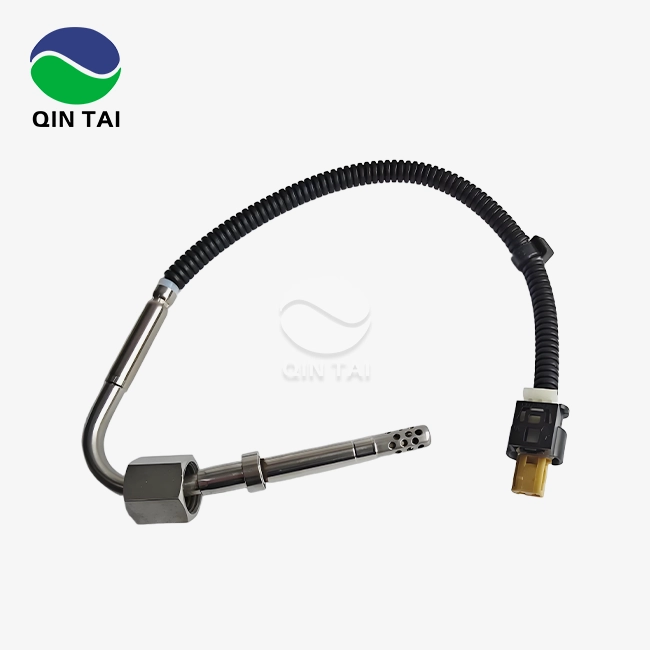
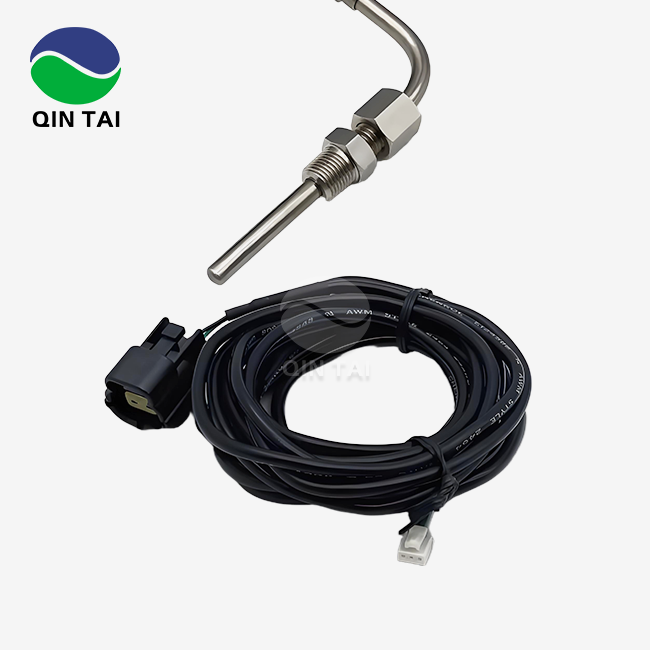
A: Retrofitting depends on how much space is available for parts, how the exhaust system needs to be changed, and how well the new controls work with the old ones. Many older engines don't have the sensors and computers needed to control the amount of urea that is added in a closed loop. For retrofits to work, they usually need separate dosing control units and more exhaust gas temperature sensors. The ability to retrofit depends on the needs of the product and a study of the costs and benefits.
Partner with a Trusted SCR System Component Manufacturer
Qintai Automotive Emission Technology Co., Ltd. offers precisely designed urea dosing pressure monitors and full SCR system solutions, backed by 20 years of quality production. We serve Weichai Power, Yuchai Power, and Quanchai Power with parts that have been tested over millions of hours of use. We are the top seller of SCR Dosing Systems to China's OEM market. Our independent research team has 58 idea patents, which means they are always coming up with new ways to improve dosing accuracy and sensor dependability. We can make heavy trucks, construction equipment, farm tools, and generator sets exactly how you want them. Our quality management is certified by ISO9001 and IATF16949, and we meet Euro VI and EPA standards. Email our engineering team at info@qt-sensor.com to talk about your specific application needs, get technical specs, or look into OEM relationship possibilities that take advantage of our global supply network that spans over 60 countries.
References
1. Johnson, M. & Williams, R. (2021). Advanced Diesel Engine Emission Control Systems: Design, Integration, and Compliance. SAE International Press.
2. European Commission. (2020). Euro VI Heavy-Duty Vehicle Emission Regulations: Technical Standards and Compliance Guidelines. Official Journal of the European Union.
3. Zhang, L., Chen, H., & Kumar, P. (2022). "Urea Dosing Precision and NOx Reduction Efficiency in SCR Systems: A Comparative Analysis." International Journal of Automotive Technology, 23(4), 1127-1142.
4. Environmental Protection Agency. (2019). Tier 4 Final Emission Standards for Nonroad Diesel Engines: Implementation and Testing Protocols. EPA Office of Transportation and Air Quality.
5. Schmidt, A. & Hoffman, K. (2023). "Sensor Technology in Selective Catalytic Reduction: Pressure Monitoring and Diagnostic Strategies." Sensors and Actuators B: Chemical, 378, 133156-133168.
6. Anderson, T., Rodriguez, M., & Lee, S. (2022). Total Cost of Ownership in Commercial Vehicle Emission Control: A Procurement Manager's Guide. Commercial Vehicle Engineering Institute.

Our customers’ satisfaction speaks for our quality — contact us to experience the same reliable service.