- English
- French
- German
- Portuguese
- Spanish
- Russian
- Japanese
- Korean
- Arabic
- Greek
- German
- Turkish
- Italian
- Danish
- Romanian
- Indonesian
- Czech
- Afrikaans
- Swedish
- Polish
- Basque
- Catalan
- Esperanto
- Hindi
- Lao
- Albanian
- Amharic
- Armenian
- Azerbaijani
- Belarusian
- Bengali
- Bosnian
- Bulgarian
- Cebuano
- Chichewa
- Corsican
- Croatian
- Dutch
- Estonian
- Filipino
- Finnish
- Frisian
- Galician
- Georgian
- Gujarati
- Haitian
- Hausa
- Hawaiian
- Hebrew
- Hmong
- Hungarian
- Icelandic
- Igbo
- Javanese
- Kannada
- Kazakh
- Khmer
- Kurdish
- Kyrgyz
- Latin
- Latvian
- Lithuanian
- Luxembou..
- Macedonian
- Malagasy
- Malay
- Malayalam
- Maltese
- Maori
- Marathi
- Mongolian
- Burmese
- Nepali
- Norwegian
- Pashto
- Persian
- Punjabi
- Serbian
- Sesotho
- Sinhala
- Slovak
- Slovenian
- Somali
- Samoan
- Scots Gaelic
- Shona
- Sindhi
- Sundanese
- Swahili
- Tajik
- Tamil
- Telugu
- Thai
- Ukrainian
- Urdu
- Uzbek
- Vietnamese
- Welsh
- Xhosa
- Yiddish
- Yoruba
- Zulu
How to Choose Pressure Sensors for Hydraulic Applications?
Selecting the right pressure sensor for hydraulic applications requires evaluating multiple technical and operational factors. Hydraulic systems demand sensors that withstand high pressures, temperature extremes, and mechanical vibrations while delivering accurate, consistent readings. The ideal pressure sensor balances measurement precision with environmental durability, ensuring seamless integration into existing hydraulic infrastructure. Whether you're an OEM manufacturer or aftermarket supplier, understanding sensor technologies, performance specifications, and compatibility requirements enables you to source components that enhance system reliability and operational efficiency.
Understanding Pressure Sensors in Hydraulic Applications
Pressure sensors are used in hydraulic systems to keep an eye on the fluid force in cylinders, valves, pumps, and motors. These sensors turn mechanical pressure into electrical messages that let you control and watch the system in real time.
How Pressure Sensing Technology Works
In hydraulic situations, different sensing technologies are useful. In industrial hydraulics, strain gauge sensors are the most common because they are reliable and can measure a wide range of pressures. Capacitive sensors are based on a ceramic diaphragm that changes shape when pressure is applied.
The diaphragm acts as an electrode and the fixed electrode as a capacitor. When the pressure changes, the bending of the diaphragm changes the capacitance between the sensors. This makes an electrical output that can be measured. Piezoelectric versions are great at picking up the fast changes in pressure that happen in mobile hydraulic equipment, while MEMS technology offers small form factors that are good for installations with limited space.
Key Performance Metrics That Matter
Specifications for accuracy usually fall between ±0.25% and ±1% full scale in hydraulic environments used in industry. When equipment works in harsh weather or near heat sources like diesel engines, temperature adjustment is very important. Response time affects the stability of the control loop. Sensors that send measurements within 10 milliseconds are useful for construction and farming equipment. In heavy-duty situations where mechanical shock is likely to happen, vibration resistance stops signal shift.
Application-Specific Considerations
For heavy trucks, the brake systems need sensors that have been tested and approved for use in cars and are very stable over time. When construction equipment is used in dusty and wet conditions, it needs enclosures with an IP67 rating and wetted parts made of stainless steel. Agricultural equipment needs sensors that can work with hydraulic oils that break down naturally, and generator sets need sensors that can keep working even after long periods of time without being serviced.
Core Criteria for Selecting Pressure Sensors in Hydraulic Systems
Systematically comparing technical needs with available solutions is key to making smart decisions about buying sensors.
Defining System Pressure Parameters
First, find the highest working pressure, which should include any possible pressure spikes that are higher than the nominal ratings. In building equipment, hydraulic systems may work at 350 bar all the time, but they can hit 450 bar quickly when the load changes. If you choose sensors that are rated at least 1.5 times the highest predicted pressure, they won't fail before they should and the measurements will still be accurate. Minimum pressure limits are also important. For example, some applications need to be able to identify pressures below 5 bar to find leaks or keep an eye on things while they are in standby mode.
Environmental Operating Conditions
Temperature differences have a big effect on how long sensors last. Standard industrial sensors work reliably in temperatures ranging from -40°C to 125°C, which makes them good for most stationary equipment. Mobile equipment that is used in harsh environments may need higher temperature ratings.
Material choice is also affected by things like humidity, chemical exposure, and electromagnetic interference from alternators and ignition systems, and the pressure sensor is similarly subject to these environmental stresses, as its diaphragm and sealing materials can degrade under combined thermal and mechanical cycling. When cheaper parts fail, sensors with conformal coatings and EMI shielding keep working.
Electrical Interface Compatibility
Format of the output signal must match the format of the receiving instrument. 0.5V to 4.5V voltage outputs work well with microcontroller-based systems that are common in modern diesel engines. 4-20mA current loops are still commonly used in industrial process control. Digital protocols, like the CAN bus, make it possible for improved diagnostics and multi-sensor networks. This is especially helpful for OEMs that are making powertrains that meet emission standards. Supply voltage needs—whether they are 5V, 12V, or 24V—must be compatible with the electrical architecture of the vehicle or machine.
Mechanical Integration Requirements
Thread types change around the world. In Europe, machines usually use M12x1.5 or G1/4 connections, while in North America, machines like 1/8-27 NPT or 7/16-20 UNF fittings. Deutsch connections, metri-pack terminals, and flying leads are all types of electrical terminations that can be used. Because of limited space around hydraulic manifolds, designs may need to be low-profile or have cable exits at a right angle. Some sensor designs are less accurate when mounted in certain ways. Writing down the installation position during specification makes sure that the best performance.

Comparing Pressure Sensors for Hydraulic Applications
The choice of technology affects both the cost of acquisition and the value over time.
Strain Gauge Sensors for General Hydraulics
These sensors are reliable and don't cost a lot of money. They can handle pressures from 0 to 1000 bar. When metallic diaphragms are joined with resistance elements, they can handle a lot of overpressure and don't move much over time. They can work with synthetic esters, hydraulic oil, and water-glycol fluids without breaking down. For OEM uses that need thousands of sensors every year, mass production numbers keep unit costs low. But because they are analog, the signals need to be cleaned up, and if they don't have correction circuits, the accuracy may drop a little at high or low temperatures.
Capacitive Sensors for Precision Measurement
Capacitive pressure sensors work better when accuracy below ±0.1% is important. Because they don't change much in temperature, they work great in generator sets and stationary hydraulic power units where the temperature is usually pretty stable.
When very accurate monitoring is needed, like in hydraulic testing equipment and calibration standards, the capacitive pressure sensor is a must-have. These sensors are very stable over time, which means they don't need to be calibrated as often. Because they are more expensive to buy at first, they are usually only used for important measurement places and not for large-scale monitoring.
Piezoelectric Sensors for Dynamic Applications
During operating cycles, the pressure in mobile hydraulic systems like excavators, wheel loaders, and farm trucks changes quickly. Piezoelectric sensors can pick up these changes very quickly, in microseconds. This lets advanced control systems work better, saving fuel and keeping parts safe. Their electrical output is self-generating and doesn't need an outside power source. This makes wiring easier for retrofit applications.
However, the pressure sensor used in these systems must also be carefully selected for its frequency response, because while piezoelectric types excel at high-speed transient detection, they do not respond well to low frequencies, so they can only measure dynamic pressure and not static pressure. This means that they aren't perfect solutions, but rather solutions that work with other solutions.
MEMS Technology for Compact Integration
Micro-electromechanical systems sensors can measure things in smaller packages than traditional designs. This makes them easier to place in tight areas that aftertreatment system integrators often work with SCR and DPF parts. The number of external components is cut down by signal processing and digital output that are built in. Because they are sensitive to mechanical shock, they need to be mounted with care in places with a lot of vibration. As production volumes rise, the prices of MEMS keep going down, which makes them more appealing to cost-conscious aftermarket outlets that serve repair shops and parts sellers.
Procurement Strategies for Buying Pressure Sensors for Hydraulic Systems
Sourcing decisions include more than just technical specs; they also include the supplier's abilities and the terms of the deal.
Evaluating Manufacturer Credentials
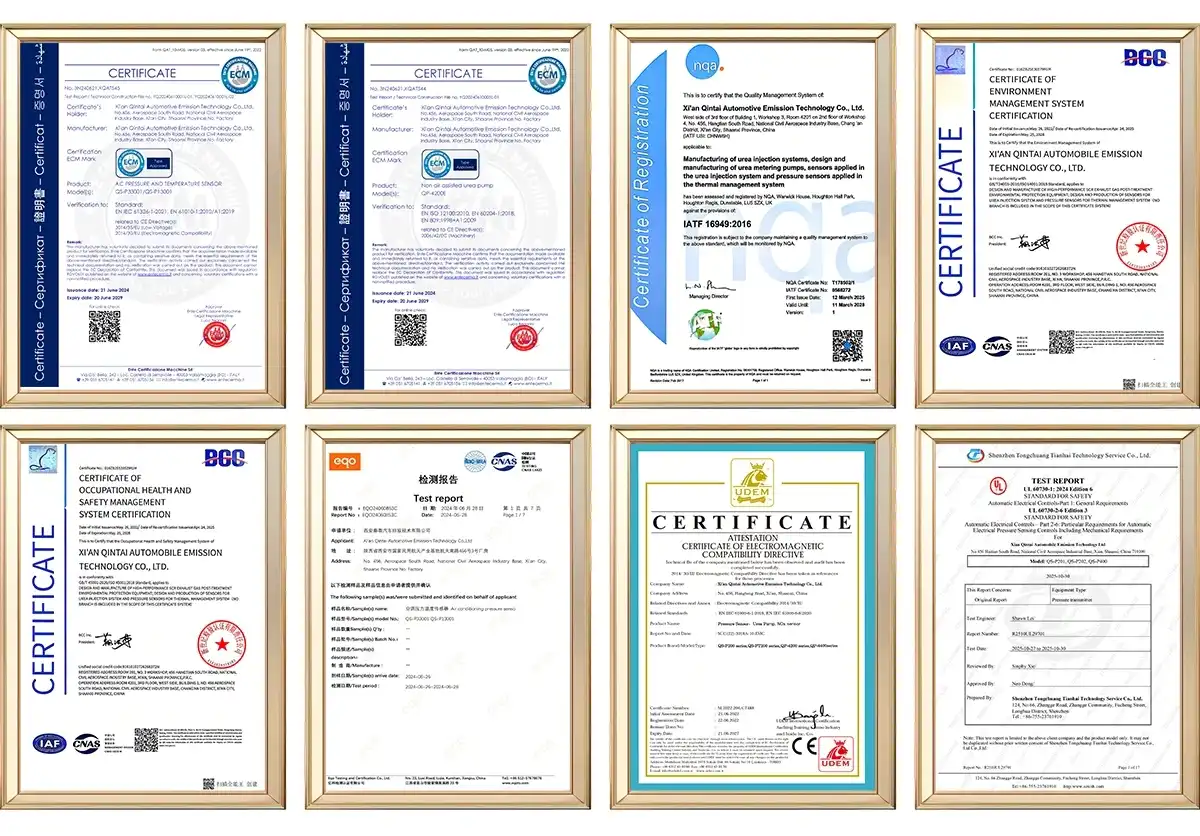
Certificates prove that the products are made well and meet standards. ISO9001 sets the standard for quality management, and IATF16949 addresses the needs of the automotive industry, which is important for heavy truck and farm equipment OEMs. For generator sets used in oil and mining, safety certifications like ATEX or IECEx are important. Component approvals from big diesel engine makers like Weichai, Yuchai, Cummins, or Deutz show that the product has been reliable in the field. Documentation from independent tests backs up performance promises. This is especially important when looking for alternative sources to help cut costs.
Balancing Cost and Volume Considerations
Unit prices change a lot depending on how many you buy. When you buy 10 to 50 prototypes, you have to pay more because of the setup costs. But when you buy more than 5,000 sensors a year, you can get bulk savings that could reach 40% per sensor.
When aftermarket wholesalers keep a variety of sensor types in stock, they can take advantage of portfolio pricing, which lets higher-volume SKUs pay for slower-moving but important inventory. The amount of operating capital needed depends on the payment terms (net 30, net 60, or letter of credit). Large OEMs that use just-in-time manufacturing can lower their holding costs by working with suppliers that offer contract inventory or vendor-managed stock.
Customization and Engineering Support
Standard catalog sensors can be used for a lot of different things, but unique methods are better for some problems. When designing retrofit kits for commercial vehicle aftermarket uses, modified pressure ports allow for specific hydraulic block interfaces, and custom electrical connectors make sure that the kits can be easily replaced when they wear out.
Application engineering help from suppliers can help with fitting problems and make the best choice of sensors. This expert support is especially helpful for people who put together aftertreatment systems and need sensors that work well with urea dosing units and exhaust gas recirculation valves to meet strict emission compliance dates.
Supply Chain Reliability and Lead Times
Delivery consistency is based on production capacity. Well-known brands keep extras of basic types on hand so they can ship within days instead of weeks. Custom versions usually take between 4 and 8 weeks for first items and between 6 and 12 weeks for production numbers.Dual-source strategies lower the risk of supply disruptions. For example, qualifying sensors from two manufacturers keeps the business going even if the main suppliers run out of capacity.
Regional distribution centers cut down on the time and money needed to ship emergency supplies to repair shops that need them the same or next day to keep equipment from breaking down. In particular, when a critical pressure sensor fails in a hydraulic or pneumatic system, the ability to source it from an alternative supplier and receive it quickly from a nearby distribution center becomes essential for minimizing costly downtime and avoiding cascading equipment failures.
Maintenance, Calibration, and Troubleshooting of Hydraulic Pressure Sensors
If you take good care of your sensors, they will last longer and keep measuring accurately between service intervals.
Calibration Best Practices
Factory calibration usually provides accuracy good enough for the first use, but regular checks keep the accuracy over years of use. Drift can be found before it hurts system performance by using deadweight tests or reference standard sensors to check for it once a year. Safety-critical equipment, like brake systems and load-limiting controls, may need to be checked every six months or three months to meet regulatory standards. Traceability is established by keeping records of calibration history, which meets the needs of quality checks from car and industry customers that require ISO/TS certification.
Common Failure Modes and Diagnostics
Sensors fail in a number of different ways. Electrical problems show up as open circuits, short circuits, or wrong output ranges, which can be found by checking the resistance and voltage with a multimeter. Damage to the machinery from overpressure or contamination can lower accuracy without stopping output completely.
This makes it hard to figure out what's causing errors that happen from time to time. Moisture getting in causes rust and signal instability. Checking the pins on a connection for discoloration shows that water has gotten in and needs a new seal. Comparative testing with known-good sensors makes it easy to find the broken units quickly while fixing.
Interpreting Technical Datasheets
Understanding specification papers helps you make smart choices and set things correctly. Statements about accuracy are based on full-scale output. For example, a sensor that is rated ±0.5% FS at 400 bar has a maximum mistake of ±2 bar across its whole range. Temperature coefficients show how much temperature changes per degree Celsius.
For industrial sensors, this is usually 0.02% FS/°C. Proof pressure, which is usually 1.5 to 2 times the rated pressure, shows that the overpressure can be handled without permanent damage. The fatal failure point is usually between 3 and 5 times the grade. Electrical specifications describe the supply current, output impedance, and insulation resistance. These specs help with choosing the right size power supply and wiring it correctly.
Conclusion
To choose hydraulic pressure sensors that work well, you need to balance how well they work technically with how well they work financially. When you match the right sensor technology to the job, like a strain gauge for general use, a capacitive sensor for accuracy, a piezoelectric sensor for dynamics, or a MEMS sensor for integration, you get the best measurement quality and lowest total cost.
Supply chain risks can be reduced by looking at manufacturers' certifications, production capacity, and engineering support skills. Customization is also possible when standard products don't meet needs. Using the right repair procedures and knowing what needs to be calibrated will extend the life of sensors and ensure accurate measurements.
In this context, the pressure sensor serves as the core component that ties all these considerations together, because its selection directly influences not only measurement performance and cost efficiency, but also supply chain stability, customization feasibility, and long-term maintenance requirements. Using this organized method, buying managers, engineers, and procurement experts can find parts that make hydraulic systems more reliable while keeping costs low.
FAQ
Which sensor type suits high-pressure hydraulic environments best?
Because they are so well made and can handle overpressure, strain gauge sensors with stainless steel diaphragms work great in high-pressure situations above 500 bar. Designs that are bonded to metal can handle the sudden changes in pressure that are common in construction and farming equipment. When extreme pressure ranges are not needed, capacitive types are more accurate, while piezoelectric types pick up transients during fast cycling operations.
How often should hydraulic pressure sensors be calibrated?
How often you calibrate depends on how important the application is and how it is being used. Safety-critical systems should be checked every six months, while general workplace hydraulics usually need to be checked once a year. In harsh settings with high temperature changes or pollution, calibration may need to be done every three months. Longer intervals of 18 to 24 months are fine for equipment that is used in stable conditions and non-critical roles, but documentation should keep track of how measurements change over time.
Can modern sensors integrate with IoT monitoring platforms?
Modern pressure sensors support digital transmission protocols that make it possible for IoT devices to link. Mobile equipment's telematics systems can be directly connected to CAN bus ports, which send real-time pressure data for remote diagnosis and planned repair. For sensors that send signals in analog form, you need gateway devices that can turn those signals into digital forms that can be used with cloud platforms. With this connectivity, fleet managers and machine owners can check on the health of the hydraulic systems from afar, spotting possible problems before they cause downtime.
Partner with Qintai for Reliable Hydraulic Pressure Sensor Solutions
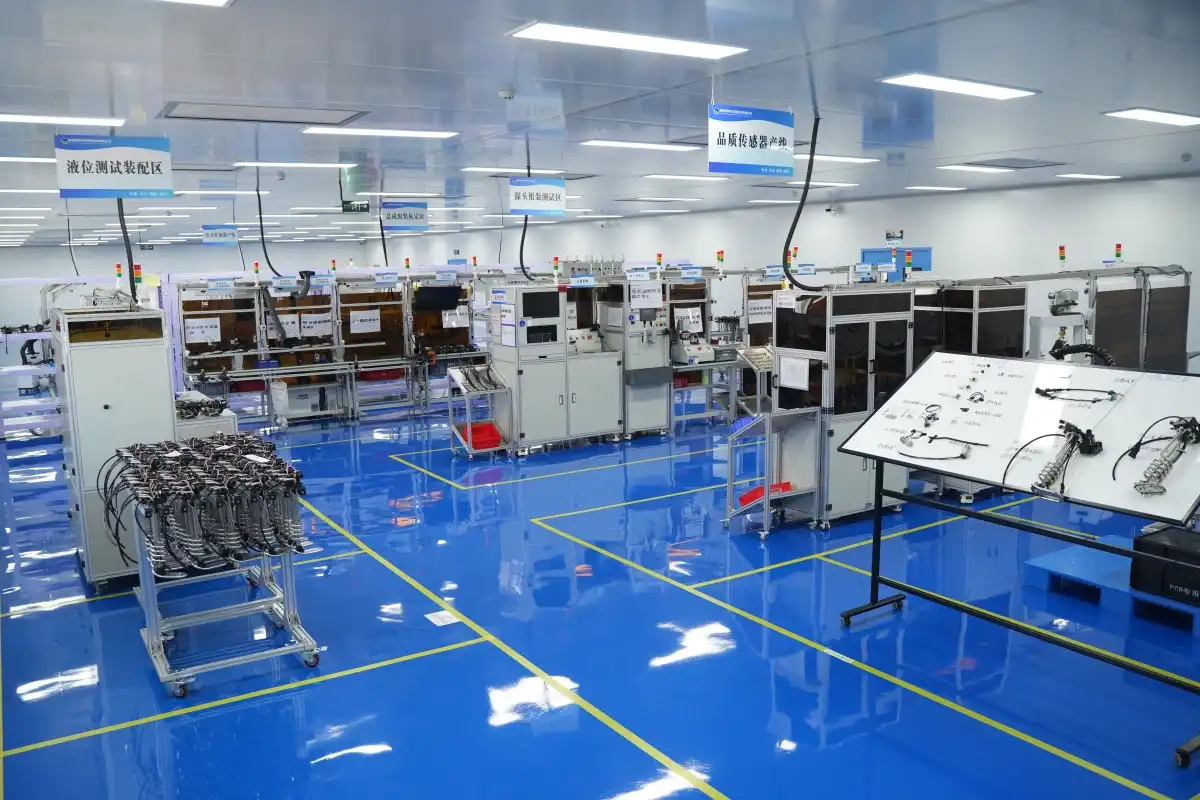
Finding sensors that are accurate, long-lasting, and legal is the first step in optimizing your hydraulic equipment. Qintai Automotive Emission Technology Co., Ltd. has been making sensors for more than 20 years and has many foreign standards, such as ISO9001, IATF16949, and others that show our dedication to quality. We understand the tough needs of heavy trucks, construction equipment, agricultural machinery, and generator sets because we are the main supplier of pressure sensors to Weichai, Yuchai, and Quanchai, three of China's top diesel engine makers.
Our independent research and development team creates sensor solutions that are perfect for your hydraulic needs, whether you need to integrate SCR aftertreatment, monitor emissions legally, or use strong industrial sensing. OEM clients can get low prices because the product can be made in large quantities, and it can be easily customized to meet their special interface and performance needs.
Get in touch with our engineering team at info@qt-sensor.com to talk about how Qintai pressure sensors can help you reach your long-term business goals and make your hydraulic system more reliable. Let's work together to improve quality and performance in markets around the world.
References
1. Johnson, M. & Richards, P. (2021). Industrial Pressure Sensor Technology: Selection and Application Guide. SAE International Technical Publications.
2. Thompson, A. (2020). Hydraulic System Instrumentation Standards and Best Practices. Hydraulics & Pneumatics Engineering Journal, 45(3), 112-128.
3. Liu, H. & Weber, K. (2022). Sensor Technologies for Heavy-Duty Vehicle Applications. Automotive Engineering International Press.
4. Martinez, R. (2019). Pressure Measurement in Mobile Hydraulics: Technology Comparison and Performance Analysis. Fluid Power Systems Research Institute Technical Report.
5. Chen, Y. & Anderson, B. (2023). Calibration and Maintenance Protocols for Industrial Pressure Sensors. International Journal of Instrumentation and Control Systems, 18(2), 45-67.
6. Schmidt, D. (2020). Procurement Strategies for Sensor Components in Automotive Manufacturing. Supply Chain Management Quarterly, 34(4), 89-104.

Our customers’ satisfaction speaks for our quality — contact us to experience the same reliable service.