- English
- French
- German
- Portuguese
- Spanish
- Russian
- Japanese
- Korean
- Arabic
- Greek
- German
- Turkish
- Italian
- Danish
- Romanian
- Indonesian
- Czech
- Afrikaans
- Swedish
- Polish
- Basque
- Catalan
- Esperanto
- Hindi
- Lao
- Albanian
- Amharic
- Armenian
- Azerbaijani
- Belarusian
- Bengali
- Bosnian
- Bulgarian
- Cebuano
- Chichewa
- Corsican
- Croatian
- Dutch
- Estonian
- Filipino
- Finnish
- Frisian
- Galician
- Georgian
- Gujarati
- Haitian
- Hausa
- Hawaiian
- Hebrew
- Hmong
- Hungarian
- Icelandic
- Igbo
- Javanese
- Kannada
- Kazakh
- Khmer
- Kurdish
- Kyrgyz
- Latin
- Latvian
- Lithuanian
- Luxembou..
- Macedonian
- Malagasy
- Malay
- Malayalam
- Maltese
- Maori
- Marathi
- Mongolian
- Burmese
- Nepali
- Norwegian
- Pashto
- Persian
- Punjabi
- Serbian
- Sesotho
- Sinhala
- Slovak
- Slovenian
- Somali
- Samoan
- Scots Gaelic
- Shona
- Sindhi
- Sundanese
- Swahili
- Tajik
- Tamil
- Telugu
- Thai
- Ukrainian
- Urdu
- Uzbek
- Vietnamese
- Welsh
- Xhosa
- Yiddish
- Yoruba
- Zulu
What Are Common Nitrogen Oxide Sensor Failure Reasons
Nitrogen oxides sensor failures typically result from thermal stress, contamination buildup, electrical faults, and aging components within harsh exhaust environments. These sensors—integral to diesel SCR systems—face extreme temperatures, corrosive gases, and vibration that accelerate wear on delicate zirconia ceramic elements and heating circuits. Understanding failure mechanisms helps procurement managers, R&D engineers, and aftermarket professionals select durable sensors, implement preventive maintenance, and ensure continuous emission compliance in heavy trucks, construction equipment, agricultural machinery, and generator sets.
Understanding Nitrogen Oxide Sensor Failures
Modern strategies for controlling emissions are based on Nitrogen Oxides Sensors. These devices constantly check the levels of NO and NO₂ in exhaust streams. This allows exact Selective Catalytic Reduction (SCR) dosing and comply with strict rules like EPA 2010 and Euro VI standards.
How Nitrogen Oxides Sensors Operate
Electrochemical detection is what most diesel Nitrogen Oxides Sensors work on at their core. A zirconia ceramic cell that is heated tracks the flow of oxygen ions, and a second room tells the difference between molecules of oxygen and nitrogen gas. An internal heater keeps the temperature between 700 and 800 °C, which is necessary for correct readings.
The control module then turns the raw data into digital signals and sends them to the engine control unit (ECU), usually thru the CAN bus. The ECU can figure out the best urea injection rates thanks to this real-time feedback loop. This stops both under-dosing, which can lead to emission failures, and over-dosing, which can cause ammonia slip or crystal formation.
Key Components Inside a NOx Sensor
Several important parts are built into modern monitors. The zirconia ceramic cell is what senses, and the heater element keeps the temperature stable. The output is kept stable by a signal processing circuit, and the ECU and the combined control module talk to each other directly. Lastly, a strong connector and wiring harness make sure that communication works even in the worst conditions. All of the parts must work perfectly together; if one fails, the whole system is at risk.
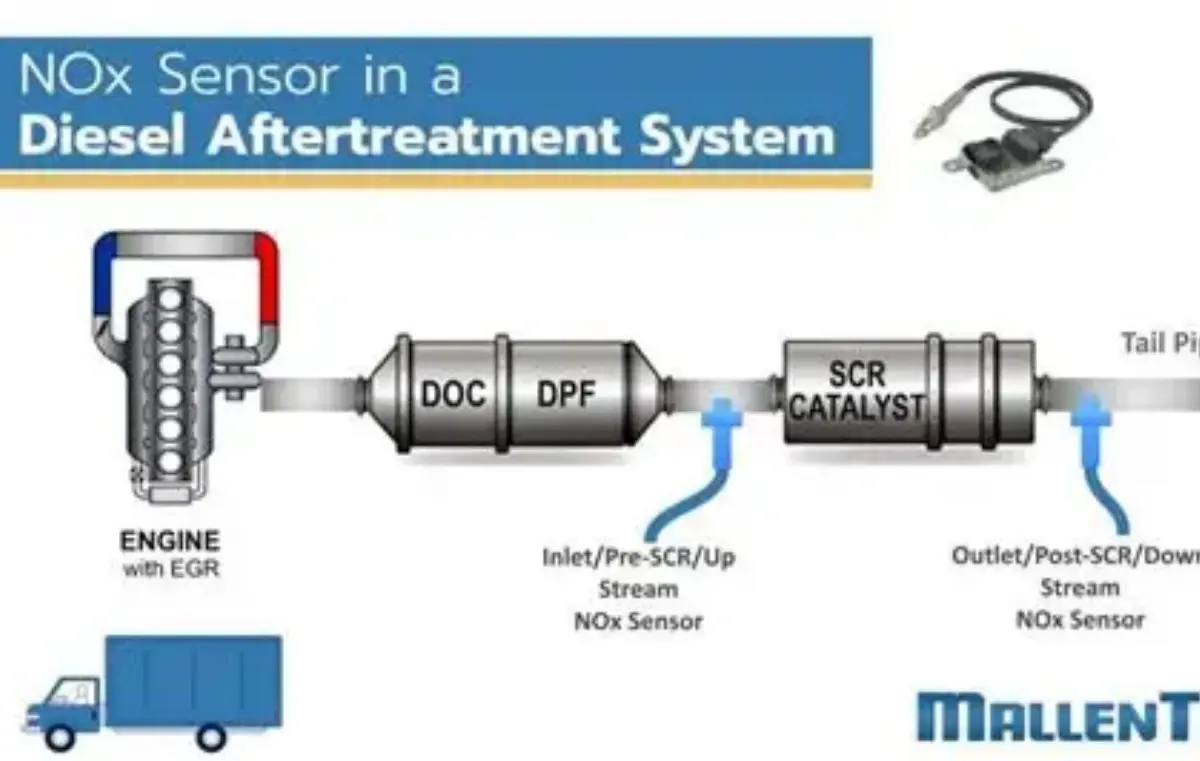
The Role of Sensors in SCR Systems
Upstream monitors measure the amount of Nitrogen Oxides coming in before it gets to the catalyst. This information helps the ECU put in the right amount of AdBlue or DEF, which changes dangerous nitrogen fumes into safe nitrogen and water vapor. Downstream sensors check the efficiency of the reduction and make changes if goals aren't met. This closed-loop control is necessary for both following environmental rules and getting the most out of fuel economy. In business settings, sensor reliability is a must.
Common Causes of Nitrogen Oxide Sensor Failures
Most failures are caused by environmental pressures, material decay, and electrical problems. When procurement teams know these root causes, they can put quality first, and engineers can make strong preventive maintenance schedules.
Thermal Stress and Temperature Extremes
The temperature of the exhaust gas changes a lot. It can be room temperature during cold starts and over 600 °C during heavy load operation. Rapid thermal cycling makes ceramics expand and contract, which creates tiny cracks in the zirconia element. Protective coatings on internal electrodes can also wear off if the Nitrogen Oxides Sensor gets too hot, and the sensor can't reach its preset working range if it gets too cold. When generator sets are used all the time in places like mines or as backup power, the high temperatures keep wearing down sensors much faster than the OEM expected.
Contamination from Particulates and Chemical Exposure
Diesel exhaust has soot, ash, sulfur compounds, and hydrocarbons that haven't been burned. These impurities cover the sensing part of the sensor, blocking it from the gas stream and changing the readings. Chemicals added to engine oil contain phosphorus and calcium that build up and block sensitive measurement chambers. Chemical poisons, like silicon and sulfur, combine with the surface of zirconia and change its electrical qualities in a way that can't be undone. Heavy-duty applications, like construction equipment that works in dusty or corrosive conditions, have higher contamination risks, so sensors need to be checked and replaced more often.
Mechanical Vibration and Physical Damage
Sensors are constantly vibrated by heavy trucks, construction equipment, and farm tractors. Over time, this mechanical stress breaks down delicate ceramic bases, loosens solder joints inside the circuit, and cracks housings. Damage to sensor bodies or connections can be caused by road debris, impacts, or bad fitting. Aftermarket repair shops say that vibration-related problems cause a lot of early sensor changes. This shows how important it is to have strong mounting and shock-resistant designs.
Aging, Oxidation, and Material Corrosion
Sensors get old even when everything is perfect. Electrodes corrode, which makes them less conductive. As protective coatings wear off, they expose sensitive materials to exhaust gasses that can damage them. After being exposed to heat and chemicals for a long time, the zirconia ceramic can change phases or get flaws at the edges of its grains. Aging causes sensor output to change, which means they need to be re-calibrated or replaced to stay in compliance. When planning repair intervals for industrial generator sets with job cycles that last more than one year, it's important to take into account expected degradation curves.
Electrical Faults and Wiring Issues
Corrosion in connectors, frayed wiring harnesses, and power supplies that don't work right can all mess up signals. Short circuits happen when moisture gets into the system, and noise in the sensor output is caused by electromagnetic interference from nearby high-current parts. Voltage spikes that happen when the engine is starting can hurt the control module's sensitive electronics. When supply chain managers look for alternative sensors, they often find problems with the quality of the connector seals and wire insulation. This causes electrical failures that don't happen with OEM parts.

Identifying and Troubleshooting Sensor Failures
Finding problems with Nitrogen Oxides Sensors early on saves money by avoiding costly downtime and fines from the government. Systematic troubleshooting and proactive repair make sensors last longer and make sure that emission control works reliably.
Recognizing Diagnostic Indicators
When sensor performance drops, on-board diagnostics send out specific trouble codes. Common codes show problems with the heater circuit, Nitrogen Oxides numbers that don't make sense, slow reaction times, or problems with proof further downstream.
Sensors that don't work normally—output that changes all the time, numbers that stay at the highest or lowest levels, or readings that don't change when the engine load changes—are likely to have internal problems. Lowered SCR efficiency, seen as more Nitrogen Oxides in the tailpipe or more AdBlue use, is often caused by sensors that aren't working right and giving the ECU wrong information about how much to dose.
Tools and Techniques for Accurate Fault Detection
Professional scan tools look at real-time sensor data and compare readings from upstream and downstream to what is expected. Analyzing signals with an oscilloscope shows problems that regular code readers can't see. Damage, contamination, and connector corrosion can all be seen with the naked eye. Bench testing with measured gas mixtures outside the car proves the accuracy of the sensors and separates faults from wiring or ECU problems. When repair shops buy advanced diagnostic tools, they don't have to guess as much, which cuts down on diagnostic time and raises the rate of first-time fixes.
Best Practices for Preventive Maintenance
Sensor accuracy is checked against known standards during routine calibration. Specialized solvents and soft brushes are better than rough methods for cleaning because they remove surface dirt without hurting delicate ceramics. Contamination control starts upstream: making sure the engine oil is of good quality, changing the fuel filter when it's due, and making sure the DPF regeneration processes finish all lower particulate exposure.
Early signs of rust are found on cables and connectors during checks, before they become major problems. OEM replacement schedules, which are usually every 150,000 to 200,000 miles depending on how hard the application is, balance the cost of replacement with the chance of having to shut down without warning.
Extending Sensor Lifespan Through Operational Adjustments
Operators can change how long sensors last. Carbon buildup can be slowed down by avoiding long periods of inactivity. Crystallization that can get into sensors can't happen if the AdBlue is of the right quality. Making sure that exhaust systems don't leak keeps the pressure and temperature levels correct. Damage caused by installation can be avoided by teaching technicians how to carefully handle sensors during installation, including using anti-seize compounds correctly and properly torqueing connectors. These operational disciplines go well with high-quality hardware, which increases the return on sensor investment.
Comparing Nitrogen Oxide Sensor Types and Their Reliability
Picking the right Nitrogen Oxides Sensor technology and buying approach has a direct effect on the total cost of ownership, compliance, and failure rates. People who work in procurement have to balance technical requirements with the needs of the application.
Electrochemical vs. Solid-State Sensor Technologies
Because they are sensitive and respond quickly, electrochemical sensors are most often used in gasoline uses. They can find Nitrogen Oxides levels as low as 1 ppm, which is very important for meeting stricter emission standards. Solid-state alternatives that use semiconducting metal oxides are cheaper but not as accurate or fast.
Electrochemical sensors are still the standard for heavy-duty commercial trucks that need to handle their SCRs in real time. In industrial exhaust treatment systems, solid-state devices are sometimes used for less demanding monitoring tasks. This is done by balancing the need for low cost with the need for good accuracy.
Industrial vs. Automotive Application Considerations
Automotive sensors focus on being small, getting warm quickly, and connecting to vehicle networks. Industrial sensors focus on being long-lasting, working in a wide range of temperatures, and having strong housings that can handle tough stationary settings. For mining generator sets, demand sensors must be very resistant to sulfur and ash. On the other hand, farm machinery sensors must be able to handle being stored for long periods of time and not being used very often. Mismatches that cause early failure can be avoided by choosing sensors that are designed for the duty cycle.
OEM Sensors vs. Aftermarket Alternatives
OEM sensors go thru a lot of testing to make sure they work with other products, last a long time, and come with a warranty. They work perfectly with ECU software and monitoring tools that are already in place. Aftermarket sensors can save you money, but the quality varies a lot. Reverse engineering and testing help high-end aftermarket brands match the performance of OEM parts.
Low-cost versions, on the other hand, might use cheaper materials or not be calibrated correctly. OEM sensors are worth the extra cost for fleets that care about uptime and compliance. For aftermarket channels that care about price, choosing famous names with a history of reliability strikes a good mix between cost and dependability.
Leading Manufacturers and Their Offerings
Bosch sensors are reliable in heavy trucks and building sites because they are based on decades of experience in the car industry. Continental focuses on complete pollution solutions and has monitors that work best with SCR systems. Denso sensors are built to last and work well in places with a lot of shaking. NGK works on advanced ceramic technologies that are very good at withstanding heat shock. Buying from well-known companies lowers the chance of failure, gives you access to technical help, and makes sure you meet foreign standards like IATF 16949.
Procurement Considerations to Minimize Sensor Failure Risks
Strategic procurement lowers the number of Nitrogen Oxides Sensor failures and helps operations reach their long-term goals. Important steps include evaluating providers, negotiating terms, and making sure there is help after the sale.
Evaluating Supplier Reliability and Technical Support
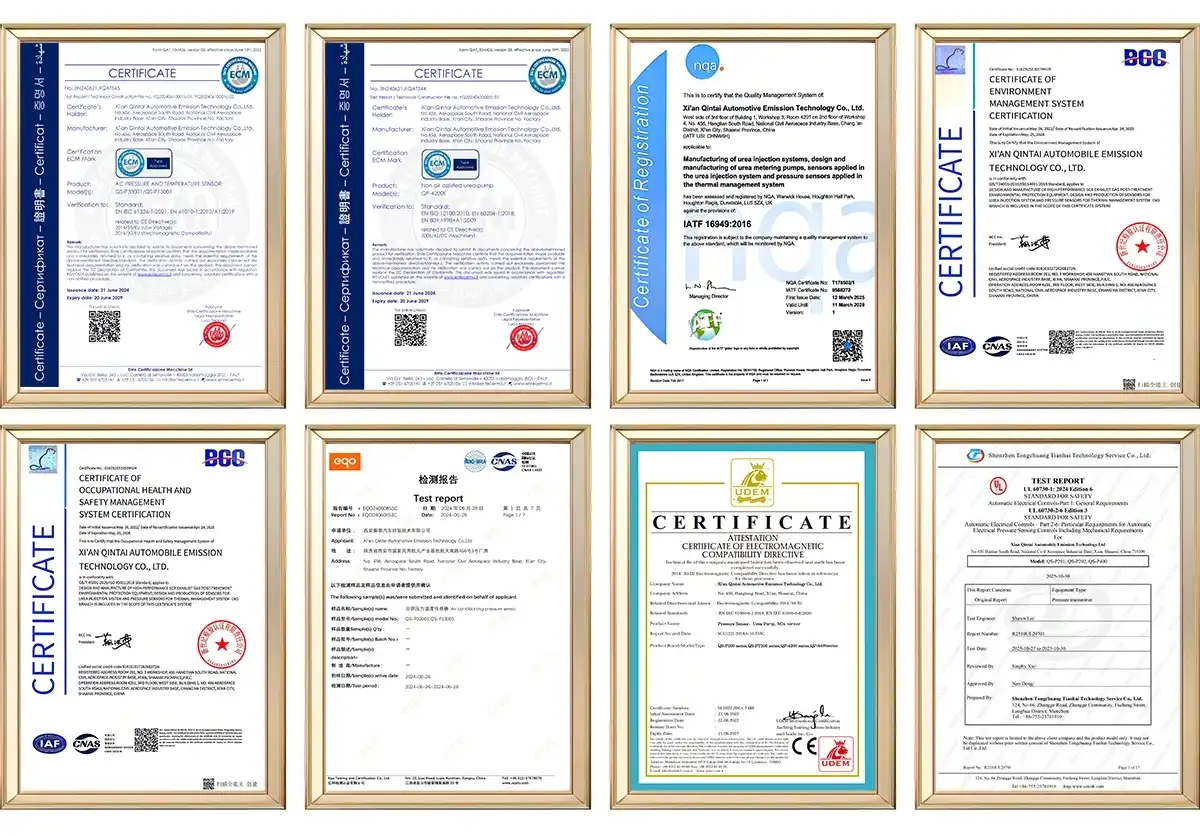
Suppliers who are certified by ISO 9001 and IATF 16949 show that they can control the production process and guaranty quality. The technical support services, such as application engineering, calibration, and troubleshooting help, make the product more valuable. Suppliers who offer thorough documentation, training programs, and quick responses to problems in the field can help solve problems more quickly. Total cost of ownership goes down when you work with technically skilled suppliers over a long period of time. This is because failures are less likely to happen and sensor use is improved.
Warranty Provisions and Quality Guarantees
The warranty terms show how confident the maker is. Longer guarantees that cover flaws, environmental problems, and early wear and tear protect purchase investments. When things go wrong, downtime is kept to a minimum by having clear return policies and quick repair processes. Suppliers who are ready to offer performance guaranties, like a minimum lifespan under certain situations, show that they care about quality. By negotiating warranty terms that are in line with how the product is actually used, you can get enough protection without having to pay extra for extra coverage.
Bulk Purchase Terms and After-Sales Services
Making a volume commitment can help you get better prices and faster delivery. You can make sure that parts are available without tying up cash by negotiating consignment inventory deals or vendor-managed inventory arrangements. After-sales services, such as on-site installation help, calibration, and ongoing maintenance contracts, improve sensor performance and make them last longer. Putting sensors together with related items like wiring harnesses and mounting hardware makes buying easier and makes sure that everything works together.
Balancing Cost Against Long-Term Performance
The initial cost of the sensors is only a small part of the total cost of ownership. Early failures cost a lot more than the original savings from low-cost options because they require repair, labor, downtime, and maybe even fines for not following the rules. When you divide the total cost of ownership by the expected lifespan of the equipment, you can see that premium sensors often offer better value. Heavy-duty diesel applications have operating goals that are in line with procurement strategies that focus on dependability, expert support, and lifecycle performance.
Conclusion
The temperature stress, contamination, vibration, aging, and electrical faults that are inherent in tough fuel exhaust settings are the main causes of Nitrogen Oxides Sensor failures. By knowing about these failure modes, you can make smart choices about what to buy, how to maintain it, and which sensor technologies are best for your needs.
Finding the right balance between OEM quality and aftermarket cost, checking out the capabilities of suppliers, and implementing preventative maintenance can increase the life of sensors and make sure they always meet emission standards. A well-planned purchase that considers dependability, technical support, and total cost of ownership cuts down on downtime and regulatory risk, providing real benefits in the heavy truck, construction, farming, and power generation industries.
FAQ
How often should nitrogen oxides sensors be calibrated?
How often calibration is done relies on how hard the program is. Heavy-duty business cars usually need to be calibrated once a year or every 100,000 miles, whichever comes first. Stationary generator sets that are always running should be checked every six months. In harsh environments with a lot of contamination, every three months may be necessary. Always do what the OEM tells you to do and make changes based on how the Nitrogen Oxides Sensors are drifting.
What symptoms indicate a failing NOx sensor?
Diagnostic trouble codes that won't go away, Nitrogen Oxides numbers that aren't normal for the engine load, slow sensor reaction times, and higher AdBlue use are all warning signs. Drivers may notice that the engine isn't running as well or that the limp mode is turned on. Failures in downstream verification and higher emissions from the tailpipes during testing are also signs of sensor problems that need to be fixed right away.
Are aftermarket sensors comparable to OEM quality?
There are big differences in quality between replacement brands. Premium aftermarket providers put money into reverse engineering, testing, and quality control so they can make sensors that work as well as OEM sensors or even better at a lower cost. Cheaper options often skimp on materials, accuracy, and sturdiness, which makes them less reliable. Looking at the qualifications, warranties, and field performance data of suppliers can help you find solid aftermarket choices that are good for uses that need to save money.
Partnering with Qintai for Reliable Nitrogen Oxides Sensor Solutions
Getting Nitrogen Oxides Sensors from the right company has a direct effect on emissions compliance, performance, and running costs. Weichai Power, Yuchai Power, and Quanchai Power all trust Qintai, which has been around since 2001 and makes the best sensors in China. Each sensor we make meets strict quality standards because our factories are ISO 9001, IATF 16949, and UL-certified. With 58 idea patents and our own research and development team, we make sensors that are built to last a very long time in heavy trucks, building equipment, farm equipment, and generator sets.
Our global footprint in 60 countries and our full range of OEM and ODM services make sure that we can meet the specific needs of each application. Contact our team at info@qt-sensor.com or go to qt-sensor.com to talk about your Nitrogen Oxides Sensor needs and find out how our knowledge can help you improve your strategy for controlling emissions.
References
1. Society of Automotive Engineers. (2022). NOx Sensor Technology and Diagnostics in Diesel Engines. SAE International Journal of Engines, 15(4), 523-541.
2. Environmental Protection Agency. (2021). Heavy-Duty Diesel Engine Emission Control Systems: Performance and Reliability. EPA Technical Report 420-R-21-008.
3. Johnson, T., & Joshi, A. (2020). Review of NOx Sensors for Automotive Applications. International Journal of Engine Research, 21(7), 1145-1172.
4. Continental Automotive. (2023). NOx Sensor Failure Modes and Preventive Maintenance. Technical Service Bulletin TSB-2023-045.
5. Bosch Mobility Solutions. (2022). Diesel Exhaust Gas Treatment: Sensor Technologies and System Integration. Robert Bosch GmbH Technical Documentation.
6. Zhang, L., Wang, H., & Chen, Y. (2021). Durability Testing of NOx Sensors Under Extreme Operating Conditions. Journal of Emission Control Science and Technology, 7(3), 289-304.

Our customers’ satisfaction speaks for our quality — contact us to experience the same reliable service.