- English
- French
- German
- Portuguese
- Spanish
- Russian
- Japanese
- Korean
- Arabic
- Greek
- German
- Turkish
- Italian
- Danish
- Romanian
- Indonesian
- Czech
- Afrikaans
- Swedish
- Polish
- Basque
- Catalan
- Esperanto
- Hindi
- Lao
- Albanian
- Amharic
- Armenian
- Azerbaijani
- Belarusian
- Bengali
- Bosnian
- Bulgarian
- Cebuano
- Chichewa
- Corsican
- Croatian
- Dutch
- Estonian
- Filipino
- Finnish
- Frisian
- Galician
- Georgian
- Gujarati
- Haitian
- Hausa
- Hawaiian
- Hebrew
- Hmong
- Hungarian
- Icelandic
- Igbo
- Javanese
- Kannada
- Kazakh
- Khmer
- Kurdish
- Kyrgyz
- Latin
- Latvian
- Lithuanian
- Luxembou..
- Macedonian
- Malagasy
- Malay
- Malayalam
- Maltese
- Maori
- Marathi
- Mongolian
- Burmese
- Nepali
- Norwegian
- Pashto
- Persian
- Punjabi
- Serbian
- Sesotho
- Sinhala
- Slovak
- Slovenian
- Somali
- Samoan
- Scots Gaelic
- Shona
- Sindhi
- Sundanese
- Swahili
- Tajik
- Tamil
- Telugu
- Thai
- Ukrainian
- Urdu
- Uzbek
- Vietnamese
- Welsh
- Xhosa
- Yiddish
- Yoruba
- Zulu
SCR Dosing System Uses in Trucks, Buses, and Industrial Engines
Modern diesel engines depend on advanced emission control strategies to meet increasingly strict environmental standards across global markets. The SCR Dosing System has become a cornerstone technology for reducing nitrogen oxide (NOx) emissions in heavy-duty applications ranging from long-haul trucks to stationary generator sets.
By injecting a precise amount of Diesel Exhaust Fluid—commonly known as AdBlue or DEF—into the exhaust stream, these systems enable catalytic conversion of harmful NOx into harmless nitrogen and water vapor. This controlled chemical reaction addresses one of the most challenging aspects of diesel combustion: balancing power output with environmental responsibility while ensuring compliance with Euro VI and EPA Tier 4 Final regulations.
Understanding the SCR Dosing System: Components, Working Principle, and Benefits
Selective Catalytic Reduction is a tried-and-true method for aftercare, and the dose process is at the heart of how it works. SCR actively changes exhaust pollutants thru a targeted chemical process that needs careful management of reagents, unlike passive filtration methods.
Core Components of an SCR Dosing System
SCR Dosing Systems that work well have a number of specialized parts that work together. The DEF solution, which is usually 32.5% high-purity urea dissolved in deionized water, is kept in the urea tank. For delivery, a special pump takes fluid from this tank and pumps it up to high pressure. To figure out the best injection rate, the dosing control unit gets real-time information from a number of sensors, such as the exhaust temperature, NOx concentration, and engine load.
Precision pumps turn the urea solution into a fine mist, which increases the surface area so that the urea can break down quickly and release ammonia. Lastly, quality monitors and pressure sensors provide closed-loop input, which makes sure that performance stays the same even when working conditions change.
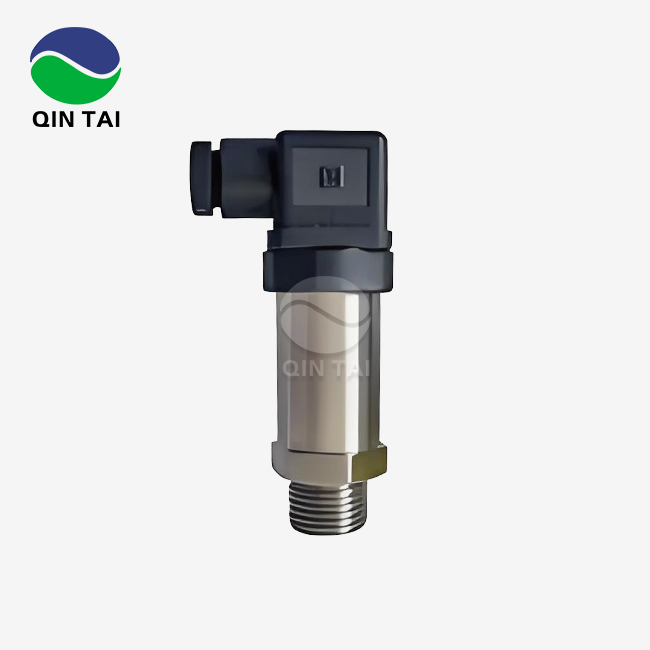
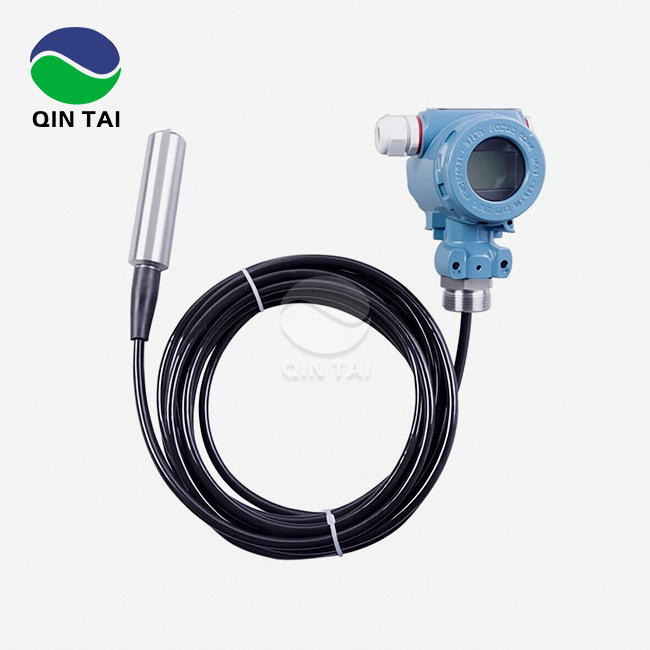
At Qintai, our pressure sensor technology is a key part of making sure that dose is always correct. Our Urea Dosing Pressure Sensor constantly checks the hydraulic pressure in the delivery circuit to find problems like crystallization-caused blocks or leaks that threaten the integrity of the system. This real-time feedback stops underdosing, which is against the rules, and overdosing, which wastes materials and could set off engine derate modes.
How SCR Dosing Systems Operate
When exhaust gas leaves the combustion area of the engine, the operating cycle starts. NOx monitors measure the amount of pollution as this hot stream passes thru the exhaust manifold. The engine control unit looks at this information along with exhaust temperature and engine speed, and then tells the dose module to inject the right amount of DEF.
When the solution is injected, it meets high-temperature exhaust gasses, which are usually between 250°C and 500°C. This breaks down the solution into ammonia and carbon dioxide thru thermal decomposition. This ammonia moves down to the SCR catalyst and mixes with NOx over a special substrate. This turns the pollution into harmless nitrogen and water.
Accurate control of dosing timing and volume determines how well the system works. Breakthrough NOx emissions happen when reagents are not delivered properly, and ammonia slip and possible catalyst damage happen when reagents are injected too much. Advanced dose methods change the injection patterns based on changing engine conditions. This makes up for changes in load when the engine speeds up or climbs a hill.
Key Benefits Driving Adoption
When you integrate SCR technology, you get real benefits in both practical and regulatory areas. In optimized systems, NOx reduction efficiency often goes above 90%. This lets makers meet strict pollution standards without lowering engine performance or fuel economy.
Due to the fact that SCR lets engineers tune burning for maximum heat efficiency instead of just minimizing emissions, diesel engines that have these systems usually use 3–5% less fuel than engines that don't have these systems. Because SCR Dosing Systems are modular, they can be easily added to existing vehicle platforms. This makes heavy equipment last longer while still meeting regulatory requirements.
SCR Dosing System Applications and Design Considerations for Different Vehicles
Different types of vehicles have very different emission control needs, which means they need different SCR Dosing Systems to handle their different operating profiles and job cycles.
Heavy-Duty Trucks and Long-Haul Applications
Trucks that travel over the highway put a lot of stress on pollution systems. Engines run at high loads for long amounts of time, which keeps the exhaust temperatures stable, which is good for SCR operation. SCR Dosing Systems in this market niche focus on having big reagent tanks, usually 20 to 40 gallons, so that repair intervals are longer and drivers aren't interrupted as much.
Dosing strategies can be planned ahead of time for highway cruising, but systems need to be able to quickly adjust to changes in grade or sudden acceleration. It's important to know where to put the sensors: exhaust temperature probes need to accurately record the temperature at the injection point, and NOx sensors placed after the catalyst need to make sure the conversion is working well. Our engineering team has seen that putting sensors in the right place can increase the accuracy of dose by 12 to 15 percent, which has a direct effect on compliance margins.
Transit Buses and Urban Duty Cycles
Conditions for city busses are very different from those for highway cars. When you stop and idle for long periods of time or move slowly, the exhaust temperature changes, which makes it hard for the SCR to work properly. During rest times, cold exhaust may drop below the lowest temperature needed to start catalytic processes. This means that dosing suspension is needed to keep urea from crystallizing on catalyst surfaces.
For transit uses, systems with better thermal management, like insulated delivery lines and warming pumps, keep fluid flowing during cold starts. In bus chassis integration, where space is limited, small packaging is also important because components need to be laid out efficiently. For city cars, dosing control algorithms use predictive methods that look ahead to temperature recovery after stops so that injection can start again as soon as conditions become stable.
Construction and Agricultural Machinery
Off-road equipment is more complicated because it has to deal with harsh environments and has changing power needs. When used during different seasons, excavators, loaders, and combines have to work in places with a lot of vibration, the risk of dust getting in, and big changes in temperature. For these uses, SCR Dosing System gear has ruggedized parts that are better sealed to keep out contamination. Pressure monitors have to be able to handle steady mechanical shock and still measure accurately in temperatures ranging from -40°C to +85°C.
In agricultural tasks like harvesting or moving materials, engines are often only partially loaded for long periods of time. This means that dosing systems need to be designed for steady-state efficiency rather than transient response. When placing a tank, machine geometry and operator access are taken into account. This is because it can be hard to get to repair areas on complex equipment platforms.
Stationary Industrial Engines and Generator Sets
Applications that make electricity need reliability that doesn't break down over thousands of hours of use. For mining operations, data centers, and backup power systems, generator sets run constantly at stable loads. This makes it possible to optimize the SCR. Dosing systems for stationary engines are designed to last and need little upkeep. The service times for parts are timed to match the overhaul plans for the engines.
Larger size engines produce more exhaust, which means that more dosing capacity and multi-injector setups are needed to make sure that the reagent is evenly spread across the catalyst cross-sections. Conditions like high altitude, great heat, or high humidity at rural construction sites affect the choice of materials and the calibration of the controls. Our industrial-grade pressure sensors are made of materials that don't rust and are sealed in a way that keeps them accurate in harsh environments where regular automotive parts would break down early.

Comparing SCR Dosing Systems: Technologies, Brands, and Market Options
To make procurement choices, you need to know what technologies are available and weigh options against specific application needs and budget limits.
Technology Variations and Their Implications
Different SCR implementations use the same basic chemistry, but the SCR Dosing System methods have different levels of control and different parts that are designed. Compressed air is used in air-assisted injection devices to break up urea solution into tiny particles. These particles are spread out evenly, which makes mixing and breakdown easier. High hydraulic pressure—usually 5 to 9 bar—allows atomization to happen without an extra air supply.
This makes installation easier and lowers the amount of power used by parasitic devices. Control techniques range from simple open-loop methods that use pre-set maps to complex closed-loop systems that use real-time NOx input to constantly find the best dosing rates. Closed-loop methods are more accurate, but they need more sensors and a more complicated way to calibrate them. This makes them more expensive at first, but they improve long-term performance and regulatory margin.
Another thing that sets pumps apart is their technology. Mechanical pumps that are powered by motor accessory belts are easy to use and have a history of trustworthiness. However, they don't have their own speed control and may keep moving fluid even when the engine isn't running. Electric pumps can work when needed and change the flow precisely, which lets them respond quickly to changing conditions and use less power when they're not working hard. From working with big OEMs like Weichai Power and Yuchai Power, we know that electric pump configurations can cut DEF use by 8–10% in mixed-duty applications by allowing for more precise delivery control.
Evaluating Supplier Options and Brand Positioning
Global tier-one providers, such as Bosch and Continental, control the luxury market because they can fully integrate systems and have large validation libraries. Although these solutions have been shown to work well in the past, they come with higher prices and may take longer to customize. Mid-tier suppliers focus on certain geographic areas or market segments.
They often offer quick technical support and adaptable modification options that specialized equipment manufacturers like. Parts suppliers like Qintai focus on important subsystems, especially sensor technology. This lets OEMs get help with dosing control while integrating the best sensing solutions for checking fluid quality, monitoring pressure, and measuring temperature. This modular buying approach keeps performance standards high while lowering costs.
When purchasing managers look at their options, they should look at more than just the price of the parts. Sensor compatibility affects how hard it is to integrate and calibrate; systems that use standard output protocols use fewer engineering resources during development.
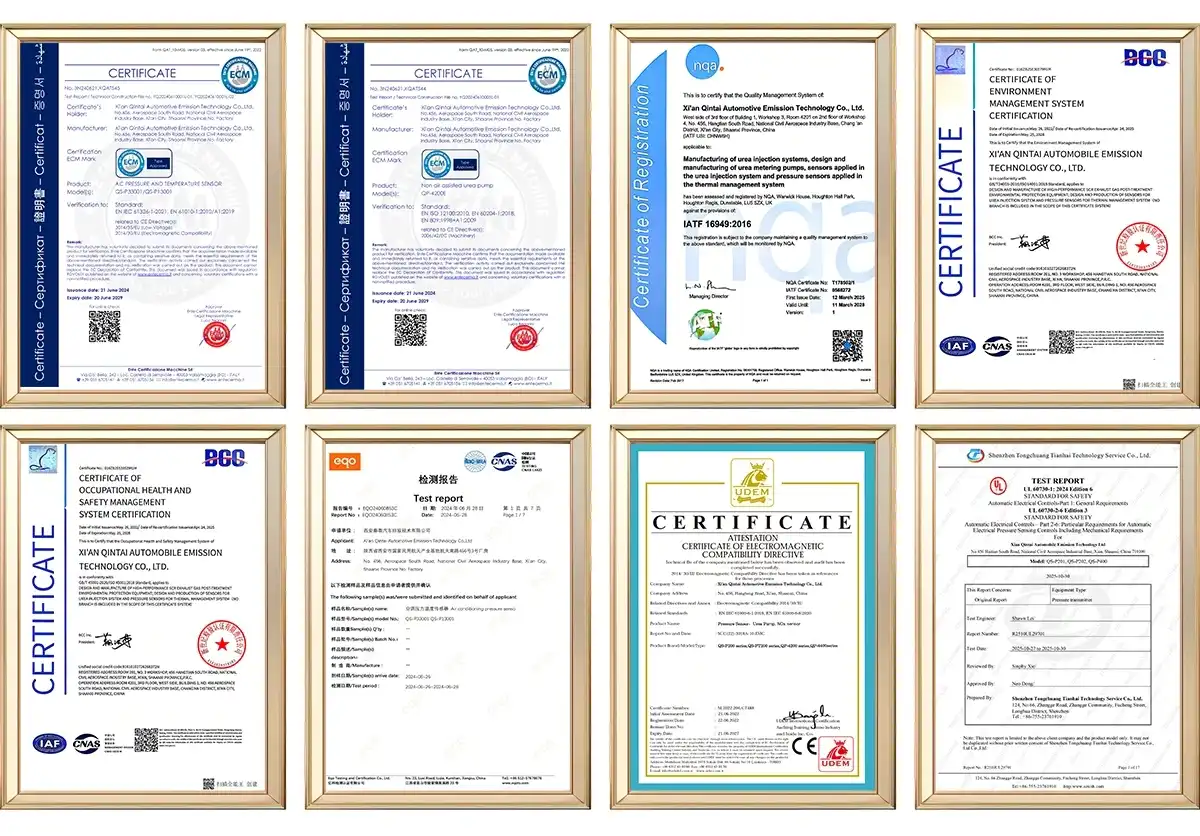
Customization is important for uses that can't be packaged in a standard way or that need to run in unusual conditions. When a program launches and how well the production ramp goes depend on how well the supply chain is stable and how many units can be made at once. Compliance with regulations is proven by certification portfolios. Look for ISO 9001, IATF 16949, and other emissions certifications that show high-quality manufacturing and thorough testing.
Maintenance, Troubleshooting, and Safety Practices for SCR Dosing Systems
To keep pollution control working well, it needs proactive repair plans and the ability to quickly figure out what's wrong when problems happen.
Routine Maintenance Requirements
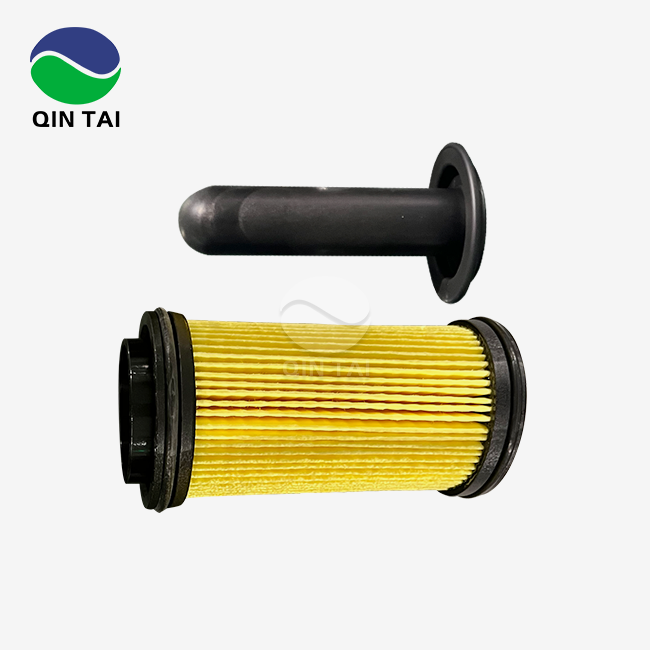
To keep things from getting worse, regular service times should take care of a few key areas. The quality of the DEF has a direct effect on how long the SCR Dosing System lasts. Urea solutions that are contaminated or broken down leave deposits that jam injectors and dirty catalyst surfaces. Storage tanks need to be checked for sediment buildup on a regular basis, especially for equipment that works in dusty places. Particulates are stopped from reaching precision components by filter elements in the delivery circuit.
These elements need to be replaced at times set by the maker, which are usually every 400 to 600 working hours. Verification of the pressure sensor's calibration ensures continued dosing accuracy. Our Urea Dosing Pressure Sensors have gold-plated terminals that resist corrosion and keep the signal's integrity for 15,000 to 20,000 operating hours, which means they don't need to be calibrated as often as standard automotive sensors.
Common Faults and Diagnostic Approaches
When the SCR Dosing System doesn't work right, the engine control unit usually sends out certain trouble codes. It means that there are problems with the performance of the pressure sensor circuit. These problems usually happen because of rust in the connectors or sensor drift from long-term heat stress. Crystallization blockages show up as changes in pressure or slower flow rates.
They happen when urea deposits build up in injector nozzles or delivery lines after incorrect shutdown procedures or operation below certain temperature levels. When a pump fails, it causes low pressure, which can be seen thru constant tracking. Our sensors are made with flexible internal structures that can handle the 9% volume expansion that happens when DEF freezes. This keeps the sensors reliable even when the temperature changes during the winter.
Systematic diagnostic methods are needed for fixing to work well. Technicians should use a refractometer to check the DEF tank level and the quality of the solution, looking for contamination or concentration shift. An inspection of the electrical connector shows that there is corrosion or loose contacts that make sensor signals less reliable. By comparing readings taken upstream and downstream of filters, pumps, and injectors, pressure tests across system parts can find places where there are blockages. During static testing, checking the flow rate makes sure that the pump works according to the specifications.
Safety Protocols and Environmental Protection
Handling diesel exhaust fluid requires knowing about the solution's properties and the right way to do things to keep people and tools safe. DEF is not very dangerous, but touching it can hurt the skin and eyes, so techs should always wear the right safety gear when doing service work. Because urea solution is mildly alkaline, it needs to be cleaned up right away to keep surfaces from rusting.
Temperature control is needed in storage areas because DEF freezes at -11°C and breaks down above 30°C. This is to keep the quality of the solution and keep containers from getting damaged. Many places have rules about how to get rid of contaminated DEF or used system parts that are considered hazardous garbage. These rules include properly classifying the waste and following approved handling methods.
Control systems have built-in overdose prevention features that keep both the engine running and the environment safe. If you inject too much ammonia, it can poison the catalyst and make the engine smell bad. If you inject too much, the engine may go into derate mode and lose power until things return to normal. Quality sensors check the amount of DEF in the system and stop it from working with a reduced or dirty solution that would make reducing emissions less effective. When used with good maintenance, these built-in safety features reduce operational risks to a minimum.
Procurement Guide: Buying, Installing, and Servicing SCR Dosing Systems
To successfully source components, you need to find a balance between the needs for technical performance, business needs, and the ability to provide long-term help throughout the lifespan of the SCR Dosing System.
Selection Criteria for OEM Integration
Before moving on to technical evaluation, compatibility across multiple dimensions must be checked. Size and mounting arrangements of parts are limited by how they can be packaged, especially in retrofit situations where chassis room is restricted. The electrical interface specs must match the design of the current car. When they do, voltage levels, communication protocols like CAN bus, and diagnostic features all work together easily.
The ability to manage heat affects where an installation is put; parts must be able to handle the high temperatures inside the hood while still being calibrated correctly. Our engineering team provides detailed interface specifications and 3D packaging models to make planning for integration easier. This speeds up the development cycle for new apps.
Performance Parameters and Operational Capability
Performance factors describe how well the system can work over the full task cycle. When conditions are changing quickly, the range of dosing rates and the response time affect how well emission control works. The accuracy and resolution of pressure monitoring affect the quality of closed-loop control.
Our sensors offer ±1% full-scale accuracy and respond quickly to find developing faults before they cause emission violations. The temperature range that the device can work in affects its usefulness in different climate zones and during different seasons. OEMs should ask for validation data that shows performance in common operating conditions, such as cold-start sequences, high-altitude operation, and sustained high-load conditions.
Cost Structure and Value Analysis
The price of procurement includes not only the cost of buying the first part, but also the total cost of ownership over the product's working life. The SCR Dosing System hardware costs include the dosing control module, pump assembly, injector units, and sensor suite. Prices vary a lot depending on performance standards and licensing needs. The costs of installation include mounting hardware, wire harnesses, and work for putting everything together.
Retrofit uses need special brackets and modified exhaust components, which make the process more difficult. Consumable costs show how much DEF is used, which can be anywhere from 2% to 6% of fuel use based on the type of engine and how emissions are controlled. Maintenance costs include scheduled repair work, replacement wear parts like filters and seals, and sometimes replacing parts when they break.
Warranty coverage and help after the sale make a big difference in the value of different providers. Full warranties lower the financial risk of releasing a new product, and quick expert help speeds up problem resolution when they happen in the field. Our 58 invention patents show that Qintai has been investing in research and development for a long time, which leads to better products.
Also, the fact that we are the top OEM provider in China shows that our products are reliable in a wide range of difficult situations. Our infrastructure for support includes application engineering help during integration, production quality programs that keep things the same across large-scale production, and global delivery tools that make sure parts are available in more than 60 countries.
Installation Best Practices and Certification Requirements
Installing things correctly has a direct effect on how reliable and compliant the system will be in the long run. The placement of components is based on engineering rules that make the best use of thermal exposure, reduce vibration transmission, and make sure that service procedures can be done easily. Placement of sensors is very important; pressure detectors need to be put in places that show typical system conditions and stay away from dead zones where fluid could freeze.
Electrical connections need to be routed correctly to avoid chafing, and they need to be protected from the environment with sealed connectors that don't let water in. To avoid leaks and make sure all the reagent is atomized, modifications to the exhaust system, such as injector bungs and mixer installations, need to be carefully made.
The efficiency of a system is checked against legal standards as part of the certification process. In the US, getting approval from the EPA and CARB means going thru a lot of emissions tests over a number of job cycles and showing that the limits are met in both normal operation and failure mode situations. For both on-road and off-road uses, the European ECE R49 and R96 regulations set similar standards.
At the component level, there are certifications like ISO 9001 for quality management, IATF 16949 for the automotive quality system, and product-specific approvals like REACH and RoHS for material limits. Qintai keeps full certification portfolios that cover these major regulatory frameworks. This makes the approval process easier for OEM customers who want to use our sensor technology.
Conclusion
SCR Dosing System technology has grown up and is now an important way to control emissions in many diesel engine uses. The performance of these systems depends on how well the parts are put together and how well the sensors keep giving accurate information so that the right amount of reagents are delivered during long duty cycles. When procurement experts look at dosing options, they have to weigh the technical performance needs against business factors like the ability to customize, the security of the provider, and the ability to provide long-term support.
System uptime is maximized by following the right maintenance routines and structured troubleshooting processes, which also make sure that legal compliance is maintained. As emission standards continue to get stricter around the world, manufacturers can meet changing needs while keeping their costs low by investing in proven SCR technology with strong sensing capabilities.
FAQ
What causes poor NOx conversion efficiency in SCR systems?
Not enough conversion usually happens because of too little DEF, the wrong catalyst temperature, or parts that are broken down. SCR Dosing System undershoot happens when pressure monitors become out of whack or syringes get partially blocked, lowering the amount of reagent delivered below what is ideal. When the exhaust temperature is below 250°C, the catalyst doesn't get activated. This can happen when the engine isn't being used or when it's not working hard. Catalyst aging slowly lowers the supply of active sites, but systems that are well taken care of work consistently for more than 400,000 miles. Most efficiency loss can be avoided by regularly checking the pressure sensors and the quality of the DEF.
How do SCR Dosing Systems handle cold weather operation?
Modern SCR Dosing Systems have more than one way to protect against freezing. During cold starts, tank heaters keep DEF above its freezing point of -11°C, and insulated delivery lines keep the solution from solidifying in pipes that are left open. Our pressure sensors have built-in buffering systems that keep their accuracy even after multiple freeze-thaw cycles, even tho the sensors' volumes expand by 9% when they freeze. Control methods stop injection when exhaust temperatures drop below the activation temperature of the catalyst. Dosing starts again when temperatures settle. These built-in safety features make it possible for reliable operation in areas with extreme weather.
What maintenance intervals apply to SCR dosing components?
Service schedules depend on the type of program and the setting in which it is running. To keep particles from building up, DEF filters are usually changed every 400 to 600 hours of operation. In clean settings, injector cleaning can happen every 1,000 hours, but in dusty ones, it happens less often. Pressure sensors need to be re-calibrated every 10,000 hours or once a year. Qintai sensors stay accurate for 15,000 to 20,000 hours in normal use, so they don't need to be re-calibrated as often. Complete system checks at major engine service intervals, which are usually every 2,000 to 3,000 hours, keep the engine reliable.
Partner with Qintai for Reliable SCR Dosing System Components
To meet regulations and run a business efficiently, you need precision-engineered parts made by experts in emission control. Xi'an Qintai Automotive Emission Technology Co., Ltd. has been researching and making diesel aftertreatment systems for more than twenty years. They are especially good at SCR Dosing System technology, which makes sure that dosing is done correctly. Our Urea Dosing Pressure Sensors provide accurate closed-loop feedback that stops both NOx breakthrough and ammonia slip.
They can also work in harsh thermal and vibration environments that are common in heavy-duty applications. We know what strict performance standards and consistent mass production quality that OEM applications need because we are the main local provider to Weichai Power, Yuchai Power, and Quanchai Power.Our wide range of certifications, such as ISO 9001, IATF 16949, UL, CE, REACH, and RoHS, proves that our products are made well and don't harm the environment in all markets around the world.
We allow for creative customization for specific uses and keep tech teams working together during the integration and production stages. If you're making the next generation of heavy trucks, improving the emission systems in transit busses, or looking for parts for industrial engine platforms, Qintai has tested sensing technology backed by 58 invention patents and a marketing reach of over 60 countries. Talk to our technical team at info@qt-sensor.com about your SCR Dosing System needs and find out how working with a top SCR Dosing System provider can make your emission control solution stronger.
References
1. Johnson, Timothy V. "Diesel Emissions in Review." SAE International Journal of Engines 9.2 (2016): 1258-1275.
2. Koebel, Marek, Martin Elsener, and Guenther Madia. "Recent Advances in the Development of Urea-SCR for Automotive Applications." SAE Transactions 110.4 (2001): 714-722.
3. Majewski, W. Addy, and Magdi K. Khair. Diesel Emissions and Their Control. SAE International, Warrendale, PA, 2006.
4. Nova, Isabella, and Enrico Tronconi, eds. Urea-SCR Technology for deNOx After Treatment of Diesel Exhausts. Springer Science & Business Media, New York, 2014.
5. Cavataio, Giovanni, et al. "Laboratory Testing of Urea-SCR Formulations to Meet Tier 2 Bin 5 Emissions." SAE Technical Paper 2007-01-1575 (2007).
6. Stanglmaier, Rudolf H., Timothy J. Daly, and Dennis N. Assanis. "Diesel Oxidation Catalysts and Particulate Filters: System Optimization and Field Experience." Progress in Energy and Combustion Science 35.2 (2009): 168-188.

Our customers’ satisfaction speaks for our quality — contact us to experience the same reliable service.