- English
- French
- German
- Portuguese
- Spanish
- Russian
- Japanese
- Korean
- Arabic
- Greek
- German
- Turkish
- Italian
- Danish
- Romanian
- Indonesian
- Czech
- Afrikaans
- Swedish
- Polish
- Basque
- Catalan
- Esperanto
- Hindi
- Lao
- Albanian
- Amharic
- Armenian
- Azerbaijani
- Belarusian
- Bengali
- Bosnian
- Bulgarian
- Cebuano
- Chichewa
- Corsican
- Croatian
- Dutch
- Estonian
- Filipino
- Finnish
- Frisian
- Galician
- Georgian
- Gujarati
- Haitian
- Hausa
- Hawaiian
- Hebrew
- Hmong
- Hungarian
- Icelandic
- Igbo
- Javanese
- Kannada
- Kazakh
- Khmer
- Kurdish
- Kyrgyz
- Latin
- Latvian
- Lithuanian
- Luxembou..
- Macedonian
- Malagasy
- Malay
- Malayalam
- Maltese
- Maori
- Marathi
- Mongolian
- Burmese
- Nepali
- Norwegian
- Pashto
- Persian
- Punjabi
- Serbian
- Sesotho
- Sinhala
- Slovak
- Slovenian
- Somali
- Samoan
- Scots Gaelic
- Shona
- Sindhi
- Sundanese
- Swahili
- Tajik
- Tamil
- Telugu
- Thai
- Ukrainian
- Urdu
- Uzbek
- Vietnamese
- Welsh
- Xhosa
- Yiddish
- Yoruba
- Zulu
Top Aftertreatment Dosing Unit Suppliers for Diesel Fleets in 2026 - Qintai
As diesel emission regulations tighten across the United States and globally, selecting a reliable aftertreatment dosing unit supplier has never been more critical for fleet operators and OEMs. These precision-engineered systems inject DEF (Diesel Exhaust Fluid) into exhaust streams, enabling SCR (Selective Catalytic Reduction) technology to convert harmful nitrogen oxides into harmless nitrogen and water vapor. Throughout 2026, the market has witnessed significant consolidation around suppliers who can deliver not only regulatory compliance with EPA and Euro VI standards but also the consistency, durability, and technical support that modern diesel fleets demand for long-term operational success.
Understanding Aftertreatment Dosing Units: Functions and Key Features
The main job of modern diesel pollution control systems is to accurately measure and pump urea-based fluid into hot exhaust gasses. This is done by an Aftertreatment Dosing Unit. With this controlled injection, the SCR catalyst can chemically cut NOx emissions by up to 95%, turning them into harmless substances before they leave the tailpipe.
Core Operational Mechanics
There are several complex parts in the dosing module that all work together in sync. Depending on how the system is set up, a dose pump takes DEF from the vehicle's holding tank and pumps it up to 5 to 12 bar of pressure. The dosing injector then breaks up this pressurized fluid into tiny droplets, which make the best surface area for the fluid to break down quickly in heat. Real-time tracking with pressure sensors and temperature probes makes sure that the system stays under precise control even when exhaust temperatures and flow rates change. This stops both under-dosing, which can cause emission problems, and over-dosing, which wastes fluid and forms deposits.
Sensor Integration and Control Logic
Modern units have more than one way for feedback to work. Pressure sensors in the dosing line constantly check the hydraulic integrity, and NOx sensors further downstream check how well the system is actually reducing emissions. These messages are processed by the Engine Control Unit, which changes the timing and amount of injections on the fly. This closed-loop control is a huge improvement over earlier open-loop systems. It provides better compliance gaps even as engines age and their emission features change.
Maintenance Considerations for Fleet Reliability
Regular repair has a direct effect on how long a system lasts and how often it works. Failures caused by corrosion can be avoided by checking electrical connections on a regular basis, especially in harsh working settings. Keep an eye on the quality of the DEF to avoid problems with crystallization that can damage pumps and clog injectors. Thermal cycling during cold starts puts stress on seals and diaphragms, which is why they need to be replaced on a regular basis. We suggest that operators set baseline performance metrics thru diagnostic scans. This way, problems can be found early on, before they become completely unusable.
Top Aftertreatment Dosing Unit Suppliers in 2026: Market Leaders and Their Strengths
In 2026, the global aftertreatment market will have both well-known companies and new experts who can offer something special to different parts of the diesel industry.
Global Technology Leaders
For decades, Bosch has been a leader in fuel injection technology, which has been turned into precise Aftertreatment Dosing Units with great spray atomization properties that are perfect for heavy-duty uses. Their modules work well with common rail diesel technology, which gives OEMs a solution from a single source. Denso uses quality systems made for cars that have been improved over millions of passenger vehicle uses.
These systems bring high reliability standards that makers looking to switch from light-duty to medium-duty platforms will like. Cummins looks at the market from the point of view of an engine manufacturer, making dosing units that work best with their powerplant architectures. This makes integration easier for fleets that only use Cummins power.
Competitive Specialists
Continental and Valeo are fierce competitors when it comes to cost-performance ratios. They are going after replacement needs in the aftermarket and price-sensitive OEM programs. Their standard interface designs work well with a number of different engine families, which makes inventory management easier for fleet owners who use more than one brand. Delphi Technologies has a lot of experience with diesel systems, especially high-pressure hydraulics. This means that their dosing units can work reliably in places with very high or low temperatures, like mining operations in the Arctic or construction sites in the desert.
Qintai's Market Position
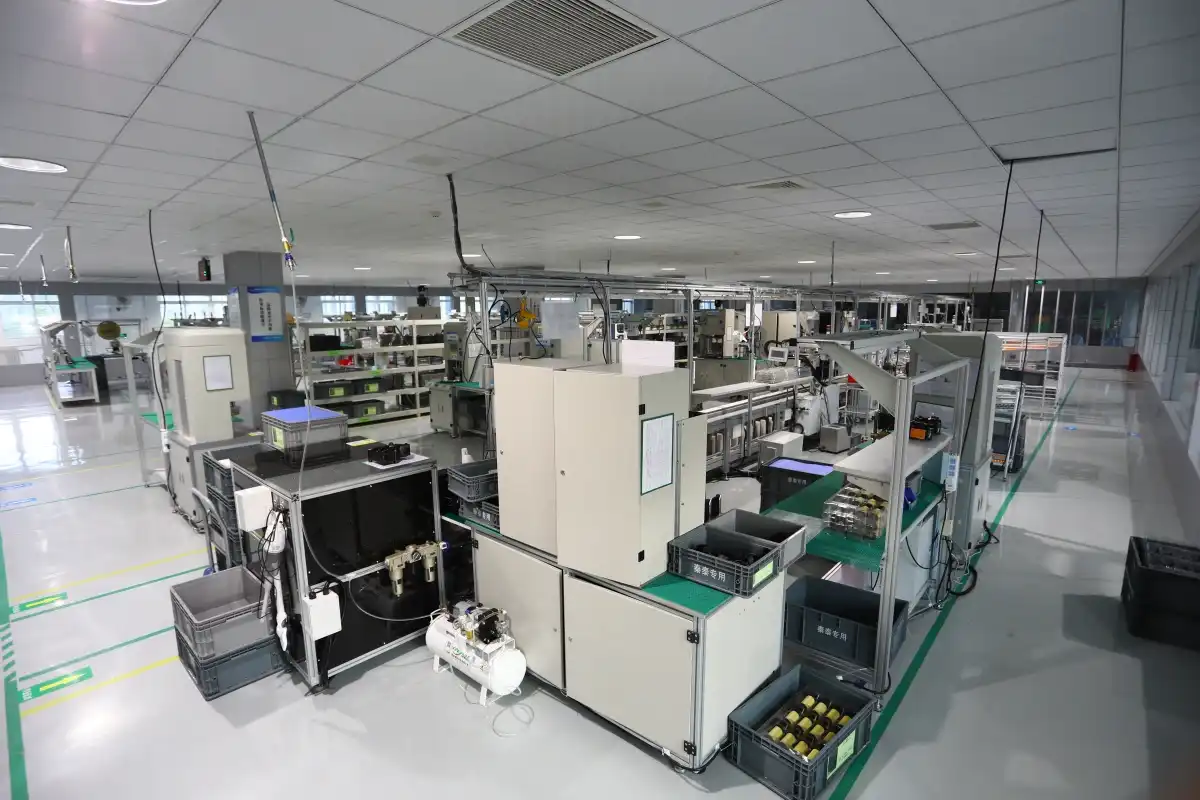
Thru smart agreements with Weichai Power, Yuchai Power, and Quanchai Power, Xi'an Qintai Automotive Emission Technology has become China's top seller of SCR parts. We've been specializing in diesel aftertreatment since our company began in 2001, more than twenty years ago.
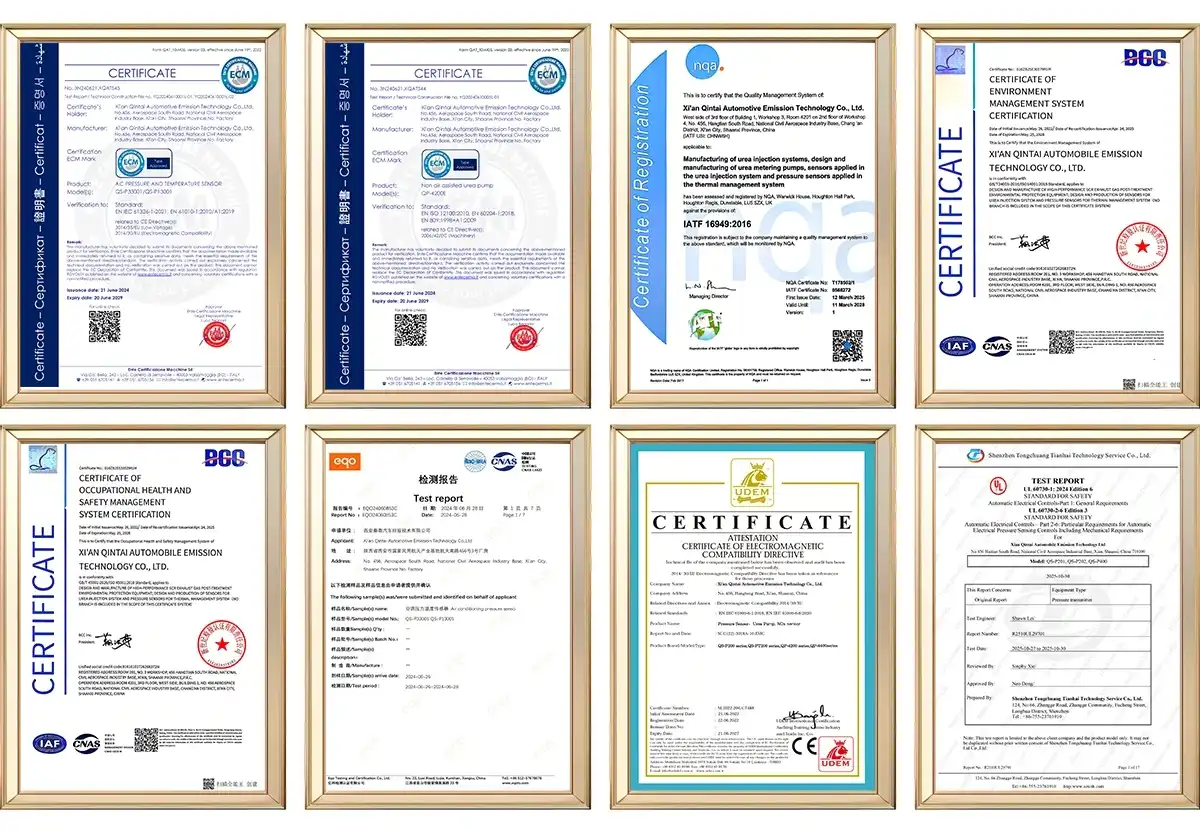
Our IATF 16949 certification shows that we manage quality at an automotive level, and our portfolio of 58 invention patents shows that we are always coming up with new ways to improve sensor technology and dosing accuracy. We help both OEM production lines and aftermarket distribution networks with quick shipping and technical know-how in more than 60 countries in Europe, the Middle East, and South America.
How to Choose the Best Aftertreatment Dosing Unit Supplier for Your Diesel Fleet
Buying things needs to be carefully thot out in many areas that have an effect on the overall cost of ownership and managing regulatory risk.
Technical Compatibility Assessment
The OEM approval state should be the first thing you think about. Manufacturers of equipment usually allow certain Aftertreatment Dosing Unit models after putting them thru a lot of longevity tests. Using parts that aren't approved can void engine warranties or cause problems with emission certification. Electrical interface compatibility is very important.
To avoid merging problems, voltage ranges, transmission methods like CAN bus standards, and connector pinouts must all match exactly. It's also important to pay attention to how well the materials you use will work with the chemistry of your diesel exhaust. This is because sulfur content and particulate loading can change from application to application and speed up corrosion in parts that aren't properly defined.
Quality and Certification Verification
Instead of taking claims at face value, you should ask for proof of relevant certifications. While ISO 9001 offers basic quality management assurance, IATF 16949 focuses on the needs of the car supply chain, covering things like advanced product quality planning and production part approval processes. EPA verification for emission-critical parts gives U.S. fleet owners who might be facing legal action more trust. Third-party testing reports that show resistance to thermal shock, vibration, and pressure cycles give us objective performance standards to use when comparing.
Service Capability Evaluation
How quickly technical support responds can mean the difference between hours of downtime and days of lost work. Check to see if the providers you're considering have application engineers who know how to work with your equipment and the conditions under which it operates.
The documentation for installation instructions should include clear torque specs, bleeding instructions, and flowcharts for diagnosing and fixing problems. Longer coverage periods and failure modes that are covered by the warranty show that the supplier is confident in the product's reliability, while contracts with a lot of exclusions show that the supplier is worried about the quality.
Logistics and Supply Chain Resilience
The position of regional warehouses has a direct effect on the wait times for emergency replacements. When there are problems in the supply chain, it may take weeks for overseas suppliers to ship replacement units, but North American suppliers can usually do it within 24 to 48 hours. Smaller businesses have to pay more to keep inventory on hand because of minimum order amounts. This is why flexible buying terms are important. When shopping abroad, it's important to get help with customs paperwork and following the rules, because the wrong classification can cause expensive delays at ports of entry.
Procurement Strategies for Aftertreatment Dosing Units: Maximizing Value and Efficiency
Approaches to strategic sourcing are very different depending on the size of the fleet, the number of applications, and the company's own technical capabilities.
Channel Selection Analysis
For buyers who buy a lot, direct manufacturer ties offer the best prices, but they usually need annual pledges of hundreds or thousands of units. This method gives you access to engineering help and customization choices, but it requires advanced procurement management. Authorized wholesalers do a good job of serving mid-size fleets by offering fair prices, having nearby supplies, and being able to provide expert service.
There are now a lot of online industrial markets that let you see prices and compare them quickly. However, when sourcing a critical component like the Aftertreatment Dosing Unit, it can be hard to make sure that parts are real and get help after the sale through these channels.
Cost Structure Optimization
The unit price is only one part of the total cost of acquisition. Freight costs have a big effect on the landed cost, especially for heavy dosing modules that are shipped one at a time. Logistics costs per unit are cut by a large amount when packages are combined and goods are packed in bulk.
Negotiating the payment terms can help your cash flow. For example, net 60 or net 90 terms offer interest-free loans compared to requirements for early repayment. When buying an extended warranty, you should weigh the costs and benefits. For example, if failure rates usually go over 5% during the normal warranty time, paying 15% more up front may be a good idea.
International Procurement Considerations
Global sourcing makes prices more competitive, but it also makes things more complicated. Harmonized tariff codes set duty rates. If you classify something wrong, you could end up paying too much or getting fined by customs. Incoterms (International Commercial Terms) spell out when responsibility shifts from one party to another. FOB (Free on Board) puts more of the logistics burden on buyers than DDP (Delivered Duty Paid). Currency fluctuation risk affects the stability of prices, which is why forward contracts or payment options in the local currency are useful for planning your budget.
Integrated Service Partnerships
When suppliers offer full installation, setup, and maintenance services, fleet maintenance teams don't have to rely on as many technical experts. These packages usually come with on-site training, regular system health checks, and faster access to parts in case of an emergency. Even tho integrated partnerships may seem more expensive at first, total cost analysis often favors them when less downtime is taken into account, component life is extended thru proper maintenance, and catastrophic failures caused by bad service procedures are avoided.
Future Trends and Innovations in Aftertreatment Dosing Units Shaping Diesel Fleets in 2026
Emission control is changing quickly because of pressure from regulators, improvements in technology, and the need to be more efficient in operations.
Advanced Sensor Technologies
Micro-Electro-Mechanical Systems (MEMS) technology is used in next-generation pressure monitors, which make measurements more accurate within ±0.5% full scale compared to ±1.5% for older designs. This accuracy allows for more precise doses, which lowers DEF use by 3–5% across job cycles while keeping emission limits the same.
Temperature compensation algorithms now take into account the effects of thermal expansion in real time. This stops the signal drift that used to cause false diagnostic codes in harsh environmental conditions. Integrated diagnostic tools find early signs of wear and tear, which lets you plan maintenance ahead of time and avoid breakdowns on the side of the road.
Materials Science Advances
When parts are exposed to urea chemistry, corrosion is still the main way they break. Plasma-enhanced coating processes and other new surface treatment technologies have made wetted component life 40–60% longer than it would be with standard stainless steel construction. Polymer advances have led to PPS (Polyphenylene Sulfide) formulations that are better at withstanding impacts at low temperatures. This is important for cold climate applications where thermal shock during engine startup used to cause housing cracks. These material changes directly lead to longer periods between replacements and lower costs for upkeep.
Digitalization and Connectivity
IoT connectivity is likely the most important trend that will change the way vehicle management is done. Aftertreatment Dosing Units that are connected to telematics send information about their operations to cloud-based analytics systems. There, machine learning algorithms look for strange trends that mean a component is about to break.
This ability to predict the future lets maintenance be planned for planned downtime instead of repairs being done on the fly while the business is making money. With remote diagnostic access, technical support staff can figure out what's wrong without sending out techs. This cuts down on both the time it takes to fix problems and the cost of the service.
Regulatory Evolution Impact
The upcoming Euro 7 standard, which is likely to have an effect on U.S. emission rules, calls for even stricter NOx limits and new testing methods that include requirements for longer useful life and validating emissions in real-world driving situations. Because of these rules, suppliers are investing more in research and development to make parts that will last a very long time and keep working perfectly for 1.5 million kilometers. OEMs prefer suppliers who can support warranty periods longer than typical lifecycles, so manufacturers who can't show this extended reliability risk being shut out of the market.
Qintai's Innovation Commitment
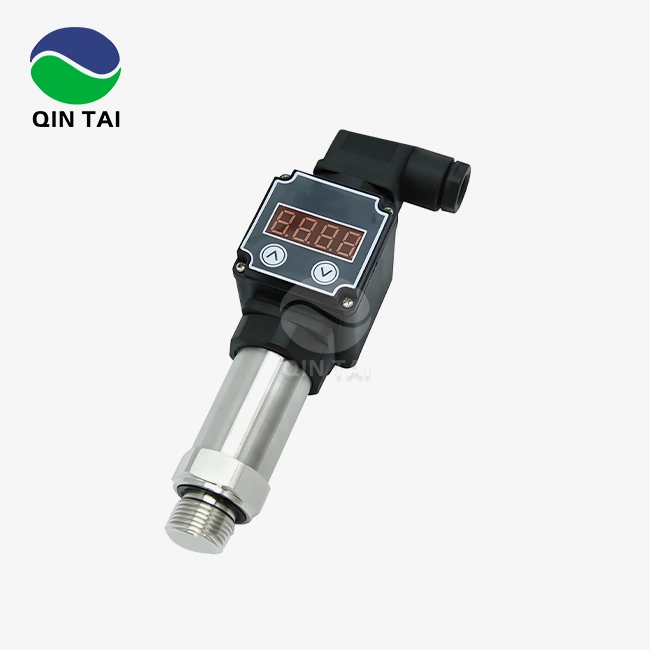
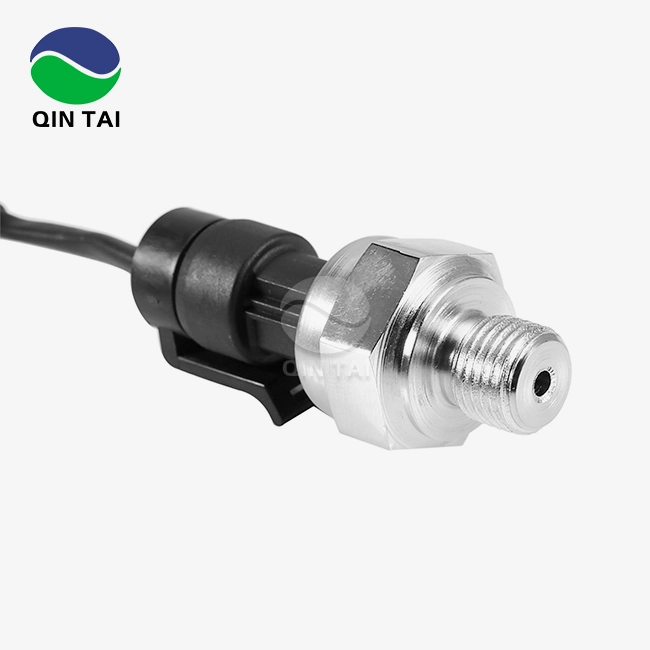
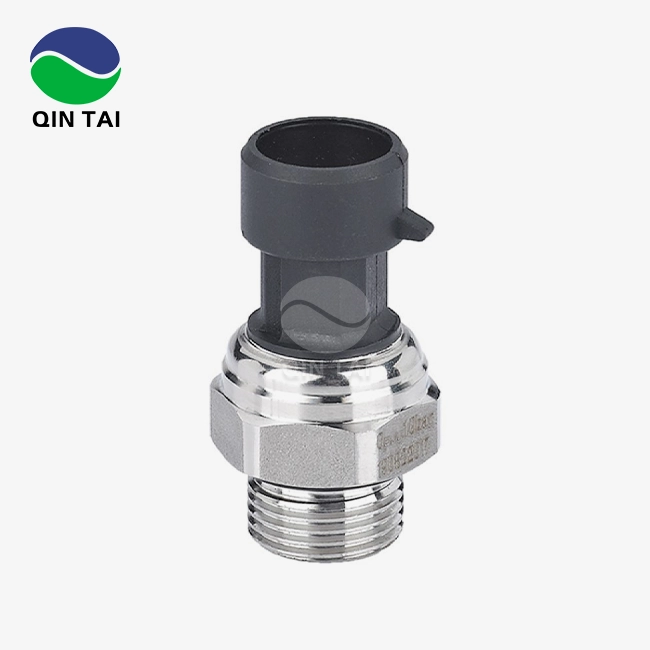
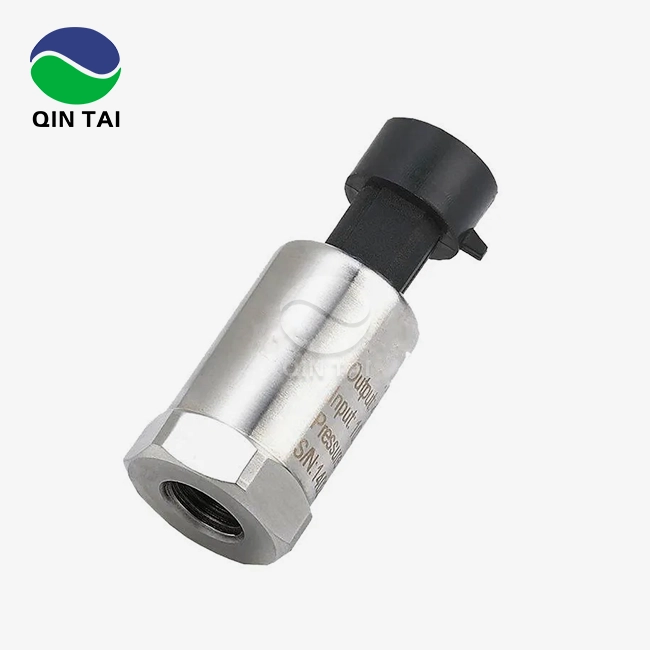
Our engineering team has put a lot of time and money into making sensor technologies that work well in harsh industrial settings. Our urea dose pressure sensors have special buffering structures that can handle the 9% volume growth that happens when DEF freezes. This keeps the mechanical failures that happen with other designs.
We've put in place gold-plated connection leads to get rid of the signal degradation caused by corrosion that causes P204B trouble codes. The ISO 9001 and IATF 16949 certifications for our manufacturing plant make sure that the quality of our products is always the same. Also, our growing patent collection (now with 58 inventions) shows that we are always coming up with new ideas instead of relying on old designs.
Conclusion
When choosing the right Aftertreatment Dosing Unit provider, you need to weigh the short-term cost against the long-term dependability, legal compliance, and ease of access to expert assistance. When choosing suppliers, the best strategies look at them as a whole, not just at the price per unit, but also at the total cost of ownership, which includes things like warranty coverage, maintenance needs, and the chance of downtime.
Global market leaders bring technologies that have been tested and proven over a large area. On the other hand, specialized suppliers often offer better value thru focused expertise and flexible service models. As emissions standards get stricter and fleet operations get busier, it becomes more important to work with suppliers who continuously invest in research and development, maintain strict quality systems, and offer full technical support in order to stay ahead of the competition and gain regulatory trust.
FAQ
What maintenance practices ensure peak Aftertreatment Dosing Unit performance?
Crystallization problems that block injectors and damage pump seals can be avoided by testing the quality of DEF on a regular basis. Check the electrical connections every three months and use dielectric grease to keep them from rusting in wet or sea settings. Filter elements should be replaced at the manufacturer's recommended times, not later ones, because particulate pollution speeds up wear. Every year, check the system's pressure to find leaks before they become a complete failure.
Which indicators signal dosing unit replacement needs?
Keep an eye out for diagnostic trouble codes that mean the pressure isn't right, the dose amount was wrong, or the heater circuit has failed. Some physical signs are DEF leaks that can be seen, strange pump noises, or crystalline deposits around the mounting points for injectors. Performance indicators like rising DEF use without corresponding decreases in emissions or failure to reach normal operating pressure point to internal component wear that needs to be replaced instead of being fixed.
What certifications should procurement managers require?
For quality control methods used in the automotive industry, you should demand IATF 16949 certification. The EPA checks that the parts meet the guidelines for U.S. pollution equipment. ISO 9001 is a basic standard for quality assurance, but for uses in dangerous environments, industry-specific approvals like Ex ratings are more important. Ask for material certifications that say the alloys are resistant to corrosion and third-party test reports that say the alloys can withstand pressure cycles and thermal shocks.
Partner with Qintai for Your Aftertreatment Dosing Unit Supply Needs
Xi'an Qintai Automotive Emission Technology has proven SCR parts that are trusted by China's top engine manufacturers and are ready to help you control the emissions from your diesel fleet. With over 20 years of specialized technical experience, we offer a wide range of products, including dosing units, pressure sensors, and full aftertreatment options. We are an IATF 16949-certified producer of Aftertreatment Dosing Units, so we know how to meet the quality standards needed for both OEM production and difficult aftermarket uses in the farm, industrial transportation, and building industries.
We know that people who work in procurement need suppliers who offer cheap prices, quick expert help, and reliable global shipping. Our team offers detailed application engineering help that helps you choose the best parts for your unique job cycles and working conditions. Our OEM/ODM capabilities and flexible manufacturing systems can handle orders ranging from small prototypes to large production runs, no matter what kind of standard configurations or custom solutions you need.
Email our technical sales team at info@qt-sensor.com to talk about your specific needs for aftertreatment and to get full product specifications. You can look at our full line of emissions control products at qt-sensor.com and learn why top diesel engine makers around the world trust Qintai as their main source for mission-critical aftertreatment parts.
References
1. Johnson, M.R. & Williams, K.T. (2025). Diesel Emission Control Technologies: Engineering Principles and Industrial Applications. Society of Automotive Engineers International Press.
2. Environmental Protection Agency (2024). Heavy-Duty Engine and Vehicle Standards: Compliance and Enforcement Guidelines. EPA Office of Transportation and Air Quality, Technical Report EPA-420-R-24-008.
3. Chen, L., Rodriguez, A. & Patel, S. (2025). "Advances in SCR Dosing Precision: Materials, Sensors, and Control Strategies." International Journal of Automotive Technology, Vol. 26, No. 3, pp. 487-503.
4. European Commission Directorate-General for Internal Market (2024). Euro 7 Standards: Technical Background and Industry Impact Assessment. Publications Office of the European Union.
5. Thompson, R.D. (2025). "Total Cost of Ownership Analysis for Diesel Fleet Emission Systems." Fleet Maintenance & Procurement Quarterly, Vol. 18, No. 2, pp. 34-48.
6. International Organization for Standardization (2023). Quality Management Systems for Automotive Production and Relevant Service Parts: IATF 16949:2023 Implementation Guide. ISO Technical Committee TC 176.

Our customers’ satisfaction speaks for our quality — contact us to experience the same reliable service.