- English
- French
- German
- Portuguese
- Spanish
- Russian
- Japanese
- Korean
- Arabic
- Greek
- German
- Turkish
- Italian
- Danish
- Romanian
- Indonesian
- Czech
- Afrikaans
- Swedish
- Polish
- Basque
- Catalan
- Esperanto
- Hindi
- Lao
- Albanian
- Amharic
- Armenian
- Azerbaijani
- Belarusian
- Bengali
- Bosnian
- Bulgarian
- Cebuano
- Chichewa
- Corsican
- Croatian
- Dutch
- Estonian
- Filipino
- Finnish
- Frisian
- Galician
- Georgian
- Gujarati
- Haitian
- Hausa
- Hawaiian
- Hebrew
- Hmong
- Hungarian
- Icelandic
- Igbo
- Javanese
- Kannada
- Kazakh
- Khmer
- Kurdish
- Kyrgyz
- Latin
- Latvian
- Lithuanian
- Luxembou..
- Macedonian
- Malagasy
- Malay
- Malayalam
- Maltese
- Maori
- Marathi
- Mongolian
- Burmese
- Nepali
- Norwegian
- Pashto
- Persian
- Punjabi
- Serbian
- Sesotho
- Sinhala
- Slovak
- Slovenian
- Somali
- Samoan
- Scots Gaelic
- Shona
- Sindhi
- Sundanese
- Swahili
- Tajik
- Tamil
- Telugu
- Thai
- Ukrainian
- Urdu
- Uzbek
- Vietnamese
- Welsh
- Xhosa
- Yiddish
- Yoruba
- Zulu
What Are the Benefits of Using urea SCR systems
Modern diesel engines face unprecedented emission challenges, yet urea SCR systems have emerged as the most effective solution for meeting stringent environmental standards. A urea SCR system converts harmful nitrogen oxides into harmless nitrogen and water through a catalytic reaction using diesel exhaust fluid, commonly known as AdBlue.
This technology has become indispensable for OEMs in heavy trucks, construction machinery, agricultural equipment, and generator sets seeking compliance with Euro VI and EPA regulations while maintaining performance and fuel efficiency. Understanding the advantages of this technology helps procurement managers and R&D engineers make informed sourcing decisions that balance regulatory compliance, operational costs, and long-term reliability.
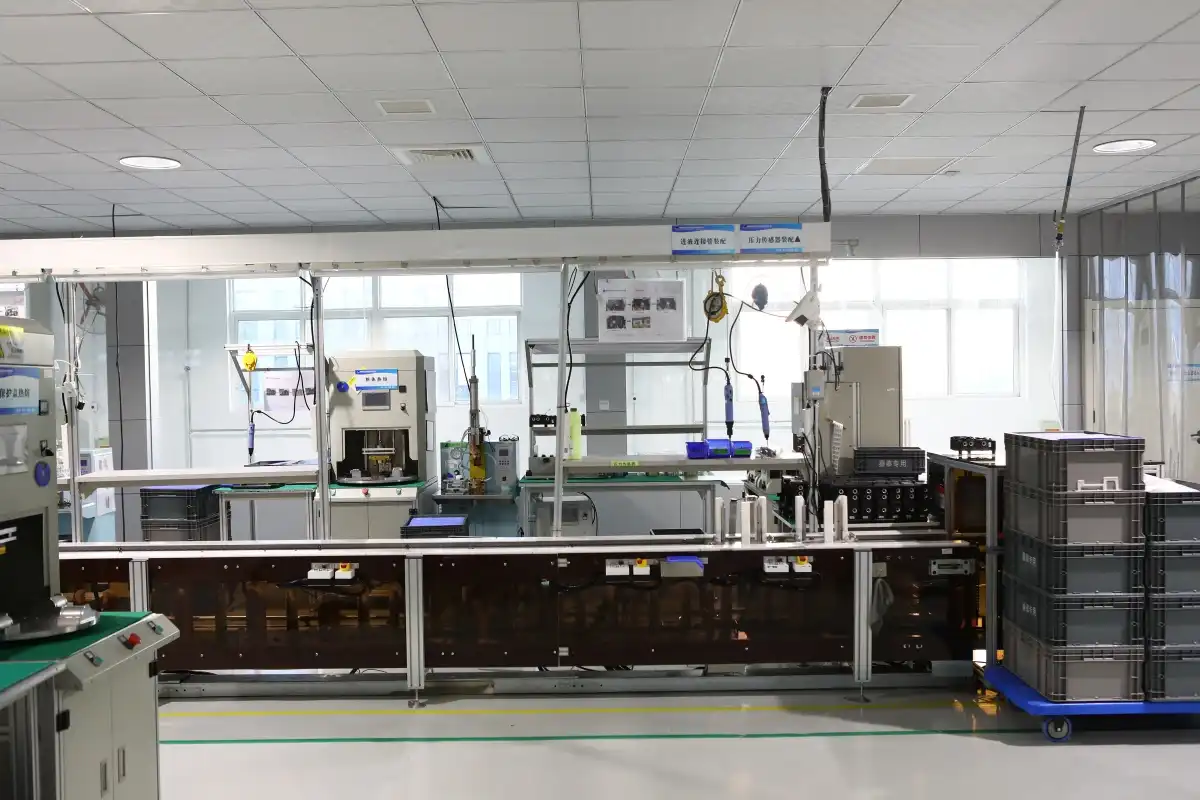
Understanding Urea SCR Systems: Technology and Components
When diesel engines burn, nitrogen oxides are released into the air. These oxides pollute the air and raise health issues. This issue is fixed by urea SCR system technology, which adds the right amount of urea solution to the waste stream before it goes into the catalyst chamber.
How the SCR Chemical Process Works
When AdBlue, a fluid with 32.5% urea and 67.5% deionized water, is sprayed into hot exhaust gases, the chemical reaction starts. The urea breaks down into ammonia when it gets hot, and this reacts with NOx molecules on top of a catalyst. This process changes toxic emissions into nitrogen gas and water vapor, which cuts NOx output by as much as 95% compared to exhaust that hasn't been handled. The process needs exact temperature control and works best between 250°C and 450°C. This makes it perfect for diesel engines, which naturally produce high exhaust temperatures when they run.
Essential System Components
To make a full urea SCR system, many different parts must work together. The diesel urea tank holds AdBlue and has a level sensor to keep track of the amount of fluid, a temperature sensor to keep the solution from freezing below -11°C, and a quality sensor to make sure the solution meets the requirements. To keep the urea from crystallizing, a dosing module moves it from the tank through heated lines.
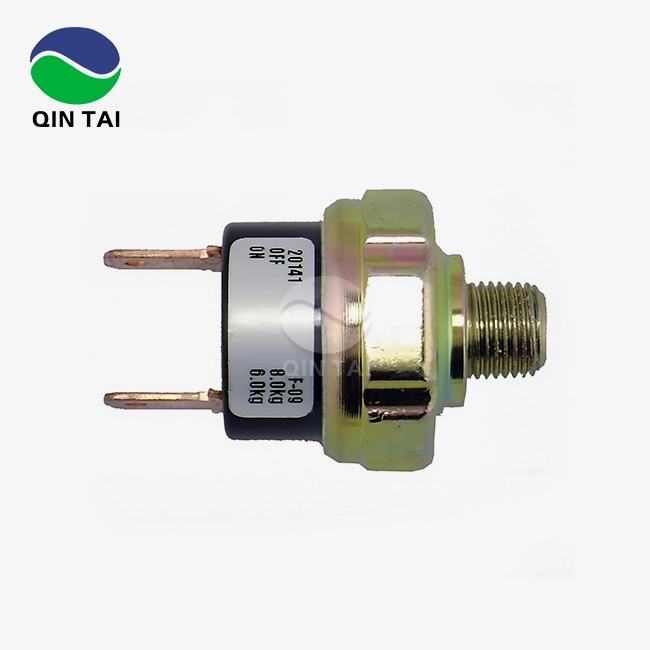
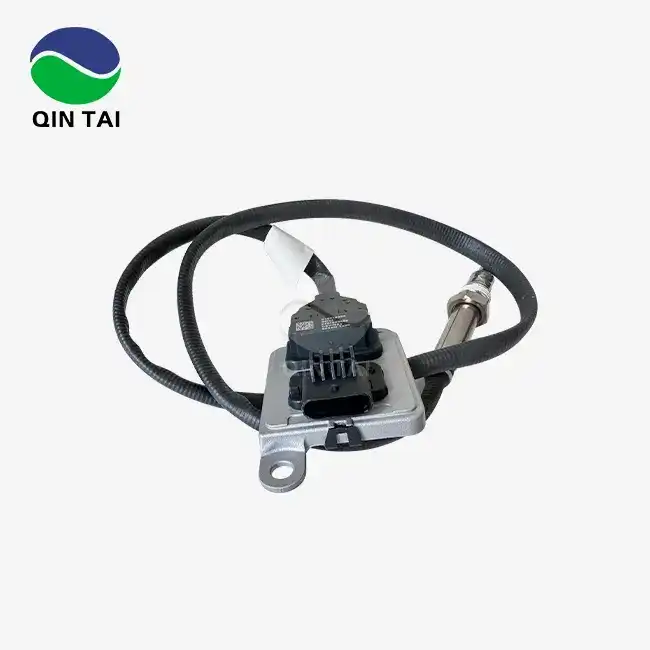
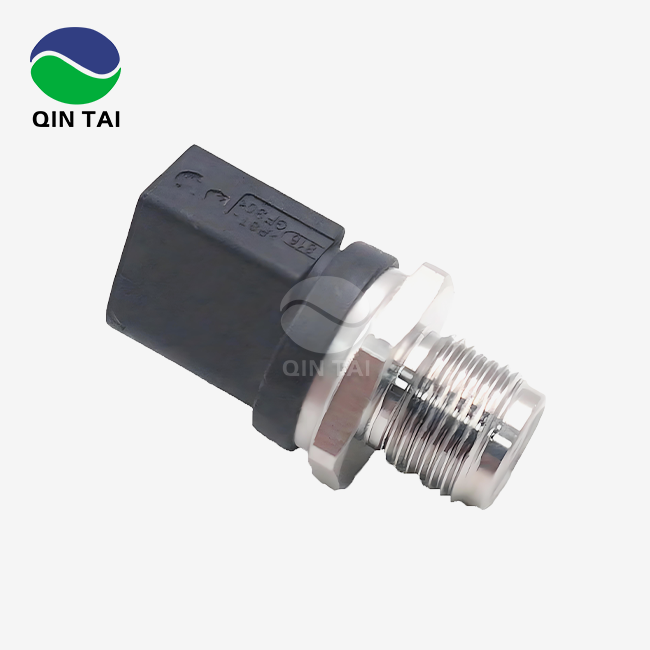
The urea pressure sensor checks the pressure in the system and can find leaks, blockages, or frozen fluids. It also gives closed-loop feedback for accurate dosing. There are valuable metals in the urea SCR system catalyst, such as platinum or vanadium, that help the chemical process happen. Advanced control units constantly change the injection rates based on the load on the engine, the temperature, and feedback from NOx sensors. This makes sure that the engine always works at its best, even when conditions change.
Integration with Engine Management
Modern urea SCR systems talk to engine control units directly through CAN bus standards. They share real-time information about the temperature, flow rate, and amount of emissions in the exhaust. This integration lets the engine find the best conditions for combustion while the aftertreatment system takes care of any leftover emissions.
The urea filter AdBlue part keeps other parts from getting dirty, which could damage needles or make the dosing valve not work right. When properly integrated, these systems work without causing any problems for drivers or machinery workers. They only need AdBlue to be refilled every so often during regular maintenance periods.
The Core Benefits of Using Urea SCR Systems in Industrial Applications
Using urea SCR system technology has many benefits that go beyond just following the rules. It creates value throughout the lifecycle of the equipment.
Reducing emissions is the main benefit; when systems work properly, NOx levels drop by more than 90% compared to engines that aren't handled. This performance easily meets Euro VI, EPA 2010, and China VI standards, which keeps makers from getting fined by the government and supports their efforts to be more environmentally friendly. The urea SCR system technology lets engines keep their full speed and horsepower, unlike older pollution control methods that reduced power output.
Any improvements to fuel economy are also a big plus. Since urea SCR systems control emissions in the exhaust stream instead of during combustion, engines can be tuned to be as efficient as possible without having to be detuned for emission control. Three to five percent less fuel is used by engines that use Exhaust Gas Recirculation alone, according to studies done by outside groups. This can save a lot of money over the life of the equipment, especially in heavy-use situations like long-haul trucking and mines.
Lowering the temperature of combustion and the amount of soot produced can make an engine last longer. The old ways of controlling emissions sent exhaust gases back into the combustion chamber. This made the temperature rise and sped up the wear on the pistons, rings, and walls of the cylinder. This problem is solved by urea SCR system technology, which makes engines run cooler and cleaner. This means that oil changes aren't needed as often, maintenance isn't needed as often, and parts last longer. Fleet owners say that repair costs have gone down by 10-15% since they switched to machines with urea SCR systems.
Urea SCR systems are useful in many different industry areas because they can be used in many different ways. When driving on long highway trips, heavy trucks do better when they have both speed and agreement. On controlled job sites, construction equipment keeps up its full hydraulic performance while also meeting emission standards.
Some agricultural equipment works well in remote areas and only needs AdBlue to be refilled. Generator sets produce stable pollution even when they are running nonstop in power plants and backup power situations. The urea SCR system is the most popular aftertreatment technology for diesel engines with 75 horsepower to over 600 horsepower because it can be used with a wide range of engines.
Comparing Urea SCR Systems with Alternative Technologies
When procurement professionals look at emission control choices, they come across a number of rival technologies. Each has its own unique features that make it better or worse for different uses.
Exhaust Gas Recirculation Limitations
EGR systems send some of the exhaust gases back into the engine, which lowers the temperature of the combustion process and stops NOx from forming. Even though EGR works well at low levels of reduction, it can't be used by itself to meet Euro VI or EPA 2010 standards without causing major performance problems.
The recirculated exhaust adds particles to the burning process, which makes more soot and means that diesel particulate screens need to be cleaned more often. When compared to engines with urea SCR systems, those that rely heavily on EGR usually have higher upkeep costs and use more fuel.
Complementary Role of Diesel Particulate Filters
DPF technology focuses on particulate matter instead of NOx emissions. It does this by trapping soot particles in a ceramic matrix that burns off the built-up material every so often during regeneration cycles. Modern pollution standards need to control both NOx and particulates. This means that DPF and urea SCR systems work together instead of against each other. Both systems are found in most modern heavy-duty diesel engines. The DPF is placed before the urea SCR system catalyst to keep particles from getting in the way of the catalytic reaction.
Ammonia SCR in Stationary Applications
Anhydrous ammonia or aqueous ammonia solutions are sometimes used instead of urea in SCR systems. This is common in power generation and naval uses where there is already equipment in place to store ammonia. Even though ammonia-based systems are chemically similar to urea-based systems, they need to be handled in a certain way because ammonia is harmful and regulated. The urea SCR system method is most common in mobile apps because AdBlue is safe, doesn't catch fire, and is easy to get through established delivery networks.
These examples show why the urea SCR system has become the best choice for mobile diesel applications: it provides the best mix of emission performance, ease of operation, and total cost of ownership.

Maintenance and Troubleshooting: Ensuring Optimal Performance
For the urea SCR system to work reliably, it needs to be maintained regularly and common problems that can affect its usefulness must be fixed quickly.
A lot of urea SCR system failures are caused by contamination issues that can be avoided by checking the quality of AdBlue on a regular basis. The urea solution breaks down in the sun or at temperatures above 30°C for long periods of time, creating crystal layers that block injectors and damage pumps. The best fluid quality is achieved by keeping it cool and dry and using it within six months of production. The urea quality sensor in the urea SCR system tank system lets you know right away if the urea is contaminated, but you can also look for discoloration or sediment to be even safer.
The times for inspecting parts should match the times for maintaining the engine. AdBlue's urea filter needs to be replaced every 12 months or as directed by the manufacturer to keep contamination from getting to sensitive dosing parts. Failure to replace a clogged filter can cause incorrect injection, less effective NOx conversion, and damage to the dosing valve or nozzles. Checking the calibration of the pressure monitor makes sure that the control system gets exact input. This stops under-dosing, which can lead to emission violations, or over-dosing, which wastes fluid and could damage the catalyst through ammonia slip.
Injector clogs from crystallized urea are a common problem that needs to be fixed. This is usually caused by the system not being used for a long time or using bad AdBlue. Crystals don't form when the dosing system is flushed with deionized water during long holding times. The urea pressure monitor detects drops in pressure that mean there are leaks, air leaks, or blockages that need to be fixed right away to keep doses correct. Overpressure can happen when AdBlue freezes or when pressure release valves don't work right. In both cases, the heating system in the tank and how the valves work need to be checked.
Choosing sellers with full after-sales help has a big effect on the long-term success of an operation. When OEM parts are available, you can be sure that the new parts you use are legitimate and meet the system's performance requirements. Warranty coverage keeps parts from breaking down too soon, and expert support tools help repair teams quickly figure out what's wrong and fix it. When making decisions about what to buy, these things should be taken into account very carefully. This is because short-term cost cuts from bad sources often lead to higher total ownership costs through more downtime and having to replace parts too soon.
How to Source and Procure Urea SCR Systems for Your Business
When procurement teams define and source urea SCR system technology, they have to make important choices that require careful consideration of technical needs, provider skills, and total cost.
Matching System Specifications to Applications
Urea SCR system solutions need to be customized for each type of equipment. When heavy trucks are on the highway, their systems need to be set up so that they can keep going at high speeds for a long time while keeping the exhaust temperature stable. Construction equipment has loads that change a lot, so it needs flexible dosing methods and strong parts that can handle a lot of thermal cycles.
Generator sets need to be very reliable in order to work all the time, so they often have multiple sensors and high-quality catalysts. Agricultural equipment is designed to be simple and easy to fix so that it can be used from afar with little technical help. Mismatches between urea SCR system powers and practical needs can be avoided by clearly defining application parameters during the specification phase.
Evaluating Supplier Credentials
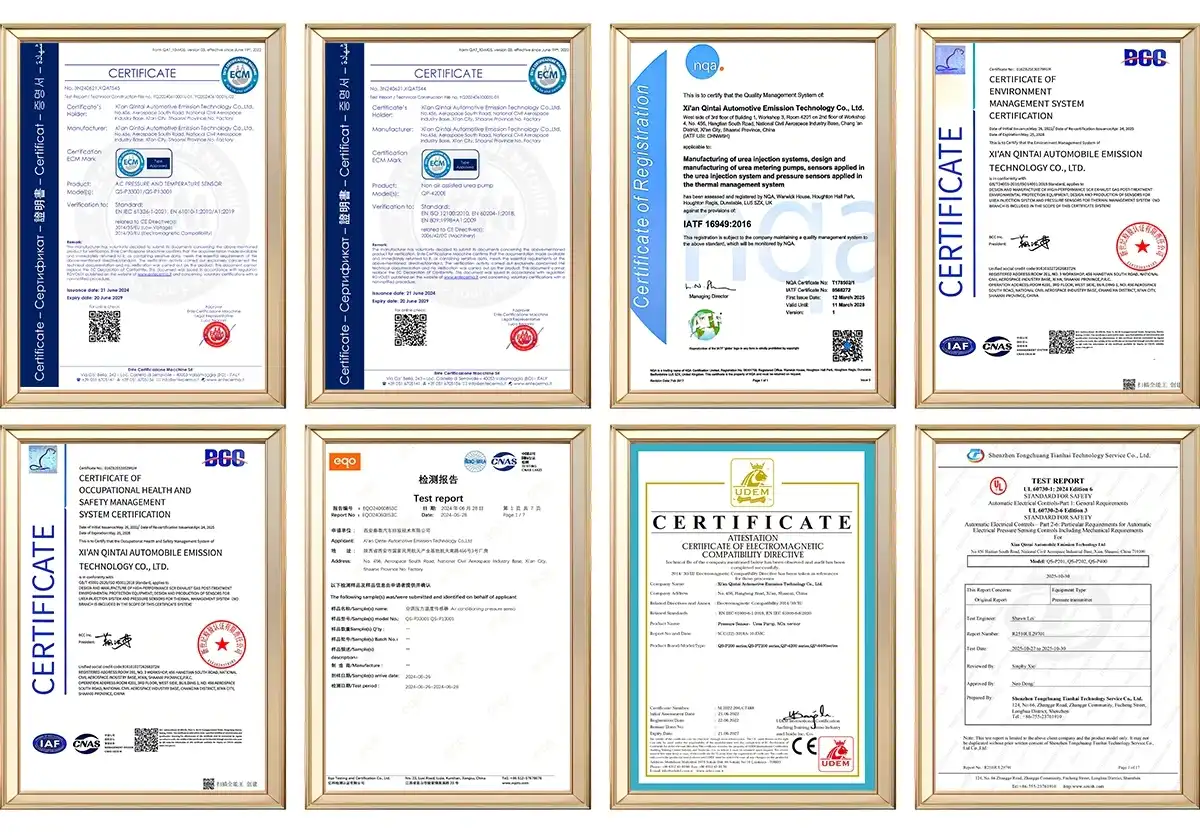
Quality certifications are objective proof of the ability to make things and keep the process under control. The ISO9001 certification shows basic quality management systems, and the IATF16949 certification talks about the needs of the automotive supply chain, covering things like traceability, change management, and processes for continuous improvement.
Product certificates like CMC, Ex, UL, and CE show that a product meets the safety and efficiency standards of the market it is sold in. Suppliers with a lot of patents tend to put more money into research and development. This means they can offer more advanced technology and better long-term support as emission rules change.
A technical maturity assessment checks how much experience a supplier has with similar applications and how well they can help with full integration. OEM partnerships with major engine makers like Weichai Power, Yuchai Power, and Quanchai Power show that the product has worked well in tough production settings before. For OEMs that need stable quality across large numbers, mass production capacity is very important. On the other hand, customization freedom is more important for specialized applications or aftertreatment system integrators that need changed interfaces and parameters.
Procurement Strategy Considerations
When negotiating prices, the total cost of ownership should be taken into account, not just the initial purchase price. Even if they cost less at first, systems that need a lot of upkeep, break down often, or don't have enough technical help end up costing more in the long run. A lot of the time, agreements to buy in bulk get better prices and make sure that production schedules don't get thrown off. As part of long-term partnerships, companies may work together to create next-generation solutions that meet new legal standards or solve specific application problems.
Professional fitting help and full service after the sale round out the value argument. Suppliers who give support staff training programs, technical materials in relevant languages, and quick troubleshooting help help customers get the most out of their investments by making systems last longer and reducing downtime.
Conclusion
In conclusion, urea SCR systems are the best way to control the emissions from diesel engines because they reduce NOx levels incredibly while keeping performance high and fuel economy high. Putting together carefully designed parts like urea tanks with high-tech sensors, pressure tracking systems, high-quality filters, and complex catalysts makes solutions that are reliable and meet the strictest global emission standards.
To have a successful implementation, you need to carefully choose your suppliers based on their technical skills, quality certifications, and full support services. Regular checks on the quality of the fluid, reviews of the parts, and quick fixing are all part of good maintenance that guarantees long-term performance and a good return on investment in a wide range of industrial settings.
FAQ
What advantages does SCR offer over traditional emission controls?
Unlike EGR systems, which lower performance for pollution control, urea SCR system technology reduces NOx by more than 90% while letting engines run at their most efficient. Compared to older technologies, this method gets better gas mileage, makes engines last longer by reducing heat stress, and requires less upkeep.
Can existing diesel engines be retrofitted with SCR systems?
Retrofitting is possible depending on the type of engine, the amount of space available, and how the exhaust system is set up. Many older engines can work with aftermarket urea SCR system solutions, though the cost and difficulty of installation vary a lot. Talking to skilled aftertreatment system integrators can help you figure out if a fix will work and how well it will work.
How often does AdBlue require refilling?
Usually, consumption rates are between 3 and 5 percent of diesel fuel use. This means that a car that uses 100 liters of diesel uses about 3 to 5 liters of AdBlue. Refilling times depend on the size of the tank and how often the equipment is used. For highway trucks, refilling times are usually every 5,000 to 10,000 kilometers, but they can be different for other uses depending on duty cycles.
Partner with Qintai for Reliable Urea SCR System Solutions
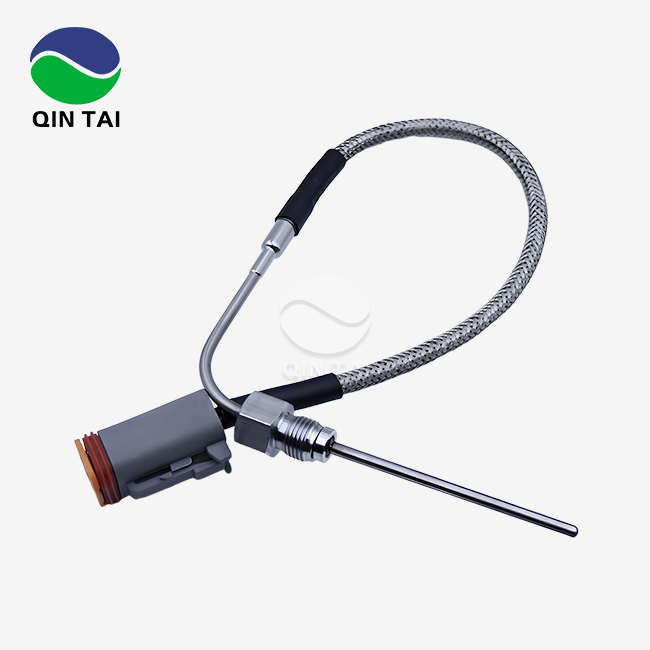
Since 2001, Qintai has been a leader in diesel engine aftertreatment technology. They are the biggest OEM seller in China and have strong relationships with Weichai Power, Yuchai Power, and Quanchai Power. Our wide range of products includes advanced urea SCR system tank systems, accurate urea pressure sensors, high-performance urea filters, and full aftertreatment solutions that are approved by ISO9001, IATF16949, and other international safety standards.
With 58 invention rights and our own research and development (R&D) department, we can make unique solutions for a wide range of applications, from heavy trucks to generator sets. Our engineering team provides expert technical support throughout the whole procurement process, from coming up with the initial specifications to installing the system and keeping it running.
Get in touch with our experts at info@qt-sensor.com to talk about your specific emission control needs and find out why top manufacturers around the world trust Qintai as their urea SCR system supplier. You can look through our full line of products and request detailed documentation at qt-sensor.com.
References
1. Johnson, T. (2020). Review of Selective Catalytic Reduction Technologies for Diesel Engines. SAE International Journal of Engines, 13(4), 455-478.
2. Environmental Protection Agency. (2019). Diesel Engine Emission Control: Technology Review and Standards Compliance Guide. EPA Publication Series.
3. Wang, H., package, L., & Zhang, Y. (2021). Performance Optimization of Urea-SCR Systems in Heavy-Duty Diesel Applications. International Journal of Automotive Technology, 22(3), 671-685.
4. European Automobile Manufacturers Association. (2020). SCR System Integration and Maintenance Best Practices for Commercial Vehicles. ACEA Technical Report.
5. Martinez, R., & Thompson, K. (2018). Comparative Analysis of Diesel Emission Control Technologies: Cost, Performance, and Reliability. Journal of Environmental Engineering, 144(6), 04018042.
6. Chen, P., Liu, S., & Anderson, M. (2022). Advanced Sensor Technologies for SCR System Monitoring and Diagnostics. Sensors and Actuators B: Chemical, 351, 130945.

Our customers’ satisfaction speaks for our quality — contact us to experience the same reliable service.