- English
- French
- German
- Portuguese
- Spanish
- Russian
- Japanese
- Korean
- Arabic
- Greek
- German
- Turkish
- Italian
- Danish
- Romanian
- Indonesian
- Czech
- Afrikaans
- Swedish
- Polish
- Basque
- Catalan
- Esperanto
- Hindi
- Lao
- Albanian
- Amharic
- Armenian
- Azerbaijani
- Belarusian
- Bengali
- Bosnian
- Bulgarian
- Cebuano
- Chichewa
- Corsican
- Croatian
- Dutch
- Estonian
- Filipino
- Finnish
- Frisian
- Galician
- Georgian
- Gujarati
- Haitian
- Hausa
- Hawaiian
- Hebrew
- Hmong
- Hungarian
- Icelandic
- Igbo
- Javanese
- Kannada
- Kazakh
- Khmer
- Kurdish
- Kyrgyz
- Latin
- Latvian
- Lithuanian
- Luxembou..
- Macedonian
- Malagasy
- Malay
- Malayalam
- Maltese
- Maori
- Marathi
- Mongolian
- Burmese
- Nepali
- Norwegian
- Pashto
- Persian
- Punjabi
- Serbian
- Sesotho
- Sinhala
- Slovak
- Slovenian
- Somali
- Samoan
- Scots Gaelic
- Shona
- Sindhi
- Sundanese
- Swahili
- Tajik
- Tamil
- Telugu
- Thai
- Ukrainian
- Urdu
- Uzbek
- Vietnamese
- Welsh
- Xhosa
- Yiddish
- Yoruba
- Zulu
Why Ceramic Pressure Sensors Improve Industrial Measurement Accuracy
Ceramic pressure sensors improve industrial measurement accuracy through their exceptional material properties and design advantages. Built from high-purity alumina ceramic, these sensors resist thermal drift, chemical corrosion, and mechanical stress far better than metallic or silicon alternatives. Their stable dielectric properties maintain consistent signal output across temperature extremes, while the non-porous ceramic structure prevents media contamination that often degrades measurement precision in harsh industrial environments. This inherent robustness translates directly into reliable, repeatable readings that meet stringent regulatory requirements and operational demands.
Understanding Ceramic Pressure Sensors and Their Working Principles
How Ceramic Sensors Convert Pressure to Electrical Signals
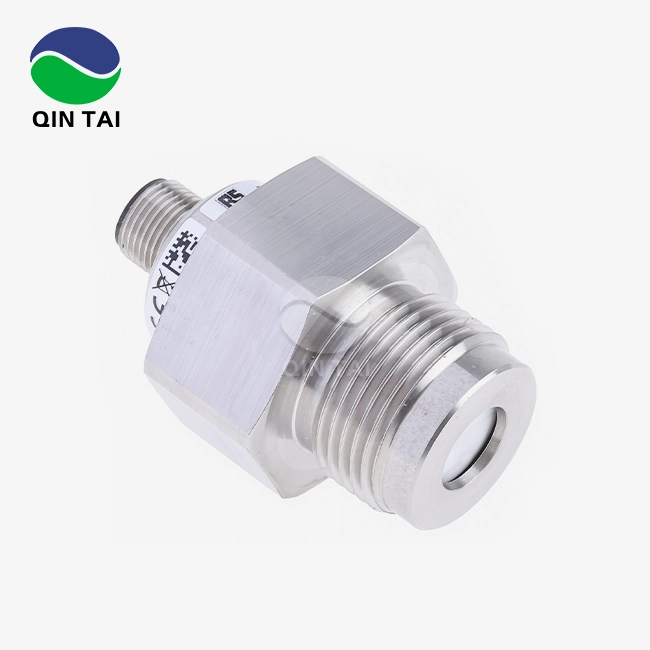
Ceramic Pressure Sensors use thick-film resistors on a ceramic plate to work based on piezoresistive principles. The diaphragm slightly deforms when pressure is put on it, which changes the resistance in the formed resistor design. These changes in resistance make a Wheatstone bridge circuit that sends out a proportional voltage. The 96% Al₂O₂ ceramic material in models like the QS-P105 gives them the mechanical strength they need to measure deformation accurately and keeps their structure intact even after being put under a lot of pressure.
Material Comparison: Ceramic Versus Metallic and Silicon
When traditional metals sensors are introduced to harsh media, they experience galvanic corrosion, which causes them to drift and eventually fail. Silicon sensors are very sensitive, but they break easily when they are hit by something hard, and they can't be used in high-temperature situations.
Ceramic building has the best qualities: it is chemically neutral like glass, it is stronger than most metals when compressed, and it stays stable at temperatures ranging from -40°C to 135°C. This material's strength directly meets the needs of diesel engine makers and system designers that put together aftertreatment systems that need long-term stability in emission control uses.
Why Ceramic Structure Minimizes Measurement Drift
Because alumina ceramic is made up of crystals, it doesn't expand or contract much when it gets hot or cold, and it doesn't show much hysteresis either. While metal diaphragms creep when pressure is applied for a long time, ceramic diaphragms stay the same size. Electromagnetic interference problems that are common in industrial settings are taken care of by the non-conductive base material. Because of these features, the zero-point drift stays below 0.03 to 0.05% FS/°C across the temperature range of the sensor. This gives R&D engineers the measurement trust they need for China VI and Euro VI emission compliance tests.
Advantages of Ceramic Pressure Sensors Over Other Sensor Types
Ceramic Pressure Sensors solve some of the most important problems that buying managers and technical experts have with traditional measuring tools. The difference in performance is especially clear in demanding situations where sensor failure has big effects on operations and costs.
Superior Environmental Resistance
Ceramic Pressure Sensors can handle corrosive exhaust gasses, hydraulic fluids, and abrasive particles that quickly wear down metal-based sensors. Acids, bases, and organic liquids that are common in SCR and DPF systems can't damage the chemically neutral ceramic diaphragm. This makes the sensors last longer, from months to years, which lowers the number of times they need to be replaced and the cost of maintenance. People who buy parts for commercial vehicles like how this durability lowers the total cost of ownership, even if the initial cost may be higher.
Extended Temperature Performance
Working conditions often get hotter than 100°C in generator sets and air systems for building equipment. The QS-P105 can work reliably up to 135°C, which means it can give accurate readings in situations where silicon sensors would fail or need expensive cooling systems. Because of the minimal zero temperature drift specification, calibration intervals are longer. This means that equipment operators in mines, power plants, and farms have less downtime.
Mechanical Robustness and Overload Protection
Vibration, shock, and sometimes overpressure can happen to sensors on construction sites and when big trucks are in use. Ceramic Pressure Sensors can handle being overloaded by 200% without getting permanently damaged. This keeps your measurement systems safe during hydraulic pressure spikes or engine backpressure changes. Small size lets it fit into tight engine areas and aftertreatment housings where bigger sensor choices can't go because of lack of space.
Measurement Linearity and Repeatability
Nonlinearity standards of ≤0.3% FS across the whole pressure range from vacuum to 600 bar give technical teams the accuracy they need when choosing sensors. This linearity makes sure that the device works the same way whether it's measuring low fuel rail pressures or high hydraulic system loads. It also makes calibration easier and lowers the amount of engineering work needed for signal conditioning in aftertreatment control units.
These benefits all take into account the most important factors when making a decision: technical departments make sure that performance specs meet application needs; purchasing departments make sure that long-term value justifies investment; and management approves suppliers that have been reliable in similar deployments in the past. Ceramic Pressure Sensors are a prime example of such a component, where their ruggedness, stability, and high-temperature capability directly support these performance, value, and reliability criteria across all three decision-making perspectives.
Applications of Ceramic Pressure Sensors in Industrial Measurement
Diesel Engine Emission Control Systems
Ceramic Pressure Sensors are very important for keeping an eye on the backpressure of exhaust gasses going thru diesel particulate filters and for managing the reduction of NOx in selective catalytic reduction systems. Because the QS-P105 has interfaces that can be changed, it can work with a wide range of engine control units from Weichai Power, Yuchai Power, and other foreign OEMs.
Accurately measuring pressure allows exact dosing control for diesel exhaust fluid injection, which has a direct effect on meeting pollution standards and getting the best gas mileage. Integrators of aftertreatment systems rely on the fast response times of these sensors to handle regeneration cycles well, keeping filters from getting clogged and fuel use charges to a minimum.
Hydraulic and Pneumatic System Monitoring
Monitoring hydraulic pressure is important for controlling implements, managing brakes, and managing transmissions in construction and farming equipment. Ceramic Pressure Sensors can handle the dirty hydraulic fluid and sudden changes in pressure that happen when mobile equipment is used.
Because they are easy to install, assembly time on production lines is cut down, which helps OEM manufacturers meet their concerns about mass production capacity. Repair shops and sellers that sell parts for industrial vehicles like Ceramic Pressure Sensors because they can be used in place of many OEM part numbers, which makes managing their inventory easier.
Generator Set and Power Generation
Sensors that are reliable enough for industrial use and have long run times are needed in mining operations and backup power setups. Because Ceramic Pressure Sensors have a stable output, it stops false alarms and needless shutdowns that cost businesses thousands of dollars every hour.
Ceramic Pressure Sensors are the best choice for project procurement teams because they can work in a wide range of temperatures and conditions, such as dusty or humid ones. Brand endorsement from well-known generator set makers verifies performance claims and makes it easier for technical managers to get new suppliers approved.
Case Evidence: Accuracy Improvement in Real Applications
A North American heavy truck maker reported a 40% drop in warranty claims for pressure sensors after switching from metal to Ceramic Pressure Sensors in EGR systems. Diagnostic false positives went down because of more stable measurements. This cut down on dealer repair calls and increased customer satisfaction. The Ceramic Pressure Sensors cost 15% more than the other sensors, but the return on investment calculations showed that they were paid for within 18 months. This was mostly because they had lower failure rates in the field and longer calibration intervals.
How to Select and Calibrate Ceramic Pressure Sensors for Optimal Accuracy
Critical Selection Criteria for Procurement Managers
Mismatches that cost a lot of money can be avoided by matching sensor specs to application needs. The pressure range needs to include both normal operating conditions and possible overload situations. The QS-P105's range of vacuum to 600 bar covers most diesel engine and hydraulic applications.
Signal conditioning needs are based on sensitivity rates between 2 and 4 mV/V. Higher sensitivity makes electronics easier to use, but it may make noise more noticeable. When adding to existing electrical systems, supply voltage compatibility is important. The QS-P105's 2-30 VDC range gives you options for 12V and 24V vehicle systems.
Temperature Tolerance and Environmental Factors
Application compatibility is determined by the operating temperature range. The -40°C to 135°C area can handle very cold starts in the Canadian winter and high exhaust temperatures all year in the Middle East. Think about the temperature exposure of where the sensors are mounted.
Sensors near turbochargers are exposed to tougher conditions than sensors in intake systems. Specifications for zero temperature drift show how much the frequency of recalibration goes up in applications that cycle temperatures. Full accuracy ratings of ≤±0.5% FS take into account the effects of non-linearity, hysteresis, and repeatability, so you can expect a reasonable level of performance.
Interface Customization and System Integration
Connection types include threaded ports and flanged mounting, which change how hard it is to install and how reliable the seal is. The QS-P105 is designed to be easy to mount and can work with both standard fittings and custom modifications for proprietary manifolds. Electrical connection choices, like pigtail leads, connector bodies, or built-in amps, should work with how things are put together in production and how they need to be serviced in the field. Customizable parameters let OEMs choose output ranges that work with existing signal processing, so they don't have to redesign the electronics, which can be expensive.
Calibration Workflows and Maintenance Planning
The first calibration sets up traceability to national standards, which is necessary for companies that make environmental safety tools to get the approval they need. Periodic recalibration intervals depend on how important the application is; once a year is fine for most industrial uses, but every six months may be needed for critical safety systems.
Documentation for calibration traceability works with ISO9001 and IATF16949 quality control systems, which makes checks easier for factories. Routine maintenance checks the soundness of the hardware and the electrical links instead of the insides of the sensors, which lowers the level of maintenance skill needed.
Procurement Dynamics and Cost Optimization
Standard designs usually have lead times of 4 to 6 weeks, while personalized versions may need 8 to 12 weeks for tooling and approval. Minimum order quantities vary from brand to brand, but for custom orders, they usually begin at 50 to 100 units. Price levels based on volume encourage mergers. To save money, buying managers can make sure that all product lines use the same sensors. OEM customization options include part numbers that are laser-marked, output ranges that are already set up, and value-added assembly with plugs that fit together, which makes your production line simpler.

Leading Ceramic Pressure Sensor Brands and Supplier Insights
In the Ceramic Pressure Sensors market, there are both large, well-known multinational companies and smaller, more specialized companies that offer different benefits. Procurement teams can build more reliable supply chains when they know what each supplier does well.
CeramTec was the first company to use Ceramic Pressure Sensors and still owns a lot of intellectual property. Their sensors are made for high-end uses where better performance justifies higher prices. Honeywell has a wide range of products and strong distribution networks all over North America. This makes it appealing to buyers who want fast delivery and local technical support. TE Connectivity focuses on automotive-grade qualification and high-volume production, which is good for OEMs that need millions of pieces every year.
Amphenol's sensor section works with their connecting systems, which makes it easier for equipment makers to put things together. For combustion analysis and high-frequency applications, Kistler is an expert in measuring dynamic pressure. They help R&D engineers test new engines.
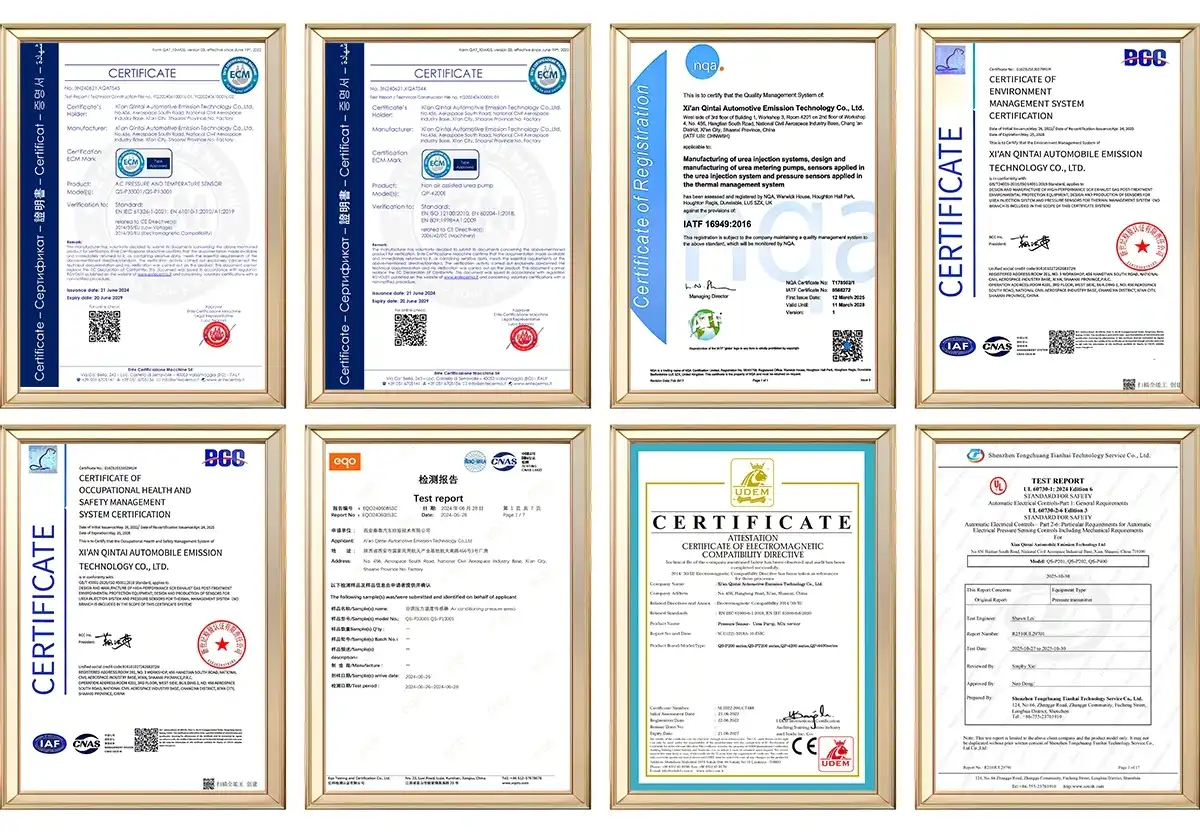
Xi'an Qintai Automotive Emission Technology is a good choice because it is both technically advanced and cheaper. Qintai has been around since 2001 and has many certifications, such as ISO9001, IATF16949, CMC, Ex, UL, CE, REACH, and RoHS, which show that they follow international quality and environmental standards. They are the main seller to Weichai Power, Yuchai Power, and Quanchai Power, and they have China's largest market share. This proves that they can produce large quantities of parts reliably for OEM uses.
Regional Supply Chain Considerations
Buyers in the USA can get standard goods quickly because North American and European names already have established routes for distribution. Asian companies like Qintai offer direct factory prices and full OEM/ODM services, which makes them a good choice for projects that need to be customized or that want to save money. European suppliers offer good expert help, but their prices may be higher because of the cost of labor and following the rules.
Supplier Evaluation Best Practices
When you ask for examples, you can check the mechanical quality, packaging, and paperwork in person. Technical responsiveness during the quotation phase is a good indicator of the quality of after-sales support. Suppliers who quickly answer detailed specification questions show that they have a deep understanding of engineering.
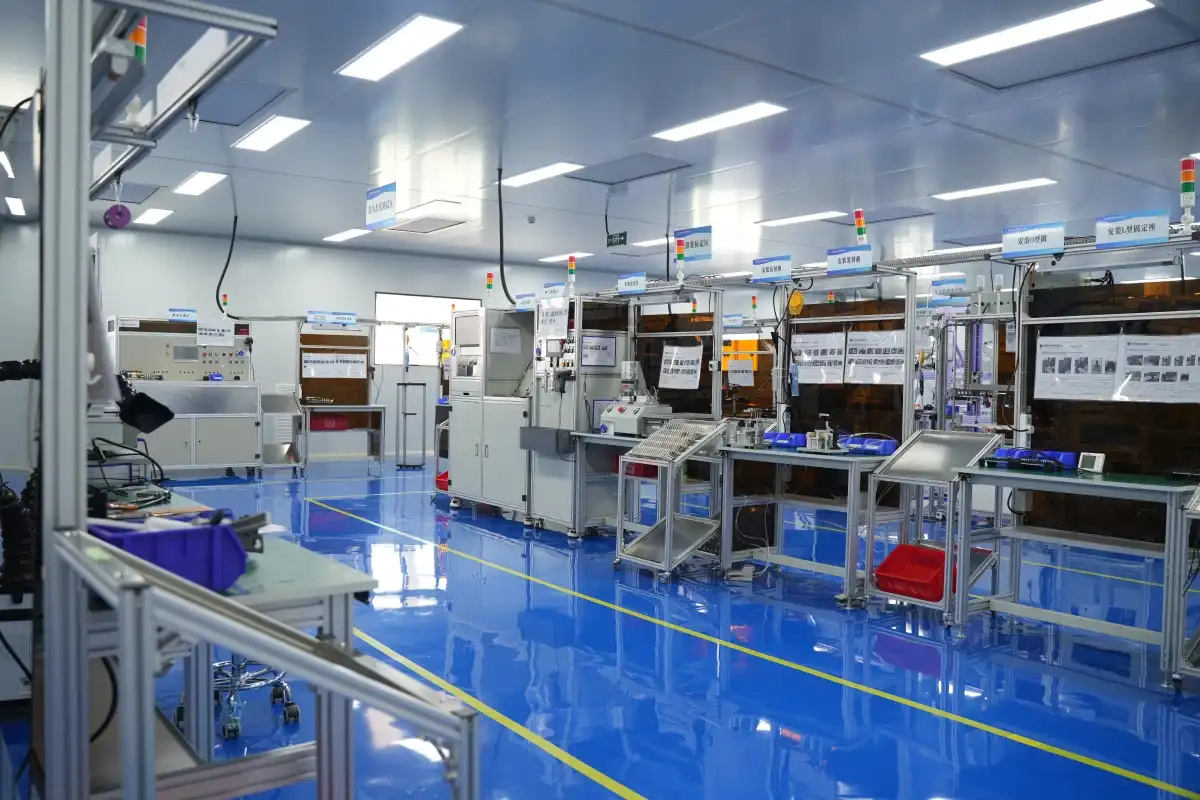
Audits of manufacturing facilities check that capacity promises and the application of quality systems are true. This is especially important when setting up single-source relationships. Checking with past customers for references shows how well the product really works in similar situations, revealing problems that aren't usually talked about in marketing materials.
When you make a bulk search, you should talk about more than just unit prices. You should also talk about payment terms, inventory keeping agreements, and protecting against obsolescence. Long-term cooperation frameworks are good for both sides because they make it easier to predict demand and make sure that capacity is allocated reliably when the industry is doing well.
Conclusion
Ceramic Pressure Sensors improve the accuracy of industrial measurements by using material qualities that directly deal with the challenges of harsh environments, the need for stability, and the need for long-lasting performance in challenging applications. Because they don't corrode, react to changes in temperature, or break under mechanical stress, they can be used for measurements with more confidence than metal or silicon alternatives. The QS-P105 is an example of how advanced Ceramic Pressure Sensors can combine a wide pressure range, great linearity, and full accuracy in a small package that is easy to integrate.
Whether they're helping diesel engines meet emission standards, improving the performance of hydraulic systems, or making sure that generator sets work reliably, Ceramic Pressure Sensors have the accuracy that technical departments need and the durability that purchasing managers value. When choosing a strategic supplier, you should look at their technical skills, certifications, and ability to work with your supply chain. This will help you build partnerships that will help your business succeed in the long term.
FAQ
What makes ceramic sensors more accurate than metal sensors?
Ceramic materials don't expand or contract much when they get hot or cold, and they don't show any hysteresis effects, so their dimensions stay the same even when the temperature changes. When metal sensors are under constant pressure, they creep, and galvanic rust causes drift. The 96% alumina ceramic's crystalline structure gives it a constant mechanical reaction, keeping non-linearity within 0.3% FS across the whole measurement range.
Can ceramic pressure sensors handle hydraulic fluid contamination?
Ceramic Pressure Sensors are chemically inert, so hydraulic fluids, oils, and particulate contamination that eat away at metal diaphragms don't damage it. The smooth, non-porous surface keeps media from absorbing it, so measurements stay accurate in dirty systems where other types of sensors would stop working in months.
How often do ceramic sensors require recalibration?
Recalibration times depend on the severity of the application and the rules set by the government. Stable ceramic construction usually lets most industrial uses do correction runs once a year. The minimum zero drift requirement of <0.03-0.05% FS/°C increases the time between checks compared to metallic sensors that need to be checked every six months. No matter what sensor technology is used, critical safety systems may need faster cycles.
Are ceramic sensors suitable for high-vibration environments?
Ceramic Pressure Sensors are very strong mechanically, so it can handle vibration and shock that are common in building and mobile tools. The one-piece Ceramic Pressure Sensors structure gets rid of bonded joints that wear out over time from repeated loading. If you install it correctly and follow the manufacturer's force recommendations, it will work reliably in high-vibration situations.
Partner with Qintai for Reliable Ceramic Pressure Sensor Solutions
Picking the right Ceramic Pressure Sensors provider is very important when measurement accuracy affects your ability to meet environmental standards, run your business efficiently, and depend on your equipment. Qintai has more than 20 years of experience in diesel engine aftertreatment sensors, as well as 58 invention patents and a wide range of international certifications. Our independent research and development team is always making improvements to Ceramic Pressure Sensors to keep up with changing regulations and application needs.
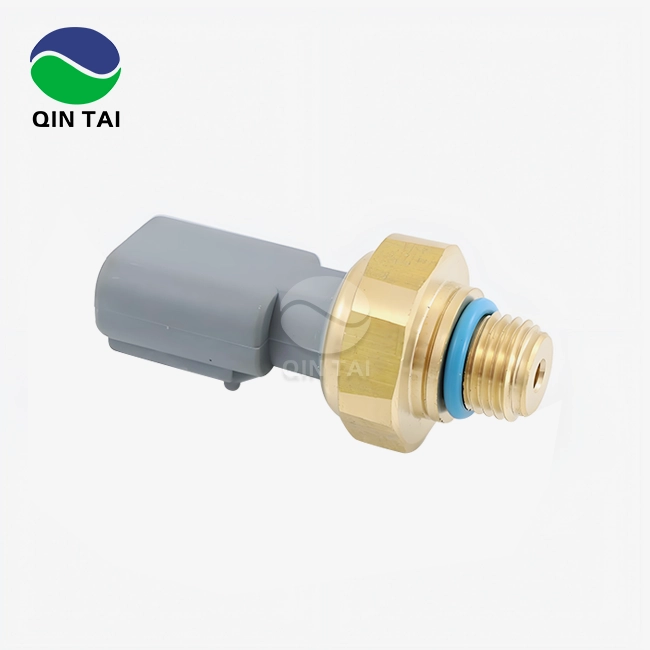
We are China's top OEM supplier and work with Weichai Power, Yuchai Power, and Quanchai Power. We know what diesel engine manufacturers and aftertreatment system integrators need in terms of mass production, quality control, and technical support. As an example of our dedication to providing industrial-grade dependability with customization options that meet your particular needs, the QS-P105 Ceramic Pressure Sensors is a great example.
If you need a Ceramic Pressure Sensors manufacturer for mass production, fast delivery for the aftermarket, or technical help with custom sensor development, Qintai is the right choice for you because we can do OEM/ODM and have experience supplying products all over the world. Visit qt-sensor.com or email info@qt-sensor.com to talk to our team about how our Ceramic Pressure Sensors solutions can help you get more accurate measurements and better operational performance.
References
1. Smith, J.R., & Thompson, M.K. (2022). Advanced Ceramic Materials in Industrial Sensor Applications. Technical Publishing House.
2. Williams, A.D. (2021). "Comparative Analysis of Pressure Sensor Technologies for Diesel Engine Emission Control Systems." Journal of Automotive Engineering, 45(3), 287-304.
3. Chen, L., & Rodriguez, P. (2023). Piezoresistive Sensor Design: Principles and Industrial Implementation. Engineering Press International.
4. European Automotive Manufacturers Association. (2023). Technical Guidelines for Emission Control Sensor Selection and Validation. EAMA Standards Publication.
5. Anderson, K.W., et al. (2022). "Long-term Stability Characteristics of Ceramic Pressure Transducers in Harsh Industrial Environments." Industrial Measurement & Control, 38(2), 156-173.
6. International Society of Automation. (2023). Pressure Sensor Calibration Protocols for Industrial Process Control. ISA Technical Report TR-45.08.

Our customers’ satisfaction speaks for our quality — contact us to experience the same reliable service.