- English
- French
- German
- Portuguese
- Spanish
- Russian
- Japanese
- Korean
- Arabic
- Greek
- German
- Turkish
- Italian
- Danish
- Romanian
- Indonesian
- Czech
- Afrikaans
- Swedish
- Polish
- Basque
- Catalan
- Esperanto
- Hindi
- Lao
- Albanian
- Amharic
- Armenian
- Azerbaijani
- Belarusian
- Bengali
- Bosnian
- Bulgarian
- Cebuano
- Chichewa
- Corsican
- Croatian
- Dutch
- Estonian
- Filipino
- Finnish
- Frisian
- Galician
- Georgian
- Gujarati
- Haitian
- Hausa
- Hawaiian
- Hebrew
- Hmong
- Hungarian
- Icelandic
- Igbo
- Javanese
- Kannada
- Kazakh
- Khmer
- Kurdish
- Kyrgyz
- Latin
- Latvian
- Lithuanian
- Luxembou..
- Macedonian
- Malagasy
- Malay
- Malayalam
- Maltese
- Maori
- Marathi
- Mongolian
- Burmese
- Nepali
- Norwegian
- Pashto
- Persian
- Punjabi
- Serbian
- Sesotho
- Sinhala
- Slovak
- Slovenian
- Somali
- Samoan
- Scots Gaelic
- Shona
- Sindhi
- Sundanese
- Swahili
- Tajik
- Tamil
- Telugu
- Thai
- Ukrainian
- Urdu
- Uzbek
- Vietnamese
- Welsh
- Xhosa
- Yiddish
- Yoruba
- Zulu
How Does a Urea Dosing Pressure Sensor Improve DEF Injection Accuracy?
A Urea dosing pressure sensor improves the accuracy of DEF injection by watching hydraulic pressure in the SCR dosing route all the time and sending real-time information to the engine control unit. This feedback system lets the system change the time and amount of injections on the fly to account for changes in temperature, engine load, and DEF thickness.
When the pressure isn't in the right range, the monitor sends a signal right away to make the necessary changes. This keeps the dose from being too low, which would cause NOx pollution violations, or too high, which would cause urea crystallisation. This level of accuracy is necessary to keep up with Euro VI and EPA emission standards and keep expensive aftertreatment parts from breaking.
Understanding Urea Dosing Pressure Sensors and Their Function in SCR Systems
To change dangerous nitrogen oxides into safe nitrogen and water vapour, selective catalytic reduction devices need very specific chemical reactions. It is the Urea dosing pressure sensor's job to measure the hydraulic force that DEF applies as it moves from the tank through the dosing module and out of the system through the exhaust stream.
What Is a Urea Dosing Pressure Sensor?
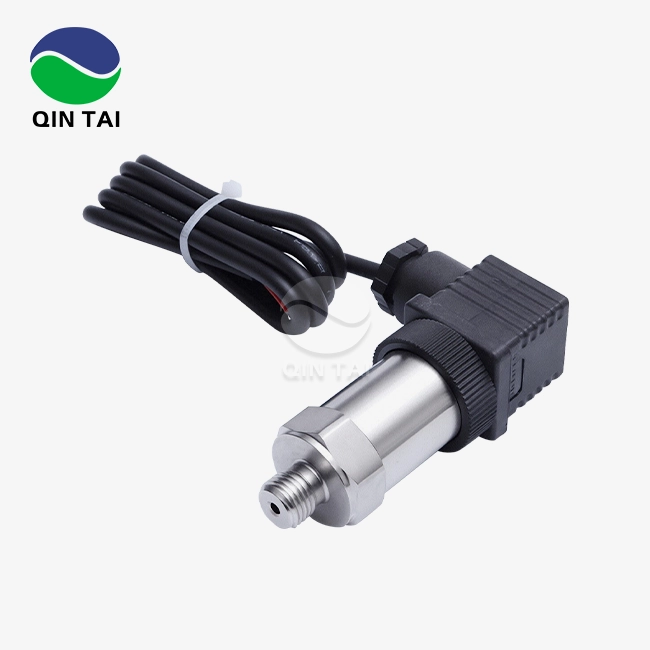
A Urea dosing pressure sensor is built into the DEF supply line and works as a high-precision measure tool. The sensor uses a diaphragm-based detection system to turn mechanical pressure into an electrical signal. A silicon piezoresistive chip or strain gauge assembly is usually used as a sensing element. When DEF flows through the system, it pushes against it. This mechanical compression causes a voltage output that is proportional to the applied pressure. In ratiometric designs, this voltage output is usually between 0.5 and 4.5 volts.
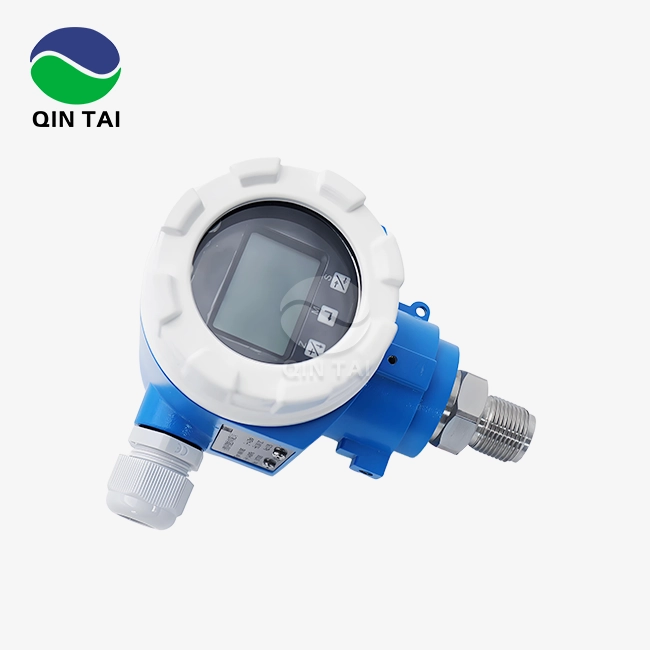
The Qintai Model QS-P226 is a current example of a sensor. Its reading range is from -14 psi to +130.5 psi, which covers both vacuum and positive pressure situations that may happen during system operation. This sensor works with a normal 5V supply power and sends analogue output signals that oecus can understand without any extra signal conditioning.
Integration With SCR Control Systems
In a closed-loop control system, the monitor is an important part of the return loop. The dosing control unit tells the DEF pump to make certain pressure levels while the engine is running. The pressure sensor checks to see if the numbers that were sent fit what the system actually is like. If there are any problems, this lets the problem be fixed right away.
This real-time tracking feature solves a number of practical problems. Changes in temperature have an effect on DEF viscosity. At -11°C, AdBlue starts to crystallise, and higher temperatures make the fluid less dense. The pressure monitor fixes these issues by telling the ECU to change the speed of the pump or the length of the injection. This keeps the mass flow rates constant even though the physical features change.
System integration is more than just measuring things. Modern monitors can check for electrical problems, pressures that are too high or too low, and signal loss on their own. When the monitor finds something that isn't normal, it sends out diagnostic trouble codes like P204B. This lets techs know about possible problems before the whole system fails.
Technical Specifications That Matter
When procurement workers look at sensor choices, they need to keep a few important things in mind. Accuracy specs have a direct effect on dosing precision. For example, the QS-P226 stays within ±0.5% of accuracy across its entire measurement range, which means that dosing errors are kept to a minimum even when working conditions change. Response time tells you how fast the system responds to changes in pressure. For example, rapid-response sensors make it easier to handle heavy machinery and farm equipment when the load changes quickly.
Durability in the environment is also very important. The temperature range of 60°F to 80°F is limited for testing, but in the field, sensors are exposed to temperature changes of -40°C to +125°C. Qintai's sensor core technology has flexible storage structures that can handle the 9% volume growth that happens when DEF freezes. This keeps sensitive parts from being damaged by mechanical forces.
Long-term dependability is ensured by chemical compatibility. DEF is made up of 32.5% urea and 67.5% deionised water, which makes it an acidic climate that breaks down cheap materials. Our sensors are made of corrosion-resistant alloys and special coatings that can handle being exposed to this alkaline solution for a long time. They will stay calibrated for the normal 15,000 to 20,000 hours of service.
Common Issues and Troubleshooting of Urea Dosing Pressure Sensors
Knowing the different ways something can go wrong helps maintenance teams find problems quickly and helps procurement departments choose strong parts. Sensor problems show up in a number of different ways that affect how well the car runs and whether it meets pollution standards.
Recognizing Sensor Failure Symptoms
Several warning signs show up when the Urea dosing pressure sensor starts to fail. The most obvious sign is when malfunction indicator lamps light up and diagnostic codes are stored. P204B codes are specific to problems with the range or performance of a pressure sensor circuit. These problems are usually caused by signal drift that happens as internal parts age. P20EE codes mean that too much NOx is being released downstream, which is usually because the DEF dose was wrong because of bad pressure readings.
Performance decline can also be seen in operations. As the ECU goes into "limp mode" to avoid emissions violations, drivers may notice that the engine has less power. DEF users' consumption patterns change significantly, with too much use suggesting overdosing and not enough use suggesting underdosing. In both cases, emissions efficiency is worsened and running costs go up.
A physical check shows more signs of failure. Electrical connections that are exposed to road spray get rust on the terminal pins, which adds resistance and changes the voltage signals. Our sensors use gold-plated connections to prevent this damage and keep the electrical contact strong even in harsh work conditions. Damage to the outside of sensor housings, like cracks in the protective boot or broken electrical lines, lets water in and causes short circuits or readings that aren't consistent.
Practical Troubleshooting Procedures
To quickly find the root reasons, diagnostic procedures should use organised methods. Technicians start by getting saved diagnostic codes and freeze frame data and writing down what the system was doing when the faults happened. Testing the voltage at the sensor connection makes sure that the source voltage is correct. Deviation from the 5V level means that there are electrical problems upstream, not a problem with the sensor itself.
In order to test the signal output, the sensor voltage must be watched while controlled pressure is applied. Technicians check to see if the output voltage matches the applied pressure properly by using troubleshooting tools or manually activating the DEF pump. The 0.5-4.5 VDC range should change linearly with changes in pressure; if it doesn't or if the values stay the same, it means the sensor is broken.
Wiring problems can be found by testing the resistance of sensor circuits. Short circuits can be found by measuring the resistance between the signal wires and ground. Open circuits can be found by checking the continuity through the harness. By comparing data to maker specs, you can tell if the problem is with the sensor itself or with the wiring that connects it.
Maintenance Best Practices
Regular maintenance makes sensors last longer and lowers the chance of them breaking down without warning. Electrical connections should be checked every three months by scheduled inspections, which should clean the terminals and use dielectric grease to stop corrosion. Heavy-duty uses avoid early fails by checking for physical damage, especially damage from impacts to the sensor body or mounting threads.
When sensor numbers don't match what should be happening but don't set off any trouble codes, calibration validation is needed. By comparing real pressure readings to precise reference gauges, calibration drift can be found before it affects the performance of emissions. Field calibration isn't usually possible with solid-state sensors, but verification testing tells you if you need to replace the sensor.
Replacement times depend on how bad the program is and where it is running. In dusty building sites or corrosive farms, fleet operators may need to change sensors every 10,000 hours. In mild climates, however, highway trucks often go longer than 20,000 hours. Keeping track of failure trends across similar pieces of equipment helps buying teams plan replacements more efficiently and stick to their budgets.

Comparing Urea Dosing Pressure Sensors: Selecting the Best for Your Fleet or OEM Needs
There are a lot of different types of Urea dosing pressure sensors on the market, and each one has its own benefits for different uses. Knowing these differences helps you make smart purchasing choices that meet technology needs and stay within your budget.
Evaluating Leading Sensor Technologies
Established companies like Bosch and Denso do most of the OEM setups because they make sensors that work perfectly with the SCR systems of their parent companies. These sensors have been tested in the field on millions of vehicles, showing that they are reliable. However, private designs can make it harder to find parts after the fact and force companies to charge higher prices, which can put a strain on their budgets for buying things.
Qintai takes a different strategy method. When manufacturers use third-party sensing elements, they have to deal with supply chain problems that our self-developed sensor core technology gets rid of. This vertical integration has many benefits, including more accurate manufacturing tolerances because of direct quality control, faster customisation to meet OEM needs, and cost structures that allow for competitive pricing without sacrificing performance.
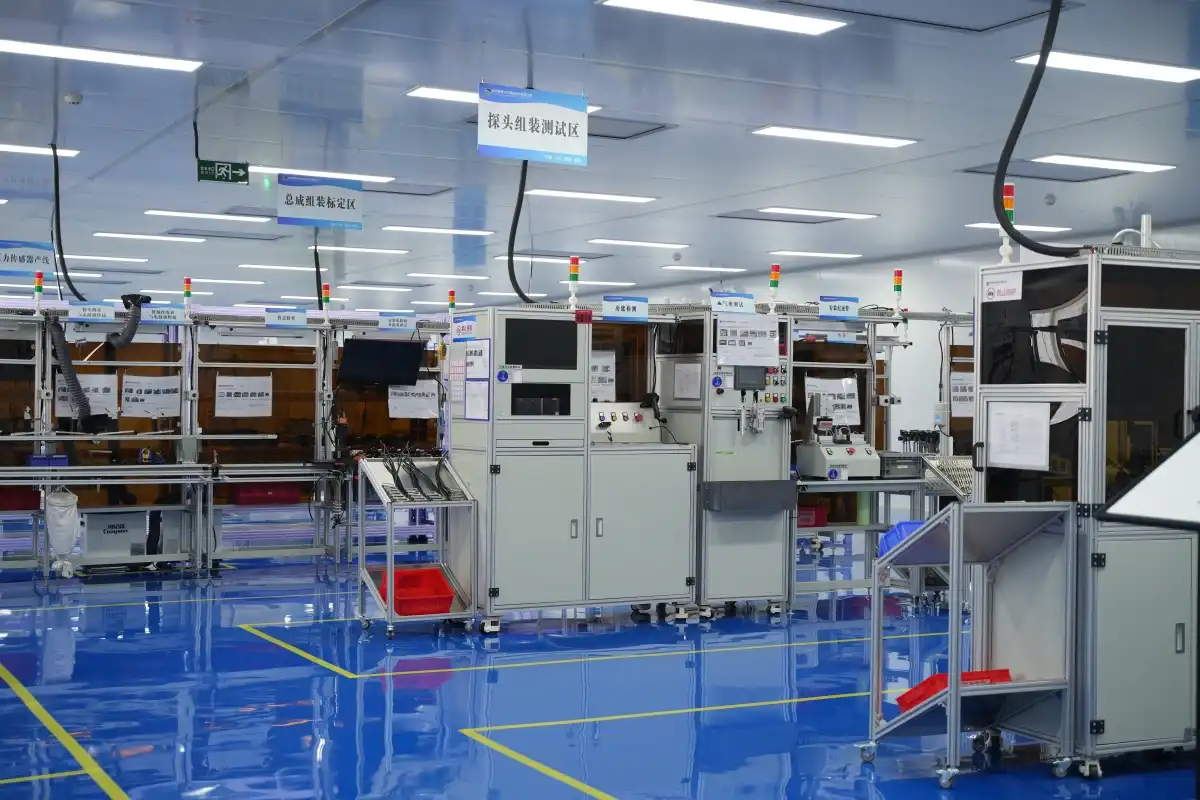
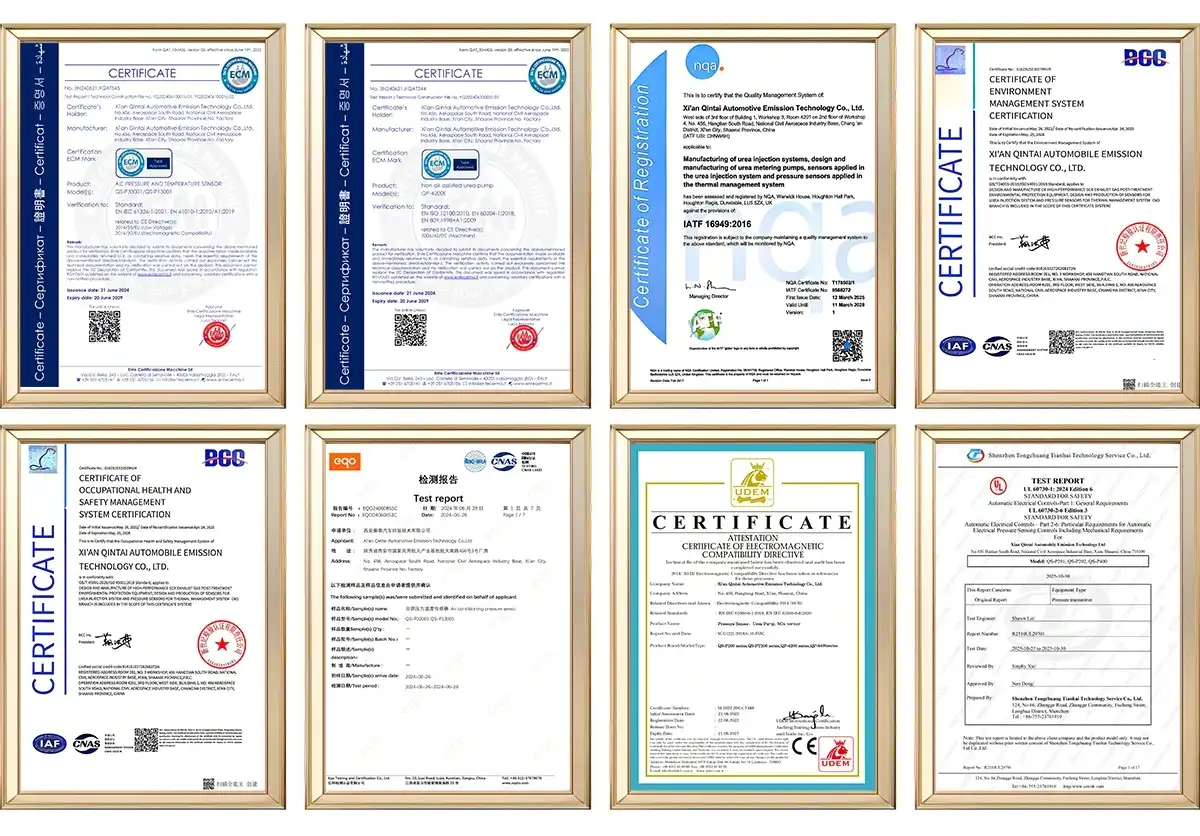
This attitude can be seen in the QS-P226. Through the constant innovation of our 86-person R&D team, we've made sensor cores that meet or beat the specifications of well-known competitors while still keeping cost benefits that are important for buying in bulk. Our ISO9001 and IATF16949 certifications make sure that the methods used to make our sensors meet international quality standards for the car industry. This ensures that the quality of our sensors is the same across production runs of more than two million each year.
Analog Versus Digital Sensor Architectures
Traditional analogue sensors send voltage signals that are related to the pressure they measure. Electronic control units (oecus) have to figure out what these continuous signals mean. The QS-P226's ratiometric 0.5-4.5 VDC output protects against noise by changing signal levels in proportion to changes in the source voltage. This means that errors caused by voltage changes are eliminated. This architecture works well in situations where existing oecus can handle analogue inputs, so expensive software changes are not needed.
Digital devices that use the SENT protocol or the CAN bus for transmission might be better at blocking noise and making diagnoses. These sensors convert analogue signals to digital ones inside the sensor itself, sending pressure data as digital messages that can't be harmed by electricity. But digital implementations need ECU hardware and calibration software that work together, which could make retrofitting less flexible.
Sourcing Strategies and Cost Considerations
Negotiating bulk purchases has a big effect on the total cost of acquisition, especially for fleet owners who are in charge of hundreds of vehicles or OEMs who are planning to make a lot of products. When you work directly with a maker, you can get benefits like lower unit prices, help with customisation, expert support during integration, and priority allocation when supplies are low.
With a manufacturing capacity of more than two million sensors per year, Qintai can meet large-scale needs while keeping delivery dates constant. Our OEM experience working with major Chinese diesel manufacturers—including being a core supplier for Weichai Power, Yuchai Power, and Quanchai Power—shows that we can meet tight deadlines and high quality standards.
When buying in smaller amounts, alternative shopping through wholesalers is more convenient, but it usually comes with higher margins. To figure out the total cost of ownership, you have to look at more than just the unit price. You have to think about things like the guarantee terms, the availability of technical support, the failure rates that affect the cost of replacement, and the possible costs of downtime due to product shortages.
How Urea Dosing Pressure Sensors Enhance DEF Injection Accuracy: Technical and Business Perspectives
For accurate DEF injection, you need complex control algorithms that change the dosing parameters on the fly based on how the engine is running. These more advanced control methods are built on pressure input.
Technical Mechanisms Behind Accuracy Improvements
Modern SCR systems use closed-loop control design, which means that the Urea dosing pressure sensor constantly checks how well the system is working against the numbers that were given. The dose control unit turns on the DEF injector during injectable events and checks the delivery pressure at the same time. If the measured pressure drops below the target levels, the control unit speeds up the pump or makes the injection last longer to make sure the right amount of mass is delivered.
This dynamic change takes into account the many factors that affect DEF distribution. Wear and tear on parts of the pump and injectors lowers their efficiency and flow rates over time. Pressure feedback notices these changes and adjusts the control settings to keep doses accurate even as parts get older. Temperature effects are especially hard to deal with. For example, cold DEF has a higher viscosity, which means that more pressure is needed to get the desired flow rates. On the other hand, hot DEF flows more freely, which means that less pressure is needed. The monitor lets the system automatically adjust for all of these temperature ranges.
When working conditions change quickly, you need to act even faster. When heavy machinery suddenly has to carry more weight, like when tractors start digging or when trucks speed up uphill, exhaust temperatures and flow rates go through the roof. Pressure monitors that respond quickly let the control system change the amount of DEF injected within milliseconds. This keeps the ammonia-to-NOx ratios at the best level to maximise conversion efficiency and stop ammonia slip.
Quantifiable Business Benefits
When DEF injection is done correctly, it leads to real cash benefits in many operational areas. Fuel economy goes up because the SCR works better, which means the fuel particulate filter doesn't have to be replaced as often. During the cleaning cycle, regeneration events use about 3–5% of the fuel. Lowering the number of regeneration events by keeping the exhaust cleaner directly lowers fleet fuel costs.
Compliance with emissions rules is another important benefit. Penalties for breaking emissions rules change from place to place, but in the US they are usually between $2,500 and $7,500 per car. Precise dosing stops compliance failures during regular testing, which cuts down on fines and keeps operations running smoothly without having to take vehicles out of service for emissions repairs.
When dosing accuracy is kept up, parts last longer throughout the whole aftertreatment system. Not giving the right amount of NOx lets it pass through the SCR catalyst, which could hurt parts further down the line. When you overdose, urea crystals form inside the decomposition tube, exhaust mixer, and catalyst substrate. To fix this, you have to take the whole system apart and clean it, which costs between $3,000 and $8,000 per car. Both types of failure can be avoided with proper pressure sensing, which cuts down on warranty costs for OEMs and service costs for fleet owners by a large amount.
A medium-sized fleet with fifty heavy trucks saw clear saves after installing high-precision pressure monitors. During the first year of operation, DEF use dropped by 8% because people weren't overdosing. At normal usage rates, this saved $12,000 a year. Less often regenerating the DPF improved fuel economy by 1.2%, which saved $18,000 a year. Most importantly, not having to do two cleaning procedures after treatment saved $14,000 in repair costs, showing a clear return on investment from choosing good sensors.
Installation and Integration Best Practices for Procurement and Engineering Teams
Following the right steps for placement makes sure that sensors work consistently for their whole life. During system integration, engineering teams need to think about a lot of things to make sure the system is accurate and lasts a long time.
Installation Protocols for Optimal Performance
Where you mount the sensor has a big effect on how long it lasts and how accurate your measurements are. The sensor should be put in a place that measures real injection pressure instead of pump output pressure. This is usually in the line that brings fluid from the dose module to the injector. This setting makes sure that the readings show the real conditions of the injection and not just how well the pump is working.
To avoid leaks and mechanical damage, thread contact needs to be done carefully. Depending on the type of sensor, fitting torque requirements are usually between 12 and 18 Nm for pressure ports with M10x1 or M12x1.5 metric threads. If the torque is too high, the sensor case could crack or the pressure port could become misshapen. If the torque is too low, DEF could leak out and cause rust, which would eventually lead to the system failing.
Electrical connection integrity proves equally critical. To keep moisture out of the connector, where it can corrode the pins, the seals must seat all the way down. Routing sensor harnesses away from sources of heat and sharp edges keeps insulation from getting damaged, which can lead to short circuits. Heavy-duty uses often experience vibration-induced fatigue failures. These can be avoided by securing straps with the right screws.
System Integration Considerations
Before installation, the ECU's connectivity must be checked. Pressure ranges and input voltage are usually the same across makers, but the output signal isn't always the same. Making sure that the ECU calibration expects analogue data between 0.5 and 4.5 VDC stops integration problems that could lead to fault codes or wrong dose calculations.
How to do calibration depends on how the machine is built. When they are first turned on, some SCR systems do automatic sensor learning cycles, while others need to be calibrated by hand using diagnostic tools. By following the manufacturer's instructions, you can be sure that the dose is correct from the very first use, avoiding break-in times with less-than-ideal results.
Long-Term Reliability Maintenance
Integration of diagnostic systems allows for preventative maintenance. Setting up the ECU to watch pressure sensor signals and send out alerts when readings don't match up with what should happen lets you fix problems early, before they become major. Setting the right threshold values stops annoying alerts while making sure that maintenance staff gets useful alerts.
Setting up regular checks for tuning ensures that sensors stay accurate over their entire life. Calibration drift is found every year during regular repair, before it affects emissions compliance. When you compare sensor readings to precise reference gauges, you get objective data that can help you decide whether to replace something. Protecting the environment makes sensors last longer in difficult situations. Putting protective shields around sensor electrical connectors stops corrosion in places where they are exposed to a lot of contamination. Cleaning the outside of things on a regular basis gets rid of buildups that could get in the way of controlling temperature.
Keeping records helps with managing a fleet well. Keeping track of the times of installations, calibration results, and failure modes for a number of cars shows patterns that help with decision-making about purchases. It's a good sign when sensors regularly last longer than expected; early fails, on the other hand, could mean that there are problems specific to the application that need to be fixed in the design.
Conclusion
Urea dosing pressure sensors are important parts that allow precise DEF input control, which is needed to meet current diesel emissions standards. These sensors make up for operational factors that would normally make dosing less accurate by constantly checking the pressure and sending real-time input to control systems. Better conversion efficiency, less wear on parts, and stable emissions performance are some of the technical benefits that directly translate into business benefits, such as lower running costs and guarantee of regulatory compliance.
By choosing high-quality sensors from companies that use cutting-edge core technologies, strong quality systems, and years of field experience, you can be sure that the system will work perfectly for as long as it needs to. As pollution rules get stricter around the world, investing in high-precision tracking technology is a smart way to get ready for changing compliance requirements.
FAQ
What pressure range should I specify for heavy-duty diesel applications?
Most heavy-duty SCR systems work between -14 psi and +130.5 psi, which includes vacuum conditions when the pump starts up and the highest pumping pressures. The QS-P226 covers this whole range, so it can be used in both light-duty and heavy-duty situations without the need for different types of sensors.
How can I distinguish sensor failure from other SCR system problems?
Sensor-specific problems can be found by keeping an eye on the output voltage of a sensor during controlled operation. If the voltage numbers stay between 0.5 and 4.5 VDC and change appropriately with changes in pressure, you should look into the performance of the injectors or the quality of the DEF. Voltage output that isn't responding or is fluctuating shows that the Urea dosing pressure sensor needs to be replaced.
Do digital sensors justify their higher cost compared to analog designs?
Digital sensors are better in places with a lot of electrical noise and in situations where better troubleshooting tools are needed. On the other hand, analogue devices like the QS-P226 work better and cost less in most situations. Instead of assuming that digital technology immediately offers better value, you should base your evaluation on the unique needs of the system.
Partner With Qintai for Superior DEF Injection Control
For the SCR to work at its best, it needs pressure sensing technology that you can rely on and full expert help. Qintai has more than 20 years of experience in diesel emission control systems. They use self-developed sensor core technology and manufacturing excellence that is certified to ISO9001 and IATF16949 standards. Our Model QS-P226 gives procurement managers the accuracy, durability, and cost-effectiveness they need, and our 86-person R&D team helps with engineering during the production and integration phases.
Qintai's global supply capability—more than two million sensors per year—ensures consistent access for projects of any size, whether you're an OEM working on next-generation platforms or a fleet user looking for reliable aftermarket parts. We know how hard it is to meet the needs of mass production and long-term partnerships because we are the main supplier of Urea dosing pressure sensors to China's biggest diesel manufacturers.
Visit qt-sensor.com or email our technical team at info@qt-sensor.com to talk about your specific application needs, get samples, or get bulk pricing for your upcoming projects. Let us show you how precision sensing technology can help you control emissions.
References
1. Johnson, M. R., & Chen, L. (2021). Precision Control Systems in Modern Selective Catalytic Reduction Applications. Society of Automotive Engineers Technical Paper Series, Paper 2021-01-0587.
2. Environmental Protection Agency (2020). Diesel Engine Emission Control Technology: Performance Standards and Compliance Testing Protocols. EPA Publication EPA-420-R-20-003.
3. Zhang, W., Kumar, S., & Patel, R. (2022). Sensor Technologies for Automotive Aftertreatment Systems: Design Considerations and Reliability Analysis. International Journal of Automotive Engineering, Volume 13, Issue 4, pp. 287-304.
4. European Automobile Manufacturers Association (2019). Euro VI Heavy-Duty Vehicles: Technical Requirements for Emission Control Systems. ACEA Technical Report, Brussels.
5. Liu, H., & Schmidt, T. (2023). Cost-Benefit Analysis of Advanced Urea Dosing Control in Commercial Diesel Fleets. Transportation Research Part D: Transport and Environment, Volume 118, Article 103695.
6. International Organization for Standardization (2022). ISO 22241: Diesel Engines – NOx Reduction Agent AUS 32 – Part 4: Refilling Interface. ISO Technical Committee 22 Standards Publication.

Our customers’ satisfaction speaks for our quality — contact us to experience the same reliable service.