- English
- French
- German
- Portuguese
- Spanish
- Russian
- Japanese
- Korean
- Arabic
- Greek
- German
- Turkish
- Italian
- Danish
- Romanian
- Indonesian
- Czech
- Afrikaans
- Swedish
- Polish
- Basque
- Catalan
- Esperanto
- Hindi
- Lao
- Albanian
- Amharic
- Armenian
- Azerbaijani
- Belarusian
- Bengali
- Bosnian
- Bulgarian
- Cebuano
- Chichewa
- Corsican
- Croatian
- Dutch
- Estonian
- Filipino
- Finnish
- Frisian
- Galician
- Georgian
- Gujarati
- Haitian
- Hausa
- Hawaiian
- Hebrew
- Hmong
- Hungarian
- Icelandic
- Igbo
- Javanese
- Kannada
- Kazakh
- Khmer
- Kurdish
- Kyrgyz
- Latin
- Latvian
- Lithuanian
- Luxembou..
- Macedonian
- Malagasy
- Malay
- Malayalam
- Maltese
- Maori
- Marathi
- Mongolian
- Burmese
- Nepali
- Norwegian
- Pashto
- Persian
- Punjabi
- Serbian
- Sesotho
- Sinhala
- Slovak
- Slovenian
- Somali
- Samoan
- Scots Gaelic
- Shona
- Sindhi
- Sundanese
- Swahili
- Tajik
- Tamil
- Telugu
- Thai
- Ukrainian
- Urdu
- Uzbek
- Vietnamese
- Welsh
- Xhosa
- Yiddish
- Yoruba
- Zulu
What are the common symptoms of a failing NOx sensor in truck
When the NOx sensor in a truck stops working, it usually shows up as a series of clear warning signs that need to be addressed right away. The most obvious sign is when the check engine light comes on and is followed by diagnostic trouble codes like P2201 or P2210. Besides the signs on the panel, you may also notice that your car uses more gas, has less power, and puts out more pollution that doesn't pass emissions tests.
Some trucks also have strange exhaust smoke or smells, which is a direct sign that a sensor isn't working right. If you notice these signs early, you can keep your fleet from having to go through costly fixes, downtime, and fines from the government. You can also make sure that your emission control systems meet EPA and Euro VI standards.
Understanding the Role and Function of NOx Sensors in Trucks
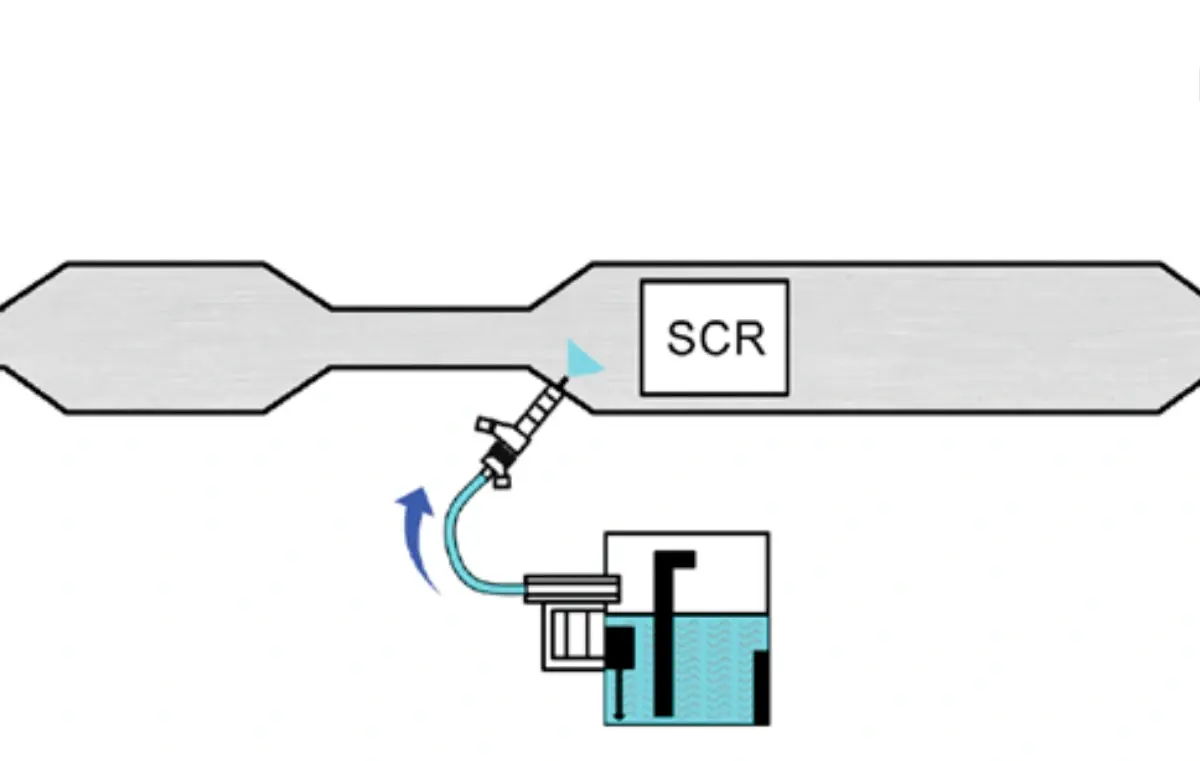
Nitrogen oxide sensors are a big part of how modern commercial trucks balance performance with being good to the environment. These sensors are like the eyes of your Selective Catalytic Reduction system. They check the make-up of the exhaust gas to make sure your cars meet strict emission rules.
How NOx Sensors Operate in SCR Systems
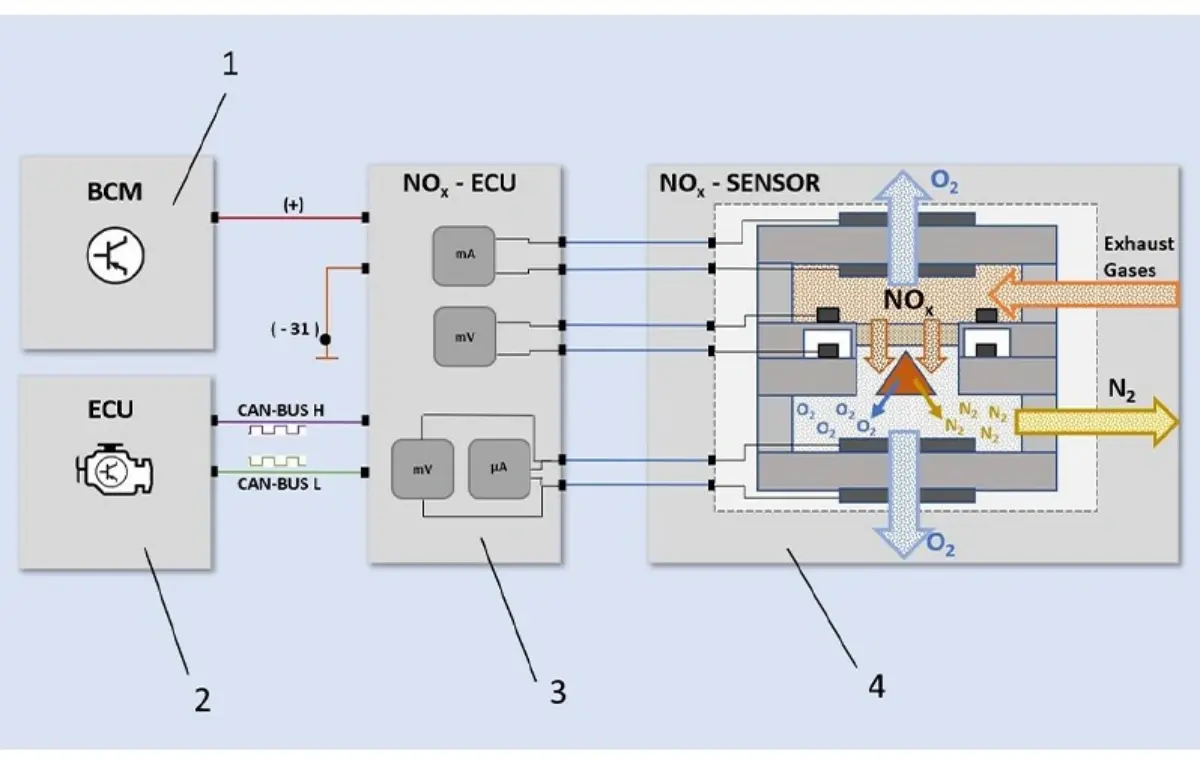
The science behind these devices is incredibly complex, but they serve a very simple purpose. Nitrogen oxide sensors work by using yttria-stabilized zirconia ceramic parts that move oxygen ions when heated to the right temperature. When exhaust fumes go through the sensor chamber, an oxygen pump cell controls the amount of oxygen in the air, and a NOx sensing cell counts the amount of nitrogen oxide by breaking it down into nitrogen and oxygen ions. The amount of toxic emissions in your exhaust stream is directly related to the amount of electricity that is produced.
Usually, your truck has two sensors that work together. The upstream sensor, which is near the turbocharger exit, measures the raw emissions from the engine to figure out exactly how much Diesel Exhaust Fluid is needed for cleaning. The sensor further downstream, which is located after the SCR catalyst, checks that the treatment worked. This set of two sensors makes a feedback loop that makes sure the right amount of DEF is injected and that your aftertreatment system is working as it should.
Differences Between NOx and O2 Sensors
Technicians and purchasing managers often mix up nitrogen oxide sensors and oxygen sensors because they look the same and are placed in the exhaust system in the same way. However, they serve very different purposes. Oxygen sensors help the engine control unit find the best mix of air and fuel for burning. This has a direct effect on how your engine burns fuel. Instead of changing the combustion process itself, nitrogen oxide sensors only measure how well your emission reduction technology works after the system has been run.
This difference is important to know when trying to figure out what's wrong with an emission system or what parts need to be replaced. Both types of sensors use zirconia elements, but NOx sensors have more sensing cells and more complicated electronics to find nitrogen oxide molecules. Because they are more complicated, they cost more, and it's important to choose high-quality parts that can handle the harsh environment of diesel exhaust for longer periods of time between service.
Common Symptoms Indicating a Failing NOx Sensor in Trucks
If you find sensor failure early, you can keep your fleet from having to pay a lot of money for repairs and avoid problems with the government. The warning signs include loud messages on the screen and small changes in performance that skilled mechanics learn to spot during regular maintenance.
Dashboard Warning Lights and Diagnostic Codes
When the malfunction indicator lamp comes on, the most immediate sign shows up on your instrument cluster. Your car's onboard diagnostic system constantly checks the output of the sensors. If numbers aren't what's expected, it saves fault codes that help you figure out what's wrong. P2201 means that there are problems with the circuit's range or performance, P2202 means that the circuit has low power, and P2210 means that the upstream sensor has failed.
Some trucks also show P229F when the system finds NOx concentration readings that don't make sense based on how the engine is running. NOx sensor failure is often the root cause behind these codes, so interpreting them correctly requires understanding how the sensor's data interacts with engine operating conditions.
The monitor itself hasn't always broken when these numbers appear. Similar codes can be caused by damage to the wire leads, corrosion in the connectors, or problems with the SCR system. To find the real cause, a thorough diagnostic method looks at sensor data along with other system parameters.
Decreased Fuel Economy and Engine Performance
When sensors give you wrong readings, your engine control module decides when to inject DEF based on wrong data. This usually leads to either not using enough DEF or using too much of it, both of which are bad for fuel economy. You may notice that your cars are using more diesel than normal, even though they aren't carrying more or going farther.
Losses in fuel economy are often accompanied by drops in performance. Trucks may have less power, especially when they are moving faster or carrying more weight. In some cars, the engine output is purposely limited in a safety mode called "derate" to avoid damage or too many emissions. This derate condition has a big effect on productivity because trucks might not be able to keep going at highway speeds or pull normal loads until the sensor problem is fixed.
Emission Test Failures and Increased Exhaust Output
Compliance with regulations depends on emission monitors that work properly. When these parts break, it's likely that your trucks will have nitrogen oxide levels that are higher than what is allowed during roadside checks or regular emission tests. Depending on where you live, these kinds of mistakes can lead to fines, problems with car registration, and even limits on how your fleet can operate.
In addition to regulatory testing, sensor failures often cause exhaust signs that can be seen. You might see a lot of black smoke, which means the fuel isn't burning completely, or smell strange ammonia, which means DEF was injected too much. Some mechanics say that white or blue exhaust smoke means the SCR system is full of urea because the control module injected a lot more DEF than it needed to because of bad sensor readings.
Diagnosing and Troubleshooting NOx Sensor Issues
Accurate analysis keeps you from replacing parts that aren't needed and cuts down on car downtime. A methodical approach that includes visual inspection, electronic testing, and code interpretation can help you figure out if the problem is with a sensor or another part of the system.
Step-by-Step Visual and Electronic Inspection
Do a full visual inspection of the sensor and its wiring to start the diagnostic process. Check the body of the sensor for damage, especially cracks in the ceramic element or rust around the connector. Check the wire harness for chafing, cuts or heat damage. These can cause periodic problems that look like a sensor failure. Pay extra attention to the pins on the connectors and look for bent contacts, corrosion, or water getting in that could stop the signal from going through.
Connect a good diagnostic scan tool to get saved fault codes and look at live data streams after the eye inspection. Watch the voltage and current coming out of the sensors while the engine runs at different loads and speeds. You can find problems by comparing the numbers from your upstream and downstream monitors. When sensors are healthy, they should give data that are pretty stable and change in a way that makes sense when the engine is running differently. Erratic changes in readings or readings that stay the same no matter what the operating conditions are are signs that the sensor is wearing out.
Interpreting Common Error Codes
Knowing what fault codes really mean will help you decide how to prioritise your troubleshooting. Code P2201 usually means that the sensor data is not within the predicted range. This could be because the sensor is old, dirty, or the calibration has moved. When the P2202 and P2203 codes show low or high circuit voltage, it's usually because of problems with the wires, not the sensor part itself. P229F codes that show numbers that don't make sense usually mean that there are problems with the SCR catalyst, the DEF, or the sensors themselves, not that the sensors themselves are broken.
When you see more than one linked code, you should deal with them in the way that makes sense. Fix any simple electrical problems, like plugs that are corroded, before you blame the monitor itself. Also, check the quality of your DEF and the condition of your SCR catalyst before replacing any downstream sensors, since these parts have a direct effect on the readings from the sensors.
When to Clean Versus Replace
Not every broken sensor needs to be replaced. Carbon layers and chemical pollution can cover the sensor element and make it less accurate without damaging it permanently. If the problem is found early, it can be fixed by gently cleaning it with approved solvents. This can also make the sensor last longer. But cleaning should only be done on sensors that aren't broken, and it should be done according to the manufacturer's instructions so that the delicate ceramic parts don't get damaged.
When sensors show physical damage, internal element failure, or problems that don't go away after cleaning and checking the supporting systems, they need to be replaced. NOx sensor replacement, in particular, should follow the same rigorous criteria because these components are highly sensitive to contamination and thermal stress. Since good sensors, like those from Qintai, can work for more than 6,000 hours, replacing them is a good idea when they reach the end of their useful life. When you compare lesser options with shorter operating spans, ones with longer service lives lower your total cost of ownership by reducing the number of times you have to replace them.
Choosing the Right NOx Sensor for Your Truck Fleet
The sensors you choose have a direct effect on both the cost of buying them and how reliable they are in the long run. To make smart choices, you need to know the pros and cons of both OEM and aftermarket options and compare suppliers based on quality, support, and value.
OEM Versus Aftermarket Sensor Comparison
Original equipment sensors are guaranteed to work with your car and often come with full warranties backed by the car's maker. There are no worries about fit or function because these sensors meet the exact specs made during engine certification testing. OEM parts, on the other hand, usually cost more, which can put a strain on upkeep funds, especially for bigger teams that need to replace many parts every year.
When compared to OEM options, aftermarket parts can be 30–40% cheaper, which is appealing to fleet managers who are watching their budgets. Quality changes a lot between aftermarket sellers, so it's important to choose a vendor carefully. Premium aftermarket companies spend money on reverse engineering and validation testing to make sure their sensors meet OEM performance standards. They do this while keeping prices low by making production more efficient and selling directly to customers.
When looking at aftermarket options, pay close attention to the technical details. Check the measuring ranges, accuracy ranges, response times, and operating temperature requirements against what you need for your application. NOx sensors should be able to measure levels from 0 to 2500ppm accurately, with a range of ±10ppm for low levels and the right range of tolerances for higher levels. Response times of less than 1400ms make sure that your SCR system responds quickly to changes in the exhaust, so that pollution control works well even when loads and speeds change.
Evaluating Supplier Reputation and Technical Support
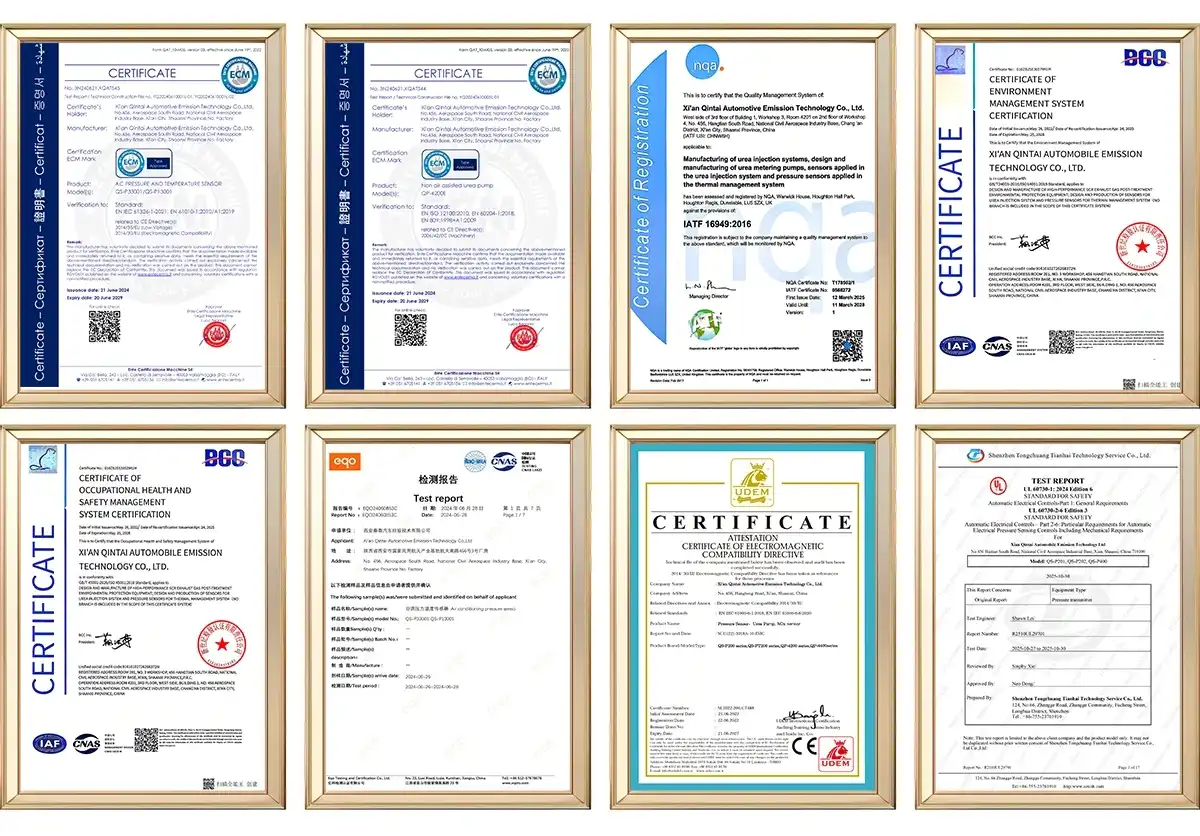
In addition to the sensor itself, you should also look at the technical skills and support infrastructure of the supplier. Established companies with dedicated research and development (R&D) teams are always making product designs better to fix problems in the field and make them last longer. Companies that have ISO9001 and IATF16949 certifications show that they are dedicated to quality management systems that lower the number of defects and make sure that production standards are always met.
Having access to technical support can have a big effect on your maintenance work. If a supplier offers application engineering help, they can help you choose the right type of sensor for your engine and fitting needs. Find providers that can change the types of connectors, wire lengths, and mounting arrangements so that installation is easier and the system works better in your specific situation. This ability to customise is especially useful when changing old sensor models that are no longer made by the original maker or adding emission systems after the fact.
Procurement Considerations for Fleet Operations
Smart procurement strategies include more than just choosing which sensors to use. They also include managing relationships with suppliers and making the best use of inventory. By forming relationships with dependable suppliers, you can get parts faster when there are supply problems and maybe even get better prices for bigger fleets. Framework agreements that lock in prices for estimated annual volumes help keep budgets stable and protect against changes in the market.
Carefully look at the warranty terms because they show how confident the maker is in the product's longevity. Good sensors should come with warranties that last at least 12 to 24 months or a certain number of hours of use, along with clear instructions on how to make a warranty claim and get new parts. Think about sources with regional distribution networks or smart inventory spots that let replacement parts arrive quickly so that vehicles aren't left without power for too long when they break.
Preventing Downtime: Maintenance Tips and Best Practices for NOx Sensors
When it comes to cost-effectiveness and fleet availability, proactive maintenance strategies are much better than reactive repair strategies. NOx sensor health should be a key focus in these strategies, as early detection of degradation can prevent costly emissions-related failures. Using current diagnostic tools and organised inspection programs can help you find problems before they lead to breakdowns on the side of the road or fails to meet emission standards.
Establishing Inspection and Maintenance Schedules
Sensor inspections should be a regular part of your preventative maintenance. They should usually happen at the same time as oil changes or other scheduled service events every 25,000 to 50,000 miles. During these checks, technicians should make sure that the sensor is securely mounted, look for damage or corrosion in the wiring and connectors, and go over any stored fault codes, even if the malfunction indicator lamp isn't on. A lot of irregular faults store in memory without sending out warnings, which lets you know early on when problems are starting to happen.
Leveraging Telematics for Predictive Maintenance
Modern fleet management systems let you track the performance of sensors from afar and in real time. This lets you plan repairs ahead of time and avoid problems that come up out of the blue. Telematics platforms can keep an eye on sensor output values, DEF usage rates, and emission system performance factors. If numbers start to go off the charts, they can let your repair team know. With this early warning feature, you can plan fixes for planned breaks instead of having to deal with expensive breakdowns on the side of the road or missed deliveries.
Strategic Supplier Partnerships
Building good ties with sensor suppliers has benefits for both sides that go beyond making purchases. Reliable suppliers become partners in the success of your fleet by giving your maintenance staff technical training, sharing field failure analysis to stop problems from happening again, and making it easy to get replacement parts when you need them right away. Many suppliers have consignment inventory programs for big teams that put frequently needed sensors at your facilities so that shipping doesn't have to wait while fixes are done.
When looking for sensors, give more weight to suppliers who show they are committed to the long-term market by continuing to spend in product research and manufacturing. Major engine makers like Weichai Power, Yuchai Power, and Quanchai Power rely on companies like Qintai as core suppliers. These companies have a track record of reliability and the technical depth to support complex emission system applications. Their experience with mass production makes sure that the quality stays the same even when they buy a lot of things, and their engineering skills let them make custom solutions when standard products don't meet your needs exactly.

Conclusion
By knowing the signs that your nitrogen oxide sensors are failing and putting in place preventative repair plans, you can keep your fleet from having to deal with costly downtime and emission compliance problems. Dashboard alerts, diagnostic codes, poor gas mileage, and performance issues are all early warning signs that sensors need to be replaced or the system needs to be serviced. NOx sensor performance is central to these warnings, as it directly measures exhaust gas levels; therefore, full diagnostic methods help tell the difference between real sensor failures and system problems that are linked to them.
This keeps parts from having to be replaced that aren't needed and lowers the cost of repairs. Buying good sensors from trustworthy sellers will keep them working well for longer periods of time without needing to be serviced. Using smart purchasing methods and forming partnerships with sellers will also make it easier to get parts and get technical help. You can get the most out of your fleet while still following all the rules if you choose the right sensors, do preventative maintenance, and use modern monitoring technology.
FAQ
How Often Should NOx Sensors Be Inspected and Replaced?
Every 25,000 to 50,000 miles, the sensors should be inspected as part of regular maintenance. Depending on the working conditions and sensor quality, they should be replaced every 150,000 to 300,000 miles. Heavy-duty uses with a lot of idle time, a lot of cold starts, or fuel that is dirty may need to be replaced more often. Quality sensors that last more than 6,000 hours of use mean that they don't need to be replaced as often, which lowers the total cost of upkeep.
Can a Faulty NOx Sensor Damage Other Engine Components?
Even though a broken sensor doesn't hurt other parts directly, the wrong amount of DEF that is added because of it can hurt your SCR catalyst over time. If you inject too much DEF, ammonia can slip and damage parts further down the line. If you inject too little DEF, nitrogen oxide levels rise, which speeds up the ageing of the catalyst. Long-term use of broken sensors also increases the chance of emission violations that could lead to fines and limits on operation.
What Happens If I Continue Operating with a Failed Sensor?
As long as the engine is running, it will gradually lose power to cut down on pollution. This is called progressive derating. Eventually, a lot of trucks go into a severe derate that limits their speed to 5 mph. This means they can't work until the repairs are done. In addition to the immediate effects on your business, you could face large fines for emission violations and even punishments from the fleet operating authority, depending on how enforcement works in your area.
Contact Qintai for Reliable NOx Sensor Solutions
Xi'an Qintai Automotive Emission Technology Co. Ltd stands ready to support your fleet's emission control requirements with high-performance sensors engineered for demanding commercial applications. As China's leading NOx sensor supplier with over two decades of specialized experience, we deliver industrial-grade reliability backed by comprehensive certifications including ISO9001, IATF16949, and REACH compliance. Our sensors feature response times below 1400ms, service lives exceeding 6000 hours, and superior resistance to lead and sulfide poisoning that maintains measurement accuracy throughout extended operating intervals.
We offer flexible customization including configurable connectors, cable lengths, and communication protocols to seamlessly integrate with your specific equipment requirements. Whether you need OEM sensors for new equipment integration or cost-effective aftermarket solutions for fleet maintenance, our technical team provides application engineering support to ensure optimal sensor selection and installation. Our competitive pricing, bulk purchase programs, and reliable delivery schedules make us an ideal NOx sensor manufacturer partner for procurement managers seeking to balance cost control with uncompromising quality.
Contact our team at info@qt-sensor.com or visit qt-sensor.com to discuss your emission sensor requirements. Let our expertise and proven track record with global engine manufacturers help you maintain fleet compliance, maximize uptime, and control operating costs.
References
1. Johnson, R. & Martinez, L. (2022). Diesel Engine Emission Control Systems: Principles and Technologies. Automotive Engineering Press.
2. Anderson, K. (2021). "NOx Sensor Technology and Diagnostic Strategies for Heavy-Duty Applications." Journal of Commercial Vehicle Engineering, 45(3), 178-195.
3. Environmental Protection Agency (2023). Heavy-Duty Engine and Vehicle Standards: Technical Support Document. EPA Office of Transportation and Air Quality.
4. Schmidt, H. & Chen, W. (2023). "Selective Catalytic Reduction System Diagnostics and Troubleshooting." International Journal of Automotive Technology, 24(2), 412-428.
5. Thompson, D. (2022). Fleet Maintenance Management: Best Practices for Commercial Vehicle Operations. Transportation Publishing Group.
6. Williams, P. & Garcia, M. (2021). "Lifecycle Cost Analysis of OEM and Aftermarket Emission Sensors in Commercial Truck Fleets." SAE Technical Paper Series, 2021-01-0583.

Our customers’ satisfaction speaks for our quality — contact us to experience the same reliable service.