- English
- French
- German
- Portuguese
- Spanish
- Russian
- Japanese
- Korean
- Arabic
- Greek
- German
- Turkish
- Italian
- Danish
- Romanian
- Indonesian
- Czech
- Afrikaans
- Swedish
- Polish
- Basque
- Catalan
- Esperanto
- Hindi
- Lao
- Albanian
- Amharic
- Armenian
- Azerbaijani
- Belarusian
- Bengali
- Bosnian
- Bulgarian
- Cebuano
- Chichewa
- Corsican
- Croatian
- Dutch
- Estonian
- Filipino
- Finnish
- Frisian
- Galician
- Georgian
- Gujarati
- Haitian
- Hausa
- Hawaiian
- Hebrew
- Hmong
- Hungarian
- Icelandic
- Igbo
- Javanese
- Kannada
- Kazakh
- Khmer
- Kurdish
- Kyrgyz
- Latin
- Latvian
- Lithuanian
- Luxembou..
- Macedonian
- Malagasy
- Malay
- Malayalam
- Maltese
- Maori
- Marathi
- Mongolian
- Burmese
- Nepali
- Norwegian
- Pashto
- Persian
- Punjabi
- Serbian
- Sesotho
- Sinhala
- Slovak
- Slovenian
- Somali
- Samoan
- Scots Gaelic
- Shona
- Sindhi
- Sundanese
- Swahili
- Tajik
- Tamil
- Telugu
- Thai
- Ukrainian
- Urdu
- Uzbek
- Vietnamese
- Welsh
- Xhosa
- Yiddish
- Yoruba
- Zulu
Top Reasons Manufacturers Choose Self-Developed Sensor Cores
Urea dosing pressure sensors are being used more and more by manufacturers in the diesel engine, aftertreatment, and industrial machinery industries to keep pollution legal and system efficiency high. These monitors make sure that the right amount of urea is injected into SCR (Selective Catalytic Reduction) systems, which has a direct effect on reducing NOx and following the rules. The sensor core is an important part that affects how accurate measurements are, how stable the sensor is, and how long it lasts. Recently, major makers have stopped using third-party components and started making their own sensor cores. This strategic move gives you more control over the accuracy of the design, the freedom to make changes, and the guarantee of quality. It also helps you meet the specific needs of harsh working conditions while still meeting strict Euro VI and EPA standards.
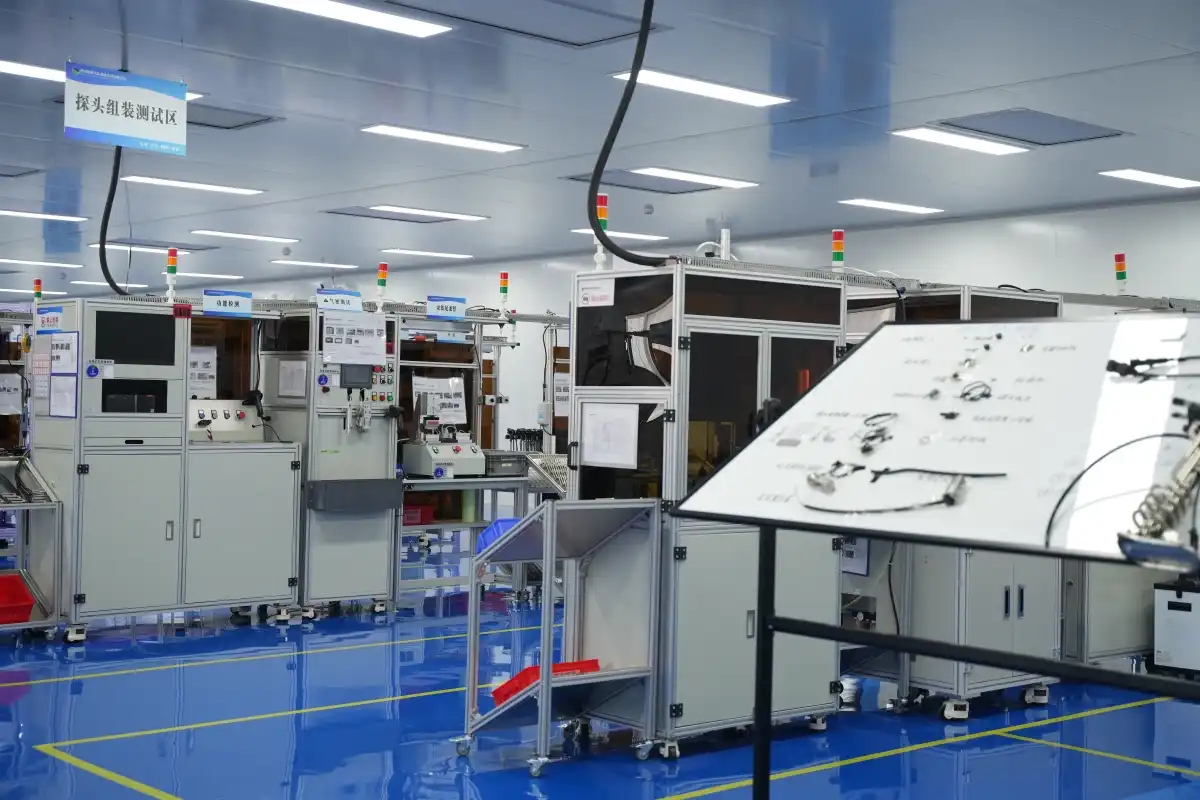
Understanding the Critical Role of Sensor Cores in Urea dosing pressure sensors
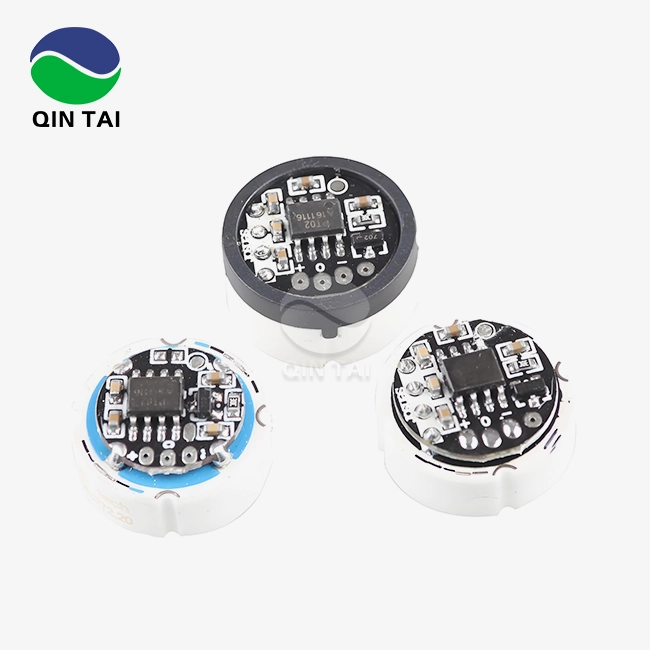
The sensor core is the most important part of Urea dosing pressure sensors for detecting pressure. It changes changes in mechanical pressure into electrical signs that the Engine Control Unit (ECU) can understand and use to control the amount of AdBlue that is injected. This conversion process needs to stay very accurate even when temperatures change, chemicals are present, and pressures rise, which is typical in diesel exhaust aftertreatment uses.
How Sensor Cores Function in SCR Systems?
In an Urea dosing pressure sensor, the core usually has a diaphragm-based measuring element that reacts to changes in the DEF (Diesel Exhaust Fluid) line's hydraulic pressure. The diaphragm bends in the same way as the pressure changes between -14 psi and +130.5 psi, which is the range our QS-P226 model specifies. This change in shape turns into a voltage input that ranges from 0.5 VDC to 4.5 VDC. This lets the ECU figure out exact dosing amounts in real time.
Common Challenges with Traditional Sensor Cores
Off-the-shelf sensor systems often have a number of important problems. Because urea is acidic, it can damage normal sense materials, causing signals to drift and failure before their time. Extreme temperatures in exhaust systems, from starting up in sub-zero temperatures to running at high temperatures for a long time, often lead to measurement errors in general cores. Also, the crystallisation of urea around detecting elements makes obstructions that lower precision. Because of these problems, buying managers and research and development experts at OEM facilities want stronger, more application-specific solutions more and more.
Key Advantages of Self-Developed Sensor Cores for Manufacturers
Developing proprietary sensor cores has real benefits that directly address the problems that diesel engine makers, aftertreatment designers, and generator set makers are having. These benefits come from having full control over the materials used, the production methods, and the quality control standards.
Enhanced Accuracy and Stability Under Extreme Conditions
Engineers can make detecting elements work best with urea's chemical qualities and the thermal cycle that is a normal part of SCR operation by making their own cores. Our QS-P226 model is accurate to within ±0.5% over its entire measurement range, even when the temperature changes. This accuracy stops the "inaccurate dosing" problem that leads to NOx compliance fails and expensive "limp mode" situations. The unique core design uses materials that have been shown to be resistant to both ammonia and sudden changes in temperature. This makes sure that the measurements stay stable over long periods of time, up to 15,000 working hours.
Customization for Diverse Industrial Applications
Generic sensor cores are made to standard specs that don't always match up perfectly with OEM needs. Self-developed cores let you completely change the pressure ranges, signal output forms, and ways that the sensors are mounted. Integrators of aftertreatment systems really like this feature because it lets them make SCR solutions that work with a wide range of engine platforms, from light-duty farm equipment to heavy-duty mine generator sets. We work closely with technical managers to change interface parameters, connector standards, and calibration profiles so that they work with current control systems without having to redesign the whole system.
Extended Lifespan and Reduced Maintenance Requirements
Because it makes things last longer, proprietary core tech has a direct effect on the total cost of ownership. We get rid of the weak spots that are common in third-party parts by controlling every step of the manufacturing process, from diaphragm metals to hermetic closing methods. Our 500-cycle thermal shock validation and helium leak tests make sure that the structure will hold up against pressure spikes of up to five times standard operating levels. This strict quality control means that fewer things will break down in the field, which is good for parts managers in the aftermarket because it cuts down on warranty claims and downtime.
These benefits all meet the main needs that our customers have told us about: making sure that OEMs follow the rules for legal compliance, making sure that integrators' systems work with OEMs' systems, and keeping costs low for aftermarket providers. Self-developed Urea dosing pressure sensors are the best choice for makers who want to ensure long-term operating excellence because they are precise, flexible, and reliable.
Problem-Solving Approach: How Self-Developed Cores Address Common Urea dosing pressure sensor Issues?
Off-the-shelf sensor cores cause problems that keep happening, which slows down SCR systems and raises their costs. When you understand these limits, you can see why private engineering produces better results.
Limitations of Generic Sensor Components
Most third-party cores use general designs that make them less effective in certain situations. Standard diaphragm materials might not be strong enough to stop urea crystallisation, which can lead to fluid areas that don't move. This can cause the P204B fault code, which is a circuit range/performance mistake that needs to be fixed. Generic cores also have trouble with the 9% volume increase that happens when AdBlue freezes during cold weather shutdowns, which can damage sensing elements in a way that can't be fixed. Dependencies in the supply chain add more risks because ISO9001-certified makers have trouble tracking down parts when inventory changes and quality isn't consistent across multiple component sources.
Engineering Innovations in Proprietary Core Design
Our self-made sensor cores have a number of focused improvements. The internal sensor box has a small amount of dead space and smooth flow paths that keep crystals from building up around important measurement surfaces. A flexible internal buffering structure can handle the growth that comes with freezing without affecting the stability of the seal. Gold-plated connector contacts don't rust when water gets into them, which makes the electrical link much more reliable than tin-plated ones. These design features get rid of the reasons of common failures instead of just fixing the signs.
Practical Maintenance Benefits
Field repair is easier to do with advanced core design. For repair shop workers to service sensors using standard tools and methods, the strong sealing system can handle standard cleaning methods without needing special handling. ECUs with built-in diagnostic tools can find early signs of performance loss before they completely break down. This helps with planned repair strategies that cut down on unexpected downtime. This operational advantage is especially helpful for fleet managers who are in charge of a lot of business vehicles because the efficiency of upkeep has a direct effect on profits.
Comparing Self-Developed Sensor Cores with Market Alternatives
When you look at technical specs and real-world longevity data, you can see how different performance levels are. The comparison makes it clear why procurement pros should put an emphasis on Urea dosing pressure sensor technologies that are owned by them.
Technical Specification Analysis
The QS-P226 model we made shows what can be done with self-developed cores. The 0.5-4.5 VDC ratiometric analogue output has better signal precision across the -14 to +130.5 psi measurement range than many other options on the market that can only work with smaller voltage ranges. The accuracy of ±0.5% meets or beats the standards for both Euro VI and EPA Tier 4 Final compliance. Most general sensors claim accuracy of ±2%, but their error zones at high and low temperatures are bigger. Response time usually goes up by 15–30% in self-developed cores because the diaphragm shape is better and there is less internal damping. This improvement isn't always shown in rival specs.
Durability and Reliability Metrics
Longevity testing shows big gaps in performance. According to ISO 22241 standards, our sensors are immersed in urea for 3,000 hours to make sure they are chemically resistant, which means they last longer between service times. Validation of thermal cycling through 500 full freeze-thaw cycles from -40°C to +125°C shows structural integrity that lasts longer than parts tested to less strict car standards. Burst pressure testing at five times working pressure shows safety gaps that keep systems from failing catastrophically when they go wrong. This is very important to think about for generator set uses in mines and power plants, where sensor rupture could put people's safety at risk.
Integration Capabilities
Digital communication methods and Internet of Things (IoT) connections are being used more and more in modern diesel emission control. Our current QS-P226 uses a tried-and-true analogue output, but our research and development team is also working on different versions of the SENT (Single Edge Nibble Transmission) system that let advanced diagnostic data be shared. This backwards compatibility makes sure that decisions about what to buy today will still be useful as control system designs change to meet Industry 4.0 standards.
Procurement Insights for B2B Clients: Sourcing Self-Developed Urea dosing pressure sensors
To successfully purchase unique sensor technology like a Urea dosing pressure sensor, you need to know a few important things that go beyond the initial price. Technical managers and people who buy things can benefit from giving sellers a thorough review.
Supplier Evaluation Criteria
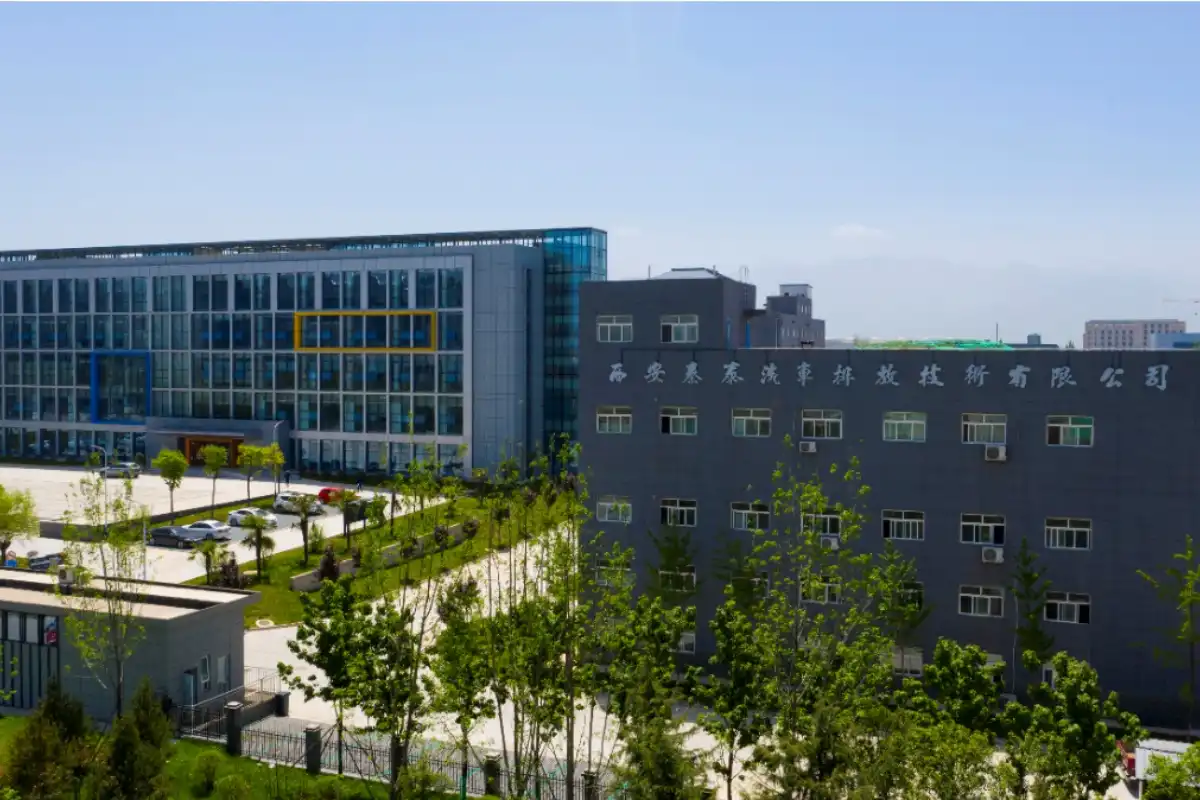
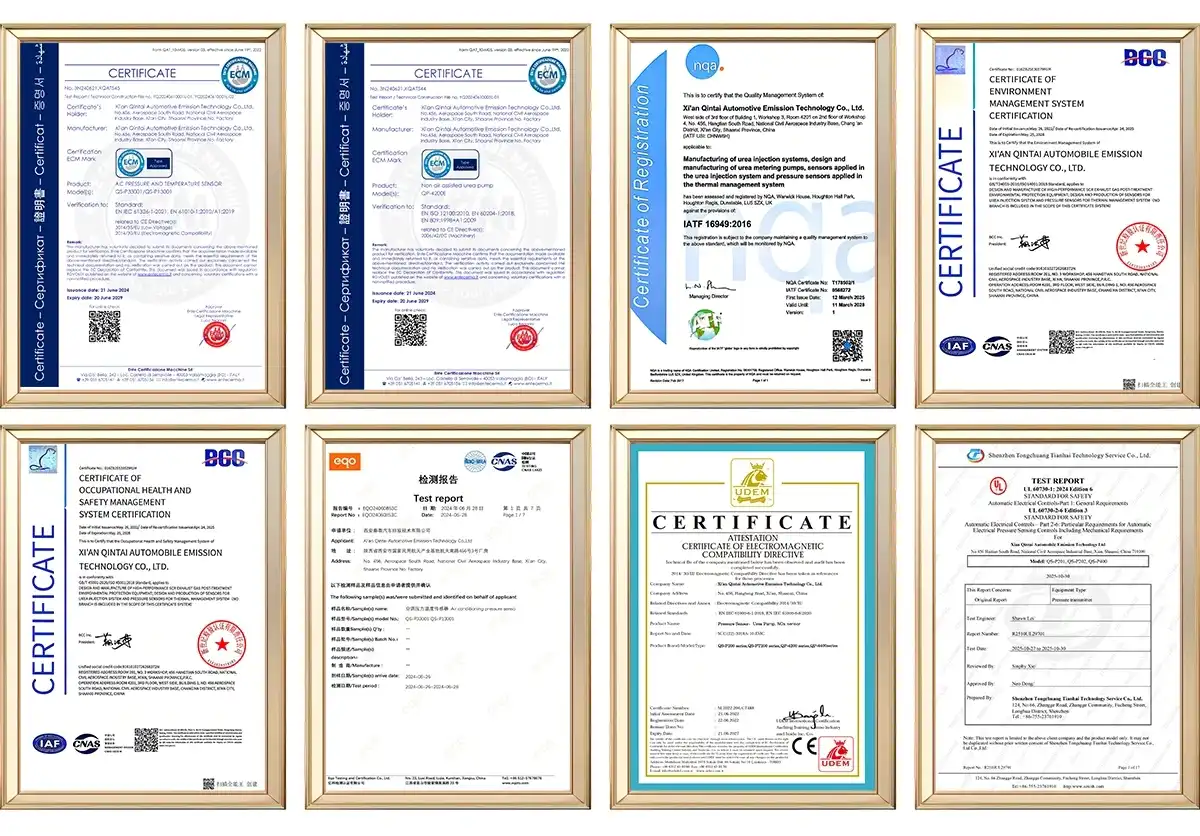
Manufacturers who are trustworthy meet a number of important requirements. Certifications like ISO9001 and IATF16949 show that quality control systems meet the standards of the automotive business. We have 58 invention rights connected to emission control, which shows that we can really come up with new ideas and not just do contract manufacturing. When working with OEMs, production capacity is very important. We make more than two million sensors every year, which means we can meet large-volume orders without missing delivery dates. R&D spending—we keep an 86-person engineering team—shows that we are committed to ongoing skill development, which is important for long-term relationships.
Customization and Lead Time Considerations
When you use proprietary core technology, you can make a lot of changes, but buying teams need to keep development timelines in mind. Standard catalogue items, like the QS-P226, usually ship within normal lead times. However, for special pressure ranges or signal formats, the first sample may need 8 to 12 weeks to be validated. But this investment pays off because the system works perfectly together, so there aren't any changes that need to be made, which can be expensive when using common parts. To make sure that the scope of customisations and production plans are in sync, supply chain managers should start technical talks early on in the project planning process.
After-Sales Support and Warranty Terms
Our 12-month guarantee shows that we're confident in the quality of our products, but we also offer full after-sales support that goes far beyond replacing broken ones. Technical help with installation instructions, calibration steps, and debugging guides is very helpful for aftermarket wholesalers who work with service shops that have a range of technical skills. Quality of documentation is important—detailed specification sheets, installation directions, and upkeep guidelines cut down on the number of support calls and make it easier to solve problems more quickly when they happen.
Why Qintai Stands Apart?
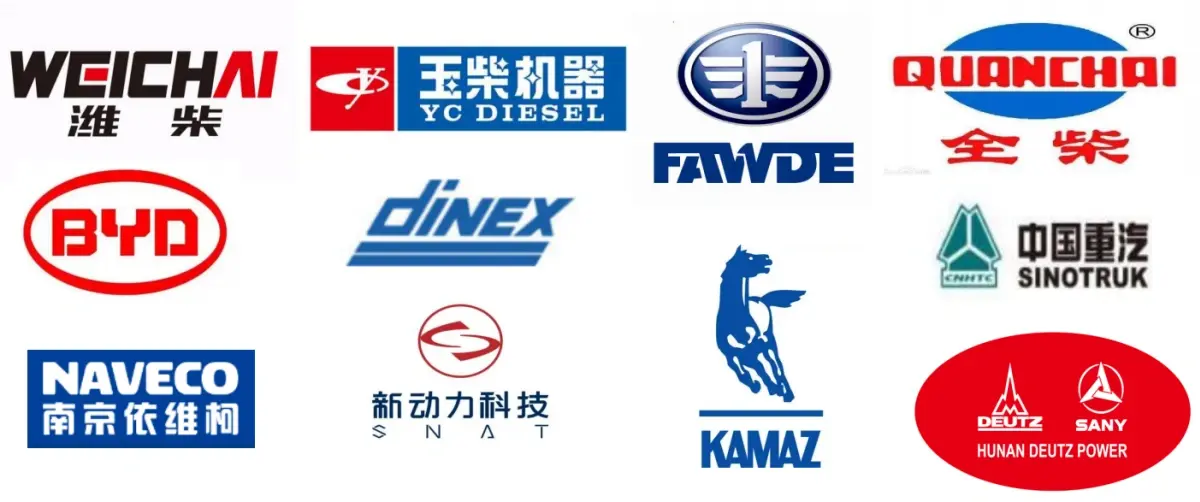
We know how hard it is to make a lot of diesel engines because we are China's top OEM provider for Weichai Power, Yuchai Power, and Quanchai Power. Our self-made sensor cores get rid of supply chain factors that make getting key parts more difficult. Certifications from ISO9001, IATF16949, CMC, Ex, UL, CE, REACH, and RoHS show that the product meets all world legal requirements. We are in over 60 countries in Europe, the Middle East, and South America, which shows that we can support foreign operations with high-quality products and quick technical help.
Conclusion
Making the switch to self-developed sensor cores is a big step forward in Urea dosing pressure sensor technology. It was made necessary by stricter emission rules and the needs of current diesel uses. Proprietary core development has real benefits, such as higher accuracy in harsh circumstances, a lot of customisation options, longer service life, and better connection with advanced control systems. These benefits directly meet the needs of diesel engine makers trying to meet Euro VI standards, aftertreatment installers wanting adaptable solutions, and aftermarket providers focusing on dependability and value. As emission standards get stricter and SCR systems get smarter, the performance gap between self-developed cores and generic options will only get bigger. This means that choosing a seller will become a more important part of purchasing.
FAQ
Q1: How often should urea dosing pressure sensors with self-developed cores be calibrated?
A: What is the best way to adjust Urea dosing pressure sensors that have their own cores? When used within certain limits, sensors with specific cores usually stay calibrated from the factory for the whole time they're in use. Routine calibration checks every 12 to 18 months during planned maintenance times make sure that the accuracy stays the same, but recalibration is rarely needed. If you follow the right steps for installation and care, our QS-P226 model's ±0.5% accuracy standard stays the same over its entire working life.
Q2: What maintenance procedures help sustain measurement accuracy?
A: Essential care tasks include checking electrical connections for rust on a regular basis, making sure the sensor is mounted securely to stop vibration-induced drift, and cleaning the outside of the sensor on a regular basis to get rid of dirt and other buildup. The strong design of the seals keeps the internal parts clean, which means they need less upkeep than sensors with general cores that can let outside air in.
Q3: Can sensor cores be customized for unique OEM requirements?
A: Pressure ranges, output signal forms, link types, and mounting configurations can all be changed in a lot of different ways. Our engineering team works with the technical offices of OEMs to make solutions that are specific to engine platforms and control system architectures. Customisation takes 8 to 12 weeks from the time the basic specifications are approved until the prototype is delivered. After proof testing, production scales up.
Partner with Qintai for Advanced Urea dosing pressure sensor Solutions
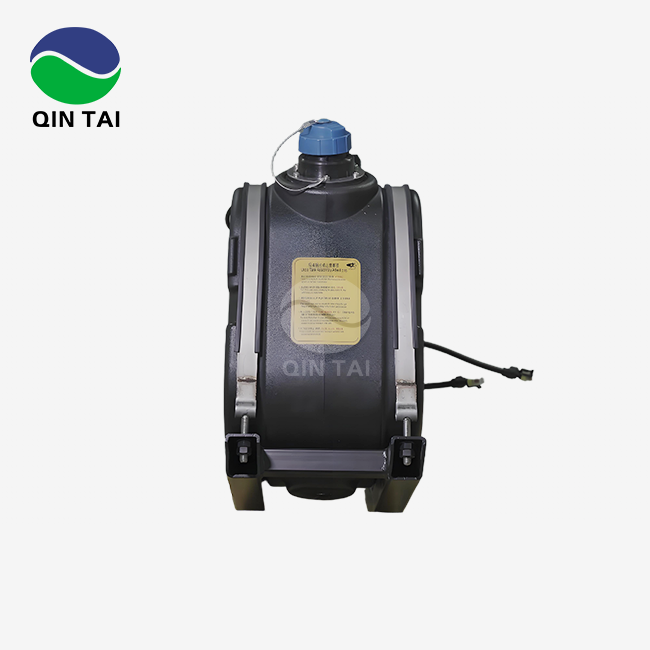
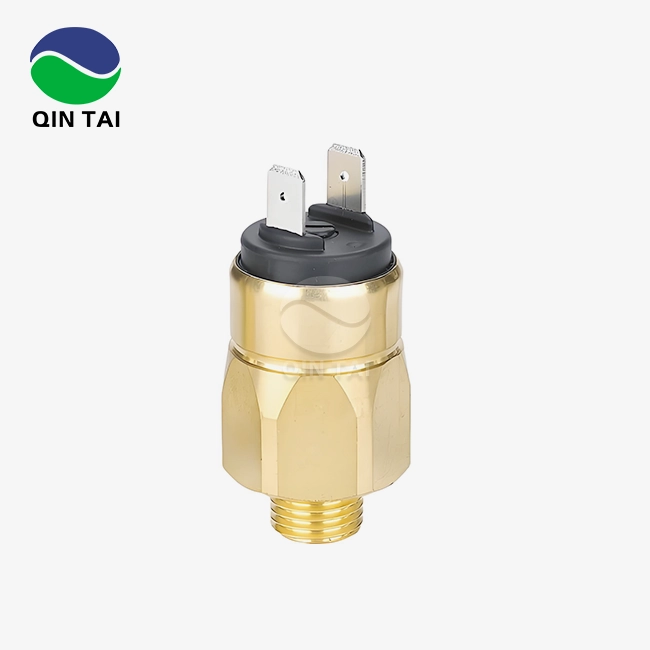
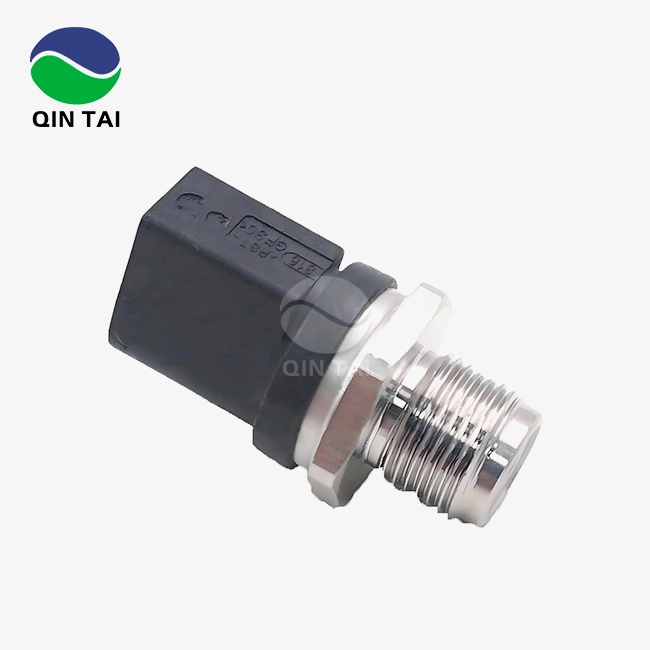
Qintai's own sensor core technology gives current SCR systems the accuracy, dependability, and customisation options they need. Our QS-P226 Urea dosing pressure sensor is a great example of this dedication. It was designed to work well in harsh diesel exhaust settings and has been used in big trucks, building equipment, farm equipment, and generator sets. As a qualified Urea dosing pressure sensor maker that meets ISO9001 and IATF16949 standards, we offer full technical support, creative customisation, and quick customer service after the sale to support OEM partnerships and aftermarket distribution networks. Email our engineering team at info@qt-sensor.com to talk about your particular application needs, get technical specs, or look into choices for buying in bulk. You can find our full product catalogue, technical whitepapers, and certification documents that show our dedication to production greatness at qt-sensor.com.
References
1. Society of Automotive Engineers (SAE). "Performance Requirements for Diesel Exhaust Fluid Dosing Systems." SAE Technical Paper Series J2906, 2023.
2. International Organization for Standardization. "Diesel Engines—NOx Reduction Agent AUS 32—Quality Requirements." ISO 22241-1:2019.
3. European Commission Directorate-General for Internal Market. "Regulation (EC) No 595/2009 on Type-Approval of Motor Vehicles with Respect to Emissions." Official Journal of the European Union, 2022 Consolidated Version.
4. American Petroleum Institute. "Recommended Practices for Selective Catalytic Reduction Systems in Diesel Applications." API Publication 1580, 2024 Edition.
5. Automotive Industry Action Group. "Quality Management System Requirements for Automotive Production and Service Parts." IATF 16949:2016 Standard with 2023 Sanctioned Interpretations.
6. National Institute of Standards and Technology. "Guidelines for Pressure Sensor Calibration and Uncertainty Analysis in Fluid Systems." NIST Special Publication 250-98, 2023 Update.

Our customers’ satisfaction speaks for our quality — contact us to experience the same reliable service.