- English
- French
- German
- Portuguese
- Spanish
- Russian
- Japanese
- Korean
- Arabic
- Greek
- German
- Turkish
- Italian
- Danish
- Romanian
- Indonesian
- Czech
- Afrikaans
- Swedish
- Polish
- Basque
- Catalan
- Esperanto
- Hindi
- Lao
- Albanian
- Amharic
- Armenian
- Azerbaijani
- Belarusian
- Bengali
- Bosnian
- Bulgarian
- Cebuano
- Chichewa
- Corsican
- Croatian
- Dutch
- Estonian
- Filipino
- Finnish
- Frisian
- Galician
- Georgian
- Gujarati
- Haitian
- Hausa
- Hawaiian
- Hebrew
- Hmong
- Hungarian
- Icelandic
- Igbo
- Javanese
- Kannada
- Kazakh
- Khmer
- Kurdish
- Kyrgyz
- Latin
- Latvian
- Lithuanian
- Luxembou..
- Macedonian
- Malagasy
- Malay
- Malayalam
- Maltese
- Maori
- Marathi
- Mongolian
- Burmese
- Nepali
- Norwegian
- Pashto
- Persian
- Punjabi
- Serbian
- Sesotho
- Sinhala
- Slovak
- Slovenian
- Somali
- Samoan
- Scots Gaelic
- Shona
- Sindhi
- Sundanese
- Swahili
- Tajik
- Tamil
- Telugu
- Thai
- Ukrainian
- Urdu
- Uzbek
- Vietnamese
- Welsh
- Xhosa
- Yiddish
- Yoruba
- Zulu
How Does a Urea Dosing Pressure Sensor Protect SCR Systems
To meet strict pollution guidelines, modern diesel engines rely on Selective Catalytic Reduction technology a lot. At the heart of this system is the Urea Dosing Pressure Sensor, which is an important but often ignored part. This device keeps an eye on the AdBlue solution pressure in the dosing circuit all the time, making sure that the right amount gets to the injection tip. When pressure falls outside of the ideal ranges, like when there are leaks, blockages, or problems with the pump, the sensor instantly warns the control unit. This sets off safety measures that keep the SCR from getting damaged, which would be very expensive, and in line with emission rules like EPA 2010 and Euro VI standards.
Comprehending Urea Dosing Pressure Sensors and Their Role in SCR Systems
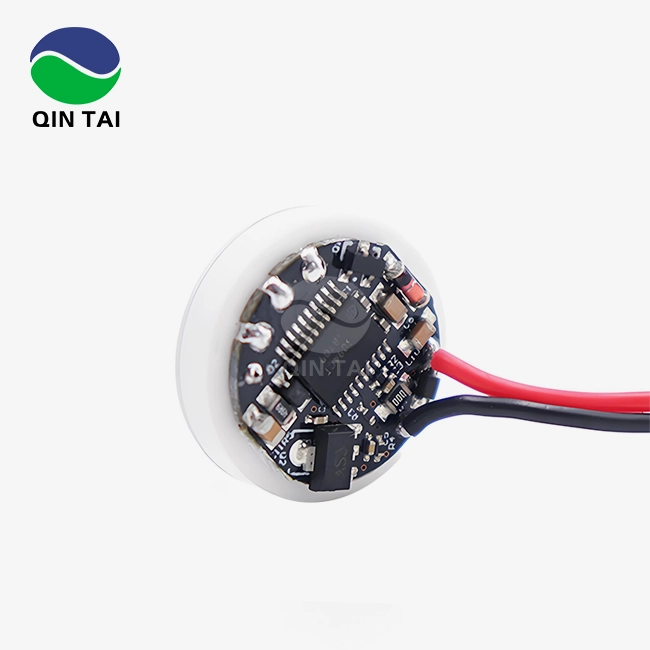
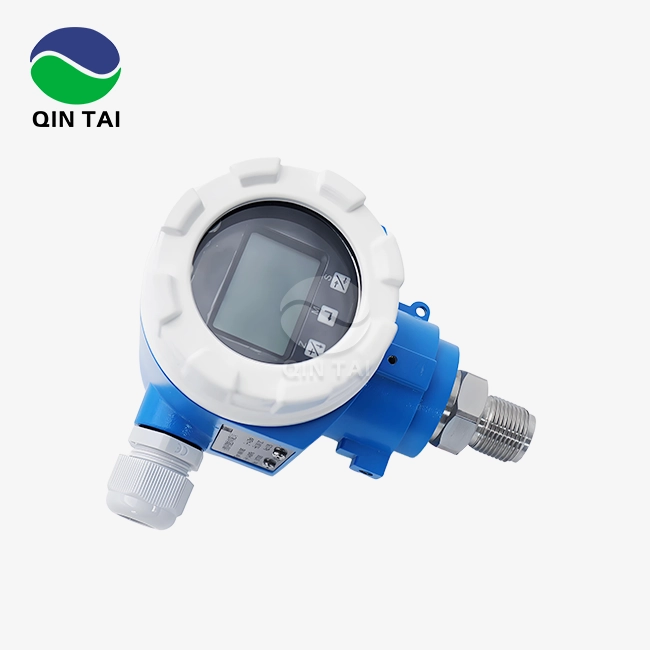
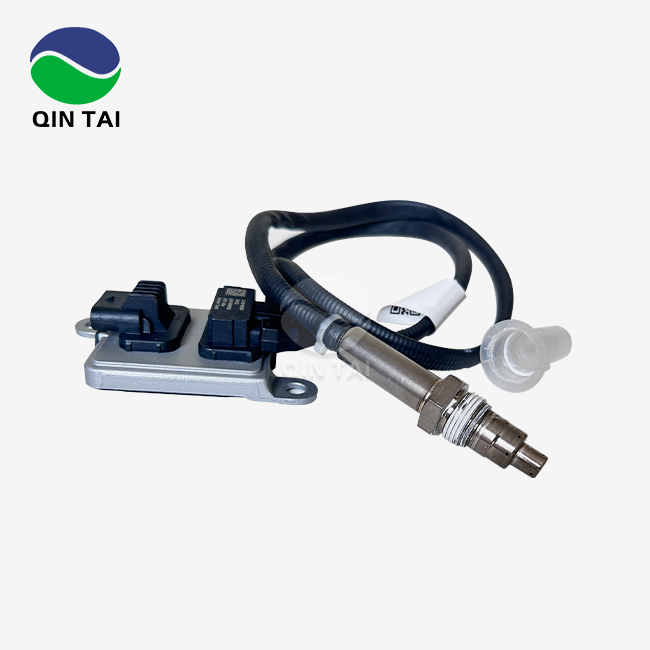
As the SCR aftertreatment system's nerve center for tracking, the Urea Dosing Pressure Sensor does its job. This sensor is placed between the dosing pump and injector assembly. It sends real-time pressure information to the engine control unit, which allows for closed-loop input that precisely controls the supply of AdBlue.
Core Functionality of Pressure Monitoring
Most of the time, these sensors measure pressures between 0 and 10 bar and turn them into analog voltage signals that run from 0.5V to 4.5V. The ECU reads these messages and changes how the pump works to keep the best injection settings even when the engine is under different loads and temperatures. This constant talking makes sure that the NOx reduction catalysts get just the right amount of reductant at the right time.
Working Principles Behind System Protection
When the sensor finds changes in the pressure, it immediately takes steps to fix the problem. A quick drop in pressure could mean that there is a leak in the urea supply line or that the pump is breaking down. On the other hand, numbers that are too high could mean that the AdBlue has frozen in cold places or that the injector nozzle is clogged. As a result, the control unit changes the dosing methods or, if needed, goes into troubleshooting mode to keep parts further down the line from getting damaged. This safety feature stops crystallization in the injector, poisoning of the catalyst base, and the system failing too soon.
Technical Specifications for Procurement Decisions
When purchasing managers look at sensors, they should look at a few important factors. Response time affects how quickly the system can adjust to new situations. Good sensors can answer in milliseconds or less. When used in heavy-duty situations, temperature tolerance is very important. Industrial-grade sensors must work effectively from -40°C to 125°C. Integration is made easier if it works with current SCR designs. This is especially important when updating older equipment or getting parts for fleets of more than one brand. By understanding these specifications, you can make choices that combine the need for efficiency with the available funds.
Common Issues and Troubleshooting of Urea Dosing Pressure Sensors
Over the course of their useful life, even strong Urea Dosing Pressure Sensors run into operating problems. Early detection of signs and use of effective troubleshooting methods reduces downtime and increases the life of components.
Symptom Recognition and Diagnostic Codes
Several warning signs show up when pressure sensors start to fail. There are warning lights on the dashboard and troubleshooting trouble codes saved in the ECU memory. As the system goes into limp mode, which limits power flow to avoid pollution violations, the engine may not work as well. Operators may notice that more DEF is being used or, alternatively, that not enough treatment is happening, causing NOx to leak out. When pressure values change erratically without changes in how the engine works, it's clear that the sensor is wearing out.
Root Causes of Sensor Failures
One of the most common reasons for failure is contamination. When systems are not properly purged during stop processes, urea crystallization builds up on sensor diaphragms. This pollution happens faster when low-quality AdBlue has too many particles in it. Over time, calibration shift happens naturally, especially in sensors that are exposed to a lot of temperature changes. Electrical connections can become loose because of vibrations from heavy machines or rough ground, which can cause signal loss. Installation mistakes, like not following the torque specs or parts not being lined up correctly, create stress spots that finally lead to mechanical failure.
Proactive Maintenance Strategies
For heavy-duty uses, we suggest setting up regular sensor checks every 2,000 hours of use. By looking at wire connections visually, you can find chafing or rust before the whole circuit fails. Cleaning methods that use demineralized water get rid of crystalline layers without hurting the detecting parts. Verification of the calibration against known pressure standards makes sure that the accuracy of the measurements stays within the limits set. By writing down the standard sensor outputs during commissioning, you can use them as a guide for trend analysis. This lets you plan for replacements before a major failure stops operations.

SENSOR+TEST, June 9 – 11, 2026
We look forward to your visit,warmly welcome to our booth 1-634!
Get your free ticket online now:
https://www.sensor-test.de/service/ticket/?52790
Comparing Urea Dosing Pressure Sensors: Making the Right Choice for Your SCR System
Choosing the right Urea Dosing Pressure Sensors means combining a lot of different factors that affect both the short-term prices and the long-term dependability of the system. Making the choice between OEM parts and aftermarket options is a big deal for both fleet managers and equipment makers.
OEM Versus Aftermarket Considerations
Original equipment sensors usually work better with car electronics because they were made at the same time as the engine base. Their insurance covers established dealer networks, so when something breaks, you can get a repair quickly. But OEM pricing matches this high-end status. Aftermarket sensors are cheaper, which makes them a good choice for big fleets, but buyers need to make sure they are compatible and have the right certifications. Quality aftermarket sellers have ISO 9001 and IATF 16949 certifications that show their manufacturing is consistent with OEM standards.
Critical Performance Parameters
Accuracy has a direct effect on how well pollution controls work. High-precision sensors with ±2% tolerance bands allow for tighter dose control, which lowers both NOx slip and urea consumption that is too high. Durability is very important in building and farming equipment, where sensors have to deal with harsh vibrations, high temperatures, and dirty surroundings. It is better for sensors made of stainless steel and sealed connectors to be able to handle these tough conditions than cheaper sensors with plastic housings.
Evaluating Manufacturer Capabilities
Leading providers show their dedication by having a lot of certifications and a track record of producing high-quality goods. Established companies have specialized research and development (R&D) teams that are always improving sensor designs to meet new emission rules. Their factories use statistical process controls to make sure that each batch is the same, which is important for mass production. Technical support that responds quickly is what sets trusted partners apart from generic providers. Being able to talk to application experts who understand the challenges of system integration is very helpful when troubleshooting and fine-tuning specifications.
Guide to Procurement and Installation of Urea Dosing Pressure Sensors for B2B Buyers
To get through the procurement process quickly and easily, you need to know both how to evaluate suppliers and the best ways to apply technical Urea Dosing Pressure Sensor solutions. Total cost of ownership is minimized by using structured methods to choose a provider and carry out installing steps.
Supplier Qualification Framework
We tell buying teams to look at possible sources from a number of different angles. Certifications for manufacturers, like IATF 16949, make sure that quality management systems meet the needs of the car business. Patent files show real creativity skills, not just the ability to reverse-engineer. The production ability of a supplier tells you if they can meet your volume needs without affecting shipping times. References from current clients who have used similar products can help you figure out if a partnership will work in the long term, especially when it comes to how quickly technical support is responded to and how guarantee claims are handled.
Pricing Models and Volume Advantages
Unit prices usually go down a lot as the order quantity goes up. By negotiating framework deals with agreed-upon yearly volumes, you can get better prices while still keeping your options open for real pull plans. Understanding what factors affect the cost of a component, like the specifications of sensing elements and the configurations of connectors, makes it easier to have useful conversations about value engineering possibilities. Some sellers have consignment inventory programs that lower the amount of working capital needed while making sure that parts are available right away for production lines or fixes that need to be done quickly.
Installation Best Practices for Optimal Performance
The life and accuracy of the measurements are directly affected by how well the sensor is installed. Locations for mounting must protect against too much heat from exhaust parts while also keeping road debris out. The way the connectors are positioned should keep water from building up and corroding the connections. It is very important to follow the torque specs exactly. If you overtighten, the closing elements will break, and if you undertighten, leaks will happen. Electrical cables need to be routed safely and have enough service lines so that the engine can move without putting too much stress on the connections.
Calibration and Commissioning Procedures
Before they can be used, new sensors need to be checked and calibrated. By comparing sensor outputs to standard pressure gauges, you can be sure that the system is accurate across the whole working range. By writing down standard readings, you can use them as a guide for future tests. It's possible that ECU change methods are needed to make closed-loop control algorithms work best with the sensors' unique properties. Traceability standards in controlled businesses can be met by keeping records of installation factors, such as serial numbers and calibration data.
Benefits of Implementing Advanced Urea Dosing Pressure Sensors in SCR Systems
When you buy good Urea Dosing Pressure Sensors, you get benefits that go beyond just following the rules. Advanced sensors make operations more reliable and efficient, which has a direct effect on both environmental performance and revenue.
Enhanced Emission Control and Regulatory Compliance
Accurate tracking of pressure allows for better control of urea input, which increases the efficiency of NOx conversion and decreases ammonia slip. This accuracy is very important for meeting pollution standards that are getting stricter, like EPA Tier 4 Final and Euro VI rules. Dosing correctly also keeps expensive SCR catalyst materials from getting poisoned by too much urea. Sensors that support multiple certification standards make safety management easier for fleets that operate in multiple countries.
Operational Cost Reductions
By tracking pressure all the time, early fault detection stops small problems from getting worse and leading to system breakdowns. Finding a leak early on, before it damages the pump or clogs the injectors, can save you a lot of money on repairs. Optimizing the use of urea lowers running costs; even small changes to dosing can save big teams a lot of money. Proper dosage control extends the life of the catalyst, which delays the need for big replacement investments.
Reliability and Uptime Improvements
Unplanned repair tasks are cut down by using more advanced sensors that last longer. Heavy-duty industrial-grade parts can handle harsh working conditions in mining, building, and farming, where machines are used in high-vibration and very hot settings. Sensor data trends enables predictive maintenance capabilities, which enables planned fixes during planned downtime rather than interruptive emergency service. This dependability directly supports goals for machine availability that are important for contractor output and customer happiness.
Sustainability and Corporate Responsibility
In addition to meeting legal requirements, using modern pollution control technology shows that you care about the environment. Fleet managers have to report on sustainability more and more, and customers expect them to do a good job with the earth. Diesel operations have a smaller impact on the environment when they use reliable SCR systems with good sensors. This helps companies reach their sustainability goals. This dedication improves the brand's image and places it higher in the market when environmental credentials affect buying choices.
Conclusion
Urea Dosing Pressure Sensors are very important for keeping the SCR system healthy. They do this by constantly checking for problems and letting you know about them as soon as they happen. The right choice, installation, and upkeep of these parts directly affects how well they work, how much they cost, and how reliable the equipment is. When procurement professionals make smart choices about sensor requirements, source qualifications, and quality standards, they set their companies up for long-term success. Investing in reliable pressure tracking technology pays off in the form of lower upkeep costs, longer component life, and consistent performance in harsh environments. Strong pressure sensing systems will become even more important as pollution rules continue to get stricter around the world.
FAQ
Q1: What causes urea pressure sensors to fail prematurely?
A: The most common cause of failure is contamination from frozen AdBlue, which usually happens when the system is not fully cleaned after it has been turned off. Electrical problems happen when moisture gets into contacts and speeds up rust. Low-quality Urea Dosing Pressure Sensors experience calibration drift when temperatures change quickly.
Q2: How often should pressure sensors be replaced?
A: How often sensors need to be replaced depends on how they are used and how good they are. Heavy-duty uses usually need to be checked every 3,000 to 5,000 hours of use, but good sensors can last longer than 10,000 hours. Fixed times don't work as well as predictive replacement based on performance trends.
Q3: Can aftermarket sensors match OEM performance?
A: High-quality replacement sensors made by approved makers work just as well as OEM parts but cost less. Verification of IATF 16949 approval and tests for compatibility make sure that the system will work properly. But buyers need to be able to tell the difference between good repair providers and cheap ones that don't have the right certifications.
Partner with Qintai for Reliable Urea Dosing Pressure Sensor Solutions
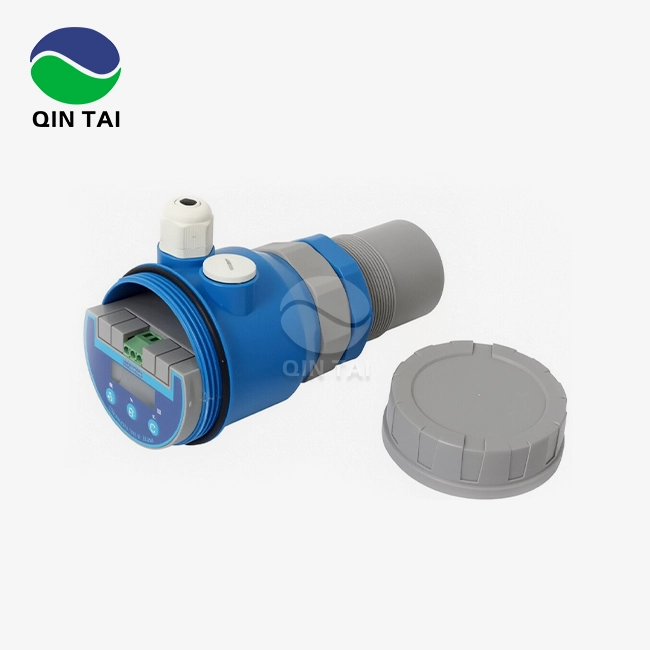
Since 2001, Qintai has been a leader in SCR aftertreatment sensor technology, mixing a wealth of manufacturing experience with strict quality control. We are a national high-tech company and the top OEM Urea Dosing Pressure Sensor seller in China. Our major partners include Weichai Power, Yuchai Power, and Quanchai Power. We offer industrial-grade dependability that has been tested over millions of hours of use. Our many certificates, such as ISO 9001, IATF 16949, and REACH compliance, show that we are dedicated to meeting world quality standards. We offer both standard solutions and unique designs that are made to fit the needs of each application.
We have 58 idea patents and an independent research and development team that is always making sensor technology better. Our position in more than 60 countries around the world means that B2B procurement teams that need emission control components can get quick technical help and dependable supply lines. Talk to our expert team at info@qt-sensor.com about how Qintai pressure sensors can help protect your SCR system while also meeting your cost and compliance goals through reliable agreements with urea dosing pressure sensor manufacturers.
References
1. Johnson, M. & Williams, R. (2021). "Advanced Sensor Technologies for Diesel Emission Control Systems," Journal of Automotive Engineering, Vol. 235, pp. 1847-1862.
2. Environmental Protection Agency (2020). "Selective Catalytic Reduction System Performance and Monitoring Requirements," EPA Technical Report Series, Document EPA-420-R-20-008.
3. Schmidt, H. & Mueller, T. (2022). "Diagnostic Strategies for SCR System Components in Heavy-Duty Applications," SAE International Journal of Commercial Vehicles, Vol. 15, Issue 2, pp. 203-218.
4. Zhang, L., Chen, W., & Liu, Y. (2021). "Reliability Analysis of Pressure Sensors in Automotive Urea Dosing Systems," Sensors and Actuators A: Physical, Vol. 318, Article 112503.
5. International Organization for Standardization (2019). "Road Vehicles—Environmental Conditions and Testing for Electrical and Electronic Equipment," ISO 16750-4:2019 Standard.
6. Anderson, P. & Thompson, K. (2023). "Maintenance Best Practices for Diesel Aftertreatment Systems," Fleet Management Technology Handbook, 8th Edition, Commercial Vehicle Press, pp. 341-368.

Our customers’ satisfaction speaks for our quality — contact us to experience the same reliable service.