- English
- French
- German
- Portuguese
- Spanish
- Russian
- Japanese
- Korean
- Arabic
- Greek
- German
- Turkish
- Italian
- Danish
- Romanian
- Indonesian
- Czech
- Afrikaans
- Swedish
- Polish
- Basque
- Catalan
- Esperanto
- Hindi
- Lao
- Albanian
- Amharic
- Armenian
- Azerbaijani
- Belarusian
- Bengali
- Bosnian
- Bulgarian
- Cebuano
- Chichewa
- Corsican
- Croatian
- Dutch
- Estonian
- Filipino
- Finnish
- Frisian
- Galician
- Georgian
- Gujarati
- Haitian
- Hausa
- Hawaiian
- Hebrew
- Hmong
- Hungarian
- Icelandic
- Igbo
- Javanese
- Kannada
- Kazakh
- Khmer
- Kurdish
- Kyrgyz
- Latin
- Latvian
- Lithuanian
- Luxembou..
- Macedonian
- Malagasy
- Malay
- Malayalam
- Maltese
- Maori
- Marathi
- Mongolian
- Burmese
- Nepali
- Norwegian
- Pashto
- Persian
- Punjabi
- Serbian
- Sesotho
- Sinhala
- Slovak
- Slovenian
- Somali
- Samoan
- Scots Gaelic
- Shona
- Sindhi
- Sundanese
- Swahili
- Tajik
- Tamil
- Telugu
- Thai
- Ukrainian
- Urdu
- Uzbek
- Vietnamese
- Welsh
- Xhosa
- Yiddish
- Yoruba
- Zulu
How Does an SCR Dosing System Improve Emission Control in Engines?
An SCR dosing system dramatically improves emission control by injecting precise amounts of Diesel Exhaust Fluid (DEF or AdBlue) into the exhaust stream, where it chemically converts harmful nitrogen oxides (NOx) into harmless nitrogen gas and water vapor through catalytic reactions. This technology enables diesel engines to meet stringent Euro VI and EPA Tier 4 Final standards while maintaining fuel efficiency. The system's closed-loop feedback mechanism, powered by specialized sensors, ensures consistent NOx reduction rates exceeding 90% across diverse operating conditions.

Introduction
In the last ten years, the industrial landscape has changed a lot. When I work with companies that make diesel engines and companies that integrate aftertreatment systems, we always talk about how to meet compliance requirements and make operations run more smoothly. New emission rules, like Euro VI and EPA Tier 4 Final, have changed how engines are designed and how fleets are managed. The best way to cut down on NOx pollution without affecting efficiency is now to use Selective Catalytic Reduction technology.
In this piece, I'll explain the basic technical concepts of SCR technology, give you examples from real-life situations, and give you advice on how to make decisions about buying. Knowing how these systems work will help you make decisions that combine regulatory compliance with total cost of ownership, whether you are in charge of a fleet of heavy-duty cars or designing generator sets for remote mining operations.
Understanding the SCR Dosing System: Principles and Components
The Chemical Process Behind NOx Reduction
There is a complicated chemical process at the heart of Selective Catalytic Reduction. DEF breaks down into ammonia when it comes into contact with the hot exhaust stream, which is usually between 250°C and 500°C. Then, this ammonia reacts with NOx on a catalyst surface, turning the pollutants into nitrogen and water, which are already in the air. How well the process works depends a lot on how well the temperature is controlled and how much fluid is injected.
Critical Components Working in Harmony
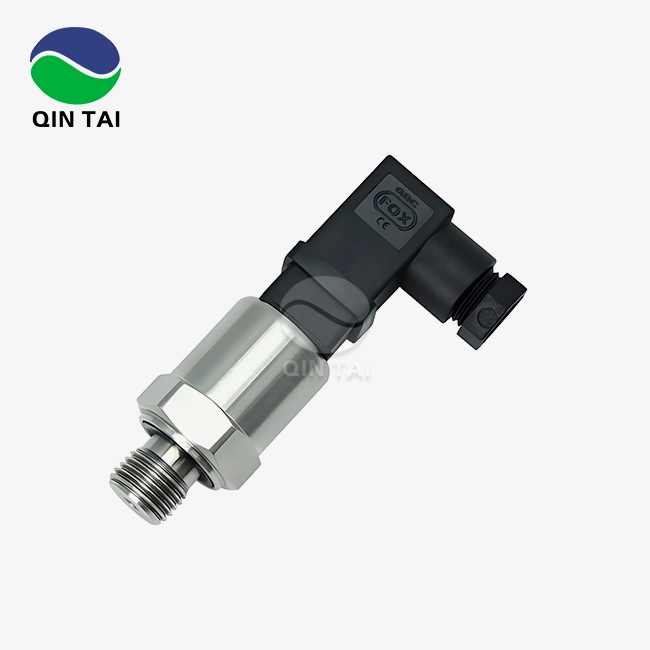
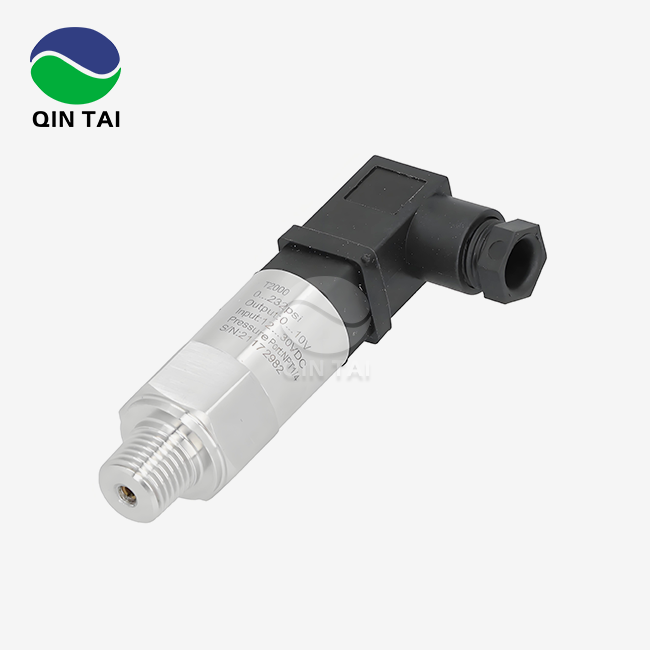
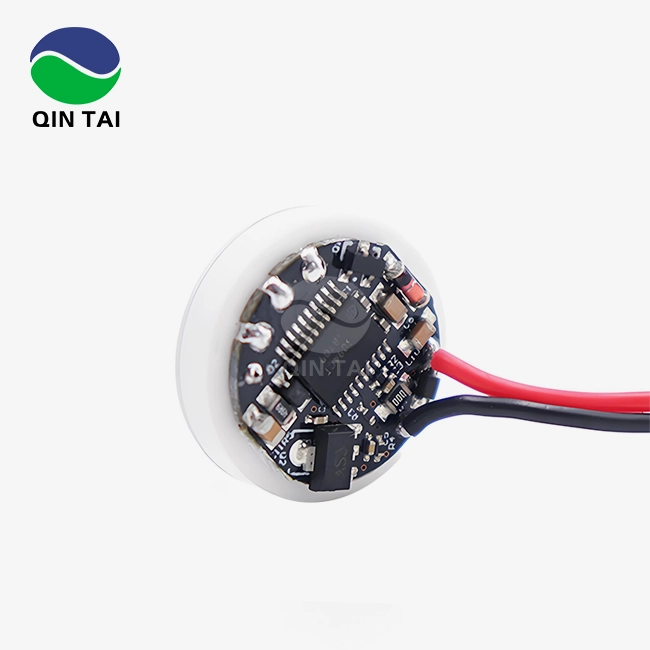
Most modern SCR architectures have many parts in the SCR Dosing System that all need to work well together. The dose control unit is like the brain of the system; it constantly figures out how much DEF to inject based on the temperature, flow rate, and quantity of NOx in the exhaust. The injection module sends atomised fluid into the exhaust path, and the urea pressure sensor is an important part of closed-loop feedback that keeps dosing accurate. This sensor finds changes in pressure that mean there are leaks, blockages, or crystallisation problems. This stops system failures before they cause limp mode conditions.
There are valuable metals in the catalyst substrate itself that make the chemical processes easier. The diesel urea tank is connected to this unit and has level sensors, temperature sensors, and quality sensors that keep an eye on the DEF concentration and keep the tank from freezing in cold places. The Engine Control Unit talks to each part to make sure that performance is at its best even when the load and temperature change.
Sensor Integration and Feedback Mechanisms
Precision analysis is the key to controlling emissions well. The urea dosing pressure sensor checks the hydraulic pressure in the injection circuit. Depending on the design of the system, it usually stays in a range of 5 to 10 bar. When pressure goes below a certain level, it means that air or leaks might be getting in. Overpressure, on the other hand, usually means that DEF is frozen or valves are broken and need immediate repair. This real-time diagnostic feature cuts down on downtime and stops expensive damage to parts in commercial vehicles.
The Role of SCR Dosing Systems in Emission Control: Benefits and Applications
Regulatory Compliance and NOx Reduction Performance
Manufacturers and truck managers can no longer refuse to meet emission guidelines. When properly calibrated, SCR technology can convert more than 95% of NOx into something else. This lets engines meet China VI and Euro VI regulations that limit NOx emissions to 0.4 g/kWh for heavy-duty uses. Earlier technologies, such as Exhaust Gas Recirculation alone, couldn't match this level of performance. These technologies often lost fuel economy to achieve small carbon reductions.
Fuel Efficiency and Operational Advantages
In addition to meeting regulations, SCR systems have real-world business benefits. By letting engines run at their best combustion temperatures without having to cool the EGR for a long time, fuel efficiency goes up by 3–5% compared to methods that only use EGR. This means big practical savings over the course of a commercial vehicle's 100,000-kilometer lifetime. The technology also makes engines last longer by preventing soot buildup and thermal stress on internal parts.
Industry-Specific Applications
Many different fields have found SCR technology useful for the SCR Dosing System. In heavy-duty logistics, long-haul cars with modern dosing systems stay in line with the rules even though the roads are always shaking and the temperature changes. Construction equipment that works in places with a lot of dust needs sensors that are strong and won't get contaminated. Marine diesel engines use big SCR systems to handle reducing NOx on a large scale in ocean environments that are harsh. Industrial-grade stability is needed for generator sets used in mines and remote power stations, where it can be months between service visits.

Comparing SCR Dosing Systems with Alternative Emission Control Technologies
SCR Versus Exhaust Gas Recirculation
Knowing the differences between strategies for controlling emissions helps procurement teams make smart choices. Some of the exhaust gases are sent back into the combustion chamber by EGR systems. This lowers the peak temperatures and stops NOx from forming. Even though EGR works to meet older pollution standards, it comes with fines for using too much fuel and makes more particulate matter. After burning, SCR deals with NOx, which lets engines run more efficiently and reduce emissions more effectively.
Low-Pressure and High-Pressure System Architectures
Different applications need different SCR setups. Low-pressure systems, which work at 5 to 7 bar, are best for lighter commercial trucks and farm tools where saving room and money is very important. High-pressure designs that reach 9–10 bar can atomise more finely and respond faster, which makes them perfect for heavy-duty uses where the load changes quickly. In high-pressure systems, the pressure sensor is very important because it keeps the injectors from getting clogged and makes sure that the dose is always correct, even when the temperature changes.
Evaluating System Reliability and Brand Performance
It takes a lot of research to decide between OEM and modified parts. Original equipment sensors from well-known brands go through a lot of testing to make sure they work properly. This testing includes chemical compatibility checks, temperature cycling, and shaking resistance. Gold-plated connections don't rust, which is what usually causes P204B trouble codes in cheaper versions. Aftermarket options might be cheaper at first, but the chance of failure and the downtime that comes with it often cancels out any savings that seem to be made. This is especially true in situations where system availability directly affects revenue generation.
Optimizing SCR Dosing System Performance and Maintenance
Preventive Maintenance Strategies
Structured maintenance protocols are needed to keep the SCR working at its best. By checking the urea dosing pressure sensor connection points on a regular basis, you can keep the signal from getting weaker because of dirty terminals. The smooth internal flow patterns of the sensing chamber lower the risk of crystallisation, but leftover layers are removed from time to time so they don't harden. Checking the quality of the DEF makes sure that the concentration of 32.5% urea stays within the allowed range. If it changes, it could cause incomplete NOx conversion and damage to the catalyst.
Troubleshooting Common Failure Modes
Expertise in diagnosis for the SCR Dosing System cuts down on unplanned downtime. Dosing errors are often caused by air getting into the supply line. This can be seen in the readings from pressure sensors, which show typical patterns of change. Crystallisation in injector valves shows up as extra pressure when the car starts cold, especially when it's been sitting still in freezing weather. Quality pressure sensors have a bendable internal buffering structure that can handle the 9% volume growth of freezing DEF. This keeps the sensor from breaking, which would require replacing the whole module.
Technological Advancements and Smart Integration
New technologies have changed SCR repair from being reactive to being proactive. Smart dosing algorithms now change the timing of injections based on mapping the catalyst's temperature in real time. This improves conversion efficiency during changing conditions. Integration with Internet of Things (IoT)-enabled tracking platforms lets fleet managers check on the health of the system from afar and plan repair based on how worn out parts are instead of random intervals. These features make the service life longer, up to 15,000 to 20,000 hours, while keeping the total cost of ownership as low as possible.

Procurement Considerations for B2B Buyers: How to Choose and Buy SCR Components?
Evaluating Total Cost of Ownership
Strategic procurement goes beyond the price of the initial purchase. Lifecycle costs, such as expected repair intervals, guarantee coverage, and failure rates under your unique working conditions, should be taken into account when comparing sensor providers. A pressure sensor that costs 20% less than the average on the market might look like a good deal, but if it needs to be replaced twice as often, it will actually cost a lot more than more expensive options. To make an accurate comparison, you should ask for detailed technical specifications on the operating temperature ranges, durability under pressure cycling, and the average time between failures.
Supplier Qualification and Certification Requirements
Working with approved makers makes sure that the products are reliable and that they follow the rules. Look for suppliers that have ISO9001 quality management and IATF16949 automotive industry certifications. These show that they have implemented systematic process controls and are committed to continuous improvement. Certifications like REACH and RoHS show that chemicals are safe for use in international markets. Suppliers with a lot of patents, like Qintai's 58 idea patents, tend to put more money into research and development, which leads to better product performance and faster expert support response times.
Customization Capabilities and Technical Support
For each application, a custom answer is needed. Different Engine Control Units can work with it because the sensor connections, pressure ranges, and output signals (0.5V–4.5V analogue or SENT protocol) can be changed to fit their needs. When looking at possible partners, you should check how well they can help with engineering. For example, can they provide application-specific calibration data or change mounting configurations to fit installations with limited space? Suppliers who offer full OEM and ODM services are very flexible, which is very helpful when moving from testing prototypes to mass production.
Sourcing Strategy and Supply Chain Considerations
Picking the right vendors is an important part of making supply lines that last. Established makers who can make a lot of parts at once and keep a lot of them in stock keep projects from being held up by a lack of parts. When looking for important sensors like urea pressure transducers, make sure you check the supplier's quality control procedures, which should include inspecting new materials, testing while they're being made, and final validation methods. Ask for conformity certificates and test results that show how well the product works within certain working parameters. This will make sure that all production lots are the same.

Conclusion
SCR Dosing Systems are the best technology for meeting current and future emission standards while keeping the efficiency of diesel engines. Adding precise parts like urea dosing pressure monitors guarantees correct NOx conversion in a wide range of industrial settings, from power generation in rural areas to highway traffic. To implement something well, you need to know both the technical principles and the practical maintenance issues that affect how reliable the system will be in the long term.
When making purchasing choices, people should think about both the current cost and the total cost of ownership. They should give more weight to sellers with proven quality certifications, the ability to customise products, and full expert support. As emission rules get stricter around the world, investing in tried-and-true SCR technology will set your business up for long-term compliance and operating excellence.
FAQ
Q1: Can SCR Systems Be Retrofitted to Older Engines?
A: Retrofitting relies on a number of things, such as the amount of room available for installation, the design of the exhaust system, and the compatibility of the electronic control architecture. Modern engines that can talk to each other over a CAN bus make merging easier, while older mechanical systems might need their own dosing controls. The main technical problem is making sure that the exhaust temperature is high enough for the catalyst to work, which usually means running engines at over 250°C for long periods of time. Talk to system integrators. They can figure out if it's possible based on the platform and duty cycle of your engine.
Q2: What Maintenance Intervals Are Recommended?
A: Maintenance schedules depend on how bad the application is. Sensors on highway trucks need to be checked every 100,000 kilometres, while sensors on construction equipment that works in dusty areas may need to be checked every three months. Watch how much DEF is being used—sudden rises often mean that the doses aren't being given correctly and need to be fixed. According to the maker, filter parts should be changed every 50,000 to 80,000 kilometres. One of the more lasting parts is the urea dosing pressure monitor, which has a service life of 15,000 to 20,000 hours. However, the connection strength should be checked at regular service intervals.
Q3: How Do I Prevent Crystallization Issues?
A: DEF quality control is the first step in stopping crystallisation. Only use fluid that is certified by ISO 22241, and keep it clean while storing and moving it. Many systems have purge processes that get rid of any leftover fluid in the injection modules after the system is turned off. This stops crystals from forming when the system is not being used. In cold places, temperature sensors inside the SCR tank turn on heating elements before dosing starts. Failures caused by crystallisation can be greatly reduced by choosing sensors with optimised internal shapes that minimise areas of trapped fluid.
Partner With Qintai for Reliable SCR Solutions
Qintai Automotive Emission Technology Co., Ltd. has more than twenty years of experience making sensors and diesel engine aftertreatment systems. As the main provider of SCR Dosing Systems to China's top engine makers, such as Weichai Power and Yuchai Power, we've shown our dependability over millions of hours of use in tough environments around the world.
Our ISO9001 and IATF16949-certified production methods guarantee consistent quality, and our independent R&D team is always improving sensor technology to keep up with the changing needs of the industry. We offer full OEM and ODM services, and you can change the pressure ranges, electrical interfaces, and mounting arrangements to suit your needs. Our engineering team is here to help you with technical issues at any time during the lifecycle of your product, whether you need to make a lot of sensors for a wide range of uses or need to make a lot of sensors for a specific use.
Get in touch with our experts to talk about your carbon control needs. You can email us at info@qt-sensor.com to learn more about how Qintai's SCR components can help your system work better and meet legal requirements.
References
1. Majewski, W. A., & Khair, M. K. (2006). Diesel Emissions and Their Control. SAE International.
2. Johnson, T. V. (2015). Diesel Emissions in Review. SAE International Journal of Engines, 8(3), 1040-1055.
3. Regulation (EU) No 582/2011. (2011). Commission Regulation implementing and amending Regulation (EC) No 595/2009 of the European Parliament. Official Journal of the European Union.
4. Regulation (EU) 2016/1628. (2016). Requirements relating to gaseous and particulate pollutant emission limits and type-approval for internal combustion engines for non-road mobile machinery. Official Journal of the European Union.
5. ISO 22241. (2019). Diesel engines - NOx reduction agent AUS 32. International Organization for Standardization.
6. Environmental Protection Agency. (2020). Nonroad Diesel Engines - Exhaust Emission Standards. EPA.
 Sensor.webp)

Our customers’ satisfaction speaks for our quality — contact us to experience the same reliable service.