- English
- French
- German
- Portuguese
- Spanish
- Russian
- Japanese
- Korean
- Arabic
- Greek
- German
- Turkish
- Italian
- Danish
- Romanian
- Indonesian
- Czech
- Afrikaans
- Swedish
- Polish
- Basque
- Catalan
- Esperanto
- Hindi
- Lao
- Albanian
- Amharic
- Armenian
- Azerbaijani
- Belarusian
- Bengali
- Bosnian
- Bulgarian
- Cebuano
- Chichewa
- Corsican
- Croatian
- Dutch
- Estonian
- Filipino
- Finnish
- Frisian
- Galician
- Georgian
- Gujarati
- Haitian
- Hausa
- Hawaiian
- Hebrew
- Hmong
- Hungarian
- Icelandic
- Igbo
- Javanese
- Kannada
- Kazakh
- Khmer
- Kurdish
- Kyrgyz
- Latin
- Latvian
- Lithuanian
- Luxembou..
- Macedonian
- Malagasy
- Malay
- Malayalam
- Maltese
- Maori
- Marathi
- Mongolian
- Burmese
- Nepali
- Norwegian
- Pashto
- Persian
- Punjabi
- Serbian
- Sesotho
- Sinhala
- Slovak
- Slovenian
- Somali
- Samoan
- Scots Gaelic
- Shona
- Sindhi
- Sundanese
- Swahili
- Tajik
- Tamil
- Telugu
- Thai
- Ukrainian
- Urdu
- Uzbek
- Vietnamese
- Welsh
- Xhosa
- Yiddish
- Yoruba
- Zulu
How Does Urea Dosing Pressure Sensor Monitor SCR Systems
A urea dosing pressure sensor is a precision sensing device integrated into the Selective Catalytic Reduction (SCR) system of modern diesel engines. It continuously monitors the hydraulic pressure of Diesel Exhaust Fluid (DEF/AdBlue) within the dosing module and transmits real-time data to the Dosing Control Unit (DCU) or Engine Control Unit (ECU).
This feedback loop allows the ECU to calculate and adjust the exact urea injection volume into the exhaust stream. Without accurate pressure data, NOx reduction efficiency drops, emission thresholds are violated, and the engine risks entering limp mode—making this sensor a non-negotiable component for Euro VI and EPA Tier 4 Final compliance.
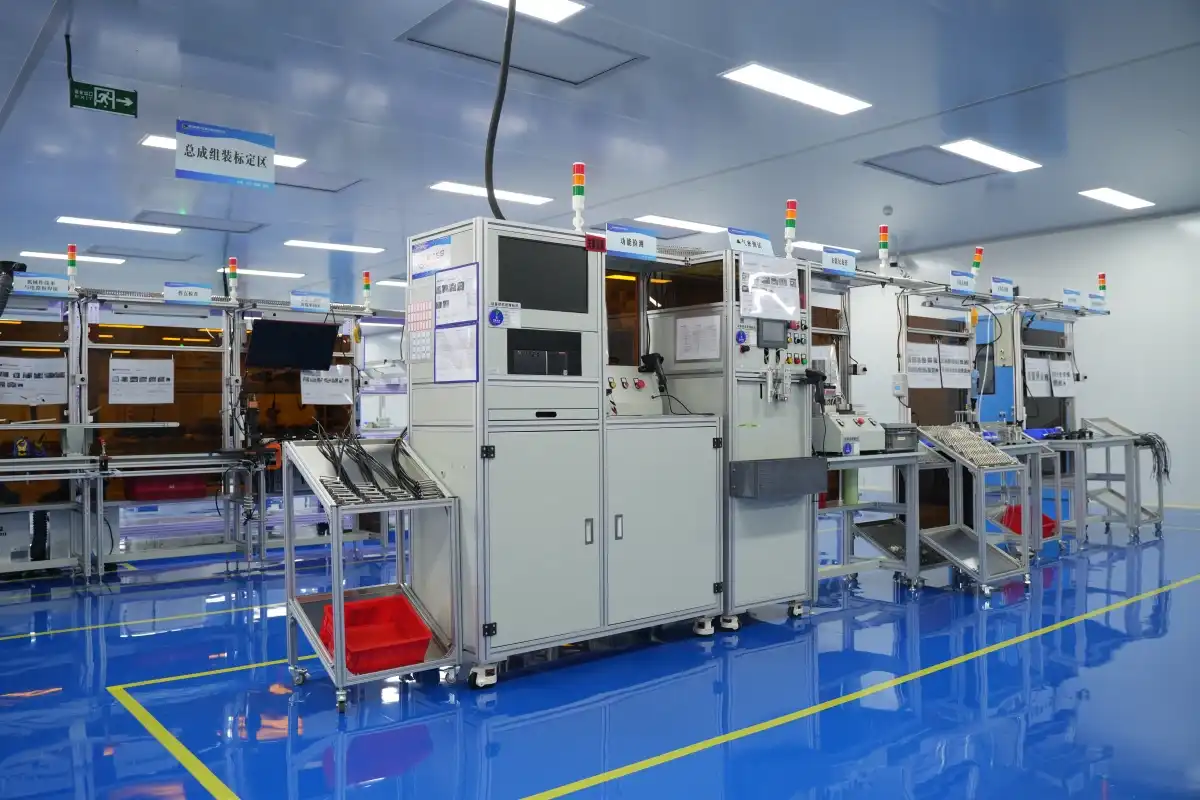
Understanding Urea Dosing Pressure Sensors in SCR Systems
What Is a Urea Dosing Pressure Sensor?
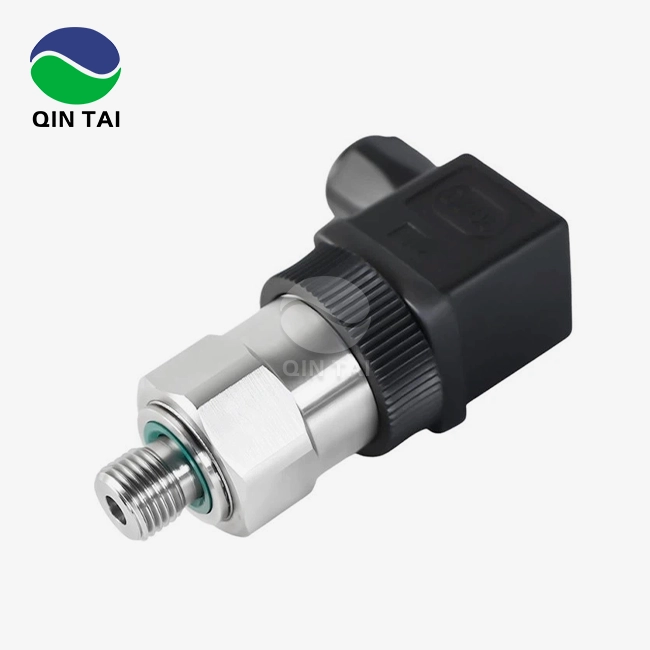
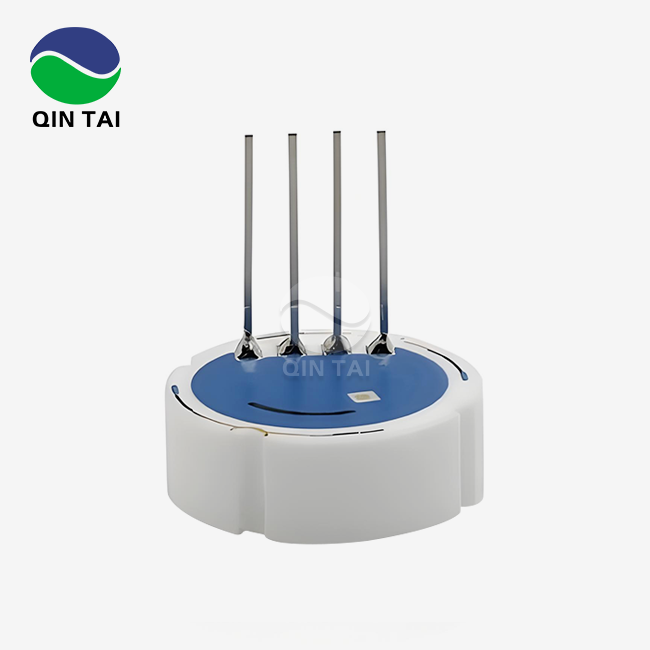
A urea dosing pressure sensor, which is also known as an AdBlue pressure sensor, checks the pressure of the urea solution moving through the SCR dosing system. It is usually put in place between the dose syringe and the DEF pump. The sensor changes the hydraulic pressure into a proportional analog voltage signal, which is usually between 0.5 V and 4.5 V. The ECU then uses this signal to decide when and how much to inject.
Key Components and Integration
The sensor has a diaphragm made of stainless steel or PPS, a piezoresistive MEMS sensing element, signal processing circuits, and an electrical connection that is sealed. Standardized pin sizes, like M10×1 or M12×1.5, let it connect straight to the urea supply line. It's easy to integrate, but the output signal needs to match the ECU calibration profile, which could be analog ratiometric or SENT protocol, depending on the platform.
How Pressure Measurement Guides Dosing Accuracy
If the system pressure falls below or rises above the target range, the ECU adjusts pump speed or shortens injection duration for correction, relying on feedback from the urea dosing pressure sensor. If the sensor detects low pressure, most likely caused by a clogged filter or faulty pump, it triggers a diagnostic trouble code (DTC). This alert occurs before dosing faults lead to excessive NOx emissions or urea crystallization inside the injector nozzle.
Troubleshooting and Maintenance of Urea Dosing Pressure Sensors
Common Failure Symptoms
The most common signs of sensor problems are changes in pressure, P204B fault codes, irregular DEF use, and limp mode activation that doesn't make sense. When the ECU can't get a stable pressure input, it stops the SCR from working at all to protect other parts of the system. If you don't fix this, it will increase NOx emissions and store multiple DTCs that can only be cleared by dealer-level diagnostic equipment.
Fault Identification Methods
First, check the sensor link for rust or pins that are bent. Check the source voltage (5 V) and the steadiness of the output signal across the working pressure range with a digital multimeter. If the signal is off by more than ±0.5%, it's likely that the sensor has moved because the diaphragm is worn out or the 32.5% watery urea solution has contaminated it with chemicals.
Calibration and Routine Maintenance
There should be a check of the calibration every 12 months or whenever the DEF system is serviced. If the output drifts too far, you should replace the sensor. Flush the dose line every so often to keep urea from crystallizing, which can stop the sensing chamber. Keeping the connector dry and free of road salt deposits greatly increases its useful life, which lowers the chance of unplanned downtime for commercial vehicles and generator sets.

Comparing Urea Dosing Pressure Sensors with Alternative Sensors
Pressure Sensors vs. Flow Sensors in SCR Applications
Flow sensors measure how fast DEF is being delivered in terms of volume, and pressure sensors measure the force that is pushing the DEF through the system. Pressure-based feedback works better in SCR systems when the pump fails, the injectors stop working, or there is a blockage. A pressure sensor picks up on an issue almost right away, while a flow sensor might not notice a partial blockage until the dose volume drops significantly. Monitoring pressure is the standard way to do things for heavy-duty diesel platforms.
2026 Performance Benchmarks
The main performance factors that buyers look at when comparing aftermarket and OEM sensors are the measurement range, accuracy class, working temperature tolerance, and chemical resistance. Some sensors, like Qintai's QS-P226, can achieve ±0.5% accuracy, which is higher than the minimum required level of ±1.5% full-scale accuracy. These are good enough for precise dosing control in Euro VI certified engines.
Supplier Comparison: OEM and Aftermarket Options
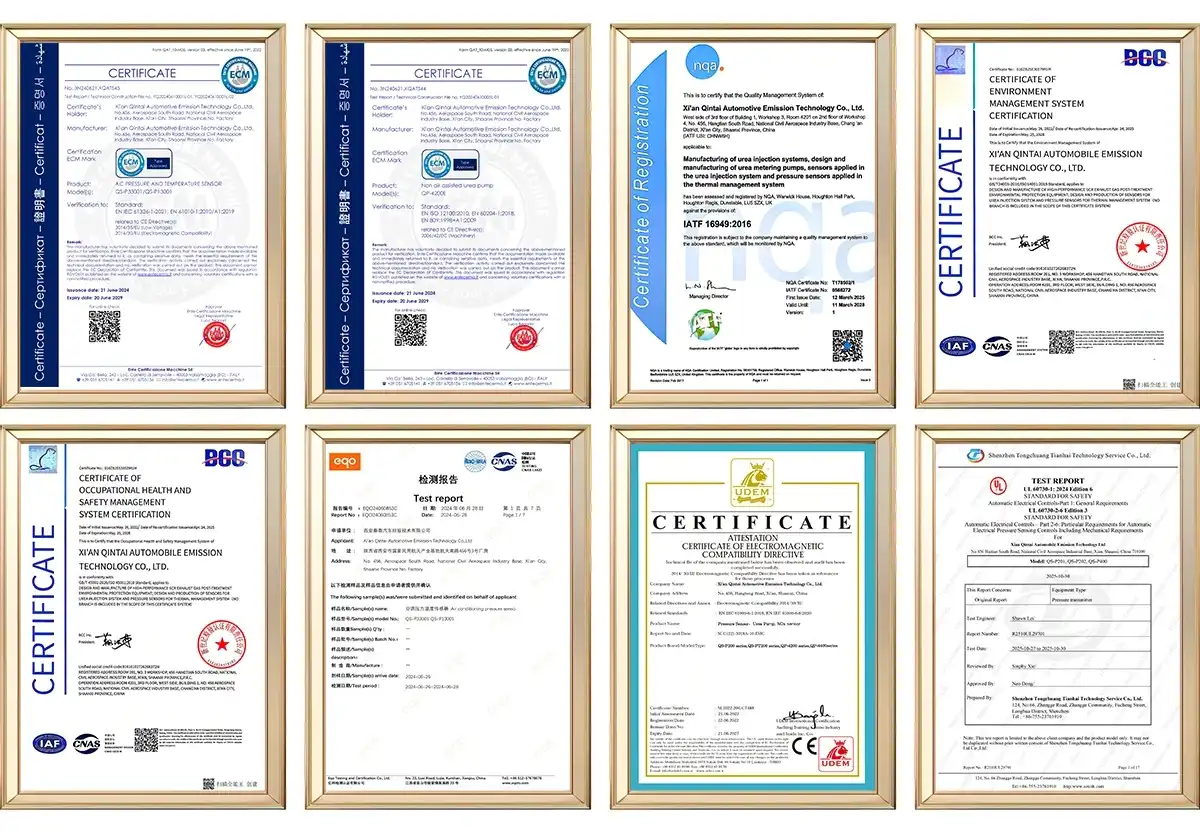
Bosch and Continental are primary OEM suppliers providing products of the urea dosing pressure sensor for European aftertreatment systems. Their components deliver high precision, yet aftermarket orders usually come with higher price tags and longer lead times. Heavy-duty fleets across North America commonly adopt Cummins-branded sensors. Qintai positions itself as a cost-competitive alternative with OEM-matching accuracy, ISO9001 and IATF16949 certifications, plus an annual production capacity exceeding two million sensors — a key advantage for buyers managing large-volume procurement.
Procurement Insights: How to Choose and Buy Urea Dosing Pressure Sensors
Defining Technical Requirements by Application
The measurement range of the sensor should match the operating pressure of your system. The QS-P226 works with pressures from -14 psi to +130.5 psi and has a 5 V supply power and a 0.5–4.5 VDC ratiometric output. It can handle most light-duty and heavy-duty diesel SCR uses. Before you place a bulk order, make sure the output signal type works with your ECU. When used in mines or power plants, generator sets need sensors that can keep working in harsh conditions with big changes in temperature.
Before hiring a supplier, every procurement team should make sure of these key specification factors:
- Signal compatibility: Confirm 0.5–4.5 VDC ratiometric or SENT protocol matches the target ECU calibration.
- Chemical resistance: The diaphragm must withstand continuous contact with 32.5% DEF without signal drift.
- Freeze resilience: The internal structure must absorb the ~9% volume expansion of frozen AdBlue without mechanical damage.
- Certification status: ISO9001 and IATF16949 certification documents should be requested before qualification approval.
These four things directly affect whether a sensor can handle the heat and chemicals of real-world SCR operation without breaking down too soon.
Supplier Evaluation and Bulk Purchasing Strategy
Check out vendors based on their certification paperwork, wait times for prototypes, minimum order amounts, and expert help after the sale. The risk of fake goods is lower through authorized channels, which is becoming more of a concern in the aftermarket for commercial vehicles. Buying in bulk from a qualified urea dosing pressure sensor maker can lower the cost per unit and give you priority production schedule, which are both important for OEMs with assembly lines that are always running.
Enhancing SCR System Reliability with Urea Dosing Pressure Sensors
Direct Operational Benefits
Monitoring the pressure correctly keeps the NOx conversion efficiency above 95%, which is the level needed to meet Euro VI and EPA standards. Stable dosing also lowers the number of active DPF regeneration cycles, which on long-haul routes saves about 1% to 3% of fuel. For fleet owners, this means that the fuel costs for hundreds of cars will go down every year.
Protecting Long-Term System Health
Finding pressure differences early on keeps the dose syringe and SCR catalyst from getting damaged further down the line. A sensor needs to be replaced as soon as there is any sign of drift. This is because replacing a dirty catalyst brick costs a lot more. This is especially important for people who run generator sets in rural places like mines, power plants, and backup power facilities, where unplanned downtime can have big effects on operations and finances.
Emerging Technologies in Pressure Monitoring
Commercial vehicles are getting IoT-enabled sensors with digital output and onboard diagnostics. This lets fleet managers check the DEF system pressure from afar. These devices can detect slow sensor degradation before it causes a DTC, which lets maintenance be planned instead of repairs being done on the spot. The 86 engineers on Qintai's research and development team, which has 58 invention patents, are working hard to create next-generation sensing solutions that will fit these trends.
Conclusion
Accurate pipeline monitoring via the urea dosing pressure sensor enables you to verify whether a diesel engine meets emission standards, avoid limp mode, and maintain long-term catalyst health. Selecting a sensor validated for accuracy, chemical resistance and freeze tolerance is a technical decision that greatly impacts operation performance and overall costs.
The QS-P226 from Qintai meets these needs with a measurement range of -14 psi to +130.5 psi, an accuracy of ±0.5%, and a self-developed sensor core that doesn't depend on a third-party supply chain. This makes it a good choice for OEMs, system developers, and aftermarket users alike.
FAQ
How often should I calibrate the DEF pressure sensor?
Every 12 months or at the time of each major SCR system service, check the calibration. If you see inconsistent dosing or DTC P204B, you should check the sensor right away instead of waiting for the next service.
What are the early signs of sensor failure?
Watch out for NOx readings that aren't stable, limp mode activation that you didn't expect, DEF consumption that goes up and down, and fault codes that have to do with the dosing circuit's performance.
Can this sensor fit multiple SCR platforms?
Standard thread sizes are common, but the signal output has to match the ECU's tuning. The QS-P226 uses a 0.5–4.5 VDC ratiometric output that works with most common diesel systems. Make sure the ECU works with the installation before you do it.
What happens if the sensor fails completely?
The ECU stops getting pressure feedback, the SCR stops working, NOx emissions go up, and the engine may go into low-power mode. DTCs are saved and need to be cleared by a professional diagnostician.
Is the sensor safe against freezing AdBlue?
Yes. The QS-P226 has an internal buffer structure that can handle the 9% volume growth of frozen urea. This keeps the diaphragm from getting damaged during cold-start situations.
Partner with Qintai for Your SCR Sensor Supply
Since 2001, Qintai has been a key provider to Weichai Power, Yuchai Power, and Quanchai Power, providing DEF pressure monitoring solutions to OEM clients around the world. The QS-P226 urea dosing pressure sensor is accurate to within ±0.5%, has been tested at the plant 100 times, comes with a 12-month guarantee, and is certified by both ISO9001 and IATF16949. We are a reliable supplier of urea dosing pressure sensors, and we can quickly ship your orders to over 60 countries for OEM, ODM, and bulk orders. To get a quote, email our engineering team at info@qt-sensor.com or go to qt-sensor.com.
References
1. Johnson, T. V. — SAE International Journal of Engines, 2014.
2. Koebel, M., Elsener, M., & Kleemann, M. — Catalysis Today, 2000.
3. Nova, I., & Tronconi, E. — Urea-SCR Technology for deNOx After Treatment of Diesel Exhausts, Springer, 2014.
4. European Commission — Regulation (EC) No 595/2009 on Euro VI Heavy-Duty Vehicle Emissions, Official Journal of the European Union, 2009.
5. U.S. Environmental Protection Agency — Diesel Exhaust Aftertreatment Technologies: Overview and Applications, EPA Technical Report, 2016.
6. Forzatti, P. — Applied Catalysis A: General, 2001.


Our customers’ satisfaction speaks for our quality — contact us to experience the same reliable service.