- English
- French
- German
- Portuguese
- Spanish
- Russian
- Japanese
- Korean
- Arabic
- Greek
- German
- Turkish
- Italian
- Danish
- Romanian
- Indonesian
- Czech
- Afrikaans
- Swedish
- Polish
- Basque
- Catalan
- Esperanto
- Hindi
- Lao
- Albanian
- Amharic
- Armenian
- Azerbaijani
- Belarusian
- Bengali
- Bosnian
- Bulgarian
- Cebuano
- Chichewa
- Corsican
- Croatian
- Dutch
- Estonian
- Filipino
- Finnish
- Frisian
- Galician
- Georgian
- Gujarati
- Haitian
- Hausa
- Hawaiian
- Hebrew
- Hmong
- Hungarian
- Icelandic
- Igbo
- Javanese
- Kannada
- Kazakh
- Khmer
- Kurdish
- Kyrgyz
- Latin
- Latvian
- Lithuanian
- Luxembou..
- Macedonian
- Malagasy
- Malay
- Malayalam
- Maltese
- Maori
- Marathi
- Mongolian
- Burmese
- Nepali
- Norwegian
- Pashto
- Persian
- Punjabi
- Serbian
- Sesotho
- Sinhala
- Slovak
- Slovenian
- Somali
- Samoan
- Scots Gaelic
- Shona
- Sindhi
- Sundanese
- Swahili
- Tajik
- Tamil
- Telugu
- Thai
- Ukrainian
- Urdu
- Uzbek
- Vietnamese
- Welsh
- Xhosa
- Yiddish
- Yoruba
- Zulu
Why Choose an OEM Urea Dosing System for SCR Fleet Compliance?
When your fleet faces tightening EPA and Euro VI emission standards, the pressure to stay compliant is real. An OEM urea dosing system gives procurement managers and R&D engineers a direct path to consistent NOx reduction, verified regulatory alignment, and long-term cost control. Unlike aftermarket alternatives, OEM-designed systems are calibrated from the ground up to work with specific engine control units, delivering dosing accuracy that aftermarket parts simply cannot match at scale.


Understanding Urea Dosing Systems in SCR Technology
Before looking at other options, it's helpful to know what this technology does in a system that cleans up gasoline smog.
What Is a Urea Dosing System?
This is the exact part of an SCR system that adds Diesel waste Fluid (DEF/AdBlue) to the waste stream. It is known as the urea dose system. What happens is that the urea is injected and it changes the harmful nitrogen oxides (NOx) into harmless nitrogen and water vapor. The EPA says that trucks and other heavy-duty diesel vehicles are to blame for nearly 23% of all NOx emissions in the U.S. In other words, correct dose is not a choice; it is necessary.
How OEM Systems Differ From Generic Units
If you buy an OEM urea dosing system, it is made to talk to the engine's ECU, which stands for Dosing Control Unit. There is a built-in urea dosing pressure sensor that checks the pressure in real time with this closed-loop feedback. This keeps the amount from being too low (which doesn't meet NOx standards) or too high (which wastes DEF and makes the catalyst dirty). It's possible for generic replacement units to not be tuned as precisely, which can lead to error codes like P204B and more system downtime.
The Role of the Pressure Sensor in Dosing Accuracy
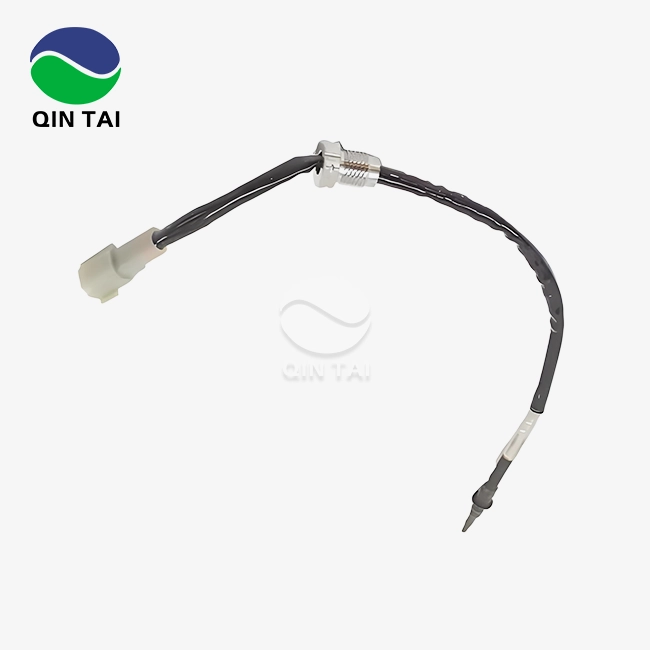
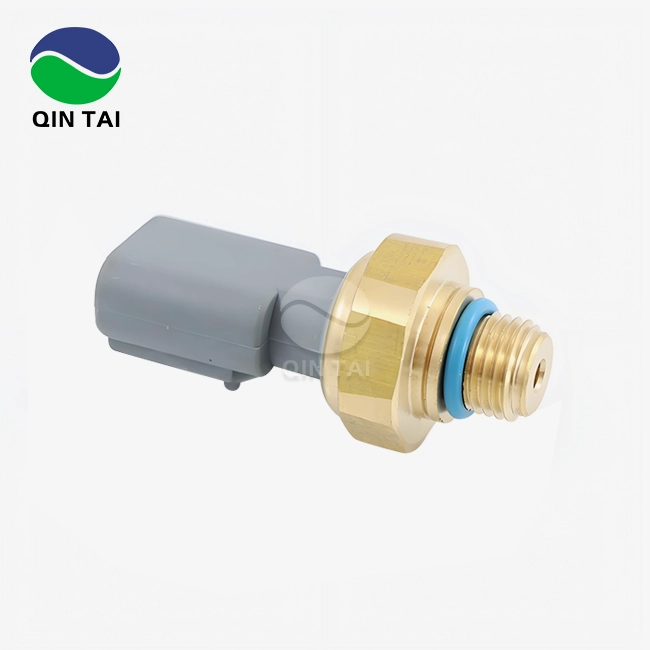
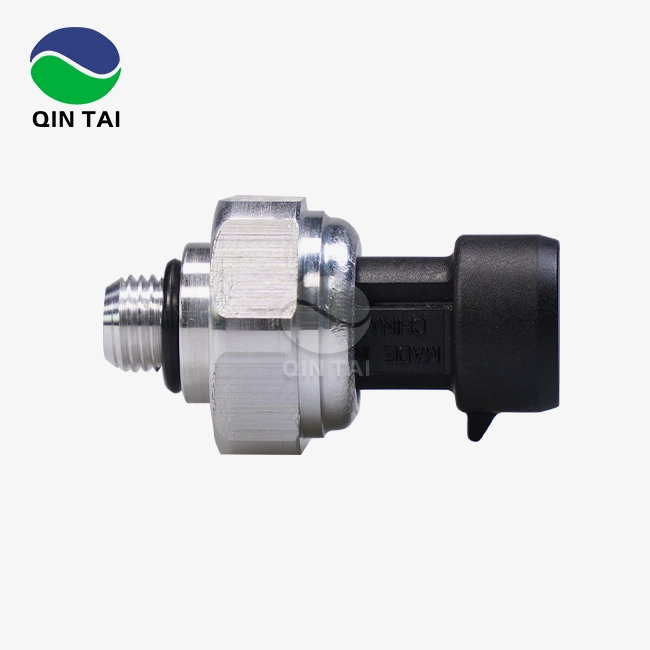
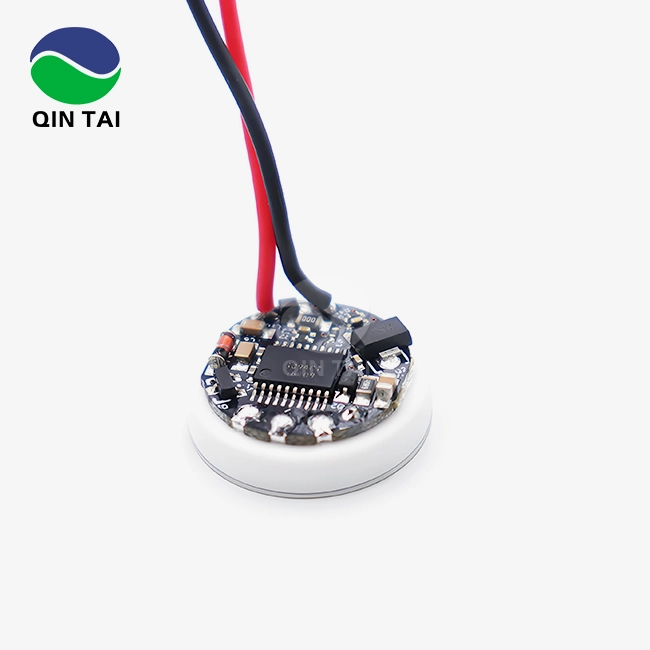
The urea dose pressure monitor checks the hydraulic pressure inside the dosing module all the time. It can find pressure drops caused by leaks or blockages and let you know when AdBlue freezes and there is too much pressure. The pressure sensors made by Qintai have gold-plated terminals that stop signal drift and a flexible internal buffering structure that can handle urea freezing and expanding by 9%. This makes sure that the system works right when it's cold in North America.
Comparing OEM Urea Dosing Systems With Alternative Options
There are DEF injection kits on the market that aren't made by the factory and cost less up front, but they add up to more after taxes.
Accuracy and Calibration
OEM systems are pre-configured to match specific engine types for the urea dosing system. Aftermarket kits require manual calibration; without proper calibration, you may damage the engine or fail emission tests, even caused by tiny dosing deviations. It does not matter whether the signal is 0.5V–4.5V analog or SENT protocol if signal matching fails. Under such circumstances, a physically compatible sensor may still not function properly with your ECU.
Warranty Coverage and Support Infrastructure
When buying from another business, it's important that the OEM warranty covers the following:
- System-level warranty: OEM suppliers cover the entire dosing assembly, not just individual parts, reducing dispute risk when failures occur at integration points.
- Certified replacement parts: OEM suppliers provide ISO 22241-compliant DEF-compatible components, verified through 3,000+ hour urea immersion testing.
- Dedicated technical support: Engineering teams familiar with ECU calibration maps respond faster and more accurately than generic parts distributors.
Long-Term Total Cost of Ownership
FleetOwner research shows that heavy-duty truck operators can lose $450 to $760 per day for every truck that breaks down without warning. These perks directly cut down on downtime that wasn't planned.

Key Factors in Selecting the Right OEM Urea Dosing System for Your Fleet
Not every OEM system fits every application. Selecting the right one requires matching technical specifications to real operating conditions.
Application Environment
Construction equipment, long-haul trucks, and stationary generator sets each place different demands on a urea dosing system. Excavators operating in high-dust environments need sensors rated for shock and vibration resistance, while marine diesel applications require anti-corrosion housing for saltwater atmospheres. Thermal shock tolerance — typically tested from -40°C to +125°C across 500+ cycles per IATF 16949 standards — determines whether a sensor survives seasonal temperature swings in northern U.S. states.
Regulatory Compliance Requirements
Both Euro VI and EPA Tier 4 Final standards require demonstrated NOx reduction efficiency. Selecting a system with documented certification — including helium leak testing and burst pressure testing at three to five times working pressure — protects your organization from compliance penalties. Qintai's production quality control follows a zero-defect methodology aligned with IATF 16949, with full calibration verification across the entire pressure and temperature operating curve.
Compatibility With Existing SCR Architecture
Thread standards like M10×1 or M12×1.5 are often interchangeable, but the signal output type must match the ECU calibration. Working with an OEM urea dosing system supplier that offers customizable interface parameters and signal output options — rather than a one-size-fits-all approach — ensures proper integration without requiring costly ECU reprogramming.
Common Challenges and Solutions With Urea Dosing Systems
Even well-designed systems encounter operational challenges. Knowing what to expect helps procurement teams plan maintenance budgets accurately.
Urea Crystallization and Blockages
AdBlue crystallizes when it contacts hot exhaust surfaces or sits stagnant in low-flow areas of the dosing circuit. Qintai's pressure sensor uses a dead-volume minimization design with smooth internal flow paths to prevent urea from pooling around the sensing diaphragm. This reduces crystallization-related blockages that would otherwise require manual cleaning or component replacement.
Sensor Fault Codes and Signal Drift
The P204B fault code — indicating a circuit range or performance error of the urea dosing system — commonly results from connector pin corrosion or sensor aging. Gold-plated terminals prevent oxidation-driven signal drift, extending sensor reliability in high-humidity environments common to agricultural and coastal applications.
Freeze Protection in Cold Climates
AdBlue freezes at -11°C (12°F), and the resulting 9% volume expansion can crack a rigid sensor housing. OEM-grade sensors incorporate flexible internal buffering structures specifically designed to absorb this expansion without damage, keeping the SCR system operational through winter conditions across U.S. northern states and Canadian cross-border routes.
Why OEM Urea Dosing Systems Are the Strategic Choice for B2B Procurement
It's not enough to just match part numbers when making big purchases. For this to work, they need to have long-term relationships with their suppliers that last for many years.
Verified Quality Certification
If a supplier has IATF 16949, ISO 9001, or ISO 22241 certifications, it means they have recorded process control at the factory level. OEM customers can get audited more easily with these certifications, and tier-one makers can use them to help with their source approval processes.
Mass Production Capacity and Supply Chain Reliability
When companies that make diesel engines make a lot of them, an unreliable supply of parts puts the assembly line at risk. Qintai has had the largest part of the OEM market in China. It is a main seller to Weichai Power, Yuchai Power, and Quanchai Power. With this level of production, parts will be delivered on time and the quality will stay the same for large orders.
OEM and ODM Customization Services
To use a fleet for different things, you need different kinds of sensors, connectors, and output signal levels. When a provider gives full OEM and ODM services, from design specifications to mass production, procurement teams and R&D engineers can be sure they are getting exactly what the application needs. This way, they don't have to change a standard part that almost works.

Conclusion
You should get an OEM urea dosing system instead of an alternative one because they are more accurate, come with certifications, and cost less over their whole time. Not meeting regulations and unplanned downtime are less likely with OEM systems because they use pressure sensors that don't crystallize or freeze and make sure that the signal outputs match the ECU calibrations. If procurement managers and R&D engineers need to buy a lot of things, working with a qualified OEM provider like Qintai means that the quality of the parts will stay the same, the rules will be clear, and the relationship with the supplier will be built for long-term cooperation.
FAQ
How often should a urea dosing pressure sensor be serviced?
In standard commercial applications, OEM-grade sensors are designed for 15,000 to 20,000 operating hours. Maintenance intervals should follow the OEM's recommended service schedule, with visual inspections at each major service to check connector integrity and housing condition.
Can OEM sensors integrate with third-party SCR systems?
Physical thread dimensions like M10×1 or M12×1.5 are often standardized across systems. However, the output signal type — analog 0.5V–4.5V or SENT protocol — must match the specific ECU calibration. Qintai offers customizable signal output options to support compatibility across diverse SCR architectures.
How do OEM warranties compare to aftermarket coverage?
OEM warranties cover the full dosing assembly and are backed by engineering support teams familiar with the system's calibration. Aftermarket warranties typically cover individual parts only and lack the technical depth needed to diagnose integration-level failures quickly.
What certifications should I look for in a urea dosing system supplier?
Look for IATF 16949, ISO 9001, ISO 22241 compliance, and relevant regional approvals such as CE or UL. These certifications confirm that the supplier's manufacturing process meets international quality and chemical compatibility standards.

Partner With Qintai for Your SCR Compliance Needs
In 2001, the national high-tech company Qintai was set up. Its main job is to make sensors for SCR aftertreatment. In more than 60 countries, it has sold parts for urea dose systems to major diesel engine makers. Qintai is a trusted company that makes urea dosing systems. They have IATF 16949, ISO 9001, CE, UL, and REACH certifications. Because they offer custom sensor configurations, high-volume output, and quick expert service, they help OEM users. You can get product specs or help with your fleet compliance program from the Qintai tech team by emailing them at info@qt-sensor.com or visiting their website at qt-sensor.com.
References
1. U.S. Environmental Protection Agency (EPA) — Diesel Emissions Reduction Program: NOx Emission Standards for Heavy-Duty Vehicles, 2021.
2. International Organization for Standardization — ISO 22241: Diesel Engines — NOx Reduction Agent AUS 32, 2019.
3. IATF (International Automotive Task Force) — IATF 16949: Quality Management System Requirements for Automotive Production, 2016.
4. FleetOwner Magazine — The Real Cost of Unplanned Downtime in Heavy-Duty Trucking, 2022.
5. SAE International — Technical Paper: SCR System Performance and DEF Dosing Accuracy in Heavy-Duty Diesel Applications, 2020.
6. European Commission — Euro VI Emission Standards for Heavy-Duty Vehicles: Regulation (EC) No 595/2009, 2009.

Our customers’ satisfaction speaks for our quality — contact us to experience the same reliable service.