- English
- French
- German
- Portuguese
- Spanish
- Russian
- Japanese
- Korean
- Arabic
- Greek
- German
- Turkish
- Italian
- Danish
- Romanian
- Indonesian
- Czech
- Afrikaans
- Swedish
- Polish
- Basque
- Catalan
- Esperanto
- Hindi
- Lao
- Albanian
- Amharic
- Armenian
- Azerbaijani
- Belarusian
- Bengali
- Bosnian
- Bulgarian
- Cebuano
- Chichewa
- Corsican
- Croatian
- Dutch
- Estonian
- Filipino
- Finnish
- Frisian
- Galician
- Georgian
- Gujarati
- Haitian
- Hausa
- Hawaiian
- Hebrew
- Hmong
- Hungarian
- Icelandic
- Igbo
- Javanese
- Kannada
- Kazakh
- Khmer
- Kurdish
- Kyrgyz
- Latin
- Latvian
- Lithuanian
- Luxembou..
- Macedonian
- Malagasy
- Malay
- Malayalam
- Maltese
- Maori
- Marathi
- Mongolian
- Burmese
- Nepali
- Norwegian
- Pashto
- Persian
- Punjabi
- Serbian
- Sesotho
- Sinhala
- Slovak
- Slovenian
- Somali
- Samoan
- Scots Gaelic
- Shona
- Sindhi
- Sundanese
- Swahili
- Tajik
- Tamil
- Telugu
- Thai
- Ukrainian
- Urdu
- Uzbek
- Vietnamese
- Welsh
- Xhosa
- Yiddish
- Yoruba
- Zulu
How Does Urea Injection Work in SCR Systems?
In the Selective Catalytic Reduction (SCR) system, the Urea Injection System adds Diesel Exhaust Fluid (DEF or AdBlue) to the hot exhaust stream. There, it breaks down thermally and hydrolytically to make ammonia. In the catalytic chamber, this ammonia mixes with nitrogen oxides to turn dangerous emissions into nitrogen gas and water vapour. To get the best NOx reduction rates and meet strict pollution standards like Euro VI and EPA rules, it is important to carefully measure, atomise, and spread DEF through special injection valves.
Introduction
Selective Catalytic Reduction is now the most important technology for making diesel engines release less dangerous nitrogen gas. If you're looking for parts for heavy trucks, building equipment, farm equipment, or generator sets, you need to know how urea injection works in SCR systems in order to make smart buying choices. When buying managers, R&D engineers, and supply chain workers look at SCR options, this guide talks about the technical needs, compliance issues, and practical issues they face.
It's important to have effective urea dosing equipment because pollution rules are getting stricter around the world and operations need to be more efficient. In the diesel aftertreatment business, long-term partnerships that work well are based on system design, performance benefits, maintenance procedures, and strategies for choosing suppliers.
Understanding Urea Injection Systems in SCR Technology
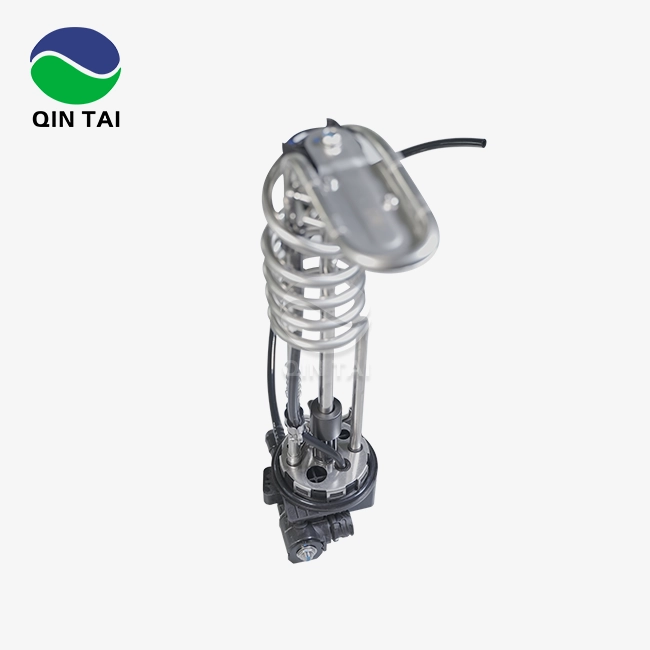
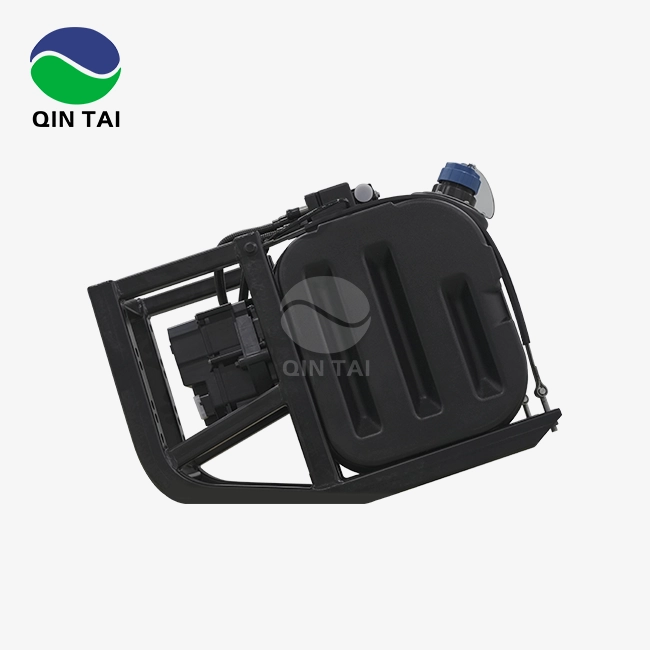
It takes a lot of complex parts working together perfectly for the Urea Injection System to do its job of controlling emissions. The main part of the device is a tank that stores DEF and has sensors for checking the amount and quality. When the engine control unit finds that the exhaust has too much NOx, it figures out the right dose rate by looking at the load on the engine, the temperature of the exhaust, and the flow rate. The dosing control module is controlled by this formula. It tells the injection nozzle to spray a small mist of DEF into the exhaust pipe before the SCR catalyst.
Core Components and Their Functions
Since DEF freezes at temperatures below -11°C, the urea tank usually has built-in heated parts to keep the urea from crystallising in cold weather. Temperature sensors constantly check the conditions of the fluid, making sure the system works at its best. The injection nozzle is an electromagnetic measuring actuator that can disperse fluid at pressures between 5 and 9 bar, based on what the manufacturer says. This high-pressure atomisation makes drops that are small enough to evaporate quickly in the hot exhaust stream. This starts the chemical reaction before it even gets to the catalyst material.
Chemical Conversion Process
DEF goes through a two-stage change after being introduced. The urea solution breaks down at high temperatures, creating ammonia and isocyanic acid. The isocyanic acid then mixes with water vapour to make more ammonia. This hydrolysis process is shown by the simple chemical equation CO(NH₂)₂ + H₂O → 2NH₂ + CO₂. After that, the ammonia reacts with NOx on the surface of the SCR catalyst, as shown in the reaction 4NO + 4NH₃ + O₂ → 4N₂ + 6H₂O. In the best conditions, this leads to conversion rates of over 95%.
Sensor Integration and Control Logic
NOx monitors are built into modern Urea Injection System units both before and after the catalyst. They give real-time information on how well the change is going. These monitors talk to the engine control unit, which lets closed-loop dosing changes happen. This stops both under-dosing and over-dosing, which can cause ammonia slip and make it harder to meet emissions standards. Pressure sensors keep an eye on the hydraulic circuit of the dosing system to find jams or broken pumps before they become system problems. Multiple temperature monitors make sure that the whole system stays within its operating ranges. When heating circuits are needed, they turn them on and protect parts from thermal stress.
Benefits and Advantages of Using Urea Injection Systems in Vehicles
Using advanced urea dosing along with SCR technology has measured benefits for environmental compliance, business performance, and financial measures. The main benefit is still lowering NOx levels, with systems that are properly calibrated getting drops of 90% or more compared to levels when emissions are not managed. Because of this, diesel engines can meet Euro VI standards in Europe and EPA Tier 4 Final standards in North America. This lets them sell in places with strict environmental rules.
Regulatory Compliance and Market Access
When manufacturers add reliable SCR systems, they get approval benefits that speed up product sales and let them reach more customers. Heavy truck OEMs that serve fleets in California, where the California Air Resources Board has very strict rules, rely on tried-and-true urea injection technology to keep vehicles in line for the life of the vehicle. Construction equipment makers that want to sell their products in the European Union also need SCR systems that have been proven to last and work the same way across a range of job cycles.
Operational Efficiency and Cost Savings
In addition to meeting legal requirements, SCR technology lets engine optimisation techniques that use less fuel work. Engineers can set the conditions of combustion to get the most out of it without being limited by methods like exhaust gas recirculation that reduce NOx inside the cylinder. Field data from fleet managers shows that solutions with EGR alone waste 3–5% more fuel than solutions with other technologies. This means that over the life of a car, these solutions save a lot of money. Less soot buildup and lower exhaust temperatures mean that maintenance times are longer, which means less downtime and lower replacement costs. These practical benefits make the initial investment in high-quality Urea Injection Systems worth it, especially for heavy-duty uses like long-haul trucks, mining equipment, and generator sets that run all the time.
Total Cost of Ownership Analysis
Procurement teams should look at lifetime costs instead of just component prices when comparing SCR system sources. Dosing systems that are reliable have fewer guarantee claims, fewer breakdowns in the field, and keep working the same way for hundreds of thousands of hours. DEF use is usually between 3 and 5 percent of the fuel used. This is a predictable running cost that is balanced out by saves on fuel and longer repair intervals. Low-cost options that don't have engineering resources or quality assurance methods aren't as valuable as those that offer full technical support, quick availability of new parts, and help with system-level integration.

Comparing Urea Injection Systems: Technology, Brands, and Market Solutions
On the world market for SCR components, there are both well-known tier-one suppliers and specialised makers with different skills. Knowing about these choices helps people who work in procurement match the technologies they choose to the needs of the application and the goals of the company.
Industry-Leading Solutions
Bosch has made air-assisted injection valves that improve the quality of the atomisation even when the exhaust flow is very high. This means that they can be used in high-performance applications. Denso specialises in small packaging for setups with limited room. This is especially useful for building and farming tools. Cummins uses vertical integration to offer full aftertreatment systems that have the best hardware-software integration for their engine models. Continental focuses on sensor technology and offers urea quality monitors that can find contamination or changes in concentration before they affect how well a system works. These solutions are fundamental to modern Urea Injection Systems.
Specialized and Regional Manufacturers
In addition to global tier-one providers, specialised makers offer unique products to certain groups of customers. Aftermarket application companies focus on general fitting and easy installation processes, which makes their products appealing to repair shops and fleet maintenance operations. Regional makers in Asia make alternatives that are just as good as the imported ones, but cost less and come with shorter wait times and more localised expert support. Established in 2001, Xi'an Qintai Automotive Emission Technology is a great example of this type of company. It has IATF16949 certification, a large patent portfolio with 58 idea patents, and partnerships with big Chinese engine makers such as Weichai Power and Yuchai Power. Their status as the top OEM provider in China is a sign of their proven ability to produce large quantities of goods consistently with the quality standards needed for high-volume uses.
SCR Versus Alternative Technologies
By comparing SCR to exhaust gas recycling, the strategic benefits that are driving SCR usage become clear. EGR lowers the highest temperatures of combustion to stop NOx from forming, but it also raises the production of particulate matter, which means that the diesel particulate filter needs to be cleaned more often. This trade-off affects how much gas the car uses and how often it needs to be serviced. SCR deals with fumes that happen after burning, which lets engines work at their most efficient while converting NOx better. Combining mild EGR with SCR is a good way to balance system complexity with performance goals, but pure SCR setups are most common in situations where fuel economy and longevity are important.
Maintenance, Troubleshooting, and Best Practices for Urea Injection Systems
Systematic maintenance procedures and proactive tests are needed to keep Urea Injection Systems working well over long periods of time between service intervals. Serviceability should be a part of the procurement requirements, making sure that the parts chosen support field repair methods without the need for special tools or a lot of downtime.
Routine Inspection Protocols
Failures caused by pollution can be avoided by regularly checking the quality of DEF. Using refractometers to test the concentration of the fluids makes sure that the right amount of urea is present, since weak solutions make NOx conversion less effective and concentrated mixes raise the risk of crystallisation. During routine maintenance, the inside of tanks can be visually checked to see if sediment has built up or living things have grown due to long-term storing. When you change the filter element at the manufacturer-recommended times, you keep the dosing system clean and protect the precise pump parts and injection nozzles from wear.
Nozzle Maintenance and Cleaning
The most difficult part to maintain is the injection tip, which can get deposits that make spray patterns and doses less accurate. Modern systems have self-cleaning features that use pressurised air to flush out the system after each injection cycle. This gets rid of deposits before they harden. Even with these steps, cleaning may need to be done by hand from time to time in places with a lot of soot or after long periods of inactivity. Technicians can use ultrasonic cleaning tools or chemical solvents that the nozzle maker recommends, but nozzles that are seriously damaged need to be replaced to get them working again. With a normal pressure range of 5 to 9 bar, reinstallation must be done carefully, and the right torque specs and seal replacement are necessary to avoid leaks.
Diagnostic Strategies and Fault Resolution
Advanced diagnostic devices that can receive data streams from the engine control unit make it possible to quickly find the problem. Comparing real dose rates to those that were instructed shows when a pump is wearing out or a nozzle is clogged before they cause trouble codes to appear. NOx sensor readings that support conversion efficiency trends help with predictive maintenance choices. This way, parts can be replaced during planned maintenance instead of when they break down unexpectedly. Diagnostics of the heating system check for electrical continuity and element resistance, finding circuit problems that cause cold-start dosing fails. Partnering with providers that offer full diagnostic support speeds up the fixing process, especially when there are a lot of sensors and control units working together in a complex system.
Procurement Strategies for Urea Injection Systems: What B2B Buyers Should Know?
When choosing Urea Injection Systems and SCR component suppliers, you need to look at their technical skills, quality systems, business terms, and possibilities for forming a relationship. Different uses put these factors in different order of importance, which means that buying methods need to be customised.
Supplier Evaluation Criteria
As part of a technical competence review, engineering support tools like application help, customisation options, and integration testing should be looked at. When suppliers have customer-specific engineering teams, they can change standard goods to fit different mounting options, electrical interfaces, or control methods. Quality system standards like IATF16949 give you a basic level of peace of mind, but audit history review and process capability data give you more information about how consistent your manufacturing is. Verification of production capacity makes sure that providers can adjust output to meet changing demand without affecting quality standards or delivery times.
Commercial Considerations and Risk Management
When setting a price, the total landed cost must be taken into account. This includes freight, taxes, and the cost of keeping goods. Even though domestic suppliers may charge more than suppliers from farther away, faster lead times and easier handling make up for higher unit costs in situations where things need to be available quickly. How payments are made, minimum order amounts, and standards for volume commitments all affect how much working capital is needed and how flexible procurement can be. Setting up dual-source plans for important parts lowers the risk of supply disruptions, but keeping relationships with multiple suppliers requires more approval and management time.
After-Sales Support and Technical Services
Long-term ties with suppliers rely on technical help that can quickly and effectively handle problems in the field. Buyers are protected from the costs of replacing faulty parts by warranty terms that spell out the length of coverage, how to analyse failures, and how to get new parts. Training programs that teach maintenance workers how to fix problems and figure out what's wrong cut down on downtime and the need for outside services. Suppliers who offer system integration help during the launch of a new product shorten the time it takes to create and increase the number of successful first calibrations. This adds value beyond just providing components.
Conclusion
When buying workers know how urea injection works in SCR systems, they can choose parts for a Urea Injection System that meet both technical needs and business goals. The chemical processes that turn DEF into ammonia and lower NOx emissions rely on accurate dosing, reliable atomisation, and smart control strategies. Choosing the right parts affects compliance with regulations, organisational efficiency, and lifecycle costs. Because of this, choosing a supplier partner should be a strategic choice, not just a transactional one. As pollution standards continue to get stricter around the world, buying proven SCR technology from reputable makers helps businesses meet changing needs while lowering their overall cost of ownership for a wide range of diesel engine uses.
FAQ
Q1: What distinguishes urea injection systems from DEF systems?
A: Both terms refer to the same technology, but "DEF system" emphasises the fluid that is being injected, while "Urea Injection System" emphasises how it is being injected. In both, the technology that turns Diesel Exhaust Fluid into tiny particles is used to control SCR emissions. Different parts of the world have different language tastes. For example, North American markets tend to use "DEF," while other parts of the world tend to use "AdBlue" or "urea solution."
Q2: How often do injection nozzles require replacement?
A: How long a nozzle lasts relies on how it is used, the quality of the fluid, and how hard it is cycled. Systems that are well taken care of and used in clean environments can last between 8,000 and 10,000 hours before they need to be replaced. In harsh settings with high temperatures or DEF that is contaminated, the filter may need to be replaced every 3,000 to 5,000 hours. Diagnostic routines let you check the accuracy of dose and the quality of the spray pattern, which lets you use condition-based replacement instead of fixed-interval methods.
Q3: Can older diesel engines be retrofitted with SCR systems?
A: Technically, retrofitting is possible, but it's only financially practical in certain situations. When working in places with stricter pollution rules, investing in retrofits is a good idea for expensive equipment that still has a lot of useful life left. For retrofits to work, the exhaust system needs to be changed, the control unit needs to be integrated, and calibration needs to be developed. This requires technical skills that go beyond just buying parts.
Partner with Qintai for Reliable Urea Injection System Solutions
We know that finding a reliable Urea Injection System provider has a direct effect on how well your business runs and how competitive it is in the market. When you work at Xi'an Qintai Automotive Emission Technology Co. Ltd., we are your ideal production partner because we have more than 20 years of experience in diesel engine SCR aftertreatment. Our IATF16949-certified production facilities make sure that the quality of high-volume orders stays the same, and our independent research and development team is always improving injection nozzle technology to deal with crystallisation problems and make parts last longer.
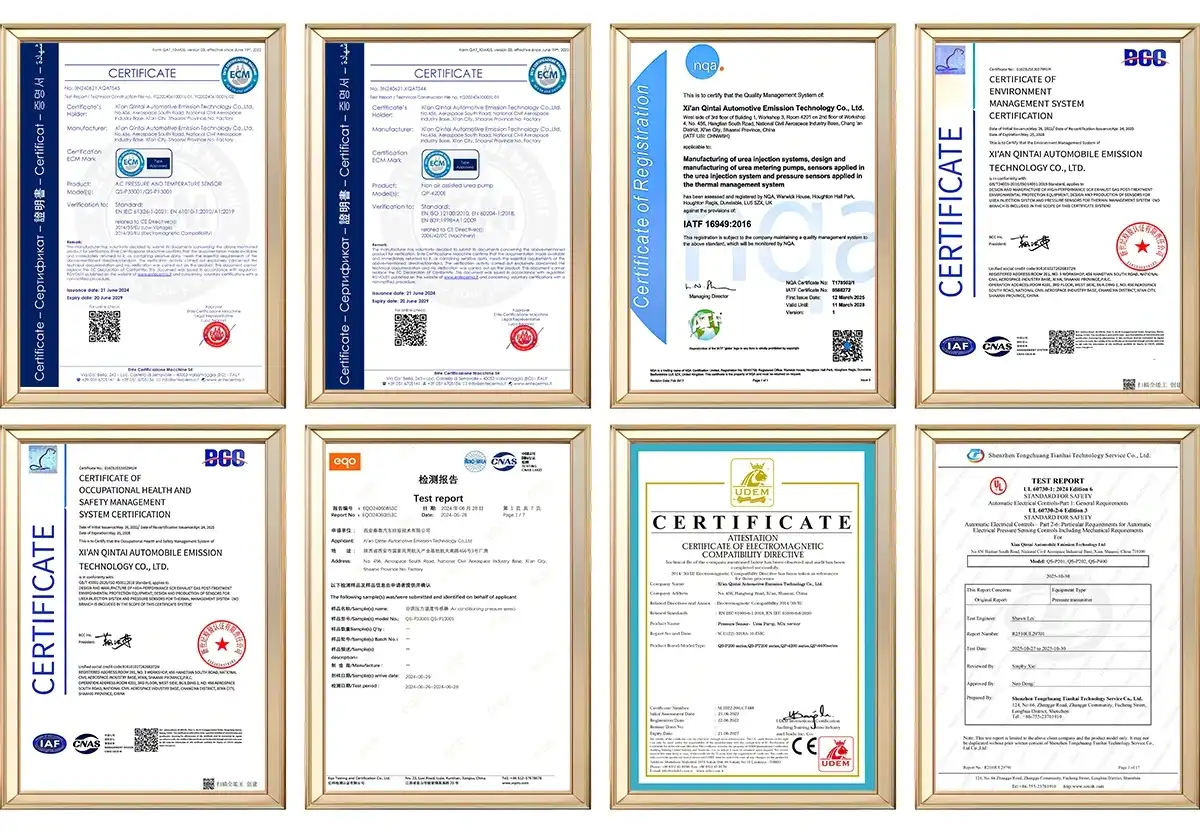
Weichai Power, Yuchai Power, and Quanchai Power all use us as their main OEM provider, so we bring our proven mass production skills and technical know-how to every project. We offer a full range of OEM and ODM services to meet your specific needs, from the initial design phase through full-scale production. Our ISO9001, CMC, UL, and CE certifications show that we are committed to meeting international quality standards. Email our technical team at info@qt-sensor.com to talk about your unique application needs, get full product details, or set up an evaluation of a sample for your emission control projects.
References
1. Johnson, T. V. (2015). Review of Selective Catalytic Reduction (SCR) and Related Technologies for Mobile Applications. SAE International Journal of Engines, 8(3), 1090-1107.
2. Koebel, M., Elsener, M., & Kleemann, M. (2000). Urea-SCR: A Promising Technique to Reduce NOx Emissions from Automotive Diesel Engines. Catalysis Today, 59(3-4), 335-345.
3. Majewski, W. A., & Khair, M. K. (2006). Diesel Emissions and Their Control. SAE International, Warrendale, Pennsylvania.
4. Nova, I., & Tronconi, E. (2014). Urea-SCR Technology for deNOx After Treatment of Diesel Exhausts. Springer Science & Business Media, New York.
5. Xu, L., McCabe, R. W., & Tennison, P. (2011). Laboratory and Vehicle Demonstration of "2nd-Generation" Diesel Emissions Control System. SAE Technical Paper 2011-01-0295.
6. Zhang, R., Kang, M., & Peng, Y. (2018). Advanced Urea Injection Systems for Heavy-Duty Diesel Engine SCR Aftertreatment. International Journal of Automotive Technology, 19(5), 879-891.
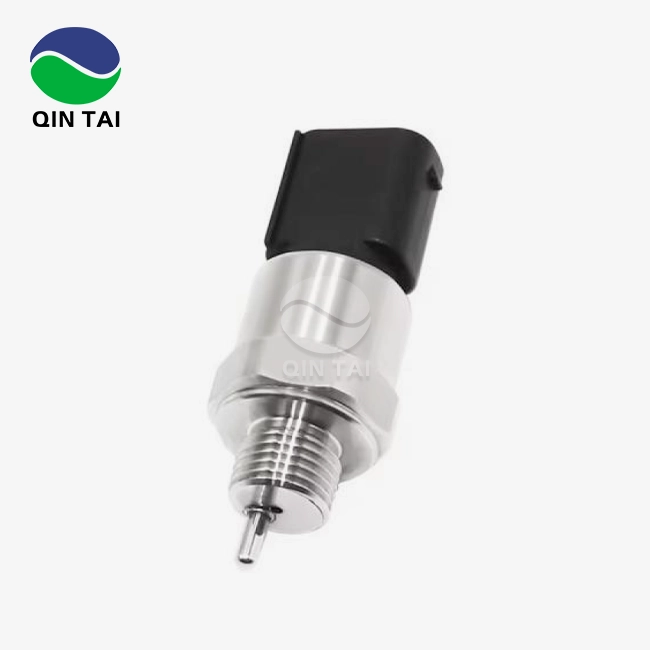
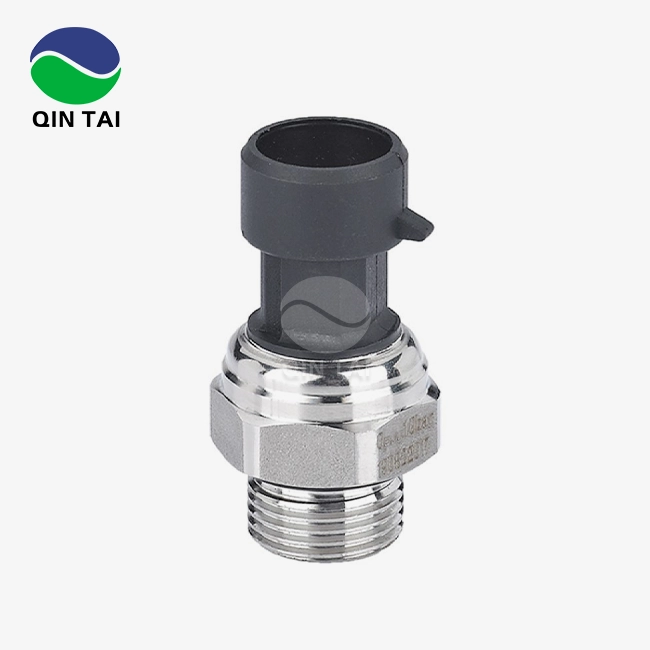

Our customers’ satisfaction speaks for our quality — contact us to experience the same reliable service.