- English
- French
- German
- Portuguese
- Spanish
- Russian
- Japanese
- Korean
- Arabic
- Greek
- German
- Turkish
- Italian
- Danish
- Romanian
- Indonesian
- Czech
- Afrikaans
- Swedish
- Polish
- Basque
- Catalan
- Esperanto
- Hindi
- Lao
- Albanian
- Amharic
- Armenian
- Azerbaijani
- Belarusian
- Bengali
- Bosnian
- Bulgarian
- Cebuano
- Chichewa
- Corsican
- Croatian
- Dutch
- Estonian
- Filipino
- Finnish
- Frisian
- Galician
- Georgian
- Gujarati
- Haitian
- Hausa
- Hawaiian
- Hebrew
- Hmong
- Hungarian
- Icelandic
- Igbo
- Javanese
- Kannada
- Kazakh
- Khmer
- Kurdish
- Kyrgyz
- Latin
- Latvian
- Lithuanian
- Luxembou..
- Macedonian
- Malagasy
- Malay
- Malayalam
- Maltese
- Maori
- Marathi
- Mongolian
- Burmese
- Nepali
- Norwegian
- Pashto
- Persian
- Punjabi
- Serbian
- Sesotho
- Sinhala
- Slovak
- Slovenian
- Somali
- Samoan
- Scots Gaelic
- Shona
- Sindhi
- Sundanese
- Swahili
- Tajik
- Tamil
- Telugu
- Thai
- Ukrainian
- Urdu
- Uzbek
- Vietnamese
- Welsh
- Xhosa
- Yiddish
- Yoruba
- Zulu
Why Are Thin Film Pressure Transducers Used in Industry?
Thin Film Pressure Transducers are now essential in many industrial settings because they offer high accuracy, long-lasting durability, and stable performance all in a small package. Sputtered thin-film technology, on the other hand, gives accurate readings even when temperatures change a lot, there is vibration, or the material is corrosive. These transducers are used in many fields, from making diesel engines to aircraft, to make sure they follow the rules, improve system performance, and cut down on costly downtime by tracking pressure reliably.
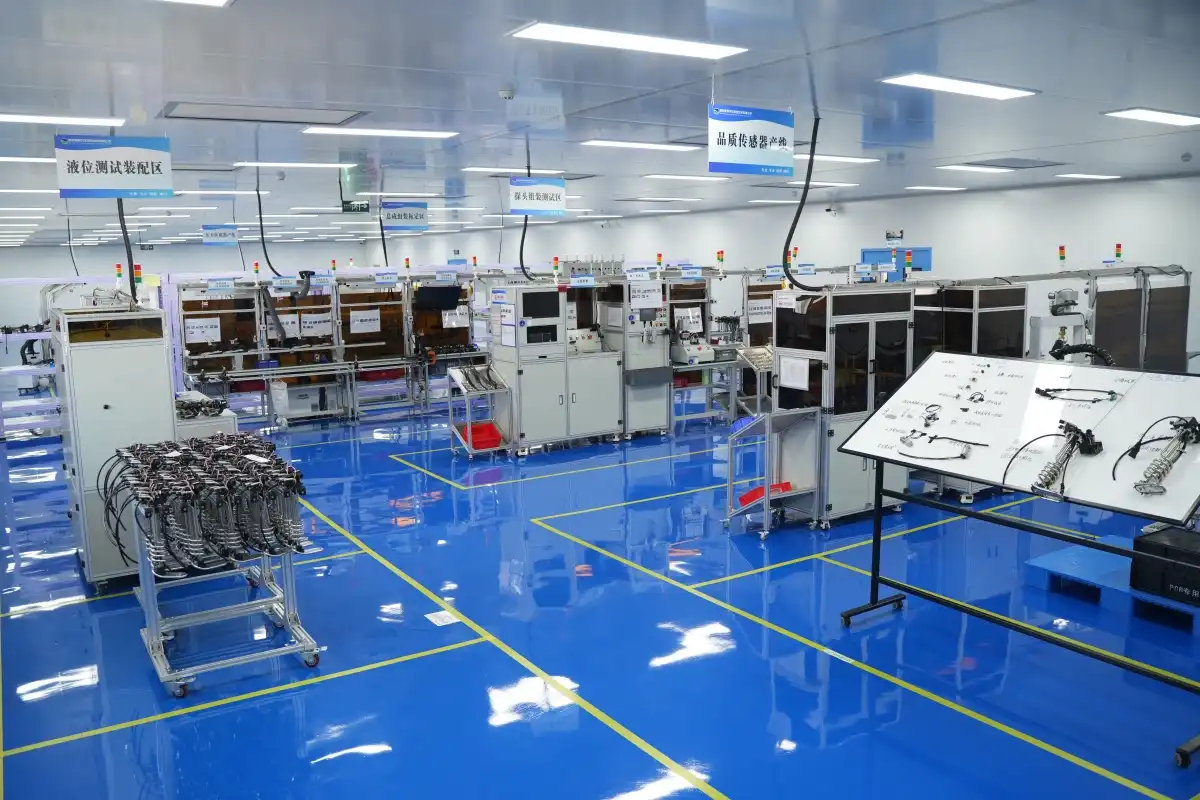
Understanding Thin Film Pressure Transducers: Working Principle and Benefits
How Sputtered Thin-Film Technology Works
Thin Film Pressure Transducers work by using a carefully controlled sputtering method to add very thin layers of metal to a diaphragm base. The diaphragm slightly deforms when pressure is put on it, which changes the electrical resistance in the thin film layer. This change in resistance is directly turned into an electrical output that is equal to the pressure that is being applied. Because the film thickness can be precisely controlled (often by just a few micrometers), these sensors can pick up on very small changes in pressure with great accuracy.
Core Performance Benefits
The thin-film construction has a number of measurable benefits that have a direct effect on how industries work. High sensitivity lets it pick up changes in pressure as little as 0.1% of full scale, which is very important in situations like SCR aftertreatment systems where precise dosing control is needed to meet emission standards. These sensors are great for battery-powered devices and setups that want to save energy because they use very little power, usually less than 10mW. Dynamic systems like diesel fuel injection and hydraulic devices can be monitored and controlled in real time thanks to their fast response times, which are often less than 1 millisecond.
Stability Across Operating Conditions
It is amazing that sputtered thin film pressure transducers stay accurate from -40°C to +150°C, and some special designs can even reach +200°C. Because the thin film and base material have the same thermal expansion coefficient, they can handle heat well. The temperature range for ambient use is -40°C to +125°C, and the temperature range for preservation is -50°C to +150°C. Because these sensors can work in a wide range of climates, they can be used in farming equipment that needs to work in freezing temperatures, building equipment that needs to work in desert climates, and generator sets that need to work in tropical climates.
Advantages Over Alternative Pressure Sensor Technologies
Comparative Performance Analysis
When R&D engineers and buying managers look at different pressure sensing options, it's important to know which ones have the most benefits. Sputtered Thin Film Pressure Transducers always work better than other technologies in a number of important ways.
Even though thick film sensors are cheap, they are less accurate and their temperature changes more quickly. Their way of making things doesn't have the precise control that sputtering does. This means that there are differences in repeatability that can make quality control harder in mass production. Ceramic sensors are good at resisting media, but they are not very sensitive and respond slowly. This means they are not good for tracking fast changes in pressure, like in common rail fuel systems.
Capacitive sensors work well with linearity, but they can still be affected by electromagnetic interference. This is a big problem in places with a lot of electrical noise, like generator sets and heavy truck cabs. While piezoresistive sensors work well enough, they usually can't compete with the long-term steadiness that thin-film technology offers thanks to its single-piece design and low drift.
Real-World Performance Evidence
Tests done by outside groups in the car and industrial sectors show that sputtered Thin Film Pressure Transducers stay accurate within ±0.25% of full scale for 10 million pressure cycles. This means that it will last longer between calibrations and cost less to maintain. Pressure sensors in diesel engines keep an eye on the fuel rails, oil circuits, and exhaust systems all at the same time. Because they can handle strong movements and temperature changes without losing accuracy, thin-film technology is the choice of many major OEMs.
The market for precise pressure measurement keeps growing. Industry predictions show that it will keep growing because of stricter emission rules and a need for repair tools that can predict what will go wrong. When manufacturers choose thin-film transducers, their products are more reliable and there are fewer warranty claims.

Applications of Thin Film Pressure Transducers Across Industries
Industrial Machinery and Process Control
Sputtered Thin Film Pressure Transducers are very important in industrial automation because they make sure that the process stays consistent and that the equipment is safe. These sensors allow predicted maintenance in hydraulic systems that power building equipment by detecting slow drops in pressure that show seal wear or fluid contamination. In automated assembly lines, pneumatic control systems need to be able to respond quickly to keep the time of actions accurate. Because thin-film sensors are so stable, they cut down on false alarms and unplanned shutdowns, which directly improves the overall effectiveness of the equipment.
Diesel Engine and Aftertreatment Systems
One of the most difficult places to use pressure sensor technology is in the gas engine business. To meet the emission standards for China VI and Euro VI, selective catalytic reduction systems, diesel particulate filters, and exhaust gas recirculation must be carefully managed. Thin-film pressure sensors check the difference in pressure between DPF units to make sure that regeneration processes happen at the right times. This keeps the filters from getting damaged and saves fuel. In fuel systems that use common rail, these sensors keep the injection pressure accurate within very small ranges. This makes sure that the fuel burns completely and fumes are kept low.
Working with core suppliers of Weichai Power, Yuchai Power, and Quanchai Power has shown us that sputtered thin-film pressure sensors provide the stability needed for quality control in mass production. Because the sensors can output analogue signals like 4-20 mA current loops or 0-10 V signals, as well as digital protocols like CAN, CANopen, and J1939, they can be easily integrated with existing engine control units without having to completely redesign the system.
Automotive and Off-Highway Vehicle Applications
Thin-film sensors are used by automotive experts to check the fuel pressure, make sure the brake system is safe, show the oil pressure and control the gearbox. The small size makes it possible to fit into engine compartments with limited space, and the IP67 or higher rating for protection means it will work reliably even when it's exposed to water, salt, and temperature changes. Off-road vehicles used in mining, forestry, and farming are especially helped by the sensors' ability to withstand constant shaking and shock loads, which would quickly damage other sensing technologies.
Aerospace, Marine, and Power Generation
When it comes to aerospace applications, where sensor failure could threaten mission success or safety, only the most reliable parts will do. Sputtered Thin Film Pressure Transducers have passed stringent qualification tests and shown they work well in hydraulic motion systems, fuel management, and environmental control systems. Marine installations put sensors in saltwater environments that are very corrosive. The strong construction and corrosion-resistant materials used in thin-film designs make them last a long time.
Generator set makers who work with mines, power plants, and backup power systems need their products to be very reliable and last a long time. Monitoring coolant pressure, lubrication systems, and fuel delivery with thin-film transducers makes standby power systems last long enough to run continuously with little maintenance. This is important for businesses that depend on them.
How to Choose and Procure the Best Thin Film Pressure Transducer for Your Needs
Critical Specification Considerations
When choosing Thin Film Pressure Transducers, technical workers and people who work in the supply chain need to look at a number of important factors. The pressure range you choose should match the needs of the application while leaving enough room for error. Usually, choosing a sensor with 150% of the maximum expected pressure stops it from failing too soon while keeping its accuracy. Pay close attention to the accuracy specs because the percentage given may be for the full scale or the reading, which can have a big effect on the measurement error at lower pressures.
When pressure changes quickly in dynamic situations, response time is very important. For example, SCR system integrators need a response time of less than 10ms to accurately control urea dosing during sudden engine operation. Output signal compatibility should be thought about early on in the buying process because it costs more to integrate connections that don't work with each other. Long cable runs with analogue 4-20 mA current loops don't pick up noise, and digital protocols like CAN give you more diagnostic data to help with planned maintenance.
Environmental factors like operating temperature range, media compatibility, vibration resistance, and ingress protection ratings need to match the conditions of the installation. Not defining enough environmental protection leads to early fails, and defining too much of it raises costs for no reason.
Procurement Strategy and Supplier Evaluation
Purchasing managers who have to balance keeping costs low and making sure quality is high should know what their competitors are doing. Global companies such as Honeywell, TE Connectivity, Bosch, and Sensata offer tried-and-true solutions. However, diesel engine-specific providers often offer better technical support and the ability to make changes that meet legal needs.
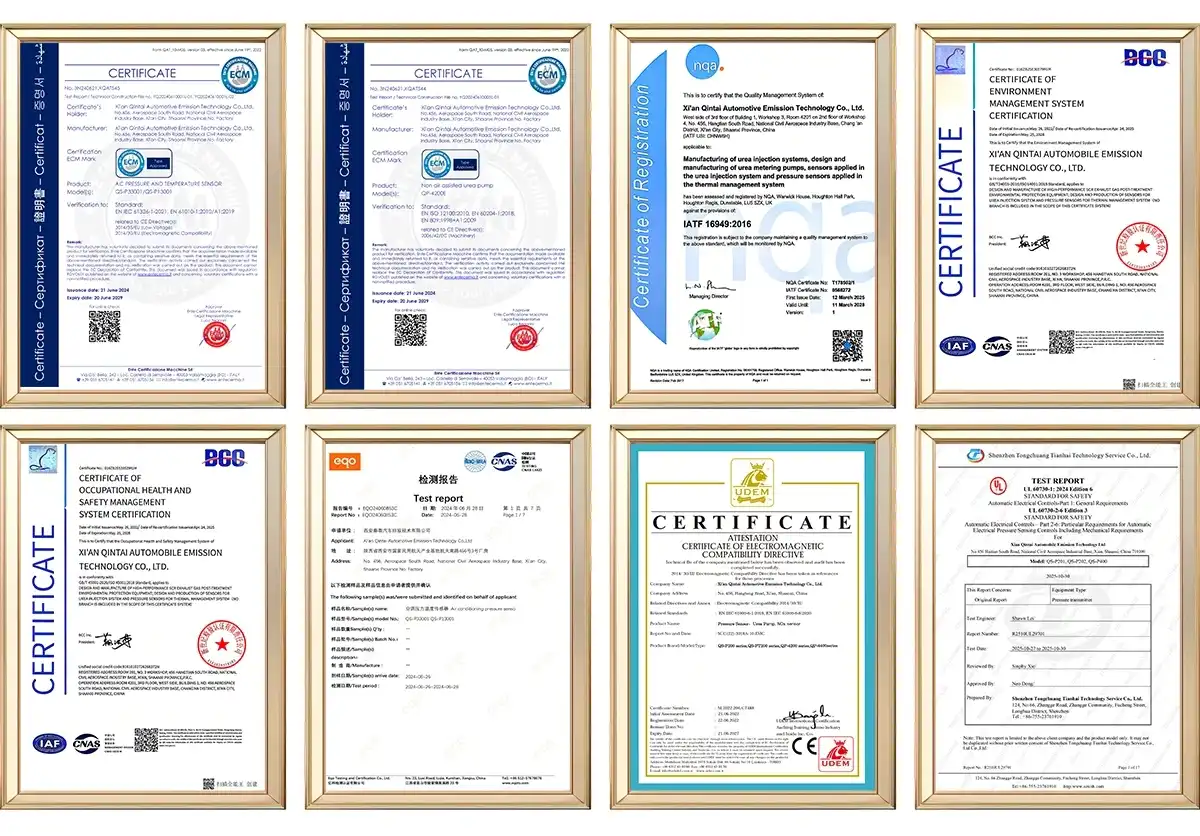
When looking at possible suppliers, it's important to check their certifications. For example, ISO9001 is for quality management, IATF16949 is for automotive uses, and any explosion-proof certifications are needed for installations in dangerous areas. Patent portfolios show how innovative a company is, while production capacity shows how well it can go from a prototype to mass production without any supply problems.
Lead time is especially important for aftertreatment system operators who need to get parts quickly to meet tight project deadlines. Keeping a smart stockpile of common standards with sellers makes them available quickly, and building direct relationships with makers lets you get interfaces and parameters that are specifically designed for your application. Framework agreements that combine minimum order amounts with the ability to adapt to changes in demand help keep working capital under control while ensuring supply stays steady.
Total ownership should be taken into account when figuring out costs, not just unit price. Long-term, higher-quality thin-film sensors with longer tuning intervals and lower failure rates are more valuable than cheaper ones that need to be replaced more often. By asking for sample testing, performance claims can be checked before large purchases are made, which lowers the risk of the procurement process.
Installation, Calibration, and Common Issues to Avoid
Installation Best Practices
The accuracy of measurements and the life of sensors are directly affected by how well they are installed. In some designs, the way the mount is positioned affects how well it works. This is especially true when tracking liquid pressures, since air bubbles that get stuck can lead to wrong readings. Following the manufacturer's recommendations for torque values keeps the detecting element from being put under mechanical stress that could cause zero-point shift or damage that can't be fixed. Leaks can be stopped by using thread seals that are compatible with the system media. This keeps the pressure port clean.
When making electrical connections, it's important to use shielding and grounding methods that keep electromagnetic interference to a minimum. Noise pickup is lower when sensor wires are routed away from power lines with high current and changing frequency drives. When putting several sensors close to each other, keeping them apart stops crosstalk between them.
Calibration Procedures and Maintenance
Even Thin Film Pressure Transducers that are very stable should be calibrated and checked every so often to make sure they stay accurate. Setting calibration intervals based on how important the measurements are, the operating conditions, and government rules helps keep operational costs low while still providing accurate measurements. Automated calibration systems that check sensor output against traceable reference standards speed up the process and keep records for quality checks.
Knowing the types of drift helps you figure out when you need to recalibrate. When used normally, sputtered thin-film sensors usually have drift rates below 0.1% per year, which means they can be used for longer periods of time than other technologies. Sensors that are subject to changing temperatures, too much pressure, or media that eats away at metals may need to be checked more often.
Troubleshooting Common Operational Challenges
Signal drift that happens slowly over time is usually a sign that the sensing element is dirty or that the covering parts are breaking down. Cleaning with suitable chemicals can bring back the performance, but continuous drift means that the part needs to be replaced. Usually, sudden changes in output mean there is an electrical problem, like a broken wire, a link that isn't tight enough, or water getting into the terminal sections.
Temperature-related mistakes show up as numbers that change based on the environment, even though the process pressure stays the same. Misdiagnosis can be avoided by making sure that the installation site meets the temperature requirements. Electromagnetic interference shows up as random, high-frequency noise on top of the pressure data. It can be fixed by covering the sensor better or moving it away from sources of interference.
Conclusion
Due to their superiority in terms of accuracy, stability, and environmental resistance, sputtered Thin Film Pressure Transducers have become the industry standard. The technology has measurable benefits, such as lower maintenance costs, longer calibration intervals, and reliable performance in situations where other sensor designs would fail.
As rules on emissions get stricter and the need for industrial automation grows, thin-film sensing technology's accuracy and consistency become more valuable. With smart supplier relationships and careful specification that takes into account application needs, procurement teams can use pressure measurement solutions that improve operational efficiency while keeping total ownership costs low throughout the lifecycle of the product.
FAQ
How do Thin Film Pressure Transducers maintain accuracy over extended periods?
By using sputtering, the detecting element and substrate are joined together as a single piece. This prevents the degradation of the contact that leads to drift in bonded strain gauge designs. Because thin metallic films are elastic, they return exactly to their original state after each pressure cycle. This means that there is little hysteresis and great repeatability.
Can thin-film pressure sensors be customized for specialized industrial applications?
Manufacturers that offer OEM and ODM services give customers a lot of ways to customise their products to meet their needs. The electrical output signals can be set to 0-5V, 4-20 mA analogue, or digital standards like CANopen, J1939, I²C, and SPI to work with existing control systems. Pressure ports can accept a number of different thread types and connection types. During product creation, you can choose your own temperature ranges, levels of accuracy, and reaction times.
Which industries gain the greatest advantages from adopting Thin Film Pressure Transducers?
Manufacturers of heavy trucks gain a lot from making sure their trucks meet pollution standards and last for a long time under tough conditions. Construction and farming equipment benefit from being able to handle a wide range of temperatures and vibrations. In generator set applications, long-term stability is used to keep the generator running with little maintenance. Aftertreatment system integrators like it when digital methods work with it and when they can get expert help quickly.
Partner with Qintai for Advanced Thin Film Pressure Sensing Solutions
To get the most out of a diesel engine and meet strict emission standards, you need reliable pressure measurement technology. Xi'an Qintai Automotive Emission Technology makes high-precision sputtered Thin Film Pressure Transducers that are used in SCR aftertreatment systems, engine control, and other industry settings. We are committed to quality, as shown by our ISO9001, IATF16949, and other foreign certifications. This is why we are the main supplier to China's top diesel engine makers.
Because we've been in business since 2001 and have a lot of knowledge, we know the technical problems that OEMs and aftertreatment system installers face. Our independent research and development team has gotten 58 idea patents and is always working to make sensors work better, be more stable, and work with more devices. Qintai sells Thin Film Pressure Transducers that are both technically excellent and affordable. They can be ordered in stock configurations that have been shown to be reliable, or they can be customised to meet the specific needs of your system.
We help global partnerships grow by offering full OEM and ODM services that include designing products, making prototypes, getting them certified, and mass production. Get in touch with our scientific team at info@qt-sensor.com to talk about your pressure sensing needs and find out how Qintai's knowledge can help your goods work better and be more reliable.
References
1. Webster, J.G., The Measurement, Instrumentation and Sensors Handbook, CRC Press, 2014.
2. Bao, M., Analysis and Design Principles of MEMS Devices, Elsevier Science, 2005.
3. Fraden, J., Handbook of Modern Sensors: Physics, Designs, and Applications, Springer, 2016.
4. Pallas-Areny, R. and Webster, J.G., Sensors and Signal Conditioning, Wiley-Interscience, 2001.
5. Wilson, J.S., Sensor Technology Handbook, Newnes, 2005.
6. Soloman, S., Sensors Handbook: Advanced Sensors and Applications, McGraw-Hill Education, 2010.
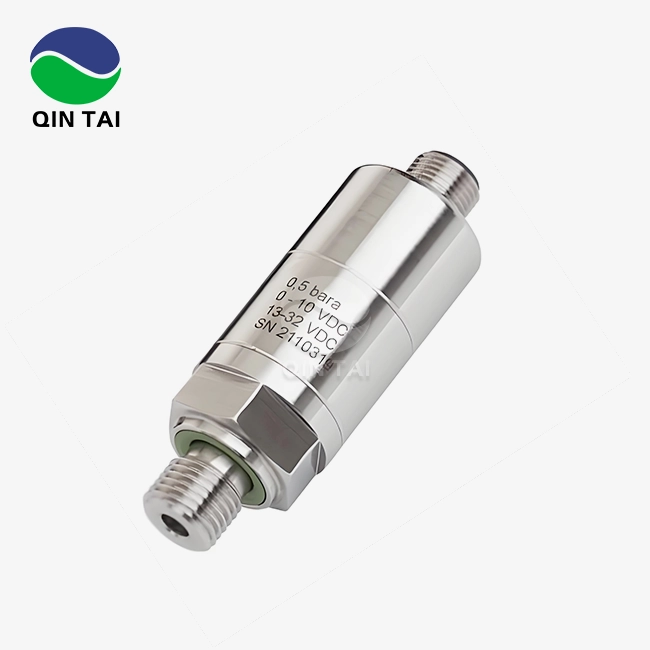
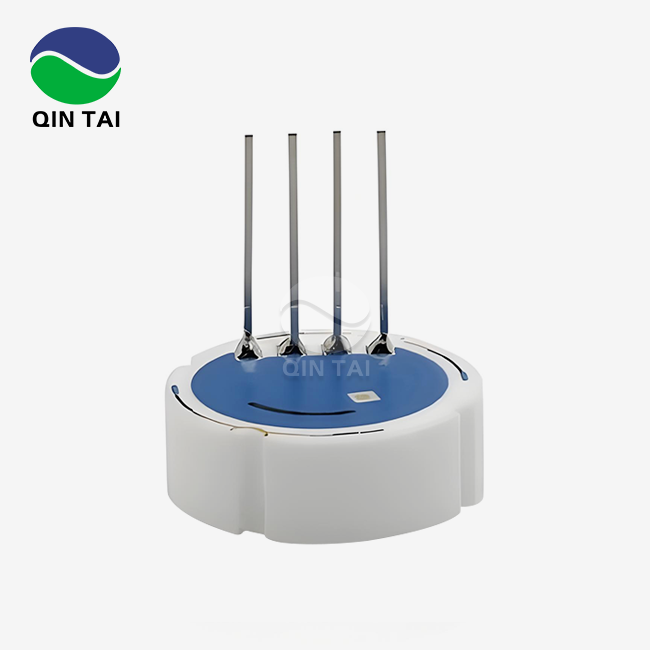
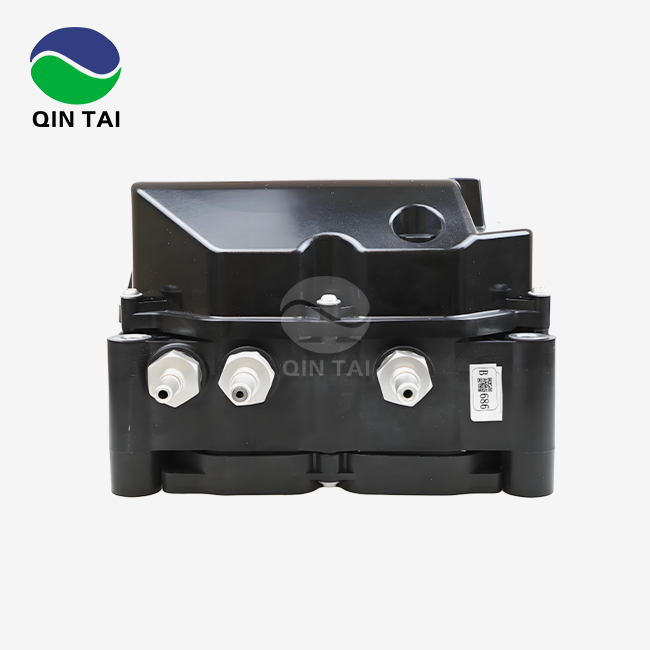
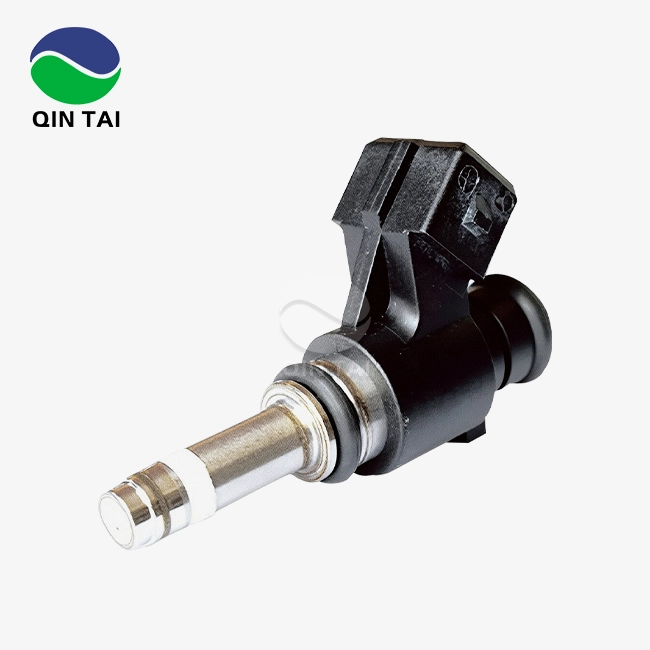

Our customers’ satisfaction speaks for our quality — contact us to experience the same reliable service.