- English
- French
- German
- Portuguese
- Spanish
- Russian
- Japanese
- Korean
- Arabic
- Greek
- German
- Turkish
- Italian
- Danish
- Romanian
- Indonesian
- Czech
- Afrikaans
- Swedish
- Polish
- Basque
- Catalan
- Esperanto
- Hindi
- Lao
- Albanian
- Amharic
- Armenian
- Azerbaijani
- Belarusian
- Bengali
- Bosnian
- Bulgarian
- Cebuano
- Chichewa
- Corsican
- Croatian
- Dutch
- Estonian
- Filipino
- Finnish
- Frisian
- Galician
- Georgian
- Gujarati
- Haitian
- Hausa
- Hawaiian
- Hebrew
- Hmong
- Hungarian
- Icelandic
- Igbo
- Javanese
- Kannada
- Kazakh
- Khmer
- Kurdish
- Kyrgyz
- Latin
- Latvian
- Lithuanian
- Luxembou..
- Macedonian
- Malagasy
- Malay
- Malayalam
- Maltese
- Maori
- Marathi
- Mongolian
- Burmese
- Nepali
- Norwegian
- Pashto
- Persian
- Punjabi
- Serbian
- Sesotho
- Sinhala
- Slovak
- Slovenian
- Somali
- Samoan
- Scots Gaelic
- Shona
- Sindhi
- Sundanese
- Swahili
- Tajik
- Tamil
- Telugu
- Thai
- Ukrainian
- Urdu
- Uzbek
- Vietnamese
- Welsh
- Xhosa
- Yiddish
- Yoruba
- Zulu
How Dual Pressure Temperature Sensors Improve HVAC Efficiency
To get the most out of complicated HVAC systems, you need to keep a close eye on a lot of different factors at the same time. Dual pressure temperature sensors, which measure both pressure and temperature in a small device, change the way HVAC systems are controlled by giving better decisions based on correct data that is in sync. These high-tech Pressure and Temperature transmitters get rid of the measurement correlation mistakes that come with having different sensors in different places. They give you real-time information that helps you improve energy efficiency, lower running costs, and optimize refrigerant flow. Dual sensors simplify installation, reduce wiring complexity, and support predictive maintenance strategies that keep expensive downtime from happening in industrial and commercial HVAC applications. They do this by combining piezoresistive pressure sensing with NTC thermistor temperature detection in a single, strong package.
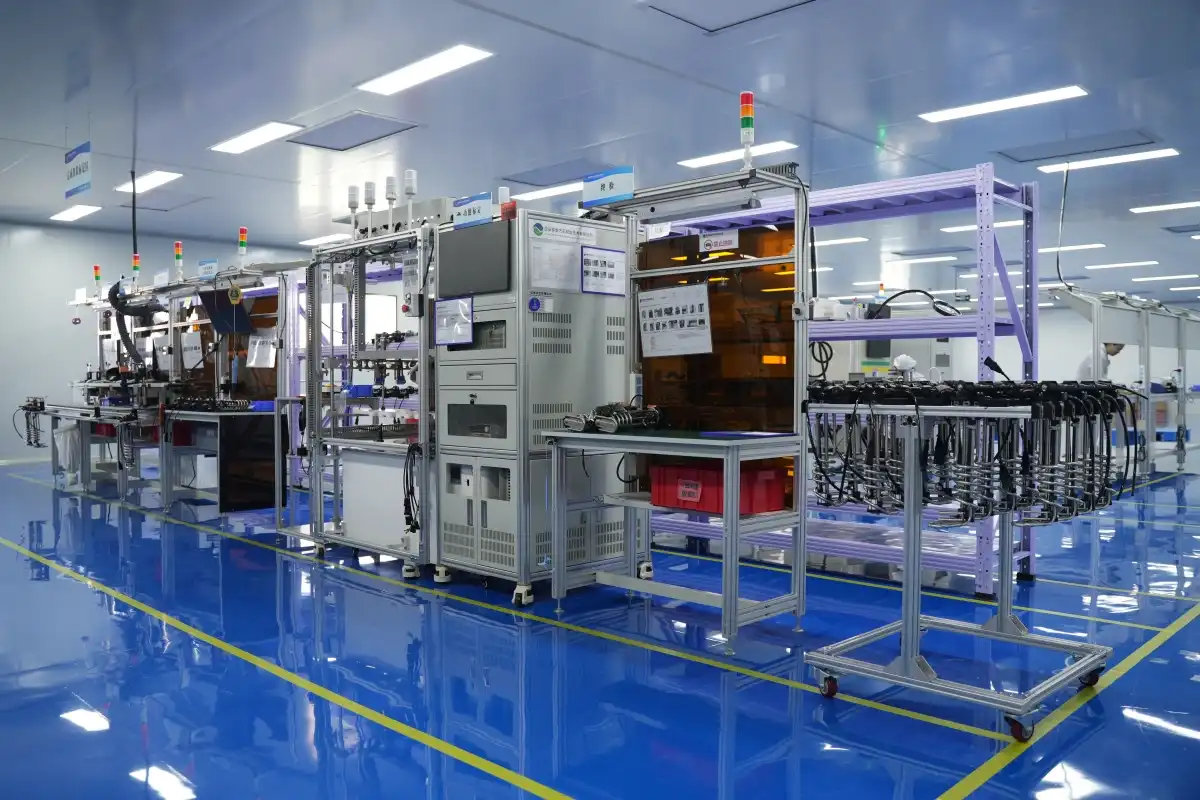
Understanding Dual Pressure Temperature Sensors in HVAC Systems
To keep systems running efficiently and for a long time, modern HVAC systems need to be constantly and reliably inspected. In traditional setups, pressure and temperature are measured by different devices. This makes installation harder, calibration less reliable, and measurement errors more likely, which lowers the accuracy of the control.
What Makes Dual Sensors Different from Standalone Transmitters?
Dual pressure temperature sensors combine two important readings into one device, which gets rid of the differences in time and space that happen when using two different instruments. By integrating them, pressure and temperature readings always refer to the same spot in the system at the same time. This makes it possible to calculate superheat more accurately and judge the state of the refrigerant more accurately. The small size cuts down on pipe penetrations, which lowers the risk of leaks and makes maintenance plans easier.
Core Sensor Technologies: Piezoresistive, Capacitive, RTD, and Thermistor
Different sensing methods are used by dual sensors based on the needs of the application. Piezoresistive ceramic pressure monitors are very accurate and stable over a wide range of pressures. This makes them perfect for tracking refrigerant in HVAC systems with variable loads. Capacitive pressure elements are great for clean gas or liquid uses because they are stable over time and don't move much.
Resistance temperature detectors (RTDs) are usually used to measure temperature in high-precision lab or pharmacy HVAC settings. NTC thermistors are used for cost-effective, quick monitoring in business and industrial settings. The QS-PT225 type from Qintai has a ceramic piezoresistive pressure sensor and an NTC thermistor. It works steadily from -40°C to 130°C and is accurate to within 1% of the full scale for both parameters.
Synchronized Data Collection for Enhanced HVAC Diagnostics
By measuring both pressure and temperature simultaneously at the same point, HVAC control systems can calculate refrigerant enthalpy, detect subcooling or superheat conditions, and identify faults such as undercharge or expansion valve failure. A Pressure and Temperature transmitter enables this synchronized measurement, providing the correlated data that advanced diagnostic systems need to detect developing problems before they cause system failures.
This early warning capability reduces emergency maintenance and extends equipment life. Real-time correlation between pressure and temperature data gives service teams actionable insights, allowing adjustments that maintain peak system efficiency. For chiller plants and rooftop units operating in critical facilities, installing a Pressure and Temperature transmitter at key refrigerant circuit locations transforms reactive maintenance into predictive strategies, catching drift in component performance before comfort conditions degrade or energy consumption spikes.

Current HVAC Efficiency Challenges and Sensor-Driven Solutions
Industrial buildings, business buildings, and farm equipment all have HVAC systems that have ongoing efficiency problems that have a direct effect on running costs and environmental compliance. When you understand these problems, you can see why dual sensors are so important in current system designs.
Energy Loss from Inaccurate Sensing and Control
When sensor readings are wrong or come late, control systems go too far beyond their setpoints. This causes the compressor to cycle too many times, heat or cool the air more than it needs to, and lose energy. Studies have shown that even small mistakes in measurements (a 2-3% difference) can cause big HVAC systems to use 5–10% more energy. This risk is reduced by dual sensors, which give very accurate readings (±1.0% F.S.) that make control loops tighter and tuning of system parts like variable-speed compressors and electronic expansion valves more efficient.
Unplanned Downtime from Insufficient Monitoring
Regular manual checks or simple benchmark alarms are used for traditional HVAC tracking. This leaves systems open to gradual decline that goes unnoticed until a major failure happens. This reactive method leads to unsafe conditions, expensive emergency repairs, and breaks in output. Dual pressure temperature sensors allow for constant tracking and early fault detection. They can spot problems like slow refrigerant leaks, clogged heat exchangers, or worn-out compressors before they shut down the system. This ability to predict the future makes sure that generator sets can keep running even during times of high demand, which is important for mines, power plants, and backup power systems.
Industrial Case Studies: Measurable Energy Savings
According to data from business installations, manufacturing facilities that added two sensors to their current HVAC systems saw their energy use drop by 12 to 18% within the first year. After swapping separate pressure gauges and thermocouples with dual sensors built into 35 freezer units, a chemical plant in the Midwest of the United States saved more than $47,000 a year. The more accurate measurements led to better cooling processes and the right amount of refrigerant charge. Similarly, a big business building in Texas cut its cooling costs by 15% by adding two monitors to its chiller plant. This made it possible to precisely control subcooling and reduced the amount of power used by the compressor when the building wasn't fully loaded.
Choosing the Right Dual Pressure Temperature Sensors for Your HVAC Application
To make sure long-term dependability and a good return on investment, choosing the right dual sensors takes looking at a number of technical and business factors. Procurement managers and R&D experts have to find a mix between performance standards, certification needs, and the supplier's abilities.
Critical Performance Metrics: Accuracy, Response Time, Environmental Suitability
Accurate pressure and temperature measurement directly affects control performance and energy efficiency. A Pressure and Temperature transmitter should achieve accuracy within ±1.0% of full scale or better for pressure, with minimal drift over the calibration interval (typically 12-24 months). Temperature accuracy requirements vary by application: ±1.0°C suffices for most HVAC systems, while pharmaceutical cleanrooms may demand ±0.1°C accuracy requiring RTD-based sensing elements. Response time matters in dynamic conditions—NTC thermistors react in seconds, while RTDs may require longer settling periods.
When selecting a Pressure and Temperature transmitter, consider operating temperature range (-40°C to 130°C), media compatibility (POE oil, refrigerants, water, glycol solutions), and vibration/shock tolerance for mobile equipment such as construction vehicles and agricultural tractors. A properly specified Pressure and Temperature transmitter will maintain calibration through thousands of thermal cycles, while an underspecified unit will drift, causing nuisance alarms or hidden efficiency losses that compound over years of operation.
Wired vs. Wireless and Analog vs. Digital Communication
When you connect wired analog sensors with a 0.5V to 4.5V DC output, like the QS-PT225, they send reliable, real-time signals that can be used with current building management systems and programmable logic controls without having to convert the protocols. When properly protected, analog signals don't get affected by electromagnetic radiation. This makes them perfect for places with a lot of heavy electrical equipment.
Digital devices that use the HART or Modbus protocols can be set up remotely, do advanced diagnostics, and connect to Industrial Internet of Things (IIoT) platforms. However, they need infrastructure that works with them and skilled expert help. Installing wireless sensors doesn't cost as much as using conduit and wires, but they need to be maintained and there may be signal stability problems in equipment rooms made of metal. Each method has different lifetime cost effects that procurement teams need to weigh against the needs of each application.
Supplier Selection: Certifications, Customization, and Technical Support
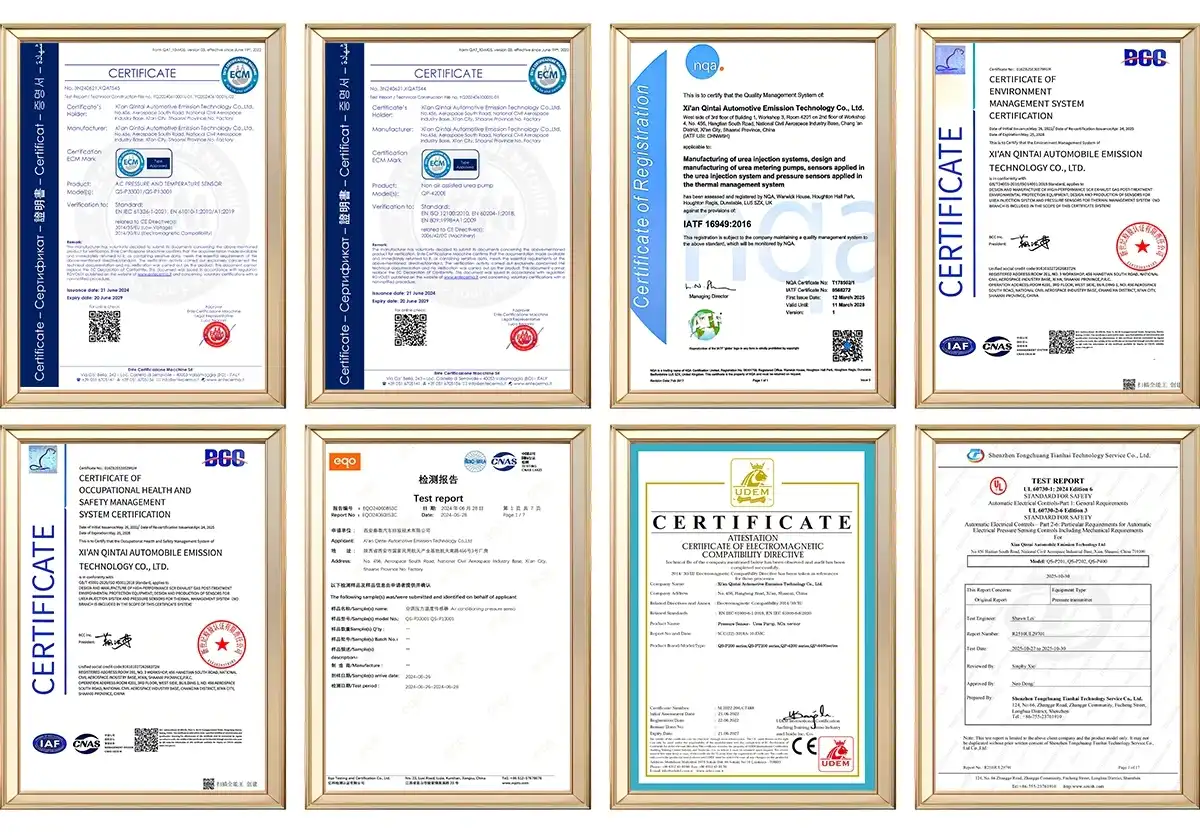
Sensors from reputable suppliers are approved to meet international standards, such as ISO 9001 and IATF 16949 for quality control in the car industry, ATEX or UL approval for use in hazardous areas, and CE marking for sales in Europe. Qintai was founded in 2001 as a national high-tech company. It has these certifications, along with REACH and RoHS compliance, to make sure its goods meet strict regulatory standards for HVAC and diesel engine aftertreatment. Standard pressure levels (0-5Bar, 0-10Bar, 0-20Bar, 0-40Bar) or process links (G1/4, M12x1.5, M10x1) don't always meet system needs.
This is when customization becomes necessary. Leading suppliers offer engineering support to make sensors work with unusual mounting situations or harsh operating conditions. They also offer strong after-sales support that keeps systems running as smoothly as possible during warranty claims and troubleshooting. Qintai is the top original equipment manufacturer (OEM) seller in China, and its main users are Weichai Power, Yuchai Power, and Quanchai Power. This shows that it has the mass production capacity and dependability that are needed for big procurement projects.

Installation and Calibration Best Practices for Optimal Sensor Performance
If sensors aren't set or adjusted correctly, even the best ones won't give you the best results. Following proven best practices increases the life of an instrument and makes sure that measurements are accurate.
Strategic Sensor Placement to Avoid Common Installation Errors
Put two sensors in places that show how the system really works. Stay away from dead ends, areas with rough flow right after bends or valves, and places where liquids tend to slug. When sensors are mounted upright in liquid lines, air pockets don't form, which changes the results of the pressure. Putting sensors away from heat sources like motors or steam pipes keeps them from messing up temperature readings. To stop leaks and protect sensor housings from damage, process connections must be tightened to the torque values recommended by the maker (10–20 N·m for QS-PT225). To keep wetness out and prevent breakdowns caused by vibration in mobile equipment, electrical connections need to be properly sealed and have strain relief.
Calibration Routines for Continuous Precision
Before the sensor is put into service, it is first calibrated to make sure it is accurate. This sets an average performance against NIST-traceable reference standards. Calibration on a regular basis—usually once a year for HVAC uses and more often for important process control—finds drift and keeps measurements accurate. When compared to taking sensors out for laboratory calibration, in-situ calibration using movable test tools cuts down on system downtime. Document calibration leads to compliance with quality management systems, especially when ISO 9001 or GMP compliance is needed for pharmaceutical uses. Building management systems with automated calibration notes make sure that intervals aren't missed, which would compromise the trustworthiness of the data.
Maintaining System Integration and Minimizing Downtime
The dual sensors must work perfectly with the control software and tools that are already in place. Check that the voltage source (4.75–5.25V DC for QS-PT225), maximum current draw (15mA), and output signal scaling (0.5–4.5V equal to 0–100% measured range) are all compatible with each other. Set up warning levels and safety interlocks correctly to stop false trips and make sure that real problems are dealt with quickly. Set up an inventory of spare parts for mission-critical apps where sensor failure would mean big costs in production. Qintai has a large distribution network that covers more than 60 countries. This makes sure that replacement parts are always available, meeting the long-term dependability needs of generator set makers and aftertreatment system installers.
Benefits of Using Dual Pressure Temperature Sensors in HVAC Systems
When industrial and business sites use dual sensors, they get real operational and financial benefits that make the investment worthwhile and shorten the time it takes to get their money back.
Reduced Energy Consumption and Operational Costs
Accurate measurements allow for improved control methods that greatly reduce the amount of energy used. Variable-speed fans change speeds based on accurate estimates of superheat. They work at the smallest capacity needed to meet cooling demand instead of turning on and off inefficiently many times. Electronic expansion valves change the flow of refrigerant in real time, which keeps the evaporator working at its best even when the load changes. By improving water temperature control and lowering parasitic fan power draw, a heavy truck engine cooling system with two sensors saved 8% on fuel. Over time, these gains in efficiency add up to big cost cuts that make a business more competitive and profitable.
Improved control accuracy directly leads to lower energy costs and less damage to the environment. Implementing two sensors at the same time has been shown to save energy in buildings that are trying to get LEED approval or meet business sustainability goals. When compared to mounting different instruments, the compact design cuts down on installation labor costs. Simplified wiring cuts down on material costs and speeds up testing plans.
Enhanced System Reliability Through Early Fault Detection
Continuous tracking of two parameters shows problems as they appear before they become fails. As the refrigerant is slowly lost, the pressure drops and the superheat rises. These patterns can be easily seen by comparing them to past trends. When condenser coils are fouled, the discharge pressure rises without the temperature rising, which means they need to be serviced. When a compressor valve wears out, the pressure changes and the temperature patterns don't match up. If these problems are found early, they can be fixed during planned breaks instead of having to be fixed during work shifts. When aftertreatment system installers use dual sensors, guarantee claims go down by 30% because the system can diagnose problems better and find the root cause faster.
Integration with Building Management Systems and IoT Platforms
Modern Pressure and Temperature transmitter devices feature communication protocols compatible with BACnet, Modbus, and proprietary building automation systems, enabling centralized monitoring across multiple facilities. Cloud-connected IoT platforms aggregate Pressure and Temperature transmitter data for advanced analytics, with machine learning algorithms identifying efficiency improvement opportunities, benchmarking performance across sites, and generating automated maintenance work orders. Digital integration allows remote troubleshooting of Pressure and Temperature transmitter installations, reducing truck rolls and accelerating issue resolution.
When construction equipment manufacturers install Pressure and Temperature transmitter units in hydraulic systems, they gain visibility into fleet-wide usage patterns and maintenance needs, improving customer satisfaction through proactive service delivery. The data from each Pressure and Temperature transmitter becomes more valuable when correlated across time and equipment populations, revealing failure precursors that individual readings would never expose—turning a simple sensor into a predictive maintenance intelligence node.
Spotlight on the QS-PT225: A Proven Solution for Demanding Applications
It's easy to decide what to buy when the technical specs match the real-world standards for longevity. The QS-PT225 from Qintai is a good example of this type of balance because it combines accurate measurements with a tough design that makes it suitable for use in hard industrial settings.
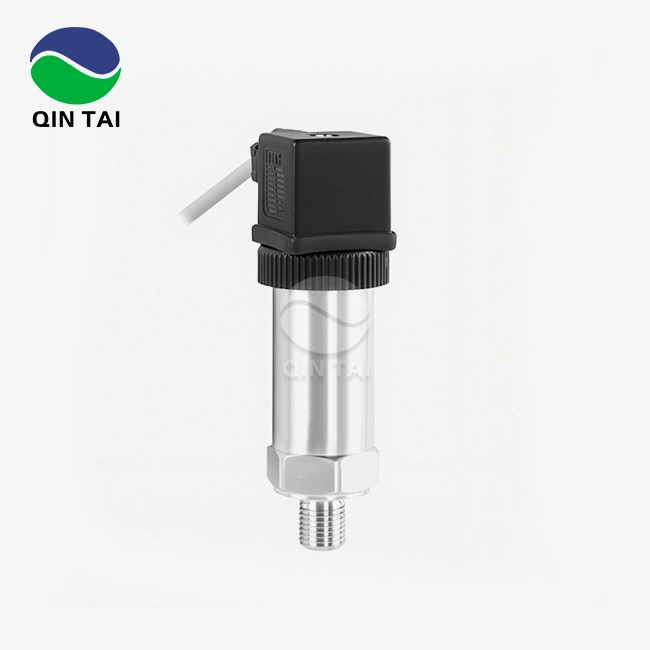
The ceramic piezoresistive pressure sensor on the device is accurate to within ±1% of full scale across a range that can be customized from 0-5Bar to 0-40Bar. The NTC thermistor built in also measures temperatures accurately (to within ±1% F.S.) across a range of -40°C to 130°C. This ability to work in a wide range of temperatures means that it can be used for both arctic farming equipment and high-temperature generator set tasks in desert environments.
Robust Construction for Long Service Life
Because it is made of 304 stainless steel, it can handle refrigerants, engine oil, POE oil, water, and gas media that are popular in HVAC, hydraulic, and combustion systems. The PPE+PAGF30 electrical link doesn't crack when it's subjected to vibrations and changes in temperature, so the electrical bonds will stay strong for the life of the sensor. Overvoltage protection up to 32V DC and reverse polarity protection stop damage from mistakes in installation or sudden changes in electricity. This lowers the number of failures in the field and the cost of warranties.
The small, integrated design saves room in tight equipment installations. This is especially important for mobile machines like trucks and building equipment, where every cubic centimeter is important. Single-point mounting makes installation easier than using different instruments, which need more threaded connections and could have leak spots.
Customization Capabilities for Specialized Requirements
Standard process connections include G1/4, M12x1.5, and M10x1 threads. Custom connections can be made to fit the system's infrastructure without the need for adapters. You can change the pressure levels to fit different uses, which makes the measurements more accurate and with better clarity for those uses. Qintai has a lot of experience customizing products for a wide range of OEM customers, from China's top diesel engine makers to foreign aftertreatment system developers. This means that sensors can adapt to different mounting limits, electrical interfaces, and weather challenges.
This adaptability is very important when adding sensors to old machines or making new systems that need to be able to measure things in specific ways. Managers of procurement like it when sellers meet technical needs without making concessions that hurt system performance or require expensive design changes.
Conclusion
Pressure and Temperature transmitter devices were once specialized instruments, but they have now become essential components for efficient HVAC system design and operation. By accurately measuring both factors in a single, small device, these sensors make installation easier, improve the accuracy of control, and allow for predictive maintenance strategies that lower running costs and energy use.
With a measurement precision of ±1.0% and a construction made of 304 stainless steel that can handle temperatures from -40°C to 130°C, the QS-PT225 is the perfect example of the technical sophistication and tough dependability needed for difficult industrial applications. When procurement managers and R&D engineers look at sensor solutions, they should give more weight to suppliers that have full certifications, the ability to customize, and a history of mass production. These are the qualities that guarantee long-term reliability and supply chain stability, which are essential for business success.
FAQ
What distinguishes pressure and temperature transmitters from basic sensors?
Signal conditioning electronics in transmitters take raw sensor outputs and turn them into standard signals that control systems and building automation equipment can use. These signals are usually 4-20mA current loops or 0-5V voltage. Basic sensors give you only the electrical properties (like changing resistance and voltage) and need extra link hardware to work with other devices. Dual devices, like the QS-PT225, have both sensing elements and signal filtering built in. They provide measured, ready-to-use outputs that make system integration easier.
How often should dual sensors undergo calibration in HVAC applications?
Most business HVAC systems that work in stable settings only need to be calibrated once a year. Critical uses, like pharmaceutical cleanrooms or factories that make semiconductors, may need to be checked every six months. Mobile equipment and building machinery that is subject to high temperature changes and vibrations should be checked more often, maybe every six months or after 1000 hours of use. Set the time between calibrations based on what the manufacturer says, what the government says, and past drift data from your particular working setting.
Can dual pressure temperature sensors function reliably in hazardous industrial environments?
When properly approved, sensors can work in harsh circumstances like explosive atmospheres, corrosive media, and high or low temperatures. For installations in Europe, look for ATEX certification. For installations in North America, look for UL certification. For installations in other countries, look for IECEx certification. The QS-PT225 can work in a wide temperature range (-40℃ to 130℃), is made of stainless steel, and has overvoltage safety. This makes it suitable for use in generator sets, chemical plants, and offshore equipment where the conditions are different from those in a normal business building.
Partner with Qintai for Advanced Pressure and Temperature Transmitter Solutions
Qintai has a wide range of services that procurement managers looking for a trusted Pressure and Temperature transmitter maker for large HVAC, diesel engine, or industrial automation projects should look at. We are China's top OEM seller and have been in this business for 23 years. The sensors we sell are approved to meet ISO 9001, IATF 16949, UL, CE, and REACH standards, and we have 58 invention patents to show that we are always coming up with new ideas. Our QS-PT225 dual sensor combines ceramic pressure reading with NTC thermistor technology. It is accurate to within ±1.0% and can work in temperatures ranging from -40°C to 130°C. It comes in a small, inexpensive package.
We can change the pressure ranges, process connections, and electrical interfaces in a number of ways. We also offer fast shipping and helpful expert support to keep your projects on track. Get in touch with our engineering team at info@qt-sensor.com to talk about your unique needs and find out how our high-quality manufacturing can improve the performance of your product and the reliability of your supply chain. We serve Weichai Power, Yuchai Power, and more than 60 foreign markets.
References
1. Anderson, M.K., & Thompson, R.L. (2021). Advanced Sensor Technologies for HVAC System Optimization. ASHRAE Technical Publications.
2. Chen, W., & Martinez, J. (2022). "Energy Efficiency Improvements Through Integrated Pressure-Temperature Monitoring in Commercial Buildings." Journal of Building Performance Simulation, 15(3), 287-304.
3. Industrial Automation Research Group. (2023). Dual-Parameter Sensors: Market Analysis and Application Trends. International Society of Automation Press.
4. Peterson, D.A., & Kumar, S. (2020). "Predictive Maintenance in HVAC Systems Using Real-Time Sensor Data Analytics." Energy and Buildings, 228, 110447.
5. Roberts, E.J. (2022). Measurement Instrumentation for Industrial HVAC Applications. McGraw-Hill Technical Publishing.
6. Zhang, L., & Williams, P.G. (2023). "Comparative Performance Analysis of Integrated vs. Discrete Temperature and Pressure Sensing in Refrigeration Systems." International Journal of Refrigeration, 145, 112-125.


Our customers’ satisfaction speaks for our quality — contact us to experience the same reliable service.