- English
- French
- German
- Portuguese
- Spanish
- Russian
- Japanese
- Korean
- Arabic
- Greek
- German
- Turkish
- Italian
- Danish
- Romanian
- Indonesian
- Czech
- Afrikaans
- Swedish
- Polish
- Basque
- Catalan
- Esperanto
- Hindi
- Lao
- Albanian
- Amharic
- Armenian
- Azerbaijani
- Belarusian
- Bengali
- Bosnian
- Bulgarian
- Cebuano
- Chichewa
- Corsican
- Croatian
- Dutch
- Estonian
- Filipino
- Finnish
- Frisian
- Galician
- Georgian
- Gujarati
- Haitian
- Hausa
- Hawaiian
- Hebrew
- Hmong
- Hungarian
- Icelandic
- Igbo
- Javanese
- Kannada
- Kazakh
- Khmer
- Kurdish
- Kyrgyz
- Latin
- Latvian
- Lithuanian
- Luxembou..
- Macedonian
- Malagasy
- Malay
- Malayalam
- Maltese
- Maori
- Marathi
- Mongolian
- Burmese
- Nepali
- Norwegian
- Pashto
- Persian
- Punjabi
- Serbian
- Sesotho
- Sinhala
- Slovak
- Slovenian
- Somali
- Samoan
- Scots Gaelic
- Shona
- Sindhi
- Sundanese
- Swahili
- Tajik
- Tamil
- Telugu
- Thai
- Ukrainian
- Urdu
- Uzbek
- Vietnamese
- Welsh
- Xhosa
- Yiddish
- Yoruba
- Zulu
How to Select Durable Temperature Transmitters for Harsh Conditions
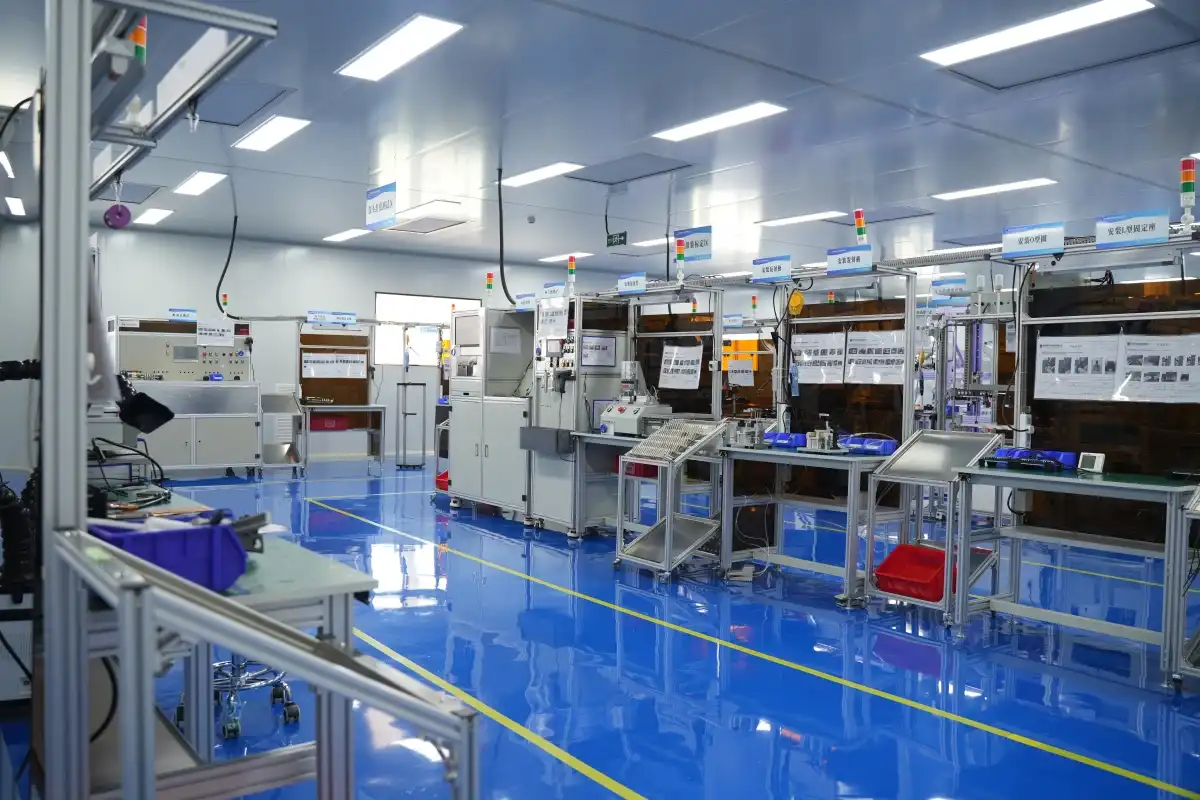
It's important to find the right mix between sturdiness, accuracy, and legal compliance when choosing a temperature transmitter for use in harsh industrial settings. These gadgets take readings from temperature sensors and turn them into standard electrical signals, usually 4-20mA or digital outputs, that control systems can understand and use. When there are high and low temperatures, vibrations, chemical contact, and moisture, making the wrong choice can cause measurements to move, downtime that isn't planned for, and a loss of process safety. This guide shows you the important things OEM engineers, buying managers, and system designers should look at to make sure long-term dependability and value in tough places like heavy machinery, diesel engine aftertreatment systems, and industrial power generation.
Understanding Temperature Transmitters and Their Principles
How Temperature Transmitters Work?
A temperature transmitter works by taking a signal from a temperature sensor, usually a thermocouple or resistance temperature detector (RTD), and then shaping, boosting, and turning that signal into a standard output. Based on the Seebeck effect, thermocouples send millivolt-level readings, while RTDs show regular changes in resistance as temperature changes. Inside the temperature transmitter, there is non-linearity compensation, cold-junction compensation, and scaling of the output to industry-standard values like 4-20mA current loops or HART digital protocols. This signal doesn't lose much strength over long distances, which makes it perfect for tracking factories, power plants, and mobile equipment from afar.
Microprocessors are built into modern smart temperature transmitters so they can do diagnostics, self-calibration, and talk back and forth with remote control systems. These features make upkeep easier and speed up debugging, which is especially helpful in large-scale operations where checking things by hand is expensive and takes a lot of time.
Types of Temperature Transmitters for Harsh Environments
In different working situations, different circuit designs and mounting setups work best. Head-mounted temperature transmitters link directly to the sensor connection head, which cuts down on the number of wires that need to be run and the chance of electromagnetic interference. In places with limited room and a lot of vibration, this small form is often used in diesel engine exhaust systems and building equipment.
Installing DIN rail temperature transmitters in control boxes centralizes signal processing for many instruments. They work well in control rooms for generator sets and industrial automation panels, where servicing is easier because tracking is done from one place. Field-mounted temperature transmitters have tough cases—often explosion-proof or weatherproof—that keep the electronics safe from dust, water, and atmospheres that are bad for them. These are necessary in chemical companies, mines, and outdoor power tools.
Two-wire temperature transmitters get their power from the same current loop that carries the measurement signal. This makes placement easier and lowers the cost of the cables. Four-wire designs keep the power source separate from the data transmission. This makes them more accurate and compatible with older systems. Smart temperature transmitters add digital communication layers that support standards like HART, Profibus, and Modbus. These make it easier to set up and diagnose problems remotely and in real time.
Core Factors Affecting Durability in Harsh Conditions
Environmental Challenges and Material Selection
In industrial settings, temperature transmitters are put through a lot of stresses that can weaken their performance or even cause them to fail completely. Extreme temperatures, like the sub-zero cold of outdoor generator sets or the intense heat near diesel particulate filters, require electronics that can work in a wider range of temperatures. Usually, the temperature transmitter case needs to be able to handle temperatures between -40°C and +85°C, and the sensor interface needs to be able to handle even wider ranges.
Heavy trucks, building equipment, and farm tools all have a lot of vibration and mechanical shock. Electrical connections can become loose, circuit boards can crack, and sensor elements can get damaged by constant shaking. Long-term mechanical integrity is ensured by choosing temperature transmitters with strengthened solder joints, shock-absorbing mounts, and vibration-rated certifications.
Chemical exposure happens in systems that clean up waste after it's been used. This is because exhaust fumes contain sulfur compounds, particles, and collected water. Corrosion doesn't happen as easily with 316L grade stainless steel housings than with standard metals. Explosion-proof cases that are rated for dangerous areas (ATEX Zone 1 or NEC Class I Division 1) keep things from setting fire in places where there are flammable dust or vapors.
Ingress Protection and Installation Best Practices
Ingress Protection (IP) scores tell you how resistant a device is to solids and liquids getting in. An IP67 grade means that the product is completely dust-tight and can withstand short-term immersion. It is ideal for use outdoors and in washdown areas. The IP68 rating adds security against lengthy submersion, which is useful for tools that will be used in floods or heavy rain.
When installed correctly, the longevity goes beyond what is listed. Putting temperature transmitters away from direct exhaust gas flow or sources of thermal heat makes them last longer. Secure fixing cuts down on vibration transfer, and the right connection route and strain relief keep wires from getting worn out. Modern diesel engines and generator sets have alternators, inverters, and high-frequency switching circuits that can cause electromagnetic interference. To reduce this interference, shielded wires and grounded housings are used.

Evaluating Performance and Accuracy under Extreme Conditions
Thermocouple versus RTD Performance
Because they can respond quickly and cover a wide temperature range, thermocouples can be used for readings that change quickly in exhaust systems. They are less accurate, though, and need cold-junction compensation, which can move over time in settings that vibrate. RTDs, especially platinum Pt100 or Pt1000 elements, are more accurate and stable than other types, but they respond more slowly and can only measure a smaller range of temperatures.
Monitoring catalyst bed temperatures in selective catalytic reduction (SCR) systems is one example of an aftertreatment application where exact temperature control is needed to meet emission standards. The steadiness of RTDs often outweighs their slower response time. On the other hand, thermocouples may be better for tracking the temperature at the rotor inlet in generator sets because they can quickly pick up on changes in temperature.
Calibration and Maintenance Routines
How often calibrations are done depends on how important the application is and how bad the surroundings is. Temperature transmitters that work in places that are corrosive or have a lot of shaking should be checked once a year. Those that work in safe indoor environments may be checked every 18 to 24 months. Using movable standards for on-site calibration cuts down on downtime compared to taking units to a lab for calibration.
As part of routine maintenance, the cable insulation is checked for cracks, the terminals are made sure to be tight, and the cable glands are checked for water entry. Digital temperature transmitters that can self-diagnose report drift, sensor flaws, and power source anomalies. This lets maintenance experts plan ahead and avoid unplanned shutdowns. Updating the firmware makes sure that it works with new control systems and gives you access to better troubleshooting tools.
Selecting the Best Temperature Transmitter for Industrial Harsh Conditions
Critical Selection Criteria
When you match technical specifications to application needs, you avoid both over-specification and under-specification, which can lead to failure or higher costs. Some important factors for choosing a temperature transmitter are:
• Temperature range: Make sure that the sensor and temperature transmitter work together over the whole process range plus an extra amount of room for error. The temperature of the smoke from heavy-duty diesel engines' SCR systems can range from room temperature to 650°C.
• Response time: Processes that need to act quickly need temperature transmitters with response times of less than one second. Processes that need to act more slowly can handle longer delays.
• Output signal type: Current loops (4–20mA) are the most common type of signal in analog systems because they don't pick up noise over long distances. Digital standards let you configure and diagnose things from afar, but they need technology that works with them.
• Communication protocol: HART adds digital communication on top of 4-20mA signals so that analog operation doesn't get in the way. This makes the transfer process easy. Fieldbus standards, such as Profibus or Foundation Fieldbus, allow for more complex control methods and less wiring.
Certification and Compliance Requirements
Certifications show that temperature transmitters meet important performance and safety standards for businesses that are controlled. ATEX and IECEx licenses prove that dangerous places are safe from explosions. Safety Integrity Level (SIL) grades show if something is suitable for safety-instrumented systems that could fail and hurt people or damage the environment. In the US, emissions-related applications often have to follow EPA rules, which say that diesel engine aftertreatment tracking must have certain measurement accuracy and reaction times.
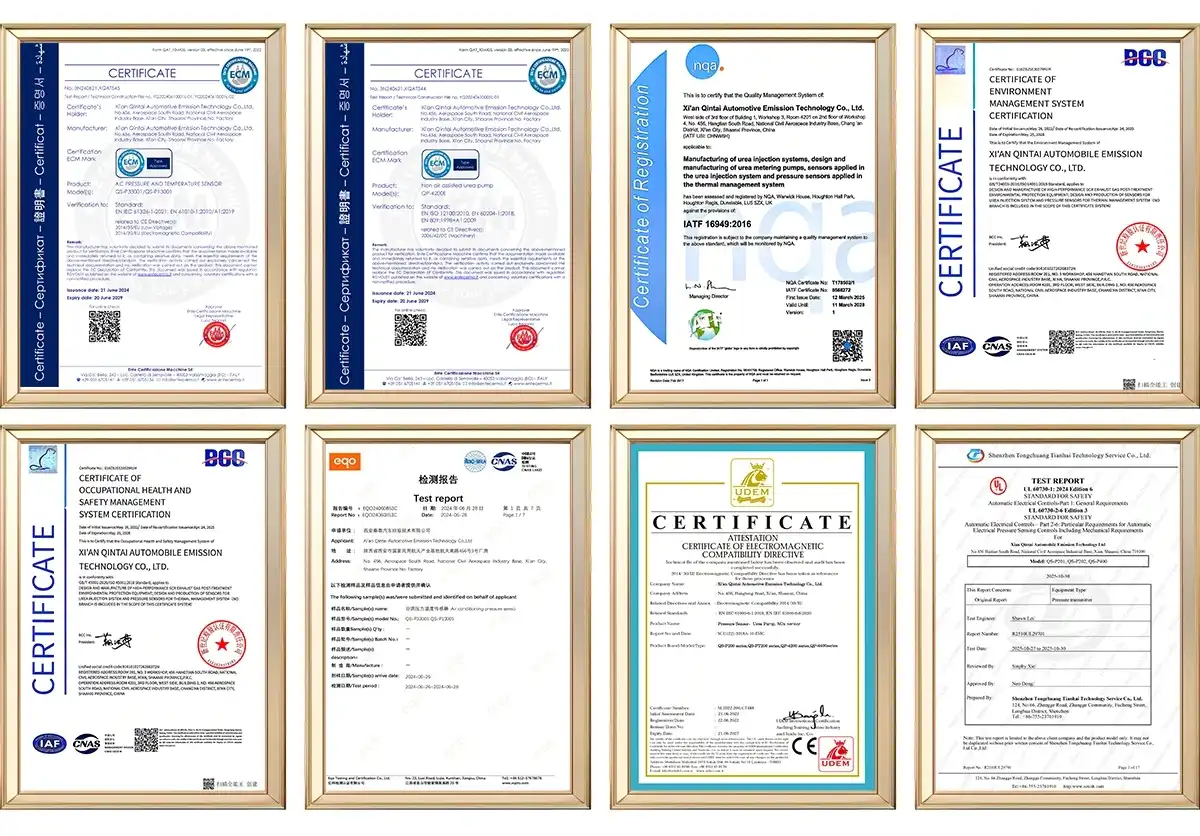
Manufacturing methods that have ISO 9001 and IATF 16949 certifications guarantee stable quality and traceability, which is very important for OEMs that need to buy parts for mass production. It is easier for goods from different EU member states to get into each other's markets when they have the CE mark, which means they follow EU rules.
Brand Considerations and Custom Solutions
Well-known names like Yokogawa, Rosemount (Emerson), Siemens, ABB, and Honeywell have a lot of products, good customer service after the sale, and a history of doing well in tough industrial settings. Their worldwide service networks offer training, extra parts, and warranties that lower the total cost of ownership.
New wholesalers and specialized makers may be able to offer lower prices, faster customization, and flexible minimum order amounts that OEMs and aftermarket dealers will like. Newer names come with some risks that can be reduced by looking at the credentials of the provider, such as quality certifications, testing capabilities, and references from past customers.
Temperature transmitters can be easily added to current designs with customization choices like changed mounting flanges, longer wire lengths, and calibration ranges that are specific to the application. When you buy in bulk, you can get savings and priority production slots, which helps with just-in-time shipping and keeping your inventory low.
Installation and Troubleshooting Guide for Harsh Condition Temperature Transmitters
Step-by-Step Installation Checklist
Before installing something, it's important to check the mounting position to make sure there are enough clearances for upkeep and that the temperature transmitter's grade meets its environmental classification. Follow the manufacturer's wiring diagrams and pay attention to the polarity for two-wire temperature transmitters and the different power and data lines for four-wire types. Electromagnetic interference from nearby equipment can be cut down by grounding the temperature transmitter housing and using shielded wires.
Following the actual installation, steps for testing include using known temperature sources to make sure the output is accurate, checking the loop resistance to make sure there are enough power supply margins, and cycling through the whole temperature range to look for non-linearities or hysteresis. Recording the calibrated data from the "as-found" and "as-left" states sets a standard for future care.
Common Issues and Troubleshooting Strategies
Signal drift is usually caused by a sensor failing, RTD elements getting dirty, or thermocouple joint rust. In many situations, cleaning the sensor probes and recalibrating the temperature transmitter is enough to get the accuracy back. However, if the contamination is very bad, the sensors may need to be replaced.
Electromagnetic interference shows up as numbers that aren't consistent or noise on top of the signal. Problems with interference can be fixed by moving wires away from high-current lines, making grounding connections better, and adding ferrite cores to cables. Digital temperature transmitters that use HART transmission let you check diagnostic files from afar to find noise sources.
When vibration or contact happen, they can break sensor elements, crack housings, or loosen connections. Visual checks done on a regular basis can find early signs of mechanical stress, and systems that track vibrations can cause replacements to be made before a major failure happens.
Conclusion
When choosing long-lasting temperature transmitters for harsh industrial conditions, you need to look at things like sensor technology, environmental scores, certification compliance, and how reliable the provider is. Knowing how the features of thermocouples and RTDs, IP ratings, and communication methods affect each other lets engineers and buying managers choose devices that offer the best mix of performance, cost, and durability. Proper installation, regular calibration, and aggressive fixing all extend the service life of measuring instruments and keep their accuracy, which is important for meeting emission standards, improving processes, and keeping equipment safe. Companies can get accurate temperature readings that help diesel engines, heavy machinery, and power generation systems run at their best by matching technical requirements with application needs and using the knowledge of their suppliers.
FAQ
How often should temperature transmitters in harsh environments be calibrated?
It is suggested that temperature transmitters that are subject to high vibration, corrosive atmospheres, or harsh temperatures be calibrated once a year. Applications that need to follow pollution rules or safety standards may need to be checked more often, like every six months, to make sure the accuracy of the measurements stays within the limits. Digital temperature transmitters with drift detection methods can increase intervals by detecting variations early on. This lets condition-based calibration plans be used instead of calendar-based ones.
What materials and designs best resist corrosive chemicals?
316L stainless steel housings are very good at keeping most industrial poisons from rusting. Hastelloy or titanium structure may be better for uses that involve strong acids or chlorides. To stop limited attacks, sensor sheaths should be made of the same quality of material as the case or better. Electronics that are hermetically sealed and circuitry that is potted stop moisture and air from getting in, which speeds up internal rust.
What are the practical differences between analog and digital outputs?
Analog 4-20mA outputs send simple, reliable signals that work with older control systems and don't need much setting up. They are great at blocking noise over long wire runs and will always work in places with bad electricity. Digital outputs over HART or fieldbus protocols let you configure, diagnose, and measure multiple variables from a single temperature transmitter. This lowers the cost of installation and helps with forecast maintenance plans. The choice relies on the infrastructure that is already in place and how important advanced features are compared to how simple the system is.
Partner with Qintai for Reliable Temperature Transmitter Solutions
Qintai has been making reliable temperature transmitters since 2001 for OEMs of heavy trucks, building equipment, farm equipment, and generator sets. Our products are certified by ISO 9001, IATF 16949, ATEX, and CE, and they meet strict emission compliance standards called China VI and Euro VI. Weichai Power, Yuchai Power, and Quanchai Power all buy from us, so we know what buying managers and R&D engineers want: mass production and stable partnerships that last for a long time.
Our independent research and development team is always coming up with new ideas to make sensors work better with each other, signals be more accurate, and devices last longer in harsh environments. We offer full customization, from changing interfaces to calibrating for specific applications. Our expert help is quick to respond, and we deliver quickly. Qintai offers complete OEM and ODM services that are suited to your needs, whether you need low-cost repair solutions, generator sets that are reliable enough for use in factories, or sensors built in for SCR and DPF systems. Email our engineering team at info@qt-sensor.com to talk about your temperature transmitter needs, get full technical datasheets, or get prices for large orders for your next project.
References
1. Smith, J. R. (2021). Industrial Temperature Measurement: Principles and Practice. Butterworth-Heinemann.
2. International Electrotechnical Commission. (2019). IEC 60751: Industrial platinum resistance thermometers and platinum temperature sensors. Geneva: IEC.
3. Liptak, B. G. (2018). Instrument Engineers' Handbook, Volume One: Process Measurement and Analysis (5th ed.). CRC Press.
4. European Committee for Standardization. (2020). EN 60079-0: Explosive atmospheres - Part 0: Equipment - General requirements. Brussels: CEN.
5. Omega Engineering. (2022). Temperature Transmitter Selection Guide for Hazardous Locations. Stamford: Omega Engineering Inc.
6. Anderson, M. T., & Peterson, L. K. (2020). Calibration strategies for temperature sensors in diesel exhaust aftertreatment systems. Journal of Automotive Engineering, 234(8), 1245-1258.
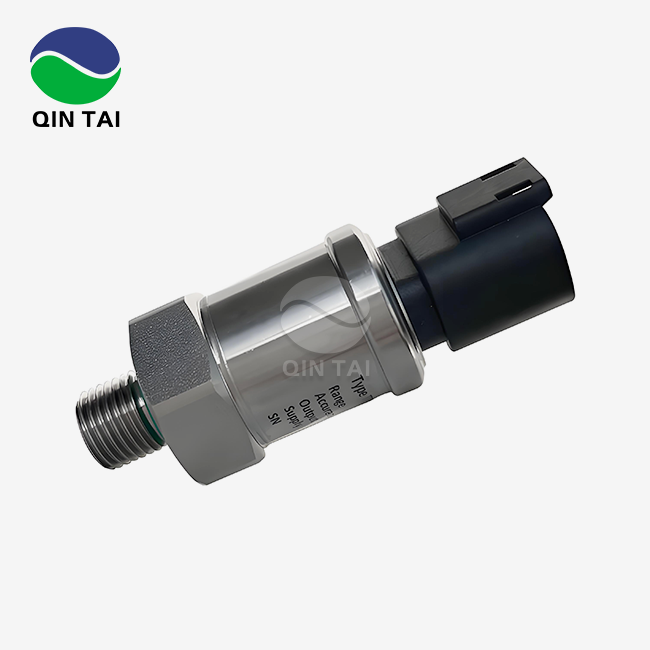
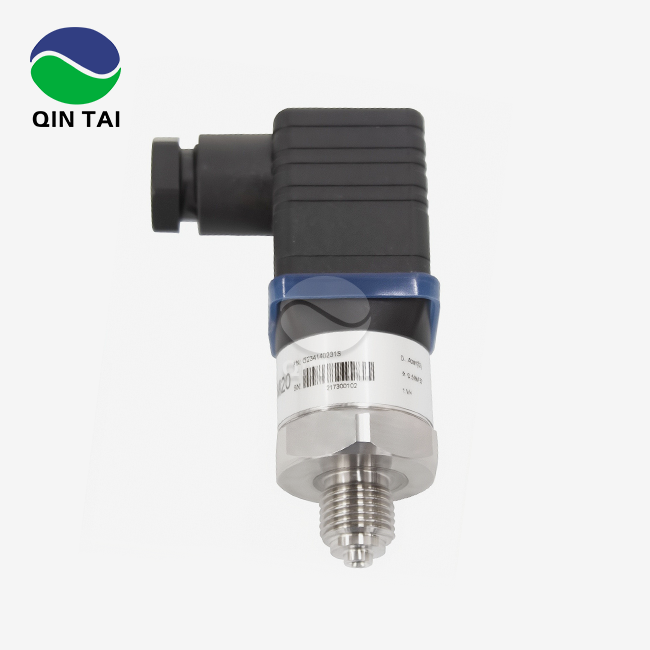
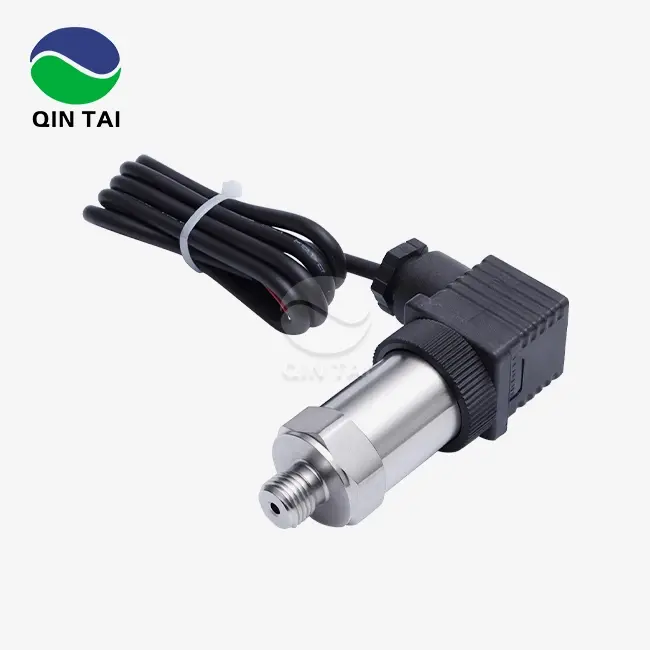


Our customers’ satisfaction speaks for our quality — contact us to experience the same reliable service.