- English
- French
- German
- Portuguese
- Spanish
- Russian
- Japanese
- Korean
- Arabic
- Greek
- German
- Turkish
- Italian
- Danish
- Romanian
- Indonesian
- Czech
- Afrikaans
- Swedish
- Polish
- Basque
- Catalan
- Esperanto
- Hindi
- Lao
- Albanian
- Amharic
- Armenian
- Azerbaijani
- Belarusian
- Bengali
- Bosnian
- Bulgarian
- Cebuano
- Chichewa
- Corsican
- Croatian
- Dutch
- Estonian
- Filipino
- Finnish
- Frisian
- Galician
- Georgian
- Gujarati
- Haitian
- Hausa
- Hawaiian
- Hebrew
- Hmong
- Hungarian
- Icelandic
- Igbo
- Javanese
- Kannada
- Kazakh
- Khmer
- Kurdish
- Kyrgyz
- Latin
- Latvian
- Lithuanian
- Luxembou..
- Macedonian
- Malagasy
- Malay
- Malayalam
- Maltese
- Maori
- Marathi
- Mongolian
- Burmese
- Nepali
- Norwegian
- Pashto
- Persian
- Punjabi
- Serbian
- Sesotho
- Sinhala
- Slovak
- Slovenian
- Somali
- Samoan
- Scots Gaelic
- Shona
- Sindhi
- Sundanese
- Swahili
- Tajik
- Tamil
- Telugu
- Thai
- Ukrainian
- Urdu
- Uzbek
- Vietnamese
- Welsh
- Xhosa
- Yiddish
- Yoruba
- Zulu
Why QS-P105F Is Ideal for High Pressure Applications
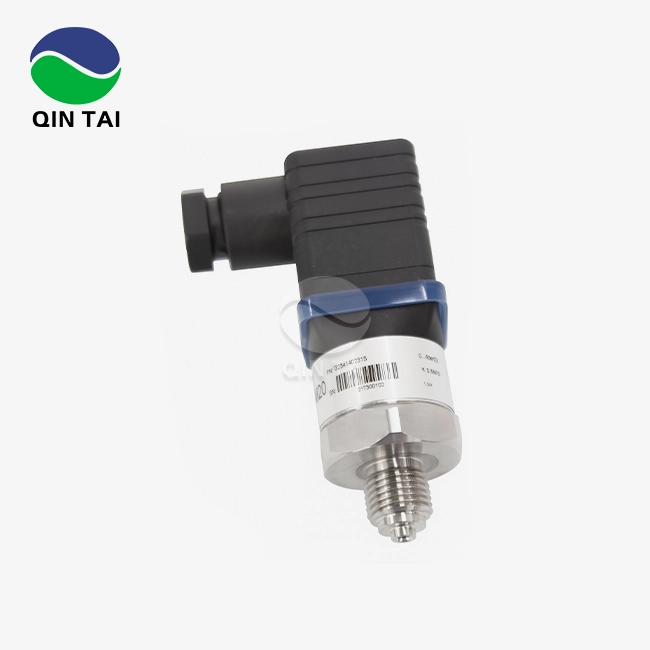
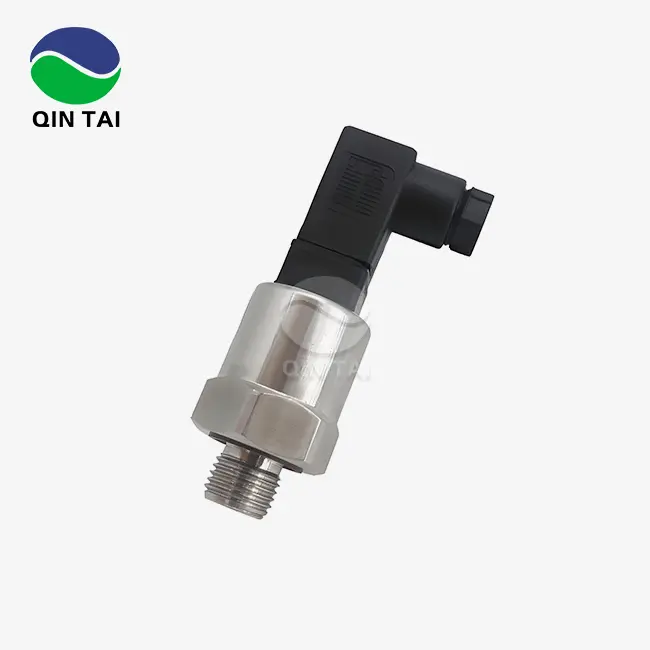
Selecting a capacitive pressure sensor for difficult situations involves careful consideration of technical parameters, reliability, and long-term performance. The QS-P105F excels in high-pressure applications with its 96% Al2O3 ceramic diaphragm, ±0.5% full scale accuracy, and 600 bar pressure range. This sensor addresses critical challenges for diesel engine manufacturers and aftertreatment system integrators, including measurement stability under extreme temperatures, pressure spike resistance with 200% full-scale safety overload capacity, and minimal drift for consistent readings over extended operational cycles.
Understanding Capacitive Pressure Sensors and Their Role in High Pressure Applications
Capacitive sensing measures pressure by detecting capacitance changes between two conductive plates separated by a dielectric. The flexible diaphragm moves electrode distance as pressure is applied, changing capacitance proportionately to force. This mechanism is ideal for precise measurement under difficult situations due to its higher sensitivity than other technologies.
Operating Principles Behind QS-P105F Performance
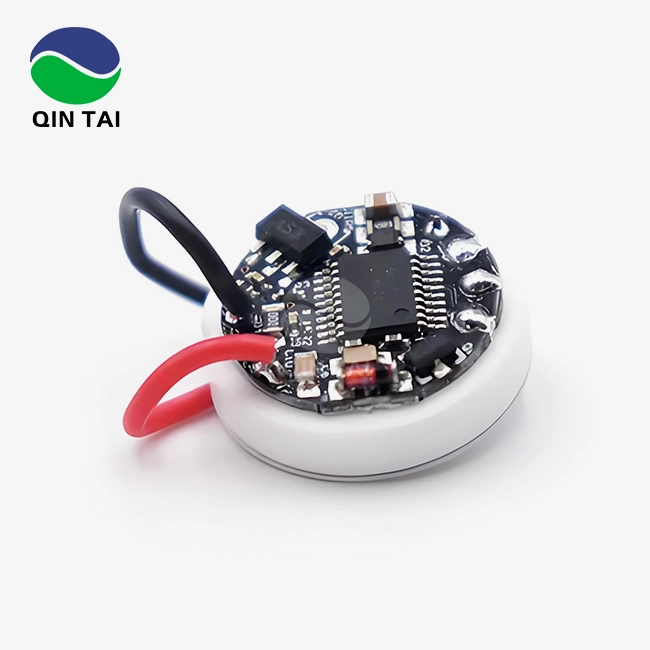
The QS-P105F has superior capacitive design and a 96% alumina ceramic diaphragm for deformation resistance and responsiveness. This material is chemically resistant to diesel exhaust components and hydraulic fluids used in heavy machinery. This sensor's bridge resistance of 11±30% kΩ guarantees constant electrical properties from -40°C to 135°C, addressing thermal difficulties in engine and generator housings.
Addressing Common High-Pressure Measurement Challenges
Industrial pressure sensors suffer temperature drift, overload damage, and long-term calibration stability. For ranges up to 50 bar, the QS-P105F has complex adjustment mechanisms with zero temperature drift standards of 0.03% FS/°C and 0.04% for higher ranges. SCR aftertreatment systems need temperature adjustment because exhaust gas temperatures change greatly during regeneration cycles. The 200% safety overload rating prevents pressure spikes during engine start-up or hydraulic system shock loads, increasing sensor longevity in construction equipment.
Sensitivity and Accuracy Specifications
The QS-P105F fulfills China VI and Euro VI emission compliance criteria with sensitivity from 2 to 4.0 mV/V and non-linearity from 0.3% full scale. Our accuracy criteria of ±0.5% FS accounts for linearity, hysteresis, and repeatability, giving engineers reasonable performance expectations for system design calculations.
Comparative Analysis: QS-P105F Versus Other Sensor Technologies
Knowing how pressure sensing systems work helps procurement managers make technical and budget-friendly selections. Three main pressure transducer technologies have different benefits based on application factors, such as the capacitive pressure sensor, which offers high accuracy and low power consumption for precision environments.
Technology Comparison: Capacitive vs. Piezoresistive vs. Piezoelectric
Due to low size, piezoresistive sensors dominate automotive applications yet have higher temperature sensitivity and long-term drift than capacitive devices. Piezoelectric sensors for combustion analysis can record dynamic pressure but not static pressure, restricting its use for aftertreatment system monitoring. The QS-P105F's capacitive technique balanced precision, stability, and cost-effectiveness for diesel emission control system static and quasi-static measurements. The QS-P105F's ceramic capacitive design removes fill fluids used in many pressure transmitters, minimizing maintenance and improving dependability in vibration-prone settings. Generator set manufacturers operating in mining and backup power sites with restricted servicing accessibility profit from this structural advantage.
Performance Benchmarking Against Market Leaders
Comparing QS-P105F specs to known rivals shows competitive positioning in key areas. While Honeywell and Bosch have extensive product lines, the QS-P105F matches or exceeds performance in key metrics: temperature compensation matches industry-leading specifications, accuracy falls within industrial-grade sensor ranges, and pressure range selection accommodates low-pressure intake monitoring to high-pressure common rail systems. The sensor's 2–30 VDC supply voltage range gives system designers integration flexibility not seen in competitors. OEM manufacturers save bill-of-material costs by simplifying electrical design in 12V and 24V car platforms without voltage regulating circuits.
Cost-Performance Value Proposition
Total ownership cost impacts procurement beyond raw specs. The QS-P105F has reasonable unit price for volume orders, customization without premium engineering costs, and proven reliability that eliminates warranty claims and field replacements. Lower failure rates lead to better customer service and repair shop network reputation for aftermarket distributors.

Key Design Considerations That Make QS-P105F Ideal for High Pressure Applications
Outstanding sensors have superior engineering. The QS-P105F addresses typical operating pressures in heavy-duty applications through purposeful design.
Material Selection and Structural Robustness
The 96% Al2O3 ceramic diaphragm material is stronger than silicon or metal and can handle repeated pressure cycles without fatigue. This ceramic has good corrosion resistance against acidic condensates in exhaust systems and chemical compatibility with DEF in SCR applications. Thermal stability ensures structural integrity over the working temperature range without thermal expansion mismatches causing measurement inaccuracies.
Calibration Strategies and Temperature Compensation
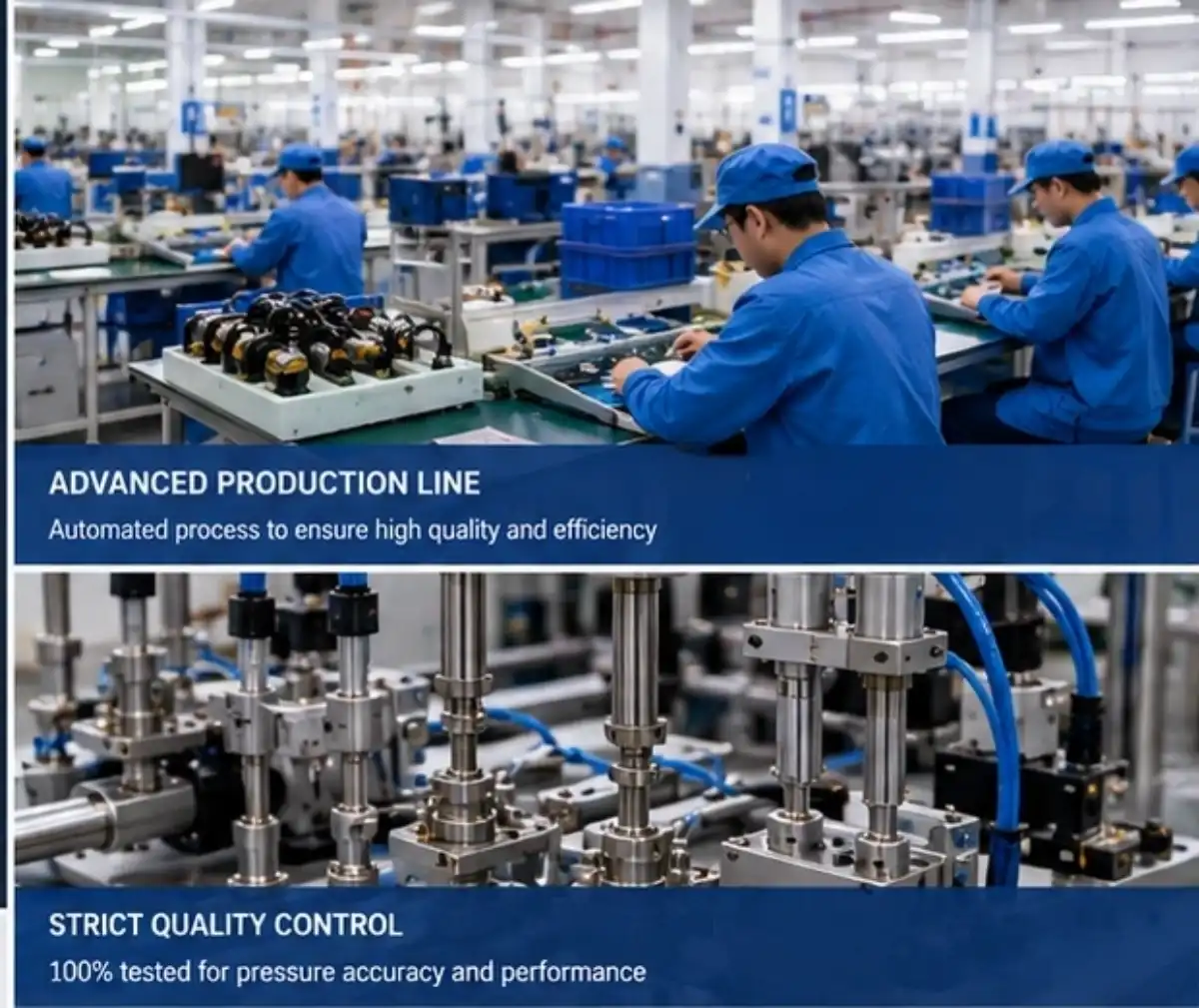
Manufacturing accuracy starts with strict calibration. To describe thermal behavior, each QS-P105F undergoes multi-point pressure calibration over its range and temperature cycling. We then program compensation coefficients to minimize zero shift and span fluctuations throughout operational temperatures. This customized calibration assures performance regardless of installation location or environmental circumstances. Having a consistent zero output specification of ±0.2 mV/V at 23°C simplifies system integration and electrical interface design for aftertreatment control modules, similar to the predictable behavior found in a capacitive pressure sensor. When building analog-to-digital conversion circuits and defect diagnostic threshold detection algorithms, engineers might use predictable signal levels.
Mounting Flexibility and Installation Convenience
Product launches and retrofit installations are typically delayed by physical integration issues. The QS-P105F's standard mounting dimensions match diesel engine and hydraulic system pressure port standards. Easy mounting reduces installation time for commercial vehicle aftermarket repair shops, meeting parts managers' technician efficiency objectives. Thread and electrical connection designs allow OEM customisation without tooling costs or minimum order numbers that burden smaller manufacturers. This versatility speeds up product development for aftertreatment system integrators integrating sensor interfaces to proprietary control frameworks.
Applications of QS-P105F in Industrial and Medical High Pressure Environments
Real-world application verifies theory. The QS-P105F has performed well in varied areas where measurement precision and dependability affect operational success.
Heavy Truck and Construction Machinery Integration
To regenerate diesel particulate filters (DPFs), differential pressure monitoring is needed. The QS-P105F's low-pressure ranges (2-10 bar) reliably detect pressure reduction over filter media, improving regeneration timing to save fuel usage and avoid soot damage. In off-highway applications where electronic components are challenged by external circumstances, construction equipment manufacturers value the sensor's vibration resistance and contamination tolerance. Excavators and loaders need hydraulic pressure sensors that can tolerate shock loads and pressure changes. Hydraulic hammer operation and valve closing transients can damage sensors with inadequate overpressure margins. The 200% safety overload standard protects them.
Agricultural Machinery and Generator Set Applications
Farm equipment works in subzero winters and summer heat with prolonged service intervals. Precision agricultural technologies that need fuel injection pressure monitoring benefit from the QS-P105F's wide operating temperature range and low drift, much like a capacitive pressure sensor valued for its thermal stability in demanding environments. Generator set manufacturers require the sensor for engine oil pressure, coolant pressure, and fuel system applications where long-term durability minimizes remote maintenance costs. The sensor's industrial-grade build and compatibility with 24V fixed power sources assist mine-site generators and backup power systems. Project engineers enjoy the simple procurement procedure and technical support for specialized power solutions.
Customization for Specialized Requirements
Qintai's engineering team works with clients to modify catalog standards for individual applications. OEM connections are flexible with pressure range changes, alternate electrical terminations, and certification documents for regulated sectors. The QS-P105F stands out from catalog-only rivals without application engineering resources due to its customisation.
Procurement Guide: How to Buy and Customize QS-P105F for Your Needs?
Procurement simplification speeds up projects and reduces friction. Buyers may easily define and source the QS-P105F for production programs by understanding alternatives and support resources.
Ordering Process and Lead Time Expectations
Using yearly volume commitments and specification criteria, purchasing managers may receive precise pricing quotes. Most OEM clients may anticipate production with 4–6-week catalog configuration lead times. Accelerated delivery options meet urgent project demands or aftermarket demand surges, although premium freight fees may apply. Sample requests allow engineering validation before manufacturing. Design integration and quality validation need technical datasheets including dimensions drawings, electrical schematics, and performance curves.
Customization Capabilities and Engineering Support
Technical managers can talk to Qintai's application engineering team about system changes. Pressure range, connection type, and cable length are common modification requests. The company's in-house production allows quick prototyping without supplier delays for bespoke sensor supply. Engineering help includes integration, troubleshooting, and performance enhancement beyond product specification. Aftertreatment system integrators may expedite development and avoid costly sensor selection cycles with this technical collaboration strategy.
After-Sales Support and Warranty Coverage
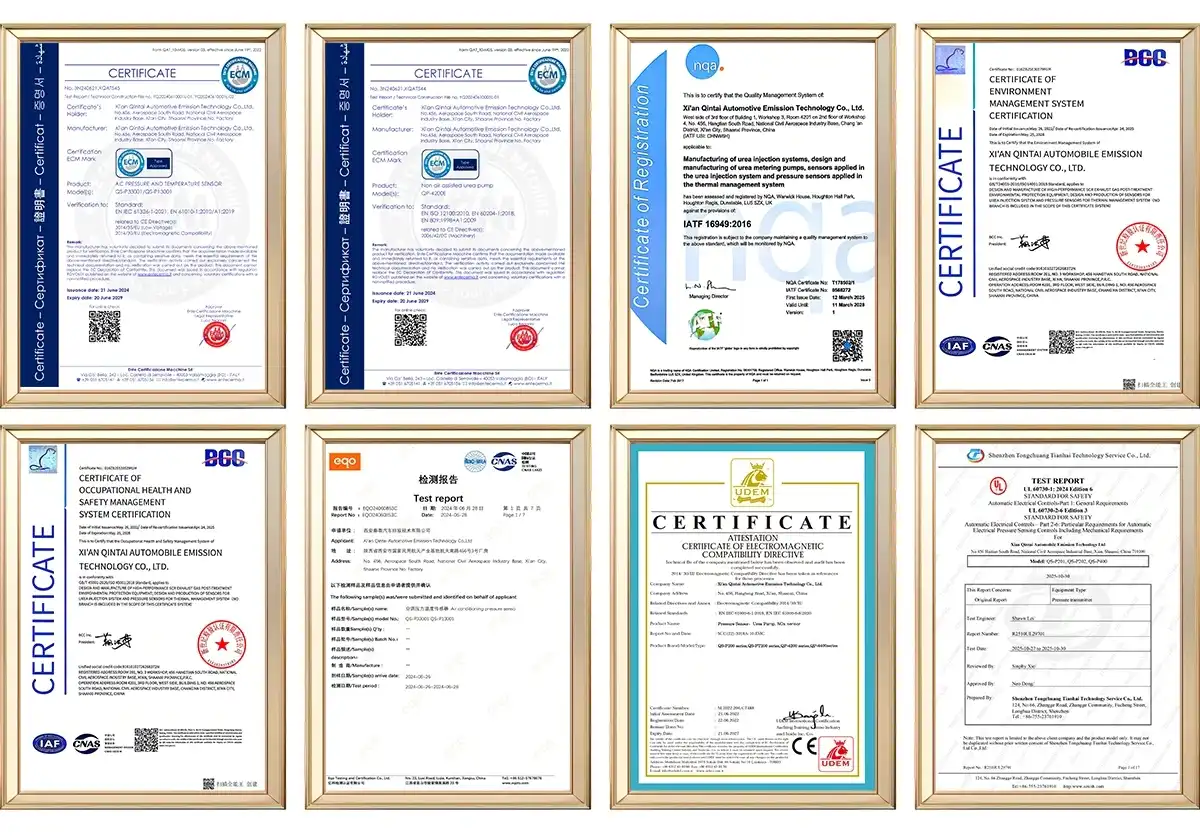
Comprehensive warranties cover manufactured flaws and set performance standards. Qintai's ISO9001 and IATF16949-certified quality management systems provide automotive industry-standard production quality. Technical support via responsive customer service channels tackles field difficulties. Having diesel emission system and industrial pressure measurement application engineers guarantees problems are solved properly rather than using generic scripts. This support architecture gives procurement managers confidence in long-term supplier relationships.
Conclusion
The QS-P105F capacitive pressure sensor performs well in high-pressure applications due to its intelligent engineering, sturdy materials, and detailed specifications. Its precision, durability, and adaptability meet diesel engine production, aftertreatment system integration, and industrial equipment needs. Qintai's two decades of sensor experience and client success make the QS-P105F a solid choice for engineers and procurement professionals seeking measurement solutions that perform well under pressure.
FAQ
Q1: How does the QS-P105F handle pressure spikes in hydraulic systems?
A: The sensor incorporates a 200% full-scale safety overload rating that protects internal components from damage during transient pressure events common in hydraulic circuits. This protection margin prevents mechanical stress to the ceramic diaphragm while maintaining calibration accuracy after overload exposure.
Q2: What customization options are available for OEM applications?
A: Qintai supports modifications including pressure range adjustments across -1 to 600 bar, electrical connector variations, cable length specifications, and mounting dimension adaptations. The engineering team collaborates on custom solutions without imposing prohibitive minimum order quantities that burden smaller production programs.
Q3: Can the QS-P105F operate reliably in diesel exhaust environments?
A: The 96% alumina ceramic diaphragm exhibits excellent chemical resistance to exhaust gases and DEF exposure common in SCR aftertreatment systems. The sensor's operating temperature range extends to 135°C, accommodating installation locations near exhaust components while maintaining measurement accuracy throughout thermal cycling.
Partner with Qintai for Your Capacitive Pressure Sensor Requirements
Continuous innovation and customer-focused engineering make Qintai China's top OEM capacitive pressure sensor provider. Our QS-P105F sensor meets different application demands with proven performance and customizable options. Request product samples, discuss your needs, or explore cooperation options with our technical staff at info@qt-sensor.com. We provide quality and assistance for your projects with IATF16949 certification, a large patent portfolio, and global distribution in over 60 countries.
References
1. Miller, R.W. (2019). Pressure Sensor Technology for Automotive Applications. SAE International Technical Paper Series, 2019-01-0234.
2. Chen, H., & Nakamura, T. (2020). "Capacitive Pressure Sensors in Industrial Process Control." Journal of Measurement Science and Instrumentation, 11(3), 245-258.
3. European Commission (2018). Regulation (EU) 2018/956: Emission Standards for Heavy-Duty Vehicles. Official Journal of the European Union.
4. Anderson, K.L. (2021). High-Pressure Sensor Design: Materials and Methods. Industrial Press, New York.
5. Zhang, Y., & Schmidt, M. (2020). "Temperature Compensation Techniques for Ceramic Pressure Transducers." IEEE Sensors Journal, 20(14), 7821-7830.
6. International Organization for Standardization (2017). ISO 9001:2015 Quality Management Systems - Requirements for Automotive Production. Geneva, Switzerland.

Our customers’ satisfaction speaks for our quality — contact us to experience the same reliable service.