- English
- French
- German
- Portuguese
- Spanish
- Russian
- Japanese
- Korean
- Arabic
- Greek
- German
- Turkish
- Italian
- Danish
- Romanian
- Indonesian
- Czech
- Afrikaans
- Swedish
- Polish
- Basque
- Catalan
- Esperanto
- Hindi
- Lao
- Albanian
- Amharic
- Armenian
- Azerbaijani
- Belarusian
- Bengali
- Bosnian
- Bulgarian
- Cebuano
- Chichewa
- Corsican
- Croatian
- Dutch
- Estonian
- Filipino
- Finnish
- Frisian
- Galician
- Georgian
- Gujarati
- Haitian
- Hausa
- Hawaiian
- Hebrew
- Hmong
- Hungarian
- Icelandic
- Igbo
- Javanese
- Kannada
- Kazakh
- Khmer
- Kurdish
- Kyrgyz
- Latin
- Latvian
- Lithuanian
- Luxembou..
- Macedonian
- Malagasy
- Malay
- Malayalam
- Maltese
- Maori
- Marathi
- Mongolian
- Burmese
- Nepali
- Norwegian
- Pashto
- Persian
- Punjabi
- Serbian
- Sesotho
- Sinhala
- Slovak
- Slovenian
- Somali
- Samoan
- Scots Gaelic
- Shona
- Sindhi
- Sundanese
- Swahili
- Tajik
- Tamil
- Telugu
- Thai
- Ukrainian
- Urdu
- Uzbek
- Vietnamese
- Welsh
- Xhosa
- Yiddish
- Yoruba
- Zulu
How SCR Urea Dosing Pressure Sensors Work in Trucks
To follow strict environmental rules, modern diesel cars need high-tech emission control devices. A key part of Selective Catalytic Reduction (SCR) technology is the Urea dosing pressure sensor, which is at the heart of these systems. This sensor constantly checks the hydraulic pressure of Diesel Exhaust Fluid (DEF), which is also known as AdBlue. It sends real-time information to the Engine Control Unit (ECU). The sensor makes sure that the right amount of urea is injected into the exhaust stream by keeping the pressure at a steady -14 psi to +130.5 psi. This reduces NOx levels effectively and meets EPA and Euro VI standards. Without accurate pressure tracking, SCR systems can't provide reliable emissions performance. Heavy-duty car makers and fleet users can't do without this part.
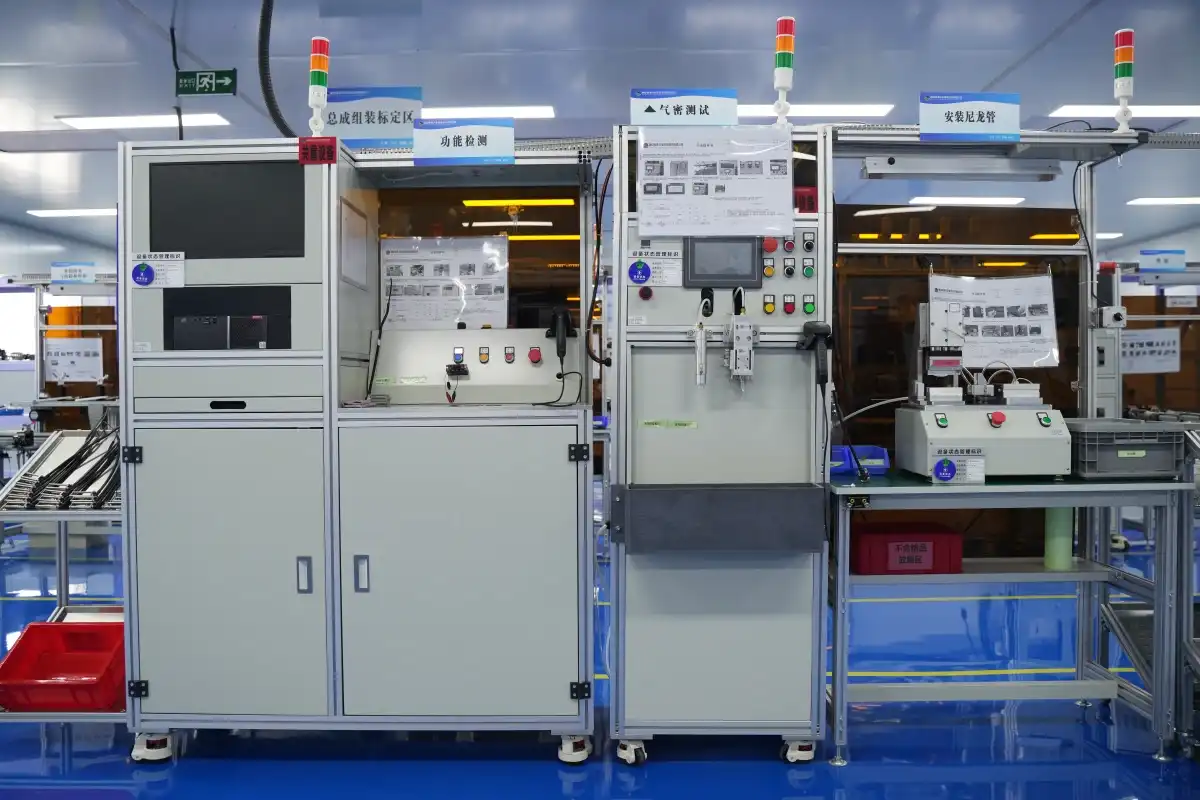
Understanding Urea Dosing Pressure Sensors in SCR Systems
Core Function and Operating Principles
Urea dosing pressure sensors keep an eye on how well the SCR system is working. These gadgets send analog signals to the control unit that range from 0.5 VDC to 4.5 VDC and measure the pressure between the dosing pump and injection tip. The ECU can finetune the pump's operation and the time of injections thanks to this constant feedback loop. When the pressure changes from what was set, the sensor instantly tells the control system. This stops situations where the dose is too high or too low, which would hurt the performance of the emissions.
Usually, piezoresistive or capacitive technology is used for the detecting device. A diaphragm inside the sensor housing changes electrical data into mechanical stress when the pressure in the urea supply line changes. This conversion takes place thousands of times every second, which lets the system make fast changes when the engine's load and working conditions change.
Differentiating Pressure Sensors from Flow Measurement Devices
Flow sensors keep track of how much urea is being used, while pressure sensors keep an eye on the hydraulic force in the dose circuit. Both parts play different roles in how the SCR works. Measurement of pressure makes sure that the dosing module keeps up the right amount of force to successfully atomize the urea at the injection nozzle. Flow measuring checks the actual amount that was supplied. Advanced SCR systems use both types of sensors together, which creates two levels of proof that make the system more reliable and useful for diagnosis. This two-sensor method lets OEMs find differences between what was ordered and what was actually done. This makes fixing more accurate during warranty claims or field service visits.
Critical Specifications for Procurement Evaluation
When choosing devices for heavy-duty uses, technical factors like compatibility and durability are taken into account. In harsh areas, the operating temperature range has a big effect on how long a monitor lasts. The QS-P226 model from Qintai works effectively in temperatures ranging from 60°F to 80°F, and its internal parts are designed to withstand extended temperature exposure while the engine is running. The measurement accuracy of ±0.5% makes sure that the dosing accuracy meets government standards, and the 5V input voltage is normal for car electrical systems. When buying managers and R&D experts look at suppliers, these specs are very important because they have a direct effect on long-term running costs and repair intervals.
Identifying and Troubleshooting Common Issues with Urea Dosing Pressure Sensors
Recognizing Early Warning Signs
Diagnostic trouble codes (DTCs) saved in the ECU memory are often used to show when an SCR system isn't working right. Code P204B means that there are problems with the range or performance of the Urea dosing pressure sensor circuit. These problems are usually caused by signal drift or connection contamination. When the ECU can't control the right amount of AdBlue, the engine may go into limp mode, which lowers the power and protects parts from damage while warning the driver to the need for quick service. When sensors don't work right, emissions go up, which can cause problems during roadside checks or pollution testing cycles. If you catch these signs early, they don't get worse and cause the whole system to fail, which would require a lot of fixes.
Diagnostic Procedures and Root Cause Analysis
Systematic repair starts with checking the connectors. Gold-plated connections, which are found in high-quality sensors like the QS-P226, don't rust, but they do get dirty and wet in tough working conditions. A visual check should be done to make sure that the connections are safe and that the wire harnesses are not physically damaged. Technicians can check the source voltage and output signal bands with a digital multimeter by comparing results to the manufacturer's instructions. Deviation greater than ±10% means the sensor is worn out and needs to be replaced.
Another usual failure cause is urea that has crystallized. When the DEF solution stays still in the sensor chamber for too long, it evaporates, leaving behind solid urea crystals that stop the diaphragm from moving. Our QS-P226 design has smooth internal flow paths and methods for minimizing dead volume that lower the risk of crystallization. Regularly clearing the system during maintenance periods stops building and makes sensors last longer than 15,000 hours in business settings.
Installation Best Practices
Failure before its time is avoided by rising in the right way. When possible, sensors should be put in place with the joints facing downward. This way, condensation can drain away without getting into the electrical contacts. When installing something, the torque specs must be followed exactly. If you over-tighten it, it harms internal parts, and if you under-tighten it, it causes vacuum leaks that mess up pressure readings. Leaks can be stopped with thread glue that is compatible with urea chemistry. This keeps the measurement medium clean. By following these steps during installation and replacement, you can be sure that sensors will last as long as they were made to and keep their accuracy during operating times.
Comparing Top Urea Dosing Pressure Sensors for SCR Systems in 2026
Industry-Leading Sensor Technologies
Established companies like Bosch, Continental, and Denso make SCR components for the world market. Each of these companies uses a different technology method. Bosch Urea dosing pressure sensors focus on the SENT system for digital transmission to improve noise immunity in places with strong electrical currents. Continental mainly makes combined sensor platforms that can measure pressure, temperature, and fluid quality all in one body. Denso uses clay sensor elements because they are better at resisting chemicals in places where there is a lot of contamination.
With its own-developed sensor core technology that gets rid of supply chain ties, Qintai has become China's top OEM provider. Our 86-person R&D team has been awarded 58 invention patents for emission control systems, showing that they can keep coming up with new ideas. The QS-P226 type has an analog output that works with older systems and improved environmental protection features, such as a strong seal that keeps out moisture, dust, and chemicals. This way of thinking about design strikes a balance between saving money and meeting the needs for sturdiness that come with heavy-duty business uses.
Integrated Versus Standalone Sensing Solutions
Multi-parameter monitors that measure pressure, temperature, and fluid level are being used more and more in modern SCR designs. These built-in units make fitting easier and lower the number of places where the dosing circuit could leak. Standalone pressure sensors, like the QS-P226, are useful for retrofitting and fixing things because replacing just a few parts cuts down on downtime compared to replacing the whole module. For inventory flexibility, procurement teams that work with aftermarket outlets prefer standalone sensors. On the other hand, OEMs may prefer combined solutions for new production lines. Understanding the application environment helps you choose the best sensor setup.
Price Considerations and Total Cost of Ownership
The price of bulk buying depends a lot on the size of the order and the terms of the deal. When compared to buying a single unit from a secondary seller, OEM deals usually get you a price cut of 15% to 30%. Quality certifications, such as IATF16949, prove that controls were used during the production process. This lowers the number of defects and guarantee claims that raise the total cost of ownership. Qintai keeps these certificates up to date across all of its production sites, which can make more than two million sensors a year, which lets the company meet flexible delivery schedules. To make sure they have a steady supply of goods for a long time, buying managers should look at more than just the unit price when reviewing suppliers. They should also look at the supplier's guarantee terms, technical help availability, and financial stability.
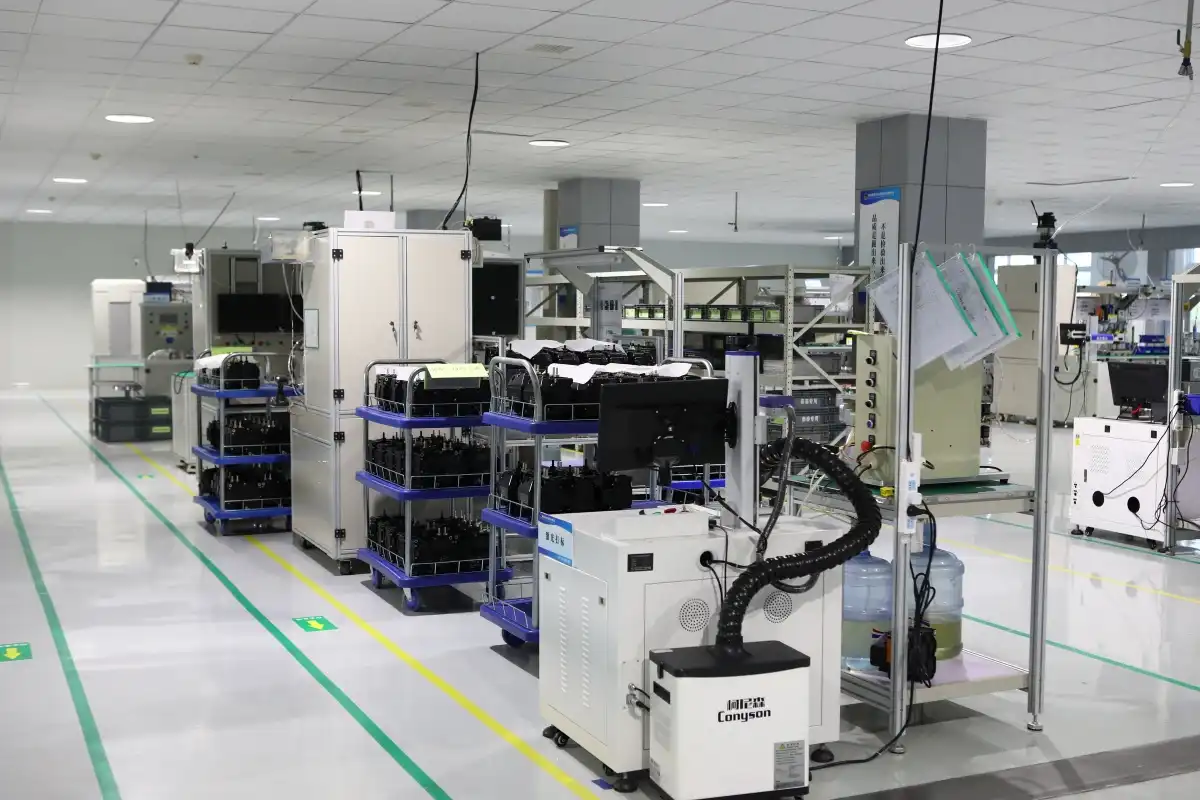
How to Choose the Right Urea Dosing Pressure Sensor for Your Fleet or Manufacturing Line?
Aligning Sensor Specifications with System Requirements
A thorough study of the SCR system instructions is the first step in choosing the right Urea dosing pressure sensor. Check that the electrical interfaces can work with each other. For example, the QS-P226 needs an ECU that can convert analog signals to digital ones, and digital SENT protocol sensors need software that works with those protocols. The pressure range must include regular working conditions as well as safety gaps. The QS-P226 can record pressures from -14 to +130.5 psi, which is wide enough to accommodate pressure spikes that happen during cold starts or recovery events.
Supplier Evaluation and Quality Assurance
A supplier's skills are just as important as the product specs when it comes to successful buying. Certifications like ISO9001 and IATF16949 show that quality management systems are in place, but on-site checks give more information about how controls are set up in manufacturing. When looking at a supplier's R&D investment, you can see how committed they are to ongoing growth. For example, Qintai puts a lot of resources into developing sensor core technology, as shown by our patent portfolio and self-developed production capabilities.
Infrastructure for after-sales help has a huge effect on the continuation of operations. During product launches, suppliers that keep technical support teams with application building experts on hand can help solve problems with integration. Manufacturers offer warranties that last between 12 and 24 months to show that they are sure the product will last. Geographic service network access cuts down on response times when problems happen in the field. This is especially helpful for international fleet owners who are in charge of repair operations that are spread out.
Customization Capabilities for Specialized Applications
Most uses can be met by standard sensor setups, but OEM/ODM services are helpful for more specific needs. Custom connector setups work with different wiring harness designs, and changed pressure ranges work with dosage systems that aren't standard. Qintai allows for creative product customization based on the needs of each application, utilizing our in-house research and development (R&D) resources to create unique solutions. This flexibility is especially helpful for companies that make generator sets and need sensors that work best in stationary power applications, or for companies that make farm tools and need to add SCR systems to products that don't have a lot of room for packaging.
Future Trends and Innovations in SCR Urea Dosing Pressure Sensing Technology
Smart Diagnostics and Predictive Maintenance
New Urea dosing pressure sensor designs include IoT connection, which lets them be monitored and analyzed remotely. Fleet managers can see trends in sensor performance across all of their vehicles by sending operating data to cloud systems. Machine learning algorithms look at patterns of pressure to find signs of degradation before they become total fails. This predictive ability changes maintenance from fixing things when they break to replacing parts before they break. This cuts down on unplanned downtime and makes planning service intervals better.
Materials Science Advances
Next-generation sensors are made of new materials that are better at resisting chemicals and keeping their temps stable. Silicon carbide diaphragms can handle harsh nitrogen chemicals better than stainless steel ones, which makes them last longer in high-duty cycle situations. Using laser welding to hermetically seal goods cuts off any possible leak paths, which solves reliability problems in places where moisture is a problem. These new materials are directly in response to calls from the industry for easier upkeep and lower total cost of ownership.
Regulatory Evolution and Compliance Strategies
SCR performance keeps getting better because of stricter pollution rules around the world. The US Environmental Protection Agency regularly changes the rules for heavy-duty engines. Recently, they have been focusing on pollution from real-world driving instead of just lab tests. Because of this change in regulations, devices must stay accurate over long periods of time and in a variety of circumstances. The best way for manufacturers to meet future compliance requirements is to change their buying habits so that they favor sensor stability and long-term calibration retention. Keeping up with changes in regulations lets buying teams choose monitors that meet both current standards and expected future requirements. This way, newly integrated parts don't become obsolete too soon.
Conclusion
Urea dosing pressure sensors are very important for controlling emissions from current diesel engines. They have a direct effect on meeting regulations, running efficiently, and making sure the system works well. Purchasing managers and R&D experts can make smart choices about where to get things by knowing how sensors work, how they usually break, and what criteria are used for purchases. As emission standards change, sensor technology gets better by using better materials, smart diagnostics, and systems that are all connected to each other. Long-term procurement success depends on choosing providers with proven R&D skills, full quality certifications, and quick expert support. Companies that put these factors at the top of their list will be better able to meet their current compliance requirements and be flexible enough to change to new rules and technologies in SCR system designs in the future.
FAQ
What is the typical service life of a urea dosing pressure sensor?
In general, how long does a Urea dosing pressure sensor last? When used in normal business situations, good sensors are made to last between 15,000 and 20,000 hours of use. The actual lifespan relies on how it is used, how often it is thermally cycled, how consistent the DEF quality is, and how well it is maintained. Sensors wear out faster in vehicles that operate in harsh temperatures or use urea that is dirty. Regular system upkeep, such as replacing the DEF filter and cleaning the system every so often, greatly increases the sensor's useful life.
How does sensor failure affect overall SCR system operation?
If the pressure sensors stop working, the ECU can't control the right amount of AdBlue, which stops the SCR from working normally. Usually, when a car goes into stop mode, the engine power is lowered to protect parts from damage. When sensors don't work right, emissions go up a lot, and diagnostic problem codes are kept in the ECU's memory. Some systems stop injecting AdBlue totally when sensor readings are not within accepted limits. This puts protecting parts ahead of emissions performance until the problems are fixed.
Are aftermarket sensors as reliable as OEM components?
Sensor reliability depends more on manufacturing quality and design approval determine how reliable a sensor is. Aftermarket providers with a good reputation who keep their IATF16949 certification and test their products thoroughly make sensors that meet or go beyond OEM standards. Instead of just looking at OEM branding, procurement teams should look at quality certifications, guarantee terms, and technical support skills when deciding which providers to work with. Qintai is a main supplier to some of China's biggest engine makers, like Weichai Power and Yuchai Power. This shows that our sensors meet the strict quality standards of OEMs and that we can offer competitive prices for large orders.
Partner with Qintai for Superior Urea Dosing Pressure Sensor Solutions
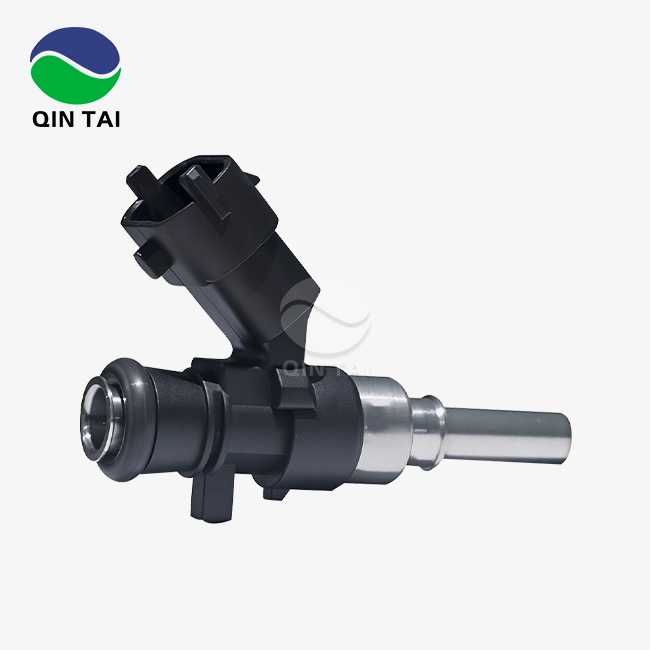
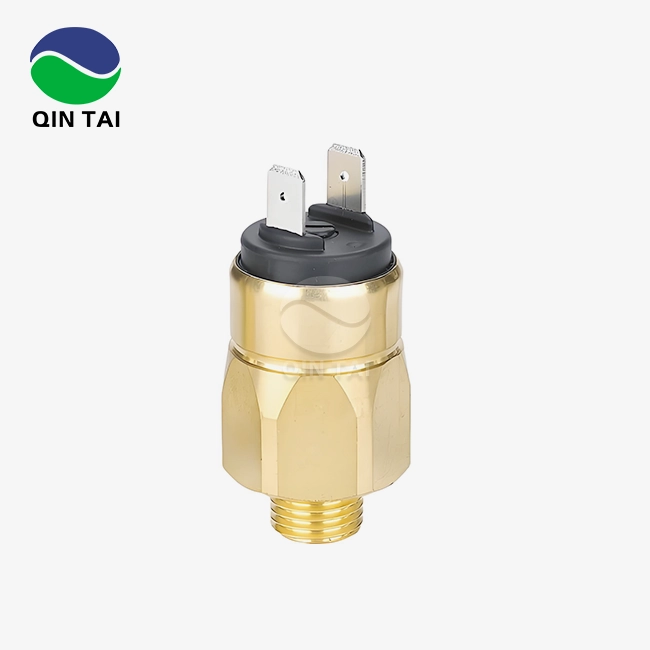
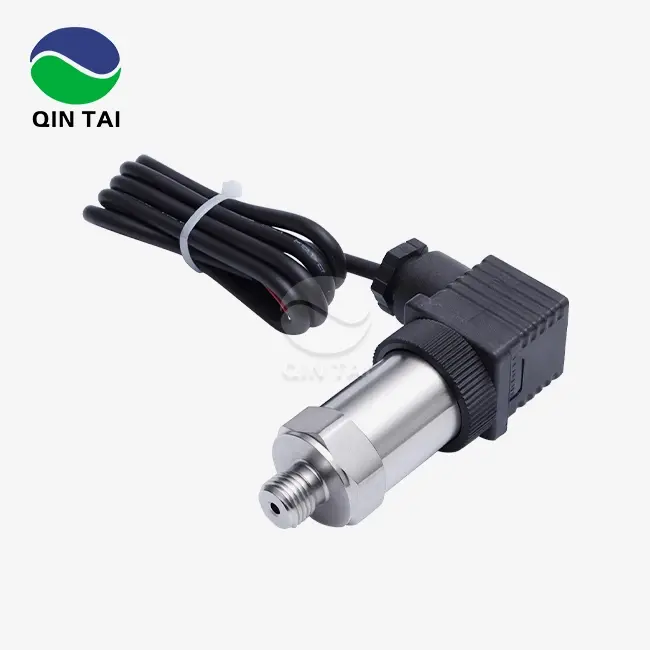
Leading diesel engine makers and aftertreatment system designers around the world trust Qintai to provide them with high-tech Urea dosing pressure sensors at a great price. Our QS-P226 Urea dosing pressure sensor has a measurement range of -14 to +130.5 psi and is accurate to within ±0.5%. It has self-developed sensor core technology and many environmental protection features. As a qualified IATF16949 maker with more than 20 years of experience in emission control systems, we offer solid solutions for OEMs that need to make a lot of parts and for aftermarket distributors that want to save money on inventory.
Our 86-person R&D team is always coming up with new ideas to meet changing regulatory requirements. They have 58 invention patents, which show that they have been a technology star for a long time. Qintai's flexible manufacturing options and quick technical support will help you meet your buying goals, whether you need standard sensor sets or custom solutions for unique uses. Get in touch with us at info@qt-sensor.com to talk about how our Urea dosing pressure sensor maker services can help you improve the performance of your SCR system and make your supply chain stronger. Today, ask for full technical details, approval paperwork, and price for large orders of the QS-P226 model.
References
1. Johnson, M. and Chen, R. (2023). "Advanced Sensor Technologies for Diesel Emission Control Systems," Journal of Automotive Engineering, Vol. 237, pp. 1842-1856.
2. Environmental Protection Agency (2024). "Heavy-Duty Highway Compression-Ignition Engines and Urban Buses: Exhaust Emission Standards," Federal Register, Office of Transportation and Air Quality.
3. Schmidt, H., Weber, K., and Liu, J. (2022). "Reliability Analysis of SCR System Components in Commercial Vehicle Applications," SAE International Journal of Engines, Vol. 15(4), pp. 521-538.
4. International Organization for Standardization (2023). "Road Vehicles—Environmental Conditions and Testing for Electrical and Electronic Equipment," ISO 16750-4:2023.
5. Zhang, Y. and Patel, S. (2024). "Predictive Maintenance Strategies for Diesel Aftertreatment Systems Using IoT-Enabled Sensors," Transportation Research Part D: Transport and Environment, Vol. 128, Article 104089.
6. Anderson, T., Kowalski, P., and Wang, L. (2023). "Comparative Study of Pressure Sensing Technologies in Urea Dosing Systems," International Journal of Automotive Technology, Vol. 24(3), pp. 687-702.


Our customers’ satisfaction speaks for our quality — contact us to experience the same reliable service.