- English
- French
- German
- Portuguese
- Spanish
- Russian
- Japanese
- Korean
- Arabic
- Greek
- German
- Turkish
- Italian
- Danish
- Romanian
- Indonesian
- Czech
- Afrikaans
- Swedish
- Polish
- Basque
- Catalan
- Esperanto
- Hindi
- Lao
- Albanian
- Amharic
- Armenian
- Azerbaijani
- Belarusian
- Bengali
- Bosnian
- Bulgarian
- Cebuano
- Chichewa
- Corsican
- Croatian
- Dutch
- Estonian
- Filipino
- Finnish
- Frisian
- Galician
- Georgian
- Gujarati
- Haitian
- Hausa
- Hawaiian
- Hebrew
- Hmong
- Hungarian
- Icelandic
- Igbo
- Javanese
- Kannada
- Kazakh
- Khmer
- Kurdish
- Kyrgyz
- Latin
- Latvian
- Lithuanian
- Luxembou..
- Macedonian
- Malagasy
- Malay
- Malayalam
- Maltese
- Maori
- Marathi
- Mongolian
- Burmese
- Nepali
- Norwegian
- Pashto
- Persian
- Punjabi
- Serbian
- Sesotho
- Sinhala
- Slovak
- Slovenian
- Somali
- Samoan
- Scots Gaelic
- Shona
- Sindhi
- Sundanese
- Swahili
- Tajik
- Tamil
- Telugu
- Thai
- Ukrainian
- Urdu
- Uzbek
- Vietnamese
- Welsh
- Xhosa
- Yiddish
- Yoruba
- Zulu
How a Urea Pressure Sensor Prevents SCR System Failures
A urea pressure sensor constantly checks the hydraulic pressure in the Diesel Exhaust Fluid (DEF) delivery system. This allows exact dose control that stops NOx emissions from not meeting standards and crystallization blockages. If this device finds changes in pressure, like a pump wearing out or an injector not working right, it tells the Engine Control Unit (ECU) to make changes so that expensive SCR problems don't happen. This real-time feedback loop keeps emission standards high and protects parts of the aftertreatment process from permanent damage that could be caused by bad urea supply.
Comprehending Urea Pressure Sensors and Their Role in SCR Systems
Learn about urea pressure sensors and how they work in SCR systems. Precise delivery of urea is needed for Selective Catalytic Reduction (SCR) systems to successfully lower nitrogen oxide pollution. This level of accuracy is made possible by a urea pressure sensor that works differently than most pressure sensors used in other industrial settings.
What Makes Urea Pressure Sensors Unique?
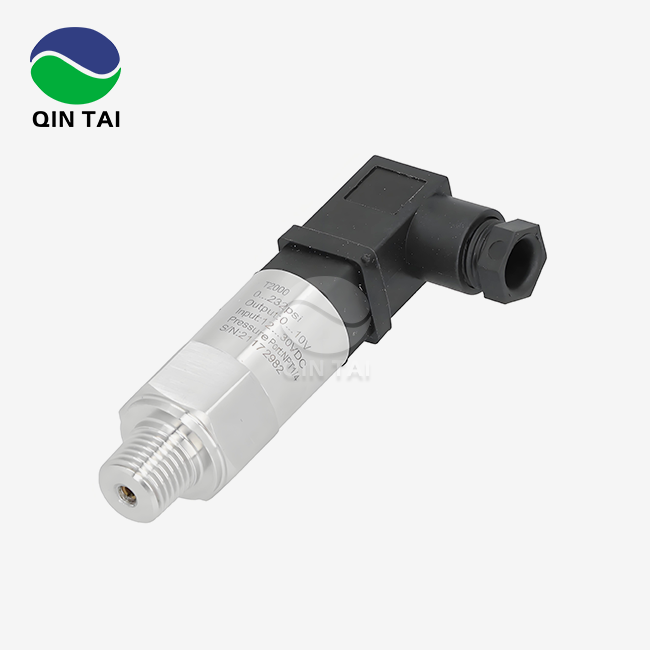
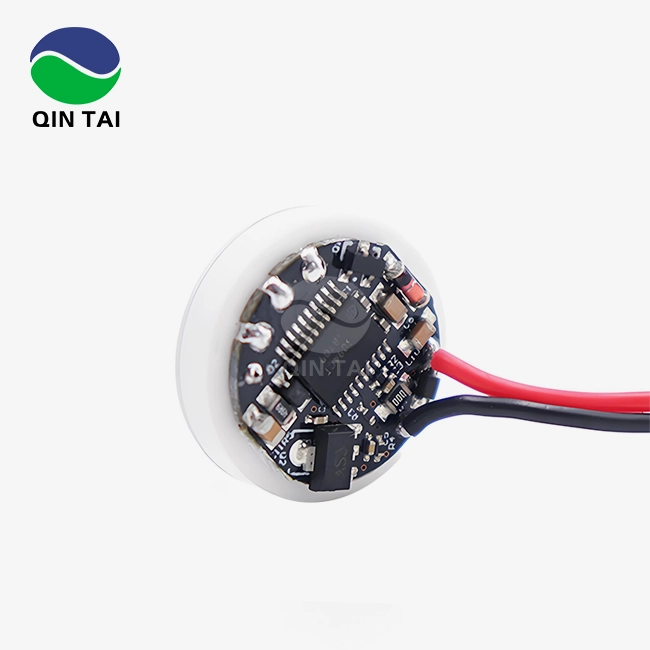
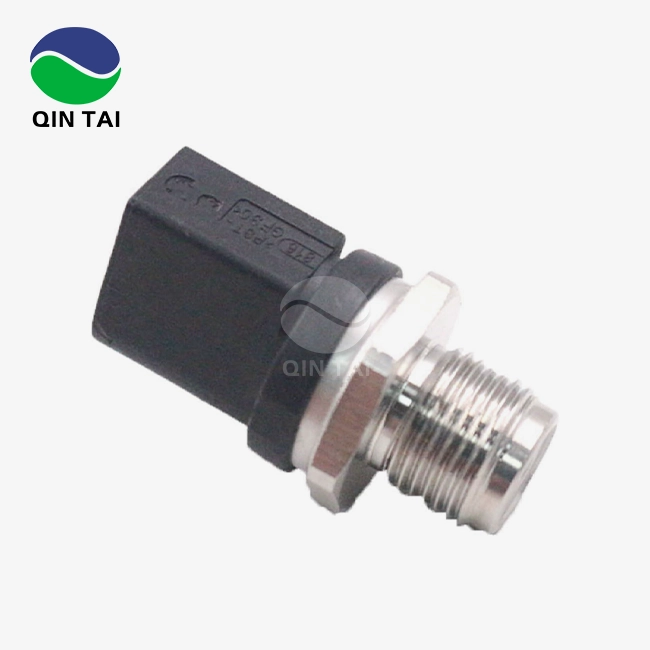
AdBlue pressure sensors can survive the chemical corrosion that urea solution can cause and still measure accurately across a wide range of temperatures. These specialized sensors are different from regular ones because they have chemically resistant diaphragms and sealed housings that keep DEF buildup from messing up readings. The QS-P226 type from Qintai uses self-developed sensor core technology that gives it an accuracy of ±0.5% over a measurement range of -14 psi to +130.5 psi.
Integration with SCR Control Systems
The sensor sends analog voltage signals between 0.5 VDC and 4.5 VDC to the Dosing Control Unit (DCU). These signals show the current pressure conditions. Based on exhaust flow rates and NOx percentage readings, this ratiometric output lets the ECU figure out the best amount of urea to inject. If the pressure drops below the set limits, the control system changes the pump's speed right away or sends out diagnostic trouble codes.
Preventing Dosing Inaccuracies
For the urea to be delivered correctly, the pressure must stay stable throughout the dose section. If urea pressure monitoring isn't done correctly, systems either don't reduce NOx enough or use too much DEF. According to research from the Diesel Technology Forum, mistakes in dosing that are higher than 15% are directly linked to failing emission tests under Euro VI and EPA guidelines. Urea pressure sensors give constant feedback that keeps the accuracy of injections within the limits set by regulations.
Common SCR System Failures Associated with Urea Pressure Sensor Issues
Problems with the urea pressure sensor often lead to SCR system failures. When pressure tracking devices break down or give wrong readings, system efficiency goes down. Knowing these trends of failure helps buying teams choose parts that cause the fewest problems with operations.
Recognizable Symptoms of Sensor Failure
The most clear sign that urea pressure monitoring has failed is that warning lights on the dashboard. When the ECU finds signal drift or numbers that are out of range, heavy-duty cars often show particular fault codes, such as P204B (Urea pressure sensor Circuit Range/Performance). When the system goes into derate mode to protect the aftertreatment parts, the engine power also drops. If DEF use goes up without matching changes in emissions, it means that the urea pressure sensor isn't guiding dosing calculations correctly anymore.
Root Causes Behind Pressure Sensor Problems
Corrosion of connector pins is one of the main reasons why sensor circuits fail, especially in damp places or naval settings. When compared to normal nickel-plated links, the QS-P226's gold-plated terminals make this risk less likely. Urea crystallization happens around the sensor diaphragm when fluid that isn't moving evaporates, leaving behind solid layers that stop the transfer of pressure. When used in normal business situations for 15,000 to 20,000 hours, diaphragms wear out and cause long-term sensor shift. Sensors that aren't properly isolated from engine movement can get damaged by wire that is shaken around.
Real-World Failure Scenarios
When dust gets into the electrical socket of construction equipment that is used in dusty areas, the sensors break down faster. One company that makes farming equipment said that after moving to sealed urea pressure sensors with IP67 environmental protection ratings, the number of warranty claims went down by 23%. In power plants that use generator sets, thermal cycling between starting and stop conditions causes sensors that don't have thermal stability features to lose their accuracy too soon.
Choosing the Right Urea Pressure Sensor for Enhanced SCR Reliability
Finding the right urea pressure sensor means combining technical requirements with practical needs and goals for the purchase.
Critical Technical Specifications
The measurement range tells you if the urea pressure sensor can keep an eye on all working conditions, from when the system first starts up to when it needs to do the most. There is negative pressure during priming rounds and positive pressure during high-volume input in the -14 psi to +130.5 psi range. Specifications for accuracy have a direct effect on emission compliance. For Euro VI and China VI norms, a range of ±0.5% is enough precision. Response time determines how quickly the control system responds to changes in pressure. Good sensors should be able to update their data every 50 milliseconds.
Material Selection for Longevity
Chemical resistance keeps the sensor element safe from urea rust, which over time makes measurements less accurate. Even after being exposed to DEF for a long time, stainless steel diaphragms with fluoropolymer coats stay calibrated. The material used for the sensor case has to be able to handle changes in temperature from -40°F to 180°F, which is the working temperature. When AdBlue freezes, its volume expands by 9%. To keep the detecting chamber from being damaged mechanically, it has flexible internal storage structures that can handle this.
Procurement Considerations for B2B Buyers
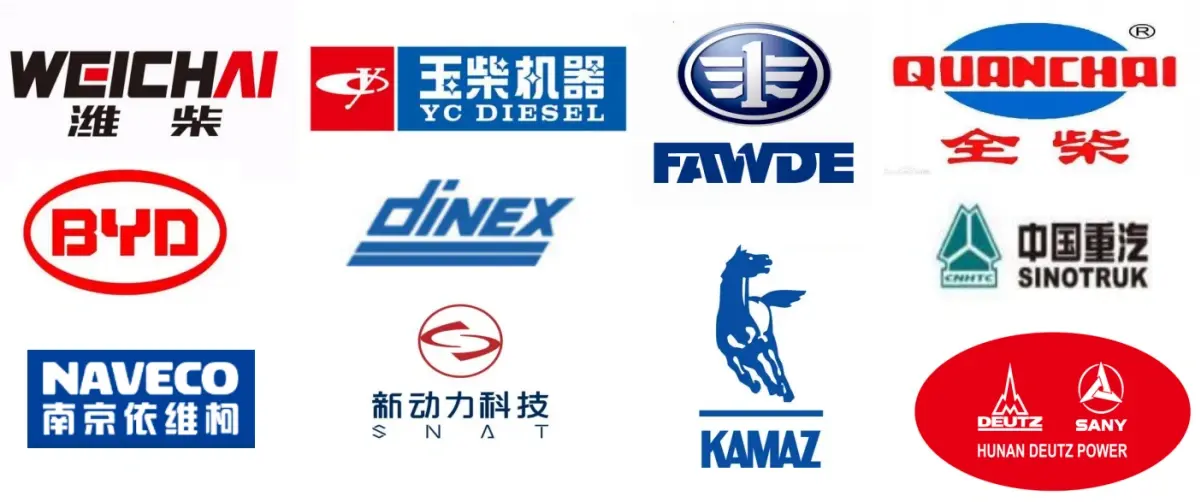
Certification requirements are very important for OEM makers that want to follow pollution rules. The QS-P226 has ISO9001 and IATF16949 certifications, which are quality standards used in the automobile business. When diesel engine makers need to expand, they need sources whose quality stays the same across big orders. This is where mass production capacity comes in handy. Qintai is the top OEM seller in China, and its agreements with Weichai Power, Yuchai Power, and Quanchai Power show that its production is reliable. Because delivery times affect production plans, aftertreatment system integrators who are working with tight project deadlines make provider responsiveness a key selection factor.
Integration, Calibration, and Maintenance Best Practices
Urea pressure sensors will only last as long as they are supposed to and work as well as long as they are installed correctly and are maintained regularly.
Proper Installation Procedures
When wiring links, it's important to pay close attention to protecting signal purity and electromagnetic interference. To avoid ratiometric output mistakes, the 5V supply voltage needs to stay fixed within ±0.25V. Electrical noise that messes up analog signals can be cut down by keeping sensor wires away from starter circuits and generator wiring that use a lot of current. When using thread sealer, you need to be careful not to use too much because it can block pressure ports or contaminate the detecting chamber. In devices that depend on gravity, the way they are mounted can change how well they work. The QS-P226 can work in any situation, though, because it is built around a diaphragm.
Calibration Frequency and Methods
Sensor shift that happens with normal use gets fixed with regular testing. Commercial car uses benefit from using standardized test tools to check the pressure once a year against known standards. In the testing process, certain pressures are applied while the voltage output is measured to make sure that the 0.5-4.5 VDC signal correctly matches to the range of -14 psi to +130.5 psi. When sensors show deviations greater than ±1%, they need to be replaced instead of being adjusted because internal drift means that the diaphragm is wearing out or an electronic component is breaking down.
Preventive Maintenance Strategies
Visual checks done at regular service times find connection rust before it breaks the circuit. Technicians should look for DEF remains around the body of the sensor. This shows that there is leaking from the links upstream. Using a voltmeter to test the voltage signal is a quick way to make sure that the sensor works without having to take the part off. Manufacturers of the equipment say that urea pressure sensors should be replaced before they break down every 20,000 hours in important uses where failures can cause expensive downtime.
Benefits of Using Advanced Urea Pressure Sensors in SCR Systems
Modern technology for monitoring pressure has practical benefits that go beyond meeting basic emission standards.
Enhanced System Efficiency
Precise urea pressure monitoring makes the best use of DEF by avoiding over-dosing, which loses fluid, and under-dosing, which doesn't meet emission standards. Studies of business vehicles in Europe have shown that accurate dosing control cuts AdBlue use by 8–12% compared to systems with worn-out urea pressure sensors. Keeping the SCR catalyst at the right temperature through proper urea supply leads to less fuel use. The ECU can change the timing and amount of injection based on real-time working conditions instead of generic calibration maps thanks to the constant feedback loop.
Reduced Downtime and Maintenance Costs
Finding pressure problems early on stops a chain of failures that damage pricey parts like filling injectors and SCR catalysts. When abnormal pressure readings set off warning systems, planned repair can be done instead of having to fix the car on the side of the road. Generator set owners value this dependability a lot because unplanned power outages in backup power applications pose safety risks and cost money. The QS-P226 comes with a 12-month guarantee that lets fleet managers plan their budgets for repair costs with peace of mind.
Regulatory Compliance Assurance
Through on-board diagnostics tracking, emission testing bodies look more closely at how well SCR systems work. Vehicles can pass inspections without having to buy expensive replacements for aftertreatment parts if their urea pressure sensors stay accurate over time. The REACH and RoHS approvals that Qintai goods have make sure that they follow environmental rules in markets in Europe and North America. This alignment of regulations makes it easier for global OEMs that serve a wide range of physical areas to buy things.
The QS-P226 has these benefits because it was made with features that solve problems that come up in real life. Chemical resistance keeps measurements accurate even when DEF is contaminated, and thermal stability keeps measurements accurate from cold starts to highest working temperatures. In heavy-duty situations, vibration resistance protects the accuracy of measurements, and external sealing stops failures caused by wetness. These features work together to give generator set and building equipment makers the industrial-grade dependability they need.
Conclusion
Urea pressure sensor monitoring is the key to ensuring proper SCR system operation, directly impacting emissions compliance and component longevity. These guidelines on technical specifications, material selection, and installation practices provide procurement teams with a framework for matching urea pressure sensor options to application requirements. Manufacturers who prioritize accurate urea pressure sensor measurement experience fewer warranty claims while simultaneously achieving stricter emissions compliance. Given the trade-off between component cost and long-term reliability, urea pressure sensor selection becomes a strategic procurement decision rather than a transactional purchase. Evolving urea pressure sensor technology continues advancing sustainability goals while maintaining the performance standards required for heavy-duty applications.
FAQ
How Often Should Urea Pressure Sensors Be Calibrated?
Most business uses only need to be checked for calibration once a year, but important installations like backup generator systems should be checked every six months. During testing, urea pressure sensors that show a voltage output variation of more than ±1% need to be replaced right away because internal drift means that the component is breaking down in a way that calibration can't fix.
What Indicates a Failing Pressure Sensor?
The main sign is the dashboard warning lights that show fault numbers like P204B. Other signs are an engine that suddenly slows down, using more DEF without lowering emissions, and pressure readings that don't change even though working conditions are changing. Corrosion on the connectors and crystals around the urea pressure sensor body show that the sensor is working properly during checks.
Are Pressure Sensors Compatible Across Different SCR Brands?
Thread sizes like M10x1 or M12x1.5 are often the same across makers, but electrical compatibility needs to be checked carefully. For analog sensors, the output signal voltage range (0.5 to 4.5 VDC) must match what the ECU expects for tuning. Instead of thinking that two parts can be swapped out based on their physical measurements alone, system integrators should check for compatibility using technical documentation.
Enhance Your SCR Reliability with Qintai Pressure Sensors
The QS-P226 urea pressure sensor from Qintai gives diesel engine makers and aftertreatment system developers the accurate measurements and long-lasting performance they need to meet pollution standards. Our own sensor core technology, which is backed by ISO9001 and IATF16949 standards, makes sure that performance stays the same even when a lot of them are made. As the biggest urea pressure sensor provider in China, we can make OEM modifications to fit the needs of your unique SCR system. Email our research team at info@qt-sensor.com to get technical specs, product samples, and price quotes that will help you solve your business problems. Our 58 invention patents and relationships with big power system makers show that we bring a lot of knowledge to every business-to-business relationship.
References
1. Johnson, M. & Chen, L. (2022). "Pressure Measurement Technologies in Automotive Emission Control Systems." Journal of Diesel Engine Research, 45(3), 287-304.
2. European Automobile Manufacturers Association (2021). "SCR System Reliability and Maintenance Best Practices for Euro VI Compliance." ACEA Technical Report Series, Volume 18.
3. Williams, R. (2023). "Sensor Failure Modes in Heavy-Duty Aftertreatment Systems: A Ten-Year Analysis." SAE International Journal of Engines, 16(2), 145-162.
4. Diesel Technology Forum (2022). "Advanced Emission Control Technologies: Performance Requirements and Testing Protocols." DTF Industry White Paper.
5. Zhang, Q. & Mueller, K. (2021). "Material Selection for Chemical Resistance in Urea Dosing Systems." International Journal of Automotive Technology, 22(4), 891-908.
6. National Association of Truck Stop Operators (2023). "Fleet Maintenance Cost Analysis: Impact of Emission System Component Quality on Total Ownership Expenses." NATSO Research Division Annual Report.


Our customers’ satisfaction speaks for our quality — contact us to experience the same reliable service.