- English
- French
- German
- Portuguese
- Spanish
- Russian
- Japanese
- Korean
- Arabic
- Greek
- German
- Turkish
- Italian
- Danish
- Romanian
- Indonesian
- Czech
- Afrikaans
- Swedish
- Polish
- Basque
- Catalan
- Esperanto
- Hindi
- Lao
- Albanian
- Amharic
- Armenian
- Azerbaijani
- Belarusian
- Bengali
- Bosnian
- Bulgarian
- Cebuano
- Chichewa
- Corsican
- Croatian
- Dutch
- Estonian
- Filipino
- Finnish
- Frisian
- Galician
- Georgian
- Gujarati
- Haitian
- Hausa
- Hawaiian
- Hebrew
- Hmong
- Hungarian
- Icelandic
- Igbo
- Javanese
- Kannada
- Kazakh
- Khmer
- Kurdish
- Kyrgyz
- Latin
- Latvian
- Lithuanian
- Luxembou..
- Macedonian
- Malagasy
- Malay
- Malayalam
- Maltese
- Maori
- Marathi
- Mongolian
- Burmese
- Nepali
- Norwegian
- Pashto
- Persian
- Punjabi
- Serbian
- Sesotho
- Sinhala
- Slovak
- Slovenian
- Somali
- Samoan
- Scots Gaelic
- Shona
- Sindhi
- Sundanese
- Swahili
- Tajik
- Tamil
- Telugu
- Thai
- Ukrainian
- Urdu
- Uzbek
- Vietnamese
- Welsh
- Xhosa
- Yiddish
- Yoruba
- Zulu
Why Accurate Urea Pressure Monitoring Improves NOx Reduction
By making sure that Selective Catalytic Reduction (SCR) systems give the right amount of diesel exhaust fluid at the right pressure, accurate urea pressure tracking directly improves NOx reduction. If the urea pressure sensor works properly, the engine control unit gets constant information that lets it know when the right amount of urea is being added—neither too much nor too little. This accuracy keeps the catalysts working well, keeps system parts from getting clogged, and makes sure your fleet meets ever stricter emission standards, such as the EPA 2010 and Euro VI rules.
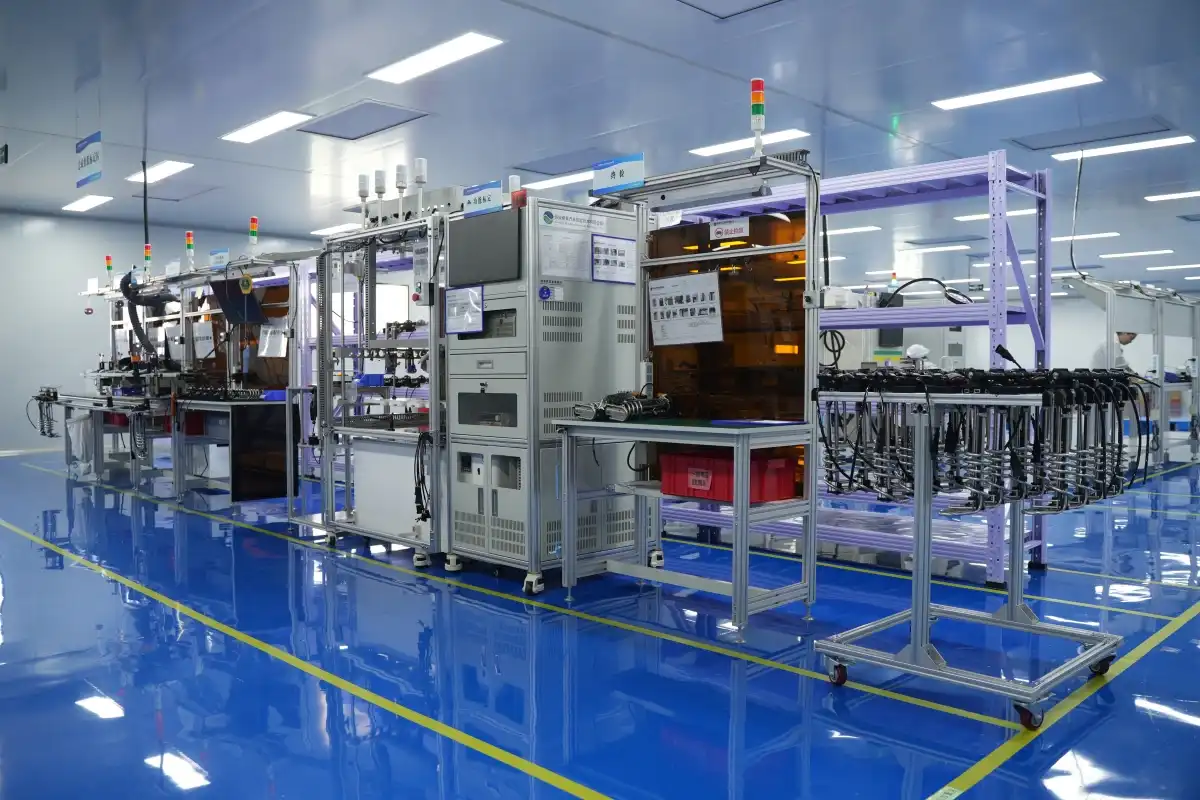
Introducing Urea Pressure Sensors and Their Role in NOx Reduction
A urea pressure sensor, which is also called an AdBlue pressure sensor, is an important part of SCR aftertreatment systems because it measures the pressure of the urea solution all the time as it flows through the dosing circuit. With this real-time information, your engine control system can change the injection parameters on the fly to match the dosing needs of different engine loads and working situations.
Core Sensor Technologies Used in SCR Systems
Several types of sensors are used in modern SCR applications, each one best suited to a certain task. Because they are durable and can measure a wide range of things, piezoresistive sensors are used a lot in heavy-duty and vehicle uses. For low-pressure areas, capacitive sensors are very sensitive, and piezoelectric devices respond quickly, which is good for changing engine conditions. Choosing the right technology relies on a number of things, such as the pressure range, how well it works with diesel exhaust fluid chemically, and how well it can handle vibration and temperature changes in the surroundings.
How Pressure Data Integrates with SCR Feedback Control?
Closed-loop input is what keeps SCR systems working at their best with catalyst performance. Pressure sensors send analog signals, usually between 0.5 and 4.5 VDC, to the engine control unit. This data is interpreted along with readings for exhaust temperature, NOx percentage, and mass airflow. When pressure isn't where it should be, the ECU changes the pump speed or the injection pulse width to get the dose back to where it should be. This constant change makes sure that the catalyst gets enough ammonia to reduce NOx emissions no matter what the drive conditions are, from no load to full load.
Real-Time Dosing Control for Emissions Compliance
To stay within strict NOx limits, operations must be carefully monitored at all times. Pressure tracking finds problems in the system, like a pump breaking down, a line getting clogged, or crystallization, that could affect how accurately doses are given. Early fault recognition stops too many emissions, saves expensive penalty cycles, and keeps downstream parts like the diesel particulate filter safe from chemical damage caused by delivering urea in the wrong way.
Why Accurate Urea Pressure Monitoring Optimizes NOx Reduction Performance?
Accurately measuring pressure has a direct effect on how well emissions work and how long the system lasts. When your SCR system works with correct pressure feedback, you protect the efficiency of the catalyst, lower the cost of upkeep, and make sure that the car meets all regulations throughout its life.
Consequences of Inaccurate Sensor Readings
Under-dosing happens when pressure sensors show lower numbers than they really are, which tells the ECU to lower the urea injection. This means that there isn't enough ammonia for catalytic reactions, which lets NOx pass through unchecked and causes compliance problems. Overdosing happens when sensors misjudge pressure, which causes too much urea to be delivered. This causes ammonia to slip, catalyst fouling, and crystalline layers that block exhaust flow and hurt turbochargers.
Common Sensor Issues and Troubleshooting
Long-term exposure to thermal cycling and chemical attack causes urea pressure sensor drift, shifting output signals away from calibrated values. Crystallized urea or particulate contamination can clog urea pressure sensor sensing ports, producing erratic readings or complete signal loss. Installation errors or electrical interference introduce urea pressure sensor calibration errors, creating measurement discrepancies that degrade dosing accuracy.
Troubleshooting a suspected urea pressure sensor failure requires systematic verification: inspect electrical connections, examine for physical damage, confirm stable supply voltage, and perform static pressure tests comparing urea pressure sensor output against reference instruments. A urea pressure sensor that passes these checks but still triggers faults may indicate deeper SCR system issues—such as pump degradation or injector blockage—that no replacement sensor will resolve.
Calibration Procedures and Maintenance Schedules
Regular calibration times that follow the manufacturer's instructions—usually once a year or every 100,000 miles for business vehicles—are needed to keep sensors accurate. To calibrate a sensor, its output is compared to precise reference standards across the whole measurement range, and the offset and gain settings are changed as needed. Preventive maintenance checks electrical contacts for corrosion on a regular basis, makes sure the mounting torque is correct to avoid stress-induced drift, and replaces sensors whose reaction time or linearity is getting worse.
Comparison and Selection of Urea Pressure Sensors for B2B Procurement
To choose the best pressure tracking option, you need to look at the technical specs, the supplier's skills, and the overall cost of ownership. Professionals in procurement have to find a balance between performance needs and price limits, all while making sure that the new system works with current SCR designs.
Differentiating Sensors from Pressure Transmitters
Pressure sensors usually give off analog voltages that can be directly integrated into an ECU. Transmitters, on the other hand, have signal conditioning hardware that turns raw readings into standard industrial protocols like 4-20 mA current loops or digital bus communications. For most SCR applications, sensors with ratiometric analog outputs are the easiest and least expensive option. On the other hand, transmitters are more useful in systems that need long wire runs or need to work with programmable logic controls.
Key Performance Metrics for Evaluation
Measurement error is defined by accuracy across the working range. Our QS-P226 has ±0.5% full-scale accuracy, which means that results are reliable no matter what the dosing conditions are. Sensitivity tells you the smallest change in pressure that can be detected. This is very important for systems that need to handle fine doses when they are not under a lot of load. Durability includes chemical resistance to urea rust, heat stability across a wide range of temperatures, and mechanical strength against shock and pressure. Response time affects how quickly the control system adjusts to changing engine needs. For example, sensors that respond faster can control emissions more tightly during short bursts of movement.
Overview of Industry-Leading Brands
Bosch makes strong sensors for cars and has global service networks and a lot of OEM approval. However, the high prices may make it hard for people who want to save money to buy them. Denso focuses on small designs that can fit in tight spaces, especially in light-duty diesel applications. Delphi gives aftertreatment writers who want turnkey solutions full system connection support.
Siemens wants to make industrial fixed engines with sensors that can handle heavy task work all the time. Honeywell has flexible product lines that can be used in both vehicle and industrial settings, and the pressure ranges can be changed to fit your needs. Caterpillar and Cummins each have their own sensors that are designed for their own engine platforms. This makes sure that the sensors work well with both platforms, but it limits the freedom between platforms.
These well-known names set the standard for the industry, but new companies like Qintai offer competitive prices, quick production, and tailoring that is focused on the customer. As China's biggest maker of SCR parts, we work with big OEMs like Weichai, Yuchai, and Quanchai. Our reliable products are sold at reasonable prices in foreign markets.
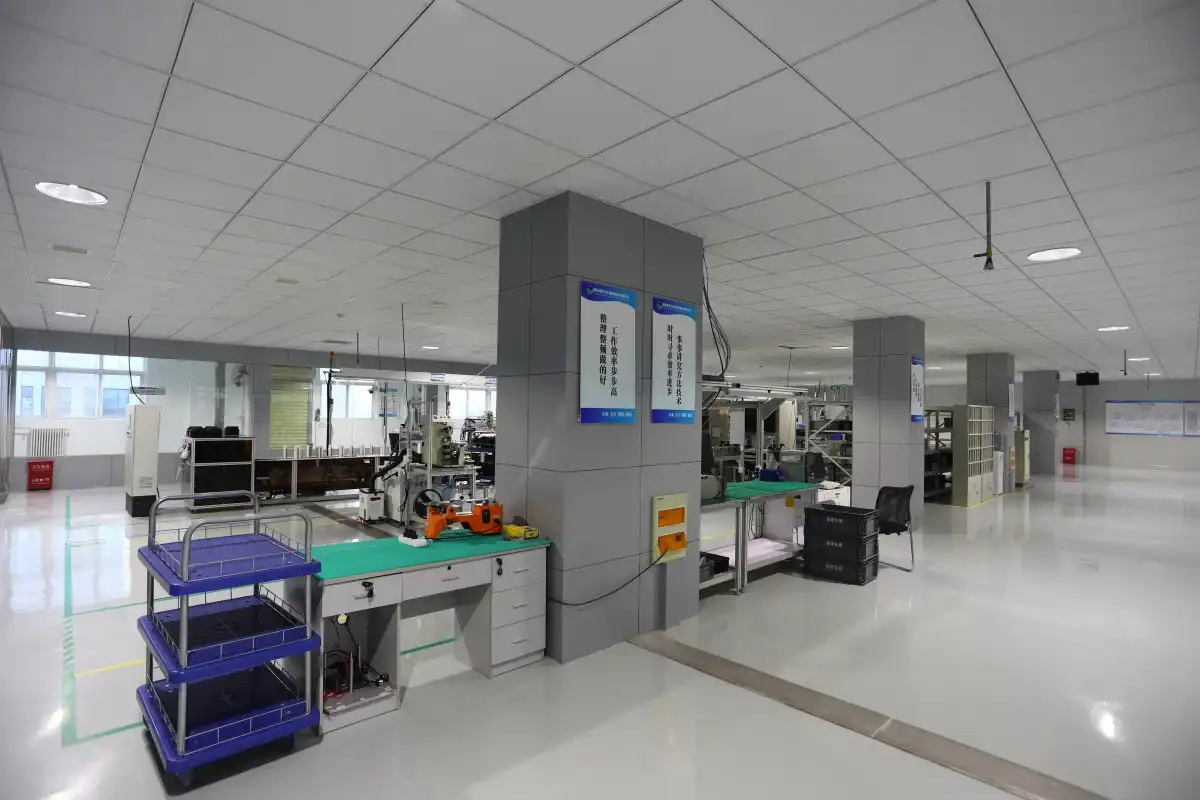
Procurement Considerations for Urea Pressure Sensors
It's not just about technical specs; strategic procurement also looks at things like how reliable the supplier is, how efficient the operations are, and how valuable the relationship is. To make supply lines more resilient, you need to look at a lot of different factors that affect operating consistency and total ownership costs.
Competitive Pricing and Warranty Terms
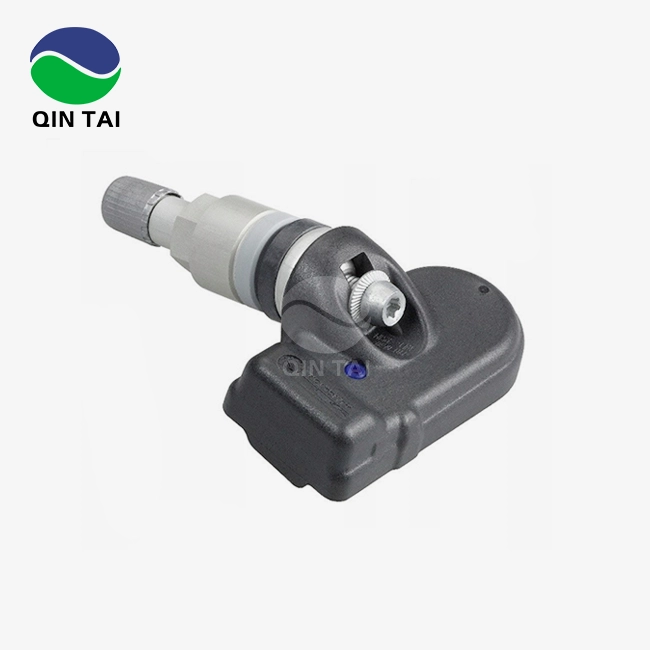
To find the right balance between price and quality for a urea pressure sensor, pricing structures must be transparent and reflect volume commitments without compromising performance. Our QS-P226 urea pressure sensor comes with a 12-month warranty covering manufacturing defects and early-life failures, protecting your investment against unplanned replacement costs. Comparing warranty terms across suppliers reveals differences in urea pressure sensor durability expectations—longer coverage periods indicate robust quality control and mature design validation.
A urea pressure sensor with extended warranty coverage typically incorporates higher-grade materials and more rigorous factory testing than a short-warranty alternative, though procurement teams should verify that the urea pressure sensor warranty explicitly covers the specific failure modes—such as urea crystallization or thermal cycling damage—most relevant to their application environment.
Importance of Logistics and Fast Delivery
When sensors fail, they cause downtime that directly affects how available the company is and how much money it makes. When suppliers keep goods in multiple locations, wait times drop from weeks to days. This lets suppliers quickly meet urgent replacement needs. Being close to factories shortens supply lines and makes it easier to talk about requests for customization or technical help. Getting to know providers that offer faster shipping choices and consignment inventory programs is another way to keep operations running smoothly.
Customization and Long-Term Partnerships
Off-the-shelf sensors might not perfectly fit your SCR system's pressure range, link type, or needs for protecting against external damage. When suppliers can change pressure lengths, output signals, and housing materials, integration can be improved without having to pay a lot for redesigns. Long-term partnerships offer ongoing technical help, the chance to work together on the creation of next-generation goods, and priority access to capacity when supply is limited. We offer full customization, ranging from changing the pressure range to specifying the connectors. Our research teams are committed and know how complicated emission control systems are.
Introducing the Qintai QS-P226 Urea Pressure Sensor
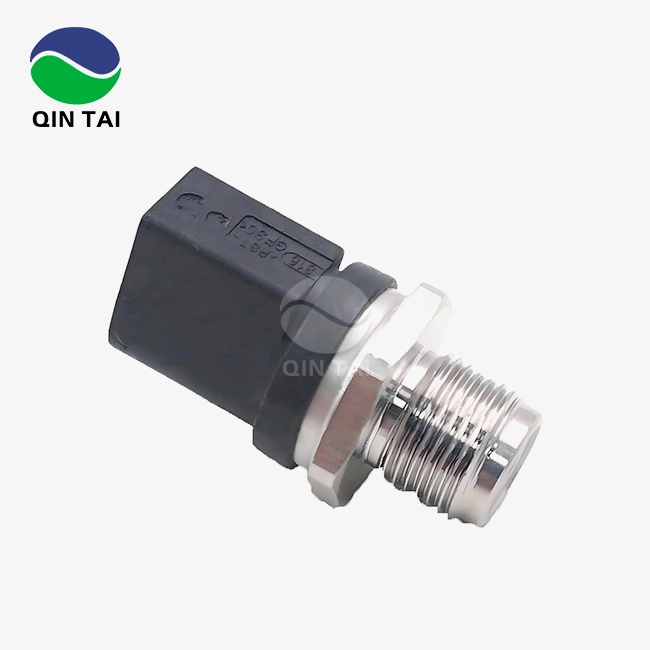
The QS-P226 from Qintai combines self-developed sensor core technology with production know-how that has been improved over 20 years. Heavy trucks, building equipment, farm equipment, and generator sets are just some of the challenging SCR uses that this sensor was made for. It is very reliable and meets global emission standards.
Technical Specifications Optimized for SCR Performance
The QS-P226 can read pressure from -14 to +130.5 psi, which covers all possible operating situations, from starting up the system to the highest dose levels. This wide range makes it possible to find system leaks that lower pressure, blocks that cause overpressure, poor pump performance, and injector problems. The sensor takes in a normal 5V input voltage and sends out a 0.5-4.5 VDC ratiometric signal that most engine control units can use without any extra signal conditioning. Our standard for ±0.5% accuracy guarantees accurate readings across the entire working range. This means better control of emissions and a lower chance of damage to components.
Built for Harsh Operating Environments
Conditions that are hard on SCR sensors speed up wear and make them less accurate. The QS-P226 meets these needs by making smart engineering choices. Chemical resistance comes from materials that can handle urea rust and crystallization, so they can keep their accuracy even when diesel exhaust fluid is affected. Thermal stability makes sure that the machine works reliably even when the temperature changes. The calibration stays the same during cold starts and long periods of high temperature use. The measurement accuracy is not affected by constant car vibration because the construction is strong, and the sealed design keeps wetness and dirt from getting into the internal parts.
These technical skills come from working as an engineer for China's biggest diesel engine makers. We know how hard it is on your sensors in the real world because our goods are used in millions of cars that drive in harsh conditions and have to do a lot of work.
Future Trends and Innovations in Urea Pressure Monitoring
Global emissions regulations continue tightening, driving innovation in urea pressure sensor technology and system integration. Staying ahead of these trends positions your organization to meet emerging compliance requirements while simultaneously improving operational efficiency. As regulators lower NOx limits and extend useful life requirements, the urea pressure sensor becomes an increasingly critical component—one whose performance directly determines whether a fleet remains legal or faces stop-sale orders. Procurement strategies that prioritize the lowest urea pressure sensor price today may find those sensors incapable of meeting tomorrow's stricter diagnostics and durability mandates, forcing costly requalification and retrofits that exceed any initial savings.
Advancements in Sensor Materials and Design
Next-generation sensors use advanced ceramic and composite materials that make them more resistant to chemicals and make them last longer than the current 12-month promise. Miniaturization makes it possible to fit into setups with limited space without losing accuracy, and better sealing technologies raise the ingress protection rates for use in harsh environments. By extending the time between replacements and making measurements more stable, these material innovations lower the total cost of ownership.
IoT Integration and Predictive Maintenance
With real-time feedback, pressure sensors go from being inactive measuring tools to smart system watchdogs. Connectivity through CAN bus or LIN standards lets you log data continuously, do analytics in the cloud, and use predictive failure algorithms to find patterns of wear and tear on sensors before they stop working. Fleet managers can see how healthy the SCR systems are across all of their vehicles, which helps them plan repairs better and cut down on unplanned downtime. This method is based on data and helps Industry 4.0 frameworks by making digital copies of real assets that show how they work in different situations.
Supporting Future NOx Limits and Smart Procurement
As NOx standards are expected to get stricter, they will need even more accurate doses and system dependability. With sensors that can self-diagnose, adaptable calibration algorithms, and better accuracy standards, your fleet will be ready to easily follow the rules for the next generation. Smart buying uses these technologies by choosing providers that are dedicated to constant innovation and provide product roadmaps that are in line with changes in regulations. When you work with makers who are thinking ahead, you can get access to technologies that protect your capital investments and make products last longer.
Conclusion
Accurately tracking urea pressure sensor readings is the key to reducing NOx effectively, directly affecting SCR system performance, emissions compliance, and operating costs. Procurement professionals can build robust aftertreatment systems by selecting reliable urea pressure sensor devices from reputable manufacturers, following strict maintenance procedures, and staying updated on emerging technologies. The QS-P226 from Qintai combines precise engineering, industrial durability, and full customization support to meet the exact needs of current diesel uses. It provides accurate measurements that lead to lower emissions and continued compliance with regulations.
FAQ
How often should urea pressure sensors be calibrated?
Calibration dates rely on how the vehicle is used and what the maker recommends, but for business cars, once a year is the best time to check. High-use teams that work in harsh settings may need to be checked every six months to keep their accuracy. After replacing a sensor or making changes to the system that change the way pressure works, you should always check the calibration.
What symptoms indicate sensor failure?
Unreliable pressure readings, higher NOx emissions from the tailpipe, diagnostic trouble codes linked to SCR dosing, and a sudden drop in engine speed are all signs of sensor degradation. If you look closely and see crystalline layers on the sensing elements or electrical connections that are rusted, you know it's time to replace it. These days, engine control systems often record patterns of sensor shift before the whole system fails.
Can sensors be customized for specific applications?
Suppliers you can trust will let you make changes to the pressure ranges, electrical connections, mounting options, and environmental protection grades. During the buying process, be clear about what you need in terms of working temperature ranges, resistance to vibration, and chemical compatibility. When working with makers who have flexible production options and in-house engineering tools, customization usually doesn't add much to the wait time.
Partner with Qintai for Superior Urea Pressure Sensor Solutions
Qintai is ready to help you with your SCR system needs by providing high-quality pressure sensors made for tough industrial uses. We are a certified QS-P226 urea pressure sensor manufacturer with ISO9001, IATF16949, and other foreign credentials that show our dedication to quality and dependability. You can benefit from our independent research and development, our many years of experience as an OEM, and our open customization services that can be tailored to your system design. Contact our technical team at info@qt-sensor.com to talk about your application needs, get quick quotes, and find out how our sensors improve the efficiency of NOx reduction while keeping costs down by offering fair prices and reliable supply chain performance.
References
1. Johnson, T. V. (2015). Review of Vehicular Emissions Trends. SAE International Journal of Engines, 8(3), 1152-1167.
2. Koebel, M., Elsener, M., & Madia, G. (2001). Recent Advances in the Development of Urea-SCR for Automotive Applications. SAE Technical Paper Series, Paper No. 2001-01-3625.
3. Majewski, W. A., & Khair, M. K. (2006). Diesel Emissions and Their Control. Warrendale: SAE International.
4. Nova, I., & Tronconi, E. (2014). Urea-SCR Technology for deNOx After Treatment of Diesel Exhausts. New York: Springer.
5. Sluder, C. S., Storey, J. M., Lewis, S. A., & Lewis, L. A. (2005). Low Temperature Urea Decomposition and SCR Performance. SAE Technical Paper Series, Paper No. 2005-01-1858.
6. Walker, A. P. (2016). Controlling Particulate Emissions from Diesel Vehicles. Topics in Catalysis, 59(8-9), 695-707.
 Sensor.webp)

Our customers’ satisfaction speaks for our quality — contact us to experience the same reliable service.