- English
- French
- German
- Portuguese
- Spanish
- Russian
- Japanese
- Korean
- Arabic
- Greek
- German
- Turkish
- Italian
- Danish
- Romanian
- Indonesian
- Czech
- Afrikaans
- Swedish
- Polish
- Basque
- Catalan
- Esperanto
- Hindi
- Lao
- Albanian
- Amharic
- Armenian
- Azerbaijani
- Belarusian
- Bengali
- Bosnian
- Bulgarian
- Cebuano
- Chichewa
- Corsican
- Croatian
- Dutch
- Estonian
- Filipino
- Finnish
- Frisian
- Galician
- Georgian
- Gujarati
- Haitian
- Hausa
- Hawaiian
- Hebrew
- Hmong
- Hungarian
- Icelandic
- Igbo
- Javanese
- Kannada
- Kazakh
- Khmer
- Kurdish
- Kyrgyz
- Latin
- Latvian
- Lithuanian
- Luxembou..
- Macedonian
- Malagasy
- Malay
- Malayalam
- Maltese
- Maori
- Marathi
- Mongolian
- Burmese
- Nepali
- Norwegian
- Pashto
- Persian
- Punjabi
- Serbian
- Sesotho
- Sinhala
- Slovak
- Slovenian
- Somali
- Samoan
- Scots Gaelic
- Shona
- Sindhi
- Sundanese
- Swahili
- Tajik
- Tamil
- Telugu
- Thai
- Ukrainian
- Urdu
- Uzbek
- Vietnamese
- Welsh
- Xhosa
- Yiddish
- Yoruba
- Zulu
How Often Should You Service a Urea Injection System for Heavy Fleets?
For heavy fleet operators managing compliance with EPA, Euro VI, or China VI emission standards, staying ahead of maintenance schedules is non-negotiable. Most OEM guidelines recommend servicing a urea injection system every 20,000 to 40,000 kilometers, though real-world conditions often demand more frequent attention. Factors like DEF fluid quality, operating temperatures, and engine load cycles all influence how quickly components degrade. Neglecting scheduled service can trigger fault codes, reduce NOx conversion efficiency, and expose your fleet to costly regulatory penalties. Understanding your system's service rhythm is the foundation of sustainable, compliant fleet management.

Understanding the Urea Injection System and Its Role in Heavy Fleets
What the System Is and Why It Matters
Selective Catalytic Reduction (SCR) technology is used in modern heavy-duty diesel engines to turn harmful nitrogen oxides into nitrogen gas and water vapor. This process is based on urea breaking down into ammonia and then reacting with NOx. This is the chemical reaction that happens:
CO(NH₂)₂ + H₂O -> 2NH₂ + CO₂
It goes from 4NO + 4NH₃ + O₂ to 4N₂ + 6H₂O.
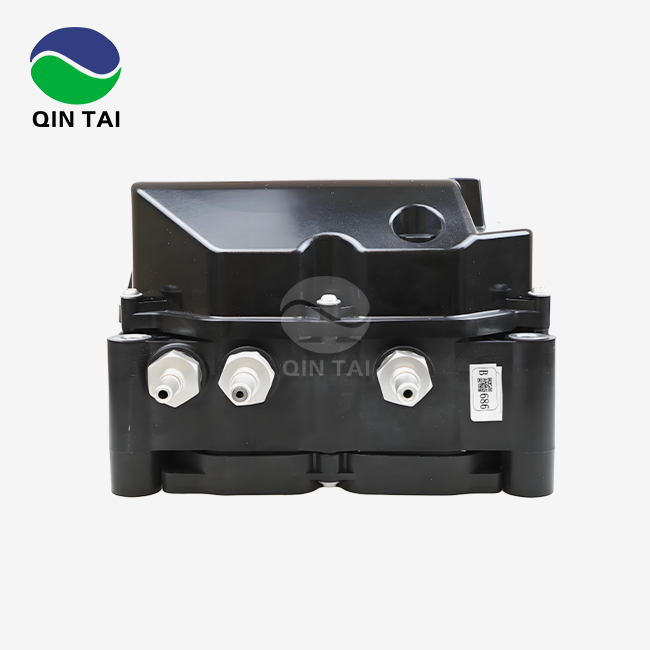
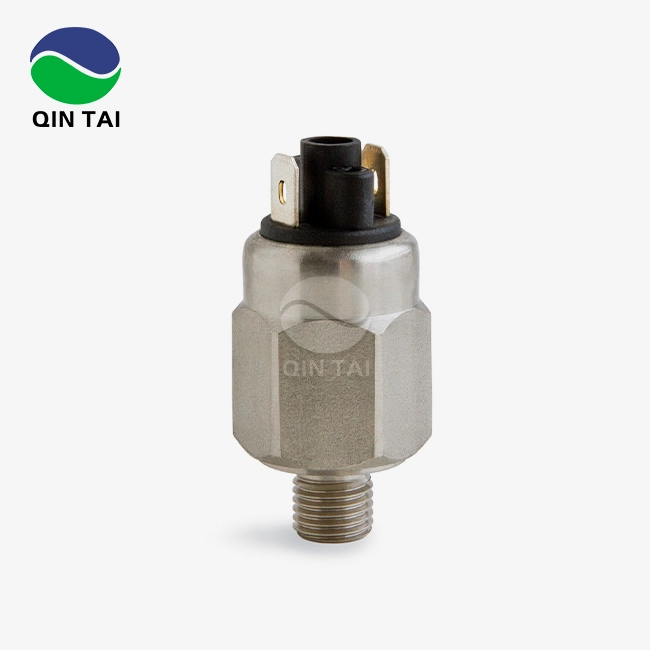
This response is perfectly controlled by the DEF dosing method. A urea tank, an injection nozzle, pressure sensors, heating elements, and a dosing control unit make it up. To keep up with emissions rules and get the best gas mileage, each part has to work within very tight limits.
Why B2B Procurement Teams Should Pay Attention?
The consistent performance of these parts in a urea injection system has a direct impact on certification results and production plans for buying managers and R&D engineers at OEM sites or aftertreatment integrators. One opening that doesn't work right or a pressure monitor that doesn't work right can cause problems throughout the whole system. When pressures are between 5 and 9 bar, injection nozzles work to atomize DEF into the exhaust stream very precisely. Heating parts keep the fluid temperature above -11°C (12°F) to keep it from freezing and crystallizing, which is a frequent cause of failure in cold weather operations.
How Often Should You Service a Urea Injection System?
OEM Recommendations vs. Real-World Demands
Most makers recommend that you get your car serviced every 20,000 to 40,000 kilometers. On the other hand, fleets that work in mines, farms, or construction sites often have to deal with harsher duty cycles that shorten those cycles. High levels of dust in the air, changing road grades, and running an engine at high loads for a long time all speed up the wear and tear on all the parts of the exhaust aftertreatment system.
Another variable that doesn't get enough attention is DEF quality. ISO 22241 says that AUS32 is the standard urea solution for most uses on the road. When you use DEF that isn't made to specifications, it adds impurities that build up on input valves and over time make sensors less accurate. When fleet managers get DEF from suppliers they can't trust, they usually have to do more maintenance and more crystallization builds up.
Warning Signs That Service Is Overdue
Instead of waiting for a certain date, keep an eye out for these operational signs that your SCR dosing system needs instant attention:
- Dashboard fault codes that show NOx sensor mistakes or dose module problems
- Fluid leaking that can be seen around the DEF tank, lines, or mounting points for the injection nozzle
- Engine power is cut off by the vehicle's limp mode when emission limits are exceeded
- An unusual exhaust smell could mean urea slip, which is when too much ammonia passes through the catalyst without reacting.
If you find these problems early, you can keep the costs of fixing them low and avoid roadside breakdowns that cause delays in delivery or construction schedules.
Common Maintenance Procedures and Best Practices
Routine Checks That Protect Long-Term System Health
Maintenance that works for a urea injection system goes beyond just adding more oil. As part of a full inspection cycle, the dose control unit should be checked for software errors, the injection nozzles should be checked for crystallization or blockage, and the pressure and temperature sensors should be checked for calibration shift. OEM instructions should be followed when replacing filters, and heating circuits should be checked before winter operations start.
Pay extra attention to cleaning the nozzles. Many new SCR systems have automatic flushing processes that send hot DEF through the nozzle after the engine has stopped to get rid of deposits that have formed crystals. If automated cleaning doesn't work, a technician can use special cleaning tools to clear out the clogs by hand. If neither of those fixes the problem, the nozzle needs to be replaced. For accurate dose, it's important to get a replacement that was carefully made by a source that has been checked out.
It's also important to handle DEF safely. DEF is not poisonous, but it breaks down some metals and leaves chemical dust on surfaces. Technicians should only use tools that are made to work with DEF and properly get rid of contaminated fluid.

Troubleshooting Urea Injection Systems in Heavy Fleets
Diagnosing Root Causes Efficiently
Heavy fleet SCR systems most often fail because the nozzle gets clogged up with urea crystals, the pressure sensor moves, the heating element breaks, or the ECU and sensor communication fails. All of these happen faster when the DEF quality is bad. A organized diagnostic method saves time when a fault code shows up:
- Get OBD/OEM fault codes for the dosing module or NOx sensors and figure out what they mean
- Check the injection nozzle physically for crystallized buildup or damage
- Use diagnostic tools to compare sensor output numbers to the manufacturer's specs
- Use a refractometer to check the quality of the DEF before assuming that the fluid is clean
When problems happen again after being fixed, it's usually because of a bad replacement part rather than a problem with the way the system was designed as a whole. Using OEM-certified parts gets rid of this variable and makes sure the system works like it did when it was first made.
When to Escalate to a Specialist
Some problems in a urea injection system, like ECU software mismatches or damaged catalyst substrates, need special tools and equipment for testing that aren't available in a typical workshop. For a big fleet, building a relationship with an approved service partner before a problem arises is a smart way to buy things.
Selecting the Right Service Partner and Replacement Parts
OEM Parts vs. Aftermarket Alternatives
There is a lot of evidence that genuine OEM parts are cheaper over their entire life cycle. Aftermarket valves and sensors may be cheaper at first, but they can fail early, need to be fixed more than once, and might not meet emission standards because the materials and specs aren't always the same. If a company is being watched by regulators, using parts that aren't up to par is much worse for their image and their finances than any short-term savings.
Procurement managers should look for certifications like IATF 16949, ISO 9001, and approvals for relevant emissions standards when they are evaluating suppliers. It's just as important for fleets with limited operating times to have reliable delivery and quick technical help as it is to have low unit prices. A good connection with a provider also lets you get volume-based service contracts, customized repair schedules, and expert help on-site. These all lower the total cost of ownership over the life of a fleet.
Conclusion
Regularly servicing a urea injection system keeps your fleet in line with emission rules, cuts down on unexpected downtime, and increases the life of expensive aftertreatment parts. The range of 20,000 to 40,000 km is just a starting point. The actual intervals depend on the operating environment, the quality of the DEF, and the intensity of the duty cycle. When fleet managers combine OEM-recommended plans with proactive fault tracking, they can see the most clearly when they need to step in and help.

FAQ
Q1: Can we handle urea injection system servicing in-house?
A: Trained in-house technicians can do simple tasks like checking the fluids, replacing the filters, and visual inspections. For more complex tests like ECU calibration or catalyst assessment, you need special tools and usually need to get help from an expert service.
Q2: What happens if we delay scheduled maintenance?
A: Putting off maintenance speeds up the formation of crystals in dose nozzles, lowers the accuracy of sensor calibration, and raises the risk of producing too much NOx. In markets that are controlled, this can lead to fines, failed inspections, or having to shut down, all of which cost more than regular upkeep.
Q3: Does cold weather change the servicing schedule?
A: Yes. When temperatures drop below zero, heating elements are put under more thermal stress, and there is a much higher chance that DEF will freeze. If your fleet works in the north, you should definitely check the heating systems and fluid lines before winter.
Q4: How does DEF quality affect maintenance frequency?
A: Mineral residues and chemical impurities from low-grade or dirty DEF make nozzle blockage and sensor decay happen faster. Getting ISO 22241-compliant AUS32 from trusted suppliers lowers the frequency of maintenance.
Partner with Qintai for Reliable Urea Injection System Solutions
Since 2001, Qintai has provided high-precision SCR parts to OEMs in more than 60 countries. The company has many international certifications, including IATF 16949, ISO 9001, and others. Weichai Power and Yuchai Power trust us to make the best urea injection systems and offer full OEM/ODM services for sensors, dosing components, and other parts that are made to last in industrial settings. Contact our expert team at info@qt-sensor.com to get a price or talk about a custom supply partnership.
References
1. SAE International Journal of Engines — "DEF Quality Impact on SCR System Performance in Heavy-Duty Diesel Applications," 2021.
2. Emissions Analytics — "Real-World NOx Emissions from Heavy Commercial Vehicles Under Euro VI," 2022.
3. ISO 22241-1:2019 — "Diesel Engines — NOx Reduction Agent AUS 32," International Organization for Standardization, 2019.
4. MTZ Worldwide — "Advances in Urea Dosing Systems for Next-Generation SCR Technology," 2020.
5. Transportation Research Part D: Transport and Environment — "Maintenance Practices and Emission Compliance in Heavy Truck Fleets," Elsevier, 2021.
6. Heavy Duty Trucking Magazine — "SCR System Service Intervals: What Fleet Managers Need to Know," 2023.


Our customers’ satisfaction speaks for our quality — contact us to experience the same reliable service.