- English
- French
- German
- Portuguese
- Spanish
- Russian
- Japanese
- Korean
- Arabic
- Greek
- German
- Turkish
- Italian
- Danish
- Romanian
- Indonesian
- Czech
- Afrikaans
- Swedish
- Polish
- Basque
- Catalan
- Esperanto
- Hindi
- Lao
- Albanian
- Amharic
- Armenian
- Azerbaijani
- Belarusian
- Bengali
- Bosnian
- Bulgarian
- Cebuano
- Chichewa
- Corsican
- Croatian
- Dutch
- Estonian
- Filipino
- Finnish
- Frisian
- Galician
- Georgian
- Gujarati
- Haitian
- Hausa
- Hawaiian
- Hebrew
- Hmong
- Hungarian
- Icelandic
- Igbo
- Javanese
- Kannada
- Kazakh
- Khmer
- Kurdish
- Kyrgyz
- Latin
- Latvian
- Lithuanian
- Luxembou..
- Macedonian
- Malagasy
- Malay
- Malayalam
- Maltese
- Maori
- Marathi
- Mongolian
- Burmese
- Nepali
- Norwegian
- Pashto
- Persian
- Punjabi
- Serbian
- Sesotho
- Sinhala
- Slovak
- Slovenian
- Somali
- Samoan
- Scots Gaelic
- Shona
- Sindhi
- Sundanese
- Swahili
- Tajik
- Tamil
- Telugu
- Thai
- Ukrainian
- Urdu
- Uzbek
- Vietnamese
- Welsh
- Xhosa
- Yiddish
- Yoruba
- Zulu
Which Aftertreatment Dosing Unit Fits My Engine and Meets EPA Rules?
If you are sourcing an aftertreatment dosing unit for a heavy-duty diesel engine, the answer depends on three things: engine displacement and horsepower, the application environment, and the emission standard your market enforces. In the United States, EPA Tier 4 Final and EPA 2010 on-highway standards require NOx reductions of up to 90% compared to earlier baselines. The right dosing unit — paired with a properly calibrated SCR system and an accurate urea dosing pressure sensor — makes that reduction achievable at scale, across every production unit you ship.

Understanding Aftertreatment Dosing Units and Their Role in EPA Compliance
What an ADU Actually Does
Diesel Exhaust Fluid (DEF) is added to the exhaust stream by an aftertreatment dosing unit that is located before the SCR catalyst. A dosing control unit (DCU) checks the signals from the pressure, temperature, and NOx sensors and then changes the rate of injection in real time. The urea dosing pressure sensor is inside the dosing module. It gives constant hydraulic feedback, usually between 0 and 12 bar with an accuracy of ±1.5% full scale, so the DCU never gives too much or too little urea.
How ADUs Connect to EPA Standards
EPA Tier 4 Final off-road engines with more than 130 kW are now limited to 0.30 g/kWh of NOx. Dosing with great accuracy at the milliliter level is needed to do that. If your urea dosing pressure sensor isn't calibrated correctly or is broken, it can cause fault codes like P204B, put your engine into limp mode, and void your EPA certification. It is necessary for compliance to work, so accurate sensor input is not a choice.
The Business Case for Quality
Buying a properly specified dosing system lowers the number of guarantee claims, cuts down on unplanned downtime, and keeps your OEM certification status safe. It costs less to certify engines that pass the first time they are sent to the EPA than those that need to be tested again. Over the course of a whole production run, that savings add up.
Key Factors to Consider When Choosing an Aftertreatment Dosing Unit
Engine Compatibility
Make sure the aftertreatment dosing unit fits the engine's size, power, and waste flow rate. It's not possible for a unit made for a 6-liter truck engine to dose correctly on a 15-liter generator set engine that is running at variable load. Compare the flow rate given by the manufacturer, which is given in liters per hour, with the highest rate at which your engine can use DEF.
Application Environment
The requirements for durability depend on the working environment. Here are the three main deployment scenarios you should look at:
- Long-haul commercial trucks need sensors and dosing units that can handle over a million kilometers of road vibration and thermal cycles, where temperatures can change from -40°C at cold start to +125°C at full load.
- Construction and mining equipment works in places with a lot of dust and shock. The dosing module and its pressure sensor must have an IP grade of at least 67, but IP69K is better for job sites where they will be wet.
- Generator sets in mines or power plants run all the time at a steady load. In this case, long repair intervals are important. Look for parts that can work for 15,000 to 20,000 hours before they need to be replaced.
The internal diaphragm material, connection sealing, and PCB coating of the urea dosing pressure sensor have to work in different ways in each location. Picking the right specification from the start keeps things from breaking down too soon in the field.
Dosing Technology: Electric vs. Pneumatic
Electric aftertreatment dosing units are better for industrial engines that come from passenger cars because they offer better control at low DEF flow rates. Pneumatic units are common in large off-road applications because they can handle higher flow rates. Before you place your order, make sure that the output signal protocol (0.5 V–4.5 V analog or SENT digital) works with your ECU's tuning.

Comparing Aftertreatment Dosing Solutions in the Market
OEM-Grade vs. Aftermarket Units
OEM-grade units come with full system calibration data and the warranty that came with the original equipment. They are the right choice for new engine projects that need to show proof of EPA certification that goes back to a named component provider. Aftermarket units are cheaper up front, but they need to be checked against your engine's DCU parameters by a third party before they can be used in a certified application.
The Role of the Pressure Sensor in System Performance
When system performance drops, the urea dosing pressure sensor is often the first part to send out a fault code. Piezoresistive MEMS sensors or ceramic thick-film strain gauges separated by a 316L stainless steel diaphragm are better at withstanding urea corrosion and freeze-thaw cycles than regular pressure sensors. When AdBlue freezes, it grows by about 9%. In the northern U.S. winters, a sensor that doesn't have internal volume buffering will drift or crack after just one freeze cycle.
Pricing and Lead Time Considerations
Aftertreatment dosing units usually have volume pricing that starts at yearly amounts above 500 units. Urea dosing pressure sensors are used up quickly and need to be replaced more often. When you work with a provider that keeps extra stock on hand, you are less likely to face lead-time risk during busy production times.
How to Source and Procure Aftertreatment Dosing Units Efficiently
Evaluating Supplier Qualifications
As a minimum, an aftertreatment dosing unit component provider that you can trust should have IATF 16949 quality management approval and ISO 9001 registration. If you ask for them, CE, UL, and RoHS compliance papers for sensors coming into the U.S. market should be available. Not only should you ask for a product datasheet, but you should also ask for test reports that show EMC resistance and IP rating validation.
OEM Direct vs. Authorized Distributor
When you buy directly from the OEM manufacturer, you can get full engineering support and services for custom calibration. Authorized distributors can send items faster in your area and make it easy to return items. For long-term, high-volume projects, direct OEM ties usually offer better pricing and the chance to work together to create configurations that are specific to the application.
Managing Bulk Orders and Inventory Risk
When you place blanket orders with quarterly call-off dates, you give your providers the production information they need to keep stock for you. This method lowers your cost per unit while keeping your warehouse space and working capital needs reasonable.
Ensuring Long-Term Compliance and Optimal Performance
Scheduled Maintenance Practices
Every 50,000 km or once a year, whichever comes first, check the DEF lines and dosing injector tips. If the signal drift goes over the ±1.5% full-scale tolerance or if a P204B code shows up and cleaning the connectors doesn't fix it, the urea dosing pressure sensor needs to be replaced. Gold-plated connector terminals don't rust, which is what causes signal problems that happen from time to time.
Troubleshooting Common Dosing Faults
Blockages in the flow most often happen because of urea crystallization inside the dosing module. Internal flow paths that are made with as little dead volume as possible lower the chance of DEF drying out in place. If there is a blockage, the dosing module should be cleaned according to the instructions from the manufacturer before the urea dosing pressure sensor is replaced.
Preparing for Future EPA Rulemaking
The EPA is looking at NOx standards for heavy-duty engines that will go into effect after 2027. These standards could make the limits even stricter, up to 80% stricter than the current Tier 4 Final levels. If you choose sensor and dosage hardware that is more accurate than what is needed now, your product line will be ready to meet stricter standards without having to completely rethink the system.

Conclusion
To pick the correct aftertreatment dosing unit, you need to make sure that the flow rate, signal procedure, and sturdiness rating are all right for your engine and the area in which it will be used. The part inside that unit that makes real-time accuracy possible and keeps your engines passing EPA checks is the urea dosing pressure sensor.
Check that the supplier has the right certifications, make sure that the ECU signals work with the supplier's products, and plan your purchases early to avoid supply gaps. If you choose the right dosing system, it will protect your product's certification, lower the cost of field warranties, and make sure that your customers' equipment always stays within the legal emission limits.
FAQ
How do I confirm that a dosing unit is compatible with my engine ECU?
Compare the type of signal output (analog 0.5 V–4.5 V or SENT protocol) with what your ECU needs as an input. Also, make sure that the thread size (M10×1 or M12×1.5) and the range of working pressures match the output of your pump.
What is the difference between electric and pneumatic dosing units for off-road engines?
Electric units are better for engines under 300 kW and give better control when DEF demand rates are low. Large engines for building or mining tools that are more than 400 kW often use pneumatic units because they can handle higher volumetric flow rates.
Can aftermarket ADU components meet EPA compliance standards?
Yes, as long as they come with verified calibration data that works with your DCU software version and are tested to meet the same accuracy and durability standards as the OEM part. Documentation from separate tests is needed.
Why does my engine enter limp mode after a DEF pressure fault?
EPA rules say that the engine processor has to cut power when the SCR system can't confirm that NOx reduction is happening properly. If a broken urea dosing pressure sensor reads outside the normal range, this protection will automatically go off.
How long does a urea dosing pressure sensor last?
When used in normal business situations, sensors that are properly described are made to last 15,000 to 20,000 hours of operation under normal pressure and temperature loads.

Partner with Qintai for Your Aftertreatment Dosing Unit Supply
Since 2001, Qintai has been making diesel SCR aftertreatment sensors. They are certified by IATF 16949, ISO 9001, UL, CE, and RoHS. For more than 60 countries, Qintai is the No. 1 aftertreatment dosing unit seller by market share in China. They work with Weichai Power, Yuchai Power, and Quanchai Power as a key OEM partner. Visit qt-sensor.com or email us at info@qt-sensor.com to get a quote or talk about making custom specs for your production program.
References
1. U.S. Environmental Protection Agency. Exhaust Emission Standards for Heavy-Duty On-Highway Engines. EPA, 2010.
2. U.S. Environmental Protection Agency. Nonroad Diesel Engines: Tier 4 Final Emission Standards. EPA, 2008.
3. Society of Automotive Engineers. SAE J2940: Diesel Exhaust Fluid Quality Requirements for SCR Systems. SAE International, 2011.
4. International Organization for Standardization. ISO 22241-1: Diesel Engines – NOx Reduction Agent AUS 32. ISO, 2019.
5. Khair, M. K., & Jääskeläinen, H. Emission Formation in Diesel Engines. DieselNet Technology Guide, Ecopoint Inc., 2016.
6. National Renewable Energy Laboratory. Advanced Combustion and Emission Control Technical Roadmap for Heavy-Duty Engines. NREL, 2020.
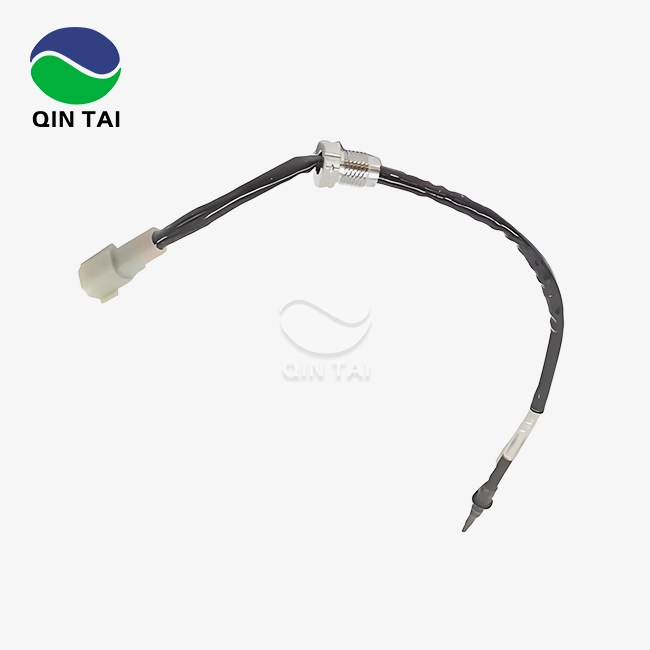
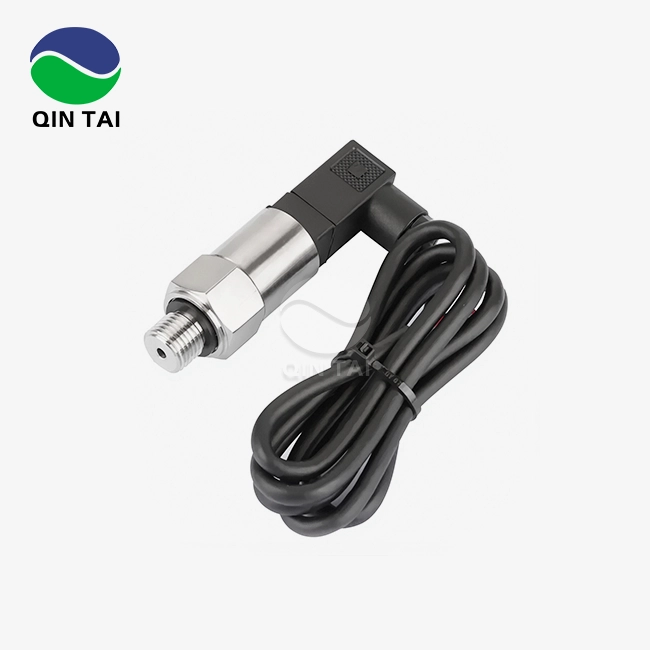
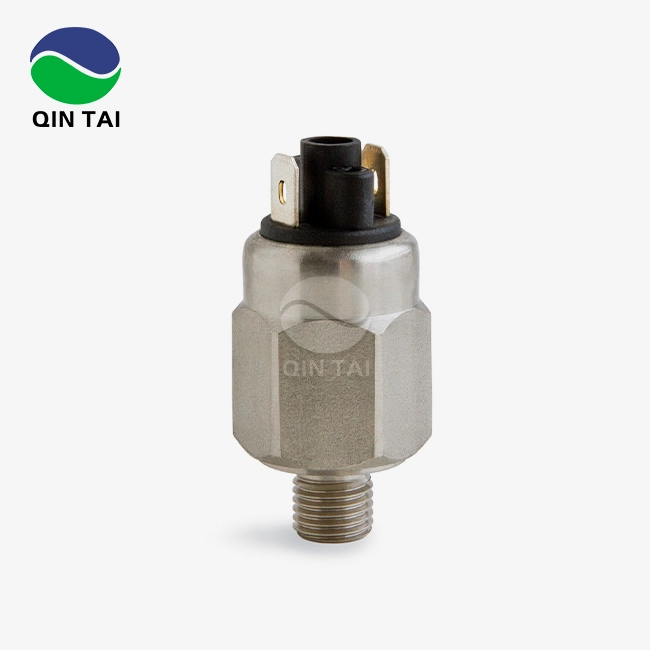
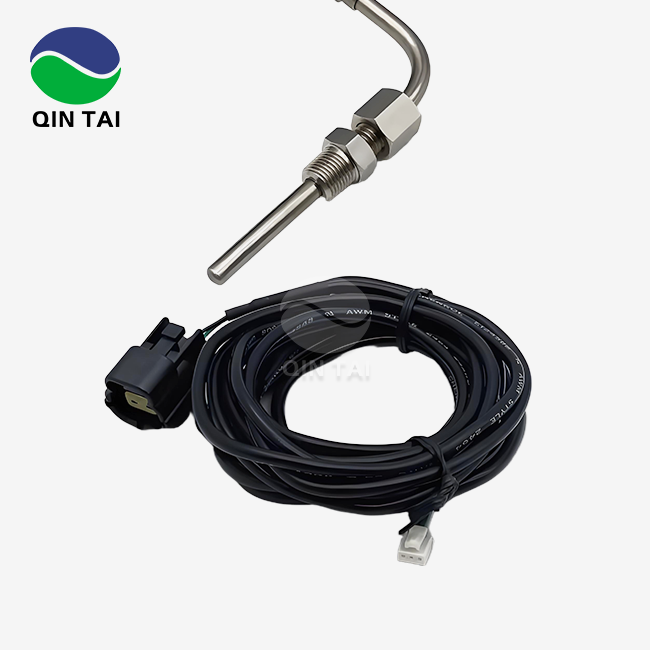

Our customers’ satisfaction speaks for our quality — contact us to experience the same reliable service.