- English
- French
- German
- Portuguese
- Spanish
- Russian
- Japanese
- Korean
- Arabic
- Greek
- German
- Turkish
- Italian
- Danish
- Romanian
- Indonesian
- Czech
- Afrikaans
- Swedish
- Polish
- Basque
- Catalan
- Esperanto
- Hindi
- Lao
- Albanian
- Amharic
- Armenian
- Azerbaijani
- Belarusian
- Bengali
- Bosnian
- Bulgarian
- Cebuano
- Chichewa
- Corsican
- Croatian
- Dutch
- Estonian
- Filipino
- Finnish
- Frisian
- Galician
- Georgian
- Gujarati
- Haitian
- Hausa
- Hawaiian
- Hebrew
- Hmong
- Hungarian
- Icelandic
- Igbo
- Javanese
- Kannada
- Kazakh
- Khmer
- Kurdish
- Kyrgyz
- Latin
- Latvian
- Lithuanian
- Luxembou..
- Macedonian
- Malagasy
- Malay
- Malayalam
- Maltese
- Maori
- Marathi
- Mongolian
- Burmese
- Nepali
- Norwegian
- Pashto
- Persian
- Punjabi
- Serbian
- Sesotho
- Sinhala
- Slovak
- Slovenian
- Somali
- Samoan
- Scots Gaelic
- Shona
- Sindhi
- Sundanese
- Swahili
- Tajik
- Tamil
- Telugu
- Thai
- Ukrainian
- Urdu
- Uzbek
- Vietnamese
- Welsh
- Xhosa
- Yiddish
- Yoruba
- Zulu
Sputtered Thin Film Pressure Sensor vs. Silicon: Which Is Best?
If you're sourcing pressure sensors for diesel engines, SCR aftertreatment systems, or industrial generator sets, you've likely encountered two dominant technologies: sputtered thin film pressure sensor and silicon piezoresistive. Choosing between them directly affects system reliability, emission compliance, and total procurement cost.
Based on my experience working with OEMs and aftertreatment integrators, a sputtered thin film pressure sensor generally performs better in harsh, high-vibration environments, while silicon sensors offer cost advantages in controlled, lower-temperature settings. This comparison gives you the technical grounding to make a confident, data-backed decision.

Understanding Sputtered Thin Film and Silicon Pressure Sensors
How Sputtered Thin Film Technology Works
In a sputtered thin film sensor, metal strain resistors are put on top of a stainless steel diaphragm in a room with a lot of pressure. The layers of film stick together at the atomic level, so there is no creep like there is with adhesive bonding. The film slightly bends when pressure is put on the diaphragm, which changes its electrical resistance. This change in resistance is turned into a stable voltage or current output by a Wheatstone bridge circuit. The process allows for exact control of thickness, which leads to measures that can be taken over and over again and will stay stable over time.
How Silicon Piezoresistive Sensors Work
Piezoresistive elements are built right into a silicon crystal base in silicon sensors. The resistance of the material changes in the same way that the pressure changes the shape of the silicon membrane. Silicon sensors are very sensitive at low pressure levels and work well in places that are clean and have stable temperatures. But silicon is fragile, and its performance can suffer if it is exposed to toxic media, strong vibrations, or big changes in temperature without extra protection.
Key Performance Metrics at a Glance
The accuracy, temperature range, resistance to vibration, and signal output of both types of sensors are tested. Sputtered thin film sensors can usually work at temperatures between -40°C and +150°C, with some designs going up to +200°C. They work with digital protocols like CAN, CANopen, J1939, I²C, and SPI, as well as analog outputs of 4–20 mA, 0–5 V, and 0–10 V. Silicon sensors usually work in a smaller temperature range and might need silicone oil filling or rubber seals, which can cause leaks over time.
Performance and Application Comparison: Which Sensor Excels Where?
Accuracy and Long-Term Stability
Because there are no bonding agents in between the film and the substrate, measurements made with sputtered thin film pressure sensor technology have great consistency. The atomic-level adhesion stops movement over a lot of working cycles. In the lab, silicon sensors can be as accurate as or more accurate than thin film sensors. However, they are more likely to lose their accuracy when the temperature changes a lot, which can happen in big truck exhaust systems or mine generator sets that are on all the time.
Durability in Harsh Industrial Environments
It is laser-welded into a single sealed unit that doesn't have any rubber "O"-ring seals or silicone oil filling. The pressure medium works directly on a core made of corrosion-resistant stainless steel. This design can handle high-intensity vibration and shock without leaking. Silicon sensors, on the other hand, usually use holes that are filled with oil and elastomeric seals. When used in dusty, high-vibration environments, these seals can break on building or farming tools.
Temperature Stability and Application Fit
The normal working range for thin film sensors is from -40°C to +150°C. This range is perfect for meeting the needs of China VI and Euro VI diesel aftertreatment systems, which need accurate readings for monitoring exhaust backpressure and DPF differential pressure across a wide range of temperatures. When the world is more stable and reliable, like in HVAC systems, medical devices, and low-pressure fluid tracking, silicon sensors work better.
Cost, Procurement, and Supply Chain Considerations for B2B Buyers
Pricing Structure and Bulk Order Economics
Silicon devices have a lower unit price for small orders because the machinery for making semiconductors is well-established. When big OEM projects need tens of thousands of units every year, sputtered thin film sensors become more cost-effective because they last longer and need fewer replacements and warranty claims. The total cost of ownership goes down when the failure rate goes down. Purchasing managers who are interested in long-term contracts should keep this in mind when they negotiate.
Lead Times, Customization, and Certifications
OEMs and developers of aftertreatment systems often need custom pressure ranges, mounting setups, or output procedures. Thin film sensor makers who have sputtering equipment on hand can meet these needs with shorter engineering cycles. When looking at suppliers, make sure they are IATF16949 certified for consistent production at the automotive level and that they are also ISO9001, CE, and RoHS compliant. These licenses show that the supplier's quality system can handle large-scale production with the level of regularity that your assembly line needs.
Supply Chain Reliability for B2B Procurement
For service shops and aftermarket sellers, having the right product on hand and getting it quickly are just as important as price. End customers experience less downtime when they buy from a provider with specialized stock and a global logistics network. Before you sign a production deal with a sputtered thin film pressure sensor maker or provider, make sure you know about their minimum order quantities, normal wait times, and sample batches.

Making the Right Choice – A Decision Framework for Procurement Managers
Core Selection Criteria
Before you decide on a sensor, you should think about the following things in order: the operating temperature range, the compatibility with media, the rating for vibration and shock, the output protocol you need, and regulatory certification. Each one limits the technologies you can choose from. Thin film is the technically stronger choice for diesel engine exhaust and DPF applications because it can handle a wide range of temperatures and doesn't need to be sealed.
Here are the main things that set buying teams apart:
- Vibration and shock resistance: Thin film sensors are fully welded with no seals, rated for high-intensity mechanical stress without leakage risk — critical for heavy truck and off-road machinery.
- Temperature range: Standard thin film operation from −40°C to +150°C (up to +200°C on request) covers virtually all diesel engine aftertreatment scenarios.
- Output compatibility: Support for J1939 and CANopen protocols means plug-and-play integration with existing ECU architectures common in commercial vehicles.
- Certification alignment: IATF16949 and ISO9001 certification from the sensor manufacturer directly supports your own OEM audit requirements.
It is important to note that these selection points directly address the compliance and stable requirements built into the China VI and Euro VI emission control programs. Silicon sensors are still a good choice for less harsh settings, but thin film technology is safer in the long run for high-reliability industry and automotive uses.
Buyer's Checklist
Before you send out an RFQ, make sure that the following things are true: make sure that the sensor's rated pressure range fits your needs; make sure that the output signal protocol works with your control system; ask for test data to see how well it works when the temperature changes; check to see if the supplier is certified; and ask for a sample batch to make sure that it will work with your production line.
Future Trends in Pressure Sensor Technology
Advances in Thin Film Materials and Fabrication
Manufacturers are looking into new metal mixes and layered layering methods that will improve accuracy and resistance to high temperatures even more. These improvements directly help heavy-duty diesel engines and industrial IoT systems that use sputtered thin film pressure sensor data to manage engines and control emissions in real time.
Hybrid Sensor Designs
Some developers are putting together silicon sensing elements with thin film covering structures to get the best of both worlds: better sensitivity and longer mechanical life. These hybrid designs are still in their early stages, but they point the way for the next generation of aftertreatment systems.
Sustainability and Certification Trends
RoHS, REACH, and CE compliance are becoming more and more important to regulatory bodies and OEM provider programs. Long-term OEM supply deals prefer suppliers who keep these certifications up to date and invest in production methods that use less energy.

Conclusion
Thin film technology is clearly better in tough places like diesel engine aftertreatment, construction equipment, generator sets, and industrial exhaust treatment, where temperature changes, vibrations, and corrosive media happen all the time. For a lower starting cost, silicon sensors work well in areas that are cleaner and more controlled.
Your final choice shouldn't just be based on price per unit, but also on your working setting, certification needs, and total cost of ownership. When your procurement team understands these trade-offs, a sputtered thin film pressure sensor becomes an easier choice, because they can select sensors that protect system uptime and help with emission compliance throughout the entire lifecycle of the product.
FAQ
Is a sputtered thin film pressure sensor more accurate than a silicon sensor?
In stable lab conditions, silicon sensors can match thin film accuracy. In real-world applications with temperature variation and vibration, thin film sensors maintain better long-term accuracy because atomic-level film bonding prevents drift and creep that adhesive or oil-filled designs develop over time.
Which sensor type is better for China VI and Euro VI diesel systems?
Thin film sensors are better matched to emission regulation requirements. Their operating range of −40°C to +150°C, corrosion-resistant stainless steel housing, and compatibility with J1939 and CANopen protocols align directly with aftertreatment system specifications in both China VI and Euro VI programs.
Can thin film pressure sensors be customized for OEM programs?
Yes. Manufacturers with in-house sputtering equipment can adjust pressure ranges, output signals, connector types, and mounting configurations. When working with a supplier who holds IATF16949 certification, you can expect documented engineering processes for customization that support your own OEM quality audits.
What output signals do thin film sensors support?
Standard outputs include 4–20 mA, 0–5 V, 0–10 V analog signals, and digital protocols such as CAN, CANopen, J1939, I²C, and SPI, covering most automotive and industrial control system requirements.
Partner with Qintai for Certified Sputtered Thin Film Pressure Sensors
Since 2001, Qintai has been supplying diesel engine OEMs and aftertreatment providers. They are certified by IATF16949, ISO9001, CE, UL, and Ex. Weichai Power and Yuchai Power order most of their sputtered thin film pressure sensors from us, making us the top OEM provider in China. We offer OEM/ODM services, creative customization, and shipping to over 60 countries around the world. Email info@qt-sensor.com or go to qt-sensor.com right now to get a sample batch or price.
References
1. Fraden, J. Handbook of Modern Sensors: Physics, Designs, and Applications. Springer, 2016.
2. Middelhoek, S., & Audet, S. A. Silicon Sensors. Academic Press, 2019.
3. Kovacs, G. T. A. Micromachined Transducers Sourcebook. McGraw-Hill, 2018.
4. Gardner, J. W., Varadan, V. K., & Awadelkarim, O. O. Microsensors, MEMS, and Smart Devices. Wiley, 2017.
5. IEEE Sensors Journal — "Piezoresistive Pressure Sensor Performance Under Thermal Cycling Conditions." IEEE, 2021.
6. Sensors and Actuators A: Physical — "Thin Film Strain Gauge Technology for Industrial Pressure Measurement." Elsevier, 2020.
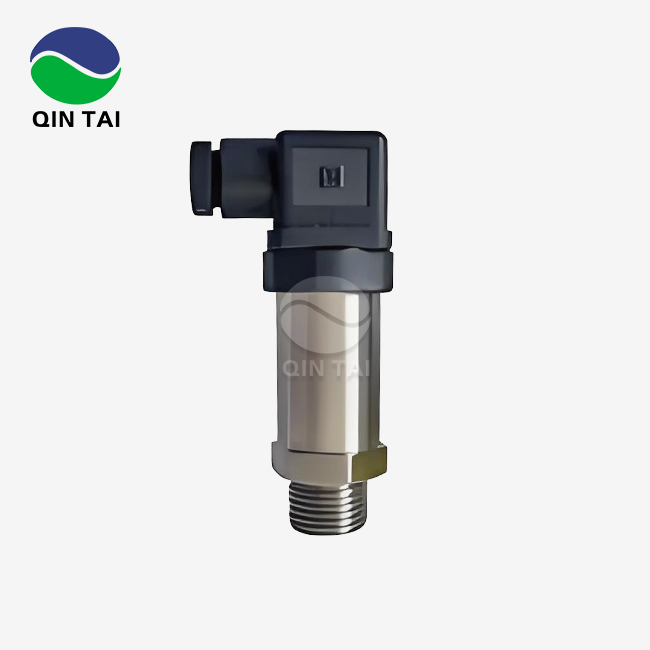

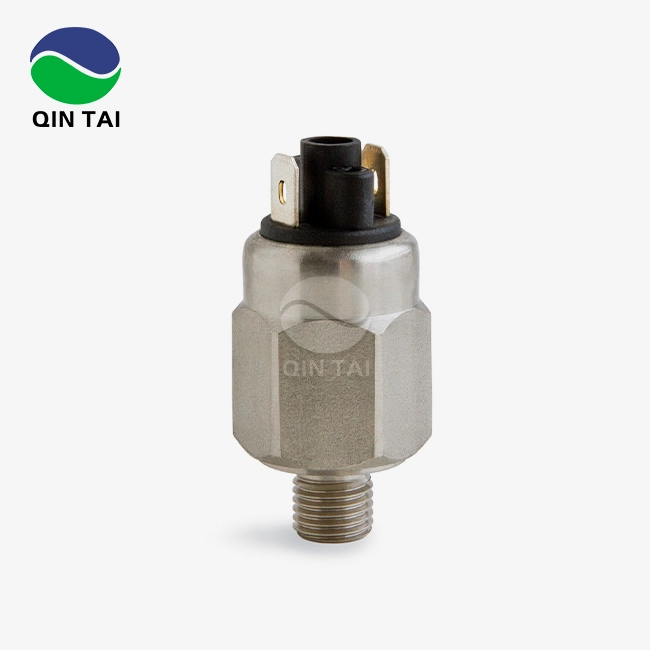
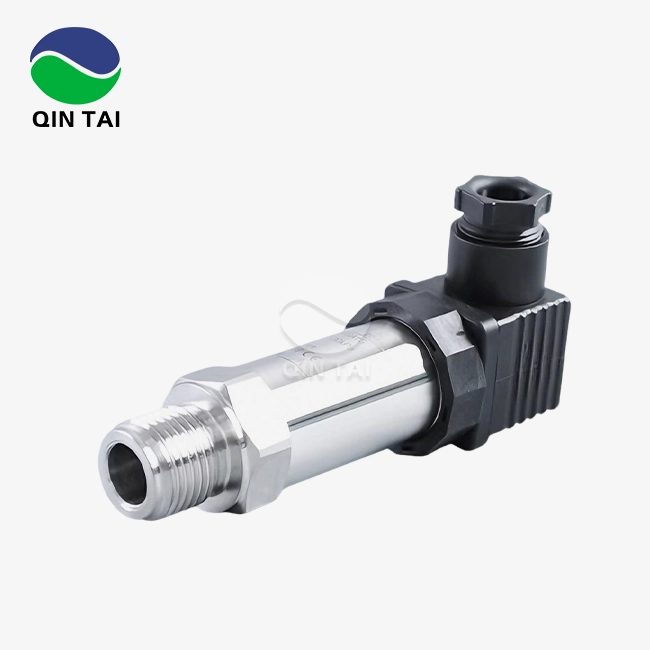

Our customers’ satisfaction speaks for our quality — contact us to experience the same reliable service.