- English
- French
- German
- Portuguese
- Spanish
- Russian
- Japanese
- Korean
- Arabic
- Greek
- German
- Turkish
- Italian
- Danish
- Romanian
- Indonesian
- Czech
- Afrikaans
- Swedish
- Polish
- Basque
- Catalan
- Esperanto
- Hindi
- Lao
- Albanian
- Amharic
- Armenian
- Azerbaijani
- Belarusian
- Bengali
- Bosnian
- Bulgarian
- Cebuano
- Chichewa
- Corsican
- Croatian
- Dutch
- Estonian
- Filipino
- Finnish
- Frisian
- Galician
- Georgian
- Gujarati
- Haitian
- Hausa
- Hawaiian
- Hebrew
- Hmong
- Hungarian
- Icelandic
- Igbo
- Javanese
- Kannada
- Kazakh
- Khmer
- Kurdish
- Kyrgyz
- Latin
- Latvian
- Lithuanian
- Luxembou..
- Macedonian
- Malagasy
- Malay
- Malayalam
- Maltese
- Maori
- Marathi
- Mongolian
- Burmese
- Nepali
- Norwegian
- Pashto
- Persian
- Punjabi
- Serbian
- Sesotho
- Sinhala
- Slovak
- Slovenian
- Somali
- Samoan
- Scots Gaelic
- Shona
- Sindhi
- Sundanese
- Swahili
- Tajik
- Tamil
- Telugu
- Thai
- Ukrainian
- Urdu
- Uzbek
- Vietnamese
- Welsh
- Xhosa
- Yiddish
- Yoruba
- Zulu
How Pressure Sensors Are Used in Hydraulic Systems
Pressure sensors are fundamental to the safe and efficient operation of hydraulic systems, providing precise, real-time measurements of fluid pressure that directly influence system safety, performance, and lifespan. By delivering accurate data, these devices enable controllers to make immediate adjustments, detect faults early, and support predictive maintenance strategies that reduce downtime and operational risk. Industrial buyers prioritizing quality and reliability seek sensors from reputable manufacturers offering customizable solutions that integrate seamlessly into diverse hydraulic applications.
Leading brands like Honeywell, Bosch, and Texas Instruments have established themselves as trusted suppliers, delivering products that meet rigorous international standards. These sensors help procurement managers and R&D engineers optimize hydraulic performance in demanding environments, from heavy construction machinery to agricultural equipment and generator sets. Selecting the right pressure sensor technology—whether piezoresistive, capacitive, or piezoelectric—depends on application-specific requirements, environmental conditions, and long-term cost considerations.
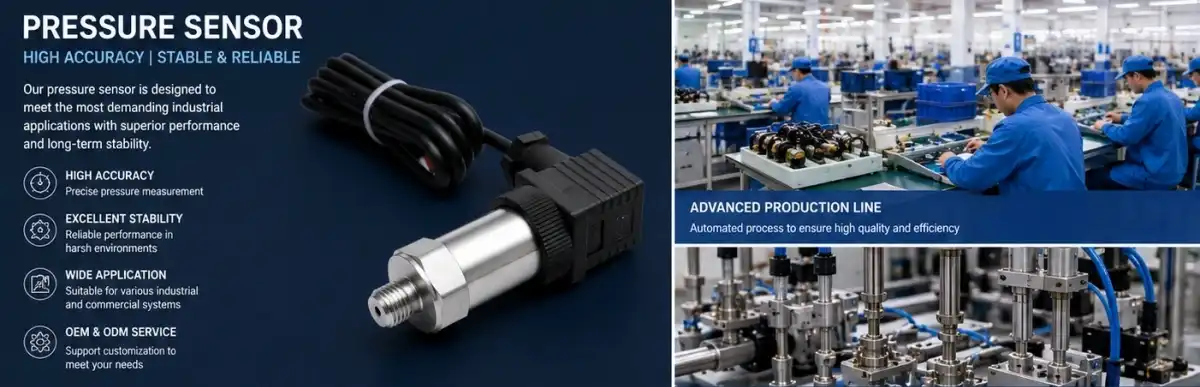
Understanding Pressure Sensors in Hydraulic Systems
How Pressure Sensors Operate in Hydraulics?
In hydraulic devices, pressurized fluids move force and do mechanical work. Pressure sensors find out how much force this fluid is putting on a certain spot. To do this, they change the pressure in the air into digital signals that computers can understand. These signals tell the system what to do to keep hydraulic circuits safe. For example, they tell the system to open release valves or change the pump's speed. If systems don't get the right amount of pressure, they could overpressurize, wear out parts, or fail completely. Because engineers need to pick gadgets that work the same way even when the load changes, they need to know how sensors work.
Core Technologies: Piezoresistive, Capacitive, and Piezoelectric
Most hydraulic systems use three main ways to sense things. When you press down on a silicon plate, piezoresistive devices pick up changes in the resistance of the electricity flow. When there is a lot of pressure, like in industry hydraulics, these monitors work well. Capacitive pressure monitors, like capacitive pressure devices, check how the electrical capacitance changes between two metallic plates that are separated by a dielectric. Hydraulic pressure changes the capacitance when it bends the diaphragm, which changes how far apart the wires are. The equation C = ε₀εᵣA/d shows this. These sensors are great for places that need to be precise, have limited power, and have little to no temperature changes. For example, they work great in car HVAC systems or for keeping track of tire pressure. Piezoelectric devices make a charge when they are hit with mechanical power. This gives readings of changing pressure that can be used for studying sudden changes and following vibrations.
Sensor Accuracy and Calibration Considerations
Accuracy affects both how well you can move something and how much power your hydraulic system uses. Changes in pressure readings of even a small amount can make things wear out faster than they should, waste energy, or put people in danger. Calibration makes sure that sensors give correct numbers that can be used again and again and kept track of according to standard practice in the field. The things that procurement managers need to look at on the paper are the temperature coefficients, full-scale accuracy, predictability, and hysteresis. How the instrument is being used affects how often it needs to be calibrated. If it is being used in hard conditions or at high pressure all the time, it needs to be calibrated more often. The best manufacturers have ISO 9001 and IATF 16949 licenses, which make sure that the goods meet OEM standards for quality and can be tracked.
Key Applications of Pressure Sensors in Hydraulic Systems
Real-Time Monitoring and Control
Programmable logic controllers (PLCs) and electronic control units (ECUs) get information from hydraulic pressure sensors all the time. Electronic control loops depend on these two kinds of parts to work. Systems can instantly change the pump's output, the valves' positions, and the motors' speeds with this real-time input. When hydraulic sensors are used in diesel engines, they keep an eye on the fuel intake and lubrication pressure to make sure they meet pollution standards like China VI and Euro VI. Precise control cuts down on fuel use, pollution, and engine repair times, all of which are in line with rules that are being followed more and more around the world.
Fault Detection and Predictive Maintenance
If you find hydraulic problems early on, you can escape costly downtime and damage to your equipment, which saves you money. Pressure monitors can find leaks, blocks, and worn parts by drawing attention to changes in the usual patterns of pressure. A quick drop in system pressure could mean that a seal or hose is broken. On the other hand, a slow rise in pressure could mean that the fluid is dirty or the filter is jammed. If you use condition tracking software along with monitor data, you can use predictive maintenance to plan fixes before they go wrong. This method works especially well for generator sets used in mines, power plants, and backup power systems, where sudden power outages can cost a lot of money and cause a lot of trouble.
Enhancing System Reliability Across Industries
There are many places where hydraulic pressure monitors make things more effective. They make sure the person is safe and following the rules while protecting the gears and brakes on big cars and construction equipment. Tools for farming use hydraulic sensors to make control of the tools more accurate, which helps with precision farming. To check the change in pressure between the filters and catalysts, pressure sensors are built into SCR and DPF aftertreatment systems. This checks to see if the treatment of the waste gas and pollution control are working right. These uses show that adding sensors works well and is valuable for OEMs, aftertreatment system developers, and aftermarket service providers.
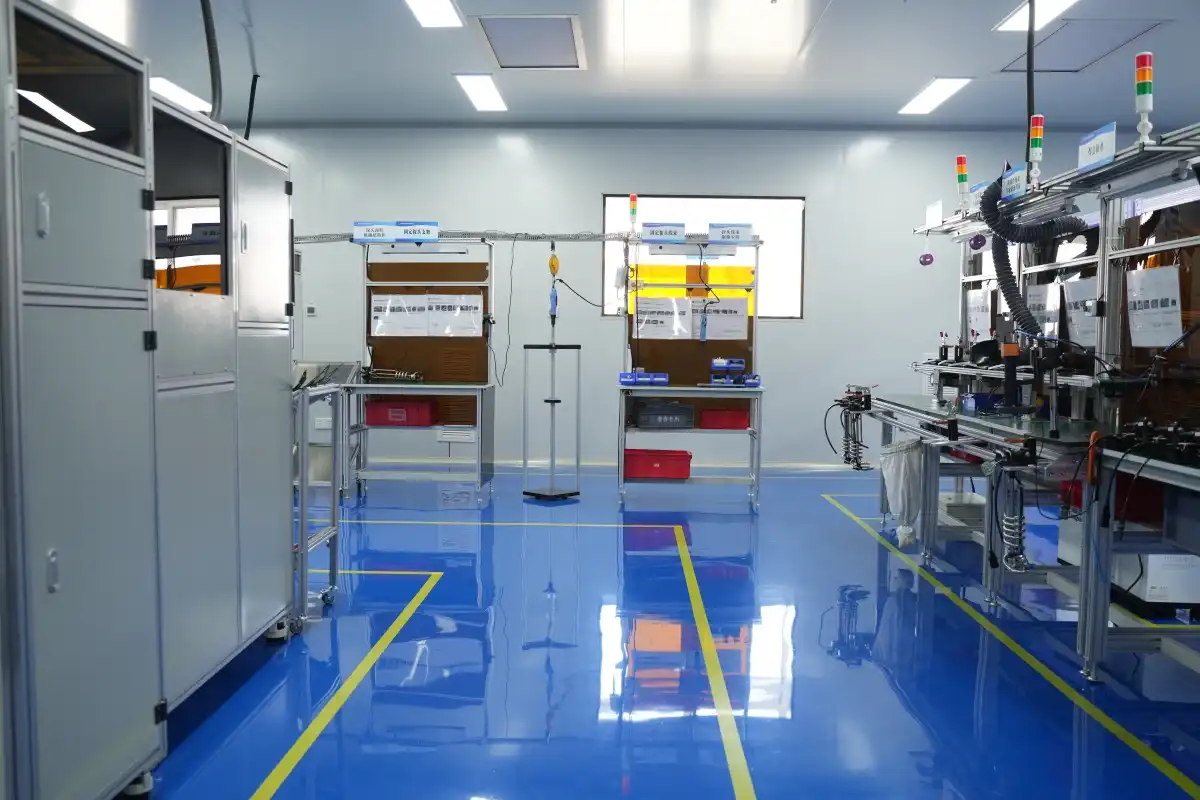
Comparison of Pressure Sensor Technologies for Hydraulic Use
Capacitive versus Piezoresistive Sensors
What the application needs will determine whether capacitive or piezoresistive technology is best. This type of monitor works well with IoT devices and remote tracking systems that use batteries since it stays fixed over time, doesn't change temperature much, and doesn't use a lot of power. They will last in places where shaking and shock are frequent because they don't have any moving parts. When there is a lot of pressure and heat, like in diesel engines and the hydraulic systems in construction equipment, piezoresistive sensors work better because they are more sensitive and answer faster. Cost is another important thing to think about when you buy something. Most of the time, piezoresistive pressure sensors cost less per unit, but capacitive ones last longer because they need less maintenance and tuning.
Analog versus Digital Output Formats
The pressure that analog devices measure is linked to the steady voltage or current signals that they send out. It's easy to change these signs and add them to control systems that are already in place. Digital sensors have microprocessors built in and use the I2C, SPI, or CAN bus protocols to send data. With these tools, you can measure things in more than one place, do advanced repair, and calibrate things online. It's easy to log data, connect to the cloud, and do prediction analytics with digital tools, which helps with Industry 4.0 projects. When procurement teams think about changing systems, they need to weigh how hard it will be to integrate new systems against how much room they have to grow in the future. They also need to make sure that the tools they choose will work with new automation strategies.
Balancing Accuracy with Environmental Resilience
Changes in temperature, pressure, wetness, and dirt can affect sensors that are set up for hydraulic use. Sensors must be able to work in a lot of different situations and still be reliable. They must also be able to handle mechanical stress. You can choose better if you look at the ingress protection (IP) grades, working temperature ranges, and burst pressure limits that the makers give you. Systems that need to last a long time should use sensors with diaphragms made of stainless steel, housings that are completely sealed, and electrical links that are made to be tough. When engineers are sure that sensors are right for a job, like in mobile hydraulics or fixed industrial presses, they can look at data from reliable companies that has been tested in a lot of different environments.
Best Practices for Procurement and Integration of Pressure Sensors
Building Strategic Supplier Relationships
One important part of smart shopping is comparing prices. Building partnerships with manufacturers that offer solutions that can be customized to meet particular needs, quick technical support, and flexible minimum order quantities (MOQs) is a way to make sure that the supply chain is resilient. To make aftertreatment systems and OEMs more useful, providers should be able to change the sensor interfaces, pressure ranges, and electrical outputs. Costs stay low and production keeps going thanks to vendors who offer savings for buying in bulk, barter goods, and just-in-time shipping. It is better for suppliers to follow the rules and avoid quality issues if you check their ISO 9001, IATF 16949, and safety approvals like ATEX or UL.
Interpreting Technical Specifications
The datasheet's specs help you pick the right instrument. The accuracy (shown as a percentage of full scale), the reaction time (important for dynamic control), and the type of output signal (voltage, current, or digital) are some of the most important specs. The pressure range should match the system's working and peak pressures. Thermal standards decide what temperatures can be used and stored. Temperature error bands change how stable observations are. The mechanical specs describe the thread types, how they should be installed, and whether hydraulic media can be used to stop them. The people who are in charge of getting things should make sure that the monitors they pick are up to the task. SAE J1939 is used for hydraulics in cars, and IEC 61508 is used for industrial systems that need to be safe.
Maintenance and Calibration Protocols
By fixing things on a regular basis, you can keep measurements accurate and make pressure sensors last longer. The way the system is used affects how often it needs to be calibrated. Systems that deal with dirty fluids or large changes in pressure need to be checked more often. When fixing something on-site, you need to look for physical damage, make sure the power stays on, and check that the zero point is right when there is no load. When makers give out calibration certificates that can be traced back to national standards, it's easier to keep an eye on quality. Commercial car and building equipment repair shops, dealers, and parts suppliers put a lot of value on sensors that are simple to set up, don't break down often, and have detailed documentation that is easy to find. This makes certain that the customer is pleased and the job is finished quickly.
Future Trends and Innovations in Pressure Sensors for Hydraulic Systems
IoT Integration and Smart Monitoring
Pressure sensors become smart points in hydraulic systems that are networked as connection gets better. IoT devices send real-time data to cloud platforms, which lets tracking, performance analysis, and automatic alerts all be done from one place. Machine learning systems look at how much pressure has changed over time to guess what needs to be fixed. This makes service plans better and cuts down on problems that happen out of the blue. Online evaluations are possible with smart monitors, so expert teams can check on the health of a system without having to go there. There is a competitive edge for groups of power sets, farm equipment, and building equipment that are spread out. This trait makes them more useful.
Advanced Materials and Manufacturing Techniques
New materials are making it possible for sensors to work better in tough conditions. Silicon carbide diaphragms can work in higher temperatures and pressures than regular silicon diaphragms. This lets them be used in more complicated hydraulic systems. It is possible to make complicated forms with additive manufacturing. This makes things more sensitive while also making them smaller and lighter. Sensors can be made smaller with microelectromechanical systems (MEMS) techniques, which makes it easier to put them in places where space is limited. These new ideas bring down the cost of making things, make them more stable, and help make them more specific to meet OEM needs. As the study of materials moves forward, devices become more dependable on an industrial level, which wasn't possible before. Because of this, they can be used in tough places like heavy industry, oil and gas, and mining.
Industry 4.0 and Digital Procurement Platforms
Digitalization has changed how people look for hydraulic parts. Online shopping sites get scientific information, costs, and stock from many sellers, which helps you compare and pick the best one. Automated inventory management systems send refill messages based on how often things are used and how long it takes to get new ones. This keeps you from running out of stock. Digital twins are computer models of real hydraulic systems that are used to show how they work in different settings. This helps fix bugs and make the idea better. Purchasing managers, expert engineers, and people who work in the supply chain can use these tools to make decisions based on facts. It's now easier for developers and buyers to work together, and goods can be sold faster.
Conclusion
Modern hydraulic systems are based on pressure sensors. They give us the correct and trustworthy information we need to run our businesses safely, make them more efficient, and plan ahead for maintenance. Being aware of the variations between capacitive, piezoresistive, and piezoelectric technologies helps you pick the best one for your use. Two important parts of getting things that work well are analyzing technical specifications and building smart relationships with sellers.
They work together to make sure you can get solutions that are certified, can be changed to fit your needs, and meet legal standards. Pressure monitors with Internet of Things (IoT) features and new materials will help them stand out from the rest as hydraulic systems get better and more linked. Buyers who choose to work with manufacturers for a long time and who offer good technical support, open customization options, and a history of quality control are setting themselves up for long-term success in industries that are becoming more demanding.
FAQ
How Often Should Hydraulic Pressure Sensors Be Calibrated?
How often tuning is done relies on how the machine is used and how important the job is. Systems may only need to be adjusted once a year in places that are safe and clean. But they need to be adjusted every six to three months in harsh settings where there are a lot of pressure changes, temperature changes, or contamination. Safety-critical parts need to be checked more often, like the brakes on big cars or the emergency stop circuits in factories.
Can Modern Pressure Sensors Retrofit into Older Hydraulic Systems?
What makes a fix work or not work depends on the electrical outputs and mechanical connections. A lot of the new monitors have standard thread fittings, like NPT or metric fits, that let them work with older systems. In order to integrate the electricity, signal filters may be needed when moving from analog to digital outputs. Switchers and adapters make it easy for older PLCs or ECUs and new sensors to talk to each other. Technical support teams can help you find models that work well with each other and ways to combine them that don't cost a lot of money but make things run better and give you better tools for debugging.
What Makes Capacitive Sensors Ideal for Certain Applications?
Capacitive pressure monitors really shine when long-term reliability, low power use, and resistance to weather are all very important. Because they don't have any working parts, they are very strong in places where movements are common, like in mobile hydraulics and cars. Smart sensors in medical devices, like ventilators and breathing monitors, get correct readings of low pressure that are very important for patient safety. When there is a lot of electricity noise around, they can still give accurate readings because they are not affected by it. This makes capacitive technology the best choice when exact measures and lower costs over time are more important than the initial investment.
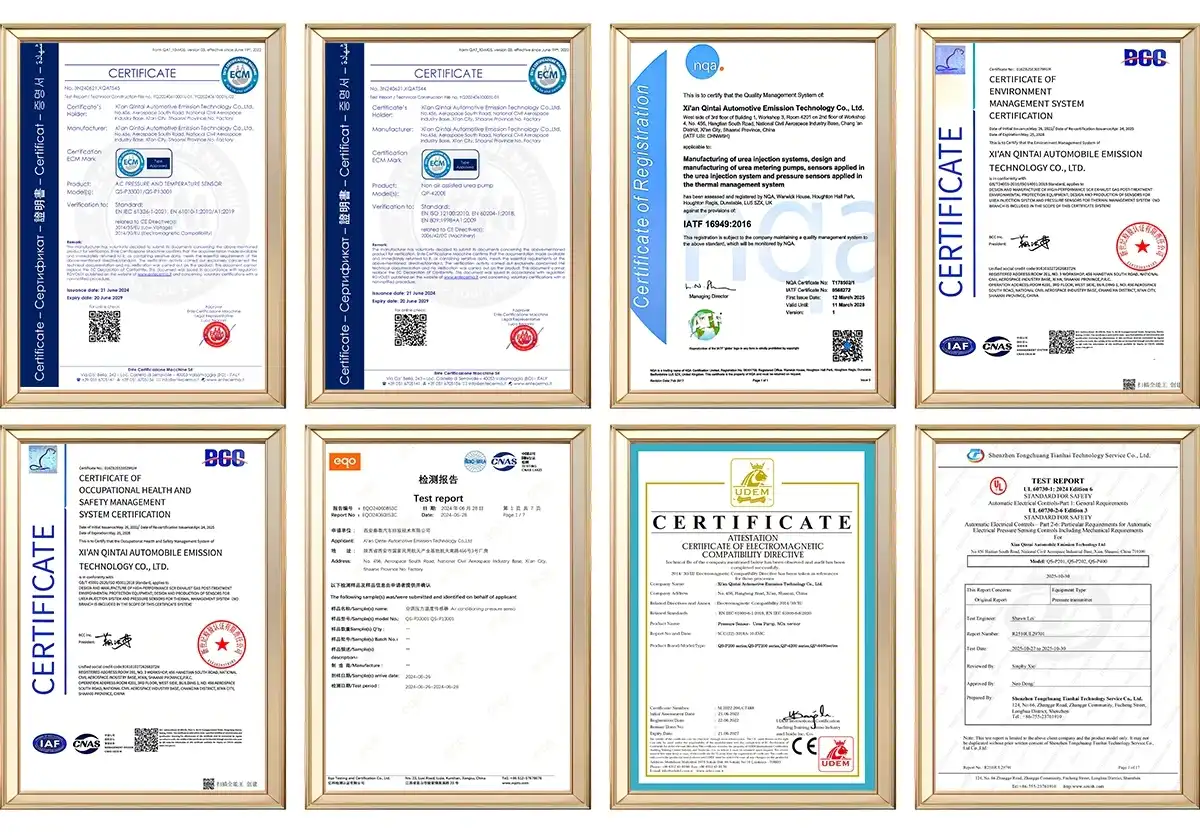
Partner with Qintai for Industrial-Grade Hydraulic Pressure Sensor Solutions
It has been more than twenty years since Qintai began making pressure sensors that diesel engine OEMs, aftertreatment system fitters, and aftermarket sellers all over the world trust. You can choose from a lot of piezoresistive and capacitive pressure monitors made for big trucks, construction tools, farm tools, and generator sets. With licenses like ISO 9001, IATF 16949, ATEX, UL, CE, and RoHS, we meet the high quality and safety standards that markets all over the world need. Ports, pressure ranges, and output types can be changed for different hydraulic uses.
Our research and development (R&D) team works hard to make sure we always have new ideas that fit the needs of our field as it changes. You can buy in bulk, get it quickly, and get help with technology. These things will help you stick to your production plans and cut costs. Email our team at info@qt-sensor.com to get full datasheets, talk about how we can make our goods fit your needs, or get price quotes for your next hydraulic project.
References
1. Hydraulic System Instrumentation and Sensor Integration, Society of Automotive Engineers (SAE) Technical Paper Series, 2022.
2. Comparative Analysis of Pressure Sensing Technologies in Industrial Applications, International Journal of Fluid Power, Volume 23, Issue 4, 2021.
3. Maintenance Best Practices for Hydraulic Components in Heavy Equipment, Construction Equipment Magazine, Annual Technical Review, 2023.
4. Advances in MEMS Pressure Sensor Design for Harsh Environments, IEEE Sensors Journal, Volume 22, Number 8, 2023.
5. Predictive Maintenance Strategies Using IoT-Enabled Hydraulic Sensors, Journal of Manufacturing Systems, Volume 61, October 2021.
6. Emission Control Systems for Diesel Engines: Sensor Requirements and Integration, Automotive Engineering International, March 2023 Edition.

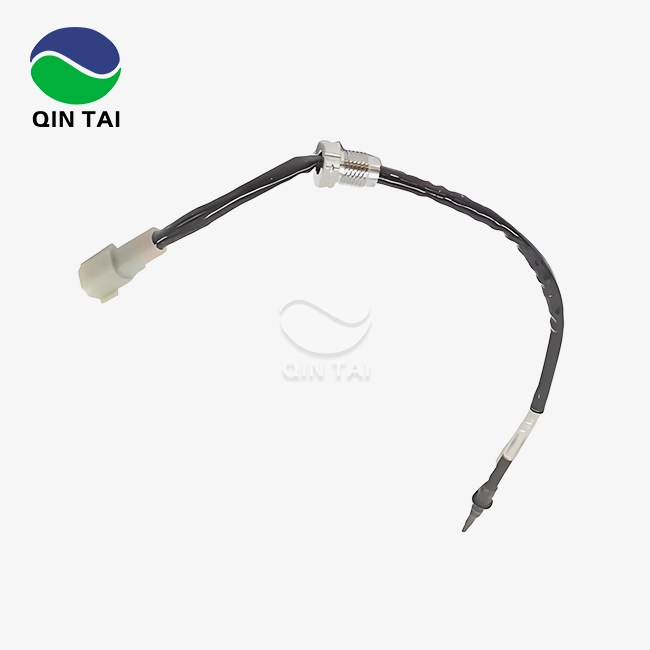
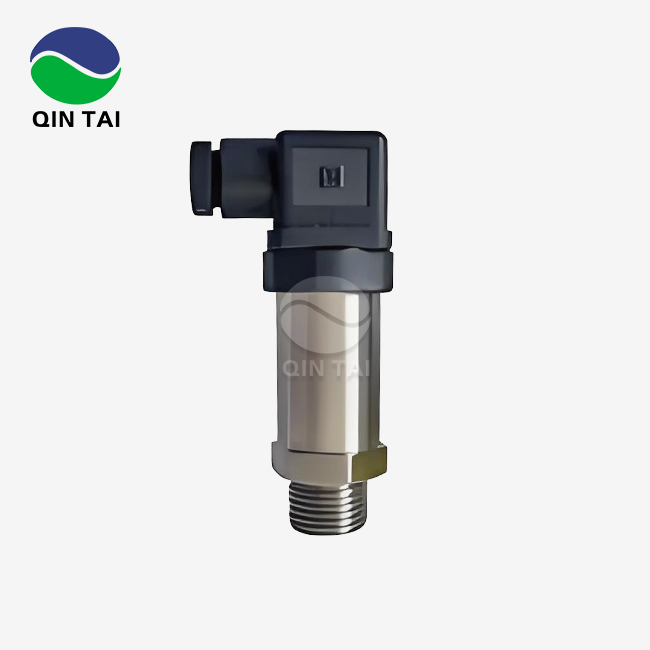
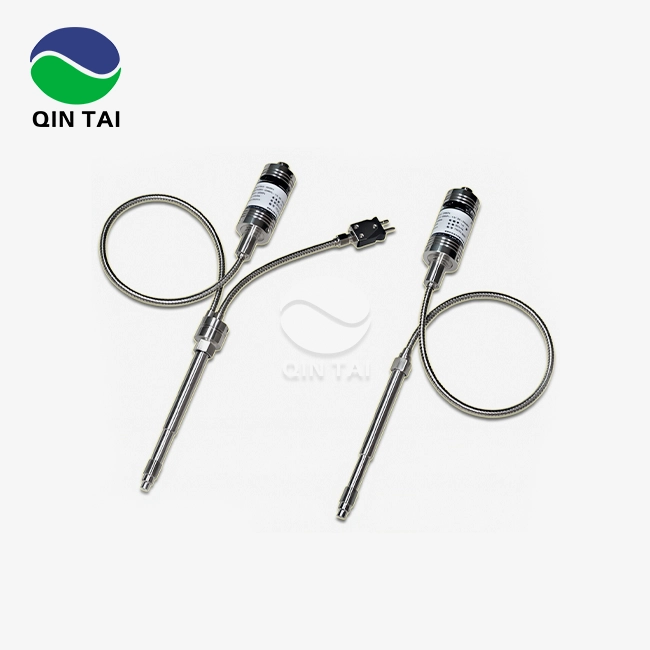

Our customers’ satisfaction speaks for our quality — contact us to experience the same reliable service.