- English
- French
- German
- Portuguese
- Spanish
- Russian
- Japanese
- Korean
- Arabic
- Greek
- German
- Turkish
- Italian
- Danish
- Romanian
- Indonesian
- Czech
- Afrikaans
- Swedish
- Polish
- Basque
- Catalan
- Esperanto
- Hindi
- Lao
- Albanian
- Amharic
- Armenian
- Azerbaijani
- Belarusian
- Bengali
- Bosnian
- Bulgarian
- Cebuano
- Chichewa
- Corsican
- Croatian
- Dutch
- Estonian
- Filipino
- Finnish
- Frisian
- Galician
- Georgian
- Gujarati
- Haitian
- Hausa
- Hawaiian
- Hebrew
- Hmong
- Hungarian
- Icelandic
- Igbo
- Javanese
- Kannada
- Kazakh
- Khmer
- Kurdish
- Kyrgyz
- Latin
- Latvian
- Lithuanian
- Luxembou..
- Macedonian
- Malagasy
- Malay
- Malayalam
- Maltese
- Maori
- Marathi
- Mongolian
- Burmese
- Nepali
- Norwegian
- Pashto
- Persian
- Punjabi
- Serbian
- Sesotho
- Sinhala
- Slovak
- Slovenian
- Somali
- Samoan
- Scots Gaelic
- Shona
- Sindhi
- Sundanese
- Swahili
- Tajik
- Tamil
- Telugu
- Thai
- Ukrainian
- Urdu
- Uzbek
- Vietnamese
- Welsh
- Xhosa
- Yiddish
- Yoruba
- Zulu
How to Check Pressure Transmitter Accuracy and Output
Checking the accuracy and output of a pressure transmitter involves verifying its measurement against a known reference standard using a calibrated pressure source and measurement instruments. This validation process ensures the device converts pressure inputs into correct electrical signals—typically 4-20 mA or digital outputs—within specified tolerance limits. Regular accuracy checks prevent costly production errors, maintain regulatory compliance, and safeguard operational safety across diesel engines, aftertreatment systems, and industrial automation applications where reliable pressure sensing directly impacts performance and emissions control.

Understanding Pressure Transmitter Accuracy and Output
How close a measured value is to the real pressure being watched is called its accuracy. In industrial settings like heavy trucks, generator sets, and farm equipment, even small changes can hurt engine performance, emissions compliance, and the dependability of the system.
What Defines Accuracy in Pressure Sensing
There are many things that affect accuracy. Linearity is a way to check how well the output signal matches changes in pressure across the whole working range. Hysteresis shows changes in output when pressure goes up and down, which shows that the mechanical system is stable. Repeatability checks to see if the same pressure inputs always lead to the same outputs. All of these factors work together to show if your Pressure Transmitter meets the strict emission standards set by China VI or Euro VI. These standards require accurate monitoring of exhaust backpressure and control of the SCR system.
Working Principles Behind Pressure-to-Signal Conversion
With thin-film technology, strain gauges are sprayed directly onto stainless steel diaphragms at the molecular level in modern Pressure Transmitters. This atomic bonding gets rid of the adhesive-related drift and temperature instability that were common in older designs that were attached. When the diaphragm is compressed, changes in resistance in the strain gauge make an electrical signal that is related to the change in pressure. Microprocessors in more advanced models linearise outputs, account for changes in temperature, and provide digital communication protocols like HART or Modbus. These are very important for people who build aftertreatment systems and need to share data in real time.
Digital vs. Analog: Choosing the Right Output Type
Analog Pressure Transmitters send out constant 4-20 mA signals. They are easy to connect to existing PLCs and don't require a lot of wiring, which makes them perfect for service shops and parts sellers that want to save money. Digital Pressure Transmitters allow contact in both directions, which lets you do online troubleshooting, make changes to the setup, and improve accuracy through software-based error correction. For companies that offer SCR/DPF solutions and are in charge of complicated emission control systems, digital models offer better compatibility and customisation options, but they cost more at first.

Step-by-Step Process to Check Pressure Transmitter Accuracy
To prove accuracy, you need to follow set procedures, use the right tools, and follow industry standards. This process makes sure that measurements are accurate whether you are in charge of research and development for diesel engine OEMs or maintenance at mining generator installations.
Essential Calibration Tools and Environmental Considerations
You'll need a precise pressure calibrator that can set stable reference pressures across the entire range of your Pressure Transmitter—usually with four times the accuracy of the device being tested. A multimeter or process meter that has been calibrated can read output signals. Make sure the temperature stays stable between 20°C and 25°C, because changes in temperature can cause mistakes. Mechanical interference can't happen with vibration separation. Gravitational effects can change readings by 0.1% to 0.5%, depending on the design, so make sure the transmitter is mounted in the same direction as the field installation.
Performing Zero and Span Adjustments
Connect the transmitter to the source of pressure and the device that measures pressure. Make sure the output says 4.00 mA (or 0 V for voltage types) when no pressure is applied. If the deviation is more than what the manufacturer says it should be (usually ±0.25% of the span), you can change the zero setting electronically or with trim pots. Make sure the output hits 20.00 mA by applying full-scale pressure. Any variation at maximum pressure is fixed by span changes. Most linearity errors can be fixed with these two-point calibrations. However, multi-point verification at 25%, 50%, and 75% of range shows nonlinear behaviour that needs more complex correction.
Interpreting Output Signals and Identifying Deviations
At each test point, write down the real outputs and the predicted values. (Measured Output - Expected Output) / Span × 100 is the percentage error. The ISO 9001 and IATF 16949 quality systems, which Qintai follows, require tracking documents that can be used for audits. For systems that control the differential pressure of the diesel particulate filter (DPF), errors greater than ±1% cause regeneration problems and engine detuning. If the results don't match up with the manufacturer's datasheets, it means that the sensor is drifting, the electronics are failing, or there are problems with the fitting that need to be fixed.
Common Causes of Pressure Transmitter Inaccuracy and Troubleshooting Tips
Knowing the different types of failure speeds up diagnosis and reduces downtime. Procurement managers like it when suppliers offer strong technical support during troubleshooting. This is because long-term partnerships are built on this support.
Mechanical Wear and Sensor Drift Over Time
When pressure is cycled through hydraulic components in construction equipment, diaphragms gradually deform, which changes the zero and span calibration. Chemicals like sulphur compounds and particulates that are in exhaust systems eat away at sensing elements. Extreme temperatures in backup power sources wear down materials. These stresses are better handled by thin-film Pressure Transmitters than thick-film options. This is why they are most common in industrial-grade uses that need to be reliable for years without having to be re-calibrated.
Electrical Noise and Installation Errors
Signal changes happen because of electromagnetic interference from engine alternators, starter motors, or inverter drives. Keep wires away from high-voltage connections, use insulated twisted-pair conductors, and make sure the ground is correct. When mounting is done wrong—for example, by overtightening fittings or misaligning process connections—diaphragms are mechanically stressed, which leads to mistakes. Impulse lines that are full of air pockets or condensation slow down reaction time and mess up readings. For sticky or corrosive media, flush the lines well and put in diaphragm plugs that separate them.
Repair vs. Replacement Decision Framework
If troubleshooting doesn't fix the problem, you should weigh the prices of recalibration against the cost of replacing. Devices that are out of guarantee and have sensor drift of more than ±2% usually cost more to fix than to buy a new one. This is especially true for older analog models that don't have digital correction. On the other hand, high-value smart transmitters that have temporary electrical problems should be fixed. Suppliers like Qintai that offer full after-sales service and fast delivery keep operations running smoothly, which is important for system integrators who have to stick to tight project schedules and supply chain managers who have to make sure there is enough inventory on hand.
Choosing the Right Pressure Transmitter Based on Accuracy Needs
Technical requirements, application needs, and total cost of ownership must all be taken into account when choosing the right products. This advice helps purchasing managers make decisions that are in line with what engineers need.
Critical Accuracy Parameters Affecting Performance
The accuracy class tells you what kind of performance you can expect. Devices in Class 0.1 meet laboratory standards, while devices in Class 0.5 or 1.0 are good enough for most industrial automation. Temperature adjustment keeps the accuracy even when the temperature outside is between -40°C and +85°C, which is common in farm equipment and outdoor power sets. Resolution tells you the smallest change in pressure that can be seen, which is important for finding small DPF blocks before they hurt performance. Data on stated lifespan and MTBF (Mean Time Between Failures) help plan upkeep funds and spare parts inventories by predicting when things will need to be replaced.
Comparative Analysis of Leading Industry Models
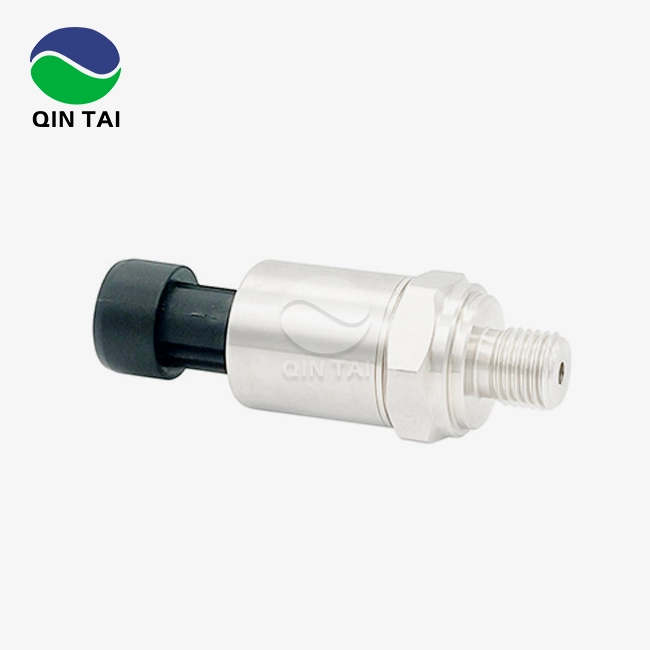
Premium brands like Rosemount and Yokogawa offer high accuracy (±0.065% of span) and advanced diagnostics, which is why they charge more for mission-critical power plant applications. Honeywell and ABB's mid-level choices strike a good mix between performance and cost-effectiveness, making them popular with commercial vehicle OEMs that are in charge of mass production. Qintai's Pressure Transmitters are designed to work with diesel engine aftertreatment systems. They have ATEX and UL certifications and can be customised to fit the needs of SCR system integrators who need sensors to work with the systems. The transmitters are also reasonably priced so that aftermarket dealers who want to keep costs low can buy them.
Practical Procurement Strategies for B2B Success
Check the qualifications of the provider carefully. Compliance with ISO 9001, IATF 16949, and REACH shows that the quality management is mature and that the company cares about the environment. Request testing certificates traceable to national standards for every shipment. Negotiate lead times. Qintai's mass production capabilities allow for quick fulfilment of large orders and prototyping for R&D engineers. Ask if there are ways to make the mounting configurations, electrical links, and pressure ranges fit your exact needs. Set up framework agreements to make sure that prices and priorities are always the same when there are problems in the supply chain.
Ensuring Long-Term Accuracy and Optimal Performance
To keep accuracy, you need to do regular maintenance, use new technology, and build strategic relationships with your suppliers. These steps improve ROI and uptime for operations.
Routine Calibration Schedules and Documentation Practices
Set risk-based calibration intervals, like once a year for HVAC systems that aren't very important, three times a year for diesel engines that have to follow emission rules, and once a month for safety-instrumented functions. Keep calibration records that show test settings, data on "as found" and "as left," and worker certifications. Traceability helps with regulatory audits for ISO quality certifications and China VI compliance. Automatic calibration management software lets people know when things are due, so they don't forget and breach warranties or certifications.
Advanced Smart Transmitter Technologies
Modern devices have built-in tools that check the health of sensors, find blockages, and predict problems weeks before they happen. Self-calibration methods fix small errors automatically, which means that human checks aren't needed as often. In retrofit installations, wireless models get rid of the need for cables and send diagnostic data to cloud platforms for predictive maintenance analytics. Even though they cost more to buy, these new technologies lower the total cost of ownership, which is a strong value offer for project managers at companies that make environmental protection tools that are putting in place industrial exhaust treatment systems.
Building Strong Supplier Partnerships
Collaborative relationships offer strategic benefits beyond just buying things. When suppliers offer on-site training, they teach maintenance teams how to fix problems, which cuts down on emergency calls. Longer warranties and plans for quick replacements cut down on unexpected downtime as much as possible. Technical support teams help with problems that are unique to an application, like choosing the right models for places with a lot of vibration and planning installation settings that keep measurement errors from happening. Qintai has worked with China's top diesel engine makers (Weichai, Yuchai, and Quanchai) for more than 20 years. This shows that they are reliable and have a lot of scientific knowledge, which is something that buying managers look for in a partner they can trust for the long term with their Pressure Transmitter requirements.

Conclusion
Maintaining accurate Pressure Transmitter output keeps equipment safe, makes sure that regulations are followed, and improves the efficiency of diesel engines, aftertreatment systems, and industrial processes. Reliable pressure measurement programs are built on regular checks using calibrated reference standards, thorough troubleshooting of common failure modes, and smart buying choices based on the accuracy needs of each application. Using cutting-edge technologies like thin-film sensing and smart diagnostics, along with planned maintenance and strong relationships with suppliers, leads to long-lasting performance and cost-effective lifecycle management. By using these methods, procurement professionals and engineers protect important operations and gain a competitive edge through better process control.
FAQ
How Often Should Pressure Transmitters Be Calibrated?
How often calibration is done depends on how important the application is and how bad the environment is. In China VI/Euro VI diesel engines, emission-critical monitors need to be checked every three months. In less demanding systems, like HVAC systems, they only need to be checked once a year. Drift happens faster in harsh environments like high temperatures, vibration, and corrosive media, so checks need to be done more often.
What's the Difference Between On-Site and Laboratory Calibration?
You can be more sure of the results you get from laboratory testing because the conditions are controlled and the standards used can be tracked back to national metrology centers. On-site calibration cuts down on equipment downtime and shipping costs, but movable calibrators must meet accuracy standards. Calibration in a lab is needed for critical safety systems, but field methods can be used for routine process monitoring.
How Do Pressure Transmitters Differ from Pressure Sensors in Accuracy?
Pressure Transmitters combine sensors with signal processing electronics that make outputs linear, take weather into account, and offer standard electrical connections. This combination usually improves accuracy by 0.1% to 0.5% compared to raw sensors. It also makes installation easier and lowers the complexity of the system, which is something that aftertreatment system designers and OEM buying managers like.
Partner with Qintai for High-Accuracy Pressure Solutions
For accurate pressure readings, you need more than just good devices. You also need a Pressure Transmitter manufacturer with a lot of experience who wants you to succeed. Qintai Automotive Emission Technology Co., Ltd. has been working with diesel engine aftertreatment for more than 20 years and works with China's top OEMs while also building relationships in more than 60 countries. Our thin-film transmitters make SCR and DPF systems very stable.
They are backed by IATF 16949 and ATEX approvals, which give regulators trust. We offer full customisation, including mounting options, power connections, and pressure ranges that are exactly what you need. Our expert team helps with applications from choosing the right one to starting it up, no matter if you're an R&D engineer testing prototypes or a supply chain manager making sure that volume promises are kept. Qintai is your best choice for a strategic supplier because of their low prices, quick shipping from mass production sites, and strong customer service after the sale.
Email us at info@qt-sensor.com to talk about your needs, get samples to try, or look into OEM/ODM partnership possibilities. You can find detailed product catalogues and technical information at qt-sensor.com, which will help you make decisions about what to buy.
References
1. Smith, J.R. (2022). Industrial Pressure Measurement: Principles and Practices for Process Control. Boston: Technical Publishing Group.
2. Anderson, K.L., & Chen, M. (2021). "Thin-Film Strain Gauge Technology in Automotive Emission Control Systems," Journal of Automotive Engineering, 45(3), 178-192.
3. International Organization for Standardization. (2020). ISO 9001:2015 – Quality Management Systems: Requirements for Calibration Procedures. Geneva: ISO Press.
4. Roberts, D.P. (2023). "Comparing Digital and Analog Pressure Transmitters in Heavy-Duty Diesel Applications," Industrial Instrumentation Review, 18(2), 56-71.
5. European Commission. (2019). ATEX Directive 2014/34/EU: Equipment for Potentially Explosive Atmospheres – Compliance Guidelines. Brussels: EU Publications Office.
6. Wang, H., & Thompson, R. (2022). Predictive Maintenance Strategies for Smart Pressure Transmitters in Industrial Automation. New York: Engineering Systems Press.
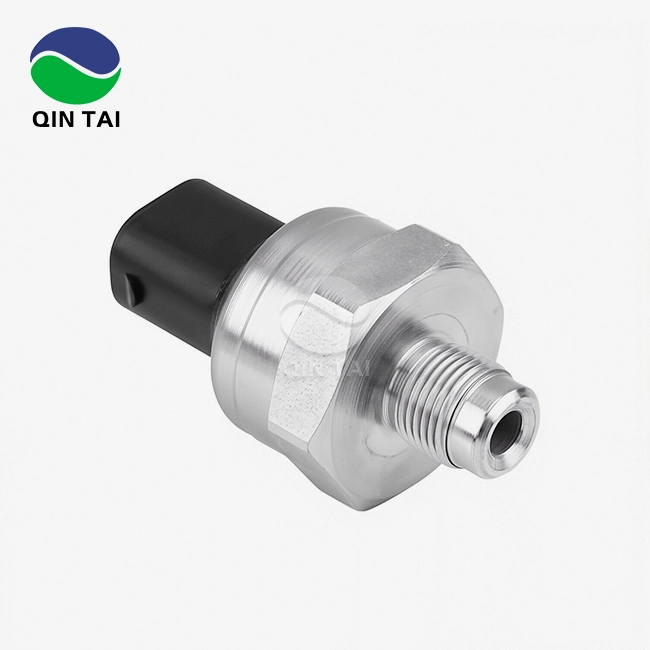

Our customers’ satisfaction speaks for our quality — contact us to experience the same reliable service.