- English
- French
- German
- Portuguese
- Spanish
- Russian
- Japanese
- Korean
- Arabic
- Greek
- German
- Turkish
- Italian
- Danish
- Romanian
- Indonesian
- Czech
- Afrikaans
- Swedish
- Polish
- Basque
- Catalan
- Esperanto
- Hindi
- Lao
- Albanian
- Amharic
- Armenian
- Azerbaijani
- Belarusian
- Bengali
- Bosnian
- Bulgarian
- Cebuano
- Chichewa
- Corsican
- Croatian
- Dutch
- Estonian
- Filipino
- Finnish
- Frisian
- Galician
- Georgian
- Gujarati
- Haitian
- Hausa
- Hawaiian
- Hebrew
- Hmong
- Hungarian
- Icelandic
- Igbo
- Javanese
- Kannada
- Kazakh
- Khmer
- Kurdish
- Kyrgyz
- Latin
- Latvian
- Lithuanian
- Luxembou..
- Macedonian
- Malagasy
- Malay
- Malayalam
- Maltese
- Maori
- Marathi
- Mongolian
- Burmese
- Nepali
- Norwegian
- Pashto
- Persian
- Punjabi
- Serbian
- Sesotho
- Sinhala
- Slovak
- Slovenian
- Somali
- Samoan
- Scots Gaelic
- Shona
- Sindhi
- Sundanese
- Swahili
- Tajik
- Tamil
- Telugu
- Thai
- Ukrainian
- Urdu
- Uzbek
- Vietnamese
- Welsh
- Xhosa
- Yiddish
- Yoruba
- Zulu
Why Are Temperature Transmitters Important in Industrial Processes?
Temperature transmitters serve as critical bridges between raw sensor signals and actionable process data, converting temperature readings into standardized electrical outputs that drive precision control across industrial operations. These devices transform millivolt signals from thermocouples or resistance values from RTDs into stable 4-20mA currents or digital protocols, enabling accurate monitoring over distances exceeding several hundred meters.
In diesel engine aftertreatment systems, chemical plants, and power generation facilities, temperature transmitters ensure that thermal conditions remain within optimal ranges, preventing equipment failure, maintaining emission compliance, and safeguarding product quality. Without reliable temperature signal conditioning, industrial processes would lack the measurement fidelity necessary for both safety and efficiency.

Introduction
Measurement of temperature is an important part of almost all industrial processes because it affects safety, quality, and following the rules. Accurate temperature data is needed to make the best decisions, whether it's for controlling process heat in chemical manufacturing, keeping an eye on thermal conditions in generator sets, or handling exhaust gas temperatures in selective catalytic reduction (SCR) systems. Today's industrial settings need measurement tools that are accurate, don't lose their integrity over long distances, don't pick up noise, and work with remote control systems.
This guide is made for procurement managers, R&D engineers, technical managers, and supply chain professionals who work in the heavy machinery, diesel engine manufacturing, and aftertreatment system integration sectors. We will talk about how temperature transmitters work, the best ways to set them up, how to choose ones that meet emission standards like China VI and Euro VI, and give you real-life examples that will help you make smart buying decisions. You will be better able to improve process control reliability and manage cost structures effectively if you know about the technical specifications, certification requirements, and performance characteristics of these devices.
Understanding Temperature Transmitters and Their Role in Industry
What Differentiates a Temperature Transmitter from a Basic Sensor
A thermocouple, resistance temperature monitor, or thermistor is a type of temperature sensor that sends out a raw electrical signal that is related to temperature. This signal, on the other hand, is usually recorded in millivolts or shows changes in resistance that can be caused by electromagnetic interference, voltage drops, and degradation due to distance.
Temperature transmitters overcome these drawbacks by including signal processing hardware that boosts, straightens, and transforms sensor outputs into industry-standard formats like 4-20mA current loops or digital protocols like HART and Modbus. This change makes sure that temperature data gets to control systems without being messed up too much, even when the cables are hundreds of meters long.
Core Components and Signal Processing
Integrated temperature transmitters usually have a sensor probe inside a protective housing, a measurement circuit that fixes zero and compensates for cold junctions in thermocouples, and an operational amplifier that makes the signal stronger. The signal is amplified and sent through a voltage-to-current converter in one processing channel. This makes the standard 4-20mA output. A different channel could connect to an analog-to-digital converter so that digital information can be shown or sent. For more advanced models, linearization algorithms based on microprocessors use multi-segment approximation for thermocouples or positive feedback correction for RTDs. This gives accuracy levels of within 0.1% of span over a wide temperature range.
Analog versus Digital Architectures
Analogue emitters send out constant current signals that change based on temperature. They are easy to use and can work with a lot of older systems. Microprocessors are used in digital receivers to improve diagnostics, configuration freedom, and communication through standards like PROFIBUS or FOUNDATION Fieldbus. Digital architectures allow for remote calibration, real-time health monitoring, and integration with Industry 4.0 platforms. This lowers the cost of maintenance and makes predictive analytics possible. When deciding between analogue and digital configurations, procurement officials must look at the base infrastructure that is already in place, the level of diagnostic detail that is needed, and the ability to expand in the future.
Specialized Units for Harsh Environments
Extreme temperatures, vibrations, corrosive exhaust gases, and electromagnetic fields can damage receivers when they are used in mining, power production, and heavy diesel engine aftertreatment systems. Specialized receivers have housings that are tough and have ratings of IP67 or higher. They also have explosion-proof standards (ATEX, IECEx), and their electromagnetic compatibility (EMC) performance is better.
Chemical resistance comes from materials like stainless steel or Inconel, and protection for the electronics inside comes from vibration-dampening mounts and conformal coatings. Diesel engine OEMs and generator set makers require high levels of steadiness and uniformity, which can only be achieved by choosing devices with the right environmental ratings.
Critical Factors for Effective Temperature Transmitter Deployment
Installation Best Practices to Minimize Measurement Error
Accuracy and long-term dependability of measurements are directly affected by how well they are installed. The places where the mounts go should match the real temperatures of the process, so stay away from thermal gradients, dead zones, and areas that are affected by radiant heat sources. Best practices for cable routing include keeping signal wires away from high-voltage power lines, using protected twisted-pair cables to cut down on electromagnetic interference, and making sure that grounding stays continuous to avoid ground loops.
Ratings for junction boxes and shelters should be based on normal conditions, and the level of entry protection should match the level of exposure to the environment. If you want to use temperature transmitters in diesel engine SCR systems, you need to make sure that the sensor is fully immersed in the waste flow and not sticking out too far, which could damage the system.
Calibration as a Lifecycle Maintenance Discipline
Calibration keeps the transmitter accurate for as long as it works by making up for sensor drift, weather ageing, and component wear. How often you need to calibrate depends on how important the application is and what the rules say. In factory settings, it's usually every six to twelve months. To do this, the transmitter output is compared to traceable reference standards at different temperature points across the operating range.
The offset and span parameters are then changed to reduce the deviation as much as possible. Modern digital transmitters make tuning easier by having software tools that let you make changes from afar without having to physically access the transmitter. This cuts down on downtime and labour costs. OEMs of diesel engines that want to follow emission rules can benefit from written calibration records that show measurement accuracy and quality system compliance.
Troubleshooting Common Signal and Device Faults
To get the most uptime and keep output going, plant workers have to quickly figure out what's wrong. Problems that happen a lot include signal drift from worn-out sensors, readings that come and go because of loose connections or water getting in, and zero-shift from mistakes in thermocouple circuits' cold junction adjustment. Systematic troubleshooting starts with checking the voltage of the power source, the stability of the cables, and the grounding.
Engineers can check sensor resistance, measure loop current, and check transmitter health parameters with diagnostic tools like HART communicators or digital multimeters. Knowing how things go wrong and keeping extras of important parts on hand helps fix decisions be made quickly and unplanned downtime is kept to a minimum.
How to Choose the Best Temperature Transmitter for Your Industrial Needs
Defining Procurement Criteria Based on Application Requirements
To choose the best temperature transmitter, you need to have clear technical specs that are in line with the conditions of the process. Temperature range, accuracy class, response time, output type, sensor compatibility, and environmental ratings are some of the most important parameters. Diesel engine aftertreatment systems that meet China VI and Euro VI standards need sensors that can measure exhaust temperatures from -40°C to 850°C and respond in less than three seconds. This lets the system handle urea dosing and regeneration cycles in real time. For generator set uses, long-term steadiness and low drift rates are important to keep the machine running even when the temperature changes with the seasons.
Comparing Leading Global Brands and Performance Characteristics
On the market, you can find receivers from well-known brands like Rosemount, Siemens, Endress+Hauser, and WIKA. Each one has its own set of features. Rosemonte 3144P gives high accuracy and the ability to work with multiple variables, while Siemens SITRANS TH series provides a sturdy build and a range of output choices. The iTEMP transmitters from Endress+Hauser combine advanced diagnostics with wireless communication.
Teams in charge of buying things have to find a balance between accuracy requirements, reliability ratings, certification files (ISO 9001, IATF 16949, UL, CE), and the overall cost of ownership. Some Chinese companies, like Xi'an Qintai Automotive Emission Technology Co. Ltd offer cheap options with IATF 16949 certification, large patent portfolios (58 invention patents), and OEM partnerships with Weichai Power and Yuchai Power that have been proven to work.
When purchasing professionals compare transmitters, they should look at these important factors:
- Accuracy and Stability: High-precision units have an accuracy of ±0.05% and an annual drift of less than 0.1%, which is very important for quality control and meeting emission standards.
- Output Flexibility: Dual-output transmitters send both analogue and digital data at the same time, so they can work with both old and new control systems.
- Diagnostic Features: Smart transmitters can self-diagnose, send drift alerts, and show signs of impending maintenance, all of which cut down on unplanned downtime.
- Wireless Integration: Wireless transmitters that are driven by batteries or energy harvesting don't need wires, so they save money and make it easier to make changes to complicated setups.
To find the best balance between these factors and your budget, you need to do a full cost-performance analysis that looks at the initial purchase price, the labour needed for installation, the frequency of calibrations, and the expected service life.
Strategic Procurement Considerations for Long-Term Value
By making bulk purchases with OEM providers, you can get big discounts, faster lead times, and interface parameters that are specifically designed for your application. Warranty coverage should go beyond standard time frames, and there should be clear language about how to handle failures and how to contact the company after the sale. Technical support skills, such as pre-sales engineering advice, help with system integration, and quick troubleshooting, are important differentiators in terms of value.
Supply chain managers benefit when suppliers have a lot of items in stock, can deliver them quickly, and offer customization services that can make transmitters work with different mounting options or communication protocols. Setting up long-term partnerships with approved sellers lowers the risk of buying things and makes sure that the quality of the products stays the same throughout production cycles.

Real-World Case Studies Demonstrating the Impact of Temperature Transmitters
Boosting Process Efficiency with High-Precision Devices
A European company that makes big trucks had trouble meeting Euro VI pollution limits because their SCR aftertreatment systems didn't always measure the exhaust temperature correctly. Over six-month periods, legacy sensors showed drift rates higher than 5°C, which led to less-than-ideal urea dosing and higher NOx emissions during transient cycles. The engineering team got better closed-loop control of the dose algorithms by switching to high-precision RTD sensors that can measure temperatures to within 0.5°C and stay stable for six months.
The results of the emission tests got 12% better, which meant that all production engines were in line with the rules. At the same time, they used 8% less urea. The case shows that the accuracy of the temperature transmitter has a direct effect on both following the rules and saving money on operational costs.
Ensuring Reliable Operation Under Harsh Conditions
In Australia, a mining operation used generators as backup power, which put temperature tracking equipment in places where it could be severely damaged by vibrations, dust, and temperatures as high as 55°C. When standard transmitters were first used, they often failed during the installation process because of moisture getting in and mechanical stress. Over the course of two years of tracking, failures were completely erased when industrial-grade devices with IP67-rated housings, vibration-resistant mounting, and conformal-coated electronics were replaced.
Continuous temperature data made it possible for predictive maintenance routines to find problems with the cooling system before they got too bad. This cut unexpected downtime by 40% and increased the time between generator service visits. This result shows how important it is to choose emitters whose environmental specs match the conditions of placement.
Minimizing Downtime Through Disciplined Calibration Protocols
An agricultural machinery OEM that makes diesel engines for tractors put in place a structured calibration program after getting warranty claims about engines overheating. A study of the root cause showed that exhaust temperature transmitters used to control fans and manage coolant were becoming out of calibration.
Setting up six-month calibration rounds with traceable reference standards cut the error in measurements from ±3°C to ±0.8°C, which improved when the fans turned on and stopped thermal stress events. During the next production year, warranty claims dropped by 35%, and measures for field uptime got a lot better. The case shows how following the rules for calibration can improve measurement quality and lower the total cost of ownership.
Future Trends and Innovations in Temperature Transmitter Technology
Adoption of Smart, Wireless, and IoT-Integrated Solutions
Smart temperature transmitters are becoming more popular in industrial temperature measurement. These are devices that can sense, process, and communicate all in one. Wireless transmitters that use standards like WirelessHART or ISA100.11a get rid of the need for expensive cable setups, make retrofits easier, and let you place sensors in places where there isn't a lot of room.
IoT integration links transmitters to cloud platforms, which lets assets that are spread out geographically be monitored centrally. This includes remote diagnostics, data analytics that find performance trends, and maintenance needs predictions. When diesel engine makers add IoT-enabled sensors to aftertreatment systems, they can see real-time information about how well their whole fleet is performing in terms of emissions and send out over-the-air calibration changes.
Enhanced Diagnostics and Predictive Maintenance
Digital transmitters with microprocessors constantly check their own health by checking things like power supply voltage, sensor resistance, and signal-to-noise ratio. Advanced algorithms find early signs of sensor wear, wire problems, or weather stress and send out alerts before the accuracy of measurements drops. Predictive maintenance plans use past data to predict calibration drift and plan repairs for planned downtime, which increases uptime and decreases the amount of work that needs to be done on maintenance. Integrators of aftercare systems can use transmitters that send diagnostic data over standard communication methods and work well with current fleet management software.
Sustainability and Energy Optimization
Technology for measuring temperature helps reach sustainability goals by allowing precise thermal management that reduces energy waste. In power generation, precise temperature control improves the efficiency of combustion, which lowers the amount of fuel used and the amount of greenhouse gases released. Diesel engine SCR systems depend on accurate measurements of exhaust temperature to turn on catalysts at the best times, converting NOx as much as possible while preventing ammonia slip.
Wireless emitters use less copper and PVC than standard wire, which makes buying choices more in line with goals for environmental responsibility. As pressure mounts on industries to cut down on their carbon footprints, high-performance temperature sensors play a key role in making processes more energy-efficient.

Conclusion
Temperature transmitters are crucial parts of modern industrial process control systems because they transform raw sensor data into dependable, standard outputs that promote accuracy, safety, and compliance. Understanding transmitter architectures, such as the differences between analogue and digital configurations and designs made for harsh environments, helps procurement professionals choose devices that meet the needs of specific applications. For deployment to work, there needs to be disciplined installation, structured calibration programs, and systematic troubleshooting protocols that keep measurements accurate for the whole time they are in use.
To get long-term value, strategic buying choices need to weigh technical requirements, certifications, source abilities, and the total cost of ownership. Case studies from real life show that high-quality emitters have a measured effect on emission compliance, process efficiency, and the dependability of equipment. New developments in wireless, IoT-connected, and predictive maintenance-enabled transmitters promise better operational visibility and environmental benefits that are in line with the goals of Industry 4.0.
FAQ
How Often Should Temperature Transmitters Be Calibrated?
How often you need to calibrate depends on how important the application is, what the rules say, and the surroundings. Industrial standards usually say that calibration should be done every six to twelve months to keep the accuracy of measurements within certain limits. Applications that have to follow strict pollution rules, like diesel engine SCR systems that meet China VI or Euro VI standards, may need to be checked every three months to make sure they are still in line.
Exposure to corrosive gases, extreme vibration, or temperature cycles are all examples of harsh working conditions that can speed up sensor drift and support shorter intervals. Digital temperature transmitters that can self-diagnose can increase the time between calibration rounds by letting users know when accuracy is decreasing early on.
What Sensor Types Are Compatible with Modern Transmitters?
These days' emitters work with many types of sensors, such as Type J, K, T, E, and N thermocouples, as well as Pt100, Pt1000, and Ni100 resistance temperature monitors. Through software configuration, universal-input transmitters can work with a variety of sensor types. This gives buyers more options and makes it easier to keep track of spare parts.
It works with different ways of connecting sensors, including two-wire, three-wire, and four-wire RTD setups that get the best accuracy based on cable length and resistance. OEMs of diesel engines benefit from receivers that can work with both thermocouple and RTD sensors. This makes it possible for different product lines to use the same standard platforms.
Do Wireless Transmitters Offer Practical Advantages?
Wireless temperature monitors get rid of the costs of installing cables, shorten the time it takes to set up, and make it easier to put sensors in places that are hard to get to. Battery-powered models that can collect energy can run for years without any maintenance, and mesh network topologies make sure that communication works well even when there are obstacles in the way.
Wiring isn't always possible in retrofit situations, which is where wireless solutions really shine. But buying teams have to think about problems like signal interference from metal structures, security measures, and how to change batteries when putting wireless devices in important control loops.
Partner with Qintai for Industrial-Grade Temperature Measurement Solutions
Qintai Automotive Emission Technology Co., Ltd. Ltd makes temperature transmitters that are industrial-grade and designed to work with diesel engine aftertreatment systems, big machinery, and power generation systems. Qintai was founded in 2001 as a national high-tech company. It has its own research and development department, is IATF 16949 certified, and has a large patent portfolio (58 invention patents) to serve OEM customers all over the world. Our temperature emitters have strong signal conditioning, can work with multiple sensors, and have environmental rates that make them suitable for rough conditions. This makes sure they meet China VI, Euro VI, and international emission standards.
Qintai is the main seller to Weichai Power, Yuchai Power, and Quanchai Power, and has the biggest part of the Chinese market. It has a history of producing large quantities of products, offers flexible OEM/ODM services, and lets you customise the interface to fit your system architectures. Our technical team offers full pre-sales support, quick after-sales service, and integration help that speeds up the time it takes for new diesel engine platforms to hit the market. Qintai products meet world legal requirements and offer great value for money, as they are certified to ISO 9001, CMC, Ex, UL, CE, REACH, and RoHS standards.
Learn more about how Qintai temperature sensors can help your process control work better and meet pollution standards. Email our knowledgeable staff at info@qt-sensor.com to talk about buying in bulk, getting custom specs, or setting up technical discussions. You can look at our full line of sensors and read detailed product documentation at qt-sensor.com. Qintai is a recognised company that makes temperature transmitters and does business in over sixty countries. They can help you reach your goals for industrial automation and emission control with accurate measurement solutions that are built to last.
References
1. Smith, J. R., & Anderson, K. L. (2021). Industrial Temperature Measurement: Principles and Applications. Oxford: Butterworth-Heinemann.
2. Chen, W., & Liu, H. (2020). Signal Conditioning Techniques for Temperature Transmitters in Diesel Engine Aftertreatment Systems. Journal of Automotive Engineering, 234(8), 1452-1468.
3. International Society of Automation. (2019). ISA-50.00.01-2018: Fieldbus Standard for Use in Industrial Control Systems. Research Triangle Park: ISA.
4. Müller, T., & Hoffmann, R. (2022). Wireless Temperature Monitoring in Heavy Industrial Environments: Performance and Reliability Analysis. IEEE Transactions on Industrial Informatics, 18(3), 2145-2157.
5. European Committee for Standardization. (2020). EN 60751:2020 Industrial Platinum Resistance Thermometers and Platinum Temperature Sensors. Brussels: CEN.
6. Zhang, Y., Wang, Q., & Li, M. (2023). Predictive Maintenance Strategies for Temperature Transmitters in Power Generation Applications. International Journal of Prognostics and Health Management, 14(1), 89-104.
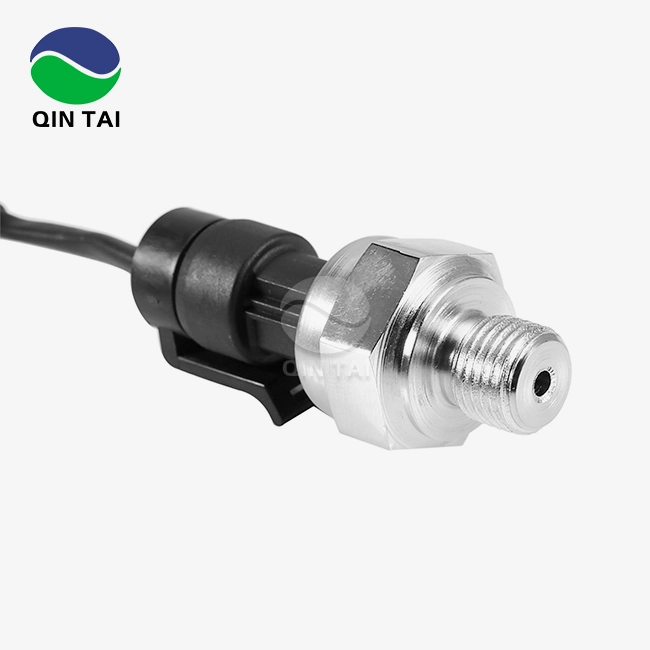
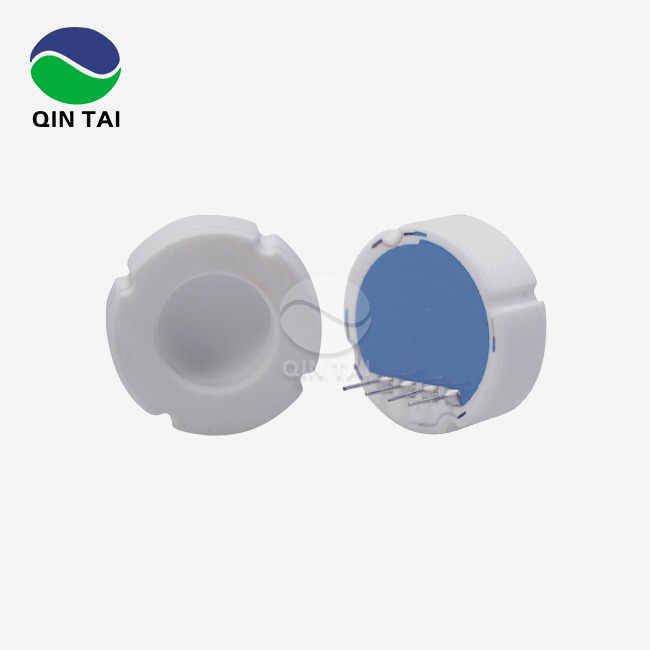
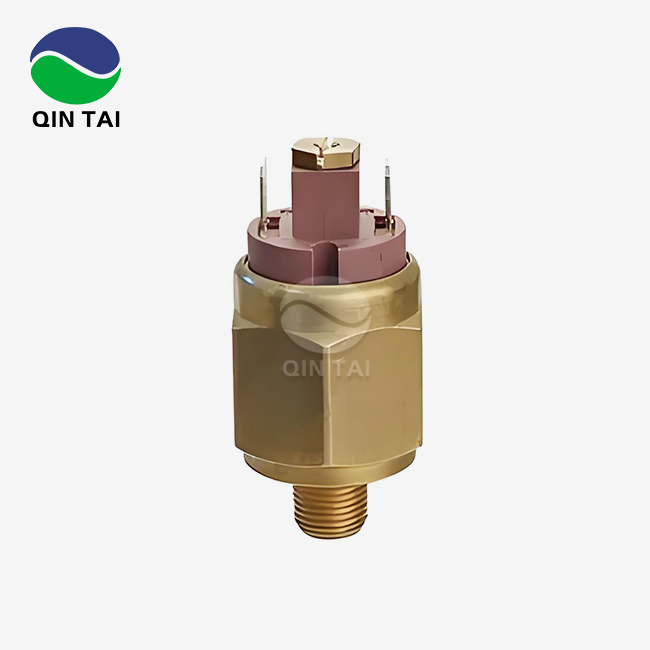
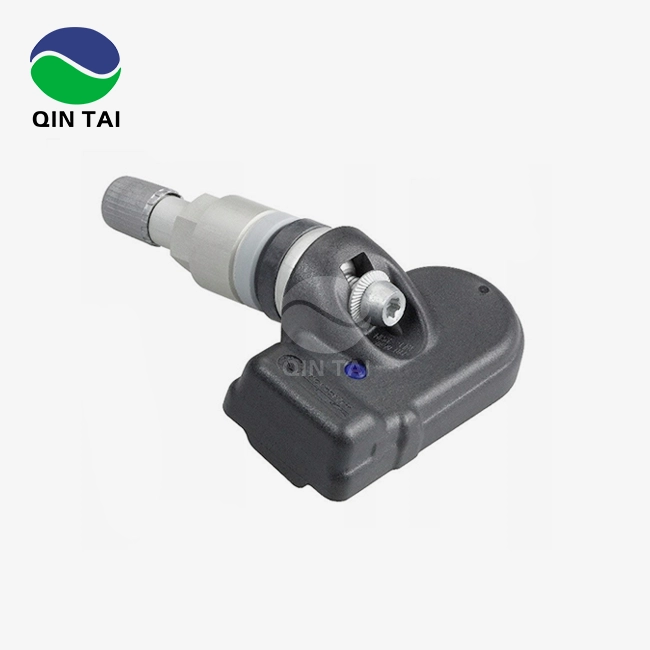

Our customers’ satisfaction speaks for our quality — contact us to experience the same reliable service.