- English
- French
- German
- Portuguese
- Spanish
- Russian
- Japanese
- Korean
- Arabic
- Greek
- German
- Turkish
- Italian
- Danish
- Romanian
- Indonesian
- Czech
- Afrikaans
- Swedish
- Polish
- Basque
- Catalan
- Esperanto
- Hindi
- Lao
- Albanian
- Amharic
- Armenian
- Azerbaijani
- Belarusian
- Bengali
- Bosnian
- Bulgarian
- Cebuano
- Chichewa
- Corsican
- Croatian
- Dutch
- Estonian
- Filipino
- Finnish
- Frisian
- Galician
- Georgian
- Gujarati
- Haitian
- Hausa
- Hawaiian
- Hebrew
- Hmong
- Hungarian
- Icelandic
- Igbo
- Javanese
- Kannada
- Kazakh
- Khmer
- Kurdish
- Kyrgyz
- Latin
- Latvian
- Lithuanian
- Luxembou..
- Macedonian
- Malagasy
- Malay
- Malayalam
- Maltese
- Maori
- Marathi
- Mongolian
- Burmese
- Nepali
- Norwegian
- Pashto
- Persian
- Punjabi
- Serbian
- Sesotho
- Sinhala
- Slovak
- Slovenian
- Somali
- Samoan
- Scots Gaelic
- Shona
- Sindhi
- Sundanese
- Swahili
- Tajik
- Tamil
- Telugu
- Thai
- Ukrainian
- Urdu
- Uzbek
- Vietnamese
- Welsh
- Xhosa
- Yiddish
- Yoruba
- Zulu
How to Choose Ceramic Pressure Sensor?
When choosing the right ceramic pressure sensor, there are a few key things you should keep in mind. These will have a direct impact on how well and efficiently the system works. Ceramic Pressure Sensors are very accurate and last a long time. Because of this, they are important in many areas, such as making diesel engines and reducing pollution. When picking a sensor, you should think about its pressure range compatibility, temperature stability, chemical resistance, signal output type, and certification compliance with emission regulations like China VI and Euro VI. The alumina or zirconia that makes up a ceramic diaphragm determines how well it can handle corrosive media and high temperatures. You can match technical specs with practical needs if you know what your application needs, such as adding SCR aftertreatment or keeping an eye on a generator set. This makes sure the product stays stable and doesn't cost too much over its lifetime.
Understanding Ceramic Pressure Sensors and Their Technology
Ceramic Pressure Sensors are a big step forward in the way that things are measured in industry. Because ceramics are unique, they can get exact readings of pressure even when things are hard. Alumina and other high-tech ceramics are used to make the diaphragms inside these sensors. Because these diaphragms are either piezoelectric or piezoresistive, they can change mechanical pressure into electrical signals that can be read.
How Ceramic Diaphragm Technology Works?
The idea behind how it works comes from a ceramic disc that bends slightly when pressure is put on it from the outside. Being piezoelectric, this change can be seen as a voltage difference, even though it is very small. When you put pressure on the ceramic, the rigid structure is stressed. This makes an electric charge that is equal to the force using it. The voltage change is picked up by the electronics inside the sensor. These electronics then turn it into a standard output signal (4-20mA, 0-5V, or digital protocols) that racing computers and tracking systems can use without any issues.
Material Advantages in Harsh Environments
Because ceramics are chemically neutral, strong industrial fluids, diesel exhaust gases, and urea solutions used in SCR systems can't hurt them. When sulfur molecules or acidic condensates touch Ceramic Pressure Sensors, they don't break down like metal diaphragms do. For a long time, they keep their shape and measurements are correct. This toughness comes in handy in diesel engine aftertreatment uses, where sensors need to work well in temperatures from -40°C to 150°C and with soot particles and chemical additives.
Applications Across Diesel Engine Systems
Ceramic Pressure Sensors are used by diesel engine makers in many parts of their pollution control systems. Keep an eye on the difference in pressure between diesel particulate filters, the pressure of urea injection in SCR systems, and the backpressure in exhaust designs with these tools. For strict emission standards to be met, they must be used because they can give accurate readings even when the temperature changes or there is contamination. It's very helpful for generator sets that they stay stable over time while they're running. On the other hand, building tools depends on being able to handle shocks and being strong mechanically during heavy-duty processes.
Core Criteria for Selecting the Right Ceramic Pressure Sensor
To pick the best Ceramic Pressure Sensors, you should carefully read through its technical specs and make sure they match your wants and the way you work. While making a choice, you should think about both what will be useful in the short term and what will be reliable in the long term.
Defining Pressure Range and Accuracy Requirements
What you want to do will determine the size range you need. For tracking urea input, SCR systems need sensors that can handle 0 to 10 bar of pressure. DPF sensors, on the other hand, can measure difference pressures between 0 and 1000 mbar. It is very important to have accurate specifications.
To give you an example, emission compliance systems need ±1% full-scale accuracy to make sure that mistakes are found correctly and that they don't need to be renewed. When accuracy is higher, false alarms are less likely to happen and parts last longer, which lowers the total cost of ownership. The pressure range for piezoresistive Ceramic Pressure Sensors is very large, from 0 to 1 bar to over 1000 bar. Because of this, they can be used for many things, such as following high-pressure fuel lines and reading intake pipes.
Evaluating Temperature Stability and Compensation
Sensors in diesel exhaust systems are exposed to extreme temperature swings during cold starts, recovery events, and prolonged high-load operation. Good ceramic sensors have circuits that can change the temperature so that the readings stay accurate even when the temperature changes. Most of the time, these are between -40°C and 125°C for regular models and up to 150°C for special high-temperature models.
This number tells you how much the sensor's output changes for each degree of temperature change. Over their whole temperature range, high-quality units drift by less than 0.2%. If you get the pressure numbers wrong, the system will respond in the wrong way, which can either make the engine less efficient or increase emissions. This stability is very important for pollution control.
Signal Output and Integration Compatibility
These days, diesel engines use complicated computer systems that need sensor links that work with them. In farming and building tools, long wire runs are common. However, noise is hard for analog outputs like 4-20mA current loops to pick up. For short-range uses, voltage outlets (0-5V, 0.5-4.5V) are easy to connect.
In later cars, digital systems like CANbus or LIN make it easier to wire things together and allow for more advanced diagnostics. When picking sensors for an aftertreatment system, make sure that the way they send information matches how your controller receives it. The source voltage (5V or 12–24V), the load resistance, and the reaction time should all be listed in these specs. Also, the reaction time should work with your control loop.
Certification and Regulatory Compliance
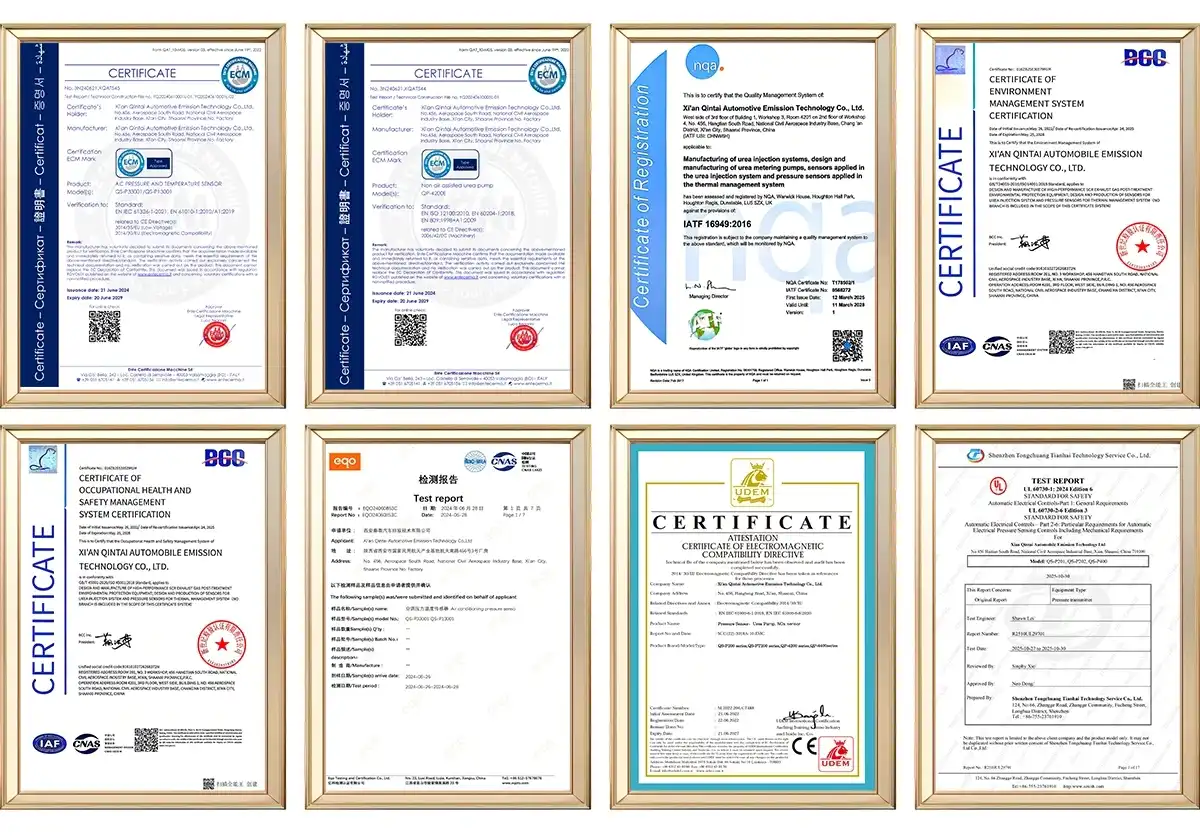
The people who buy things and the people who work on research and development need to check that the sensors they want to sell to have the right licenses. There are strict rules about how accurate and reliable measuring tools must be in China VI and Euro VI. To find good sensors, look for ones that have been approved by the ISO 9001 and IATF 16949 quality systems. These keep the production process consistent and allow the sensors to be watched.
Getting an environmental approval, like RoHS, means that a product doesn't contain any harmful chemicals above a certain level. And getting a CE mark means that the product meets European safety standards. Tests must show that generator sets are safe from explosions before they can be used in places with dangerous gases, like mines or industrial plants. When a car is homologated, these standards cut down on the time it takes to get approvals and give providers trust in their long-term ability to do business.
Comparing Ceramic Pressure Sensors Against Alternatives in the Market
People who work in procurement can make smart decisions that balance the need for performance with worries about price and supply when they know what the competition is doing. Understanding the advantages of Ceramic Pressure Sensors helps in choosing the best part for the job.
Ceramic Versus Stainless Steel Diaphragm Sensors
For general industrial uses, sensors made of stainless steel are strong physically and cost-effectively. But they don't work well in acidic places, like fumes from trucks. Diesel fuel contains sulfur molecules that can be turned into sulfuric acid. This acid can damage stainless steel surfaces. In the long run, this makes measures less exact and could cause something to break down before it's time.
Ceramic diaphragms are not damaged by this chemical attack, so they stay tuned for as long as they are used. Ceramic building costs a little more to start, but it lasts longer and has fewer guarantee claims, so it's worth it. Ceramic materials have a lower total cost of ownership in aftertreatment uses that are exposed to urea solutions and exhaust condensates, even though they cost more.
Piezoresistive Ceramic Technology Benefits
Ceramic Pressure Sensors that are piezoresistive use the chemical resistance of ceramics and the fact that their electrical qualities are very stable. The piezoresistive effect can be predicted and repeated over and over again. This is very useful for emission control systems that use real-time pressure data to make decisions. These sensors work with heavy-duty diesel engines that may run for 15,000 hours before they need a major repair because their output stays the same through millions of pressure cycles. The fact that their hysteresis is generally less than 0.1% of full scale means that the data is always correct, even if the pressure changes. This stops changes in the control system that can make it less effective.
Evaluating Sensor Construction Quality
Some things about the way they are made make high-end Ceramic Pressure Sensors different from less expensive ones. By adjusting the diaphragm's width, you can find a good mix between sensitivity and too much safety. Thinner diaphragms have better clarity at low pressures, but they may break when hit with shocks. On the other hand, bigger designs give up some sensitivity in exchange for longer life.
Laser welding or glass-ceramic bonding are new ways to close that keep moisture out. This is important because readings can be off in places with a lot of humidity. The people who make electrical links coat them with special stuff that keeps them from rusting and makes them more stable over time. Ask suppliers for information that explains how they make their products, where they get their ingredients, and how they check the quality of their products. This will help you see how well they can make sure that each batch works the same way.

Automechanika Istanbul 2026 (19-22,May,2026)
We look forward to your visit,warmly welcome to our booth 11A-B117-5!
Get your free ticket online now:
https://www.automechanikaistanbulplus.com/register/en

SENSOR+TEST, June 9 – 11, 2026
We look forward to your visit,warmly welcome to our booth 1-634!
Get your free ticket online now:
https://www.sensor-test.de/service/ticket/?52790
Procurement Insights: How to Buy Ceramic Pressure Sensors Efficiently?
You need to make sure you have a steady supply, keep prices low, and have expert help for the whole duration of the product in order for buying Ceramic Pressure Sensors to work well.
Identifying Reputable Suppliers and Manufacturers
In the world market, Honeywell, TE Connectivity, Sensata, and Bosch are all well-known brands. They have huge lists of products and customer service networks that reach people all over the world. There is a lot of technical information from these global businesses, and they make sure that all of their production sites follow the same quality standards. Making things in China has gotten better over the past few years, especially for companies that work with local OEMs.
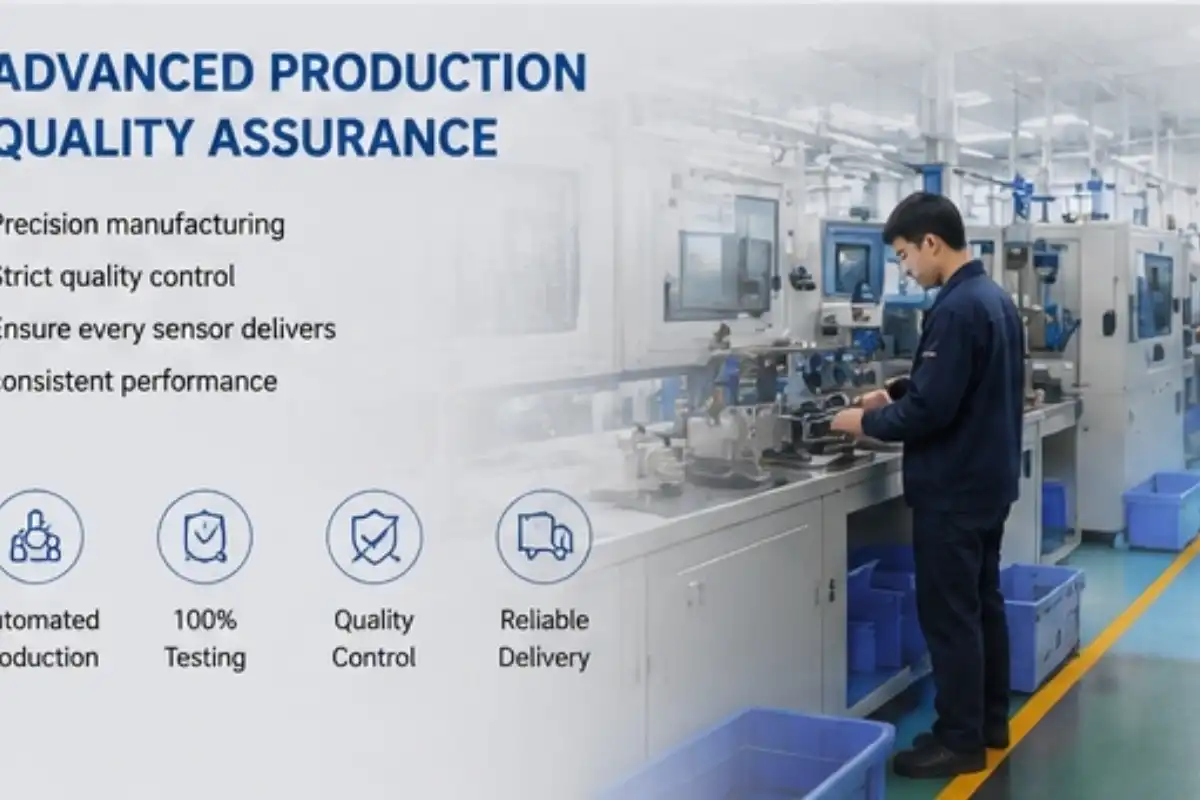
One company that has changed a lot is Xi'an Qintai Automotive Emission Technology. It was founded in 2001 and now has a majority share of the Chinese market for diesel engine pressure sensors thanks to relationships with Weichai Power, Yuchai Power, and Quanchai Power. Their ISO 9001, IATF 16949, and other foreign standards show that their production is just as modern as that of their competitors around the world.
Balancing Cost Considerations with Quality Requirements
When you compare prices, you shouldn't just look at the unit buy prices. You should also look at the total costs of owning. A lot of the time, cheaper sensors don't have as well thought-out designs, which makes them less stable over time or resistant to the environment. There are more breakdowns, calibration needs to be done more often, and insurance costs go up, which is more than the original savings.
Well-known brands spend a lot of cash on better materials, more advanced tools, and strict testing methods that raise the cost of their goods but make them more reliable. People who want to make a lot of something should ask about failure rates (often written as MTBF, or "mean time between failures") and guarantee terms that show how sure the seller is in their products. You can save money and keep quality high with bulk buying agreements if you make long-term deals with makers who can make unique solutions.
Leveraging OEM Customization Capabilities
It's possible that standard sensor choices won't work perfectly with your system. This is especially true if you need them to do specific jobs in building tools or generator sets that have to work in harsh conditions. If a company offers both OEM and ODM services, they can change the temperature compensation methods, mounting setups, pressure ranges, and electrical links to fit your needs.
Being able to be changed to fit your needs is helpful for adding sensors to custom system designs where standard items are hard to use due to weight or space issues. The R&D team at Qintai has 58 idea patents, which means they have all the technology know-how to allow real customization instead of just switching out the connections. Check to see how skilled the technical staff is, if the provider has testing facilities, and if they are willing to work with you to create processes that meet your needs when you look at their customization options.
Ensuring Supply Chain Reliability
Diesel engine builders and aftertreatment integrators need to know when parts will be ready so they can keep up with their schedules and avoid having to stop production, which costs a lot of money. Check to see how well the providers manage their stock, how much they can make, and how far apart their stores are in terms of the map. Companies that keep a lot of finished goods on hand can handle both urgent orders and changes in seasonal demand.
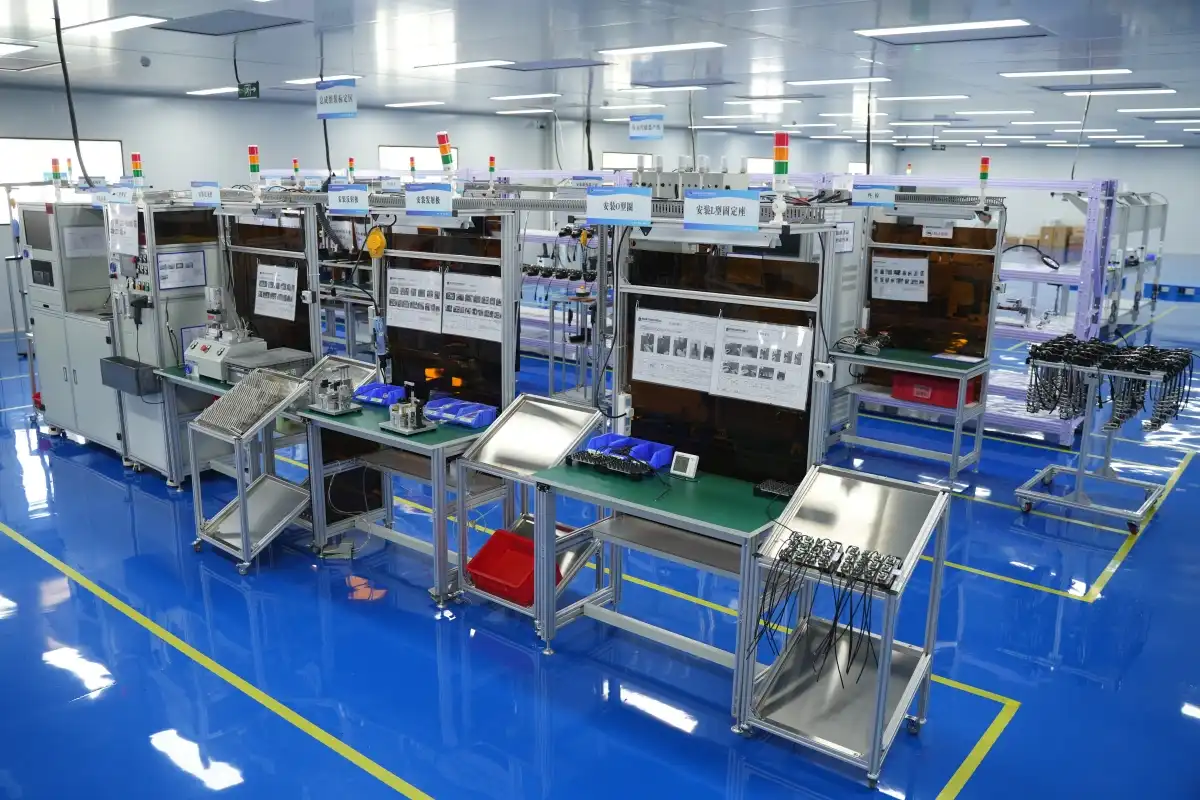
Companies that only make things when people order them may have to wait too long for their orders to come. During the qualification process, you should ask providers about their production capacity and ability to grow. This way, you can be sure that they can support your growth without changing how well they deliver. Large Chinese engine makers use Qintai's mass production facilities, which shows that the company has the size and scale to meet strict output needs while keeping quality standards high.
Conclusion
When picking Ceramic Pressure Sensors, it's important to think about their technical specs, how good the seller is at what they do, and how much they will cost you in total, not just the purchase price. Ceramics are better at standing up to poisons, staying stable at high temperatures, and lasting a long time. All of these reasons mean that it should be used in diesel engine pollution control systems, which need accurate readings to stay in line with rules and work well.
A good procurement process finds a balance between meeting immediate practical needs and building long-term ties with providers who can help with anything, make products to fit your needs, and deliver them on time. By giving priority to qualified makers who have a history of success in the car market, procurement workers get parts that meet strict quality standards. This saves their companies money and helps them work together for a long time.
FAQ
Q1: What makes ceramic pressure sensors suitable for diesel engine applications?
A: Because they can handle temperature changes from -40°C to 150°C and mechanical shocks from engine noises, Ceramic Pressure Sensors work well in diesel settings. Compounds of sulfur and urea that are used in SCR systems can't break down the material because it is chemically inactive. In heavy-duty situations, this means that the setting stays correct for a very long time, even after over 10,000 hours of use.
Q2: How often should ceramic pressure sensors be calibrated?
A: How long it takes to calibrate something relies on how important it is and how it is being used. Emission-critical sensors in cars are generally checked once a year or every 50,000 kilometers. If the area is clean and the temperature range is good, times can be pushed back to 12 to 24 months for commercial uses. Some of the best piezoresistive ceramic sensors move very little, often less than 0.5% per year. This means that they don't need to be adjusted as often as other technologies.
Q3: Can these sensors handle pressure spikes common in diesel exhaust systems?
A: Good Ceramic Pressure Sensors have a safety feature that turns them off if the pressure goes above two to three times their usual range. The short-term spikes that happen during recovery or turbine peaks don't hurt them, so they can handle them. It won't break because the ceramic diaphragm is very strong, and safety circuits keep the electronics from breaking. In this way, the sensor can keep working even after short times of overpressure, which would break sensors that aren't built as well.
Partner with a Trusted Ceramic Pressure Sensors Manufacturer
For more than 20 years, Qintai has worked on technology to control diesel engine emissions. They can help you with your Ceramic Pressure Sensor needs. Since we are China's main supplier of pressure sensors to major engine manufacturers, we can give trustworthy goods at low costs that are ideal for OEM partnerships and aftermarket sales networks. There are many certificates we have, like ISO 9001, IATF 16949, and foreign compliance marks. These show that we are committed to quality standards that all countries around the world need.
We have a different research and development (R&D) team that works on finding problems in rough car environments. Our many customization options are backed by 58 idea patents. Whether you need standard items from our store or custom solutions made just for you, our technical support team works closely with your engineering team to make sure you pick the right sensors and have no trouble putting them together. Contact our team at info@qt-sensor.com to talk about your specific application needs and find out how our high-quality production can help you meet your emission compliance goals while also meeting the needs of your buying strategy for reliability and low cost.
References
1. Smith, J. R., & Williams, K. A. (2021). Advanced Ceramic Materials in Automotive Sensor Applications. Society of Automotive Engineers International Press.
2. Chen, L., & Zhang, H. (2020). "Piezoresistive Pressure Sensors for Diesel Engine Emission Control Systems." Journal of Automotive Engineering, 234(8), 1245-1258.
3. European Commission Directorate-General for Environment. (2019). Technical Guidance on Euro VI Heavy-Duty Vehicle Emission Standards. Publications Office of the European Union.
4. Thompson, R. D. (2022). Industrial Pressure Measurement: Technologies and Applications. Instrumentation Society of America.
5. Wang, Y., Liu, X., & Kumar, S. (2020). "Long-term Stability Analysis of Ceramic Diaphragm Pressure Transducers in Harsh Environments." Sensors and Actuators A: Physical, 315, 112-124.
6. International Organization for Standardization. (2018). ISO 16750-1:2018 Road Vehicles—Environmental Conditions and Testing for Electrical and Electronic Equipment. ISO Standards Catalogue.
 Sensors.webp)
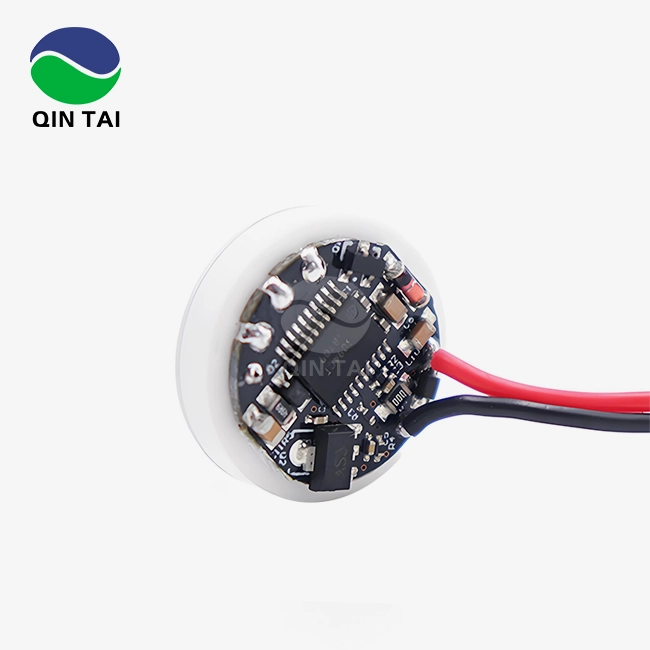
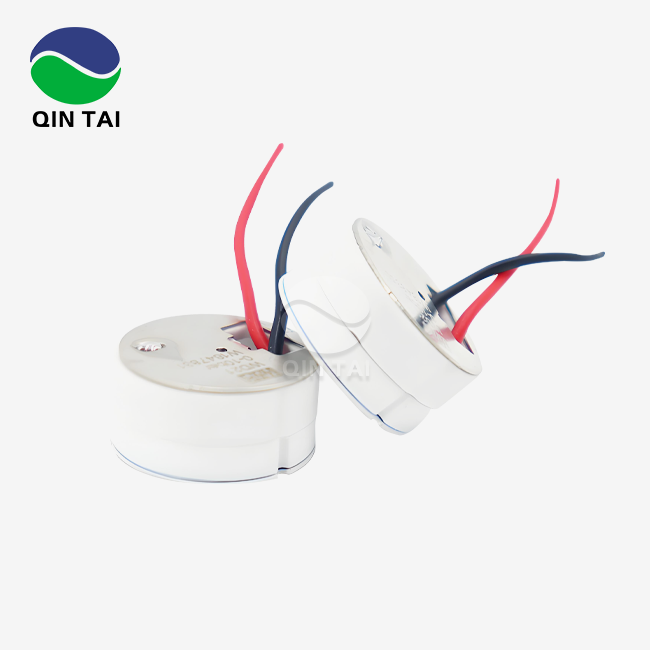

Our customers’ satisfaction speaks for our quality — contact us to experience the same reliable service.