- English
- French
- German
- Portuguese
- Spanish
- Russian
- Japanese
- Korean
- Arabic
- Greek
- German
- Turkish
- Italian
- Danish
- Romanian
- Indonesian
- Czech
- Afrikaans
- Swedish
- Polish
- Basque
- Catalan
- Esperanto
- Hindi
- Lao
- Albanian
- Amharic
- Armenian
- Azerbaijani
- Belarusian
- Bengali
- Bosnian
- Bulgarian
- Cebuano
- Chichewa
- Corsican
- Croatian
- Dutch
- Estonian
- Filipino
- Finnish
- Frisian
- Galician
- Georgian
- Gujarati
- Haitian
- Hausa
- Hawaiian
- Hebrew
- Hmong
- Hungarian
- Icelandic
- Igbo
- Javanese
- Kannada
- Kazakh
- Khmer
- Kurdish
- Kyrgyz
- Latin
- Latvian
- Lithuanian
- Luxembou..
- Macedonian
- Malagasy
- Malay
- Malayalam
- Maltese
- Maori
- Marathi
- Mongolian
- Burmese
- Nepali
- Norwegian
- Pashto
- Persian
- Punjabi
- Serbian
- Sesotho
- Sinhala
- Slovak
- Slovenian
- Somali
- Samoan
- Scots Gaelic
- Shona
- Sindhi
- Sundanese
- Swahili
- Tajik
- Tamil
- Telugu
- Thai
- Ukrainian
- Urdu
- Uzbek
- Vietnamese
- Welsh
- Xhosa
- Yiddish
- Yoruba
- Zulu
How to Choose the Best SCR Dosing System for Your Engine Application
Choosing the right SCR dosing system for your diesel engine directly impacts emissions compliance, operational reliability, and long-term cost efficiency. An effective system must deliver precise urea injection under demanding conditions while integrating seamlessly with existing engine controls. Diesel engine OEMs, aftertreatment integrators, and generator manufacturers face unique challenges—from meeting EPA Tier 4 Final and Euro VI standards to ensuring durability across extreme operating environments. Understanding the technical fundamentals, critical selection criteria, and reliable supplier partnerships allows procurement teams to make informed decisions that align with both regulatory mandates and business objectives.

Understanding SCR Dosing Systems: Basics and Key Components
Selective Catalytic Reduction technology is now an important part of current plans to reduce diesel emissions. Diesel Exhaust Fluid, also called AdBlue or DEF, is injected into the exhaust stream by an SCR Dosing System. It mixes with nitrogen oxides (NOx) in a catalyst cell to make nitrogen and water vapour, which are safe to breathe. More than 90% of NOx is removed by this chemical process, which lets engines meet strict rules without losing fuel economy or power output.
Core System Components and Their Roles
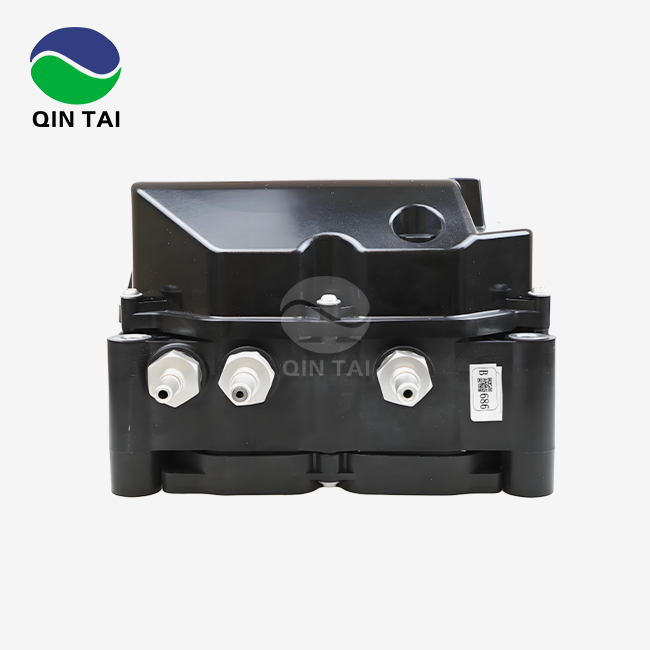
A normal setup for reducing emissions is made up of a number of linked parts that work together. The pump and injector unit are inside the dose module. They have to keep precise flow rates even when the temperature changes and the system shakes. Control units constantly figure out how much DEF is needed by looking at the temperature of the exhaust, the feedback from the NOx sensors, and the engine's load. The diesel urea tank is linked to the dose circuit by supply lines that are watched by level, temperature, and quality monitors to keep the diesel urea from freezing and getting contaminated.
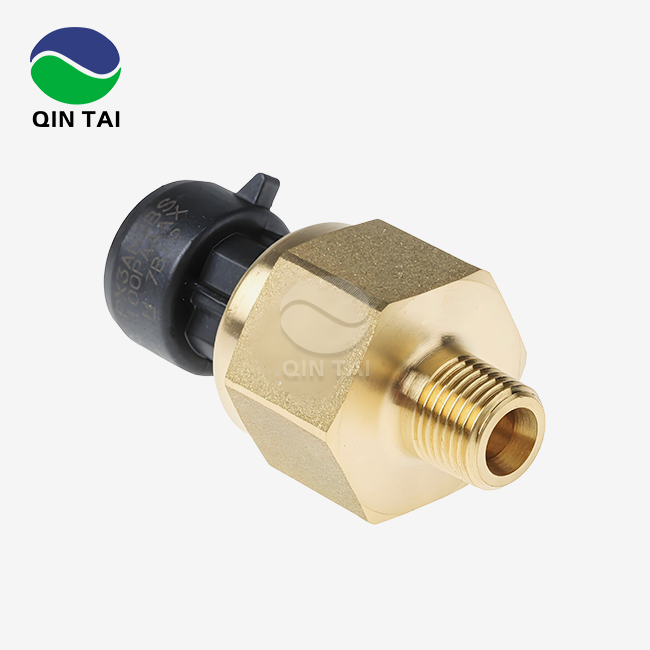
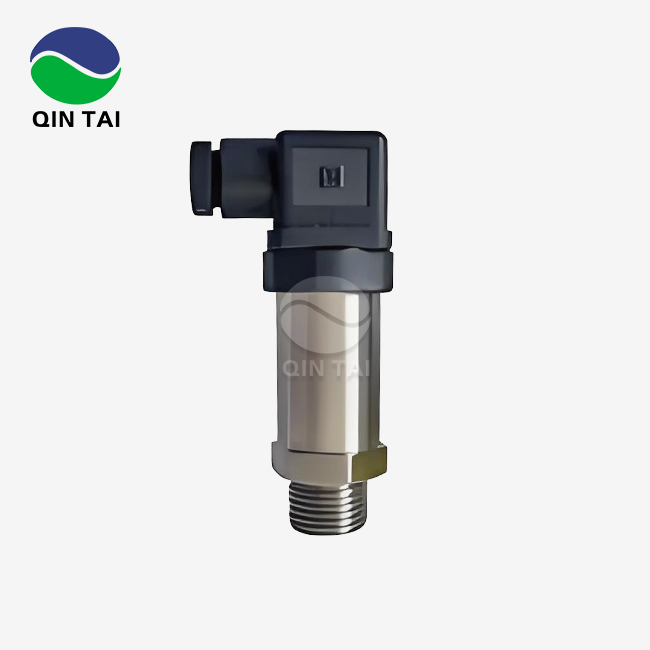
Sensors that measure pressure are very important in closed-loop feedback systems. A Urea Dosing Pressure Sensor sends real-time hydraulic data to the Engine Control Unit. This data can find blocks, leaks, or crystallisation before they cause the engine to go into limp mode. This part has to be able to handle high and low temperatures, chemicals, and mechanical stress over millions of operational cycles. Dosing errors happen when pressure tracking isn't done correctly, which can cause NOx compliance fails or too much DEF use.
Environmental and Performance Benefits
In addition to meeting regulatory requirements, well-designed aftertreatment systems provide measurable operational benefits. Engines with improved SCR technology use less fuel than older methods that only used Exhaust Gas Recirculation. This is because SCR lets you tune the combustion process for maximum thermodynamic efficiency instead of just reducing emissions. Fleet owners say that switching to powertrains with SCR saves them 3–5% on fuel, which adds up to big savings over the life of the vehicles.

Key Criteria for Selecting an SCR Dosing System
When making a purchase choice, you have to weigh the total cost of ownership, technical ability, and compatibility for integration. The following framework makes it easier for the engineering and purchasing teams to evaluate solutions in a structured way.
Performance Metrics That Matter
Dosing accuracy is the most important measure of performance for an SCR Dosing System; systems must keep ±5% volumetric accuracy across the whole working range to make sure that NOx conversion is always stable. Response time is very important when the engine is under short-term stress, like when it's accelerating or climbing a steep hill, and NOx levels rise. Predictive algorithms in advanced dose units move urea into place before the exhaust conditions change. This cuts the lag time to less than 200 milliseconds.
Equal attention should be paid to reliability measures. Over 15,000 to 20,000 hours of use, parts that come into contact with urea must not crystallise or corrode. Heavy-duty commercial vehicles that drive over a million kilometres need sensor designs with gold-plated terminals and strategies for reducing dead volume to keep them from getting fouled. Generator sets that are constantly used in remote areas need industrial-grade parts and longer maintenance intervals to avoid costly downtime.
Compatibility and Integration Requirements
The dimensions and mounting arrangements must match the layout of the existing engine compartment. When retrofitting extra systems onto older platforms, room issues often make it hard to choose the right parts. Electrical interfaces need to be carefully matched. Threaded connections like M10x1 or M12x1.5 meet industry standards, but output signal protocols vary from brand to brand. Some oecus need analogue voltage ranges of 0.5V to 4.5V, while later systems use digital SENT standards to make them more resistant to noise.
Mechanical fitment is only one part of system integration. The Urea Dosing Pressure Sensor needs to be able to talk to the Dosing Control Unit without any problems so that it can always give correct information. Fault codes like P204B show that there are problems with the circuit range or performance when the tuning factors of the sensors and the control units don't match up. Before placing a bulk order, procurement teams should make sure that the sensor specifications match the needs of their specific oecus.
Total Cost of Ownership Analysis
The initial buying price is only one part of the business equation. The amount of maintenance needed, the length of the warranty, and the frequency of failure all have a big effect on long-term costs. Systems that need to clean the nozzles or replace the pumps more often raise operational costs and cause vehicles to be off the road more often. When comparing providers, purchasing managers should ask for written field reliability data and Mean Time Between Failure figures.
The total cost is also affected by the infrastructure for after-sales support. Repair times are cut down by suppliers who offer technical support, quick diagnostic protocols, and replacement parts. Companies in the aftermarket sector really appreciate providers that keep popular parts in stock so that they can ship them out the same day for emergency fixes. For at least 24 months or 500,000 kilometres, whichever comes first, the warranty should cover problems with the way the car was made.
Comparing Market Leaders: Top SCR Dosing System Brands and Models
There are a number of well-known companies in the global aftertreatment market. Each one uses different technologies and offers different services. Bosch has created flexible dosing designs that can be used in a wide range of vehicles, from light business vehicles to big construction equipment. These architectures focus on small packaging and being resistant to heat. Continental focuses on combined sensor sets that include pressure, temperature, and quality sensing in a single housing. This makes installation easier.
Cummins uses its many years of experience with diesel engines to offer fully validated SCR Dosing System packages that are especially appealing to OEMs looking for turnkey compliance solutions. Their Integrated Aftertreatment Solutions include SCR, Diesel Particulate Filter, and controls in pre-calibrated groups that shorten the time it takes to get certified. Denso applies the same high-precision manufacturing techniques used in cars to business products, making it possible to achieve tight tolerances that make doses more consistent across production runs.
Deployments in the real world show that these technologies work well in a wide range of situations. A big company that makes building equipment cut warranty claims by 40% after moving to pressure sensors with internal buffering that doesn't freeze. These sensors can handle the 9% volume growth that happens when AdBlue crystallises at -11°C. Long-haul trucking companies that work in North American regions say that systems with anti-corrosion features made especially for road salt exposure help their trucks stay on the road longer.
Asia's new producers, especially those that started out serving Chinese customers and then went global, now fight on value and new ideas. One company that follows this trend is Xi'an Qintai Automotive Emission Technology. It was founded in 2001 as a national high-tech business and has since grown to become China's top OEM provider, working with Weichai Power, Yuchai Power, and Quanchai Power. Complete aftertreatment systems and specialised sensors are in their line-up. They are backed by ISO9001, IATF16949, and certifications like UL, CE, REACH, and RoHS compliance.

Installation, Maintenance, and Troubleshooting Best Practices
The foundation for reliable long-term operation is set by proper installation. Technicians should make sure that the supply lines don't have any kinks or sharp bends that stop the flow of urea. Even small restrictions can cause pressure readings to go up and false fault codes to be set off. To keep electrical connections from corroding, dielectric grease must be put on the terminals. This is especially important in sea or high-humidity settings where salt exposure speeds up the breakdown process.
Routine Maintenance Strategies
Dosing flow rate testing using diagnostic tools to make sure volumetric accuracy stays within specifications should be part of regular repair intervals. Crystallisation builds up on injector valves, which needs to be cleaned. This takes 30 minutes and keeps the parts from getting completely blocked and costing a lot to replace. Diagnostics for pressure sensors check the signal's steadiness across the working range. This finds drift before it lowers the efficiency of NOx conversion.
Validation of the temperature monitor makes sure that the freeze safety works correctly. When the temperature outside gets close to freezing, systems must turn on DEF heating elements to stop damage from ice expansion. The quality sensor that checks the concentration of AdBlue should show that it has 32.5% urea in it. If it doesn't, it means that the AdBlue is contaminated or diluted, and the tank needs to be drained.
Common Issues and Solutions
Crystallisation is still the most common type of failure in an SCR Dosing System. It usually happens when shutdown steps aren't done right and urea is left out in hot areas. This problem can be avoided by setting up purge routines that use compressed air to empty lines after the engine has stopped. Monitoring sensors that pick up pressure drops usually mean that there are leaks at threaded fittings. During maintenance cycles, techs should check all connections and repair any O-rings that are worn out.
When air gets into the urea supply line, pressure readings and doses become less consistent. Bleeding methods, which are like hydraulic brake systems, get rid of air pockets that are stuck. Overpressure is usually caused by AdBlue that has frozen or pressure release valves that aren't working right. Systems with flexible internal buffering structures can handle freezing without damage, which lowers this risk.
Procurement and Purchasing Guide for SCR Dosing Systems
Making decisions about sourcing means looking at a lot of different channels and relationships with suppliers. Online business-to-business (B2B) platforms make it easy to compare prices, but they might not have the technical help that is needed for complicated interfaces. When you work directly with manufacturers, you can make changes and get access to technical tools faster, which is especially helpful when making new products. Distributors support aftermarket users who need fast component delivery by balancing the supply of products with local service networks.
When evaluating a supplier, you should look at their production capacity, quality certifications, and their ability to make things. OEMs that want to make a lot of products need partners that can increase output while keeping quality standards. Facilities that are certified to IATF16949 show that they have automotive-grade process control. When you ask for customised sensor interfaces or proprietary calibration parameters, intellectual property protection comes into play. Reliable providers follow through on security agreements and keep clear IP ownership terms.
Conditions of warranties vary a lot from one supplier to the next. Standard coverage includes problems with the way the product was made, but longer plans might include performance promises like minimum NOx reduction percentages or maximum failure rates per thousand units. When you negotiate a comprehensive after-sales support agreement, you protect yourself against unplanned technical issues by making sure you have access to application engineers who know both the product and the specific engine platform.
Managing lead times has an effect on both project timelines and the cost of supplies. Standard catalogue items usually ship within two weeks. Customised solutions, on the other hand, need eight to twelve weeks for design approval and production setup. Keeping extra critical sensors and dosing modules on hand can help keep the supply chain running smoothly, but it costs more to do so. With just-in-time supply deals, providers take on the responsibility of keeping inventory on hand while production stays steady.
When you figure out the return on an investment, you should include the perks of following the rules. Non-compliant engines can't be sold and can get you fined a lot of money. In the US, the EPA can fine up to $37,500 per non-compliant vehicle. By buying pollution control systems that have been tested and proven to work, you can avoid these risks and keep your market access. Operational benefits, like longer periods between oil changes and less often having to regenerate the diesel particulate filter, make the economic case even stronger.

Conclusion
To choose the best way to cut down on emissions for an SCR Dosing System, you need to know the basics of technology, look at performance standards, and build strong relationships with suppliers. Diesel powertrains that are compliant and efficient are built on systems that deliver precise urea injection through reliable components, especially strong pressure sensors that stay accurate in harsh conditions. The people in charge of buying things have to weigh the initial costs against the total costs of ownership, the warranty coverage, and the supplier's ability to help. As regulations change and technology improves, partners must be dedicated to constant innovation and long-term collaboration. By using the evaluation method shown here, professionals in engineering and buying can come up with solutions that meet both current compliance needs and future business needs.
FAQ
Q1: How does the Urea Dosing Pressure Sensor prevent crystallization problems?
A: Modern sensor designs include smooth flow paths that keep fluid moving and reduce the amount of internal dead space where urea could crystallise. Chemical-resistant layers on the detecting diaphragm keep deposits from sticking to it. Regularly cleaning the system after it has been turned off gets rid of any leftover urea from hot areas before it can solidify. When crystallisation happens somewhere else in the circuit, pressure sensors pick up on the reduced flow through strange pressure profiles. This sets off diagnostic codes that tell the maintenance team to do preventative work before the flow gets completely blocked.
Q2: What causes P204B fault codes and how can they be prevented?
A: This diagnostic trouble code means that the data from the pressure sensor is not within the acceptable range. This is usually due to dirty electrical connections or sensor shift. Gold-plated connections are less likely to give false numbers because they fight corrosion better than regular materials. Regularly checking and cleaning connectors keeps moisture out, which breaks down signals. Replacement times for sensors should match what the maker says, which is usually every 5,000 hours of use in heavy-duty situations. Baseline mismatches that cause range mistakes can be avoided by making sure that sensors and Engine Control Units are properly calibrated and matched during installation.
Q3: Can Urea Dosing Pressure Sensors work across different SCR system brands?
A: Threaded connection standards, such as M10x1 or M12x1.5 pitch, determine how physically compatible two parts are. To be electrically compatible, the output signal protocols must be the same. For example, analogue voltage systems can't directly connect to digital SENT inputs without first converting the signals. Calibration tables for oecus expect certain pressure ranges and signal traits. Putting in sensors that don't match causes wrong readings, even if the links look like they should work. Before trying to cross-brand substitute, procurement teams should make sure they have all the details, like the pressure range, signal type, and plug wiring. Talking to application engineers makes sure that the whole control loop is compatible.
Partner with Qintai for Reliable SCR Emission Control Solutions
Working with skilled SCR Dosing System sellers who care about your success makes it easy to figure out the complicated aftertreatment technology. Xi'an Qintai Automotive Emission Technology has been a specialist in diesel pollution control for more than 20 years and offers OEMs and installers a wide range of parts and custom engineering services. The sensors and dosing systems we made ourselves are up to the tough needs of heavy-duty commercial vehicles, construction equipment, and stationary power generation.
Qintai is the biggest SCR Dosing System maker in China, and they have strict quality standards that are backed up by ISO9001, IATF16949, and foreign approvals like UL, CE, and RoHS compliance. Our 58 idea patents show that we are always coming up with new ways to solve problems in the real world, like making things that can freeze, avoid crystallisation, and last longer. We can make solutions that fit your specific engine platforms, control protocols, and packaging requirements thanks to our OEM/ODM flexibility.
We know how important it is to have reliable supply lines and quick technical help. Our production ability ranges from small numbers for prototypes to large-scale production. We have quality assurance processes in place to make sure that all of our production runs are the same. Whether you need standard catalogue sensors or custom-engineered assemblies, our team can help you with your application from the beginning of the design process all the way through field operation and service after the sale.
Find out how Qintai's experience in emission control can help you make your products better and meet legal requirements more quickly. You can talk to our technical team about your needs and ask for detailed product documentation by emailing info@qt-sensor.com.
References
1. Dieselnet. (2020). Selective Catalytic Reduction. DieselNet Technology Guide.
2. Johnson, T. V. (2015). Review of Diesel Emissions and Control. SAE International Journal of Engines, 8(3), 1207-1212.
3. SAE International. (2018). Diesel Exhaust Fluid Quality Requirements. SAE Standard J2906.
4. U.S. Environmental Protection Agency. (2021). Diesel Exhaust/Near-Roadway Emissions. EPA Research.
5. European Automobile Manufacturers Association. (2019). ACEA Position Paper on Heavy-Duty Emission Standards. Brussels: ACEA.
6. International Council on Clean Transportation. (2022). Global Comparison of Heavy-Duty Vehicle Fuel Economy and GHG Standards. ICCT Report.

Our customers’ satisfaction speaks for our quality — contact us to experience the same reliable service.