- English
- French
- German
- Portuguese
- Spanish
- Russian
- Japanese
- Korean
- Arabic
- Greek
- German
- Turkish
- Italian
- Danish
- Romanian
- Indonesian
- Czech
- Afrikaans
- Swedish
- Polish
- Basque
- Catalan
- Esperanto
- Hindi
- Lao
- Albanian
- Amharic
- Armenian
- Azerbaijani
- Belarusian
- Bengali
- Bosnian
- Bulgarian
- Cebuano
- Chichewa
- Corsican
- Croatian
- Dutch
- Estonian
- Filipino
- Finnish
- Frisian
- Galician
- Georgian
- Gujarati
- Haitian
- Hausa
- Hawaiian
- Hebrew
- Hmong
- Hungarian
- Icelandic
- Igbo
- Javanese
- Kannada
- Kazakh
- Khmer
- Kurdish
- Kyrgyz
- Latin
- Latvian
- Lithuanian
- Luxembou..
- Macedonian
- Malagasy
- Malay
- Malayalam
- Maltese
- Maori
- Marathi
- Mongolian
- Burmese
- Nepali
- Norwegian
- Pashto
- Persian
- Punjabi
- Serbian
- Sesotho
- Sinhala
- Slovak
- Slovenian
- Somali
- Samoan
- Scots Gaelic
- Shona
- Sindhi
- Sundanese
- Swahili
- Tajik
- Tamil
- Telugu
- Thai
- Ukrainian
- Urdu
- Uzbek
- Vietnamese
- Welsh
- Xhosa
- Yiddish
- Yoruba
- Zulu
What Maintenance Does an SCR Dosing System Require for Fleet Trucks?
Keeping a fleet compliant and on the road starts with understanding what your emissions control hardware actually needs. An SCR dosing system — the component responsible for injecting Diesel Exhaust Fluid (DEF) into the exhaust stream to neutralize NOx — requires structured, recurring maintenance to function correctly. Without it, expect fault codes, DEF crystallization, injector blockages, and potential regulatory penalties. This guide walks through every practical maintenance layer, from daily checks to long-term strategy, giving procurement engineers and fleet managers a clear action plan.

Understanding the Basics of SCR Dosing Systems
How the System Works
A exact amount of urea solution, usually AdBlue or DEF, is sprayed into the hot exhaust stream before the catalytic converter. This is how Selective Catalytic Reduction technology works. A chemical process is set off by the heat, which turns dangerous nitrogen oxides into nitrogen and water vapor. The accuracy of this injection relies on a chain of parts that are all linked and working together.
Core Components You Must Know
Each part has a specific job that affects the accuracy of dosing and the life of the system. The main gear is broken down below:
- Dosing valve and injector: Control the spray pattern and amount of DEF that goes into the exhaust pipe. One of the main reasons this method fails is crystallization.
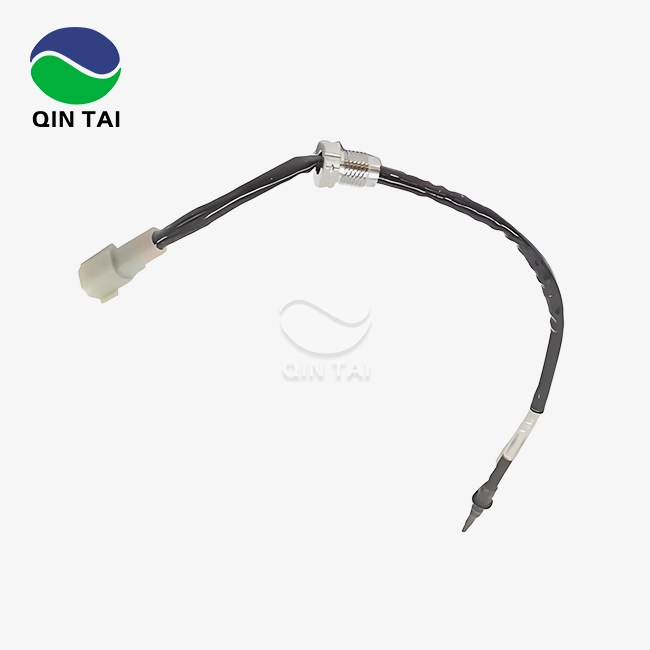
- Urea pressure sensor: Checks the hydraulic pressure in real time and sends information to the Dosing Control Unit (DCU). It finds overpressure situations caused by frozen AdBlue as well as pressure drops from leaks or blocks. The urea dosing pressure sensor from Qintai has gold-plated connections and a dead-volume reduction design to keep crystallization fouling and signal drift from happening, which is known to cause the P204B fault code.
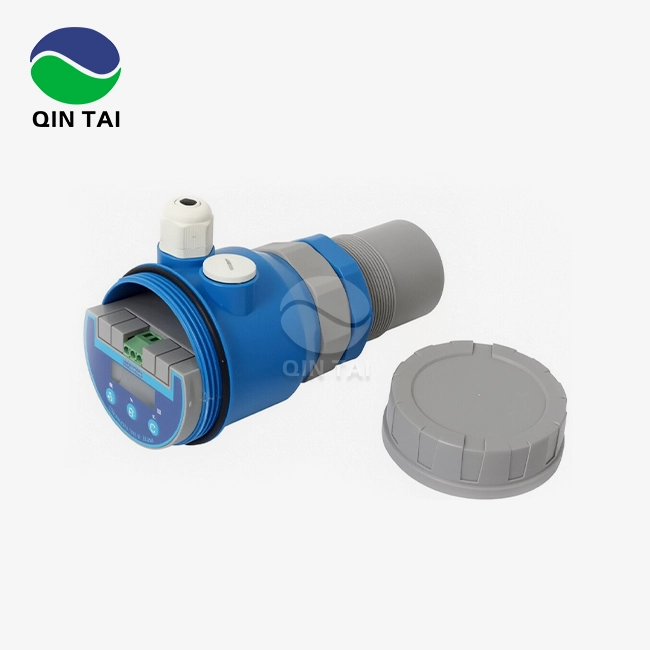
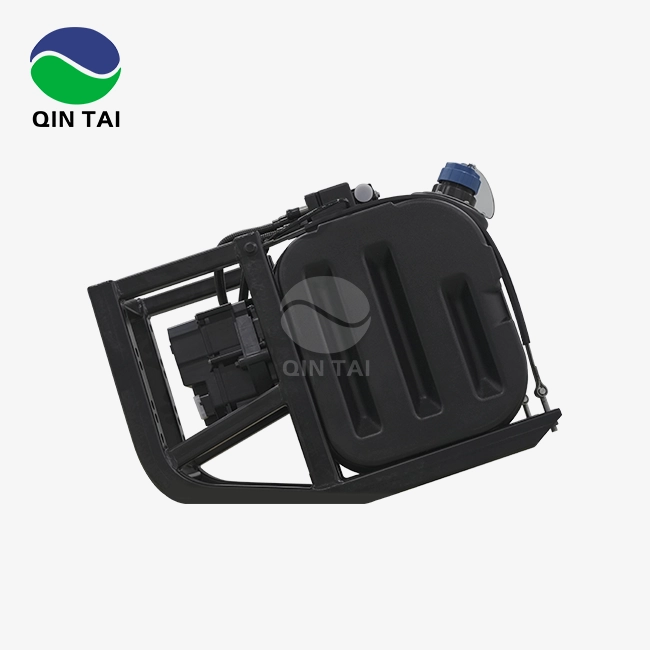
- Urea tank with integrated sensors: The DEF tank talks to the SCR system through a quality sensor, a temperature sensor, and a level sensor. Together, these three signals make sure that AdBlue stays within its limits and doesn't freeze in cold places.
- Dosing control unit (DCU) / ECU: Handles sensor input and constantly changes the timing and amount of injections.
If any of these parts becomes physically worn out or drifts out of calibration, the SCR dosing system stops working correctly, which can cause NOx violations and the possibility of the limp mode activating.
Key Maintenance Tasks for SCR Dosing Systems in Fleet Trucks
Routine Inspection Schedule
Regular inspection is the key to making sure that the DEF system works properly. Here is a useful framework set up by time period:
- Daily: Check the DEF fluid level and any warning lights every day. Make sure you can't see any leaks around the links for the dose module or the tank.
- Weekly: Use a refractometer once a week to check the quality of the DEF. Fluid that is contaminated or watered down makes catalysts less effective and hurts injectors over time.
- Monthly: Check all of the electrical connections, especially the ones that go to the temperature and pressure sensors. Corrosion and water getting in are common things that cause problems.
- Every 150,000–200,000 km: The dose injector tip should be cleaned or replaced. Urea crystallizes at temperatures below about 32.5°F (0.5°C), and even when the system is turned off at high temperatures, waste builds up.
Calibration and Software Diagnostics
Aside from the actual inspection, monitor calibration and software health checks are also very important. Technicians can use diagnostic tools that work with OBD to read live pressure data from the urea dosing pressure monitor and compare it to what the numbers should be at different engine loads. A sensor that is working right sends out a signal that is between 0.5V and 4.5V (or via SENT protocol, based on how the ECU is calibrated). Any drift outside of this range means that the sensor is getting old or that the connector is dirty.
Regular updating the DCU's software also keeps the dosing algorithm in sync with changing job cycles, which is especially important for teams that run mixed-load routes—and this directly supports the SCR dosing system in maintaining accurate NOx reduction.

Troubleshooting and Problem Resolution Guide
Common Signs of Failure and Their Causes. There are a few problems that fleet technicians often run into. Early detection of patterns stops costly failures that keep happening.
Common Failure Symptoms and Root Causes
The most common types of faults are shown below:
- White exhaust deposits near tailpipe: Usually mean that the DEF hasn't completely broken down because the exhaust temperature is too low or the injectors are clogged.
- Fault code P204B: Signal drift from the urea pressure sensor. This is usually caused by sensors that are getting old or connector pins that are dirty.
- Repeated DEF consumption warnings despite adequate fluid: This could mean that the level monitor is broken or the dose line is leaking.
- System entering limp mode: Overpressure from frozen AdBlue growing (AdBlue grows by about 9% when frozen) or a stuck valve causing the SCR dosing system to go into limp mode.
A structured diagnostic workflow—beginning with sensor data, then checking the quality of the fluid, and finally checking the mechanical parts—cuts down on part replacements that aren't needed and speeds up workshop time.
A Real-World Maintenance Win
Over 18 months, a North American regional carrier that was in charge of 80 heavy-duty trucks cut down on SCR-related breakdowns by 34% by reviewing pressure sensor data monthly and cleaning injectors every three months. The most important change was that pressure problems were caught early, before they led to injector breakdowns. This was possible because sensor data was used as a proactive maintenance input instead of a reaction alarm.

Comparing Maintenance Strategies and Technologies
Reactive vs. Predictive Maintenance
Fixing things when they break is called reactive maintenance, and it always costs more over the life of a fleet. The U.S. Department of Energy says that predictive maintenance plans can cut maintenance costs by 8–12% compared to preventive methods and by up to 40% compared to models that are only reactive, and the SCR dosing system is a prime example of where predictive upkeep delivers the greatest return.
These days, telematics platforms connect directly to SCR dosing system controllers and get real-time data from each vehicle about pressure, temperature, and dosing frequency. This data stream lets you set condition-based service intervals that are based on how much a part has worn down instead of just a general mileage limit. When it comes to fleet procurement managers, the business case is simple: fewer emergency service calls, better planning of parts inventory, and more accurate budget forecasts.
Picking the right sources for parts also affects how well repair works in the long run. OEM-grade sensors with known service lives—for example, Qintai's urea dosing pressure sensors are rated for at least 15,000 to 20,000 hours of use—reduce the number of times they need to be replaced and come with performance warranties that protect fleet operators.
Long-Term Benefits of Proper SCR Dosing System Maintenance for Fleets
Proper maintenance of fleets' SCR dosing systems pays off in the long run. Consistent maintenance leads to returns that grow over time. Fleets that stick to structured service schedules always report lower DEF use, fewer catalyst replacements, and better emissions audit results. EPA and CARB are making it harder for commercial cars to meet NOx pollution limits. This means that system reliability is now more of a legal requirement than a practical choice.
Depending on the type of engine, replacing a broken SCR catalyst assembly can cost anywhere from $2,000 to $5,000 per unit. Regular upkeep, like replacing sensors and cleaning injectors, usually costs a lot less than that. When a fleet has 50 or more cars, buying parts in bulk and signing an annual service contract with a qualified SCR system provider can save a lot of money.

Conclusion
It's not hard to keep an SCR dosing system in good shape, but you need to be consistent and use the right parts. Every maintenance task, like checking the DEF level every day and calibrating sensors and cleaning injectors on a regular basis, keeps the fleet running and in compliance with NOx rules.
Buying OEM-grade parts, especially accurate urea pressure monitors, cuts down on the number of faults and greatly increases the system's useful life. When it comes to controlling costs, staying in good standing with regulators, and having vehicles available, fleets that make emissions hardware repair a core business practice rather than an afterthought always do better than those that don't.
FAQ
How often should I inspect the DEF dosing system on fleet trucks?
Every day, the fluid levels and warning lights should be looked at visually. Connector and sensor checks should be done once a month, while cleaning the injectors and checking the quality of the DEF should be done every three months or based on mileage (around every 150,000 km, depending on duty cycle).
What are the early warning signs of SCR dosing system failure?
Keep an eye out for frequent DEF consumption alerts, trouble codes like P204B, white residue near the tailpipe, or the vehicle going into limp mode without warning. Most of the time, these symptoms are caused by sensor shift, injector fouling, or fluid contamination within the SCR dosing system.
Does using non-OEM parts affect warranty coverage?
Most of the time, yes. Non-OEM sensors and dosing parts often don't have the signal calibration that the individual ECU needs. This can lead to inaccurate dosing and void maker warranties. The system needs OEM-grade parts from trusted sources to keep the signal compatibility and mechanical tolerances it needs.
Can the urea pressure sensor handle AdBlue freezing?
If the sensor is well-made, it can. The urea dosing pressure sensor made by Qintai has a flexible internal buffering structure that can handle the 9% volume expansion that happens when AdBlue freezes. This keeps the sensing diaphragm from getting damaged.
Partner with Qintai for Reliable SCR Dosing System Solutions
Trust Qintai to help you with your SCR dosing system needs. Since 2001, Qintai has sold precision urea dosing pressure sensors and SCR aftertreatment parts to OEMs and fleet owners in over 60 countries. As the top OEM provider in this field in China, Qintai works with Weichai Power, Yuchai Power, and Quanchai Power. It has IATF16949, ISO9001, CE, and UL certifications, and it has filed 58 idea patents.
Connect with our technical team at info@qt-sensor.com or visit qt-sensor.com to talk about custom solutions, whether you need an SCR dosing system manufacturer for large-scale production or a dependable SCR dosing system supplier for aftermarket stock.
References
1. Engine Manufacturers Association (EMA). Diesel Exhaust Fluid (DEF) and SCR System Maintenance Guidelines for Heavy-Duty Vehicles. 2021.
2. U.S. Environmental Protection Agency (EPA). Compliance Guidance for Heavy-Duty Diesel NOx Emission Standards. 2022.
3. U.S. Department of Energy, Office of Energy Efficiency & Renewable Energy. Predictive Maintenance for Fleet Operations: Cost and Performance Outcomes. 2020.
4. Society of Automotive Engineers (SAE). SAE J2986: Urea-Based Selective Catalytic Reduction Systems for On-Highway Vehicles. 2019.
5. California Air Resources Board (CARB). In-Use Compliance Requirements for Heavy-Duty Diesel Trucks and SCR Aftertreatment Systems. 2023.
6. International Council on Clean Transportation (ICCT). Real-World NOx Emissions from Heavy-Duty Diesel Trucks: SCR System Performance Analysis. 2022.


Our customers’ satisfaction speaks for our quality — contact us to experience the same reliable service.