- English
- French
- German
- Portuguese
- Spanish
- Russian
- Japanese
- Korean
- Arabic
- Greek
- German
- Turkish
- Italian
- Danish
- Romanian
- Indonesian
- Czech
- Afrikaans
- Swedish
- Polish
- Basque
- Catalan
- Esperanto
- Hindi
- Lao
- Albanian
- Amharic
- Armenian
- Azerbaijani
- Belarusian
- Bengali
- Bosnian
- Bulgarian
- Cebuano
- Chichewa
- Corsican
- Croatian
- Dutch
- Estonian
- Filipino
- Finnish
- Frisian
- Galician
- Georgian
- Gujarati
- Haitian
- Hausa
- Hawaiian
- Hebrew
- Hmong
- Hungarian
- Icelandic
- Igbo
- Javanese
- Kannada
- Kazakh
- Khmer
- Kurdish
- Kyrgyz
- Latin
- Latvian
- Lithuanian
- Luxembou..
- Macedonian
- Malagasy
- Malay
- Malayalam
- Maltese
- Maori
- Marathi
- Mongolian
- Burmese
- Nepali
- Norwegian
- Pashto
- Persian
- Punjabi
- Serbian
- Sesotho
- Sinhala
- Slovak
- Slovenian
- Somali
- Samoan
- Scots Gaelic
- Shona
- Sindhi
- Sundanese
- Swahili
- Tajik
- Tamil
- Telugu
- Thai
- Ukrainian
- Urdu
- Uzbek
- Vietnamese
- Welsh
- Xhosa
- Yiddish
- Yoruba
- Zulu
How to Choose the Best SCR Dosing System Supplier for OEM Use
The best way to choose an SCR dosing system supplier is to start with your own engine data and test every candidate against it. I look for a supplier that matches your emissions target, offers customization, and shows proof of quality control, such as IATF 16949 certification. Next, I request samples and check dosing accuracy, pressure stability, and cold-weather behavior on the bench and in the field. Finally, I compare total cost of ownership, not just unit price, and confirm delivery capacity and after-sales support. This guide explains each step in plain language so your purchasing and engineering teams can decide with confidence.
Supplier choice affects emissions compliance, uptime, and DEF use for years. A catalog match does not prove a part will work under vibration, heat swings, and changing engine loads. The sections below cover requirements, technology, supplier review, and validation.
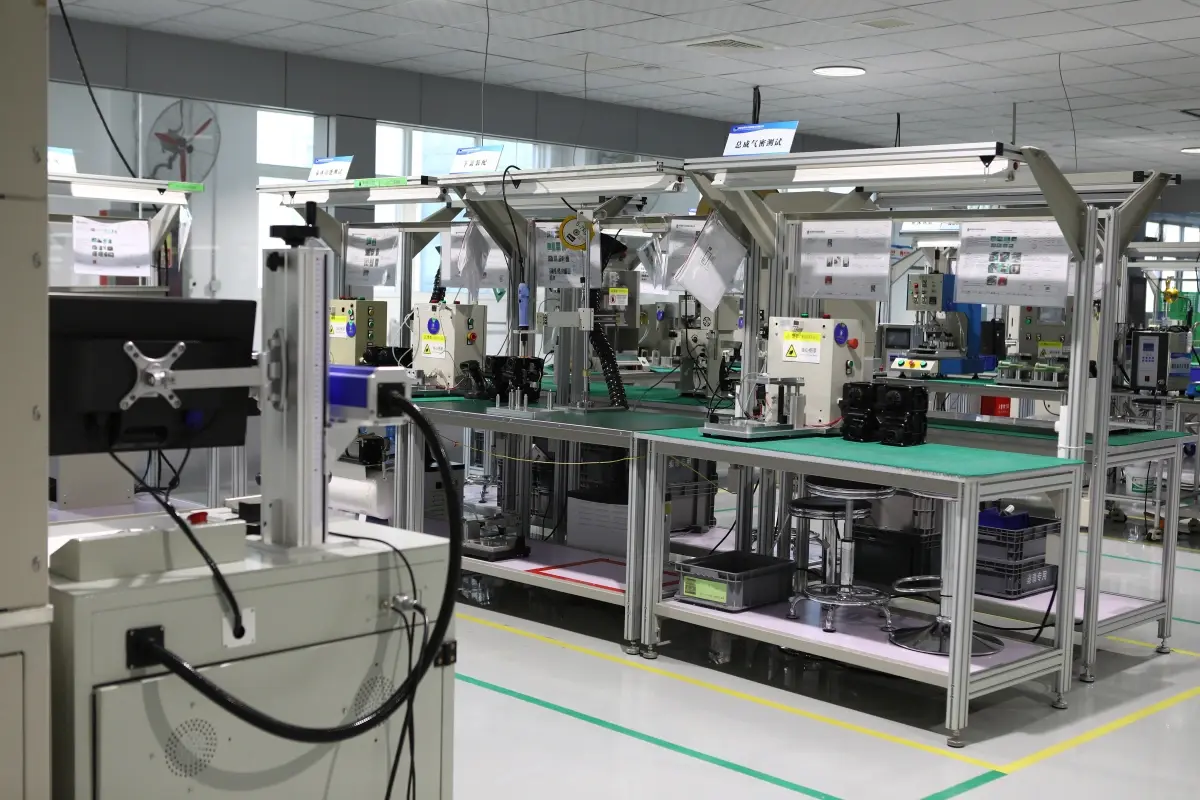
Start With Your OEM Requirements and the Basics of the SCR Dosing System
Why Supplier Selection Shapes Compliance and Cost
Selective catalytic reduction is a main way that diesel engines meet the new NOx limits. In 2010, the EPA set the NOx limit for heavy-duty vehicle engines at 0.2 grams per brake horsepower-hour. That number is cut to 0.035 for models made after 2027 by the last rule it made in 2022. You can't make a lot of mistakes when you dose with those limits. NOx can get through if the SCR dosing system doesn't spray enough DEF. If it sprays too much, it can waste fluid and leave behind buildup. No, the dose unit is not a separate pump or injection. It is a part of the emissions package as a whole. This is because how well the catalyst works depends on how well the dose unit works.
Define Your Requirements Before Requesting Quotes
Before I ask for a price, I write down the engine, the pollution goal, the working conditions, and a rough guess of the number. There should be a list of things like engine power, exhaust temperature, dosing flow, injection pressure, reaction time, voltage, communication protocol, mounting size, heating needs, and framework for the fluid line. There may be different things that a truck, a tractor, a generator set, and an excavator need. It's easy to compare quotes when there is a clear way to get rid of the bad ones. It also lets the seller suggest a unique SCR dosing system so that a standard part isn't used for the wrong job.
Know the Components and How They Work
ISO 22241 says that DEF, which is sold as AdBlue in Europe, is a solution of 32.5% urea. A filter and a pump move it from the tank to the injector. The injector sprays it into the exhaust. It turns into ammonia because of the heat there. The ammonia changes into nitrogen and water when it comes in contact with NOx on the SCR catalyst. Sensors, heaters, a processor, lines, seals, and links all work together to make this flow possible. It's more important to me that parts of a system work together than that they follow a single standard. Flow-pressure curves, wire information, material data, installation plans, calibration notes, and validation records from a good source should all be packed in.
Compare Dosing Technologies and Match Them to Your Application
Air-Assisted and Airless Systems
In systems that use compressed air, DEF is broken up into small droplets. Strong atomization is possible, and they work well in cars that already have air flow. In exchange, you have to deal with more plumbing, more work to install, more maintenance, and more space to set up. When there is no air in the system, DEF is blasted straight through the nozzle after being pressed down. They are easy to set up and don't need an air line, which is helpful for tractors and engine sets that don't have compressed air. It's not how popular it is or how much it costs that drives my choice. It's how much space, air, and services I need. The last decision should be based on facts that proves the claim.
12V, 24V, and Pump Criteria
The voltage should be the same as the car's electrical system. Equipment for business and off-road use can use either 12V or 24V. The pump is just as important. A noise level, self-priming, freeze protection, resistance to crystallization, pressure stability, and service life are some of the things I look at. Keeping the pressure in check is a good example. Input from a closed-loop monitor on the dose line is sent to the processor. This helps the controller find any holes, leaks, or air in the line. When I look at things, I also keep SCR and EGR separate. It is cooled by the EGR, and the product is cleaned by the SCR. I check the whole system for NOx conversion, DEF use, and short-term reactions.
Match the System to the Duty Cycle
Based on the duty cycle and the setting, the best design is made. Even if they are changing loads often, heavy-duty cars need to be dosed regularly and be able to get service quickly and easily. They also need to be monitored reliably. Busses need to be small, quiet, and able to adapt to changes quickly. Equipment used in farming and building projects has to deal with dust, water, shock, shaking, and being stored for a long time. There are a lot of hours that generators used in mines or as backup power have to run, so they need to be dosed correctly, serviced often, and have clear records. This helps me make a list of what the pump, injector, heater, housing, and controller must have. I then send that list to all of the suppliers right away.
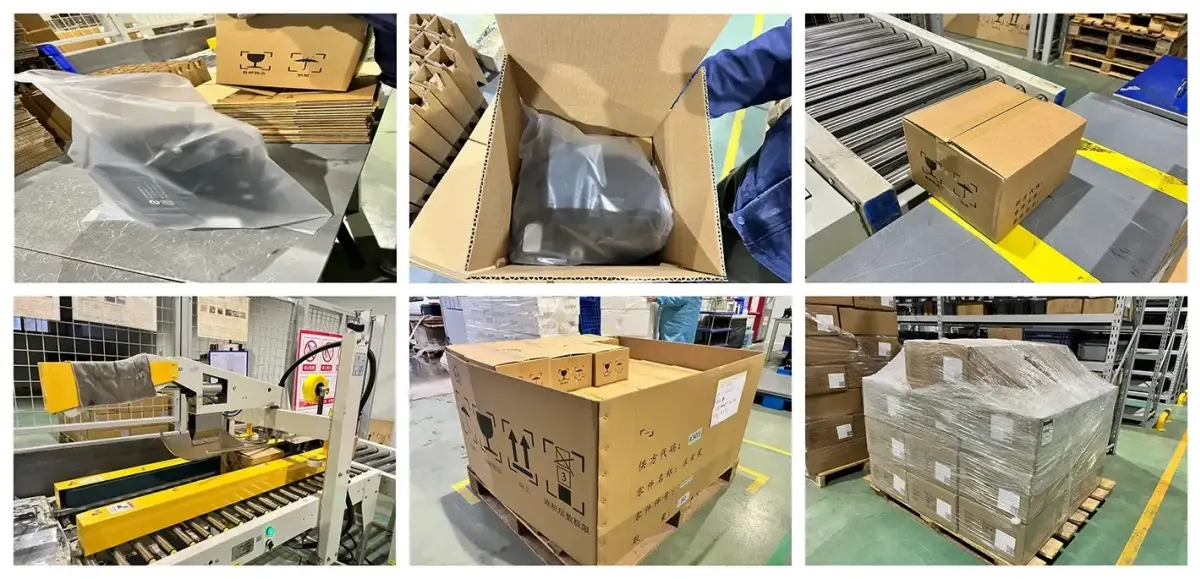
Evaluate Supplier Capability, Quality, and Total Cost
Engineering and Customization Strength
I see a source as more than just a company that sells parts; I see them as a growth partner. As well as the flow and pressure levels, I'd like to know if it's possible to change the brackets, the software integration, the private labeling, and the samples that are made. Also, I want to know about this because your SCR dosing system program will change after it starts. Most of the time, these requests can be answered faster by a supplier with their own R&D team and experience with both OEM and ODM. Tools are important, but how well you speak English, how fast you can answer hard questions, and who you can talk to are even more so. Not very strong answers in the quoting stage are often a sign of not very strong backing in the production stage.
Quality Systems and Validation Capability
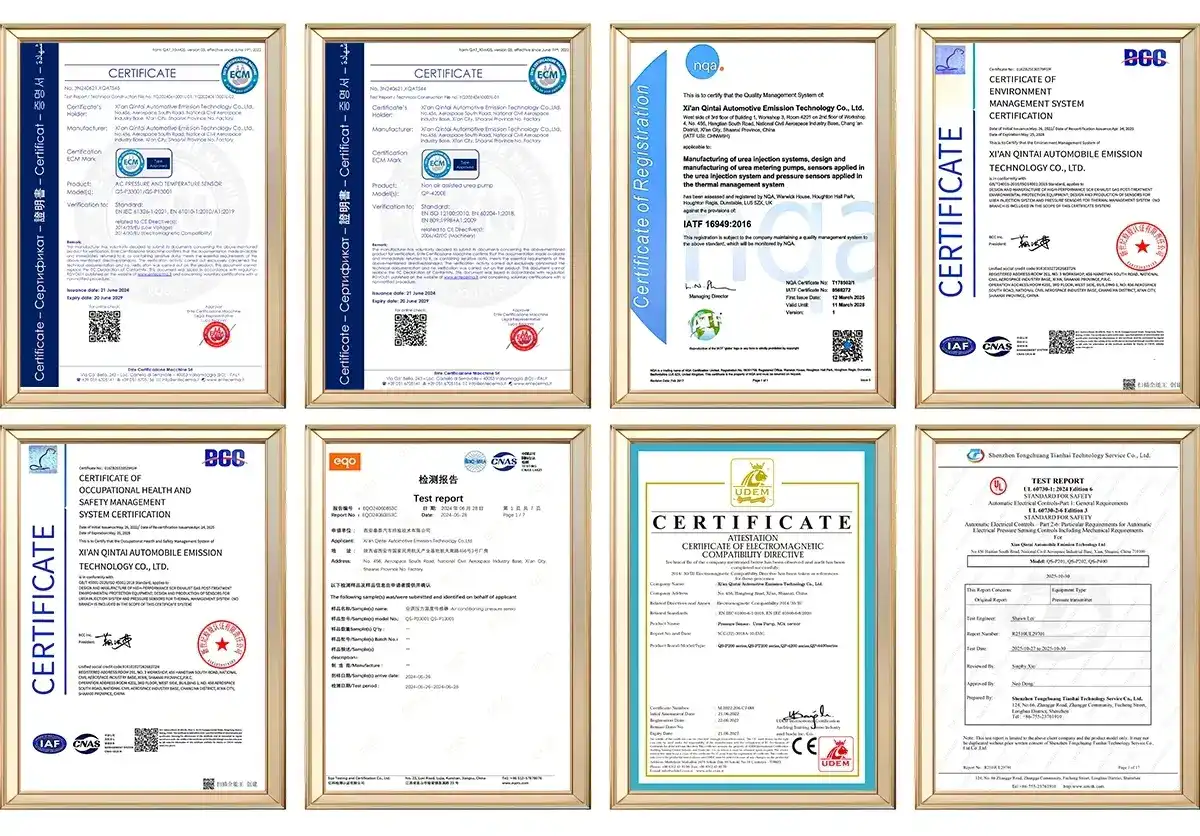
Quality records show what a provider does on a normal day. I check the records for leaks, calibration, traceability, corrective actions, change control, and inspections of things coming in. In the car business, IATF 16949 is the standard for quality management. Since I'm qualified to do it, I still check the records to make sure that the process is well-run. I also ask the provider what kinds of tests they can do in-house, like tests for chemical compatibility, temperature, shaking, freeze-thaw, corrosion, durability, and communication performance. Before giving you samples, make sure your provider checks these conditions. They will probably find problems faster and for less money than you will in the field.
Total Cost and Supply Reliability
It's possible for a low unit price to hide problems that will cost a lot of money to fix. It costs money to have issues with the pump, leaks, clogs, extra DEF use, downtime, and insurance claims. The costs of the sensors, heaters, harnesses, tools, calibration, software work, tests, transportation, and supplies are all added up. Then I look at how service life and care are different. It is also important to supply. I confirm that the company can make what I need, offer lead times, keep spare parts on hand, have experience exporting, offer warranty terms, and follow procedures for failure analysis. This is also the time when I agree on terms of intellectual property. If the seller keeps the shipping dates during a production ramp, your line won't have to stop for long periods of time that can't be fixed with a price.
Validate Samples, Avoid Mistakes, and Follow a Clear Process
Validate Before You Approve
As part of validation, papers are reviewed, samples are tested, the product is used in real life, and sometimes the plant is inspected. There should be sketches, datasheets, data on flow and pressure, records of calibration, details on the materials used, and links to other apps. I test samples in real life to make sure they work correctly with ECUs and have accurate flow, stable pressure, good spray quality, freeze protection, temperature resistance, vibration, diagnostics, and the ability to start up and shut down. North American fleets need to do cold-start tests because DEF freezes at 12°F (-11°C). When there is low pressure, crystallization, nozzle blockage, heater faults, leaks, sensor errors, or communication loss, the supplier tells me how they handle it. The technical, quality, cost, and number acceptable standards must all be the same. A weighted scorecard makes sure of this.
Common Mistakes to Avoid
Everyone keeps making the same mistakes. People pick a pump without checking it out with the driver, plug, catalyst, ECU, and hydraulic circuit. This could lead to the wrong dose and fault codes that keep coming up. Some people only look at prices and don't think about how much guarantees and upkeep cost. Specifications don't always take into account things like low temperatures, high elevations, dust, humidity, vibrations, or storing something for a long time. The product is more dangerous when it has bad customer service, few spare parts, and claims of high efficiency that are only based on lab data. Because the application is unique, I need proof that it works. I also want to know that the provider can support model changes and technical revisions in the future.
A Step-by-Step Selection Process
These are the steps I take. The first thing I do is write a technical requirement paper that describes the engine, the goal emissions, the range of flow and pressure, the environment, the interfaces, the yearly volume, and the start date. Next, I make a short list of qualified suppliers. Then, I look at their business and technical proposals side by side. Third, I test samples both in the lab and in the field. After that, I check the capacity, quality, testing, production, and ability to be tracked. Finally, I agree to a quality and supply agreement that spells out the terms and conditions, acceptance criteria, how to report changes, the guarantee, delivery, failure analysis, and my privacy. After the launch, I check in on the field and let the seller know how things are going.
How Urea Pressure Sensing and Qintai Fit Into Your Supplier Decision
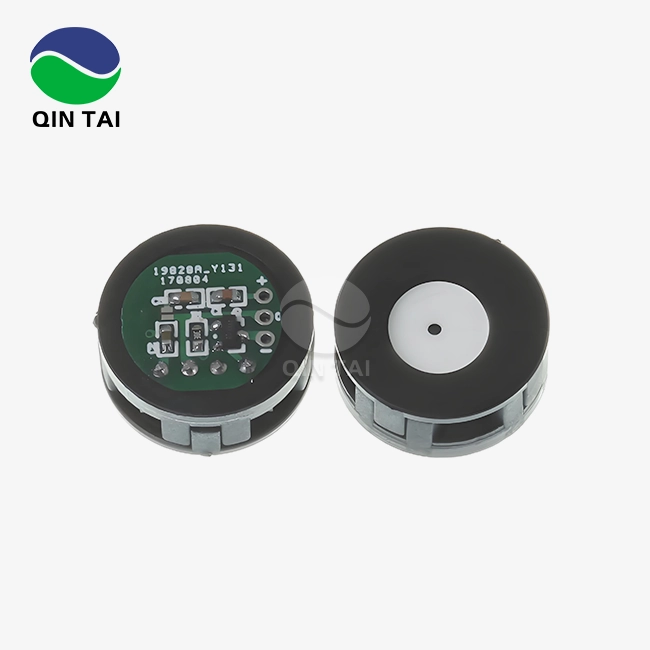
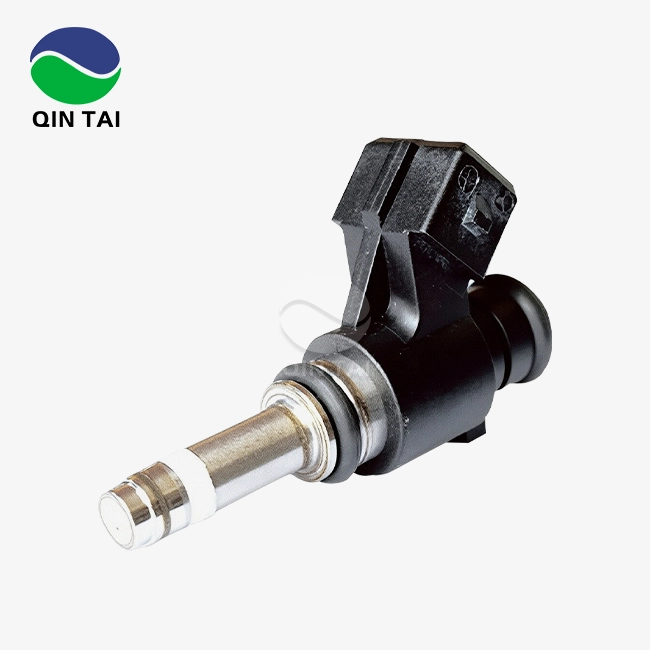
What a Urea Dosing Pressure Sensor Does?
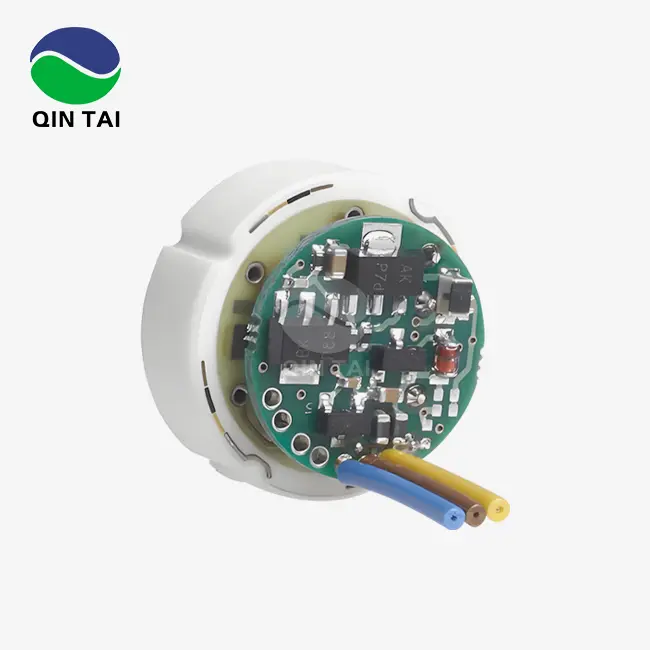
A urea dosage pressure monitor checks the DEF hydraulic pressure and sends data to the dosing control unit, or ECU. This input checks to see if the amount of the injection is right. As the pressure drops, the sensor can figure out if there are any holes, leaks, or air in the system. And it helps find out what's wrong with the pump and injectors. Overpressure is another thing it finds. This can be caused by frozen DEF or a broken valve. You can meet standards like Euro VI and EPA Tier 4 Final by giving the right amount of drug, and stable pressure helps stop limp mode triggers from happening in the SCR dosing system. It's in every source review because it has such a big impact on so many fault lines.
Applications and Design Details to Check
Pressure sensors are used in long-haul trucks, tools for building and mining, and big diesel engines for boats. There is stress in every setting, whether it's sound waves, dust, shocks, or salty air. It could be 0.5V to 4.5V or SENT, and I check the thread type, which could be M10x1 or M12x1.5. This is because the signal needs to match how the ECU is set up. Signal drift and the P204B fault code can happen for many reasons. Qintai's sensors have gold-plated connections that keep the connectors from getting dirty. As well, they have a flexible buffering structure inside that stops DEF from moving. When they are made by Qintai, they are made to work for at least 15,000 to 20,000 hours without stopping.
Why OEM Buyers Look at Qintai
A company called Xi'an Qintai Automotive Emission Technology Co. Ltd is a national tech company that has been around since 2001. We plan, build, and sell sensors for diesel engines that use SCR aftertreatment. Pressure monitors are one type of sensor that we make. We have ISO 9001, IATF 16949, CMC, Ex, UL, CE, REACH, and RoHS licenses, among others. There are also 58 invention patents among us. Our company has the largest market share in China. Weichai Power, Yuchai Power, and Quanchai Power all buy from us. From designing something to making a lot of them, you can get OEM and ODM service. We sell in more than 60 countries and regions and also let you make changes.
Conclusion
The best way to choose an SCR dosing system provider is to make clear choices one after the other. The first thing you should do is make sure you understand the engine, emissions, and environmental needs. Then, match the real job cycle to designs that use air or don't use air, 12V or 24V options, and pump features. A study of a provider shouldn't just look at the unit price; it should also look at how good they are at engineering and tailoring, as well as their quality control, validation, supply security, and total cost. Sample tests, application trials, and a weighted scorecard are used as proof of these checks. Once the project is up and running, a written supply deal will keep it safe. People often make mistakes like ignoring cold climates or approving parts that haven't been tested in the system. This process will help you avoid those mistakes. Buyers who check these things early are more likely to make products that are stable and follow the rules. This is because dosing accuracy and pressure feedback affect NOx control and fault rates.
FAQ
How do I assess an SCR dosing system manufacturer?
Check out things like IATF 16949 permits, test records, sample results, and understanding of how to make things fit your needs. Then, make sure you know how much you can produce and how to help customers after the sale.
When should I choose air-assisted or airless dosing?
If you can get compressed air and want to make very small particles, air-assisted is the way to go. Look for airless if you don't want an air line and want an easier installation process. Data that proves either choice should be used.
What causes nozzle clogging and low pressure?
Some of the most common reasons are DEF crystals, dirt, air in the line, leaks, frozen fluid, and pumps that are worn out. This kind of trouble is found quickly by a pressure sensor.
What information do you need for an accurate quotation?
What kind of engine is it, how much it weighs, how much it flows, how much pressure it's under, how it connects to other systems, where it works, and how much it weighs each year.
Discuss Your OEM SCR Dosing System Requirements with Qintai
Qintai can look over your project if you want to. To find a company that can give you an SCR dosing system, email info@qt-sensor.com with details about your engine, emissions, voltage, flow, pressure, background, and volume. OEM and ODM work is possible, and we can make changes. Our pressure monitors are approved by IATF 16949 and ISO 9001.
References
1. U.S. Environmental Protection Agency, Control of Air Pollution from New Motor Vehicles: Heavy-Duty Engine and Vehicle Standards and Highway Diesel Fuel Sulfur Control Requirements, 2001.
2. U.S. Environmental Protection Agency, Control of Air Pollution from New Motor Vehicles: Heavy-Duty Engine and Vehicle Standards, 2023.
3. U.S. Environmental Protection Agency, Control of Emissions of Air Pollution from Nonroad Diesel Engines and Fuel, 2004.
4. International Organization for Standardization, ISO 22241-1: Diesel Engines — NOx Reduction Agent AUS 32 — Part 1: Quality Requirements, 2019.
5. International Automotive Task Force, IATF 16949: Automotive Quality Management System Standard, 2016.
6. SAE International, Vehicular Emissions in Review, 2016.
 Sensors.webp)

Our customers’ satisfaction speaks for our quality — contact us to experience the same reliable service.