- English
- French
- German
- Portuguese
- Spanish
- Russian
- Japanese
- Korean
- Arabic
- Greek
- German
- Turkish
- Italian
- Danish
- Romanian
- Indonesian
- Czech
- Afrikaans
- Swedish
- Polish
- Basque
- Catalan
- Esperanto
- Hindi
- Lao
- Albanian
- Amharic
- Armenian
- Azerbaijani
- Belarusian
- Bengali
- Bosnian
- Bulgarian
- Cebuano
- Chichewa
- Corsican
- Croatian
- Dutch
- Estonian
- Filipino
- Finnish
- Frisian
- Galician
- Georgian
- Gujarati
- Haitian
- Hausa
- Hawaiian
- Hebrew
- Hmong
- Hungarian
- Icelandic
- Igbo
- Javanese
- Kannada
- Kazakh
- Khmer
- Kurdish
- Kyrgyz
- Latin
- Latvian
- Lithuanian
- Luxembou..
- Macedonian
- Malagasy
- Malay
- Malayalam
- Maltese
- Maori
- Marathi
- Mongolian
- Burmese
- Nepali
- Norwegian
- Pashto
- Persian
- Punjabi
- Serbian
- Sesotho
- Sinhala
- Slovak
- Slovenian
- Somali
- Samoan
- Scots Gaelic
- Shona
- Sindhi
- Sundanese
- Swahili
- Tajik
- Tamil
- Telugu
- Thai
- Ukrainian
- Urdu
- Uzbek
- Vietnamese
- Welsh
- Xhosa
- Yiddish
- Yoruba
- Zulu
How to Choose the Right Urea Pressure Sensor for Your SCR System
Selective Catalytic Reduction (SCR) systems have become indispensable in modern diesel engines, serving as the primary technology for reducing harmful nitrogen oxide (NOx) emissions. At the heart of these systems lies a critical component: the urea dosing pressure sensor. This sensor ensures that Diesel Exhaust Fluid (DEF), commonly known as AdBlue, is delivered at the correct pressure for optimal injection into the exhaust stream. Choosing the right sensor directly impacts emission compliance with stringent regulations like EPA Tier 4 Final and Euro VI standards, while also affecting system reliability and operational costs. This comprehensive guide addresses the specific needs of purchasing managers, R&D engineers, technical managers, and procurement professionals across diesel engine manufacturing, aftertreatment system integration, and commercial vehicle aftermarket sectors. We provide actionable insights to help you make confident, informed decisions that balance technical performance, cost control, and long-term partnership potential.
Understanding Urea Dosing Pressure Sensors and Their Role in SCR Systems
What Is a Urea Dosing Pressure Sensor?
A Urea dosing pressure sensor is a precise measuring tool built into the SCR system that checks the hydraulic pressure of the urea solution moving from the dosing pump to the injection tip. This real-time pressure information goes straight to the Dosing Control Unit (DCU) or Engine Control Unit (ECU), which lets the amount of urea injected be controlled in a closed loop. The sensor is a key part of finding solutions to important problems in the industry, like incorrect dosing that results in NOx emissions that aren't allowed and urea crystallization that blocks systems. By making sure the dosing module's pressure stays at the right level, these sensors stop "limp mode" events that lower engine power and mess up operations.
Core Technologies Behind Pressure Sensing
To turn mechanical pressure into electrical data, modern instruments use ceramic thick-film strain gauges or piezoresistive MEMS technology. Special diaphragms made of 316L stainless steel or Polyphenylene Sulfide (PPS) separate these sensing elements. These materials were chosen because they don't corrode easily in 32.5% aqueous urea solutions. The Urea dosing pressure sensor sends out an analogue signal that is usually between 0.5V and 4.5V based on the source voltage. The control unit figures out what this signal means and determines the exact dosing needs. This constant monitoring lets you react right away to changes in the system, making sure that your SCR system gets real-time feedback for precise dosing adjustments even when the engine is running at different temperatures and loads.
Applications Across Industries
A lot of different types of vehicles use these sensors, like heavy-duty cars, building equipment, farm equipment, power sets, and systems that clean up industrial exhaust gases. They help with environmental rules, protect system parts from overpressure, and find possible leakage problems before they become expensive failures. They can be used with both light-duty and heavy-duty diesel uses. The Urea dosing pressure sensor helps with diagnosis by sending fault code information when pressure readings aren't within the normal range. This helps maintenance teams figure out problems like broken pumps and clogged injector nozzles.
Key Criteria to Consider When Choosing a Urea Pressure Sensor
Pressure Range and Measurement Accuracy
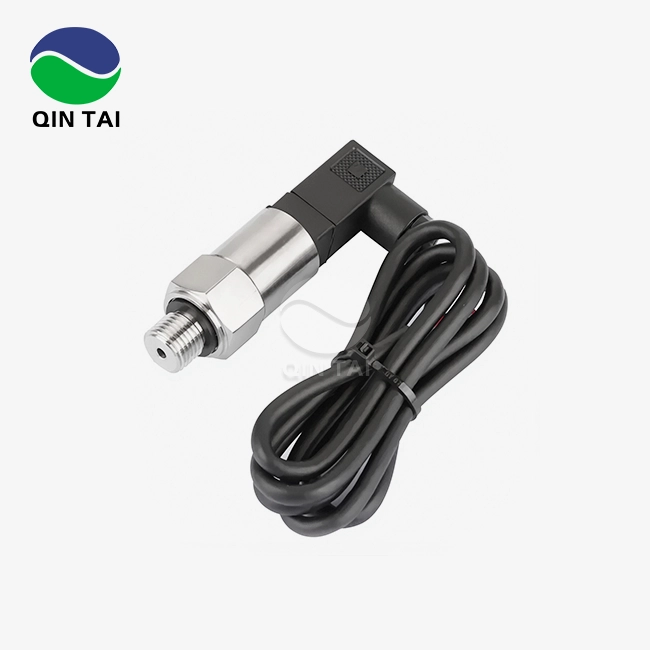
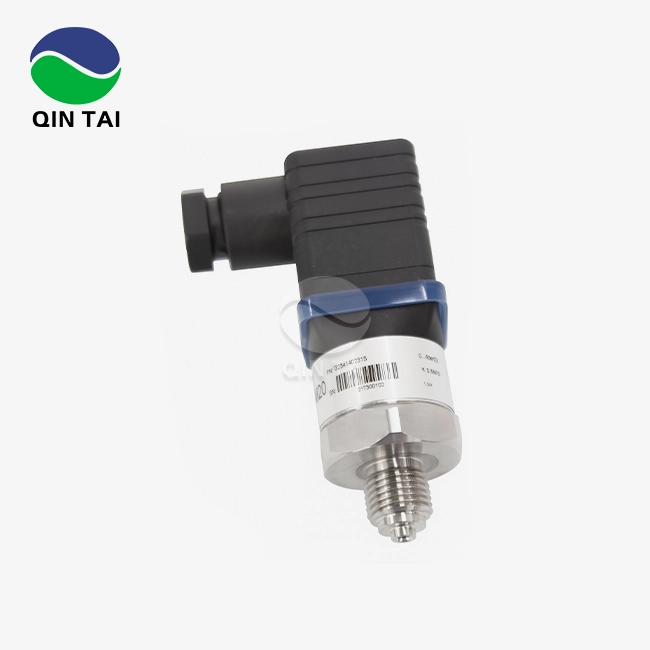
When choosing a Urea dosing pressure sensor, the range of pressures it can measure and how accurate it is should be the most important factors. For most SCR uses, sensors must be able to measure pressures between 0 and 12 bar (-14 psi to +130.5 psi) and be accurate within 0.5% to 1.5% of the full scale. The Qintai QS-P226 model is made to work in harsh automotive environments. It can measure pressures from -14 psi to +130.5 psi and is very accurate, within ±0.5%. This accuracy makes sure that estimates for dosing stay within acceptable ranges, which directly affects your ability to meet emission standards while avoiding using too much DEF, which raises running costs.
Material Compatibility and Chemical Resistance
Because urea solutions are corrosive, choosing the right material is very important. The detecting diaphragm has to be able to withstand chemical breakdown and keep its shape over thousands of pressure cycles. Advanced Urea dosing pressure sensors use "dead-volume" minimisation techniques and smooth internal flow paths to keep urea from building up and blocking the diaphragm. These design features fix one of the most common ways that SCR systems fail, which makes the sensors last a lot longer than with simple designs.
Environmental Durability and Protection Standards
Extreme temperature changes, vibrations, exposure to wetness, and chemical pollution are just some of the harsh conditions that SCR devices have to work in. It is important to have high-quality Urea dosing pressure sensors that have strong seals that keep out water, dust, and chemicals, usually with an IP69K grade. The temperature range must be able to handle both cold starts and high exhaust temperatures. Professional-grade sensors should be able to work effectively from -40°C to +125°C. Additionally, the sensor must be able to handle the 9% volume increase that happens when urea freezes without signal drift or mechanical failure during the "thaw cycle." Our QS-P226 has flexible internal buffering structures that were made to handle these growth forces while keeping the accuracy of the measurements.
Signal Output and System Integration
Whether you use analogue or digital output formats depends on how your controls are set up now. Analogue Urea dosing pressure sensors that output voltages (usually between 0.5 and 4.5 VDC ratiometric) are easy to connect to standard ECU analogue input channels and are cheaper for mass production uses. The signal type needs to meet the calibration needs of your ECU, because the wrong signal features can lead to fault codes like P204B (Urea Pressure Sensor Circuit Range/Performance). Physical thread connections usually use standard sizes, like M10x1 or M12x1.5. Making sure they are mechanically and electrically compatible before buying them saves a lot of money and time during the integration process.

Spotlight on the Qintai QS-P226: Advanced Sensor Technology for Demanding Applications
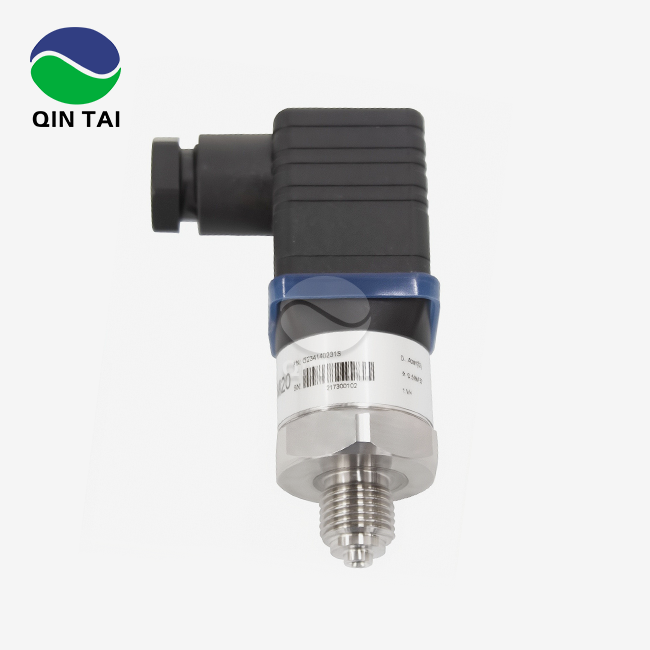
With the Qintai QS-P226, we're showing that we're serious about making high-performance Urea dosing pressure sensor solutions that are backed by our own research and development. This model uses self-made sensor core technology that gets rid of supply chain dependencies and ensures reliable performance across the entire operational envelope.
Our engineering team has come up with a number of important new ideas to help diesel engine makers and aftertreatment specialists solve their problems. The Urea dosing pressure sensor core technology gives accurate pressure readings across the whole working range. This is true even when the temperature and shaking are changing quickly, which is common in heavy machinery uses. Environmental protection features include advanced sealing technologies that keep out water, dirt, and chemicals, making sure that the equipment can work reliably in the harsh conditions that are common in places like construction sites, farms, and generator sets.
Real-time monitoring gives you constant pressure data that lets you react quickly to changes in the system. This data is sent instantly to your SCR control unit so that it can make precise dosing adjustments. This responsiveness is especially useful in situations where the loads change quickly, like when building equipment is working in mixed-duty cycles or when farming equipment is switching between field work and transport modes.
The QS-P226 works with a standard 5V supply power and has an analogue output, which makes it easier to connect to current SCR control systems. It measures pressures from -14 psi to +130.5 psi, which is the full range needed for current dose systems. The output signal is 0.5 to 4.5 VDC ratiometric, which is the same as what most oecus need. The Urea dosing pressure sensor accuracy of ±0.5% is better than that of many competing products, giving you the accuracy you need for the best emission control and fuel economy. Every unit is tested thoroughly before it is sent out, and we offer a full 12-month guarantee that covers both manufacturing flaws and material fails.
These technical advantages directly meet the main needs that our customers have told us about: meeting emission regulation requirements through accurate measurement; providing high stability and consistency for mass production applications; and laying the technical groundwork for long-term partnerships based on cooperation.
Practical Steps for Procurement Managers: How to Select and Purchase the Ideal Sensor?
Define Your Application Requirements
To start the selection process for a Urea dosing pressure sensor, make a detailed list of your SCR system's individual operating parameters. Figure out the pressure measurement range you need by looking at the specs of your dosing pump, the normal operating pressures, and the safety margins you need. Think about the harsh conditions your sensor will have to deal with, such as temperature changes, vibrations, water or other contaminants, and where it can and can't be mounted. Find out what the electrical interface needs, such as the supply voltage, the output signal format that works with your ECU, and the connector specifications. The technical standard that can be used to judge possible sellers is set by these basic factors.
Evaluate Supplier Qualifications and Certifications
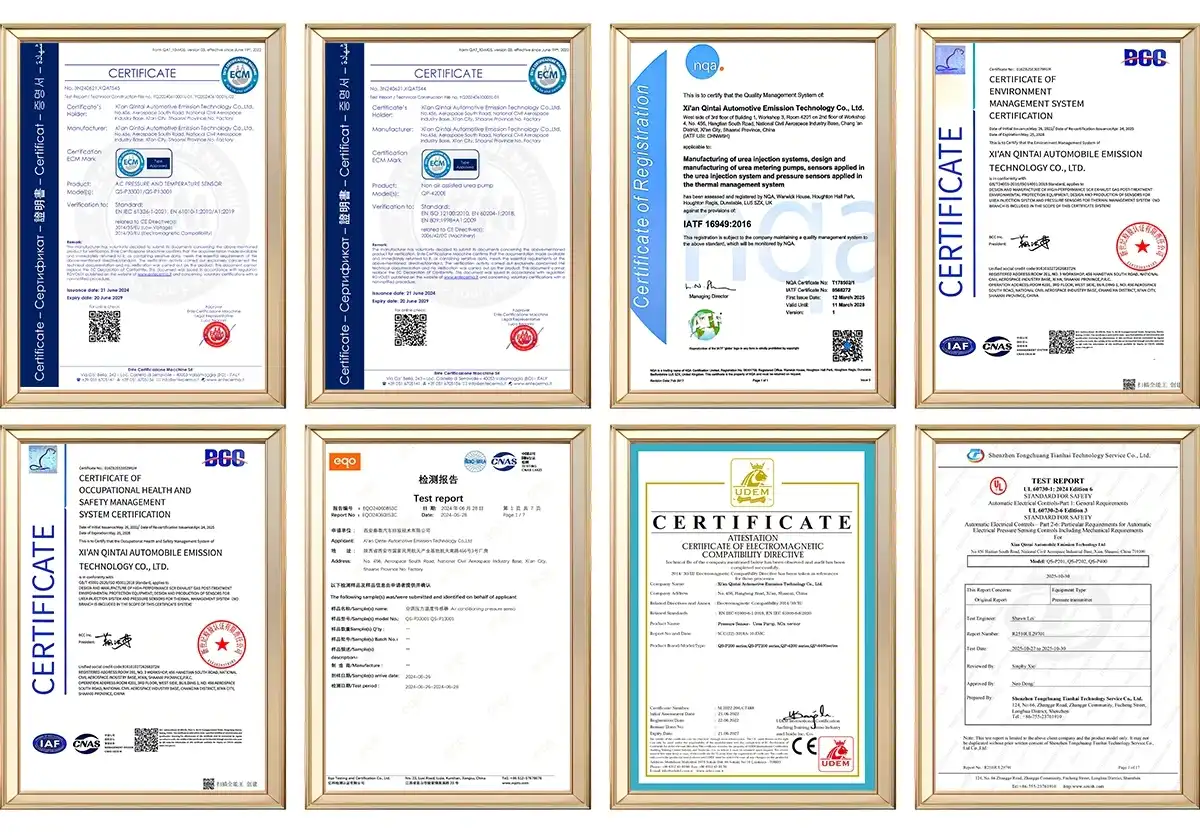
Quality standards are concrete proof of the ability to make things and keep an eye on the whole process. Give more weight to suppliers who have ISO9001 and IATF16949 certifications, which show they follow standards for automotive quality management. Along with CMC, Ex, UL, CE, REACH, and RoHS compliance, Qintai keeps these two certifications up to date. This makes sure that our Urea dosing pressure sensors meet international standards for the automotive industry and the environment. In addition to certifications, you should look at the supplier's patent portfolio and professional writing records to see how well they can do research and development. Our 86-person research and development team has 58 design patents for car emission control systems. This shows that they are always coming up with new ideas that make sensors work better and be more reliable.
Assess Production Capacity and Supply Chain Stability
When an OEM needs to be able to make a lot of things, the supplier's production rate for the Urea dosing pressure sensor is a very important thing to think about. Check to see if possible partners can meet your expected yearly needs while keeping quality standards high. More than two million sensors can be made by Qintai every year, meeting the needs of many product lines with big quantities. Stability in the supply chain is also very important, especially after recent problems around the world. Our self-developed sensor core technology makes us less reliant on outside suppliers for parts. This gives us more control over delivery dates and production schedules. Customers who need interfaces or parameters that can be changed to fit specific applications will benefit the most from this vertical integration feature.
Negotiate Pricing and Lead Times
Controlling costs while meeting quality and dependability standards is what good buying does. Ask for specific quotes that show how the Urea dosing pressure sensor unit price changes for different order volumes. This will help you figure out the best order numbers that balance the costs of keeping inventory with the savings you get for ordering in bulk. Make sure you know what to expect from lead times for both first-time purchases and repeat purchases, and know how lead times change based on order size and the level of customisation needed. Talk about payment terms, minimum order amounts, and possible framework deals for customers who need a steady flow of goods. Our team works together with procurement professionals to make deals that meet the needs of both the immediate project and the long-term goals of the partnership.
Secure Technical Support and After-Sales Coverage
Support after the purchase has a big effect on the total cost of ownership for a Urea dosing pressure sensor. Check out the technical support that is available during integration. For example, see if you can talk to application experts about installation questions, problems with signal reading, or how to fix problems. Check the warranty's terms to make sure you know what situations and types of failure are covered, how to file a claim, and how long it usually takes to get a solution. Qintai offers full support after the sale, backed by a 12-month warranty program. Technical staff are available to answer questions about specific applications and help with integration issues. This support infrastructure lowers practical risks and keeps the system reliable for as long as the sensor is in use.
Troubleshooting and Maintenance: Extending the Life of Your Urea Dosing Pressure Sensor
Identifying Common Malfunction Indicators
Being able to spot early warning signs of Urea dosing pressure sensor degradation allows for proactive repair that stops unplanned downtime. Keep an eye out for diagnostic trouble codes (P204B codes in particular) that mean there is a problem with the signal or the range or function of the pressure sensor. These codes are usually caused by sensors that are getting old, dirty connector pins, or water getting in. Keep an eye out for wrong pressure readings that lead to incorrect dose, which shows up as higher NOx emissions during tests or too much DEF use compared to fuel burn rates. Pressure changes or numbers that aren't steady could mean that the diaphragm is wearing down or that there are problems with the electrical connections that need to be looked into.
Systematic Calibration and Maintenance Procedures
Regular maintenance keeps measurement accuracy high and extends the life of Urea dosing pressure sensors. Set review times based on how the equipment is used. Equipment that is used in harsh settings should be checked more often. During inspections, look for corrosion in electrical connections and make sure that the connector pins stay clean and sealed properly. Gold-plated connections on high-quality sensors help prevent rust, but they still need to be checked every so often. Make sure that the fixing points are securely attached and that there is no stress that could affect the accuracy of the measurements. Clean the outside to keep dirt and grime from building up, but don't use strong cleaners that could damage sealing materials. Calibration verification should be done as suggested by the equipment's maker, usually when the machine is due for a major service or when diagnostic codes show that measurements are drifting.
Determining Repair Versus Replacement
When a Urea dosing pressure sensor has intermittent faults, consistently out-of-range readings, or physical damage, they should usually be replaced instead of being fixed. Because precision pressure monitors are built so complexly on the inside, field repair is usually not an option. When it's time to replace something, use the chance to look at the broken unit to figure out what went wrong. Crystallisation growth or rust patterns could be signs of bigger problems with the system that need to be fixed, like DEF quality issues or not enough winterisation steps. For industrial SCR uses, the normal working conditions for a sensor give it a service life of between 15,000 and 20,000 hours. This gives a standard against which early failures can be measured.
Conclusion
When choosing the right Urea dosing pressure sensor for your SCR system, you need to carefully think about the technical specs, the skills of the provider, and the ability to provide long-term support. Emission compliance, working efficiency, and total cost of ownership are all directly affected by how accurate the sensor is, how well it works with other materials, how long it lasts in harsh environments, and how well it fits into the system. Procurement pros can find solutions that meet strict performance standards and offer the best value by carefully examining application needs, supplier capabilities, and post-purchase support infrastructure. The Qintai QS-P226 is an example of the advanced engineering and manufacturing excellence that top OEMs and system integrators rely on for important emission control applications. It comes with full certifications, a lot of R&D resources, and the ability to ship products all over the world.
FAQ
How can I tell if my urea pressure sensor has failed?
Diagnostic trouble codes like P204B showing up in your ECU, erratic pressure readings in diagnostic tools, DEF usage going up more than expected compared to fuel use, or emission test fails showing high NOx levels are all common signs of a problem. A visual check might show that the connectors are corroded or that the wire going to the Urea dosing pressure sensor is broken.
What is the expected lifespan of a urea dosing pressure sensor in commercial vehicle applications?
Quality Urea dosing pressure sensors usually last between 15,000 and 20,000 hours of use under normal conditions and with proper system maintenance. Conditions in the environment, the consistency of the DEF quality, the right way to winterise the system, and protection from vibration damage are all things that affect how long it lasts.
Should I choose analog or digital output sensors for my application?
When used in mass production, analogue Urea dosing pressure sensors with voltage outputs are cheaper and easier to combine with standard ECU designs. The main things that determine the choice are the needs of your current control system and the ECU's skills. Before you buy, make sure that the signals will work with your specific ECU tuning to avoid problems with integration.
How does the sensor handle urea crystallization problems?
Advanced Urea dosing pressure sensors have features built into their bodies, such as dead-volume minimisation techniques and smooth flow paths, that keep urea from building up and clogging up the detecting diaphragm. These technical methods fix one of the most common ways that SCR pressure sensors go wrong.
Partner with Qintai for Superior SCR Sensor Solutions
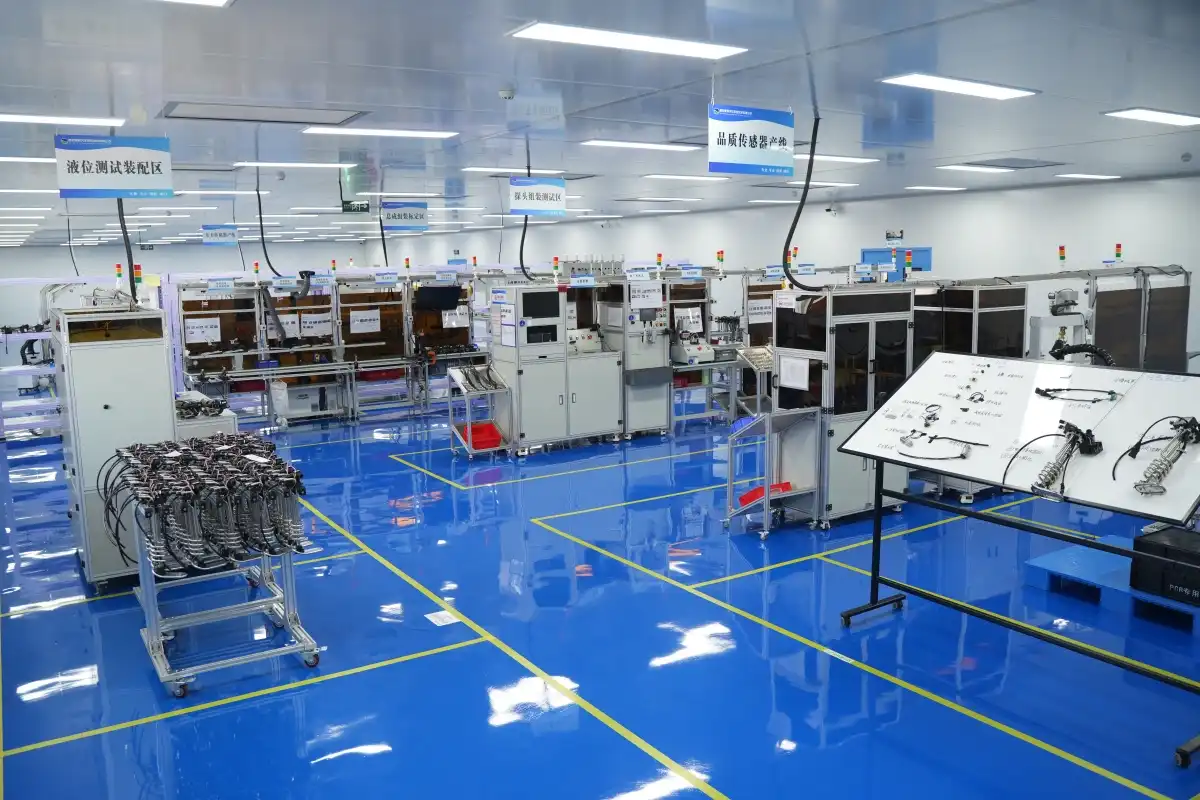
With the best Urea dosing pressure sensor technology in the business, Xi'an Qintai Automotive Emission Technology Co., Ltd. is ready to help you with your pollution control needs. When it comes to manufacturing excellence and technical know-how, we bring the best to every customer relationship as China's No. 1 OEM supplier and core partner to Weichai Power, Yuchai Power, and Quanchai Power. Our QS-P226 sensor gives current SCR uses in heavy trucks, building equipment, farm machinery, and generator sets the accuracy, dependability, and environmental durability they need.
We are a national high-tech company that has been around since 2001. We offer full OEM and ODM services and have an 86-person R&D team with 58 invention patents. Our ISO9001 and IATF16949-certified factories make more than two million Urea dosing pressure sensors every year, making sure that customers all over the world can always count on quality and on-time delivery. Whether you're a diesel engine manufacturer looking to make a lot of engines, an aftertreatment integrator needing solutions that can be changed to fit your needs, or an aftermarket supplier wanting to save money and keep stock on hand, our team can help you with custom solutions and quick technical support.
Get in touch with our experts at info@qt-sensor.com to talk about your specific needs and find out how Qintai's cutting-edge sensor technology can help your SCR system work better while still meeting emission standards. We are a known Urea dosing pressure sensor maker that works with more than 60 countries in Europe, the Middle East, and South America. We want to build long-term relationships based on technical excellence and on-time delivery.
References
1. Johnson, M. & Williams, R. (2021). Selective Catalytic Reduction Systems: Design, Operation, and Maintenance for Heavy-Duty Diesel Engines. SAE International Publications.
2. Chen, L., Zhang, H., & Kumar, P. (2022). "Advanced Sensor Technologies for Automotive Emission Control Systems," Journal of Automotive Engineering, Volume 236, Issue 8, pp. 2145-2163.
3. Environmental Protection Agency (2020). Technical Guidance on Selective Catalytic Reduction Systems for Diesel Engines. EPA Publication EPA-420-B-20-012.
4. European Automobile Manufacturers Association (2023). Euro VI Heavy-Duty Vehicle Emissions Standards: Technical Requirements and Compliance Testing. ACEA Technical Report Series.
5. Patel, S. & Thompson, D. (2022). Diesel Exhaust Fluid Systems: Component Selection and Integration Best Practices. Automotive Engineering International Press.
6. International Organization for Standardization (2021). Road Vehicles – Environmental Conditions and Testing for Electrical and Electronic Equipment – Part 4: Climatic Loads. ISO 16750-4:2021 Standard.

Our customers’ satisfaction speaks for our quality — contact us to experience the same reliable service.