- English
- French
- German
- Portuguese
- Spanish
- Russian
- Japanese
- Korean
- Arabic
- Greek
- German
- Turkish
- Italian
- Danish
- Romanian
- Indonesian
- Czech
- Afrikaans
- Swedish
- Polish
- Basque
- Catalan
- Esperanto
- Hindi
- Lao
- Albanian
- Amharic
- Armenian
- Azerbaijani
- Belarusian
- Bengali
- Bosnian
- Bulgarian
- Cebuano
- Chichewa
- Corsican
- Croatian
- Dutch
- Estonian
- Filipino
- Finnish
- Frisian
- Galician
- Georgian
- Gujarati
- Haitian
- Hausa
- Hawaiian
- Hebrew
- Hmong
- Hungarian
- Icelandic
- Igbo
- Javanese
- Kannada
- Kazakh
- Khmer
- Kurdish
- Kyrgyz
- Latin
- Latvian
- Lithuanian
- Luxembou..
- Macedonian
- Malagasy
- Malay
- Malayalam
- Maltese
- Maori
- Marathi
- Mongolian
- Burmese
- Nepali
- Norwegian
- Pashto
- Persian
- Punjabi
- Serbian
- Sesotho
- Sinhala
- Slovak
- Slovenian
- Somali
- Samoan
- Scots Gaelic
- Shona
- Sindhi
- Sundanese
- Swahili
- Tajik
- Tamil
- Telugu
- Thai
- Ukrainian
- Urdu
- Uzbek
- Vietnamese
- Welsh
- Xhosa
- Yiddish
- Yoruba
- Zulu
A Complete Guide to Diesel NOx Sensors and SCR Technology
The Diesel NOx Sensor represents a cornerstone technology in meeting stringent emission standards across heavy-duty applications. As emission regulations tighten globally, diesel engine manufacturers and aftertreatment system integrators increasingly rely on these precision instruments to achieve EPA Tier 4 and Euro VI compliance. This heated electrochemical device continuously monitors nitrogen oxide concentrations in exhaust streams, enabling real-time SCR system optimization that balances environmental responsibility with operational efficiency. Understanding how these sensors function and integrate within broader emission control architectures has become essential for procurement managers and R&D engineers navigating today's regulatory landscape.
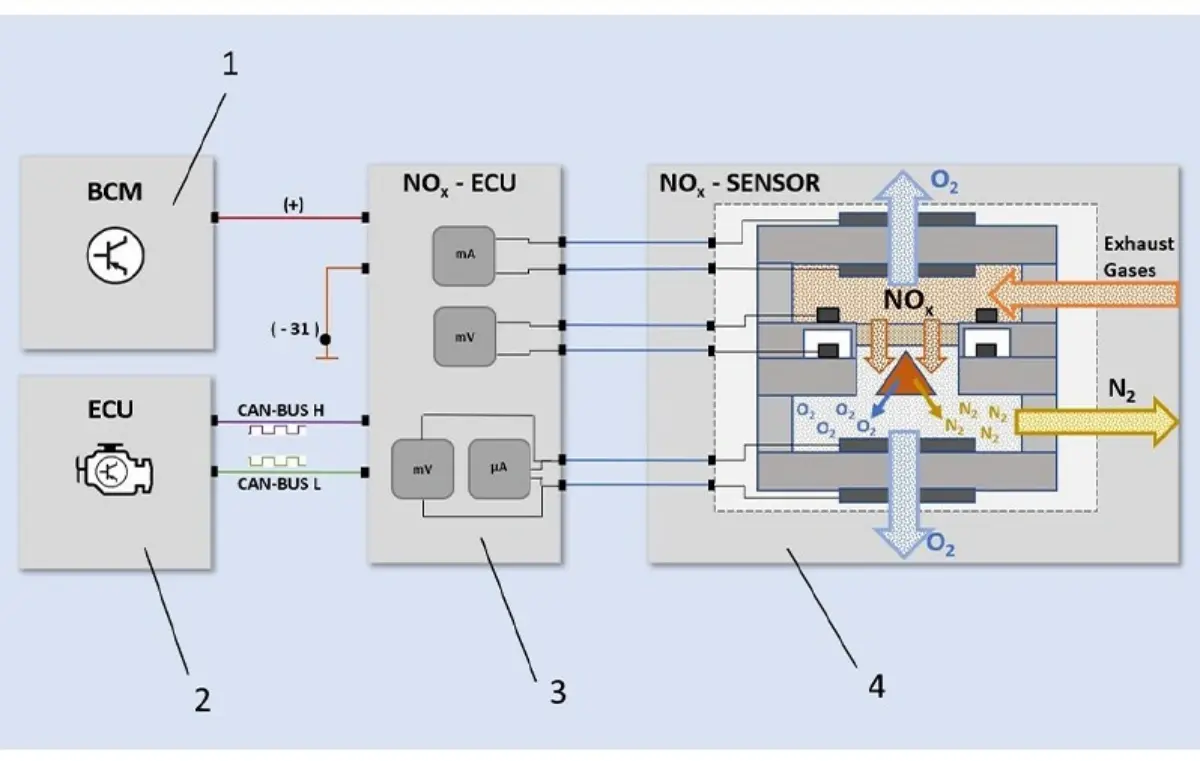
Understanding Diesel NOx Sensors: Function and Technology
Modern Diesel NOx Sensors are what make closed-loop pollution control possible. They work as a feedback system. Even the most advanced Selective Catalytic Reduction systems can't change the amount of diesel exhaust fluid used correctly if NOx levels aren't measured correctly.
Core Components of Nitrogen Oxide Sensors
The usual diesel NOx sensor design is made up of five important parts that work together. The sensing element is made up of a zirconia ceramic cell that reacts electrically with nitrogen oxide molecules. No matter what the exhaust conditions are, a heater element keeps the sensor at the best working temperature, which is usually between 700 and 800 °C. The signal processing circuit turns unprocessed electrochemical information into data that can be used. Standardised protocols are used by an integrated control module to handle contact with the engine control unit. The connector and wire chain finish off the electrical and physical connection between the sensor and the car's systems.
Operating Principles and Measurement Technology
A diesel NOx sensor is an electrochemical device that is heated and usually made of ceramic zirconia. It continuously measures NO and NO2 in the exhaust gas using measurement cells inside the device. A small processor controls the heater's temperature, checks for problems on its own, and talks to the engine control unit, usually through the CAN bus. The sensor checks the amount of NOx in the air in parts per million or milligrams per cubic metre. It also checks the internal oxygen balance to get accurate readings and the temperature of the sensor along with the heater current to keep it working.
Integration with SCR Systems
Modern emission control engineering can be seen in the way that diesel NOx sensors and Selective Catalytic Reduction systems work together. The sensor upstream measures how much NOx is coming into the SCR catalyst. The ECU figures out how much urea (also called AdBlue or diesel exhaust fluid) needs to be injected to turn NOx into nitrogen and water vapour. The sensor further downstream checks to see if the NOx level has dropped enough after going through the catalyst bed. If the conversion efficiency drops below the goal, the ECU either changes the dosing rate or sets a diagnostic trouble code that needs to be looked at by an expert.
Communication Protocols and Signal Output
To send data to the ECU, most modern diesel NOx sensors use digital communication over the CAN bus protocol. Some older types send out a voltage or current signal that changes based on the amount of NOx in the air. The sensor sends more than just concentration data; it also sends temperature readings and diagnostic state data. This multi-parameter communication lets the engine management system tell the difference between real emission events and sensor problems. This cuts down on false fault codes that can stop the fleet from working.
This input is used by the ECU to direct the closed-loop SCR by changing the amount of AdBlue used to get the best NOx conversion. On-board diagnostics find problems with the sensor, catalyst, or dosing before they lead to compliance failures. Based on real-world NOx production data, combustion control strategies find the best EGR rate and injection timing. Under-dosing, which leads to failed emissions, and over-dosing, which causes crystal formation or ammonia slip that can damage catalyst substrates, can only be stopped by correct NOx feedback.
Common Failure Indicators and Basic Diagnostics
By spotting early warning signs, you can avoid costly downtime. Diesel NOx Sensor readings that aren't stable often mean that soot or crystallised urea deposits are contaminating the sample. When sensor self-diagnostics find heater circuit failures or transmission mistakes, warning lights on the dashboard may come on. Engine power reduction, which is sometimes called "limp mode," can happen when the control system doesn't trust the emission data to be correct. A strange smell coming from the exhaust or a white plume that can be seen may be signs of ammonia slip caused by bad sensor feedback. Regularly checking the links between sensors and the health of the exhaust system is what preventive maintenance is all about.

Diesel NOx Sensor Maintenance and Replacement Best Practices
Making Diesel NOx Sensors last as long as possible has a direct effect on the total cost of ownership while also making sure that they always meet regulatory requirements. When maintenance is done correctly, it's possible to stretch the time between services and cut down on unexpected breakdowns that throw off production plans.
Expected Service Life and Degradation Factors
In on-highway uses, good diesel NOx sensors usually work reliably for 150,000 to 200,000 kilometres under normal conditions. Harsh environments speed up wear. For example, mining and construction equipment that works in dusty conditions may need to be replaced every 100,000 kilometres. Ceramic parts are put under mechanical stress when they are started and stopped cold and then heated again. When diesel fuel or DEF formulations aren't up to par, they leave behind residues that stop electrochemical reactions from happening. Off-highway equipment that shakes can damage electrical connections and the stability of sensor mounting.
Preventive Maintenance Strategies
Effective maintenance begins with scheduled visual inspections every 25,000 kilometres or every three months, whichever comes first. This is the first step in good care. Make sure that moisture doesn't get into the connector seals because that can damage the contacts and cause random problems. Check the exhaust fixing places for any signs of looseness or gasket wear that could let air in without being stopped. Check the quality of the DEF by using a refractometer to measure the concentration. Fluid that isn't clean speeds up the process of sensor fouling. During regular service, clean the outside mounting area to keep dirt from building up.
Do not use high-pressure washing near sensors because the water can damage the electronics. Connectors should never be treated with penetrating oils or solvents, as these will remove any protective coatings. Do not use mechanical cleaning on the sensing element itself, as the ceramic substrate breaks easily when pushed hard.
Step-by-Step Replacement Procedure
If a replacement is needed, the right way to put it will make sure that the numbers are correct from the first start-up. To avoid electrical damage and clear any saved trouble codes, turn off the power to the battery first. Once the locking tab is released, take off the electrical plug. Do not pull on the wires directly. If you can see corrosion, put penetrating fluid on the sensor body threads and wait fifteen minutes for it to work. Put the sensor in the right socket, which should have a hole in it for wire, and rotate it steadily without putting any weight on one side.
A thread chaser that matches the sensor pitch can be used to clean the threaded hole. Put a small layer of high-temperature anti-seize compound on the sensor threads to keep the detecting tip from getting dirty. Hand-tighten the new sensor into place before torque it to the manufacturer's specifications, which are usually between 40 and 50 Nm. Put the electrical connector back together until you can hear the lock click. Bring the battery back to full power and do a forced recharge cycle to get numbers from the start. Test the car on the road with different loads to make sure the ECU can talk to each other properly.
Diagnostic Code Interpretation
Troubleshooting goes faster when you know what the most common diagnostic trouble codes mean. Code P2201 means that an upstream sensor circuit isn't working right, which is usually because of damaged wiring. P2202 tells us that there are problems further down the sensor circuit that have similar reasons. P229F says that sensor numbers don't make sense in light of how they are used, which could mean that they are dirty or old. P20EE means that the NOx conversion efficiency is below the threshold. This could mean that the catalyst is breaking down instead of the sensor failing. Always use diagnostic scan tools to check the real output of a sensor before replacing it. Many reported sensor failures are actually caused by problems with the DEF system or catalyst wear and tear.
Comparing Diesel NOx Sensors: Brands, Quality, and Market Options
There are well-known companies in the Diesel NOx Sensor market whose goods are the result of decades of experience in car electronics. When choosing the right sensor, you have to weigh the technical performance against things like bulk price and shipping schedules.
Leading Manufacturer Technologies
Bosch was one of the first companies to use zirconia sensors, and the company still has a big presence in European OEM applications. Their sensors have improved self-diagnostics and the ability to turn off quickly. Delphi Technologies, which is now part of BorgWarner, focuses on building strong products that can handle the rough conditions inside commercial vehicles. Denso takes the accuracy of Japanese manufacturing to the process of making sensors, which works especially well in Asian markets. Valeo focuses on making integration easy and using standard interfaces that make installation simpler. Continental uses its deep understanding of many different automotive systems to make sensors that are best for managing the whole powertrain.
Each maker uses their own special testing methods that change the accuracy of measurements when conditions change. Different temperature adjustment methods change how well the engine works during cold starts and regeneration events. Different implementations of communication protocols have different data refresh rates and levels of diagnostic detail.
OEM Versus Aftermarket Considerations
Original equipment sensors are guaranteed to work with the vehicle's calibrations and usually come with a longer protection, lasting 24 months or 160,000 kilometres. OEM parts go through validation tests that are specific to each engine model. This lowers the risk for makers when integrating those parts. This level of confidence is reflected in the higher prices; OEM sensors usually cost 30 to 50 percent more than aftermarket options.
Quality aftermarket sensors are a cost-effective way to replace worn-out ones, especially in older vehicles that are past their warranty periods. Performance parity is reached by reputable aftermarket providers through reverse engineering and independent confirmation testing. When fleet operations and repair networks buy extra sensors in bulk, they save a lot of money. As prices go down, warranty terms tend to have shorter coverage periods, usually 12 months. It is now up to the buyer to make sure that the parts will work together, which requires careful cross-referencing of part names and specs.
Related Emission Sensors and System Components
Diesel NOx sensors work as part of larger systems that control emissions. Particulate matter monitors find soot building up in diesel particulate filters, which starts regeneration processes. Diesel NOx Sensors track the amount of gaseous emissions, and PM sensors track the amount of solid particles. Both sets of data are used to control pollution more effectively. Oxygen sensors check for leftover oxygen in exhaust, which adds to the information used to improve combustion. Temperature monitors in the exhaust system help figure out the best times for the SCR to operate.
The NOx catalyst is a different part that needs to be replaced after a long time, usually every 400,000 to 500,000 kilometres, but this depends on the purpose. The longevity of the catalyst is directly affected by how accurate the sensors are; incorrect DEF dosing caused by faulty sensors speeds up the degradation of the catalyst.
Performance and Pricing Benchmarks
The measurement accuracy ranges from ±10% of reading to ±25 ppm over the whole working range of 0 to 1500 ppm. Under controlled conditions, high-end sensors are accurate to within ±5%. The response time ranges from 0.5 to 2.0 seconds for 90% signal stabilisation. A faster response time allows for more precise control of transients. The sensing element can usually work in temperatures between -40°C and 850°C.
OEM sensors cost between $180 and $350 per unit when bought alone, but only $120-$220 when bought in bulk of 100 or more. Aftermarket sensors cost between $90 and $180 each, but buyers of a lot of them can save between $65 and $130. In business service settings, installation labour costs an extra $45 to $90. When figuring out the total cost of ownership, you should include the expected service life. For example, a $250 sensor that lasts 180,000 kilometres costs about $1.39 per thousand kilometres, so replacing it too soon is expensive.
How to Choose and Purchase Diesel NOx Sensors for Your Business?
When choosing strategic Diesel NOx Sensors, it's important to make sure that the technical specs match up with the working needs and legal requirements. Choices about what to buy affect maintenance costs and uptime over service intervals of several years.
Critical Selection Parameters
Specifications for accuracy must meet or go beyond what the OEM requires for your engine platforms—sensors that don't work well enough could fail compliance checks at the roadside or during emissions testing. Ratings for durability should meet the level of use; for example, building equipment needs industrial-grade parts, while highway trucks don't. Electrical standards and ECU software versions are also checked for compatibility, in addition to physical measurements. The warranty saves you from breaking the product before it's supposed to, and longer warranties may mean that the maker is confident in the product's durability. Supplier dependability includes the availability of expert assistance, the quality of the documents, and the consistency of product supply.
Application-Specific Matching
Heavy trucks use sensors that have been tested in high-mileage situations and are very resistant to vibration. Construction equipment needs to be able to fight pollution very well because it works in dusty areas and sits idle for long periods of time. Sensors on agricultural tools have to be able to handle regular operation patterns and long periods of storage time between times of heavy use. Generator sets need sensors that have been tested and proven to work in fixed situations with high loads all the time. Each application has its own unique stress factors that affect how long a sensor lasts and how often it needs to be serviced.
Different markets have different regulatory alignments. For example, EPA compliance in North America is different from Euro VI requirements in European markets. Sensors must have the right approvals for the people you want to buy them. China VI standards are becoming more and more like Euro VI standards, which helps producers who serve more than one area save money on purchases.
Bulk Procurement Strategies
By buying in bulk, you can save a lot of money and keep the supply chain stable. Annual contracts with tiered price systems offer lower unit costs as a reward for loyalty. To get better prices, you usually need to order at least 50 to 100 units, but big OEM customers can negotiate lower minimum order numbers. Delivery schedules should match up with production planning. Just-in-time delivery cuts down on the cost of keeping inventory, and buffer stock keeps lines from stopping. Lead times for standard items range from 2 to 4 weeks, while lead times for customised items range from 8 to 12 weeks.
For repeat customers, payment terms are often extended to Net 60 or Net 90, which makes managing cash flow easier. Quality hold agreements let new inspections happen before acceptance, which protects against flaws in the batch. Return policies for broken items should make it clear how to file a warranty claim and when to get a replacement.
Installation Support and Technical Services
Professional installation services make sure that sensors are properly integrated from the start. Some providers teach repair teams on-site in specific areas like how to install things, how to diagnose problems, and how to fix problems. Problems with integration can be solved with remote technical help by phone or email during the rollout of a product. There should be wire diagrams, power specs, and diagnostic code references in documentation packages. When strange problems happen, having access to application experts who know your unique equipment platforms speeds up the problem-solving process.
Future Trends and Innovations in Diesel NOx Sensing and SCR Technology
As regulations get stricter and new technologies come out, the world of pollution control keeps changing. Procurement strategies that look to the future take into account new skills that will give a company a competitive edge.
Advancing Sensor Technologies
Next-generation Diesel NOx Sensors have better sensitivity, so they can find emissions below 5 ppm, which is useful for ultra-low emission uses. Service intervals are now longer than 300,000 kilometres thanks to improved ceramic formulas and protective coatings that make them last longer. Real-time self-calibration methods take into account how sensors change over time, so they stay accurate throughout their useful lives. Multi-gas detecting features that let you measure NOx, NH3, and O2 all in one package make the system simpler and cheaper.
Integration with architectures for the Internet of Things makes cloud-based predictive maintenance possible. Remote tracking systems keep an eye on the performance of all sensors in a fleet and find patterns of wear and tear before they break. Machine learning systems look at old data to figure out the best times to do repairs and estimate how long something will last. With these digital features, sensors go from being inactive measuring tools to active information contributors to fleet management.
Regulatory Evolution
The US Environmental Protection Agency is continuing to tighten standards for heavy-duty engines. By 2027 or 2031, NOx levels could drop by 75 to 90% compared to current limits. The European Union's Stage VI plans aim for similar drops in particle numbers along with tighter limits. The California Air Resources Board always sets the pace for the first strict rules that are later made law across the country.
More and more, emissions testing in the real world is being used along with lab certification. This means that sensors have to stay accurate over a wider range of operating conditions and environments. As the needs for on-board tracking get more complex, they need more data logging and better troubleshooting tools. Because of these rules, sensor technologies need to be more accurate, respond faster, and be more stable over time.
Strategic Recommendations for Procurement Teams
Engage suppliers who offer technology roadmaps that are in line with expected legal changes. Working with suppliers who don't spend in research and development (R&D) increases the risk of products becoming obsolete. It is recommended to use standard sensor platforms that can work with both older and newer equipment. As emission tactics change, build ties with manufacturers that can be tailored to meet the specific needs of each application. Don't just look at the buying price; also think about how much it will cost to maintain, how easy it is to diagnose problems, and how often things break.
Join working groups and panels for standards in your business to learn about the direction of regulations before they become law. This kind of planning ahead lets specification development happen before new rules are put in place, instead of after the fact. Diversify your supplier base to lower your risk while still meeting your number goals to get special care.
Conclusion
Diesel NOx Sensors have changed over time from simple exhaust parts to complex measuring tools that are necessary for today's pollution rules. Knowing how they work, what maintenance they need, and how to buy them helps you make decisions that balance your regulatory obligations with how efficiently they run. As standards get stricter and sensor technology gets better, it becomes more valuable to have smart relationships with suppliers who can meet your needs. When government rules, new technologies, and digitalisation all come together, they can be both good and bad for companies that make equipment, run fleets, and sell parts for diesel engines that are environmentally friendly.
FAQ
How often should diesel NOx sensors be replaced?
Replacement times depend on how bad the program is and where it is running. In normal situations, highway trucks can go between 150,000 and 200,000 kilometres. Off-road tools used in mining or building may need to be replaced every 100,000 kilometres because of wear and tear and vibration. If they are well taken care of, stationary generators can run for more than 10,000 hours. Instead of just looking at the number, keep an eye on diagnostic codes and trends in Diesel NOx Sensor output. If the car's performance gets worse, it needs to be replaced no matter how far it has been driven.
What differences matter most between OEM and aftermarket NOx sensors?
OEM sensors promise consistency and usually come with longer warranties, but they cost more. Aftermarket options can save you a lot of money, and quality providers can get the same performance through independent validation. Important things to look at when judging a product are its measurement accuracy, its temperature range, its compatibility with different communication protocols, and its availability of technical support from the supplier. OEM sensors lower the risk of integration for production lines. When it comes to replacement markets, good aftermarket options offer good performance at lower prices.
How do sensor failures affect engine operation and emissions?
When diesel NOx sensors fail, many things happen. The ECU usually sticks to set DEF dose rates without input control, which makes the conversion less efficient. Emission levels may be higher than what is allowed by law, which could lead to noncompliance and fines. When sensors stop sending information, many engine control methods go into "reduced power" modes that limit the vehicle's speed and load capacity. Dashboard warning lights let workers know when there are problems with the system that need to be fixed before they become more serious.
Partner with Qintai for Advanced Diesel NOx Sensor Solutions
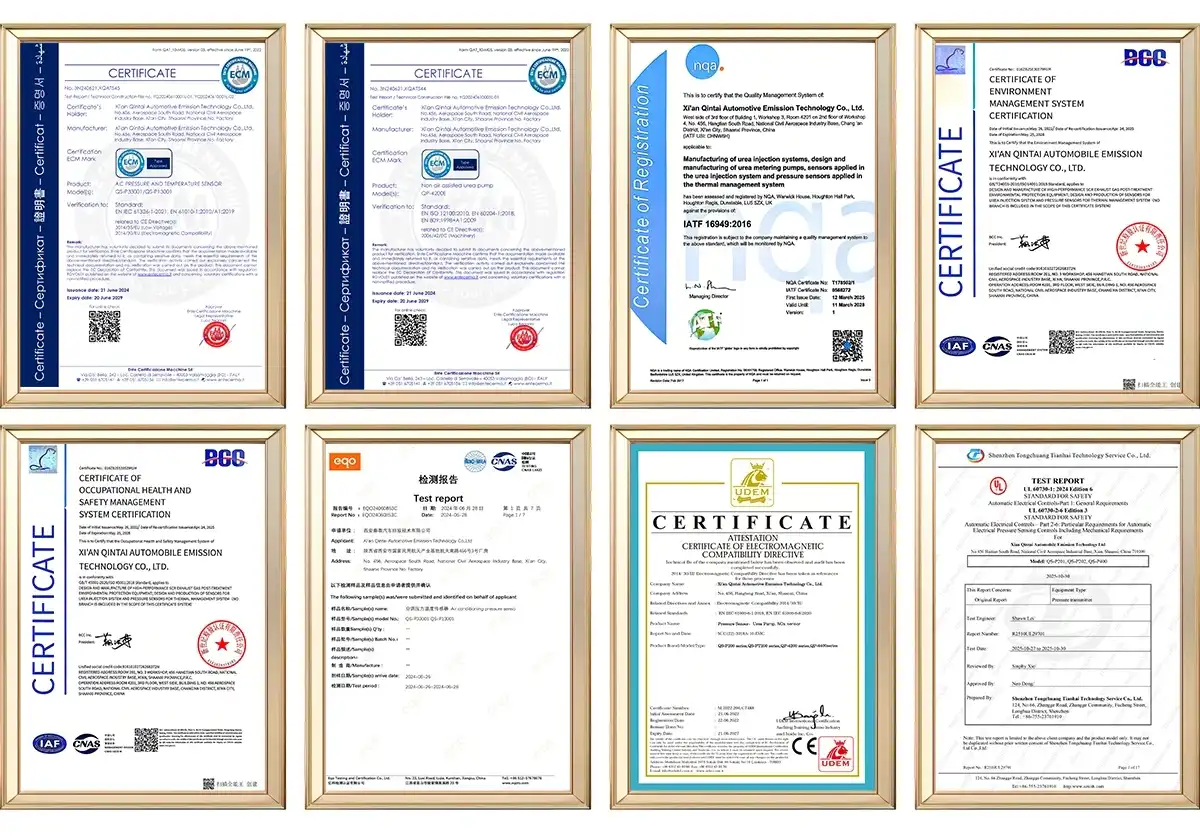
Xi'an Qintai Automotive Emission Technology Co. Ltd stands ready to support your emission control needs with tried-and-true Diesel NOx Sensor technology and more than 20 years of specialised experience. Weichai Power, Yuchai Power, and Quanchai Power all buy SCR systems from us because we have the best production capabilities and technical knowledge in China. Our many certifications, such as ISO9001, IATF16949, and REACH compliance, show that we are devoted to meeting the high quality standards needed by OEMs and aftermarket distributors around the world.
Whether you require standard sensors for immediate delivery or customized solutions tailored to unique application requirements, our independent R&D team and flexible manufacturing capabilities deliver results. We welcome bulk inquiries from diesel engine manufacturers, aftertreatment system integrators, and commercial vehicle aftermarket suppliers seeking a reliable diesel NOx sensor manufacturer. Contact our technical team at info@qt-sensor.com to discuss your specific needs, request technical documentation, or obtain volume pricing for your next project. Discover how our combination of competitive pricing, proven reliability, and responsive support makes Qintai your strategic partner in meeting increasingly stringent emission standards worldwide.
References
1. Johnson, T. V. (2020). Review of Selective Catalytic Reduction (SCR) and Related Technologies for Mobile Applications. SAE International Journal of Engines, 13(4), 445-474.
2. Majewski, W. A., & Khair, M. K. (2019). Diesel Emissions and Their Control. SAE International, Warrendale, PA.
3. Regulations for Emissions from Vehicles and Engines. (2021). United States Environmental Protection Agency, Office of Transportation and Air Quality.
4. Grob, B., & Schmid, W. (2018). Electrochemical NOx Sensors for Diesel Engine Emission Control Systems. Topics in Catalysis, 61(17), 1854-1863.
5. Euro VI Heavy-Duty Emissions Standards and Test Procedures. (2022). European Commission Directorate-General for Internal Market, Industry, Entrepreneurship and SMEs.
6. Lambert, C., Hammerle, R., & McGill, R. (2017). Technical Advantages of Urea SCR for Light-Duty and Heavy-Duty Diesel Vehicle Applications. SAE Technical Paper Series, 2017-01-0954.

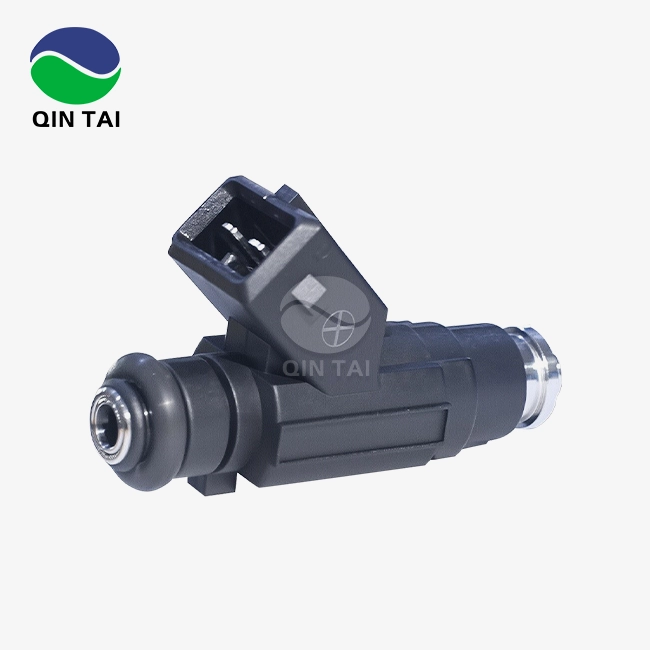
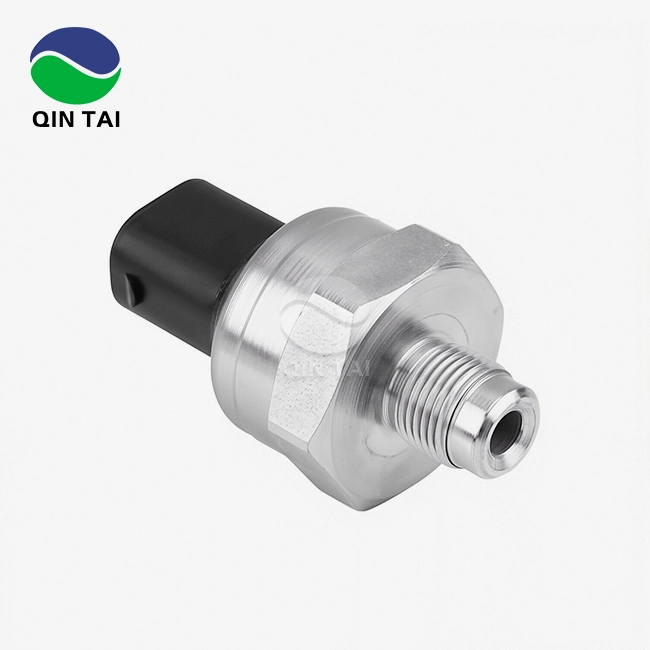

Our customers’ satisfaction speaks for our quality — contact us to experience the same reliable service.