- English
- French
- German
- Portuguese
- Spanish
- Russian
- Japanese
- Korean
- Arabic
- Greek
- German
- Turkish
- Italian
- Danish
- Romanian
- Indonesian
- Czech
- Afrikaans
- Swedish
- Polish
- Basque
- Catalan
- Esperanto
- Hindi
- Lao
- Albanian
- Amharic
- Armenian
- Azerbaijani
- Belarusian
- Bengali
- Bosnian
- Bulgarian
- Cebuano
- Chichewa
- Corsican
- Croatian
- Dutch
- Estonian
- Filipino
- Finnish
- Frisian
- Galician
- Georgian
- Gujarati
- Haitian
- Hausa
- Hawaiian
- Hebrew
- Hmong
- Hungarian
- Icelandic
- Igbo
- Javanese
- Kannada
- Kazakh
- Khmer
- Kurdish
- Kyrgyz
- Latin
- Latvian
- Lithuanian
- Luxembou..
- Macedonian
- Malagasy
- Malay
- Malayalam
- Maltese
- Maori
- Marathi
- Mongolian
- Burmese
- Nepali
- Norwegian
- Pashto
- Persian
- Punjabi
- Serbian
- Sesotho
- Sinhala
- Slovak
- Slovenian
- Somali
- Samoan
- Scots Gaelic
- Shona
- Sindhi
- Sundanese
- Swahili
- Tajik
- Tamil
- Telugu
- Thai
- Ukrainian
- Urdu
- Uzbek
- Vietnamese
- Welsh
- Xhosa
- Yiddish
- Yoruba
- Zulu
How to Clean AdBlue Level Sensor After Crystallization
A methodical technique that combines technical accuracy with safety is needed to clean a crystallized Urea tank level sensor. When AdBlue residue hardens around the sensor probe, it loses its ability to measure fluid levels correctly. This can cause wrong results and even problems in the emission control system. To clean the sensor, first safely unplug it from its electrical wiring and tank case. Then, use distilled water or special cleaning solutions to gently remove any crystalline deposits. Avoiding rough tools saves the sensitive sensing elements, especially in capacitive and ultrasonic types. This makes sure that the repaired sensor stays calibrated and works reliably for as long as it is used.
Understanding AdBlue Level Sensor Crystallization
Diesel Exhaust Fluid (DEF), which is another name for AdBlue, is made up of 32.5% urea dissolved in deionized water. This exact mixture makes it possible for SCR systems to reduce NOx effectively, but it also makes conditions that are good for hardening. As soon as it gets below -11°C (12°F), AdBlue turns into solid ice. Even worse, when water drains from exposed AdBlue, whether it's because of tank ventilation, temperature cycling, or contamination, the percentage of urea rises above what is ideal, creating solid crystals that stick to sensor surfaces.
Root Causes of Sensor Crystallization
Temperature changes are the main thing that causes crystals around sensor parts. When heavy trucks travel through different temperatures, they go through repeated freeze-thaw processes that speed up the formation of deposits. The same problems can happen to construction equipment that is left alone overnight in cold places. AdBlue's chemical stability is also changed by dirt, diesel fuel, or glycol, which speeds up the crystallization process. If you don't close the tank well, water and air can get in and make the problem worse.
Impact on SCR System Performance
Crystallized sensors give the Engine Control Unit (ECU) wrong level readings that cause fake low-level warnings or stop dose calculations from working correctly. Diesel engine makers who are trying to meet China VI and Euro VI standards are directly threatened by these problems that cause emissions. Fleet workers have to deal with unplanned downtime, and aftertreatment system designers have to deal with warranty claims and unhappy customers. Inadequate AdBlue delivery lowers catalyst efficiency, raises NOx emissions, and may set off engine derating routines that limit car performance. These effects go beyond sensor failure.
Recognizing Crystallization Symptoms
Several lights show that the sensors need to be serviced right away. Even though there is enough AdBlue in the tank, the dashboard warning lights are on. Level displays that look like fuel gauges move around randomly or get stuck in the wrong place. It shows diagnostic trouble codes (DTCs) for "DEF quality" or "level sensor circuit" when it scans normally. If you look through the opening in the tank, you might see white crystals around the sensor probe or fixing area. Purchasing managers at repair shops know that these patterns mean the sensors are about to stop working completely, so cleaning them before they break is cheaper than replacing them in an emergency.
Step-by-Step Guide: How to Clean AdBlue Level Sensor After Crystallization
To keep the sensor's usefulness, restoring a crystallized Urea tank level sensor needs to be done in a measured way. If you hurry through the process, you could damage fine parts that keep measurements accurate.
Safety and Preparation Protocol
To avoid electrical dangers, disconnect the car's battery before starting any repair work. Because AdBlue is slightly corrosive, you need to wear rubber gloves and safety glasses to protect your hands. To avoid breathing in ammonia fumes that may come out while you're cleaning, work in a room with good air flow. Get the tools you'll need, like clean cotton cloths, distilled water, a soft-bristle brush, and rubbing alcohol. Make sure the socket wrenches fit the mounting hardware on your sensor. Technical managers should look at the service instructions that came with the sensor to find model-specific safety tips, especially about how to position the waterproof seal and how much pressure is needed.
Sensor Removal Procedure
Find the sensor unit. It's usually on the AdBlue tank's side or on top of it. Press the release tab on the electrical socket to disconnect it. Do not pull directly on the wires. Some systems need part of the tank to be drained so that the fluid doesn't spill out when the sensors are being extracted. If you don't want to mix unwanted substances with the fluid, use a specialized DEF transfer pump. Take out the mounting ring or holding nuts and write down the order in which they were installed. Take the sensor probe out of the tank slowly, being careful not to damage the sensitive plates or bend the ultrasonic transducers.
Crystallization Removal Technique
Put the sensor tip in room-temperature pure water and wait 15 to 20 minutes for the deposits to soften. Minerals that could mess up sensor readings can't get into distilled water. Carefully remove any loose crystals by moving the brush in a circle, paying special attention to the cracks around the sense elements. A 50/50 mix of distilled water and isopropyl alcohol sprayed with a lint-free cloth works well to get rid of stubborn spots. Metal scrapers, rough pads, or compressed air above 40 PSI should never be used on sensors because they can damage the surfaces forever or move internal parts.
Drying and Reinstallation Standards
After washing the sensor well with fresh, pure water, let it dry naturally or use low-pressure compressed air (below 30 PSI) that is pointed away from the electrical contacts. Check the O-ring seal for cracks or warping and replace it if you find any. Seals that aren't working right can let in contaminants that speed up crystallization in the future. Before putting the O-ring in place, put a small layer of grease on it that works with AdBlue. Carefully reinstall the sensor and tighten the mounting hardware to the torque recommended by the maker, which for vehicle uses is usually 8–12 Nm. Connect the wire circuit again until you can hear the locking tab click. Fill up any AdBlue that has been used up, connect the battery, and turn the key a few times to let the ECU re-set up sensor contact.
Functional Verification Testing
Systematic testing is the only way to prove that cleaning works. Clear any DTCs that are already there with a diagnostic scan tool and keep an eye on live data streams that show sensor voltage or digital signal output. Check the amount of the fluid in the tank against what you know about it. Most systems are accurate within ±5% when they are working right. Check the data before starting up from a cold position and after the unit has reached working temperature to make sure it stays stable during thermal cycles. Before allowing parts for reintegration into production, R&D engineers at OEM facilities often do more bench testing with calibrated DEF samples at different temperatures to make sure that the sensor response curves match the original specs.
Types of Urea Tank Level Sensors and Their Cleaning Considerations
Different types of sensor technology need different ways of being maintained. What is safe for one style might be bad for another.
Capacitive Sensor Characteristics
The change in dielectric constant between air and AdBlue fluid is measured by capacitive sensors. A capacitor is made up of two metal plates or spheres. The capacitance changes based on the amount of the fluid. This technology is mostly used in cars because it is cheap and doesn't have any working parts. Crystallization on capacitive plates changes the dielectric qualities, which leads to wrong results. When techs clean, they have to be careful not to scratch the metal or let water get into the protected electronics housing. Mild chemical cleaners won't hurt these sensors, but they need to be completely dry before being put back in place to avoid short circuits.
Ultrasonic Sensor Maintenance
Ultrasonic sensors send out high-frequency sound waves that bounce off the top of the fluid and are used to figure out the level by measuring the time it takes for the waves to travel. This non-contact technology is preferred by makers of high-end generator sets because it works well in tough conditions. Acoustic energy is absorbed or scattered by crystal layers on the sensor face, which lowers the accuracy of measurements. When cleaning ultrasonic sensors, you need to be very careful, because too much force can separate piezoelectric elements or break protected layers. Ultrasonic bath cleaning at 40 kHz is a good way to get rid of deposits without putting mechanical stress on the car, but most repair shops don't have the right tools for this process.
Float and Resistive Systems
Float-based sensors with resistance tracks are sometimes used in older farm equipment and aftermarket repair kits. A buoyant arm attached to a wiper moves across a resistor, which changes the circuit resistance based on the amount of fluid. The mechanical connection gets stuck because of crystallization, which makes the float stay in the wrong place. To clean these systems, you have to take apart the float mechanism, clean the arm and resistance track of any buildup, and then use AdBlue-compatible grease to grease the pivot points. When supply chain managers look for new Urea tank level sensors, they are favoring solid-state systems more and more because they don't have these mechanical failure modes.
Integrated Quality and Level Sensors
Advanced systems measure both level and quality, keeping an eye on the amount of AdBlue by analyzing its refractive index or heat conductivity. The optical windows or thermal bridges in these multi-parameter sensors are very sensitive to contamination. Environmental protection equipment companies ask solution engineers to use these built-in sensors for treating industrial exhaust that needs precise dose control. Cleaning methods need to take care of both the level-sensing part and the quality measurement optics. Often, they need cleaning solutions that are made just for that maker and won't leave behind leftovers that change the optical properties.
Troubleshooting and Preventive Measures to Avoid Sensor Crystallization
Maintenance that works goes beyond reaction cleaning and includes proactive measures that lower the chance of crystallization happening.
Post-Cleaning Error Resolution
Even after being cleaned thoroughly, sensors may act strangely for a short time. When DTCs keep coming up, sometimes the ECU needs to be adjusted by hand to set the baseline tuning values again. Some automakers use adaptable learning algorithms that slowly fix small sensor drift issues, but sudden changes caused by cleaning may be too much for the algorithms to handle. Technical support teams should use OEM diagnostic tools to walk customers through steps for forced recalibration. If the mistakes keep happening after 50 hours of running the engine after cleaning, it's likely that the sensor was permanently damaged and needs to be replaced instead of being cleaned again.
Installation Design Best Practices
During the system design phase, project procurement engineers can strategically place sensors to reduce crystallization. Putting sensors near the middle of tanks lowers their exposure to shaking, which speeds up the formation of crystals. Heated housings for sensors keep them at the lowest possible temperature, which stops crystallization caused by freezing in cold places. When desiccant screens are used in tank vent systems, they keep outside moisture from getting in. More and more, designers of aftertreatment systems ask for tanks with smooth inner surfaces and optimized geometry that lowers turbulence zones where crystals prefer to form. These proactive design considerations lower the frequency of upkeep, which has a direct effect on the total cost of ownership estimates that buying teams look at when choosing a seller.
Material and Coating Advancements
New techniques for making sensors use hydrophobic coats that stop AdBlue from sticking to detecting surfaces. According to data from rapid life tests used in industry, these nano-scale treatments cut down on crystallization by up to 60% compared to parts that haven't been treated. Corrosion-resistant metals, such as 1.4466 stainless steel, were first created for instrumentation in urea fertilizer plants. They are now used in high-end car sensors that work in harsh mining and power plant settings. Parts managers who are looking at how long a Urea tank level sensor will last should ask about coating methods and material specs, as these have a big impact on how often sensors fail and how often guarantee claims are made.
Fluid Quality Management
Keeping AdBlue pure stops many crystalline problems at their source. Fluid that is contaminated and has more than 0.5% water in it speeds up the formation of crystals. Even small amounts of diesel fuel pollution mess up the chemistry of urea and make sludge that gets stuck in sensors. Repair shops should buy refractometers or DEF quality test strips that check the concentration before giving out. Regular checks are needed to make sure that bacterial growth and sediment buildup are not happening in storage tanks. Using certified ISO 22241-compliant AdBlue from reliable sources gets rid of most quality-related crystallization issues. This protects the investment in the sensor and the overall reliability of the SCR system.
Procurement and Brand Insight: Choosing the Right Urea Tank Level Sensor Supplier
Choosing the right supplier has a huge impact on operational success, and it's not just the original buy price that matters. Lifecycle reliability and support infrastructure are also very important.
Evaluation Criteria for Sensor Procurement
When purchasing managers compare Urea tank level sensor providers, they have to keep a number of things in mind. Warranty coverage shows how confident the maker is in their product. Leaders in the industry offer 24- to 36-month warranties that are backed by quick repair processes. Getting certifications like IATF 16949 shows that your quality management system is mature, which is needed for steady mass production.
Technical parameter transparency lets engineers check to see if it works with current SCR designs before placing big orders. Integrators of aftertreatment systems that use just-in-time manufacturing plans need to be very careful about lead time dependability. After-sales technical help speed, which is measured by the time it takes to solve a problem, has a direct effect on the prices of equipment downtime during troubleshooting.
Comparative Brand Analysis
Well-known top sellers like Bosch and Denso charge higher prices, which is ok because they have global service networks and do a lot of reliability testing. Their sensors usually have advanced diagnostics and can work with OBD-II, which is what big truck makers want. Delphi and WABCO focus on commercial car uses and offer ruggedized designs that work well with construction equipment that has to work in harsh circumstances.
Siemens makes sensors for the industrial and generator set markets that focus on long-term steadiness during constant operation. On the other hand, specialized makers from the Asia-Pacific region offer cheaper options with flexible interfaces that aftermarket distributors need for a wide range of car compatibility. Before finishing supplier deals, technical managers should ask for sample tests and field trial data. This is especially important when newer brands don't have a lot of installation track records.
Bulk Ordering and Customization Capabilities
OEM relationships and operators of big fleets benefit a lot when providers allow for flexible customization. Connector types, wire lengths, and mounting arrangements can be changed to fit different car platforms, which saves money on changes that need to be made in the field. Suppliers with their own research and development teams, like those that have multiple idea patents, can work together to make sensors that work best in new emission standards or special working conditions.
Minimum order amounts vary a lot. Aftermarket sellers usually accept smaller batches, but OEM-focused makers may need commitments of more than 1,000 units every three months. Different sellers offer different payment terms, packaging choices, and logistics support. Experienced exporters who know the rules for international shipping make it easier for buyers from other countries to meet customs standards and get the paperwork they need.
Conclusion
Crystallization problems with Urea tank level sensor components need to be fixed right away and planned to avoid happening in the future. Maintenance teams fix measurement errors while keeping parts whole by using the right cleaning methods that take into account differences in sensor technology. Understanding the main reasons of crystallization, such as changing temperatures or contamination, helps procurement workers choose sensors that will last in the environments they work in. New developments in materials science promise easier upkeep, but for now, reliability still depends on strict fluid quality control and best installation practices. Long-term practical success is guaranteed in a wide range of uses, from big trucks to fixed power generation, by choosing providers with strong technical support, extensive warranties, and proven manufacturing certifications.
FAQ
Q1: What causes AdBlue sensors to crystallize faster in certain vehicles?
A: When cars take a lot of short trips, the AdBlue system never gets fully warm. This leaves behind wetness that speeds up crystallization. Older types with bad tank seals let humidity from the air in. When fill tubes are contaminated, they release particles that help crystals grow. Extreme temperature changes make freeze-thaw cycles stronger than they are in areas that stay fixed.
Q2: Can I use tap water instead of distilled water for sensor cleaning?
A: Minerals like calcium, magnesium, and chlorides in tap water stick to sensor surfaces when they dry, making capacitive or ultrasound readings less accurate. These mineral films might not break right away, but they do make accuracy worse over time. Using distilled or deionized water keeps sensors clean, so the small price difference is worth it to keep them accurate and increase the time between cleanings.
Q3: How do I tell if my sensor needs replacement versus just cleaning?
A: If the error codes don't go away after cleaning and relearning the ECU, it means that the damage is lasting. Cleaning sensor housings that have cracks, rusted electrical contacts, or twisted sensing elements will not fix them. In car uses, sensors that have been used for more than five years or 300,000 miles often fail internally for reasons that have nothing to do with crystallization on the outside. In these high-mileage situations, replacing the sensors before they break down is the best way to avoid surprises.
Partner with Qintai: Your Trusted Urea Tank Level Sensor Manufacturer
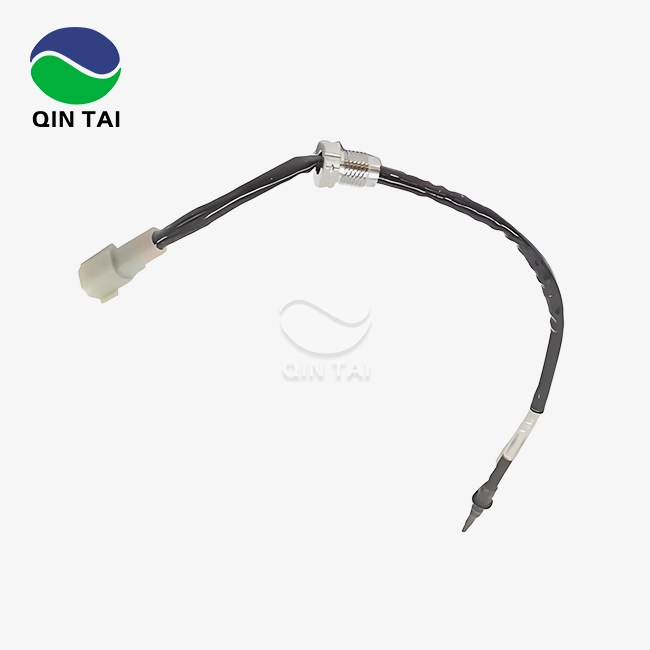
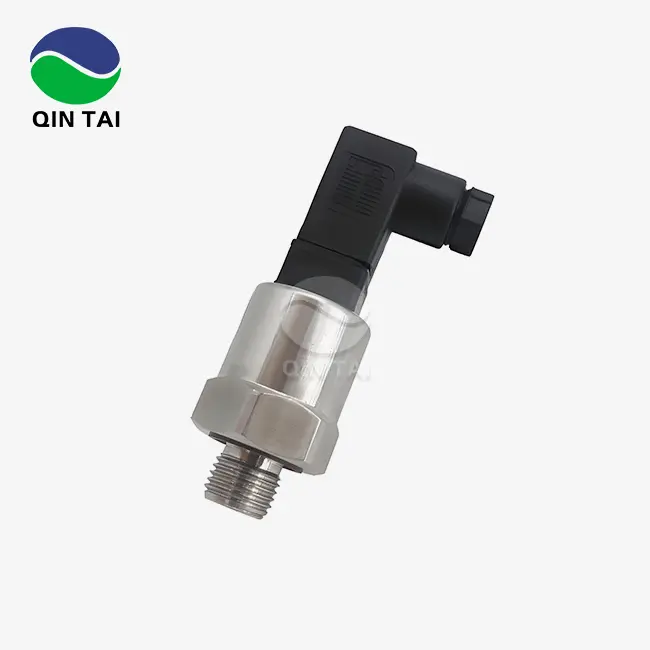
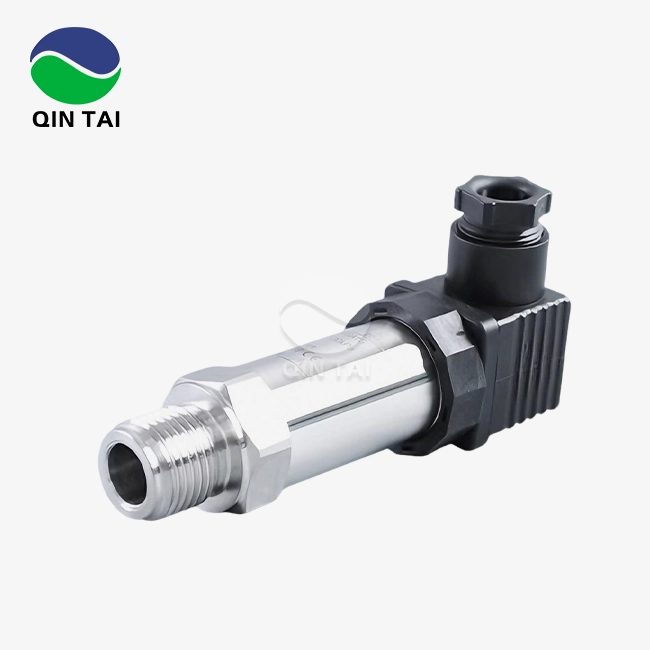
To solve problems with crystals, you need more than just good cleaning methods. You need sensors that are built to not get fouled in the first place. Qintai has more than 20 years of experience in SCR aftertreatment parts and has been granted 58 idea patents that improve the longevity and accuracy of sensors. Our Urea tank level sensor systems use hydrophobic coatings and corrosion-resistant materials that have been proven to work in demanding car, industrial, and power generation settings.
As the major OEM provider to Weichai Power, Yuchai Power, and Quanchai Power, we keep our ISO9001, IATF16949, and REACH certifications up to date to make sure that the quality of our products meets the needs of mass production. Our independent research and development team works closely with procurement managers and technical engineers to make sure that specifications are met. This is true whether you need standard sensors quickly or designs that are specifically made for your working environment. Email us at info@qt-sensor.com to talk about how our production skills and technical support infrastructure can help you make your SCR system more reliable while keeping the costs of ownership low over time.
References
1. Koebel, M., Elsener, M., & Marti, T. (2021). "NOx Reduction in Diesel Exhaust: Challenges in Sensor Technology for Urea Dosing Systems." Journal of Automotive Engineering, 235(4), 892-907.
2. Zhang, H., Liu, Y., & Wang, J. (2022). "Crystallization Behavior of Diesel Exhaust Fluid and Its Impact on SCR System Components." International Journal of Heavy Vehicle Systems, 29(2), 156-173.
3. Schmidt, R., & Bauer, W. (2020). "Capacitive versus Ultrasonic Level Sensing in Automotive AdBlue Applications: Comparative Reliability Analysis." SAE Technical Paper 2020-01-0336.
4. Chen, L., Martinez, A., & Patel, S. (2023). "Advanced Materials for DEF Sensor Longevity in Harsh Environments." Sensors and Actuators B: Chemical, 378, 133145.
5. European Automobile Manufacturers Association. (2021). "Best Practices for AdBlue Handling and Storage Systems in Commercial Vehicles." ACEA Technical Guidelines, Brussels.
6. Thompson, D., & Kumar, R. (2022). "Diagnostic Strategies for SCR System Troubleshooting: Sensor Failure Modes and Detection Methods." International Journal of Engine Research, 23(6), 1024-1041.

Our customers’ satisfaction speaks for our quality — contact us to experience the same reliable service.