- English
- French
- German
- Portuguese
- Spanish
- Russian
- Japanese
- Korean
- Arabic
- Greek
- German
- Turkish
- Italian
- Danish
- Romanian
- Indonesian
- Czech
- Afrikaans
- Swedish
- Polish
- Basque
- Catalan
- Esperanto
- Hindi
- Lao
- Albanian
- Amharic
- Armenian
- Azerbaijani
- Belarusian
- Bengali
- Bosnian
- Bulgarian
- Cebuano
- Chichewa
- Corsican
- Croatian
- Dutch
- Estonian
- Filipino
- Finnish
- Frisian
- Galician
- Georgian
- Gujarati
- Haitian
- Hausa
- Hawaiian
- Hebrew
- Hmong
- Hungarian
- Icelandic
- Igbo
- Javanese
- Kannada
- Kazakh
- Khmer
- Kurdish
- Kyrgyz
- Latin
- Latvian
- Lithuanian
- Luxembou..
- Macedonian
- Malagasy
- Malay
- Malayalam
- Maltese
- Maori
- Marathi
- Mongolian
- Burmese
- Nepali
- Norwegian
- Pashto
- Persian
- Punjabi
- Serbian
- Sesotho
- Sinhala
- Slovak
- Slovenian
- Somali
- Samoan
- Scots Gaelic
- Shona
- Sindhi
- Sundanese
- Swahili
- Tajik
- Tamil
- Telugu
- Thai
- Ukrainian
- Urdu
- Uzbek
- Vietnamese
- Welsh
- Xhosa
- Yiddish
- Yoruba
- Zulu
Which pressure sensors are best suited for handling corrosive substances in an industrial setting?
In industrial settings containing dangerous compounds, choosing the proper pressure sensor is crucial. Due to their stability and chemical resistance, Hastelloy, Monel, or titanium metal diaphragm pressure sensors and ceramic capacitive pressure sensors are the best options. These pressure sensors are designed for concentrated acids, caustic alkalis, and chlorinated liquids. They provide precise data and survive longer than ordinary sensors, which would fail soon in these conditions.
Understanding the Challenges of Measuring Pressure in Corrosive Environments
The Nature of Corrosive Chemical Attack
Industrial chemicals can harm pressure sensors in several ways. Hydrochloric, nitric, and sulfuric acids degrade metals and rubber. Alkaline liquids like sodium and potassium hydroxide may destroy objects too. When combined with high temperatures or pressures, even harmless substances can corrode. This accelerates material degradation, reducing measurement accuracy.
Most damage occurs to the diaphragm, which touches the measured material directly. This critical section can thin due to corrosion, changing its mechanical properties and bendability. This can cause measurement mistakes and failure. More than the sensing element can be damaged by corrosion. It may also leak water and harm devices through threaded connections, electrical terminations, and housing materials.
Impact on Sensor Performance and Reliability
Corrosive damage affects pressure sensors beyond wear and tear. Changes in diaphragm characteristics reduce measurement accuracy, which might affect process control. As electrical links corrode, signal security decreases and errors emerge and disappear unpredictably, making them hard to diagnose. Due to decreased service life, parts must be replaced more often, increasing the cost of both the parts and the labor and downtime required for maintenance. When employed in hostile locations, pressure sensor failures can damage OEMs' customer relationships and brand image. For instance, coastal construction equipment, fertilizer-exposed farming equipment, and chemical plant generator sets. Choose corrosion-resistant pressure sensor technology early in planning to ensure product stability and market competitiveness.
Types of Pressure Sensors Suitable for Corrosive Substance Handling
Ceramic Capacitive Pressure Sensors
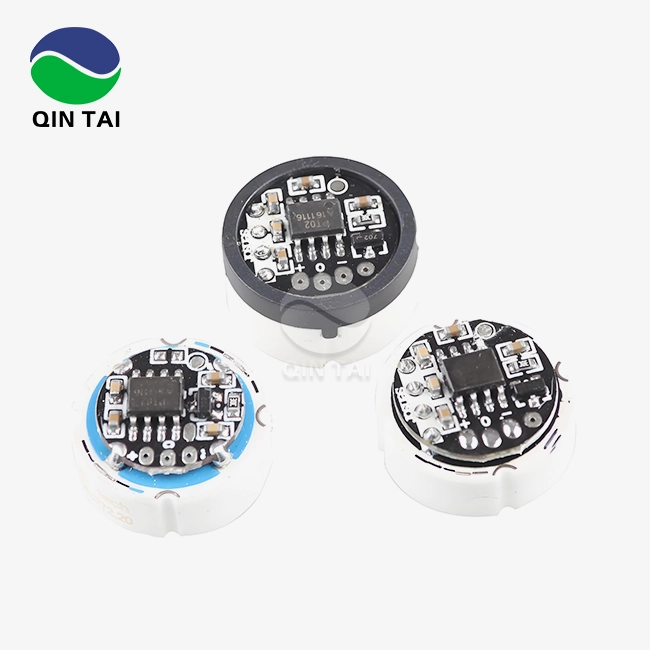
Ceramic capacitive pressure sensors excel in hazardous situations. These devices use a ceramic diaphragm parallel to a fixed electrode. Electrical signals are generated by diaphragm displacement capacitance changes. Ceramics like alumina (Al₂O₃) and zirconia (ZrO₂) are very resistant to chemical attacks from acids and bases throughout a wide pH range. In hostile environments, capacitive measuring is advantageous.
Capacitive pressure sensors don't have weak connecting surfaces that can be damaged by chemicals like piezoresistive devices, which employ diaphragm-glued strain gauges. When properly positioned, ceramic capacitive pressure sensors endure 10–15 years since they have no moving mechanical parts. In industrial operations, temperatures vary swiftly and slowly, but they don't change much, therefore measurements are precise.
Metal Diaphragm Sensors with Specialized Alloys
If ceramic diaphragm pressure sensors fail to measure high pressures or process linkages, metal alloy diaphragm pressure sensors are a good alternative. Nickel, molybdenum, and chromium make Hastelloy. Resistance to oxidizing acids, reducing conditions, and chloride solutions is high. Nickel-copper monel works well with hydrofluoric acid and alkalinity. Titanium reduces acids and chlorinated media well at low temperatures. Metal pressure sensor pieces can be added to strain gauge, thin-film, and capacitive transducers. The diaphragm material should match the acidic medium employed since each metal has a distinct resistance profile. Check chemical compatibility tables and test the material with process fluids to make sure you pick the proper material.
Protective Coating Technologies
In addition to adopting naturally resistant materials, covering pressure sensor-wet regions gives an additional layer of defense. PTFE and PFA fluoropolymers provide chemically inert barriers that protect goods from acids. Plasma spraying creates durable, thick ceramic coatings. These surfaces are chemically and abrasion-resistant. With these coating techniques, makers can make standard pressure sensor platforms more chemically compatible, which could lower costs while keeping performance high. However, coating stability, temperature cycle durability, and signal transmission interference must be considered during choosing.

Selection Criteria for Pressure Sensors in Corrosive Environments
Chemical Compatibility Assessment
You must understand local chemistry to pick the correct pressure sensors. List cleaning agents, primary process fluids, and pollutants the pressure sensor will encounter. Discover concentration ranges, operating temperatures, and pressure conditions, which greatly impact rusting. Small concentrations of contaminants, such as chlorides in clean water systems, can accelerate the rusting of otherwise fine materials.
Pressure sensor manufacturers provide useful chemical compatibility tables, although they generally only cover pure compounds in normal conditions. Due to mixing chemicals, shifting temperatures, and pollutants, standard reference data don't necessarily depict how rust behaves in industrial settings. When operating circumstances differ greatly from public data, contact the manufacturer to test or undertake your own compatibility studies.
Technical Performance Requirements
Pressure sensors must measure correctly and handle chemicals. Setting accuracy requirements with stricter limits typically costs more. You must evaluate the benefits of a wide measurement range against the longer life of pressure sensors used below their maximum rates to pick the correct pressure range. Rapid pressure changes, such as diesel engine combustion or hydraulic system events, require fast response time. Another consideration is output signal compatibility.
Analog outputs including 4-20 mA current loops and ratiometric voltage signals are straightforward to use and noise-free, making them ideal for industrial applications. Digital outputs that employ CANbus or Modbus are easier to connect to networked control systems used in new OEM equipment and aftertreatment systems. Making sure the signals operate with the present instrumentation system reduces starting costs by avoiding expensive interface difficulties.
Certification and Regulatory Compliance
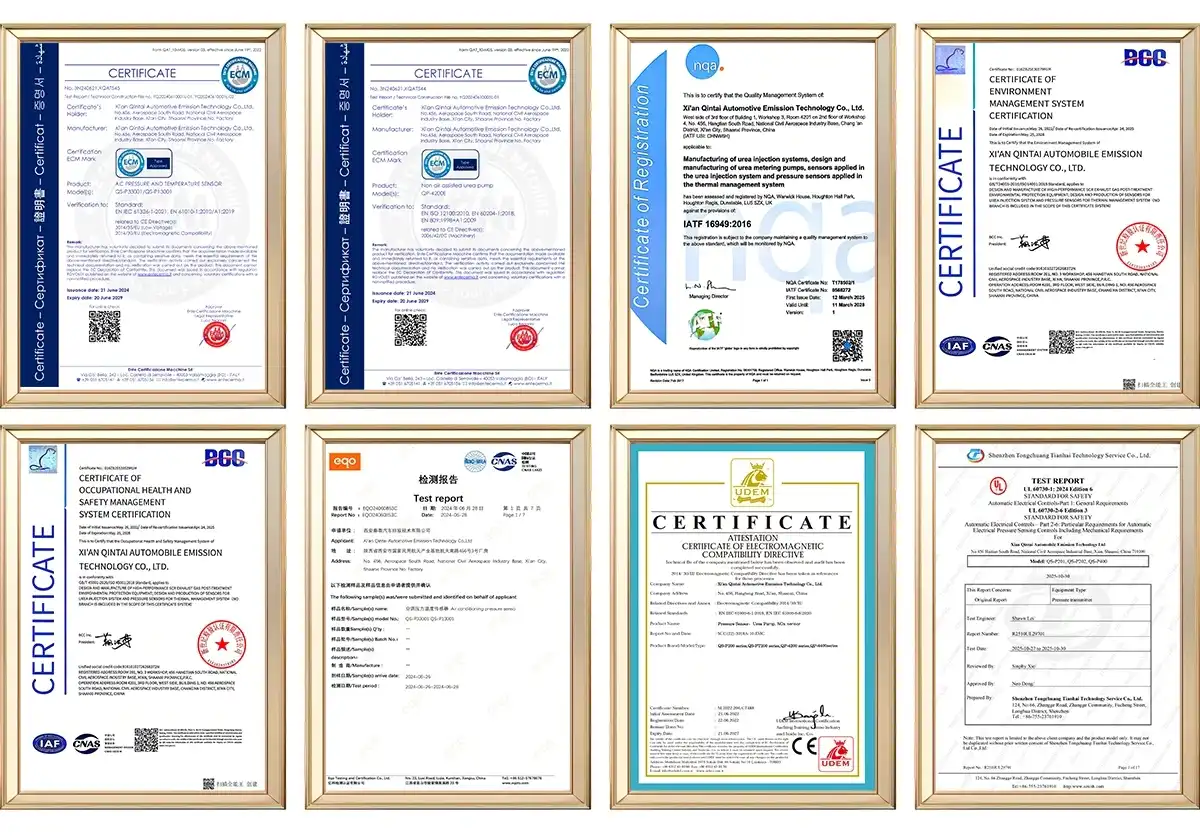
OEMs that sell globally must ensure that their pressure sensors are approved for their intended purposes. Suppliers with ISO 9001 and IATF 16949 certifications have industry- and car-standard quality control systems. Systems in explosion-prone regions need inherent safety certifications (ATEX, IECEx). REACH and RoHS prohibit harmful compounds in European markets. Pressure sensors used in diesel engine pollution control systems must fulfill China VI and Euro VI standards. Choosing suppliers with a history of deploying pressure sensors for emissions control and the correct test papers speeds up complete engine system certification.
Supplier Evaluation and Long-term Partnership
Technical parameters alone don't indicate pressure sensor performance. How effectively providers tailor, aid with technology, and create many items affects long-term success. Manufacturers require flexible manufacturing processes and vendors that can undertake their own research and development for bespoke interfaces, pressure ports, and calibrations. If there are adequate pressure sensors and rapid delivery, shortages don't impede output. Long-standing suppliers who have performed successfully in difficult conditions are useful.
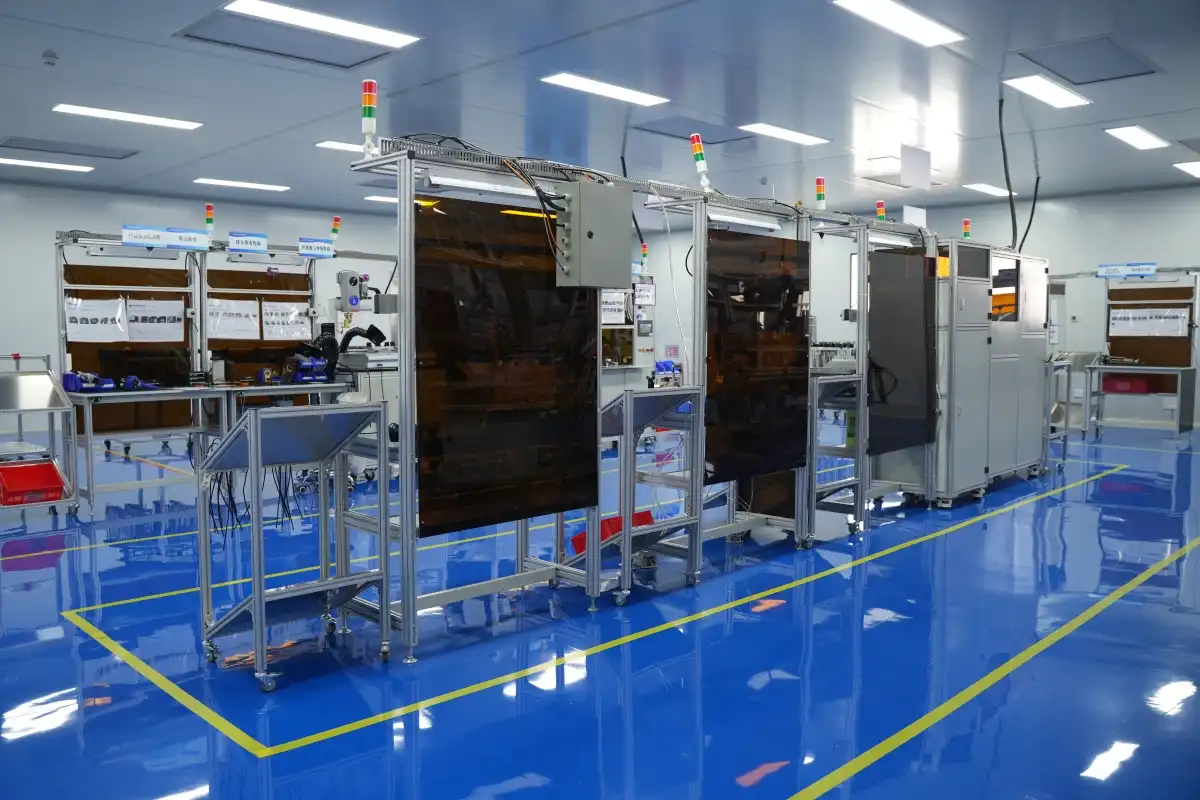
Xi'an Qintai Automotive Emission Technology Co. Ltd., established in 2001 as a national high-tech enterprise, has specialized in pressure sensors for diesel engine SCR aftertreatment systems. Qintai supplies Weichai, Yuchai, and Quanchai Power, China's top engine builders. They routinely manufacture high-volume OEM parts and manage quality difficulties. Their ISO 9001, IATF 16949, CMC, Ex, UL, CE, REACH, and RoHS certifications and 58 invention patents demonstrate their extensive research and development and technological expertise.
Installation, Calibration, and Maintenance Tips for Corrosive Environment Sensors
Installation Best Practices
Pressure sensor longevity in corrosive environments depends on proper positioning. It should be mounted away from acidic substances that splash or spray, but the pressure measurement should be accurate. Installing pressure sensors vertically with process lines facing downhill prevents silt buildup and simplifies drainage, reducing the time corrosive fluids touch the pressure sensor while it's not operating.
Thread seals and gasket materials must be chemically compatible with the pressure sensor or better. PTFE tape and fluoropolymer coverings are chemically resistant in many conditions. Not over-tightening during installation protects sealing surfaces and diaphragms and ensures a solid seal. Following the manufacturer's torque guidelines and thread contact lengths is the best method to remedy anything.
Calibration Considerations
Even with powerful, corrosion-resistant pressure sensors, periodic calibration checks can detect slight measurement changes before they influence process control. Both the manufacturer's recommendation and actual operating circumstances should determine calibration timeframes. Check chemically harsh settings more often.
Setting up baseline performance metrics after installation helps you see performance deterioration tendencies. Calibration of hazardous equipment may require particular attention. Flushing acidic media from pressure sensors before calibration prevents chemicals from contaminating calibration equipment. Tracking rust indications like discoloration, pitting, and seal wear during calibration events can help you estimate lifespan and arrange repairs before they break.
Preventive Maintenance Strategies
Pressure sensors last longer and are more dependable after regular cleaning and repair. Regular visual assessments for corrosion, leaks, and physical damage should match the severity of working circumstances. Checking signal and electrical link quality can detect issues before they fail. Keeping detailed service records like installation dates, calibration results, and peculiarities helps you decide whether to change parts and how well a provider is performing.
Protective measures can reduce corrosion in hostile environments. Separation diaphragms or chemical plugs protect pressure sensor devices from corrosive environments. However, this strategy adds parts and failure points. Periodic cleaning with neutralizing solutions removes acidic remains from turned-off equipment, reducing chemical exposure. To make these improvements work, measure the added maintenance labor against the longer pressure sensor life and improved efficiency.
Case Studies: Successful Applications of Pressure Sensors in Corrosive Industrial Settings
Urea Dosing Systems in SCR Aftertreatment
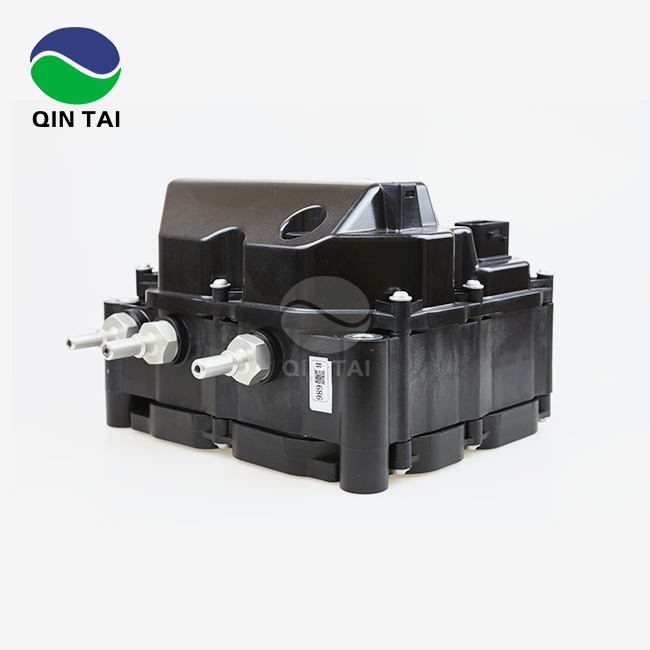
Modern diesel engines fulfill tight emission regulations using SCR systems. These aftertreatment systems inject aqueous urea diesel exhaust fluid (DEF) into exhaust streams. This reduces NOx pollution to nitrogen and water. Accurately detecting pressure in urea dosing circuits ensures the proper quantity is injected even when the engine is stressed or exhaust temperature is high.
Due to alkalinity, moisture, and high temperatures, DEF makes corrosion harder. Stress rust fractures in stainless steel pressure sensors induce early failure. Ceramic capacitive pressure sensors function better. Their chemical-resistant alumina diaphragms measure accurately for over 10 years. These robust sensing choices are standard on heavy-duty vehicles, building equipment, and generators with rigorous emission restrictions.
Acid Handling in Chemical Manufacturing
The heat and pressure of sulfuric, hydrochloric, and phosphoric acids in chemical industries is tremendous. Monitoring reactor pressures, transfer line pressures, and storage tank levels requires pressure sensors that can manage these dangerous situations. Hastelloy C-276 diaphragm pressure sensors can tolerate oxidizing and reducing acids at high temperatures, making them ideal for these challenging applications.
A specialty chemical manufacturer's sulfuric acid alkylation machine included Hastelloy pressure sensors. These replaced stainless steel pressure sensors that rusted after 18 months. Despite costing more, the upgraded pressure sensors have performed dependably for almost five years with no maintenance. This has saved unexpected shutdowns and reduced pressure sensor lifespan costs by 60%.
Water and Wastewater Treatment Applications
In municipal and commercial water treatment systems, pressure sensors touch contaminated water, alkaline cleaning solutions, and pH changes. Long-lasting, precise measurement technology that can withstand chemicals is needed to monitor filter difference pressures, pump discharge pressures, and process tank levels. Titanium diaphragm pressure sensors with fluoropolymer coatings can withstand chlorine's oxidation and lime softening's alkalinity. A large wastewater treatment plant in a coastal metro region replaced its mixed population of stainless steel and brass pressure sensors with titanium pressure sensors. This unification enhanced operations efficiency by making spare parts easier to manage, calibrating pressure sensors uniformly, and reducing pressure sensor replacement by 70%.
Conclusion
In conclusion, when selecting pressure sensors for tough industrial applications, you must carefully assess their chemical compatibility, technical performance, and seller reliability. Ceramic capacitive pressure sensors and specific metal alloys function well in chemical processing facilities and diesel engine cleaners. Procurement managers and engineers should carefully monitor pressure sensor use, consider long-term costs of ownership beyond the original purchase price, and deal with vendors that can demonstrate technical understanding and consistent quality. Installing, calibrating, and maintaining pressure sensors properly increases their stability and lifespan. This improves process control, downtime, and safety in many industrial situations.
FAQ
Q1: Which materials provide the best corrosion resistance for pressure sensors?
A: Ceramics, notably alumina and zirconia, endure many temperatures and pH levels. Hastelloy handles oxidizing and reducing acids well, whereas titanium handles chloride-containing and oxidizing environments best. PTFE fluoropolymer coatings protect products with chemical inert surfaces. Chemicals employed in the application should determine material choice.
Q2: How often should pressure sensors in corrosive environments be calibrated?
A: Calibration frequency varies on application importance and environment. Safety precautions may need to be examined every three months, while less demanding usage may only need to be checked once a year. Analyzing calibration data over time might reveal drift trends that help you choose intervals. When chemicals are utilized more, accuracy mistakes must be checked more regularly before they influence process control.
Q3: Can standard sensors be retrofitted for corrosive applications?
A: A chemical seal on conventional pressure sensors can boost chemical compatibility. However, this strategy introduces extra potential problems and may not function as well. Rust-proof pressure sensors operate better and cost less over time. Retrofitting may work for short-term purposes or when there isn't enough space for appropriate alternatives, but corrosion-resistant solutions should always be employed.
Partner with Qintai for Corrosion-Resistant Pressure Sensor Solutions
Get rust-proof pressure sensor solutions from Xi'an Qintai Automotive Emission Technology Co. Ltd. Industrial-grade pressure sensors from Qintai can withstand severe chemicals. They have over 20 years of production and R&D experience. Our ceramic capacitive and specialized metal alloy pressure sensors are tested extensively to ensure accurate measurement and long-term performance in harsh conditions. Qintai is the top pressure sensor manufacturer for OEMs seeking quality and legality. ISO 9001, IATF 16949, and foreign safety clearances are among their qualifications.
Our experts collaborate with your engineering and purchasing teams to provide specific sensing solutions that answer your business's concerns. Qintai's versatile OEM/ODM services are perfect for your application, whether you require custom interfaces for easy integration, calibrations, or large-scale production. Please contact our specialists at info@qt-sensor.com to discuss your acidic environment detecting needs and see how our proven technology can make your product more dependable and offer you an edge over your competition.
References
1. Smith, J.R. & Anderson, K.L. (2021). Corrosion-Resistant Materials for Industrial Pressure Measurement. Industrial Instrumentation Press.
2. Chen, M., et al. (2020). "Performance Evaluation of Ceramic Capacitive Sensors in Harsh Chemical Environments," Journal of Process Control Technology, 45(3), 287-304.
3. Williams, P.T. (2022). Pressure Sensor Selection Guide for Corrosive Applications. Technical Instrumentation Publishing.
4. Zhang, Y. & Kumar, R. (2019). "Long-term Stability of Pressure Transducers in SCR Urea Dosing Systems," Automotive Engineering Review, 38(2), 156-171.
5. Thompson, D.E. (2023). Industrial Sensor Materials: Chemical Compatibility and Selection Criteria. Process Engineering Publications.
6. Martinez, C., et al. (2021). "Lifecycle Cost Analysis of Corrosion-Resistant Pressure Sensors in Chemical Manufacturing," Industrial Maintenance Quarterly, 52(4), 412-428.
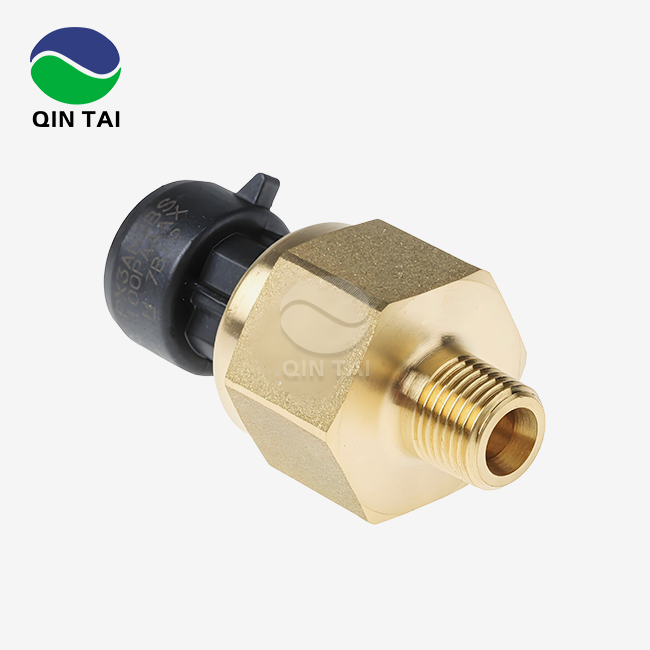


Our customers’ satisfaction speaks for our quality — contact us to experience the same reliable service.