- English
- French
- German
- Portuguese
- Spanish
- Russian
- Japanese
- Korean
- Arabic
- Greek
- German
- Turkish
- Italian
- Danish
- Romanian
- Indonesian
- Czech
- Afrikaans
- Swedish
- Polish
- Basque
- Catalan
- Esperanto
- Hindi
- Lao
- Albanian
- Amharic
- Armenian
- Azerbaijani
- Belarusian
- Bengali
- Bosnian
- Bulgarian
- Cebuano
- Chichewa
- Corsican
- Croatian
- Dutch
- Estonian
- Filipino
- Finnish
- Frisian
- Galician
- Georgian
- Gujarati
- Haitian
- Hausa
- Hawaiian
- Hebrew
- Hmong
- Hungarian
- Icelandic
- Igbo
- Javanese
- Kannada
- Kazakh
- Khmer
- Kurdish
- Kyrgyz
- Latin
- Latvian
- Lithuanian
- Luxembou..
- Macedonian
- Malagasy
- Malay
- Malayalam
- Maltese
- Maori
- Marathi
- Mongolian
- Burmese
- Nepali
- Norwegian
- Pashto
- Persian
- Punjabi
- Serbian
- Sesotho
- Sinhala
- Slovak
- Slovenian
- Somali
- Samoan
- Scots Gaelic
- Shona
- Sindhi
- Sundanese
- Swahili
- Tajik
- Tamil
- Telugu
- Thai
- Ukrainian
- Urdu
- Uzbek
- Vietnamese
- Welsh
- Xhosa
- Yiddish
- Yoruba
- Zulu
How to Import Capacitive Pressure Sensors: A B2B Checklist for Buyers
Importing pressure sensors requires careful planning, especially when sourcing from international markets. A capacitive pressure sensor measures pressure changes through variations in capacitance between two electrodes, offering exceptional sensitivity and stability. When importing these devices for diesel engines, aftertreatment systems, or industrial applications, buyers must evaluate technical specifications, supplier credentials, regulatory compliance, and logistics. This checklist guides procurement managers and technical engineers through the essential steps, helping you secure reliable sensors that meet emission standards, ensure operational consistency, and support long-term partnerships.
Understanding Capacitive Pressure Sensors: Fundamentals Every Buyer Should Know
How Pressure Measurement Technology Works
Pressure sensors take the force that is put on a measuring element and turn it into an electrical signal. Capacitive pressure sensors use a diaphragm that bends when it is pressed, which changes the space between two capacitor plates. This change in capacitance is measured and turned into an output that can be read. The technology is very good at finding small changes in pressure, which makes it useful for emission control systems where accuracy is important for meeting China VI and Euro VI standards.
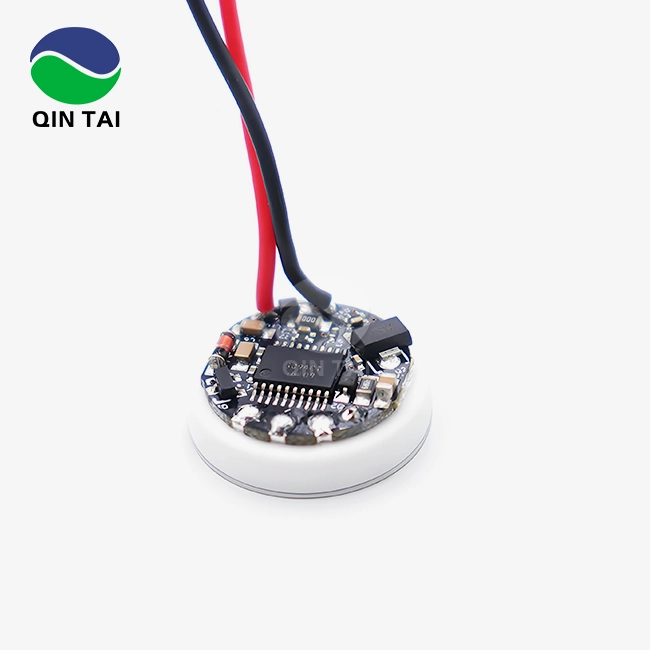
A lot of industrial sensors, like the QS-P105, use a ceramic diaphragm because it is very resistant to chemicals and stable mechanically. With a diaphragm made of 96% Al2O3, these sensors can work in harsh conditions like those found in heavy cars, building equipment, and generator sets. The non-linearity of 0.3% FS makes sure that readings are correct across the whole pressure range, from -1 bar for vacuum uses to 600 bar for high-pressure tracking.
Key Sensor Types and Their Industrial Applications
Different measuring needs are met by the three main configurations. Gage pressure monitors measure pressure in relation to the air pressure outside. This makes them perfect for tracking SCR systems, where differences in pressure show how full the filters are. Absolute sensors are based on a sealed vacuum chamber, so their readings stay the same even if the altitude changes. This is very important for generator sets that work in different parts of the world. Differential sensors find the difference in pressure between two points. They are often used in DPF systems to find places where particles are building up.
Knowing these differences helps buyers match the capabilities of a sensor to the needs of an application. The QS-P105 series has several pressure settings within a single model family. This lets product lines be more consistent while still keeping accurate measurements for each application. This adaptability is appealing to aftertreatment system designers who want parts that work with a variety of client platforms.
Comparing Sensor Technologies for Informed Decisions
Even tho piezoelectric devices respond quickly, it's hard to use them to measure standing pressure. Piezoresistive devices are very accurate, but they are more sensitive to changes in temperature. Strain gage sensors work well, but they need complicated compensation circuits to work right. These things are balanced out by capacitive technology, which has better low-pressure sensitivity, less temperature drift, and simple signal conditioning needs.
Because it has zero temperature drift (less than 0.03% FS/°C for mid-range pressures and less than 0.04% FS/°C for high-pressure applications), the QS-P105 has these benefits. Because of this steadiness, calibration and upkeep costs go down, which helps diesel engine makers meet their cost-cutting goals. The supply voltage range of 2 to 30 VDC works with a lot of different electrical architectures without the need for separate power supplies. This makes integration easier for system designers.
Criteria to Evaluate When Choosing Capacitive Pressure Sensors for Import
Technical Specifications That Define Performance
How close readings are to the real pressure values is called accuracy. With a full accuracy of ±0.5% FS, the QS-P105 makes sure that data for engine control algorithms and emission tracking is accurate. Response time affects how the system works; sensors that are faster allow control changes to be made more quickly, but in most diesel uses, speed is less important than stability. The sensitivity of 2 to 4 mV/V gives a strong enough signal for normal instruments without the need for special amplifiers.
Environmental compatibility is determined by the operating temperature range. Industrial sensors work in temperatures ranging from -40°C to 135°C, so they can handle both extreme cold starts in the Arctic and heat under the hood. The 200% FS safety overload rating protects against pressure spikes during engine transients or hydraulic surges. This keeps the part from breaking down too soon and increases its service life, which is important for commercial vehicle aftermarket buyers who want to keep failure rates low.
Supplier Reliability and Quality Assurance
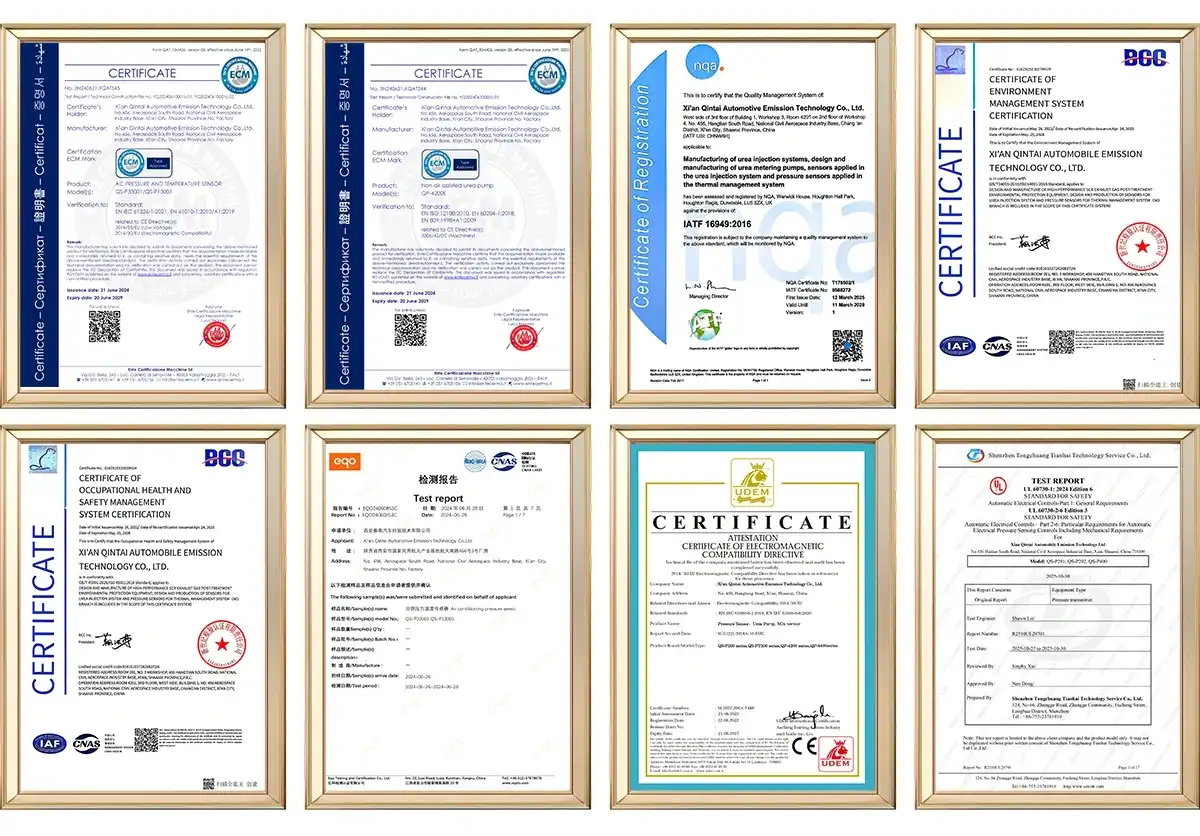
Recognized certificates from well-known firms show that their products are always of high quality. ISO 9001 confirms that quality management is done in a planned way, and IATF 16949 talks about the needs of the automotive supply chain. Explosion-proof certifications (Ex) allow use in dangerous places like mines and chemical plants, which means that generator set makers who work with industry clients can make their products more useful.
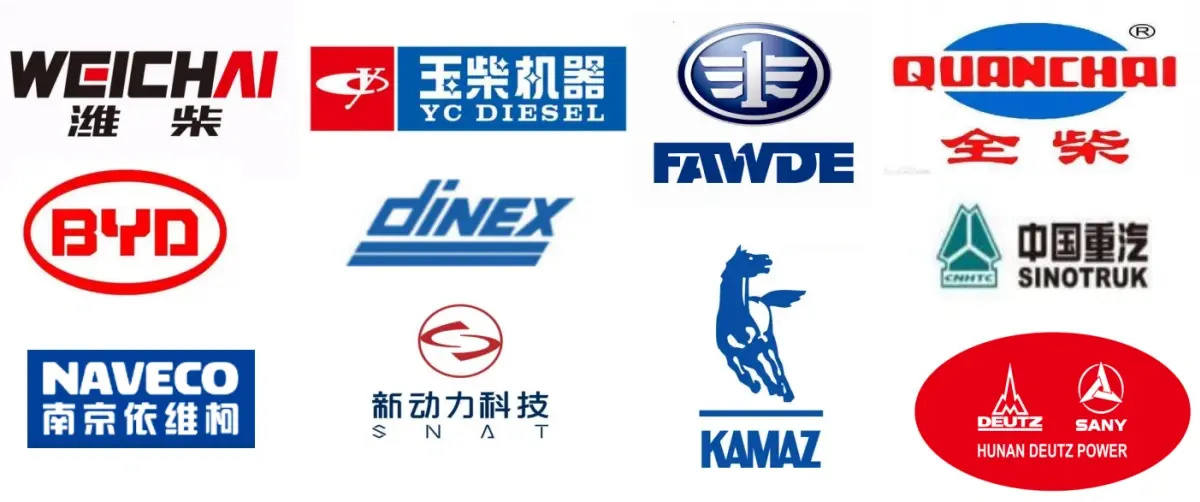
Qintai has been making things since 2001 and has 58 idea patents, which shows that they are always coming up with new sensor technologies. The company has worked with Weichai Power, Yuchai Power, and Quanchai Power as their main OEM source in China, so they know how to make a lot of things and keep the supply chain running smoothly. These qualifications directly address the worries of diesel engine makers about stability and regularity that are planning to buy in large quantities.
Pricing Transparency and Total Cost of Ownership
The cost of a component is only one part of the total cost. On top of landed costs, there are import duties, freight charges, and customs brokerage fees. Buyers should ask for specific quotes that include Incoterms so they know who is responsible for security and logistics. For OEM uses, volume discounts are important, and making long-term deals with suppliers often leads to better prices than buying things on the spot.
Problems with quality have hidden costs. For example, when capacitive pressure sensors fail, they can lead to warranty claims, output delays, and damage to the company's image. Investing in approved sensors that have been tested and shown to work well in the field lowers these risks. The QS-P105 can be customized so that connections and settings can be changed without a lot of extra work from engineers. This lowers the cost of integration for people who build aftertreatment systems that need to make sure sensors work well with each other.
Step-by-Step Guide to Importing Capacitive Pressure Sensors
Defining Your Requirements Clearly
Start by writing down the application factors, such as the pressure range, the media compatibility, the mounting limitations, and the electrical interface specs. Diesel exhaust systems use corrosive gasses and particles, so sensors need to be made of materials that can handle chemicals and be sealed. Pressure transducers have a ceramic diaphragm that makes them last a long time while still being accurate.
Environmental factors affect the choice of monitor. Construction equipment vibrates more than fixed generator sets, so the mechanical design has to be strong. Shielding is needed because of electromagnetic interference near alternators and ignition systems. The temperature range must include extremes of the seasons and areas close to heat sources. By matching these conditions to the sensor's specs, problems with performance and early failure can be avoided.
Identifying and Vetting Potential Suppliers
Look into manufacturers who have knowledge in the right business and are located in the right area. Companies that work with major OEMs usually have higher standards for quality and can offer more technical support. Instead of relying only on what the supplier says, check certifications thru official registries. Ask for references from customers who have used similar apps before; talking to current users gives you a better idea of how reliable and good the service is.
Check to see if there is tech help available. Suppliers who offer customization services and technical advice are more valuable than just providing parts. With its own research and development team and full OEM/ODM services, Qintai can customize products to meet specific needs, ranging from how they are mounted to how the output signals are processed. This freedom is useful for adding capacitive pressure sensors to systems that are already in place or making new platforms.
Managing Orders and Logistics Effectively
Sample testing makes sure that sensors work well before going to large-scale production. Please ask for evaluation units that meet the final requirements, including any custom features. Realistic working conditions should be used for testing so that problems can be found early. Write down the test procedures and results for quality assurance records and for future use.
Production lead times depend on how many items you order and how customized they are. Standard items can be shipped within a few weeks, but custom variations need to be reviewed by engineers and tools need to be prepared. Make sure that needs are understood and that release dates are confirmed in writing. To meet production deadlines for projects that need to be done quickly, you might want to think about expedited shipping or partial shipments.
Ensuring Regulatory Compliance and Smooth Customs Clearance
Find out what the import rules are for the country you're going to. In the United States, certain standards must be met for both vehicle and industry uses. The CE mark means that the product meets European standards, and RoHS limits the use of dangerous substances. Chemicals that are used in goods sold in Europe must be registered under REACH. Make sure that the certifications your supplier has cover the markets you want to reach.
Having the right paperwork makes clearing customs easier. Commercial bills should list the names of the goods, their prices, and the place where they came from. Harmonized System (HS) codes tell the government how to tax goods; using the wrong codes can delay the process and even lead to fines. Working with experienced freight forwarders who know how to bring in sensors makes this process go more quickly and helps you meet legal standards.

Installation, Calibration, and After-Sales Support Considerations
Proper Installation Techniques for Optimal Performance
The accuracy of a sensor is affected by how it is mounted, especially for devices with cavities filled with liquid. Capacitive pressure sensor placement and port orientation should be done according to the manufacturer's instructions. Thread sealants need to be compatible with the measured media. Some compounds can damage ceramics or move into pressure ports, which can lead to mistakes or blocks. Only use seals that are suggested, and make sure you do it right.
When making electrical connections, you need to pay attention to shielding and polarity. The QS-P105's bridge resistance of 11±30% kΩ makes it compatible with normal instruments. However, wire resistance in long cable runs can cause mistakes. To reduce electromagnetic interference, keep signal wires away from power lines that carry a lot of energy. Ground loops and electrical noise that mess up low-level signals can be avoided by properly grounding.
Calibration Methods and Maintenance Best Practices
The baseline performance is set by the initial calibration. Across the range of working pressures, compare the result of the sensor to a standard. Save the zero offset and span values so you can compare them later. Regular recalibration checks that the accuracy stays the same; the time between checks depends on how important the application is and the operating environment. In stable settings, calibration processes may last longer, but in harsh ones, checks need to be done more often.
As part of routine maintenance, the device is looked at visually to check for physical damage, broken connections, and media leaks. If you think there is contamination in the pressure ports, clean them using methods that are safe for the diaphragm materials. Capacitive pressure sensors made from ceramic don't need as much upkeep as metal diaphragm devices because they don't rust or wear down easily. This durability lowers the total cost of ownership for commercial vehicles, where downtime has a direct effect on how much money the business makes.
Troubleshooting Common Issues and Accessing Technical Support
Output drift can be caused by changes in temperature, calibration, or component wear and tear. Make sure that the working conditions, especially the temperature changes, are within the limits. Readings that aren't stable or no signal at all are signs of an electrical problem. Check the wire connection and insulation resistance. Damage to the mechanics caused by too much pressure shows up as a lasting zero shift or loss of sensitivity.
When trying to fix complicated problems, quick expert support is very helpful. Suppliers with specialized application experts can help you choose the right sensors, install them correctly, and figure out what's wrong. Qintai's after-sales service network, which was built over decades of partnerships with OEMs, offers technical support and warranty coverage. This support infrastructure gives buyers peace of mind about long-term operational reliability and keeps production interruptions to a minimum.
Why Choose Qintai for Your Pressure Sensor Import Needs
Proven Track Record in Emission Control Technology
Qintai Automotive Emission Technology Co., Ltd. since 2001, Ltd has been a leader in diesel engine SCR aftertreatment systems and sensors. This specialized knowledge directly addresses the compliance issues diesel engine manufacturers face as they try to meet stricter emission rules. As a national high-tech company, Qintai constantly spends money on research and development to improve the performance and dependability of sensors.
Major OEMs trust the company because it is a core supplier to China's top engine makers, including Weichai Power, Yuchai Power, and Quanchai Power. This market leadership isn't just due to low prices; it also comes from constant quality and technical know-how. Buyers looking for tried-and-true solutions for meeting emission standards can be sure of Qintai's reputation in the industry and large customer base.
Comprehensive Certification and Quality Systems
Qintai's production skills and product quality have been confirmed by a number of approvals. IATF 16949 is a standard for the automotive supply chain, while ISO 9001 sets up a system for quality management. The CMC approval proves that the company can calibrate and measure, which is very important for making sensors, especially for a capacitive pressure sensor where precise calibration directly affects performance. Explosion-proof (Ex) certification lets products be used in dangerous places, giving customers more market opportunities.
International certifications like UL, CE, REACH, and RoHS show that a company is committed to following the rules of the global market. These standards get rid of legal hurdles for buyers who want to sell their goods in the US and Europe. The large number of certificates shows that the company has put money into testing facilities and quality control methods that smaller providers can't match.
Flexible Customization and Engineering Support
Standard products can be used for many things, but to get the best results, they often need to be customized. Qintai allows products to be easily changed to fit different pressure ranges, electrical connections, and mounting styles. This method is shown by the QS-P105, which has pressure ranges from vacuum to 600 bar within a single model family. This means that it can meet a wide range of application needs without needing custom tools for each variant.
From the first specification to production qualification, engineers work together. When problems with integration come up, independent R&D capabilities let you solve them quickly. This plan for a technical partnership matches the skills of the seller with the success of the customer. This encourages the long-term teamwork that diesel engine makers look for in strategic partners when sourcing a capacitive pressure sensor.
Conclusion
When you import pressure sensors, you have to pay close attention to technical specs, supplier qualifications, following the rules, and coordinating logistics. Buyers can make better decisions that fit their needs when they understand the basics of sensor technology. Supply chain risks can be reduced by judging providers based on their certifications, knowledge in the field, and ability to provide help. Following organized import methods, from figuring out what is needed to clearing customs, makes sure that the buying process goes smoothly.
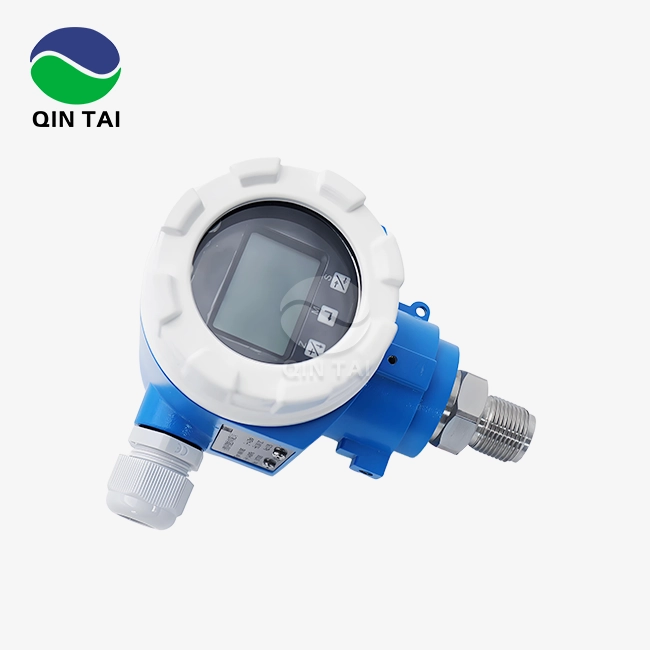
The QS-P105 capacitive pressure sensor has all the performance traits that current diesel applications need: accurate measurements, long-lasting performance in harsh environments, and easy integration. For long-term supplier relationships to work well in emission control technology, companies should work with well-known companies that offer engineering help and quality systems that have been tested and shown to work.
FAQ
What factors influence sensor accuracy in real-world applications?
Changes in temperature, mechanical shaking, and electromagnetic radiation can all make measurements less accurate. Integrated temperature sensors and shielded construction are two examples of compensation techniques that are used in high-quality sensors. The QS-P105 has a low temperature drift standard that reduces thermal effects, and its ceramic structure stops mistakes caused by vibration. If you follow the manufacturer's instructions for installation, you can keep the accuracy from dropping due to user error.
How do ceramic capacitive sensors compare to piezoelectric alternatives?
Ceramic capacitive devices work best at static and slowly changing pressures and are more stable over time. Piezoelectric devices react more quickly, but they can't measure situations that are truly static, and their readings change over time. Capacitive technology is better because most diesel emission control applications care more about steadiness than speed. The ceramic diaphragm gives chemical protection that regular piezoelectric systems don't have.
What lead times should buyers expect from Asian suppliers?
When production schedules, quality tests, and foreign shipping are taken into account, standard product delivery usually takes four to eight weeks. For custom setups, it takes an extra two to four weeks for engineers to review and prepare the tools. Buyers should be clear about dates and think about keeping extra stock on hand for important uses. When urgent needs arise, having established relationships with suppliers can often help with scheduling for a capacitive pressure sensor.
Partner with a Leading Capacitive Pressure Sensor Manufacturer
Qintai can help you buy sensors because they have more than 20 years of experience in emission control. As China's top OEM pressure sensor supplier, we offer both proven manufacturing skills and quick technical support to make sure your projects go smoothly from the planning stages to production. Diesel engine makers and aftertreatment system integrators need products that are accurate, last a long time, and can be customized. Our QS-P105 series meets those needs.
Check out how our certified capacitive pressure sensors can help your product work better and make following the rules easier. You can look at technical details and examples of how to use qt-sensor.com. Email our tech team at info@qt-sensor.com to talk about your particular needs. We are happy to work with OEMs and distributors who are looking for reliable capacitive pressure sensor solutions for markets around the world.
References
1. Smith, J.R., & Anderson, K.L. (2021). Industrial Pressure Measurement: Technologies and Applications. Technical Publishing International.
2. European Commission Directorate-General for Internal Market (2020). Pressure Equipment Directive Compliance Guide for Importers. Brussels: EU Publications Office.
3. Chang, W.T. (2022). Capacitive Sensor Design for Automotive Applications. SAE International Journal of Engines, 15(3), 421-438.
4. International Organization for Standardization (2019). ISO 9001:2015 Implementation in Sensor Manufacturing. Geneva: ISO Central Secretariat.
5. Miller, D.H., & Roberts, P.K. (2020). Import Compliance Strategies for Industrial Components. Journal of Global Supply Chain Management, 12(2), 87-104.
6. National Institute of Standards and Technology (2021). Calibration Procedures for Industrial Pressure Sensors. NIST Special Publication 1200-16, U.S. Department of Commerce.

Our customers’ satisfaction speaks for our quality — contact us to experience the same reliable service.