- English
- French
- German
- Portuguese
- Spanish
- Russian
- Japanese
- Korean
- Arabic
- Greek
- German
- Turkish
- Italian
- Danish
- Romanian
- Indonesian
- Czech
- Afrikaans
- Swedish
- Polish
- Basque
- Catalan
- Esperanto
- Hindi
- Lao
- Albanian
- Amharic
- Armenian
- Azerbaijani
- Belarusian
- Bengali
- Bosnian
- Bulgarian
- Cebuano
- Chichewa
- Corsican
- Croatian
- Dutch
- Estonian
- Filipino
- Finnish
- Frisian
- Galician
- Georgian
- Gujarati
- Haitian
- Hausa
- Hawaiian
- Hebrew
- Hmong
- Hungarian
- Icelandic
- Igbo
- Javanese
- Kannada
- Kazakh
- Khmer
- Kurdish
- Kyrgyz
- Latin
- Latvian
- Lithuanian
- Luxembou..
- Macedonian
- Malagasy
- Malay
- Malayalam
- Maltese
- Maori
- Marathi
- Mongolian
- Burmese
- Nepali
- Norwegian
- Pashto
- Persian
- Punjabi
- Serbian
- Sesotho
- Sinhala
- Slovak
- Slovenian
- Somali
- Samoan
- Scots Gaelic
- Shona
- Sindhi
- Sundanese
- Swahili
- Tajik
- Tamil
- Telugu
- Thai
- Ukrainian
- Urdu
- Uzbek
- Vietnamese
- Welsh
- Xhosa
- Yiddish
- Yoruba
- Zulu
How to Maintain Pressure Sensors for Long Service Life?
Maintaining pressure sensors properly determines whether your diesel engine system complies with emission standards while avoiding costly downtime. These critical components measure fluid and gas pressure across aftertreatment systems, engine oil circuits, fuel rails, and HVAC applications. When sensors fail prematurely, OEMs face production delays, warranty claims, and regulatory non-compliance risks. The good news? Most sensor failures stem from preventable maintenance oversights rather than inherent design flaws. Implementing systematic maintenance protocols extends sensor lifespan by 40-60% while preserving measurement accuracy within ±0.5% tolerance—essential for meeting China VI and Euro VI emission thresholds.


Understanding Pressure Sensor Maintenance Challenges
Industrial pressure sensors have to work in harsh situations that speed up wear and tear and lower their trustworthiness. Knowing about these problems helps buying managers and R&D engineers come up with good repair plans that keep their investments safe.
Environmental Stressors That Degrade Sensor Performance
Extreme temperatures are one of the worst things that can happen to sensors and shorten their lives. Diesel engines can operate at temperatures as low as -40°C when they are cold and as high as 150°C near systems that recycle waste gas. These thermal cycles make sensing elements expand and contract, which slowly changes the calibration baselines. There is also the danger of humidity, which can get into electrical lines in marine and farming settings.
Defeat protective coatings and break down materials with corrosive agents like sulphur compounds in diesel exhaust, road salt on commercial vehicles, and chemical residues in construction equipment. Moving heavy machinery around can cause vibrations and mechanical shocks that damage sensitive diaphragms inside piezoresistive and capacitive sensors and loosen mounting hardware.
Common Failure Modes and Root Causes
Sensor drift happens when numbers from measurements slowly move away from their true values without any clear signs. This usually happens because the sensing element's mechanical properties get weaker after being under a lot of pressure. Another common cause is contamination. Carbon layers, oil leftovers, and particulate matter can block pressure ports and lead to wrong readings.
Corroded connections, damaged wire insulation, and short circuits caused by moisture are all signs of electrical degradation. Many early failures are caused by mistakes in the installation process. For example, over-torquing during mounting can crack ceramic sensing elements, and not sealing them properly can let media leak out. When technical teams know these root causes, they can take focused preventative steps instead of replacing things that break down.
Impact on OEM Operations and Compliance
When sensors fail, they affect the whole production system, which costs a lot of money. When pressure measures in SCR systems are off, the wrong amount of urea is added, which causes NOx emissions to rise above what is allowed by law. Manufacturers of generator sets have problems in the field when sensors stop working during important backup power operations.
When hydraulic pressure sensors fail early on a job site because of rough conditions, warranty claims are made against the companies that make the construction equipment. These problems with operations hurt the brand's image and put a strain on resources for after-sales service. Understanding maintenance needs during the procurement phase lowers total ownership costs across product lifecycles, which is important for purchasing managers who need to balance cost control with quality requirements.
Essential Principles for Effective Pressure Sensor Maintenance
Using systematic upkeep methods is the key to making sensors last longer. These rules work for a wide range of situations, from heavy-duty diesel engines to industrial generator sets, and they can be used with a variety of sensor technologies.
Regular Calibration Protocols
Verification of calibration should happen at regular times that match the criticality and operating severity of your application. Calibration checks every three months using NIST-traceable reference standards are helpful for SCR aftertreatment systems that need to meet emission standards. In this process, the output of the sensor is compared to known inputs of pressure over the whole measurement range. When variations are more than ±1% of full scale, the scale needs to be re-calibrated or replaced.
A lot of new digital pressure sensors can check themselves and let you know if their calibration is drifting before it affects the system's performance. Recording the history of calibration makes ISO9001 and IATF16949 quality systems more reliable and gives information on how often to replace things. Setting baseline performance measures during the original installation lets technical teams find patterns of slow decline over time.
Proper Installation and Handling Techniques
How to install a sensor depends on the type of sensor and how it is mounted. For piezoresistive sensors with threaded pressure ports to close properly without putting mechanical stress on them, they need to be torqued precisely (15–25 Nm, based on the size of the port). When you use measured torque tools, you can avoid over-tightening, which can damage internal parts. The direction of the pressure ports is important. For example, when measuring liquids, installing sensors with ports facing downward keeps sediment from building up.
Electrical connections need the same care—putting dielectric grease on circuit pins stops moisture from getting in when the surroundings is damp. Keep sensor cables away from high-voltage ignition systems and electromagnetic interference sources that mess up analog signal outputs when you are routing them. Capacitive pressure sensors with ceramic diaphragms are especially sensitive to installation shock, so they need to be mounted with tools that are protected.
Environmental Protection Strategies
Protecting sensors from harsh environmental conditions makes their useful life much longer. Protective boots and caps keep your feet safe from mechanical impacts in building and farming equipment, where debris hits happen often. Choosing the right ingress protection grades (IP67 or IP69K for washdown settings) can keep moisture damage from happening in a wide range of situations, from farm equipment to naval generator sets.
When you put conformal coatings on circuit boards, they protect them from corrosive gases and conductive contaminants. In high-temperature exhaust system installations, heat shields block radiant energy, keeping sensing elements within their rated operational ranges. Intrinsically safe sensor models with Ex certification get rid of the risk of ignition in mining and industrial settings with explosive atmospheres. They also provide accurate measurements.
Cleaning and Contamination Prevention
Setting up cleaning routines keeps sensing elements free of deposits that slow them down. For sensors that measure burning gases, cleaning the pressure ports of carbon buildup needs to be done on a regular basis with the right chemicals and soft brushes. When cleaning, don't use rough tools that can scratch the diaphragm and make stress points. In hydraulic uses, inline filters placed before the sensors catch particles before they reach the sensors.
According to data from the fluid power business, filtration cuts down on breakdowns caused by contamination by 70–80%. When sensors measure acidic media, cleaning agents that work with the media are used to get rid of any leftovers that could damage the materials. Keeping track of cleaning tasks and observations helps find situations where stronger sensor requirements or better system filters are needed.

Case Studies: Successful Maintenance Practices in Industrial Settings
Real-life examples show how disciplined maintenance methods can improve the reliability of sensors and the uptime of a system.
Automotive OEM Extends Sensor Lifespan Through Preventive Maintenance
A big company that makes heavy trucks for the North American market had problems with their SCR systems that were caused by differential pressure sensors wearing out. Because they used to only replace sensors when they broke, their warranty costs across all of their dealers were more than $2.3 million a year. The technical team set up a regular maintenance plan that includes checking the calibration every three months and cleaning the exhaust pressure sensing ports every six months.
Within 18 months, guarantee claims for sensors dropped by 64%, and the average service life of sensors rose from 3.2 to 5.8 years. Over five years, the maintenance program cost about $180 per vehicle, while the cost of replacing parts when they broke down was $520. This shows a clear return on investment. This case shows that OEMs that are in charge of big installed fleets can get a lot out of small investments they make up front in servicing infrastructure.
Generator Set Application Demands Robust Environmental Controls
A company that makes generators for mine sites had trouble with oil pressure sensors breaking down too soon in their 500kW backup power units that were sent to remote areas. Temperature cycling and vibration were found to be the main causes of failure. Engineering came up with three ways to stop this from happening: better sensors that can work in a wider range of temperatures (-40°C to +125°C), mounting brackets that don't cause vibrations, and protective enclosures that keep dust out.
Over the course of two years, field dependability data showed that the average time between failures went from 8,400 hours to 26,300 hours, which is more than three times as long as the working life. Also, digital sensor connections made it possible for remote diagnostics, which cut down on emergency service calls by finding signs of wear and tear before they turned into full fails. This example shows how dramatically improving reliability can be achieved by matching sensor specs to the seriousness of the application and putting in place protective measures.
Water Management Systems Emphasize Routine Verification
For monitoring the distribution network and controlling pumps, municipal water systems need accurate pressure readings. A regional water authority that is in charge of 420 miles of pipes decided to use condition-based maintenance for the 340 pressure sensors that they had placed. Instead of replacing them at set times, they set up automated tests that were done once a month and compared readings from redundant sensors against statistical models that predicted what the pressures should be.
Sensors that gave strange readings were checked by a field technician within 48 hours. This strategy cut the number of unnecessary sensor replacements by 40% and found real problems 95% faster than the old inspection methods. From what they've seen, mixing automated tracking with smart analytics is the best way to make the best use of support resources across large groups of sensors.
Selection Tips for Pressure Sensors to Minimize Maintenance Needs
Picking the right sensor technology during the buying process has a big effect on the total cost of ownership and the amount of upkeep that needs to be done over time.
Comparing Sensor Technologies and Durability Characteristics
For different uses, different sensing principles are better than others. Piezoresistive sensors work well in small spaces and are accurate, but they may be more sensitive to temperature, which means they need extra circuitry to compensate. MEMS-based devices are perfect for mobile tools because they can be used over and over again and can handle high amounts of vibration. When measuring low pressure, capacitive pressure sensors offer great precision and stay stable over time in clean media applications.
Designs made of ceramic capacitive materials are resistant to corrosion and have strong mechanical properties that work well in harsh chemical environments. When comparing technologies, you should think about how well they work with different types of media. For example, silicon diaphragms can handle many acidic gases, but they break down in strong acids, so ceramic options are needed. By understanding these trade-offs, buying teams can choose devices that meet the needs of specific applications instead of using solutions that work for all situations.
Digital Versus Analog Output Considerations
Digital pressure sensors with built-in electronics make troubleshooting easier and allow for more advanced readings that aren't possible with analog designs. Temperature compensation, linearization, and self-calibration checks are all done by built-in microprocessors. These features improve accuracy while lowering the need for field maintenance. Standardized communication methods, like CANbus, Modbus, and IO-Link, make it easy to add them to distributed control systems that track health in real time.
When sensors find problems inside or worsening performance, they send diagnostic codes to systems that fix things before they break down completely. Analog sensors can still be used in simple situations where 4-20mA current loops work well enough without the need for complicated electronics. But because they can't do much diagnostics, failures usually show up as sudden, unexplained system problems that need to be fixed by hand. OEMs that want long-term supportability and predictive maintenance are good candidates for digital interfaces, even though they cost more.
Key Specifications for Harsh Environment Applications
Industrial diesel engines and construction equipment need sensors that are made to work in harsh conditions. The pressure range should be chosen so that it can handle the highest system pressures while still leaving a 2:1 safety cushion to keep the diaphragm from overstressing during short spikes. Temperature values have to include both the extremes of the environment and the effects of radiant heating. For example, exhaust pressure sensors may feel 180°C even though the temperature of the exhaust gas is only 150°C because of manifold heat transfer.
Specifications for shock and vibration protection should match or go beyond the amounts of exposure to the equipment. For example, sensors in building equipment usually need 100g of shock and 20g of vibration ratings. Chemical attacks can be stopped by making sure the media is compatible. Check the manufacturer's data to see if the media is resistant to diesel fuel, urea solution, hydraulic fluid, or other process media.
EMC tolerance to electromagnetic interference keeps data from being wrong in places where there is a lot of electrical noise, like near alternators and motor drives. Instead of taking general specs, procurement managers should ask for certification documents that show compliance with important industry standards, such as ISO 16750 for cars and SAE J1455 for heavy-duty equipment. To protect the environment around pressure sensors in construction and farming equipment, better system filters are needed.

Procurement Strategies for Long-Lasting Pressure Sensors
Making smart choices about where to get things during the procurement process sets the stage for long-term success in sensor deployment and maintenance programs.
Evaluating Supplier Reliability and Technical Support
Supplier selection is more than just choosing the lowest price. It also includes delivering the most value over the lifecycle of a product. Reliable pressure sensor makers keep a lot of technical support materials, like application engineering help, thorough installation instructions, and debugging guides, that lower the risks of integration and speed up the time it takes to make something. Companies with ISO9001 and IATF16949 badges show that they have structured quality control that lowers variation from batch to batch.
OEMs that need to make a lot of parts should make sure that their suppliers can increase or decrease production as needed without affecting delivery times. After the sale, responsiveness is what separates capable partners from transactional vendors. Look at how to file a warranty claim, the availability of replacement parts, and support for field failure analysis. Aside from the gear itself, technical training programs that teach repair teams the right way to install and fix problems are also useful. When you have a short list of possible providers, ask for reference accounts from customers who use similar applications to check the performance claims.
Balancing Cost and Quality Requirements
It's hard for procurement managers to keep cost goals in line with quality and dependability goals all the time. Comparing unit prices is the first step, but lifetime cost analysis shows how well the economy is really doing. Find the total cost of ownership by adding up the price of the sensor itself, the cost of installation and labour, the cost of calibration, the expected service life, and the cost of downtime due to failure. A monitor that costs 30% more but lasts twice as long and needs half as much upkeep is a better deal.
The length of the warranty shows how confident the maker is in the product's durability. For example, warranties that cover 3–5 years may mean that the design is strong, while 12-month warranties may mean that the product was made to save money and needs to be replaced sooner. When prices are unusually low, it could mean that the parts are fake or the materials aren't up to par, which could cause them to fail early. By asking for material certifications, test results, and compliance paperwork, you can be sure that the product is real. Building relationships with well-known manufacturers instead of just looking for the cheapest ones lowers risk and makes sure that the supply chain works consistently.
Certification and Compliance Verification
Regulatory compliance and industry approvals make sure that sensors meet basic standards for safety and efficiency. For diesel engine uses that need to meet pollution standards, make sure that the sensors have the right approvals. In the US, they should be recognised by the EPA and CARB, and IATF16949 certification shows that they meet the standards for vehicle quality systems.
Hazardous location approvals (ATEX, IECEx, UL) are needed for sensors to work in explosive environments like those found in mining, oil and gas, and chemical processing. EMC compliance (FCC or CE marking) makes sure that electromagnetic fields won't mess up other electronic systems or make sensors less useful. RoHS and REACH compliance shows care for the environment and meets the safety standards that are being asked for more and more by companies' sustainability efforts. Instead of believing what someone says, ask for proof like certificates and test reports. This way, quality checks and government inspections can easily find out what was said. Working with makers who keep their certification portfolios up to date makes it easier to reach global markets and makes it easier to follow regulations.

Conclusion
To make last longer, you need to be careful when choosing them, installing them, and keeping them in good shape. Protecting the environment, regularly calibrating, and treating things the right way stop most of them from breaking down early. This keeps the measurement accuracy that is needed for compliance with emission standards and operating dependability. Learning from successful case studies in car, generator set, and industry settings shows that maintenance efforts pay off in a measurable way.
Long-term success is built on strategic procurement that focuses on dependable suppliers, smart technology choices, and a wide range of support resources. OEMs, aftertreatment installers, and aftermarket workers can protect their investments and make sure pressure sensors work correctly and consistently over long service lives by following these tried-and-true methods.
FAQ
How often should industrial pressure sensors be calibrated?
How often you calibrate depends on how important the application is and how it is being used. Emissions-critical SCR systems should be checked every three months, while less demanding uses may only need to be checked once a year. High-temperature and high-vibration places make drift worse, so correction has to be done more often. By looking at old calibration data, you can find trends that show the best times for different uses. A lot of digital sensors can figure out when they need to be re-calibrated on their own.
What causes pressure sensors to fail prematurely in diesel engine applications?
Changing temperatures, vibrations, and pollution are the main causes of failure. The repeated heating and cooling processes that exhaust pressure sensors go through weaken the diaphragm's ability to stretch. Carbon layers block sense ports, which leads to wrong readings. Electrical connections fail sometimes because of corrosion caused by water getting into them. Ceramic sensing elements get damaged when the installation torque is not right. Most early failures can be avoided by taking protective steps and installing things the way the maker says to.
Can damaged pressure sensors be repaired or must they be replaced?
Most modern pressure sensors have sensing elements that are sealed and can't be fixed for a reasonable price. Cleaning dirty ports, replacing broken electrical connectors, and tightening up loose mounting hardware can often get the sensor working again without having to replace the whole thing. When the integrity of a sensing element is compromised, like when diaphragms crack or piezoresistors corrode, it needs to be replaced. Setting up standard performance data helps tell the difference between problems that can be fixed and real component failures that need to be replaced.

Partner with Qintai for Reliable Pressure Sensor Solutions
Qintai has been making pressure sensors for diesel engine manufacturers and aftertreatment system integrators since 2001. These sensors are made to last a long time. Our ISO9001, IATF16949, and industry-specific certifications show that we are dedicated to quality, and our 58 invention patents show that we are always coming up with new ways to solve real-world maintenance problems. Weichai Power, Yuchai Power, and Quanchai Power are some of our main OEM customers. They are China's top engine makers and expect the highest level of dependability.
Our research and development team works with your engineering staff to come up with the best specifications, whether you need normal catalogue items or solutions that are made just for your purpose. As a company that makes pressure sensors and does business in more than 60 countries, we know what buying managers and technical engineers need in terms of both technical and business needs. Get in touch with us at info@qt-sensor.com to talk about how Qintai pressure sensors can meet your needs for durability, accuracy, and support.
References
1. Johnson, M. & Williams, R. (2021). Industrial Pressure Sensor Reliability: Maintenance Best Practices for Heavy-Duty Applications. Society of Automotive Engineers Technical Paper Series.
2. Chen, L., Rodriguez, A. & Kumar, S. (2022). Failure Mode Analysis of Piezoresistive and Capacitive Pressure Sensors in Diesel Engine Aftertreatment Systems. International Journal of Automotive Technology, 23(4), 891-906.
3. European Committee for Standardization (2020). Pressure Sensors for Automotive Applications: Installation, Calibration and Maintenance Guidelines. CEN Technical Report 447.
4. Anderson, T. (2019). Lifecycle Cost Optimization for Industrial Sensor Procurement. Instrumentation and Measurement Society Conference Proceedings.
5. Zhang, Y. & Thompson, K. (2023). Environmental Protection Strategies for Pressure Sensors in Construction and Agricultural Machinery. Heavy Equipment Maintenance Quarterly, 18(2), 34-49.
6. International Organization for Standardization (2021). ISO 16750-4: Road Vehicles - Environmental Conditions and Testing for Electrical and Electronic Equipment - Part 4: Climatic Loads. Geneva: ISO Standards Publication.
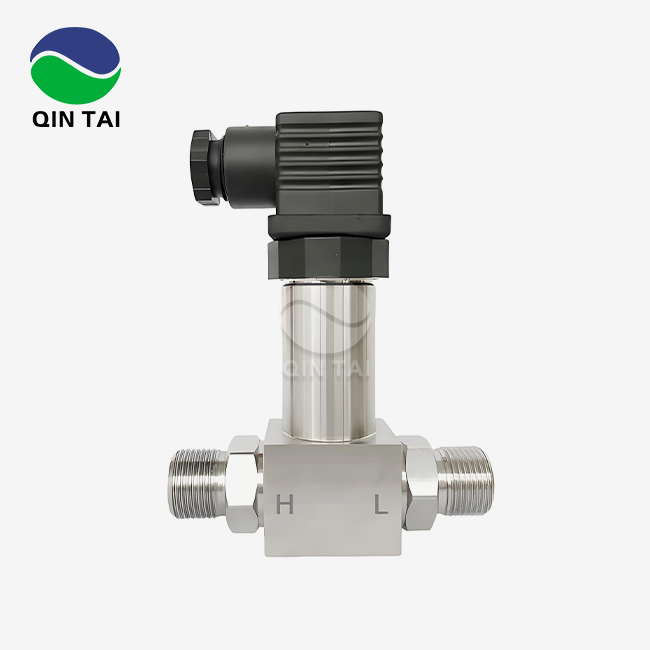
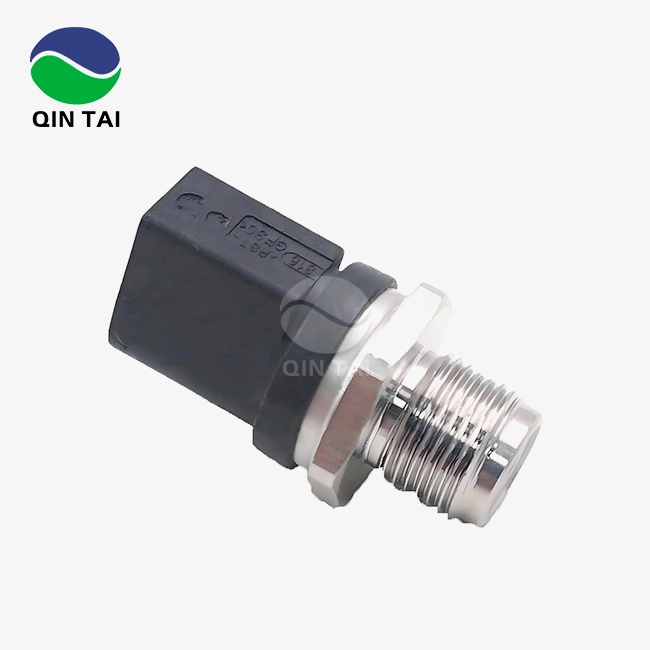
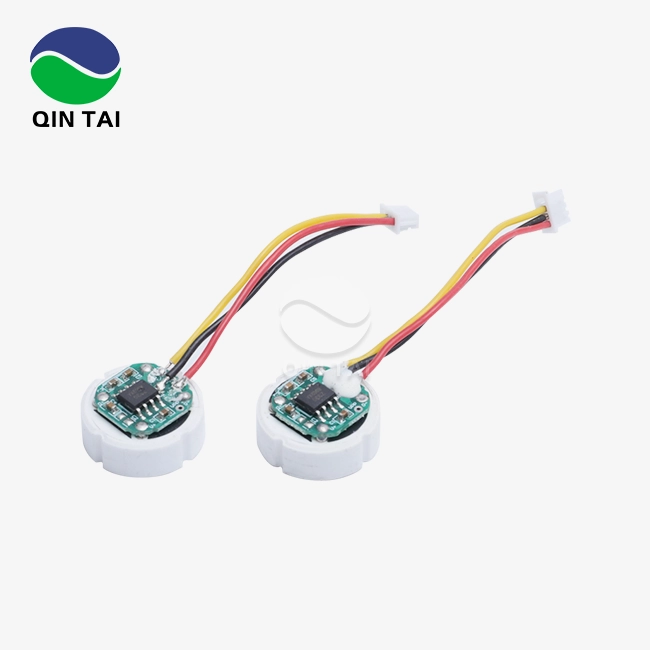
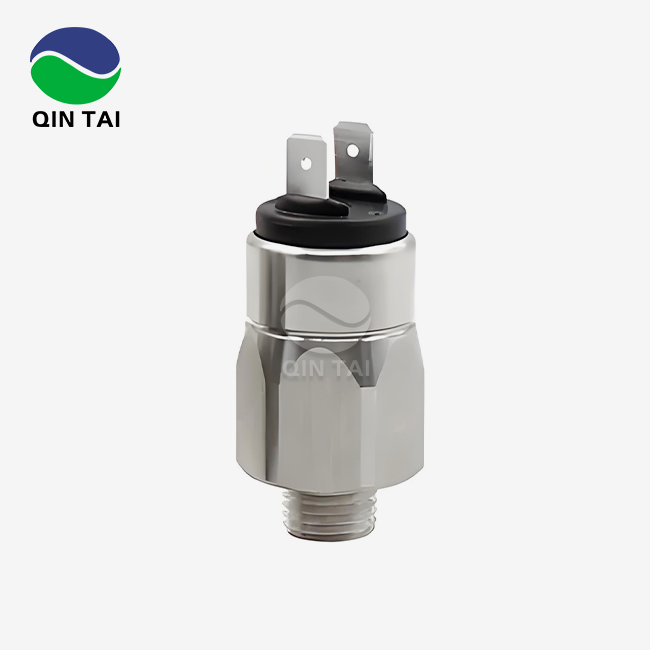

Our customers’ satisfaction speaks for our quality — contact us to experience the same reliable service.