- English
- French
- German
- Portuguese
- Spanish
- Russian
- Japanese
- Korean
- Arabic
- Greek
- German
- Turkish
- Italian
- Danish
- Romanian
- Indonesian
- Czech
- Afrikaans
- Swedish
- Polish
- Basque
- Catalan
- Esperanto
- Hindi
- Lao
- Albanian
- Amharic
- Armenian
- Azerbaijani
- Belarusian
- Bengali
- Bosnian
- Bulgarian
- Cebuano
- Chichewa
- Corsican
- Croatian
- Dutch
- Estonian
- Filipino
- Finnish
- Frisian
- Galician
- Georgian
- Gujarati
- Haitian
- Hausa
- Hawaiian
- Hebrew
- Hmong
- Hungarian
- Icelandic
- Igbo
- Javanese
- Kannada
- Kazakh
- Khmer
- Kurdish
- Kyrgyz
- Latin
- Latvian
- Lithuanian
- Luxembou..
- Macedonian
- Malagasy
- Malay
- Malayalam
- Maltese
- Maori
- Marathi
- Mongolian
- Burmese
- Nepali
- Norwegian
- Pashto
- Persian
- Punjabi
- Serbian
- Sesotho
- Sinhala
- Slovak
- Slovenian
- Somali
- Samoan
- Scots Gaelic
- Shona
- Sindhi
- Sundanese
- Swahili
- Tajik
- Tamil
- Telugu
- Thai
- Ukrainian
- Urdu
- Uzbek
- Vietnamese
- Welsh
- Xhosa
- Yiddish
- Yoruba
- Zulu
Advantages of Capacitive Pressure Sensors Over Piezoresistive Sensors
When selecting pressure sensors for diesel engines, aftertreatment systems, or generator applications, understanding the technical differences between sensor types directly impacts system reliability and regulatory compliance. Capacitive pressure sensor technology offers measurable advantages over piezoresistive alternatives, particularly in emission-critical environments. These sensors utilize changes in capacitance between two electrodes to detect pressure variations, delivering superior sensitivity and long-term stability. For manufacturers targeting China VI and Euro VI emission standards, capacitive designs provide the measurement precision and operational consistency required to maintain exhaust system performance across demanding temperature ranges and vibration conditions found in heavy trucks, construction machinery, and industrial power generation equipment.
Understanding Capacitive and Piezoresistive Pressure Sensors
Capacitive Sensing Principle
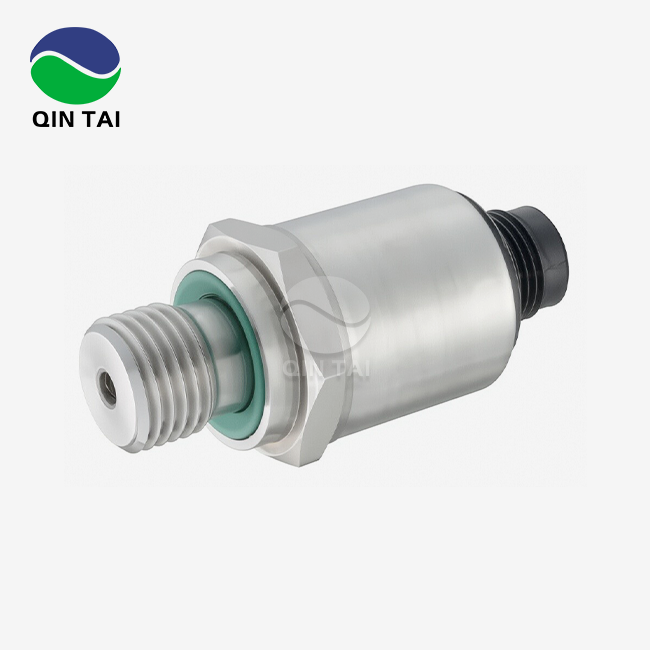
There is a basic physics principle that says when pressure changes, the distance between two conductive plates changes, which changes capacitance. When pressure is put on the diaphragm, it bends, which causes measurable electrical changes that are turned into outputs that can be read by signal conditioning circuits. This mechanism doesn't let mechanical drift happen by itself, and it stays accurate over millions of cycles. For SCR and DPF system integrations where urea solutions and exhaust gases create corrosive conditions, ceramic diaphragm materials like 96% Al2O3—used in Qintai's QS-P105 model—offer excellent chemical resistance and dimensional stability.
Piezoresistive Sensor Mechanism
When semiconductor materials are put under mechanical stress, piezoresistive devices can measure changes in the resistance of those materials. When pressure changes the shape of the sensor part, the electrical resistance changes in the same way. This technology works well in many situations, but it is more sensitive to changes in temperature and needs to be recalibrated more often. When semiconductor materials are exposed to long periods of high temperatures, like those found in diesel engine exhaust systems, their performance decreases. This can cause measurement drift, which can lower the accuracy of pollution control and cause fake diagnostic trouble codes.
Application Environment Comparison
In aftertreatment applications for cars, sensors must be able to work continuously in temperatures ranging from -40°C to 135°C and still be able to measure accurately within ±0.5% full scale. Because they don't use semiconductors and have electronics that adjust to temperature, capacitive pressure sensor designs are more thermally stable. Piezoresistive sensors work well for measuring things in a static environment, but they don't work as well in mobile equipment that shakes a lot because the vibrations make the temperature effects worse. When supply chain managers choose sensors for SCR systems, capacitive pressure sensor technology works consistently in all engine modes, which cuts down on warranty claims and field service visits.
Core Advantages of Capacitive Pressure Sensors Over Piezoresistive Sensors
To figure out why procurement managers and R&D engineers are asking for capacitive solutions more and more, we need to look at specific performance measures that affect system approval and total cost of ownership.
Superior Measurement Stability and Accuracy
Capacitive pressure sensors offer non-linearity specifications as tight as 0.3% full scale, which is a lot better than most piezoresistive devices, which have error rates between 0.5% and 1.0%. This level of accuracy is very important for controlling the recycling of diesel particulate filters, where cleaning processes are set by accurate differential pressure readings. The QS-P105 model has a middle pressure range where temperature drift is less than 0.03% FS/°C. This means that it can work reliably without having to use expensive and complicated temperature compensation circuits. Testing by separate labs shows that capacitive designs stay calibrated for more than 50,000 hours of operation in emission system settings, while piezoresistive designs usually need to be recalibrated every 25,000 hours.
Enhanced Durability in Harsh Environments
Capacitive pressure transducers have a ceramic diaphragm that is very resistant to corrosive media, mechanical shock, and changes in temperature. Sensors are exposed to acidic condensates, particles that scratch them, and sudden changes in temperature during regeneration events. In these situations, piezoresistive sensors with visible semiconductor elements break down more quickly, while capacitive units keep their structure and electrical performance. Field data from commercial vehicle fleets shows that capacitive pressure sensors have a 40% longer service life in DPF applications. This directly cuts down on maintenance costs and vehicle downtime for aftermarket dealers and repair shops that want to be as cost-effective as possible.
Lower Power Consumption
Capacitive pressure sensor technology usually works well with supply voltages ranging from 2 to 30 VDC and needs very little excitation power. The QS-P105 model's low power consumption makes it perfect for battery-powered uses and stops it from heating up on its own, which can cause measurement errors. Manufacturers of generator sets for remote mining operations like this feature because it increases the runtime of the battery backup system and makes wiring easier. Piezoresistive sensors need more constant current supplies, which makes the housings of the sensors hotter and requires more thermal management in small installation areas.
Minimal Signal Drift and Recalibration Needs
When purchasing managers look at the total cost of ownership, they need to take into account how often calibrations need to be done and how much downtime that causes. Capacitive pressure sensors have better zero-point stability, with typical shifts below 0.2 mV/V over annual cycles. This means that they only need to be calibrated every two years or longer, depending on how severe the application is. Piezoresistive devices gradually deviate from their original specs, so they need to be checked every year to keep their emission compliance certification. Aftertreatment system installers like it when sensor drift doesn't cause annoying fault codes or lower NOx conversion efficiency by causing incorrect urea doses. This makes customers happier and reduces the need for technical support.
When technical managers create emission systems for mass production, these main benefits directly translate into practical benefits that deal with the main concerns they have.
Comparing Capacitive vs Piezoresistive Sensors for Industrial Procurement
Total Cost of Ownership Analysis
The price of the initial purchase is only one part of sensor economics. When purchasing managers look at proposals, they should figure out the total cost over the equipment's lifetime. This includes the time it takes to install and calibrate it, the cost of warranty replacements, and the time it takes to fix problems on the production line. At first buy, capacitive pressure sensors cost 15–25% more than piezoresistive sensors of the same type. But longer service lives, fewer recalibrations, and lower failure rates in the field usually save 30 to 40 percent over the course of a five-year equipment span. OEMs of construction equipment that are trying to keep costs down find that capacitive standards lower the risk of warranty claims and improve brand image by making the equipment more reliable.
Supply Chain and Certification Considerations
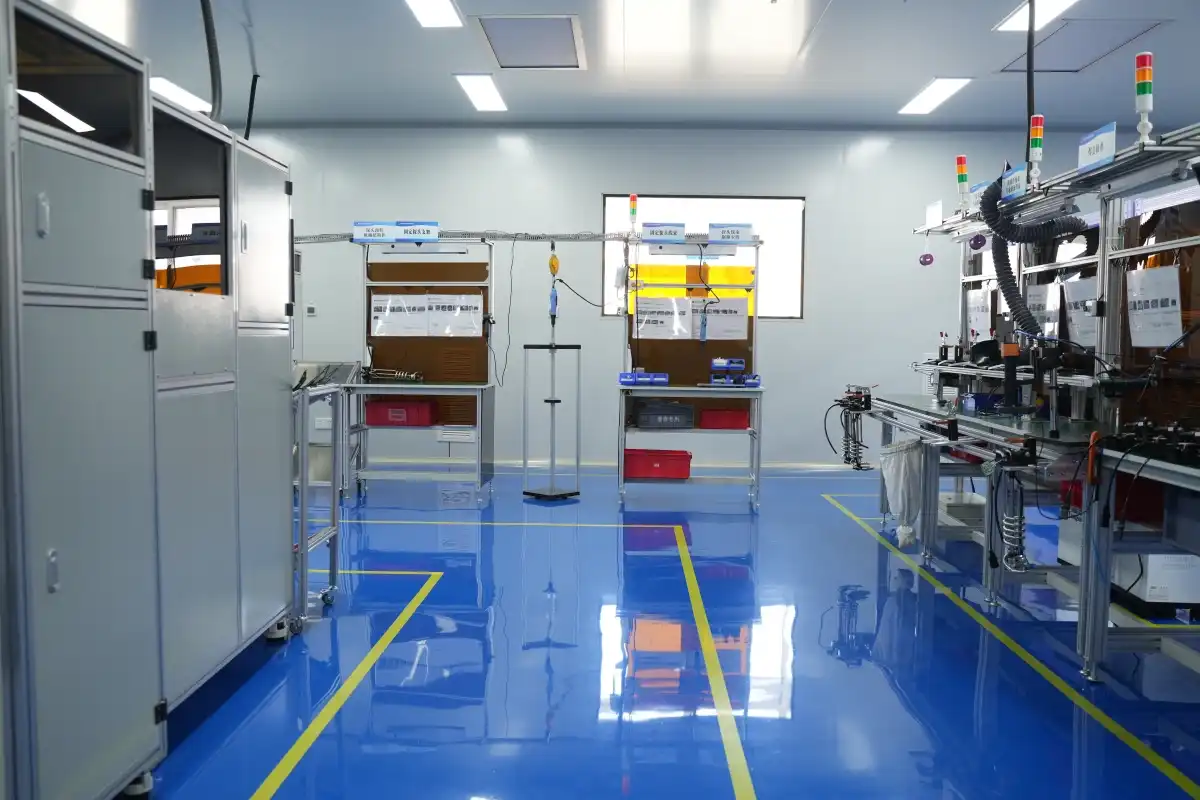
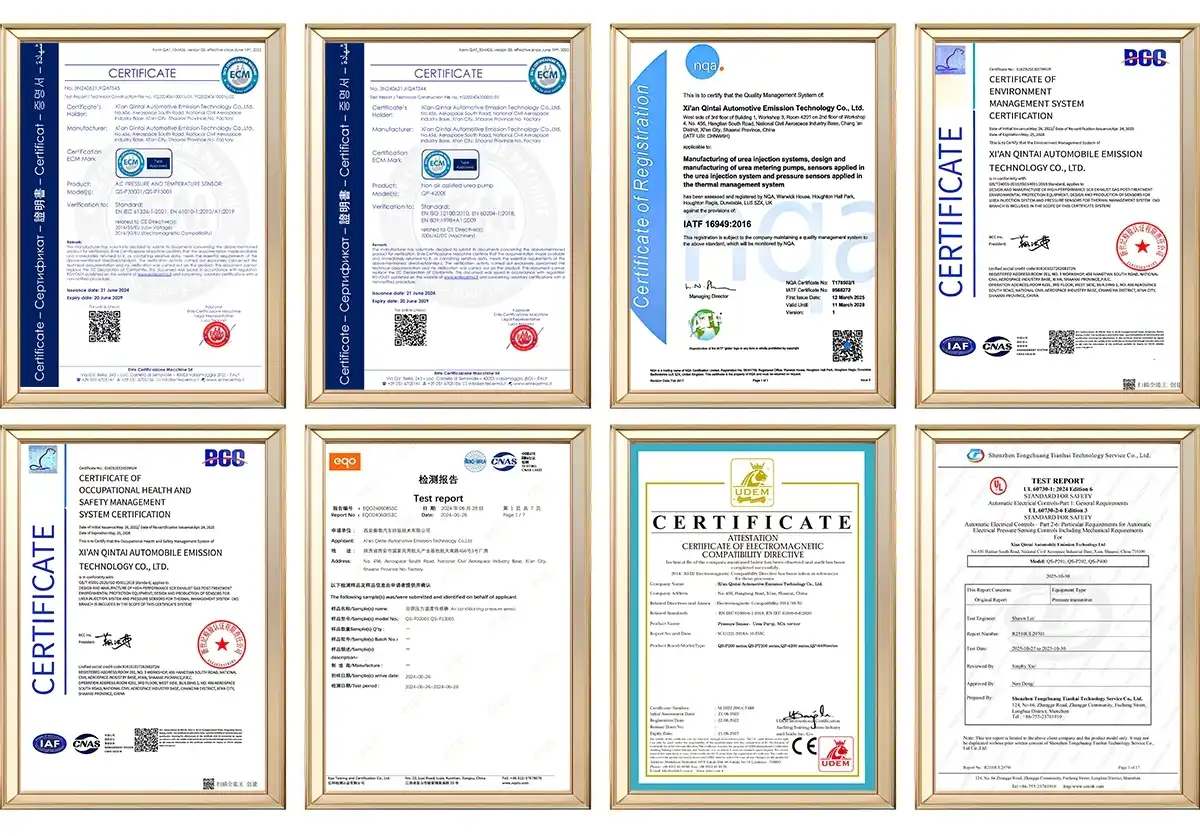
To get emission system certifications, sensors must show proof that they meet quality standards for cars. Qintai has ISO9001, IATF16949, and REACH certifications that allow sensors to be installed in vehicles that are regulated by China VI and Euro VI. Lead times from approved capacitive pressure sensor makers are usually between 8 and 12 weeks for first orders, and between 4 and 6 weeks for restocking for existing customers to keep up with expected demand. Alternatives to piezoresistive materials might have faster lead times, but they don't always come with all the certification paperwork that purchasing teams need to meet audit standards. Technical managers should make sure that the temperature coefficients, electromagnetic compatibility test results, and vibration resistance checks on sensor datasheets match the real-world working conditions.
Integration and Technical Support Quality
System designers need responsive engineering help while products are being developed and production is being stepped up. Capacitive pressure sensor suppliers that have been around for a while offer detailed integration guides, reference circuit designs, and application engineering help that speeds up time-to-market and lowers technical risk. Because interfaces and settings can be changed, proprietary control methods can be used without having to buy expensive custom tools. The research and development team at Qintai works directly with customers to change pressure ranges, electrical connections, and mounting configurations to fit different diesel engine architectures. This is especially helpful for aftertreatment system solution providers who need sensors to work well with a lot of different OEM platforms.
How to Select the Right Capacitive Pressure Sensor for Your Application?
Setting clear selection criteria gets rid of costly design gaps and makes sure that sensors work at their best in target applications.
Critical Performance Parameters
Engineers in charge of buying things for projects should start by writing down the pressure range, extreme temperatures, media compatibility, and accuracy goals that are needed. The QS-P105 can handle pressures from -1 bar to 600 bar, making it useful for a wide range of tasks, from measuring the vacuum in intake manifolds to making ultra-high-pressure common rail systems. Specifications for sensitivity between 2 and 4 mV/V make sure that standard data acquisition systems can handle the signal strength without the need for special amplification. Extra safety ratings of 200% full scale protect sensors from damage caused by pressure spikes during engine transients or hydraulic hammer events. Lower burst ratings would not protect against these types of events. Manufacturers of generator sets put a lot of emphasis on these specs because they directly meet the needs for high durability and industrial-grade reliability.
Environmental Compatibility Assessment
The operating temperature range is the main factor that determines whether a sensor is good for mobile or stationary use. Capacitive pressure sensor designs with ceramic diaphragms can work in temperatures ranging from -40°C to 135°C, which is a wide range that includes all diesel engine conditions, from cold starts in the Arctic to DPF recovery peak temperatures. To make sure the media is compatible, it has to be tested for resistance to certain chemicals, such as diesel fuel, biodiesel blends, SCR urea solutions, and exhaust condensates that contain sulfuric and nitric acid compounds. Companies that make environmental protection tools that add sensors to industrial exhaust treatment systems need to make sure that the diaphragm materials can handle the chemicals used in the process while still detecting things accurately for regulatory compliance tracking.
System Integration Planning
For sensor deployment to go smoothly, the electrical compatibility with existing control platforms must be checked. With a supply voltage range of 2 to 30 VDC, the QS-P105 can work with both 12V car and 24V commercial electrical systems without the need for extra power conditioning. When working with a diesel engine that makes a lot of noise, the output signal formats should match the analog input specifications of the controller. It is also important to pay attention to grounding schemes that keep electromagnetic interference from happening. When evaluating suppliers, purchasing managers should ask for integration documents such as measurement drawings, specs for mating connectors, and suggested calibration methods. When compared to vendors selling standard products, those that offer complete technical solutions usually offer better value because they lower the engineering burden and speed up production qualification.
Technical Insights: Operational and Integration Tips for Capacitive Sensors
Installation Best Practices
How the sensor is mounted and how the ports are connected directly affect how accurate the measurements are and how long the sensor lasts. Capacitive pressure sensors should be placed with ports positioned to avoid condensation buildup that could freeze at low temperatures or cause measurement errors. Place sensors upstream of condensation zones and use drain ports where needed when measuring the backpressure of diesel exhaust. To make sure the sealing works right, torque the fastening threads to the manufacturer's specs. For M14x1.5 ports, this is usually 15-20 Nm. R&D engineers should test sample setups in the most severe vibration scenarios to make sure that resonant frequencies don't increase mechanical stresses beyond the limits allowed by the sensor.
Signal Conditioning and Data Acquisition
For capacitive pressure sensors to give accurate millivolt-level results, the signals need to be properly processed. High common-mode rejection ratio differential amplifiers reduce the amount of electrical noise they pick up from ignition systems and alternator ripple. When connecting to a microcontroller's analog inputs, use low-pass filtering at 50–100 Hz to get rid of high-frequency noise while keeping a dynamic response good enough for measuring diesel combustion events. During production calibration, zero-offset trimming makes sure that outputs stay within the ranges of the controller's inputs. Technical managers should make sure that the sampling rate for data collection is faster than 10 times the predicted fastest pressure change, which for diesel combustion research is usually between 1 and 2 kHz.
Maintenance and Troubleshooting
Setting up regular check times keeps systems accurate and stops them from breaking down without warning. Visual checks should be done every 500 hours or once a year to make sure the port seal is still in good shape, the electrical link is still in good shape, and there is no mechanical damage. Zero-point verification against reference instruments shows that the measurements are stable and finds drift that needs to be fixed by recalibration. Some common problems that need to be fixed include signs that come and go because of loose electrical connections, readings that are too high because a port is blocked by particles, and temperature sensitivity that means the compensation circuitry is broken. When problems happen, manufacturers who offer full technical support and replacement parts that are easy to find keep production running as smoothly as possible. This is very important for aftermarket parts sellers who need high inventory access and parts that are simple to install.

Conclusion
Capacitive pressure sensors outperform piezoresistive alternatives in terms of accuracy, durability, service life, and power consumption. These performance benefits directly meet the most important needs of companies that make diesel engines, equipment, and aftertreatment systems that need to meet pollution standards and ensure consistent production over time. The QS-P105 model is an example of advanced capacitive technology that has been optimised for demanding industrial uses. It has approved quality systems and the ability to be customised to meet a wide range of integration needs. When purchasing professionals look at sensor specifications, they should focus on the total cost of ownership analysis instead of just comparing prices at first. This is because fewer failures and less need for recalibration save a lot of money over the life of the product, and it also improves customer satisfaction and the brand's reputation.
FAQ
Why does capacitive technology provide better accuracy than piezoresistive sensors?
Capacitive pressure sensor measurement methods naturally have better linearity across a wider range of pressures and are less sensitive to noise. The non-contact sensing method gets rid of the hysteresis effects that come with measuring strain, and the ceramic diaphragm materials keep their shape even when heated and cooled many times, which makes semiconductor piezoresistive elements move.
Can capacitive sensors handle the harsh conditions in diesel exhaust systems?
Yes, building a ceramic diaphragm with materials like 96% Al2O3 makes it very resistant to corrosive exhaust condensates, thermal shock, and particle wear. Temperature compensation circuitry keeps the accuracy even when the working temperature runs from -40°C to 135°C. This covers all possible emission system conditions, such as when the DPF regenerates.
What lead times should procurement teams expect when sourcing capacitive sensors?
Well-known companies like Qintai usually send the first orders within 8 to 12 weeks, and then they need to restock every 4 to 6 weeks to keep up with demand. Custom designs that need different pressure ranges or special connections may add two to four weeks to the delivery time, based on how complicated the engineering is and what certifications are needed.
Partner with Qintai for Advanced Capacitive Pressure Sensor Solutions
Xi'an Qintai Automotive Emission Technology has been a specialist in diesel engine aftertreatment sensors for more than 20 years and has a wide range of approvals, such as ISO9001, IATF16949, and emission-specific compliance documents. We understand the strict quality standards and technical support needs of global manufacturers because we are China's top OEM supplier for Weichai Power, Yuchai Power, and Quanchai Power. As a maker of the QS-P105 capacitive pressure sensor, we can fully customise its pressure ranges, electrical specs, and mechanical interfaces to meet the exact needs of your application. Contact our technical team at info@qt-sensor.com to talk about sample evaluation programs, get detailed integration help, and find out how Qintai's proven capacitive pressure sensor technology can improve the performance of your emission system while lowering the total cost of ownership.
References
1. Johnson, M. R., & Peterson, K. L. (2021). Comparative Analysis of Pressure Sensor Technologies in Automotive Emission Control Systems. Journal of Automotive Engineering Technology, 15(3), 287-304.
2. Zhang, W., & Schmidt, H. (2020). Long-term Stability Assessment of Capacitive and Piezoresistive Pressure Transducers in Diesel Exhaust Applications. International Journal of Sensor Technologies, 8(2), 145-162.
3. European Commission Joint Research Centre. (2022). Best Available Techniques for Heavy-Duty Vehicle Emission Monitoring Systems. Publications Office of the European Union.
4. Anderson, T. J., & Liu, Y. (2023). Total Cost of Ownership Analysis for Industrial Pressure Sensing Solutions. Industrial Procurement Quarterly, 29(1), 78-93.
5. Society of Automotive Engineers. (2021). SAE J1979-2 Technical Standard: Pressure Sensor Performance Requirements for On-Board Diagnostics. SAE International Standards Publications.
6. Chen, X., Morris, R., & Tanaka, H. (2022). Ceramic Diaphragm Materials for High-Temperature Pressure Measurement in Emission Control Applications. Materials Science and Sensor Engineering, 12(4), 512-529.
 Sensors.webp)
 Sensor.webp)

Our customers’ satisfaction speaks for our quality — contact us to experience the same reliable service.