- English
- French
- German
- Portuguese
- Spanish
- Russian
- Japanese
- Korean
- Arabic
- Greek
- German
- Turkish
- Italian
- Danish
- Romanian
- Indonesian
- Czech
- Afrikaans
- Swedish
- Polish
- Basque
- Catalan
- Esperanto
- Hindi
- Lao
- Albanian
- Amharic
- Armenian
- Azerbaijani
- Belarusian
- Bengali
- Bosnian
- Bulgarian
- Cebuano
- Chichewa
- Corsican
- Croatian
- Dutch
- Estonian
- Filipino
- Finnish
- Frisian
- Galician
- Georgian
- Gujarati
- Haitian
- Hausa
- Hawaiian
- Hebrew
- Hmong
- Hungarian
- Icelandic
- Igbo
- Javanese
- Kannada
- Kazakh
- Khmer
- Kurdish
- Kyrgyz
- Latin
- Latvian
- Lithuanian
- Luxembou..
- Macedonian
- Malagasy
- Malay
- Malayalam
- Maltese
- Maori
- Marathi
- Mongolian
- Burmese
- Nepali
- Norwegian
- Pashto
- Persian
- Punjabi
- Serbian
- Sesotho
- Sinhala
- Slovak
- Slovenian
- Somali
- Samoan
- Scots Gaelic
- Shona
- Sindhi
- Sundanese
- Swahili
- Tajik
- Tamil
- Telugu
- Thai
- Ukrainian
- Urdu
- Uzbek
- Vietnamese
- Welsh
- Xhosa
- Yiddish
- Yoruba
- Zulu
Pressure Sensors for Hydraulic and Pneumatic Equipment Applications
Pressure sensors serve as the backbone of modern hydraulic and pneumatic systems, converting mechanical pressure into electrical signals that enable precise monitoring and control. These devices ensure operational safety, efficiency, and compliance across industries ranging from heavy-duty diesel engines to industrial automation. Whether you're managing a fleet of agricultural machinery or integrating aftertreatment systems, understanding how these sensors function and which technology suits your application will directly impact your system's long-term reliability and cost-effectiveness.
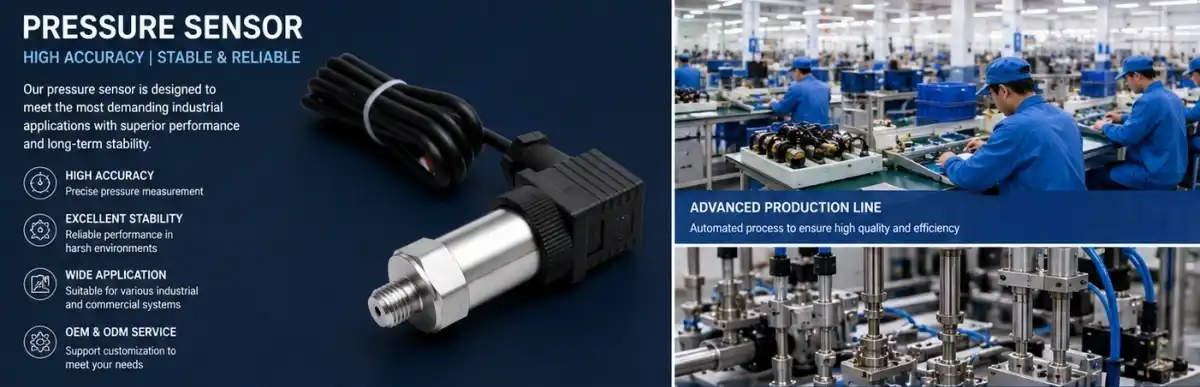
Understanding Pressure Sensors in Hydraulic and Pneumatic Equipment
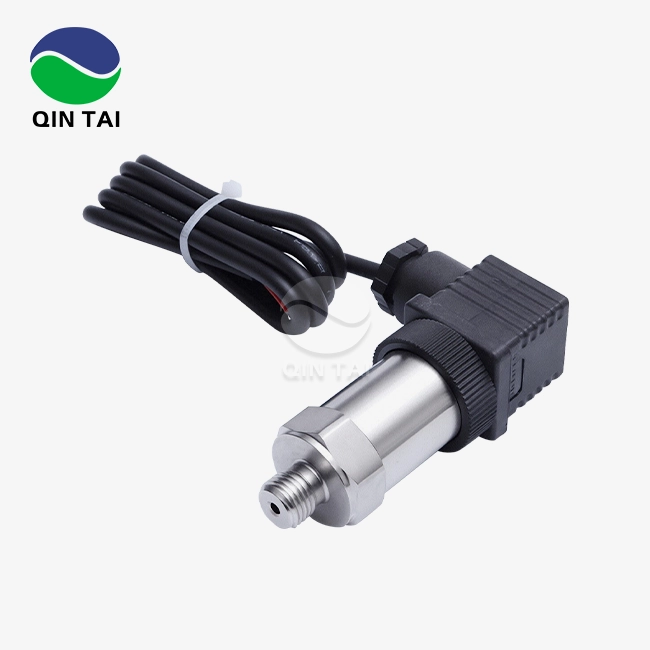
Accurately measuring pressure is important for hydraulic and pneumatic systems to keep them working well and avoid breakdowns. Changes in pressure are picked up by pressure sensors, which then send this information to computer systems so that changes can be made right away. The output is what makes sensors and transducers different. Sensors send out signals that are proportional to pressure, while transducers turn these signals into standard outputs that can be used with monitoring equipment.
Core Technologies: Piezoelectric, Capacitive, and Piezoresistive
Different sensor systems are used to solve different problems in industry. Piezoelectric sensors work best in situations where the pressure changes quickly, like hydraulic tools, because they can react to dynamic changes in pressure. Capacitive pressure sensors use a ceramic diaphragm that changes shape when it is pressed, which changes the capacitance between the electrodes. In low-pressure pneumatic systems and HVAC applications, this design gives you very accurate results. Piezoresistive sensors use silicon-based strain gauges to provide high sensitivity and stability. This makes them perfect for hydraulic systems in construction equipment and heavy trucks that need to give accurate readings even when the temperature and vibration are changing.
Why Sensor Selection Matters for OEMs and System Integrators?
Picking the right pressure sensing technology can affect how well emissions are controlled, how well the system works together, and how much it costs to maintain. Diesel engine manufacturers that want to get China VI or Euro VI approval need sensors that have been shown to be stable and accurate over and over again. Capacitive ceramic pressure sensors are used in many engine control systems and fuel pressure tracking systems in cars. They are reliable enough for OEMs with high-volume production lines to expect. Aftertreatment system integrators benefit from sensors with flexible interfaces and quick response times that make them work well with SCR and DPF systems.
Key Performance Factors and Calibration Methods for Optimal Accuracy
The accuracy of the pressure sensor relies on the surroundings, the mechanical stress, and how well the sensor works with fluids. Changes in temperature can affect the flow of signals, and acidic hydraulic fluids can damage sensor materials. How well a sensor picks up on small changes in pressure depends on its sensitivity and precision. This is very important for tasks like tracking hydraulic loads or controlling pneumatic valves.
Factors Influencing Measurement Precision
Extreme temperatures in the environment can make sensors less stable. Industrial-grade sensors made for generator sets that work in mines or as backup power must be able to handle temperatures from -40°C to 125°C. Noise that can mess up readings comes from mechanical vibrations caused by diesel engines and construction equipment. Consistent performance is guaranteed by choosing sensors with sturdy housings and mountings that don't move around.
When it comes to hydraulics, fluid coupling is very important. Sensors that come into touch with hydraulic oil, coolant, or diesel exhaust fluids need to be made of materials that don't break down easily with chemicals. Ceramic elements and diaphragms made of stainless steel last a long time, so they don't need to be replaced as often and require less repair downtime.
Calibration Protocols to Sustain Accuracy
Calibration makes sure that sensors keep accurate measurements for the whole time they are working. In standardized methods, the output of a sensor is compared to reference standards in a controlled setting. Scheduling regular recalibrations to coincide with equipment repair rounds stops drift and finds early signs of sensor wear. Using testing procedures can save you money in the long run by preventing problems that could lead to system shutdowns or breaking emission rules.
How to Choose the Best Pressure Sensor for Hydraulic and Pneumatic Equipment?
To choose the right pressure sensor, you have to look at factors that are specific to the application, the surroundings, and the supplier's skills. Procurement managers and R&D engineers have to find a balance between technical requirements, keeping costs low, and the possibility of working together in the long term.
Application-Specific Parameters
The sensor's working limits are set by its pressure range. Heavy trucks may need sensors that can handle up to 400 bar of pressure, while HVAC systems use pneumatic controls that can handle up to 10 bar. If you don't define the range correctly, the sensor could fail, and the cost will go up.
Material and style decisions are based on the environment. Construction equipment that is exposed to dust, water, and high temperatures needs enclosures with an IP67 rating. In mining environments, generator sets need sensors that can handle both electromagnetic interference and mechanical shock.
Output Signal and Power Consumption
Digital outputs make it easier to connect to current computer systems and allow for connectivity in Industry 4.0. In old systems that can't be updated, analog outputs are still popular. Power consumption is important for battery-powered devices or programs that try to save energy. Most of the time, capacitive sensors use less power than piezoresistive ones, which means they can be used in mobile hydraulic systems.
Supplier Evaluation Criteria
When evaluating suppliers, you need to look at their certifications, ability to produce large quantities, and expert help. Leading producers have quality control systems that are certified by ISO9001, IATF16949, and other organizations. Suppliers who have worked with OEMs before, like those who work with Weichai Power or Yuchai Power, can be trusted to deliver large amounts of goods.
Total cost of ownership is affected by warranty terms and how quickly customers can get help after the sale. Suppliers who offer quick substitute parts and expert support help keep operations running smoothly. Customization lets you make solutions that work best for your specific needs, which improves system performance and integration.

Industry Applications and Case Studies of Pressure Sensors in Hydraulic and Pneumatic Systems
Pressure sensors solve a wide range of problems in many fields. Procurement workers can find solutions that offer measurable value by understanding how they work in the real world.
Mobile Hydraulics and Construction Equipment
The lifting, digging, and steering of construction equipment are all done by hydraulic systems. Sensors check the hydraulic pressure in valves, cylinders, and pumps to make sure it doesn't get too high and damage any parts. Case studies from companies that make heavy equipment show that adding piezoresistive sensors cut unplanned downtime by 18% over two years. This saved a lot of money and sped up project timelines.
HVAC Systems and Pneumatic Controls
HVAC pressure sensors measure the difference in pressure between filters, pipes, and coils. This helps the air move and saves energy. When filters get clogged, sensors notice when the pressure drops and send out maintenance alerts. This keeps the air quality inside and stops wasted energy. Up to 12% less energy was used by industrial sites that used automated filter tracking. This shows that precise pressure sensing is good for both money and the environment.
Diesel Engine Emission Control and Aftertreatment Systems
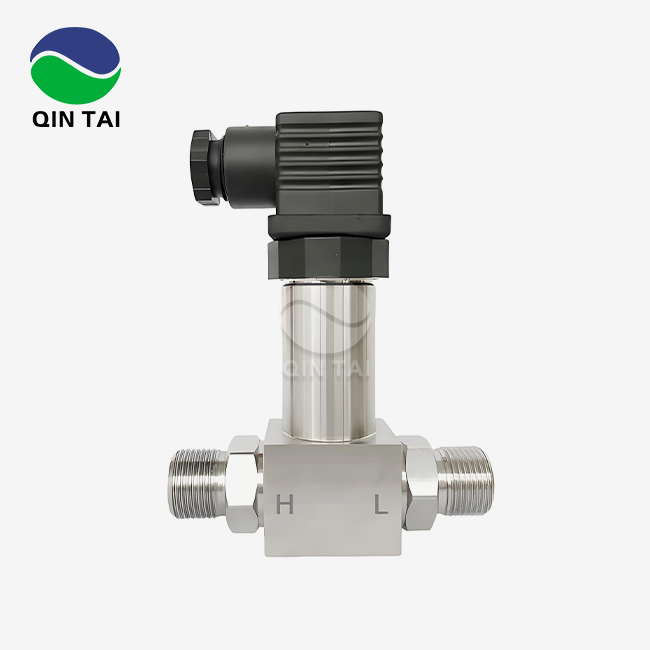
Pressure sensors are built into the SCR and DPF systems of diesel engines that meet China VI and Euro VI norms. These sensors check the backpressure of the exhaust, the pressure of the urea injection, and the difference in pressure across the particulate filters. Accurate readings make sure that the right amount of reagent is used and that the filters are replaced at the right time, which keeps compliance high while keeping operational costs low. Aftertreatment system integrators who work with commercial vehicle OEMs look for sensors that can be delivered quickly and work well with other sensors, so that production can be scaled up quickly.
Generator Sets and Backup Power Applications
Generator sets that power hospitals, data centers, and mines need sensors that are reliable enough for use in factories. Capacitive and piezoresistive sensors keep an eye on the fuel pressure, water pressure, and lubrication systems to keep motors safe while they are running for long periods of time. Generators stay working during important power outages because they are stable over time and can adapt to changing environments. This protects lives and property.
Emerging Trends and Future Outlook in Pressure Sensor Technology
As digitalization and robotics trends continue to push technology forward, they continue to change how pressure sensors work.
IoT Integration and Smart Monitoring
For Industry 4.0 projects to work, sensors must be able to send data directly to analytics tools in the cloud. IoT-enabled sensors give information about performance in real time, maintenance alerts based on what's likely to happen, and analysis of historical trends. Companies that make diesel engines and system integrators that use smart sensors gain a competitive edge by increasing uptime and lowering maintenance costs.
Miniaturization and Energy Efficiency
Smaller sensor footprints make it possible to put them in places with limited room without affecting their performance. Improvements in microfabrication and MEMS technology have made it possible for sensors to work accurately while using very little power. These new ideas meet the needs of the industry for light, energy-efficient parts that can be used in mobile and battery-powered devices.
Supplier Landscape Shifts and Procurement Strategies
As companies increase their technology and production skills, global supply lines change. Chinese companies that put money into research and development and getting international certifications can compete with well-known Western brands by providing cheaper options that don't skimp on quality. To lower supply chain risks, procurement workers should balance price, quality, and delivery efficiency when they have a portfolio of different suppliers.
Conclusion
Pressure sensors are necessary for hydraulic and pneumatic systems to stay safe, work well, and follow the rules. OEMs, installers, and service providers can make smart purchasing choices when they know about sensor technologies, performance factors, and application requirements. Capacitive, piezoresistive, and piezoelectric sensors all have their own benefits that make them better for different types of tasks. Long-term costs and system dependability are directly affected by calibration, the ability to change to new environments, and the trustworthiness of the provider. New developments in IoT connections and miniaturization open up chances for better automation and predictive maintenance, which will help companies that think ahead do well in global markets that are very competitive.
FAQ
What distinguishes capacitive pressure sensors from piezoresistive types?
Capacitive pressure sensors know how much pressure there is by measuring changes in capacitance between a flexible diaphragm and a set electrode. They use little power and are good for pneumatic applications with low pressure. Piezoresistive sensors use silicon strain gauges that change resistance when pressure is applied. This makes the sensors more sensitive and stable in hydraulic systems that are vibrating and changing temperatures. The choice is based on the pressure range, the surroundings, and the needs for interaction.
How often should pressure sensors undergo calibration?
How often you calibrate relies on how important the application is and how harsh the climate is. To stay in line with the rules, sensors in diesel engines that are very strict on emissions should be calibrated once a year. Checking hydraulic systems in construction equipment every six months is a good idea, but checking less complicated pneumatic controls every two years may be okay. By only arranging repair when performance drift is found, condition-based tracking cuts down on the cost of calibration.
Can submersible pressure sensors function in hydraulic fluid applications?
Submersible pressure sensors can work in hydraulic pools and cooling tanks. They are made to measure liquid levels by picking up on atmospheric pressure. The materials used in these devices must be compatible with hydraulic fluids and be able to handle different pressure levels in the system. If you choose sensors with wetted parts made of stainless steel or ceramic, they will be resistant to chemicals and last a long time in harsh hydraulic environments.
Partner with Qintai for Pressure Sensor Excellence
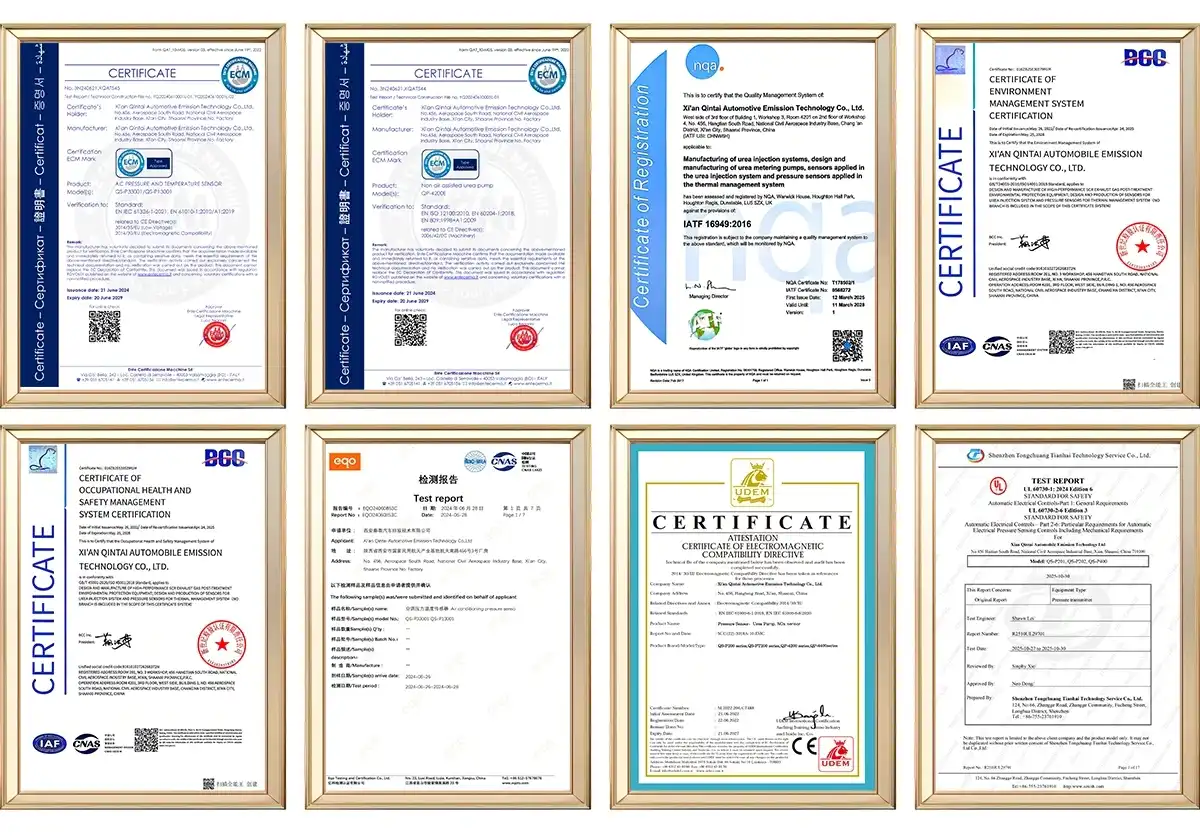
Qintai is a reliable pressure sensor manufacturer that has been working with diesel engine OEMs and aftertreatment system developers around the world for more than twenty years. We offer industrial-grade sensors that are designed to meet China VI and Euro VI standards. Our products are certified by ISO9001, IATF16949, and UL. Our independent research and development team has been granted 58 invention patents, which means that we can offer heavy trucks, construction equipment, farm equipment, and generator sets the most up-to-date solutions.
Weichai Power, Yuchai Power, and Quanchai Power trust us as their main OEM provider because we offer flexible connections, the ability to produce large quantities, and quick technical support. Whether you need capacitive ceramic sensors for HVAC systems or piezoresistive transducers for hydraulic systems, Qintai has options that are both reliable and affordable, and they come with a full range of warranties after the sale. Email us at info@qt-sensor.com to talk about your pressure sensor needs and find out how our proven knowledge can help your system work better and your buying go more smoothly.
References
1. Johnson, M. R., & Peterson, L. K. (2022). Hydraulic System Design and Pressure Measurement Technologies. Industrial Automation Press.
2. Chen, W., & Liu, H. (2021). Advanced Sensor Technologies for Diesel Engine Emission Control. Journal of Automotive Engineering, 45(3), 287-304.
3. Anderson, T. S. (2023). Pneumatic Control Systems: Components, Applications, and Troubleshooting. Engineering Publications International.
4. Schneider, F., & Braun, A. (2020). Calibration Methods for Industrial Pressure Sensors. Measurement Science and Technology Review, 12(4), 112-128.
5. Kim, J. H., & Park, S. Y. (2022). Capacitive and Piezoresistive Sensors in Mobile Hydraulics: Performance Comparison. International Journal of Fluid Power, 18(2), 145-162.
6. Williams, D. R. (2023). Industry 4.0 and Smart Sensor Integration in Manufacturing Systems. Technology Advancement Publishers.

Our customers’ satisfaction speaks for our quality — contact us to experience the same reliable service.