- English
- French
- German
- Portuguese
- Spanish
- Russian
- Japanese
- Korean
- Arabic
- Greek
- German
- Turkish
- Italian
- Danish
- Romanian
- Indonesian
- Czech
- Afrikaans
- Swedish
- Polish
- Basque
- Catalan
- Esperanto
- Hindi
- Lao
- Albanian
- Amharic
- Armenian
- Azerbaijani
- Belarusian
- Bengali
- Bosnian
- Bulgarian
- Cebuano
- Chichewa
- Corsican
- Croatian
- Dutch
- Estonian
- Filipino
- Finnish
- Frisian
- Galician
- Georgian
- Gujarati
- Haitian
- Hausa
- Hawaiian
- Hebrew
- Hmong
- Hungarian
- Icelandic
- Igbo
- Javanese
- Kannada
- Kazakh
- Khmer
- Kurdish
- Kyrgyz
- Latin
- Latvian
- Lithuanian
- Luxembou..
- Macedonian
- Malagasy
- Malay
- Malayalam
- Maltese
- Maori
- Marathi
- Mongolian
- Burmese
- Nepali
- Norwegian
- Pashto
- Persian
- Punjabi
- Serbian
- Sesotho
- Sinhala
- Slovak
- Slovenian
- Somali
- Samoan
- Scots Gaelic
- Shona
- Sindhi
- Sundanese
- Swahili
- Tajik
- Tamil
- Telugu
- Thai
- Ukrainian
- Urdu
- Uzbek
- Vietnamese
- Welsh
- Xhosa
- Yiddish
- Yoruba
- Zulu
Certifications Required for Pressure Sensor Manufacturers
When sourcing pressure sensors for diesel engines, aftertreatment systems, or industrial applications, understanding the certifications required for manufacturers is critical. Certifications validate that a pressure sensor meets rigorous standards for quality, safety, and environmental compliance. They serve as the foundation for trust between OEMs, integrators, and suppliers, ensuring products perform reliably under demanding conditions while meeting emission regulations such as China VI and Euro VI. Certified pressure sensors reduce procurement risks, enhance system compatibility, and support long-term operational stability across automotive, industrial, and environmental applications.
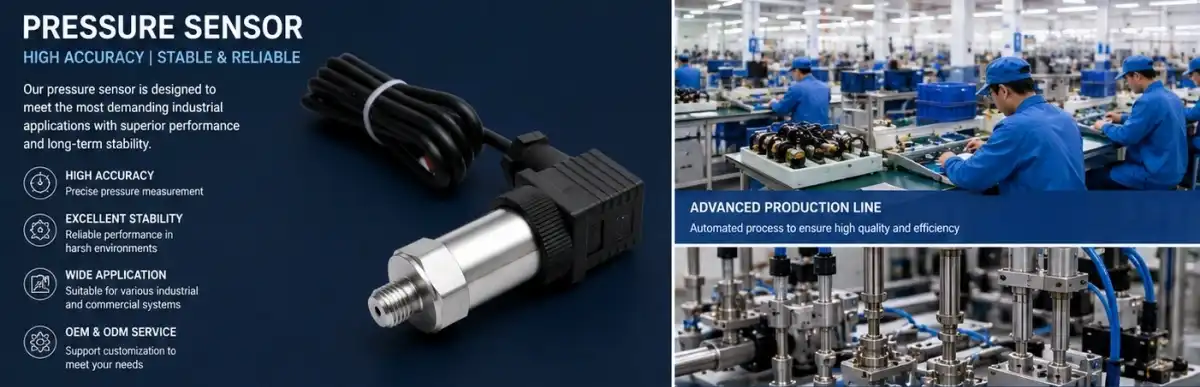
Understanding the Regulatory Landscape for Pressure Sensor Manufacturers
It can be hard to figure out how to get certified, especially when different markets have different rules. To get into big markets and keep their credibility, pressure sensor manufacturers have to follow a complex set of international, regional, and industry-specific rules.
Global Standards That Shape the Industry
International guidelines set the bar for how pressure sensors should be made. ISO 9001 sets rules for quality management systems that make sure work processes are uniform and that things can be tracked. The International Electrotechnical Commission (IEC) sets guidelines for electricity safety and efficiency, especially for sensors that are used in dangerous places. The CE mark, which is required for the European market, shows that the product meets standards for health, safety, and the environment. Manufacturers who want to sell their goods in Europe, North America, and other developed areas must get these certificates.
Following the rules for the environment has become just as important. RoHS (Restriction of Hazardous Substances) says that dangerous materials like lead and mercury can't be used in electrical parts. The European Union's REACH (Registration, Evaluation, Authorisation, and Restriction of Chemicals) system controls chemicals to keep people and the environment safe. Manufacturers who don't have these certifications face problems getting into markets and having their reputations hurt, so following the rules is necessary to stay competitive.
Industry-Specific Requirements Add Complexity
In addition to general rules, some businesses have extra licensing levels that must be met. IATF 16949 certification is needed for many automotive uses, especially those that use pollution control systems like SCR and DPF. This standard adds strict requirements to ISO 9001 for preventing defects, managing the supply chain, and making improvements all the time. Diesel engine OEMs and aftertreatment system integrators prefer providers who are IATF 16949-certified because it shows that they are ready for long-term partnerships and high-volume production.
Sensors used in dangerous places like mines, oil and gas facilities, and chemical plants must have explosion-proof standards like ATEX (Europe) and IECEx (international). These approvals make sure that sensors can work safely in dangerous environments without setting off dust or gases that can catch fire. UL certification, which is well known in North America, proves that a product meets safety standards for electronics and electrical goods. Knowing which licenses are needed for your product makes it easier to find suppliers and cuts down on the time it takes to buy something.
Essential Certifications for Pressure Sensor Manufacturers
It saves time and reduces risk to know the key certifications that are most important to your purchasing choice. Each certification covers a different part of quality, safety, or environmental duty. Together, they create a full framework for assurance.
Quality Management Certifications
ISO 9001 is still the most important standard for quality control. It sets regular procedures for designing, making, inspecting, and fixing problems. This makes sure that every pressure sensor that leaves the plant meets the requirements. IATF 16949 goes even further by adding standards that are special to cars, like PPAP (production part approval processes), FMEA (failure mode and effects analysis), and APQP (advanced product quality planning). These licenses are especially useful for companies that make diesel engines and add-ons for aftertreatment and who need high levels of security, consistency, and mass production.
The calibration and testing labs of a company are approved by ISO/IEC 17025 certification. This certification makes sure that measurements are correct and can be tracked, which is very important for sensors that are used to check for emissions and make sure that rules are followed. Purchasing managers and research and development engineers should check that suppliers are currently accredited with ISO/IEC 17025 to make sure that sensor specifications are backed up by solid testing data.
Environmental and Safety Certifications
Following the rules for RoHS and REACH keeps you from getting fined or having problems with the supply chain. If sensors contain chemicals that aren't allowed, they can cause products to be recalled, imports to be banned, and legal problems. Certified manufacturers follow strict procedures for controlling the materials they use. They also do regular tests and audits to make sure they stay in compliance. This is very important for companies that sell parts for industrial vehicles because they need goods that can be used in a variety of situations and have a low failure rate so they can meet new environmental rules.
Companies that make power sets and environmental protection tools that work in dangerous areas need to have ATEX and IECEx certifications. These approvals show that sensors have built-in safety features that stop lighting sources from working even when there is a fault. During the testing process, electrical connections, the stability of the enclosure, and thermal properties are all checked to make sure that the sensors can handle high working stresses.
Product-Specific Certifications
Pressure sensors sold in the European Economic Area are required to have the CE marking. It means that the product meets a number of EU laws, such as the Low Voltage Directive, the Electromagnetic Compatibility (EMC) Directive, and maybe even the ATEX Directive for dangerous areas. Manufacturers self-certify that their products are CE-compliant, but they have to keep technical records and have third-party audits done on a regular basis.
In many places, UL certification is not required, but in North American markets, it is almost always needed. UL tests sensors for fire dangers, electrical shock risks, and mechanical breakdowns by comparing them to strict safety standards. When integrating an aftertreatment system, technical managers and supply chain managers are choosing UL-listed parts more and more to make system-level approval easier and lower their risk exposure.
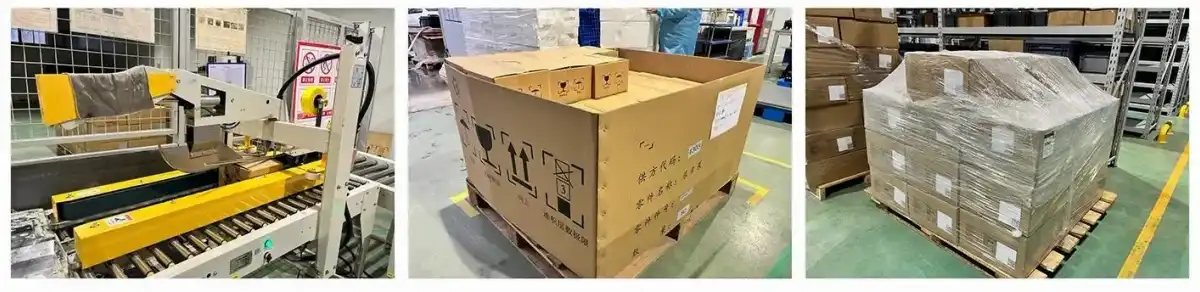
Pressure Sensor Manufacturers' Certification Process Explained
Procurement experts can figure out how mature and reliable a supplier is by looking at how makers get certifications. The path to certification shows how committed an organization is to quality and compliance.
Pre-Certification Assessment and Preparation
An internal gap study is the first step in the process. Manufacturers compare their current processes to the standards for approval to find places where they need to be improved. A lot of paperwork needs to be put together, like quality manuals, process flowcharts, work instructions, calibration records, and procedures for qualifying suppliers. Internal audits make sure that all production lines and shifts follow the written methods in the same way.
Third-Party Audits and Factory Inspections
On-site audits are done by accredited certification groups. They look at production sites, records of equipment upkeep, training materials for employees, and quality control systems. Auditors talk to employees at all levels to make sure that the company has a culture of quality. They follow sample products through the whole production process, from inspecting raw materials when they come in to testing and packaging them at the end. Before approval is given, any problems found during checks must be fixed with written plans for how to do so.
Product Testing and Validation
Certification groups test products to make sure they live up to their performance claims. Pressure sensors are tested for accuracy across their full range, for steadiness under thermal stress, for vibrations that mimic automobile and industrial settings, and for humidity, salt spray, and chemical exposure in the environment. To get an explosion-proof license, you have to go through special tests in approved labs that have controlled ignition chambers. Test reports are part of the technical paperwork that backs up CE marking and other conformity declarations.
Ongoing Compliance and Surveillance
Getting certified is not a one-time thing. Every year or every other year, producers are checked to make sure that their quality systems are still working and that they are meeting the standards for certification. Recertification may be needed if there are big changes to the products, processes, or facilities. Also, manufacturers need to keep an eye on changes to regulations and make changes to their compliance plans as needed. This ongoing dedication to quality control gives buyers faith that approved sensors will work well for as long as they are used.
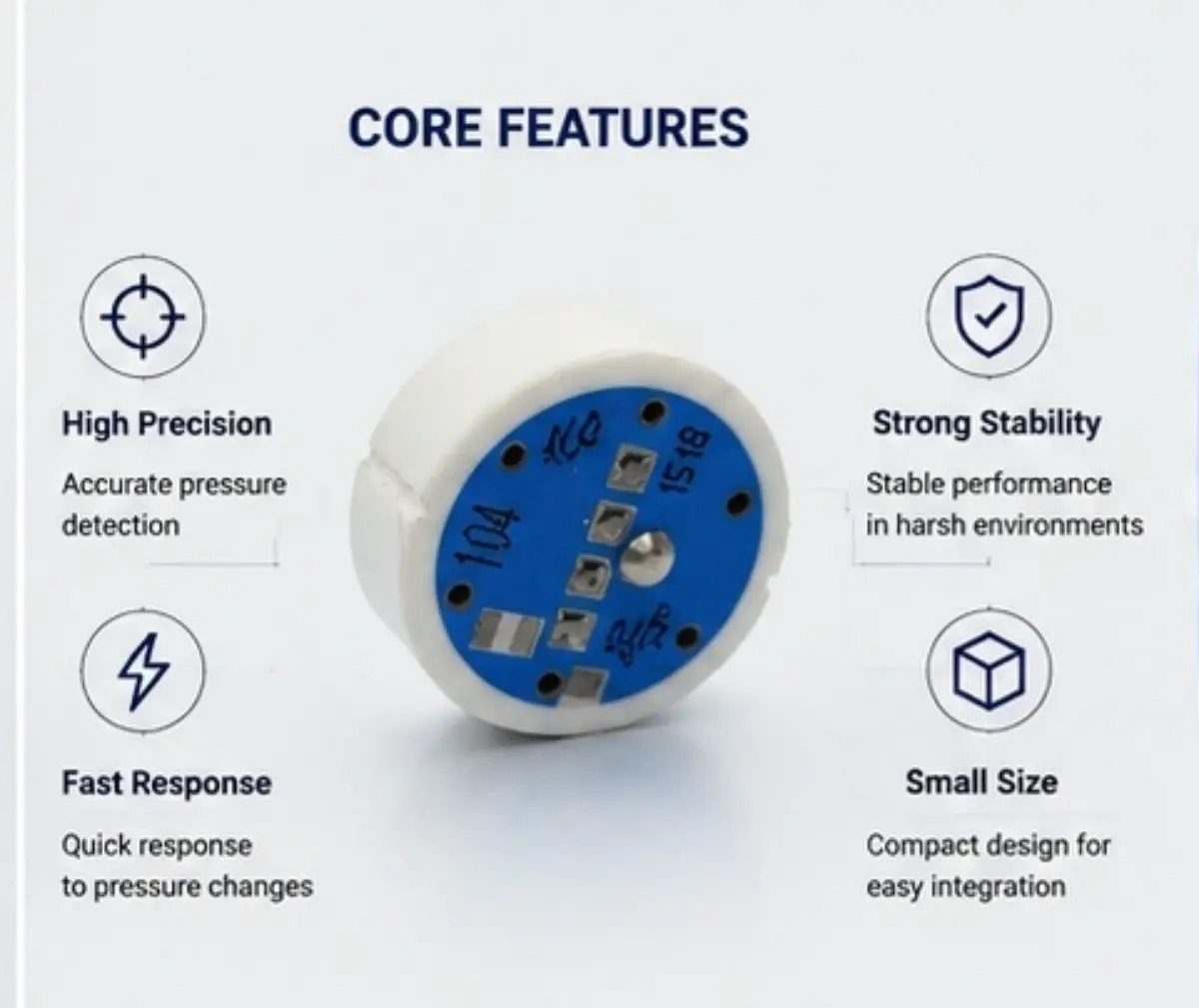
How Certifications Impact Pressure Sensor Procurement Decisions?
Certifications have a big impact on buying strategies because they show objectively how capable a seller is and how good their products are. They even out the distribution of information and help people make decisions with more confidence.
Risk Mitigation Through Certification Verification
Buying sensors that aren't authorised puts buyers at risk in a number of ways. Poor quality control can cause products to fail before they should, which could lead to expensive equipment downtime or safety issues. Sensors that don't follow the rules can be punished by the government with fines and limits on imports. Claims under warranties and cases for product liability hurt businesses' finances and image. Certified producers show that they have put in place routine risk-reduction steps that make these exposures much smaller.
Best practices for verification include asking for up-to-date certifications, making sure that the certificates cover the exact products and production sites that are being used, checking the validity dates and status of surveillance audits, and getting in touch with certification bodies directly to confirm authenticity. Purchasing managers and parts managers should make sure that suppliers' certifications are checked as part of the qualification process, not as a way to pick one supplier over another.
Building Buyer Confidence Through Transparency
Buyers and sellers can trust each other more when they talk openly about certifications. Suppliers should share technical documents, test results, and audit notes on their own. They should also talk about how their certifications help people in real ways, like by making products last longer and be more resistant to damage from the environment. This openness is very helpful for project sourcing engineers who are looking at monitors for industrial uses that need to be reliable, like generator sets and backup power systems.
Future Trends in Certification for Pressure Sensor Manufacturers
The certification environment is always changing because of new technologies and higher standards for sustainability. Buyers can make sure their supply lines will work in the future by keeping up with new trends.
Smart Sensors and Industry 4.0 Certifications
More and more, modern pressure sensors have digital communication protocols, diagnostics built in, and IoT connectivity. These smart monitors allow for planned repair, system optimisation in real time, and decision-making based on data. To deal with cybersecurity risks, data consistency, and interoperability, new licensing systems are being created. As sensor networks grow, rules like IEC 62443 for protecting industrial robotics will become more important.
MEMS technology has changed how small sensors can be and how well they work. Capacitive pressure sensors that are built on MEMS systems are very accurate, use very little power, and can handle a lot of vibration. Because of these qualities, they work great in HVAC systems for cars, TPMS systems (tire pressure tracking systems) and diesel engine emission control. As part of the certification process for MEMS sensors, the stability of the manufacturing process, the long-term drift characteristics, and the reliability under mechanical shock are all looked at.
Environmental and Sustainability Certifications Gain Prominence
Buyers are asking for proof of environmentally friendly producing methods more and more. Environmental management system certifications, such as ISO 14001, show that a company is dedicated to cutting down on waste, energy use, and carbon emissions. Some companies try to get carbon neutrality licenses to attract customers who have strict goals for sustainability. Supply chain openness programs need records of where materials come from, how they are handled, and any conflict minerals that are present along the entire value chain.
Green product approvals look at how the product affects the environment throughout its whole life, from getting the raw materials to throwing them away at the end of its useful life. These certifications look at how easily the product can be recycled, how much energy it uses, and whether it contains any persistent organic pollutants. As environmental laws get stricter around the world, proactive certification will set forward-thinking companies apart from their reactive competitors.
Digital Platforms Streamline Certification Verification
Digital procurement platforms are adding certification databases, which lets suppliers be automatically qualified. Blockchain technology promises to make certification records that can't be changed. This will lower the risk of fraud and make audit trails easier. More and more, online markets sort search results by licensing status. This makes compliance a competitive necessity rather than an extra that can be added. It will be easier for manufacturers to serve more than one market and adapt to changing needs if they buy digital certification management systems.
Conclusion
Certifications give buyers confidence when they decide to buy pressure sensors. They make sure that quality management systems work, that safety and environmental rules are followed, and that products can do what they're supposed to do. Figuring out which certifications are most important for your application makes it easier to find suppliers and lowers your risk. As rules on emissions get stricter and technology improves, the licensing scene will also change, so it's important to keep learning. Working with certified makers lowers the risks of buying things, helps with following the rules, and ensures long-term success in diesel engine, aftertreatment, and industry settings.
FAQ
What certifications should I prioritize when sourcing pressure sensors?
For quality control and automotive uses, ISO 9001 and IATF 16949 are must-haves. RoHS and REACH make sure that environmental rules are followed. For European markets, you have to have CE marking, and for North American markets, UL certification makes it easier to sell. For uses in dangerous places, you need industry-specific approvals like ATEX or IECEx. ISO/IEC 17025 makes sure that measurements can be tracked and that calibrations are accurate.
How do certifications affect pressure sensor pricing?
Certified sensors usually cost more up front because they have to go through a lot of testing, paperwork, and ongoing audits for surveillance. But they lower the total cost of ownership by lowering the number of failures, reducing the number of warranty claims, and keeping you from getting fined by the government. When you think about long-term dependability, quality expert help, and supply chain stability, the value case gets better.
Can I trust self-declared certifications from manufacturers?
For some approvals, like the CE mark, you can self-declare, but you need to back it up with a lot of technical paperwork and test results. Certifications like ISO 9001, IATF 16949, and UL that have been audited by a third party give you more confidence. Always ask for up-to-date certificates, check them directly with the organisations that issued them, and check the state of any ongoing surveillance audits to make sure that compliance is still being met.
Partner with Qintai for Certified Pressure Sensor Solutions
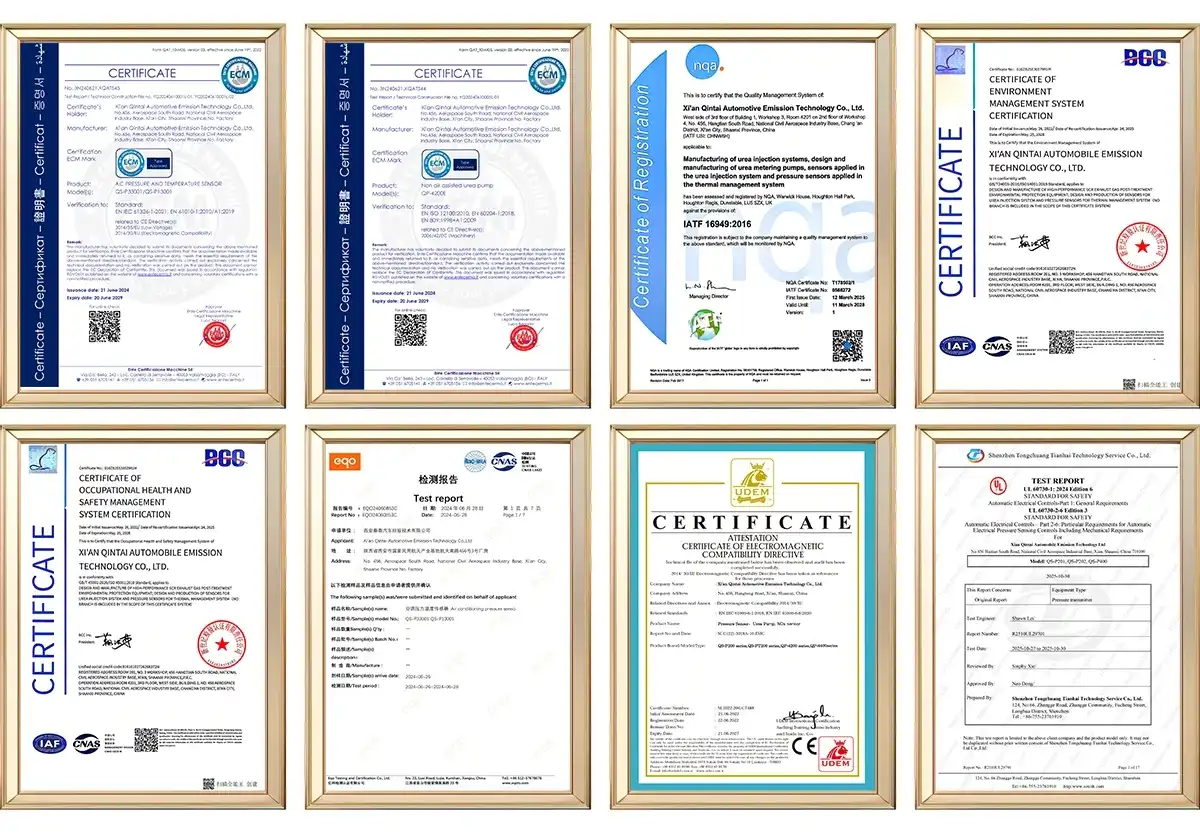
When it comes to making sensors and SCR aftertreatment for diesel engines, Qintai has more than twenty years of experience. We have a lot of certifications, like ISO 9001, IATF 16949, CMC, Ex, UL, CE, REACH, and RoHS. These show that we care about quality, safety, and the environment. Weichai Power, Yuchai Power, and Quanchai Power are some of China's biggest diesel engine makers, so we know how important it is to meet strict emission standards and make sure engines work well for a long time.
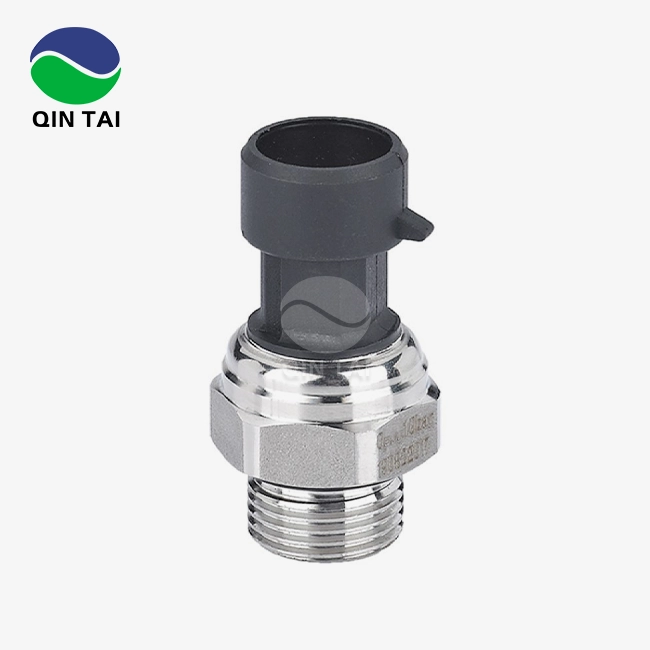
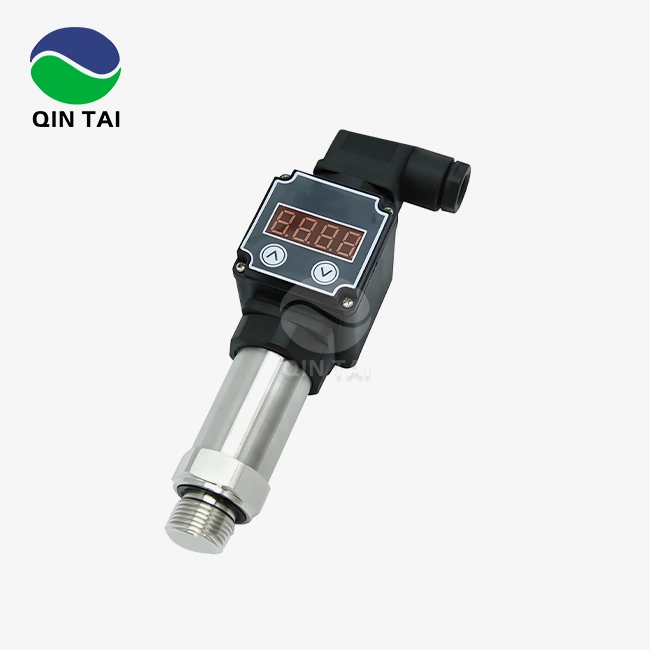
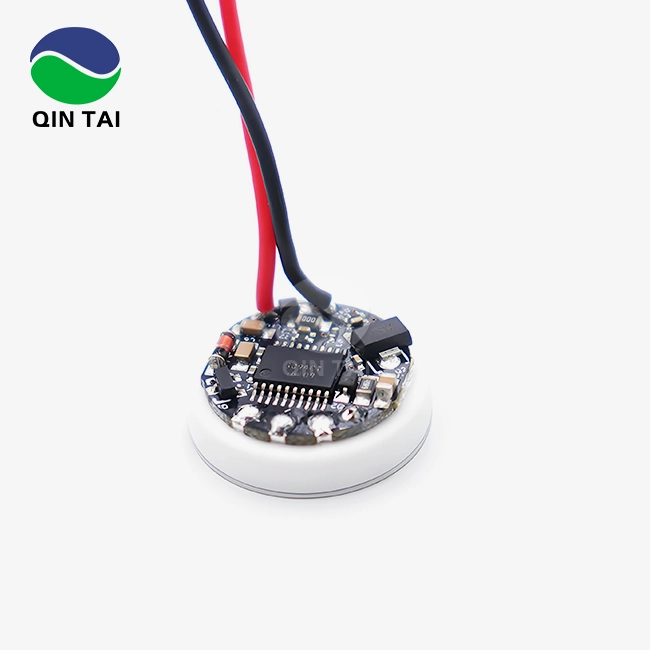
Our independent research and development team has 58 invention patents and is always coming up with new ideas to meet the needs of Industry 4.0 and smart sensors. You can easily add certified pressure sensors to your systems with our help because we offer fast delivery, open customisation, and dedicated expert support. Our ability to consistently produce high-quality parts in large quantities makes us a great choice whether you need capacitive pressure sensors for HVAC systems, submersible sensors for level tracking, or ceramic capacitive transducers for tough environments. Get in touch with our team at info@qt-sensor.com to talk about how our certified pressure sensor manufacturing services can help you meet your regulatory compliance and procurement goals.
References
1. International Organization for Standardization. "ISO 9001:2015 Quality Management Systems – Requirements." Geneva: ISO, 2015.
2. International Automotive Task Force. "IATF 16949:2016 Quality Management System Requirements for Automotive Production and Relevant Service Parts Organizations." Southfield: IATF, 2016.
3. European Commission. "Directive 2011/65/EU on the Restriction of the Use of Certain Hazardous Substances in Electrical and Electronic Equipment (RoHS)." Brussels: Official Journal of the European Union, 2011.
4. International Electrotechnical Commission. "IEC 60079 Series: Explosive Atmospheres – Equipment Requirements and Testing." Geneva: IEC, 2020.
5. Underwriters Laboratories. "UL 61010-1: Safety Requirements for Electrical Equipment for Measurement, Control, and Laboratory Use." Northbrook: UL Standards, 2012.
6. European Parliament and Council. "Regulation (EC) No 1907/2006 concerning the Registration, Evaluation, Authorisation and Restriction of Chemicals (REACH)." Brussels: Official Journal of the European Union, 2006.


Our customers’ satisfaction speaks for our quality — contact us to experience the same reliable service.