- English
- French
- German
- Portuguese
- Spanish
- Russian
- Japanese
- Korean
- Arabic
- Greek
- German
- Turkish
- Italian
- Danish
- Romanian
- Indonesian
- Czech
- Afrikaans
- Swedish
- Polish
- Basque
- Catalan
- Esperanto
- Hindi
- Lao
- Albanian
- Amharic
- Armenian
- Azerbaijani
- Belarusian
- Bengali
- Bosnian
- Bulgarian
- Cebuano
- Chichewa
- Corsican
- Croatian
- Dutch
- Estonian
- Filipino
- Finnish
- Frisian
- Galician
- Georgian
- Gujarati
- Haitian
- Hausa
- Hawaiian
- Hebrew
- Hmong
- Hungarian
- Icelandic
- Igbo
- Javanese
- Kannada
- Kazakh
- Khmer
- Kurdish
- Kyrgyz
- Latin
- Latvian
- Lithuanian
- Luxembou..
- Macedonian
- Malagasy
- Malay
- Malayalam
- Maltese
- Maori
- Marathi
- Mongolian
- Burmese
- Nepali
- Norwegian
- Pashto
- Persian
- Punjabi
- Serbian
- Sesotho
- Sinhala
- Slovak
- Slovenian
- Somali
- Samoan
- Scots Gaelic
- Shona
- Sindhi
- Sundanese
- Swahili
- Tajik
- Tamil
- Telugu
- Thai
- Ukrainian
- Urdu
- Uzbek
- Vietnamese
- Welsh
- Xhosa
- Yiddish
- Yoruba
- Zulu
What Factors Affect Pressure Transmitter Performance and Accuracy?
Pressure transmitter performance directly affects the quality and efficiency of critical industrial systems across diesel engine manufacturing, aftertreatment integration, and heavy-duty equipment operations. Accurate pressure measurement prevents costly downtime, ensures emissions compliance, and extends equipment lifespan. The accuracy of these devices is influenced by multiple technical and environmental factors that purchasing managers and R&D engineers must understand before making procurement decisions.
We know that selecting the right pressure measurement instrument demands careful evaluation of sensor technology, environmental resilience, certification credentials, and supplier reliability. This guide provides practical insight into the core factors determining device performance, helping professionals optimize their procurement strategy while meeting stringent regulatory requirements like China VI and Euro VI emission standards. Throughout this article, we explore real-world considerations that align with the needs of OEMs, aftertreatment integrators, and generator set manufacturers operating in demanding industrial environments.
Understanding Pressure Transmitter Performance and Accuracy
When we look at a Pressure Transmitter, we need to tell the difference between a few performance traits that overlap but are still different. How close the recorded number is to the real pressure is called its accuracy. This is usually shown as a percentage of full-scale output. Precision talks about repetition, or whether the device gives the same results every time the same conditions are used. Stability is a measure of how well the transmission stays accurate over time without drifting, and dependability is a measure of how likely it is that the device will work without stopping for its entire estimated lifespan.
Certifications from the industry back up these claims of performance and make sure operations are safe. ATEX certification covers tools that are used in places that could be explosive, like places that test diesel engines and petrochemicals. Pressure Transmitters must meet strict electrical and mechanical safety standards when they are near gases, vapours, or dust that can catch fire because of this rule. SIL scores measure practical safety in important control applications and help engineers figure out how well they can lower risk. IECEx makes sure that explosion security standards are the same all over the world. This lets technology be used anywhere with confidence that it will be safe.
Core Pressure Measurement Principles
Depending on the reference point, Pressure Transmitters can measure three different types of pressure. These gauge pressure devices check the difference between the process pressure and the atmospheric pressure. They can be used in most industrial settings where the atmospheric pressure is a good starting point. Absolute Pressure Transmitters use a sealed vacuum room, which is necessary for uses that are sensitive to altitude or processes where changes in the atmosphere affect the results. Differential pressure measurement compares two pressure sources. It is often used to check filters, measure flow, and find levels in diesel particulate filter systems.
Sensor Technologies and Their Impact on Accuracy
The physical sensing element is what makes measurement characteristics possible. Capacitive sensors pick up changes in capacitance caused by pressure between a diaphragm and a set electrode. They are very stable and have low distortion, making them good for use in clean gas and liquid situations. Piezoresistive sensors use semiconductor strain gauges whose electrical resistance changes when they are put under mechanical stress. This gives them a quick reaction time and a wide pressure range, which makes them perfect for measuring diesel engines that are moving. Strain gauge technology attaches resistive elements to a metal diaphragm, making a cheap option that works well at low temperatures.
Thin-film technology of today is a big step forward in how sensors are made. The vacuum-sputtering process puts strain-sensitive material directly onto stainless steel diaphragms at the molecular level. This gets rid of the need for organic glues that break down over time. In uses that have a lot of pressure cycles or temperature changes, this atomic-level bond stops creep and thermal ageing, which are two major problems. The artificial structure guarantees long-term stability, which is important for SCR aftertreatment systems because sensor drift can make emissions compliance worse and cause false diagnosis codes.
Key Factors Affecting Pressure Transmitter Accuracy and Performance
A lot of technical factors work together to determine how accurate measurements are in the real world, above and beyond what is required by the sensor. Knowing about these things helps people who work in buying choose gadgets that will work well throughout their entire life, not just when they are first calibrated.
Sensor Type Selection and Output Configuration
Differential transmitters are great for tasks that need to compare two process points, like checking the pressure drop across DPF filters to see if they need to be regenerated. The gauge setup works best for measuring engine manifold pressure when an atmospheric standard is available. Absolute sensors are needed when changes in altitude or the accuracy of a fixed reference are important, like when barometric adjustment is needed in engine control units.
Choice of output data affects how well the system works together and how well it can be diagnosed. Traditional 4-20mA analogue transmission blocks noise well over long cable runs, and the 4mA baseline makes it possible to find broken wires, which is an important safety feature for unmanned generator sites. Digital standards, such as HART, Profibus, and CANbus, add diagnostic data to analogue signals or allow for fully digital communication. This makes predictive maintenance possible by letting sensors constantly check their own health, temperature compensation accuracy, and calibration state.
Calibration and Maintenance Requirements
The mathematical link between physical pressure and electrical output is set up during calibration. Under controlled conditions, factory calibration usually achieves the required accuracy. However, field conditions introduce variables that need to be checked on a regular basis. The amount of time between calibrations relies on how important the application is, how bad the surroundings is, and what the rules say. High-stakes monitoring of emissions might require checks every three months, while checks might be done once a year for stable industrial processes.
During the calibration process, the output of the emitter is compared to reference standards that can be tracked across the whole measurement range. Linearity mistakes and hysteresis can be seen when the span is calibrated at 0%, 25%, 50%, 75%, and 100%. The zero and span changes fix mistakes in offset and gain, respectively. Modern digital receivers save characterisation data so that software can fix problems without having to change the hardware. This makes field calibration easier and lowers the chance of human mistake.
Environmental Factors and Installation Practices
Every part of the measurement chain is affected by temperature. There are mistakes because the detecting diaphragm expands when it gets hot, the temperature coefficient of resistance in strain gauges changes, and the thickness of the fill fluids changes. Good receivers have temperature sensors and compensation systems that keep thermal drift to a minimum across their recommended working ranges. Applications that deal with sudden changes in temperature or harsh environmental conditions benefit from receivers that are better at withstanding these conditions. This is especially true for generator set applications, where desert and cold deployments create difficult thermal environments.
Accuracy is lost and service life is shortened by mechanical stress caused by bad positioning, shaking, or process pulses. Pressure spikes from starting up a pump or closing a valve can be higher than what the transmission can handle. This can damage the diaphragm or wear it out over time. Using vibration-isolating mounts, installing pulsation dampeners, and choosing Pressure Transmitters with the right overpressure protection are all ways to keep accuracy high in demanding situations like hydraulic systems for construction equipment.
Corrosive attacks that change sensor geometry and calibration can't happen if the process media and wet materials are chemically compatible. Most industrial fluids can't damage stainless steel, but diesel aftertreatment systems may produce exhaust gas condensate that contains sulphuric and nitric acids, which means that better materials or protected coats are needed. Extremes in media temperature and pressure must stay within the limits for the transmission to keep the seal from failing or the diaphragm from bursting.
Comparing Pressure Transmitter Solutions for Industry Applications
Different types of industries have their own rules that affect how transmitters are chosen. Knowing these application-specific needs helps match the device's skills to how it will be used.
OEMs of diesel engines look for sensors that can work in tough conditions under the hood, where temperatures can change quickly, there is shaking, and electromagnetic interference from ignition systems can happen. For DPF monitoring, measuring exhaust backpressure needs to be able to handle high temperatures and exhaust that is full of particles. Absolute pressure sensors in the intake manifold need to be able to respond quickly in order to keep up with changing conditions during acceleration. For these uses, small packaging, stability at the car level, and compatibility with engine control methods are all important.
Integrators of aftertreatment systems need sensors that can be mounted in a variety of ways, have electrical connections that can be changed, and give accurate input throughout the whole regeneration cycle. Differential pressure measurements across catalyst surfaces can help SCR systems find contamination or thermal decay. Standard protocols make it possible to connect to a variety of control platforms. This speeds up system integration and cuts down on development time.
Explosion-Proof and Hazardous Area Certification
When working with dangerous or explosive materials or environments, you need equipment that is either naturally safe or explosion-proof. ATEX-certified Pressure Transmitters meet European standards for use in potentially explosive environments. These standards cover different types of equipment based on how likely and long the exposure will last. These devices use current limits, voltage caps, and energy storage limits to keep electrical energy below levels that could start fires in the atmosphere.
Intrinsically safe receivers use barrier isolators to make sure that energy limits are met even when there is a fault. Explosion-proof housings keep possible spark sources inside enclosures that can handle explosions inside and stop flames from spreading. Manufacturers of generator sets for use in the oil field and mines need these certifications to make sure their workers are safe and that they follow the rules.
Evaluating Established Brands and Emerging Suppliers
Well-known companies like Emerson's Rosemount business, Honeywell, ABB, Siemens, Yokogawa, and WIKA built their names over many years of field performance data and large support networks. These brands have a lot of products that can be used for almost any measuring need. They also have a global service system and parts that are available for a long time. Their higher prices are due to their advanced engineering, wide range of certifications, and brand recognition, all of which are valued in risk-averse purchasing situations.
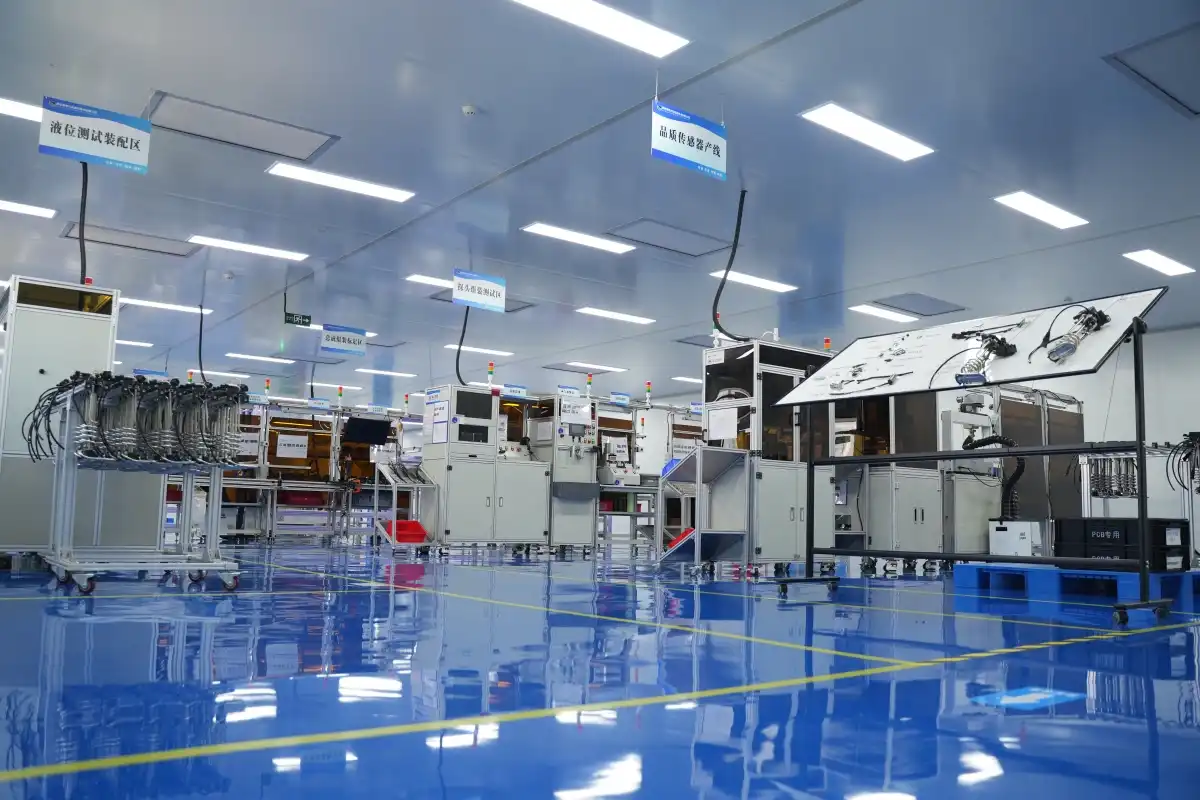
New specialised providers offer competitive options, especially for OEM uses that need a lot of parts. Companies like Xi'an Qintai Automotive Emission Technology offer solutions that are tailored to specific needs, with flexible customisation options, low prices, and dedicated expert support. Their engineering teams know a lot about what diesel engines and aftertreatment systems need, which means they can make better initial specifications and solve problems faster. The trade-off is weighing a newer market position against a track record that has been around for a while. However, strong quality certifications and OEM relationships can help build trust.
Optimizing Procurement Decisions for Pressure Transmitters
Strategic procurement weighs the needs for technical performance against business factors like total cost of ownership, supply chain reliability, and the quality of the vendor relationship. Effective evaluation frameworks look at both the supplier's quantitative and qualitative qualities.
The main technical selection factor is the accuracy class, which for industrial uses usually falls between ±0.1% and ±0.5% of the span. It costs more to get higher accuracy, but it lowers process error and lets you set control bands that are smaller. Applications that directly affect safety or environmental compliance should invest in higher accuracy, while tracking that isn't important may be able to handle wider margins.
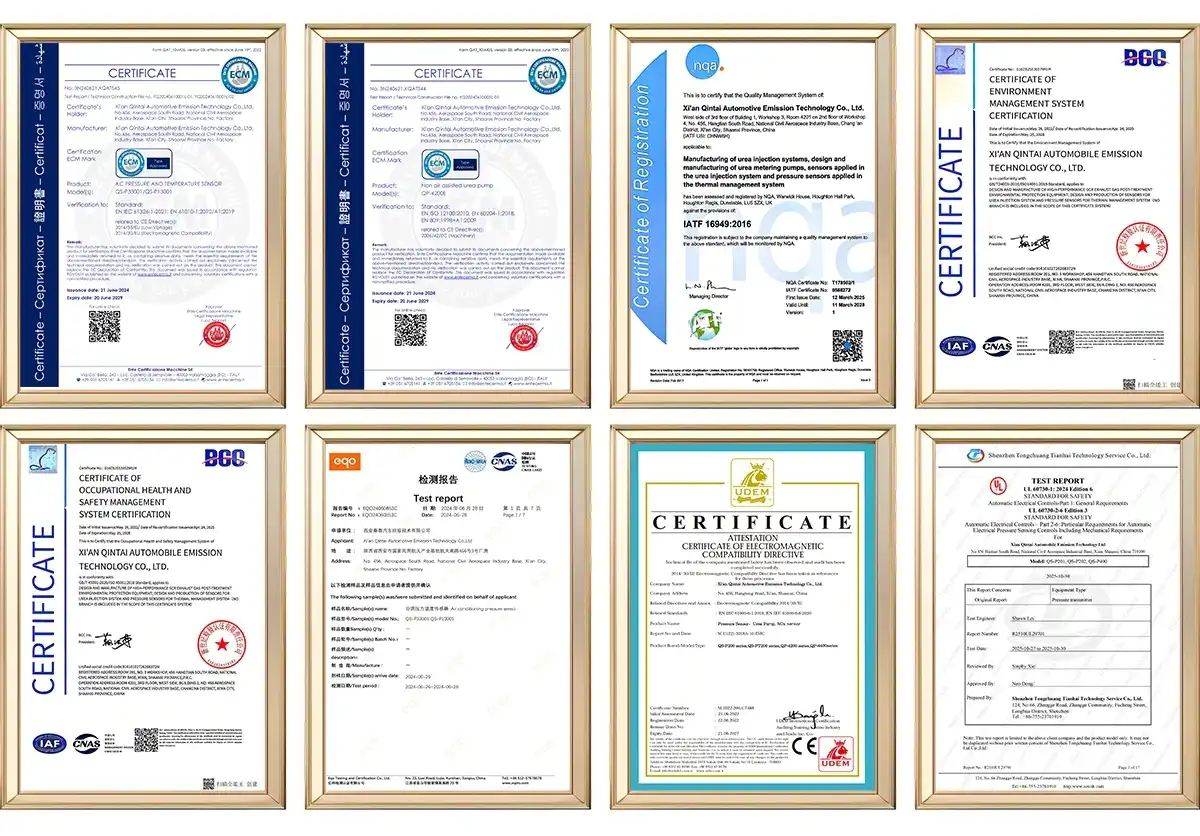
Certifications prove that you follow the rules and lower the risk of release. The ISO 9001 quality management system and the IATF 16949 automotive quality standards show that the process is mature and that there is a culture of continuous improvement. Industry-specific certifications, such as the CMC mark for entry to the Chinese market, the CE mark for conformity in Europe, and the UL rating for electrical safety in North America, lower market hurdles. Following the rules set by the RoHS and REACH guidelines for the environment protects sustainable sources and reduces limits on waste disposal.
Custom Versus Standard Models
Standard catalogue items are available right away, have been proven to work, and can be used in a wide range of situations. Their specs cover common needs with as little difficulty as possible in the buying process. Different mounting requirements, non-standard pressure ranges, special materials, or built-in features like temperature measurement in a single box can all be met by custom or changed designs. Customisation can make wait times longer and unit costs higher, but it also makes system integration and performance better for high-volume production uses.
The ability of the supplier to make changes decides whether customisation is possible. A company with its own research and development team and flexible manufacturing can easily change designs, but a company that sells fixed product lines can't. Intellectual property ownership, development capacity, and design flexibility are some of the things that can help you find suppliers who can grow as your application needs do.
Balancing Cost with Quality and Service
The initial price is only a small part of the total cost over its lifetime. Installation complexity, calibration regularity, failure rates, and substitute part availability greatly impact total ownership cost. Even though they cost more, reliable Pressure Transmitters with longer tuning intervals and lower failure rates are still a better buy. If, on the other hand, low-end devices that are cheap and easy to install may be more cost-effective when they can be replaced quickly.
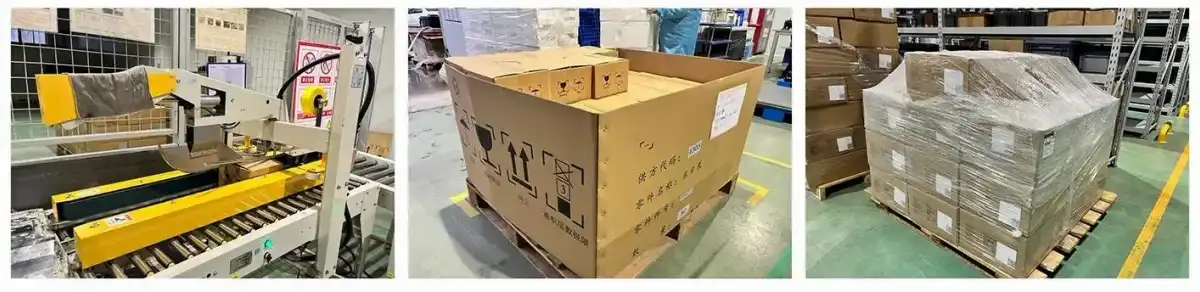
Warranty terms show how confident the manufacturer is and spell out who is responsible for what. Standard guarantees cover flaws in the making process for 12 to 24 months and offer basic security. Longer warranties or performance guarantees show that you have more faith in the product's durability. Understanding the warranty exclusions for things like improper installation, exposure to the environment, and normal wear and tear makes it clear what kind of protection is being offered.
Troubleshooting and Maintaining Pressure Transmitter Accuracy Over Time
Even Pressure Transmitters that are properly placed and defined need regular maintenance to keep working correctly for as long as they are in use. Structured repair and proactive tracking keep processes honest and reduce unplanned downtime.
Signal drift is a slow change in output from what was set. It is usually caused by sensors getting old, getting dirty, or being stressed out by their surroundings. When emitter output is compared to reference gauges during normal operation, drift is found before it affects process control. Digital transmitters that can self-diagnose will let operators know when accuracy is starting to drop below acceptable levels. This lets them take action before the accuracy goes too low.
Systematic Troubleshooting Methodology
Systematic analysis is a fast way to find the root reasons of measurement problems. Checking the voltage and current draw of the power source proves that the electrical equipment is working properly. Connection problems can be fixed by checking the shield grounding, wire continuity, and contact tightness. When you compare the output of the transmitter to portable reference standards set to known pressures, you can tell the difference between sensor errors and problems with the display or control system.
A physical inspection shows that measurements are being thrown off by damage from the environment, corrosion, or process buildup. Loose attachment gear makes the system more sensitive to vibrations and puts stress on the parts. Impulse lines or sensing ports that are blocked make responses slow or stop working completely. Electrical housings that are wet can develop ground problems and act in strange ways. Taking care of these physical problems often brings back efficiency without the need for replacement.
Preventive Maintenance Practices
Inspections that are planned ahead of time find problems before they become major ones. A quick visual check of the housing's soundness, the state of the cables, and the mounting's security stops big problems before they happen. Impulse line check makes sure that there are clear communication ways for pressure and that the drainage or vapour trap is set up correctly. Periodic calibration testing keeps people confident in the accuracy of measurements and meets the needs of legal paperwork.
Keeping detailed records of calibration history, fix actions, and environmental exposure lets you make choices about when to replace something based on data. Patterns that show up in more than one unit may be signs of application-specific stress factors that need to be taken into account in the design or environmental protection. This paperwork is very helpful during audits and helps with efforts to keep getting better.
Conclusion
Several factors work together to decide if a Pressure Transmitter gives accurate and reliable readings for the whole time it is in use. Real-world performance is based on things like the environment, the quality of the system, and how often it is maintained. Sensor technology sets the basic powers. By understanding these factors, you can make smart choices about buying that combine technical needs with business needs.
For implementation to go well, the device specs must meet the needs of the application, suppliers must be able to provide the right technical help, and upkeep procedures must be set up that keep accuracy over time. Buying quality measuring tools is a good idea because they help with process control, following the rules, and lowering downtime in heavy-duty equipment, making diesel engines, and integrating aftertreatment systems.
FAQ
How often should pressure transmitters be calibrated to maintain accuracy?
How often you need to calibrate depends on how important the application is, how bad the environment is, and what the rules say. To follow environmental rules, measurements of emissions might need to be checked every three months, but checks for stable industrial processes might be done once a year. Manufacturers usually say that tuning should be done once a year as a starting point, and that it should be changed based on experience in the field. Digital receivers that can do diagnostics can extend intervals by letting workers know about problems before they get really bad.
What distinguishes a pressure sensor from a pressure transmitter?
Pressure sensors send out low-level electrical signals (millivolts) that are related to the pressure that is being applied. In order to be useful, these signals need to be processed by separate electronics. Pressure Transmitters combine the sensing element with amplification, temperature compensation, and output conversion circuitry to produce standardised signals like 4-20mA or digital protocols. This combination makes installation easier, reduces noise, and lets you connect directly to control systems without using extra electronics.
Can wireless pressure transmitters match the accuracy of wired systems?
Today's wireless receivers are just as accurate as wired ones because the measuring element and signal processing equipment are what really matter, not the way the signal is sent. The rate of updates is affected by wireless communication, not the accuracy of measurements. Wireless units that run on batteries may take samples less often to save power, but each test still meets all accuracy standards. Applications that need high-speed monitoring all the time should use wired connections. On the other hand, applications that only need monitoring every once in a while should use wireless installations.
Partner with a Trusted Pressure Transmitter Manufacturer
Xi'an Qintai Automotive Emission Technology is ready to help you with your pressure measurement needs because they have a lot of experience with diesel engines and aftertreatment systems. We have been supplying high-stability sensors to top OEMs like Weichai Power, Yuchai Power, and Quanchai Power since 2001. By focusing on quality and innovation all the time, we have become the market leader in China. Our many certificates, including ISO9001, IATF16949, ATEX, UL, CE, RoHS, and REACH, show that we are dedicated to meeting foreign standards and rules.
We offer open customisation options and have an independent research and development team with 58 idea patents to back them up. This lets us make solutions that are exact matches for your needs and working environments. Our engineering team works together to provide the best solutions at the fastest possible times, whether you need explosion-proof versions for dangerous areas, custom mounting configurations for tight setups, or special output protocols for system integration.
As a direct manufacturer of Pressure Transmitters that ships to more than 60 countries around the world, we don't have to pay markups to middlemen. We also offer quick expert help and reliable supply lines. Get in touch with our team at info@qt-sensor.com to talk about your specific needs and find out how Qintai's application knowledge and manufacturing skills can improve the performance of your product while maximising your procurement investment.
References
1. Liptak, B.G. (2018). Instrument Engineers' Handbook: Process Measurement and Analysis (5th ed.). CRC Press.
2. Webster, J.G., & Eren, H. (2014). Measurement, Instrumentation, and Sensors Handbook: Spatial, Mechanical, Thermal, and Radiation Measurement (2nd ed.). CRC Press.
3. International Electrotechnical Commission. (2020). IEC 61508: Functional Safety of Electrical/Electronic/Programmable Electronic Safety-related Systems. IEC Standards.
4. European Union. (2014). ATEX Directive 2014/34/EU: Equipment and Protective Systems Intended for Use in Potentially Explosive Atmospheres. Official Journal of the European Union.
5. American Petroleum Institute. (2019). API Standard 2350: Overfill Protection for Storage Tanks in Petroleum Facilities (4th ed.). API Publishing Services.
6. International Society of Automation. (2017). ISA-5.1-2009: Instrumentation Symbols and Identification. ISA Standards and Practices.
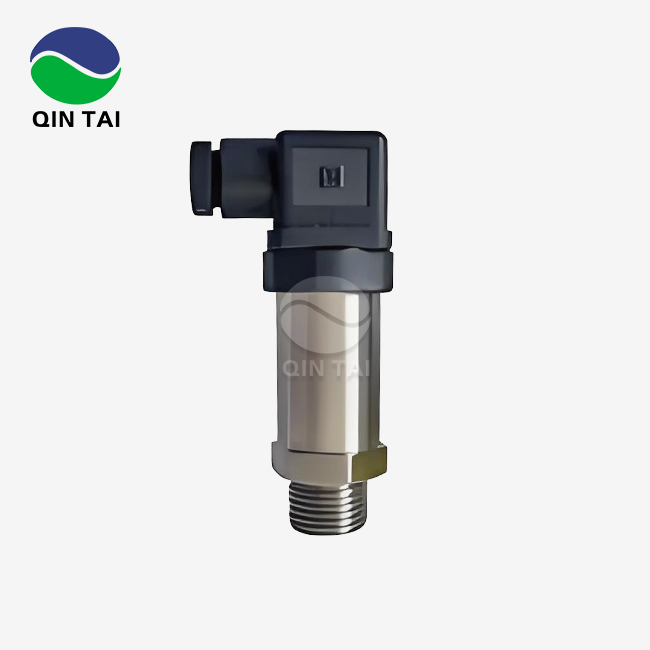
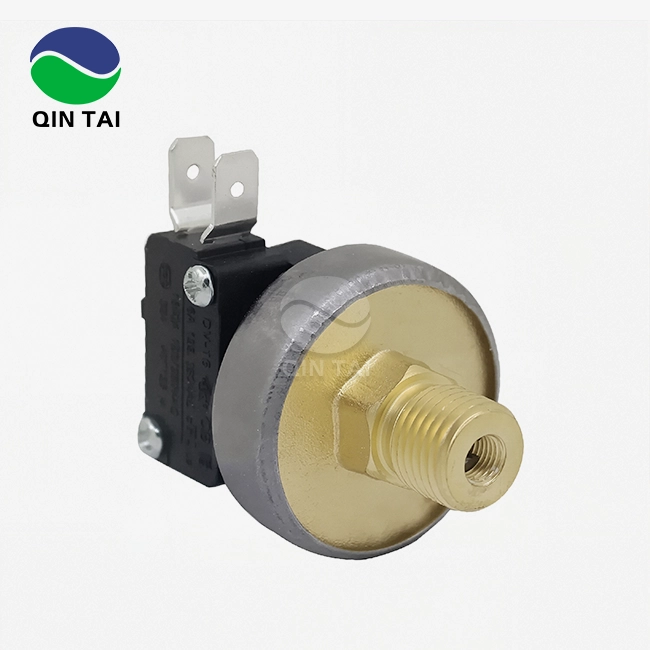
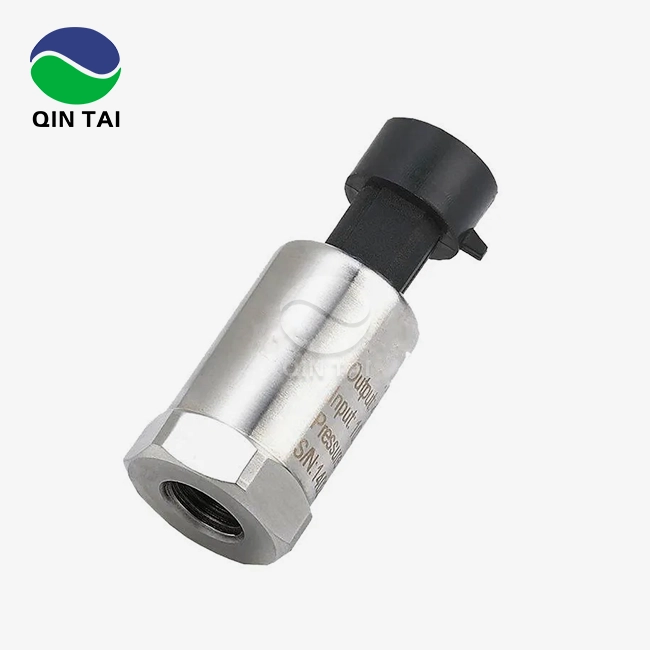

Our customers’ satisfaction speaks for our quality — contact us to experience the same reliable service.