- English
- French
- German
- Portuguese
- Spanish
- Russian
- Japanese
- Korean
- Arabic
- Greek
- German
- Turkish
- Italian
- Danish
- Romanian
- Indonesian
- Czech
- Afrikaans
- Swedish
- Polish
- Basque
- Catalan
- Esperanto
- Hindi
- Lao
- Albanian
- Amharic
- Armenian
- Azerbaijani
- Belarusian
- Bengali
- Bosnian
- Bulgarian
- Cebuano
- Chichewa
- Corsican
- Croatian
- Dutch
- Estonian
- Filipino
- Finnish
- Frisian
- Galician
- Georgian
- Gujarati
- Haitian
- Hausa
- Hawaiian
- Hebrew
- Hmong
- Hungarian
- Icelandic
- Igbo
- Javanese
- Kannada
- Kazakh
- Khmer
- Kurdish
- Kyrgyz
- Latin
- Latvian
- Lithuanian
- Luxembou..
- Macedonian
- Malagasy
- Malay
- Malayalam
- Maltese
- Maori
- Marathi
- Mongolian
- Burmese
- Nepali
- Norwegian
- Pashto
- Persian
- Punjabi
- Serbian
- Sesotho
- Sinhala
- Slovak
- Slovenian
- Somali
- Samoan
- Scots Gaelic
- Shona
- Sindhi
- Sundanese
- Swahili
- Tajik
- Tamil
- Telugu
- Thai
- Ukrainian
- Urdu
- Uzbek
- Vietnamese
- Welsh
- Xhosa
- Yiddish
- Yoruba
- Zulu
How Pressure Sensors Improve Industrial Process Control
Pressure sensors fundamentally transform industrial process control by delivering precise, real-time measurements that enhance operational accuracy, ensure safety compliance, and reduce costly downtime. These devices convert physical pressure into electrical signals, enabling automated systems to respond instantly to changing conditions. Whether monitoring hydraulic systems in heavy trucks, optimizing exhaust aftertreatment in diesel engines, or maintaining stable operation in generator sets, pressure sensors provide the critical data that keeps industrial processes running smoothly and efficiently while meeting stringent emission regulations.
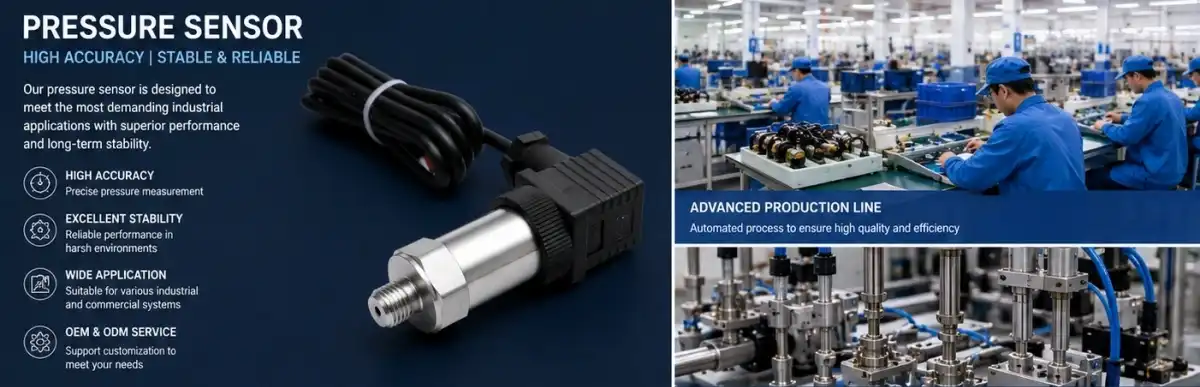
Understanding Pressure Sensors in Industrial Process Control
In modern factories, measuring pressure needs to be very accurate to keep up the quality of the products and keep workers safe. Pressure Sensors act as the eyes and ears of automated systems, constantly checking on things and allowing quick changes to be made.
Core Technologies Behind Pressure Measurement
Different sensor systems meet the needs of different industries. Capacitive Pressure Sensors use a clay diaphragm that changes shape when pressure is put on it, which changes the capacitance between two wires. This change is turned into an electrical output that is related to the force that is being applied. When mechanical stress is put on piezoelectric devices, they make electrical charges. This makes them perfect for measuring dynamic pressure. Depending on the situation and the need for accuracy, each technology has its own benefits.
Key Performance Metrics That Matter
Three important factors determine how well a sensor works in industrial settings. Accuracy is a measure of how closely readings match real pressure values. It is usually given as a percentage of full-scale output. Response time shows how quickly sensors pick up changes in pressure, which is very important for safety systems that need input right away. Stability over long periods of time makes sure that measures stay the same even when temperature changes, vibrations happen, or electromagnetic interference happens. This has a direct effect on repair plans and the reliability of the system.
Transducers Versus Sensors: Clarifying the Distinction
A lot of the time, the terms make buying teams confused. Sensors pick up pressure and send out analogue signals, while transducers use signal conditioning circuitry to send out standard signals like 4-20mA or digital protocols. Engineers can choose the right devices that work with existing control systems by understanding this difference. This makes installation easier and makes sure the devices work with programmable logic controllers.
Challenges in Industrial Process Control Without Adequate Pressure Sensing
Poor tracking of pressure causes problems that spread through an entire industry. Systems can't keep working at their best without clear real-time data, which can cause quality problems and safety risks.
Operational Risks of Traditional Measurement Methods
Old mechanical gauges aren't quick enough for automatic systems today. Readings that are done by hand can be wrong, and they can't be used for continuous monitoring. When diesel engine aftertreatment systems use old ways of measuring, they can't keep emissions under control, which means they might not meet China VI or Euro VI guidelines. Problems cause production delays when they aren't found until the whole system fails and needs to be shut down quickly.
Cost Implications of Pressure Measurement Failures
Pressure changes that aren't noticed lose time, money, and materials. A broken fuel rail Pressure Sensor in a generator set can make the burning process less efficient, which can lead to 15-20% more fuel being used. If the differential pressure readings across diesel particulate filters are off in SCR aftertreatment systems, regeneration cycles can't finish. This speeds up component wear and means they need to be replaced before they're supposed to. These mistakes raise the cost of upkeep and shorten the life of the equipment.
How Advanced Sensors Address These Limitations
Digital Pressure Sensors with built-in microprocessors can diagnose themselves and give better accuracy. While keeping accuracy, variable capacitance Pressure Sensors can resist harsh conditions. Using industrial protocols, smart sensors can talk directly to control systems, which lets maintenance plans be planned ahead of time. When HVAC Pressure Sensors notice changes in the difference in pressure between filters, they send out automatic alerts before blockages affect the system's performance, which saves money by avoiding costly downtime.
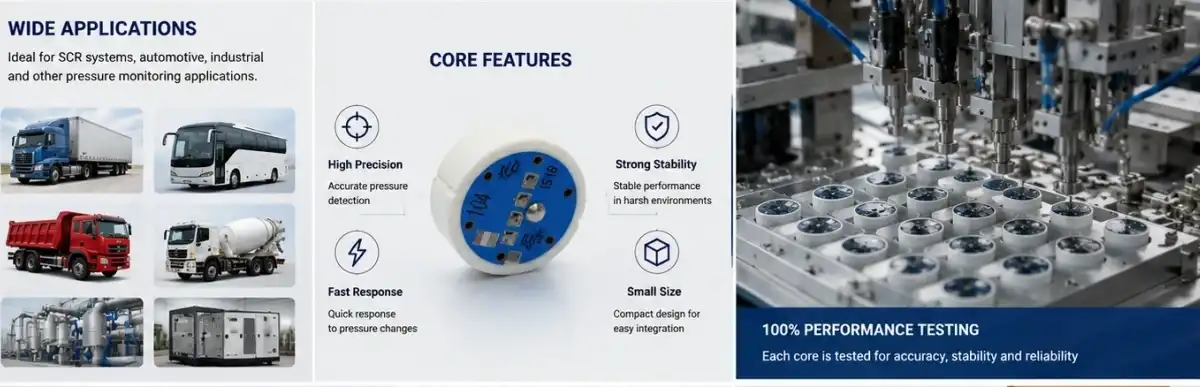
Selecting the Right Pressure Sensor for Industrial Applications
To pick the right sensing devices, you have to weigh a lot of technical factors against specific practical needs. B2B buying teams and R&D experts have to find a balance between long-term dependability, price limits, and performance requirements.
Technical Criteria for Sensor Selection
Compatible pressure ranges make sure that sensors work within the best measurement windows. A capacitive Pressure Sensor made for low-pressure uses will break down early if it is put in hydraulic systems with high pressure. Environmental tolerance includes being able to handle high and low temperatures, corrosive media, and vibrations. For use in construction equipment, rugged sensors that stay accurate even when they are under constant mechanical stress and temperature changes from -40°C to 125°C are needed.
Material compatibility prevents chemical reactions that degrade sensor components. In diesel engine aftertreatment systems, housings made of stainless steel and ceramic parts don't rust in settings with exhaust gas, so they last longer. Different types of electrical connections, like M12 connectors, DIN configurations, or custom interfaces, affect how easy it is to install and maintain.
Comparative Analysis of Sensing Technologies
Applications needing high accuracy and long-term steadiness benefit greatly from Capacitive Ceramic Pressure Sensors. Because they are built to last, they are perfect for controlling engine parts in cars and keeping an eye on industry processes. Piezoelectric types react more quickly to changes in dynamic pressure, making them good for analysing burning and quick changes in dynamic pressure. When choosing between technologies, keep in mind that capacitive sensors usually work better with changing temperatures, while piezoelectric ones work better with high or low pressures.
Analogue outputs are easy to use and work with older systems, while digital sensors that can communicate over CANbus or Modbus can be used in Industry 4.0 settings. This choice affects the size of the data, how complicated the wiring is, and how the system can grow.
Quality Certifications and Compliance Standards
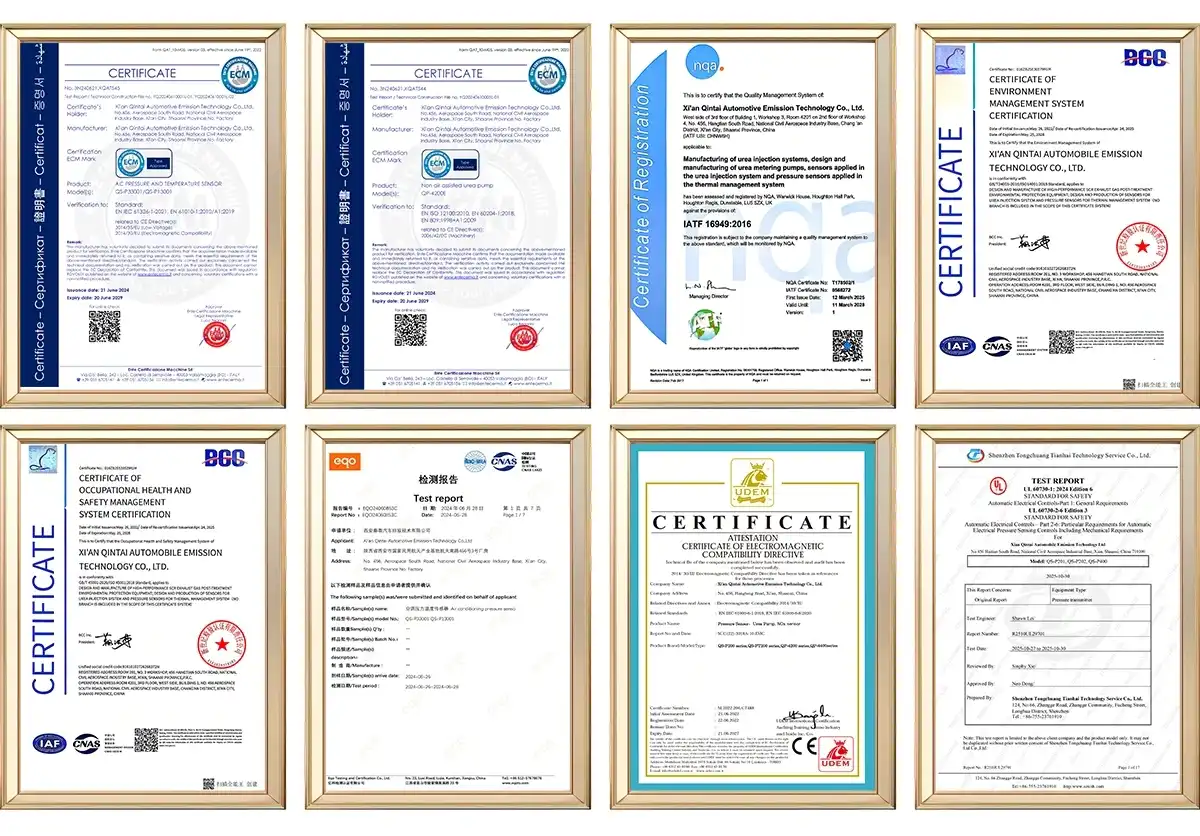
Manufacturers with good reputations have ISO9001 and IATF16949 certifications, which show that their quality control systems meet the standards of the automotive business. ATEX or IECEx certifications show that a product is intrinsically safe for use in dangerous settings, which is very important for oil and gas uses. The CE marking makes sure that the product meets safety and electromagnetic compatibility standards for European markets. The UL listing makes sure that the product meets safety standards in North America. Checking these qualifications when evaluating a provider lowers long-term risk and makes sure that regulations are followed.

Integrating Pressure Sensors into Industrial Process Control Systems
A successful deployment of sensors includes more than just choosing the right devices. It also includes system design, installation methods, and relationships with suppliers that support practical goals.
Implementation in Control Loops and Safety Systems
In feedback control loops that keep the process stable, Pressure Sensors play a crucial role. In SCR systems, capacitance-type Pressure Sensors keep an eye on the difference in pressure across the catalysts and change the rate of urea input to get the best NOx reduction while stopping ammonia slip. When pressure readings go above safe limits, safety interlock devices turn off the equipment. This keeps people safe and stops catastrophic breakdowns.
Real-time monitoring enables predictive maintenance strategies. Changes in hydraulic pressure that happen slowly can mean that a seal is wearing out or the fluid is getting dirty before the system fails completely. Data logging records patterns in performance, which helps plan maintenance times and cut down on unplanned downtime.
Practical Application Examples
Strategically placing sensors in HVAC systems is very helpful. Differential pressure measurements across air filters let facility managers know when new ones need to be installed, which keeps the quality of the air inside and saves energy. Fuel systems in cars depend on accurate monitoring of the fuel rail pressure to get the most out of the timing of injections and the efficiency of combustion. When a fuel rail Pressure Sensor fails, it leads to rough idling, less power, and higher emissions. Professional techs fix these problems by replacing the sensor in a planned way using special testing tools.
Chemical processing plants use capacitive Pressure Sensors in dangerous areas where electromagnetic interference and explosive atmospheres require devices that are naturally safe. These sensors give accurate readings and meet strict safety standards, so they can be used continuously in harsh conditions.
Procurement Considerations for B2B Buyers
Planning your supplies and cash flow are affected by minimum order amounts. Established providers of Pressure Sensors offer a range of buying choices that strike a good mix between low volume prices and reasonable inventory promises. Lead times are very different for regular goods and solutions that are made just for you. Off-the-shelf sensors with standard features can be sent out within days. However, it may take 4–8 weeks for custom interface setups or specialised calibrations.
Authorized distributors provide value beyond product supply. Technical support teams help with choosing sensors, fixing problems with connectivity, and managing warranties. Respondent after-sales service cuts down on downtime when problems happen in the field. Logistics skills, such as knowing how to properly package fragile electronic parts and having reliable shipping partners, make sure that sensors arrive in good shape and ready to be installed.
Long-term supply deals with approved makers keep prices stable and make sure that materials are always available for large-scale production. Suppliers with strong quality systems always send sensors that are within the tolerances that were set. This cuts down on the costs of incoming inspections and installation errors.
Future Trends and Innovations in Industrial Pressure Sensing
Sensing devices are always getting better and more useful as technology changes. Keeping up with new developments allows businesses to make strategic plans that put them in a competitive situation.
Miniaturization and Wireless Communication
New developments in sensor design make them smaller while keeping or even improving their performance specs. Micro-electromechanical systems (MEMS) technology makes it possible for Pressure Sensors that are smaller than a fingernail to be just as accurate as older designs. Wireless Pressure Sensors get rid of the need for expensive wiring setups and let you watch places that you couldn't get to before. Remote uses in mining machinery and distributed generator sets are made possible by battery-powered devices that can collect energy.
AI-Enabled Diagnostics and Predictive Analytics
Machine learning algorithms look at patterns in pressure data to figure out when equipment will break down before they do. Smart monitors pick up on small changes that mean problems are starting to happen and send maintenance alerts with detailed diagnostic data. With this feature, maintenance plans can switch from reactive repairs to proactive actions that increase uptime and make parts last longer.
Integration with cloud systems lets things that are spread out be monitored from one place. Fleet managers keep an eye on how well Pressure Sensors work in hundreds of vehicles to find problems that happen over and over again and make the best use of maintenance schedules. Data analytics give operational insights that lead to higher efficiency and better designs for the next generation of equipment.
Strategic Procurement Planning for Future Readiness
Modular sensor designs with software that can be updated in the field protect investments in technology. Devices that support multiple communication protocols can adapt to changing needs in control systems without having to buy new hardware. Scalable designs let operations grow, so they can be put into action in stages that fit with capital budgets.
Partnerships with manufacturers who are always coming up with new ideas give you early access to new technologies. Suppliers that put a lot of money into research and development (R&D), like those with multiple idea patents, move the industry forward and give their customers a competitive edge through their unique skills. When choosing a provider, looking at their innovation routes makes sure that you can get the latest solutions as the market changes.
Conclusion
Pressure Sensors provide the accurate, trustworthy data that automated systems need, making them indispensable for modern industrial process control. These devices have a direct effect on operational efficiency, safety, and profitability. They do this by making sure that diesel engines meet emission standards and improving the performance of generator sets and aftertreatment systems. Industrial operations can stay successful in global markets that are becoming more competitive by choosing the right sensor technologies, working with qualified suppliers that offer full support, and staying up to date on technological trends.
FAQ
How often should industrial pressure sensors be calibrated?
The frequency of calibration relies on how important the application is and what the maker recommends. For general industrial use, calibration should be done once a year, but for safety-critical applications, it should be done every three months or once a month. Pressure Sensors that are exposed to high or low temperatures, toxic media, or frequent changes in pressure may need to be checked more often. Setting up calibration rules based on past drift data improves precision and lowers the cost of upkeep. Calibration records that are written down show that you are following the rules and meet the standards of the quality management system.
What distinguishes capacitive from piezoelectric pressure sensors?
Capacitive sensors are very stable over a long period of time and can work in a wide range of temperatures. They measure both static and dynamic pressures by changing the distance between the electrodes. When mechanical stress is applied to piezoelectric sensors, electrical charges are generated. These sensors respond faster to sudden changes in pressure but aren't very good at measuring static pressure. In industrial settings, capacitive types are good for continuous process monitoring, while piezoelectric types work best in dynamic situations like combustion analysis. Understanding these differences ensures appropriate technology selection for specific operational requirements.
Can pressure sensors be customized for extreme environments?
Industrial sensor manufacturers offer a wide range of customisation choices, such as materials that don't react with harsh chemicals, wider temperature ranges, explosion-proof housings for dangerous areas, and custom electrical connections. Ceramic capacitive Pressure Sensors made of stainless steel can work in harsh conditions and still be accurate. Working together with engineering teams while creating specifications makes sure that sensors meet the needs of each application without adding too many features that make the cost go up for no reason.
Partner with Qintai for Reliable Pressure Sensor Solutions
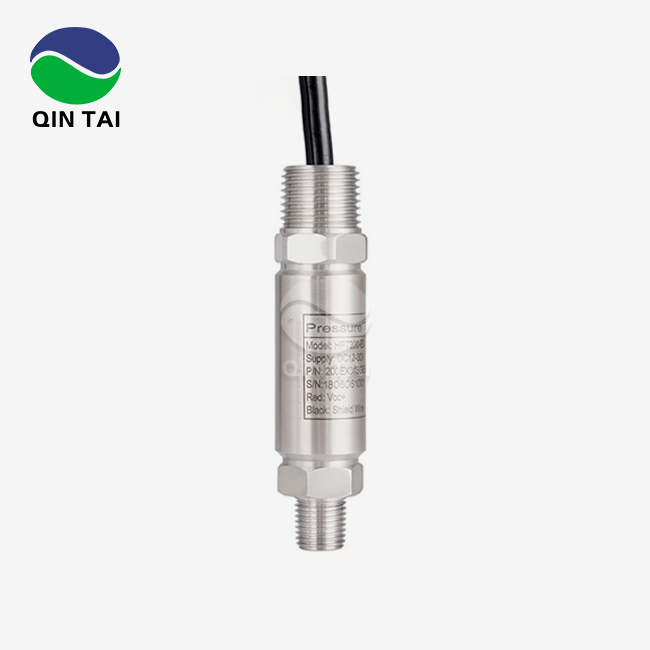
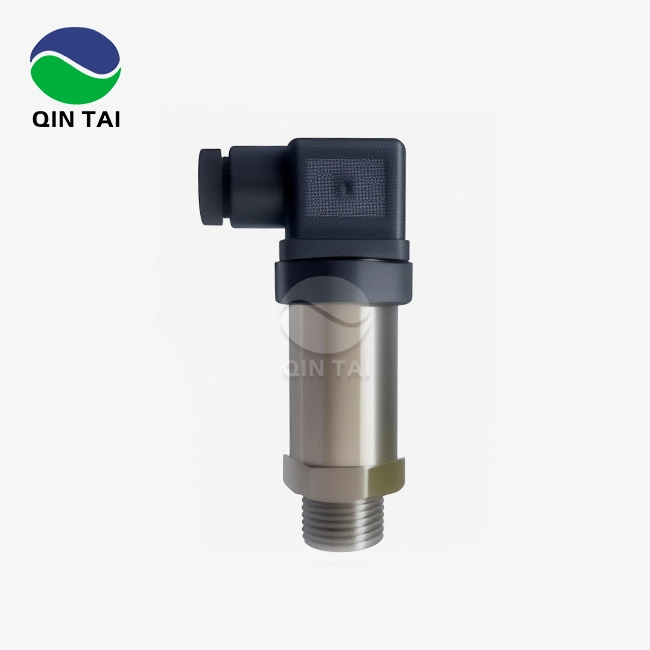
Qintai makes high-performance Pressure Sensors that are designed to work in harsh industrial settings. We understand the important needs of diesel engine systems, aftertreatment integration, and industrial process control because we are China's top maker of Pressure Sensors and work with big OEMs like Weichai Power, Yuchai Power, and Quanchai Power. Our ISO9001, IATF16949, and other international certifications show that we are always committed to quality and following the rules.
We offer comprehensive customization capabilities supported by 58 invention patents and independent R&D expertise. Whether you need capacitive pressure transducers for SCR systems, fuel rail Pressure Sensors for heavy-duty applications, or specialized solutions for unique operating environments, our engineering team collaborates closely to deliver optimized specifications. Competitive pricing, reliable inventory availability, and responsive technical support ensure successful long-term partnerships.
Contact our team at info@qt-sensor.com to discuss your Pressure Sensor requirements and discover how Qintai's proven reliability can enhance your industrial process control systems.
References
1. Webster, J. G., & Eren, H. (2014). Measurement, Instrumentation, and Sensors Handbook: Spatial, Mechanical, Thermal, and Radiation Measurement (2nd ed.). CRC Press.
2. Bao, M. H. (2019). Analysis and Design Principles of MEMS Devices. Elsevier Science.
3. Liptak, B. G. (2018). Instrument Engineers' Handbook, Volume One: Process Measurement and Analysis (5th ed.). CRC Press.
4. Norton, H. N. (2020). Sensor and Analyzer Handbook. Prentice Hall.
5. Fraden, J. (2016). Handbook of Modern Sensors: Physics, Designs, and Applications (5th ed.). Springer International Publishing.
6. Wilson, J. S. (2017). Sensor Technology Handbook. Newnes Publishing.
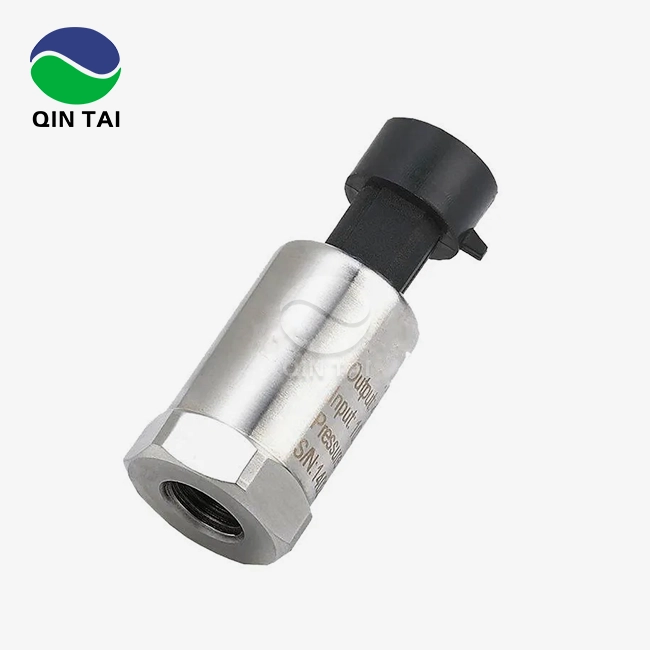

Our customers’ satisfaction speaks for our quality — contact us to experience the same reliable service.