- English
- French
- German
- Portuguese
- Spanish
- Russian
- Japanese
- Korean
- Arabic
- Greek
- German
- Turkish
- Italian
- Danish
- Romanian
- Indonesian
- Czech
- Afrikaans
- Swedish
- Polish
- Basque
- Catalan
- Esperanto
- Hindi
- Lao
- Albanian
- Amharic
- Armenian
- Azerbaijani
- Belarusian
- Bengali
- Bosnian
- Bulgarian
- Cebuano
- Chichewa
- Corsican
- Croatian
- Dutch
- Estonian
- Filipino
- Finnish
- Frisian
- Galician
- Georgian
- Gujarati
- Haitian
- Hausa
- Hawaiian
- Hebrew
- Hmong
- Hungarian
- Icelandic
- Igbo
- Javanese
- Kannada
- Kazakh
- Khmer
- Kurdish
- Kyrgyz
- Latin
- Latvian
- Lithuanian
- Luxembou..
- Macedonian
- Malagasy
- Malay
- Malayalam
- Maltese
- Maori
- Marathi
- Mongolian
- Burmese
- Nepali
- Norwegian
- Pashto
- Persian
- Punjabi
- Serbian
- Sesotho
- Sinhala
- Slovak
- Slovenian
- Somali
- Samoan
- Scots Gaelic
- Shona
- Sindhi
- Sundanese
- Swahili
- Tajik
- Tamil
- Telugu
- Thai
- Ukrainian
- Urdu
- Uzbek
- Vietnamese
- Welsh
- Xhosa
- Yiddish
- Yoruba
- Zulu
How to Select Reliable Automotive Sensors for Long-Term Use
When choosing reliable automotive sensors, consider your working environment, regulatory needs, and total cost of ownership. Quality sensors provide accurate data in tough environments, reduce unexpected downtime, and satisfy high emission requirements like China VI and Euro VI. Buy based on licensing, durability, and the supplier's capacity to create many. Look for technical characteristics, aftertreatment compatibility, and long-term support to find parts that safeguard your car and your bottom line.
Understanding the Core Challenges in Selecting Automotive Sensors
Why Sensor Reliability Directly Impacts Vehicle Performance and Compliance?
Sensor failures harm the entire automobile. If a NOx sensor or pressure transducer fails, the engine goes into limp mode, the emission systems issue error codes, and the user must pay a lot to replace it or face government fines. Sensor issues cause over 18% of unscheduled commercial fleet repairs, according to studies. Without operating cars, corporations lose a lot of money. Unreliable parts make it tougher to fulfill emission requirements, which can lead to fines and the loss of operating permits in locations with severe environmental legislation. Premium NOx sensors can cost $300 to $700 to fix.
Common Root Causes of Sensor Failure in Heavy-Duty Applications
Poor working conditions accelerate sensor failure. Heavy truck, construction machinery, and generator sensors face 900°C temperatures, corrosive exhaust fumes, violent shocks, and water ingress. Quality issues from low-quality suppliers create material faults and calibration changes. Installing high-quality parts poorly, such as with too little force, contaminated joints, or the wrong area, can cause early failure. A major diesel engine manufacturer found that 40% of the sensors they received were OK; they just weren't placed properly. Strict quality control across the supply chain is crucial.
Durability Standards and the Value of Manufacturer Support
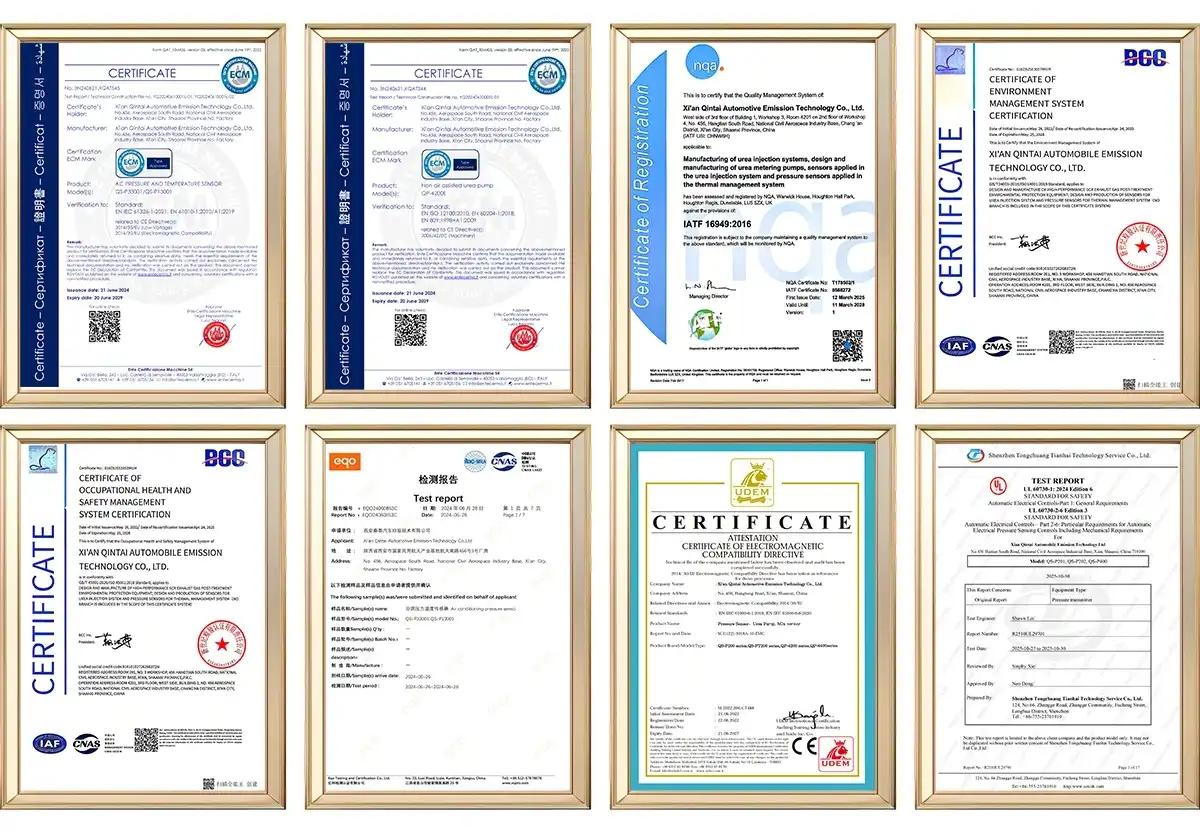
Maintaining worldwide lifetime standards distinguishes dependable sensors. Chemical exposure, temperature cycles, and vibration testing prove that ISO 9001, IATF 16949, and application-specific parts are durable. When adding sensors to SCR and DPF aftertreatment systems, manufacturer cooperation is crucial. Fast technical support and customizable interfaces keep production moving. Suppliers with precise paperwork, calibration data, and timely engineering teams may solve problems faster and minimize TCO by reducing system integration risks.
Key Dimensions for Evaluating Automotive Sensor Options
Understanding Sensor Categories and Their Functional Roles
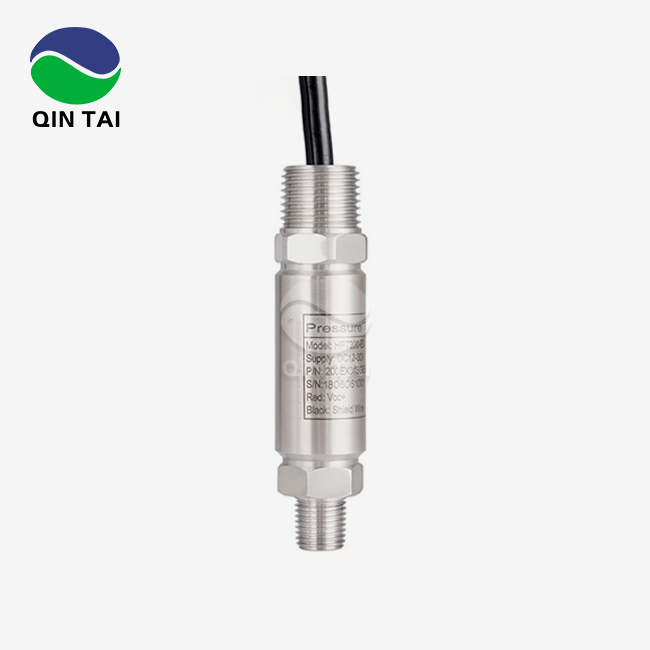
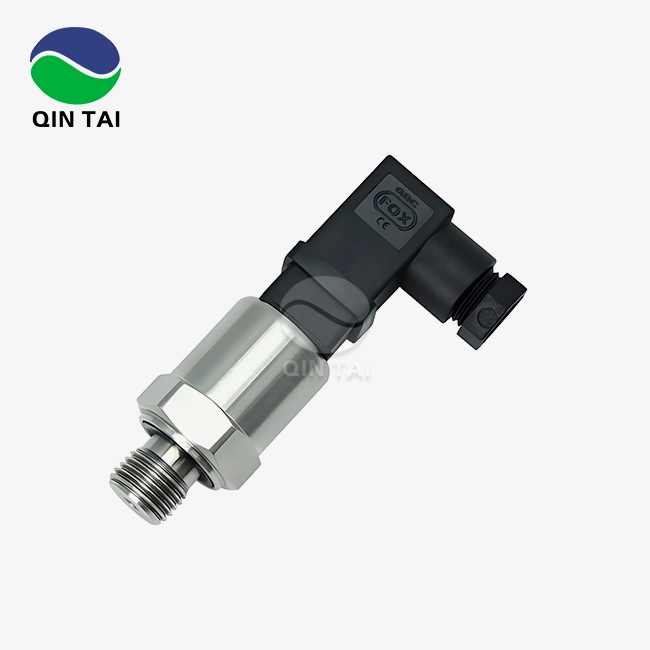
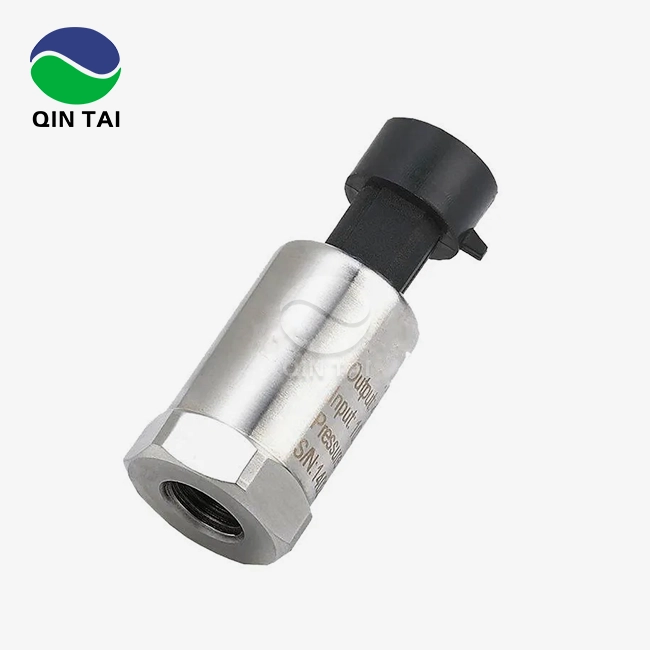
Different automotive parts employ different reliable automotive sensors for distinct tasks. Pressure sensors measure oil, gasoline, intake manifold, and tire air pressure. Physical pressure is converted into electronic signals that control devices can perceive. Suitable for high and low temperatures, vibrations, and chemical contact, these devices maintain accuracy between ±0.25% to ±2% of full scale, depending on application importance. NOx sensors can detect 1 ppm nitrogen oxide, allowing emission controls to be adjusted in real time to satisfy government regulations. Speed sensors improve gear changes and grip, while temperature sensors manage heat. Each category demands various material characteristics and measurement precision for its operating environment and desired performance.
Critical Performance Metrics and Industry Benchmarks
To evaluate devices, know important performance metrics. Accuracy specifies measuring precision. For instance, engine oil pressure monitors require accuracy within ±0.5%, whereas less critical usage can tolerate ±2% variance. Sensor response time indicates how quickly they detect changes. By responding in seconds, NOx sensors may modify emissions instantly. Durability means withstanding various temperatures, vibrations, and chemicals. In highly corrosive exhaust environments, zirconia-based NOx sensors function up to 900°C. Selectivity evaluates how efficiently the sensor distinguishes desired parameters from interference signals. This improves complicated gas mix measurements. When procurement teams grasp these criteria, they may assess competitor items based on application needs, not marketing promises.
OEM Versus Aftermarket Sensors: Quality and Total Cost Analysis
OEM sensors cost more but feature greater quality control, vehicle compatibility, and longer warranties. Aftermarket parts can save you money and expand your options, but they vary in quality and longevity. Calculating the total cost of ownership reveals the true value. An OEM sensor that costs 40% more upfront may have twice the service life and no callbacks, lowering lifetime expenditures. IATF 16949-certified aftermarket manufacturers that apply thorough testing fill this gap. These firms offer low prices without compromising quality. Besides the initial purchase price, procurement teams should consider how often items break, the warranty, and the quality of professional help.
Application-Specific Selection for Optimal Integration
Heavy vehicles require sensors that have been tested in various situations and frequent shaking. Construction equipment must be protected from dust, water, and hydraulic fluid. Over 10,000-hour maintenance intervals, generator sets used in mines or as backup power must be steady and have low calibration drift. Sensors for agricultural equipment must handle seasonal storage and erratic operation. Matching the sensor's specifications to these operational profiles ensures optimal performance and prevents failures related to environmental mismatches.

How to Make an Informed Purchase Decision for Reliable Automotive Sensors?
Defining Your Procurement Scenario and Critical Selection Criteria
OEM production, aftermarket sales, and fleet maintenance procurement differ when sourcing reliable automotive sensors. OEM producers value mass production, quality consistency across millions of units, and pollution compliance certificates for new car sales. Aftermarket vendors emphasize their goods' affordability, compatibility with several automobile manufacturers, and speed of delivery. Fleet owners require solutions that are durable, easy to install, and have low failure rates to reduce unexpected maintenance. Using weighted criteria like 30% certification compliance, 25% supplier reliability, 20% technical specs, 15% pricing, and 10% delivery capabilities enables you to fairly assess vendors for your organization.
Evaluating Certification Standards and Supplier Reputation
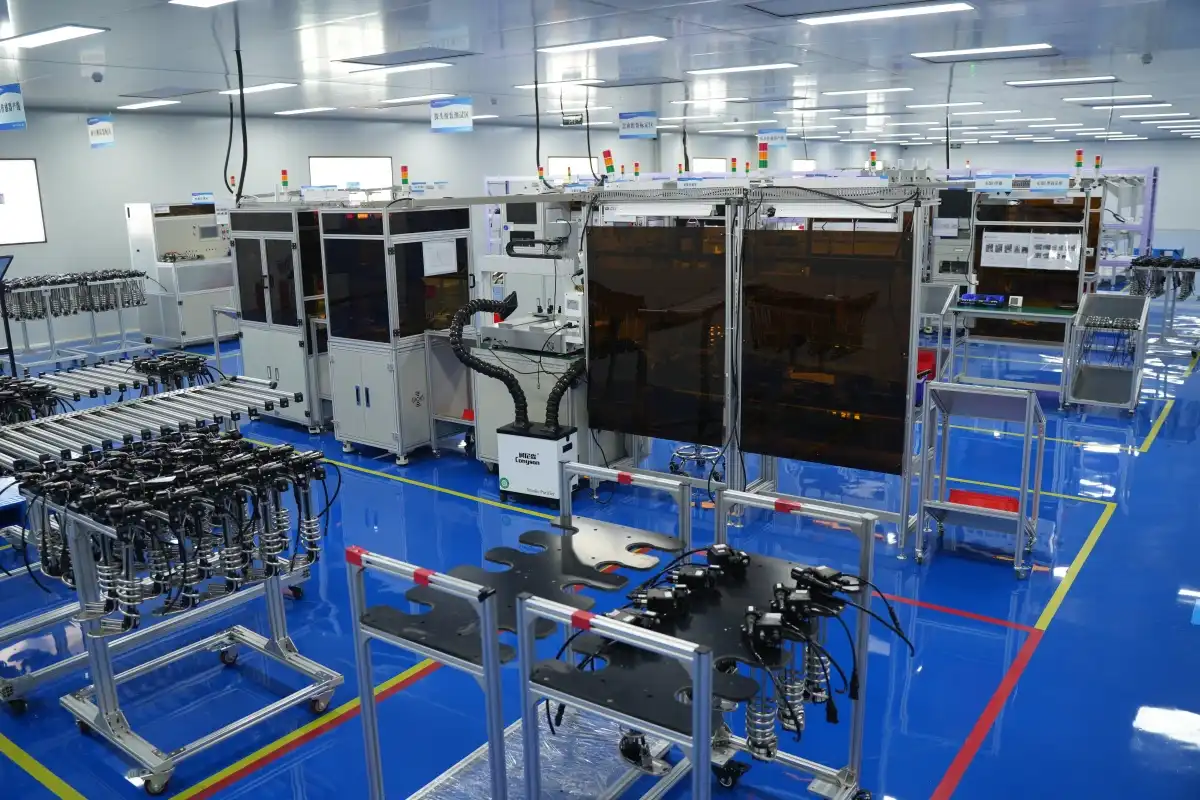
Certifications verify product and quality control reliability. Although ISO 9001 supports fundamental quality procedures, IATF 16949 excels in the automotive sector with sophisticated quality planning and manufacturing part approval processes. Product certifications like CMC, UL, CE, REACH, and RoHS ensure compliance in all global markets. Supplier reputation is founded on continuous performance. After 20 years in business, Xi'an Qintai has teamed with China's leading engine manufacturers to demonstrate their high-volume production capabilities. Patent portfolios reveal that firms are investing in new ideas—58 innovation patents demonstrate their commitment to R&D and technical improvement. Asking customers who have used comparable programs for examples provides real-world success proof beyond marketing materials.
Sample Testing and Quality Assurance Processes
Following stringent testing techniques prevents costly deployment problems. Request samples that fit your particular needs to test for a shorter duration in automobile settings with temperature fluctuations between -40°C and 150°C and predicted pollutants. How much accuracy varies during 500-hour test periods might indicate long-term calibration stability. Compare sensor output to measured reference standards to ensure compliance. Teams of technicians should test the installation to evaluate how easy it is, how long the connectors survive, and how clear the paperwork is. Destructive testing on sample units reveals construction and material quality. By putting down these outcomes, you may create objective supplier scorecards to make data-driven purchasing decisions and reduce the technical risk of huge promises.
Best Practices for Installation, Testing, and Maintenance to Ensure Sensor Longevity
Step-by-Step Installation Guidelines to Prevent Common Errors
A thorough installation of reliable automotive sensors begins with surface preparation, which involves cleaning the mounting locations to remove dirt and other debris that might harm the seal or electrical continuity. For proper thread protection and seal, apply the correct torque. Exhaust leaks and gasket crushing occur when overtightened or undertightened. Routing cables away from heat sources and moving parts prevents insulation damage and intermittent issues. Dielectric grease on electrical connections reduces corrosion and water damage. Check connection position and pin contact to avoid reverse polarity and open circuits. By following the manufacturer's installation instructions, you can ensure the sensors achieve the proper temperature and calibration goes successfully. These basic measures will extend sensor life and eliminate most field issues caused by installation errors.
Effective Testing Methods for Accuracy and Functionality Verification
Before usage, post-installation testing ensures equipment functions properly. Comparing sensor findings to standard pressures or gas concentrations ensures adequate accuracy. Monitoring signal response during controlled input changes such as pressure ramps, temperature sweeps, or gas mix changes shows dynamic performance and reaction time. Diagnostic trouble codes indicate communication issues or high or low values, which may indicate wiring issues or equipment malfunction. Functional tests with simulated operating loads demonstrate sensor accuracy over their range. These procedures of proof discover issues at launch, when replacements are cheap. This prevents costly production and customer delivery problems.
Maintenance Schedules and Early Warning Sign Recognition
Sensors operate effectively throughout their lifespan with regular maintenance. Visual checks every 500 hours examine for damage, rusted connections, and exhaust deposits to clean. Every 2,000 hours, calibration tests discover drift that needs repair or replacement. Diagnostic data patterns like signal deterioration or longer reaction times alert you to impending breakdowns so you can schedule repair instead of emergency breaks. Recognizing odd numbers, intermittent errors, or emission jumps helps you act. A commercial fleet that audited its sensors quarterly reduced unexpected repairs by 35% and enhanced sensor life by 22%. This indicates that preventative treatment improves operations and saves money.
Emerging Trends and Innovations Shaping the Future of Automotive Sensors
AI-Enabled Smart Sensors and IoT Connectivity
Intelligent and wireless sensors change passive measurement instruments into active system participants in the next wave, building on the foundation of reliable automotive sensors. AI programs detect breakdowns using sensor data patterns. Instead of plans, they give maintenance warnings based on part failures. IoT enables you to monitor fleets in real time, collect performance data for predictive analytics, and report quality issues to manufacturers. Smart sensors self-calibrate using machine learning. This keeps them accurate throughout extended service durations and lowers maintenance. These innovative concepts affect how people acquire products by emphasizing system capabilities above part specifications. This rewards firms with integrated hardware and software.
Advanced Materials Driving Durability Improvements
New material science findings extend sensor life in severe environments. MXene compounds increase NOx sensor sensitivity at low temperatures. This reduces heat stress and extends sensor life. New ceramics and coatings shield sensors from exhaust pollutants that reduce their life in high-sulfur gasoline. Hermetic sealing methods prevent water from entering in humid conditions, eliminating a typical tropical and marine failure point. Flexible surfaces reduce temperature-cycle mechanical stress by handling thermal expansion changes. Suppliers using these novel materials increase dependability and decrease total cost of ownership for power-intensive usage.
Preparing Supply Chains for Technological Evolution
Flexible and intelligent purchase plans are needed to stay up with swift technology advancements. The greatest approach to acquire early access to new sensor technologies as they go from research to manufacturing is to meet innovative creators. Modular system frameworks enable you to add sensors without rethinking the system. Developing industry standards with others influences how specifications and systems interact. Diversifying your supplier portfolio balances cutting-edge talents with proven reliability, reducing risk. These tactics help buying firms adopt new technology while maintaining operations during transition.

SENSOR+TEST, June 9 – 11, 2026
We look forward to your visit,warmly welcome to our booth 1-634!
Get your free ticket online now:
https://www.sensor-test.de/service/ticket/?52790
Conclusion
For long-term usage, check technical parameters, certification history, and supplier capabilities for reliable automotive sensors. Operating outcomes improve when durability, application compatibility, and total cost of ownership precede initial purchase price. Proper installation, testing, and maintenance may extend part life and prevent costly breakdowns. To be competitive and fulfill stricter performance and regulatory standards, your organization will need strategic supplier partnerships and flexible procurement strategies as sensor technology moves toward smart, connected devices that can forecast.
FAQ
Q1: How can I verify sensor authenticity and avoid counterfeit products?
A: Maker markings, holographic labels, and serial numbers may be monitored and confirmed in source databases for real sensors. Request batch-tracking certificates of approval and test samples against recognized standards to discover bogus parts. When you buy directly from recognized vendors or manufacturers, you eliminate supply chain weaknesses where phony items enter. Reputable suppliers provide test results and warranty registration, which counterfeiters can't.
Q2: What warranty and support should I expect from quality sensor manufacturers?
A: Top manufacturers' warranties cover material and workmanship faults for 12–24 months if the product is used ordinarily. Full expert assistance covers installation, troubleshooting, and bespoke connection application engineering. Try sample assessment programs from respondent providers before placing a major order. After-sales support involves investigating faults, replacing components immediately, and adjusting product quality based on field data.
Q3: What are recommended testing intervals for commercial vehicle sensors?
A: Visual inspections every 500 hours detect damage and contaminants. Functional testing checks accuracy and response time every 2,000 hours. Annual calibration tests assure measurement accuracy, especially for emission-sensitive sensors. Monthly diagnostic scans can discover new issues in heavily utilized teams before they break down. Depending on system load and failure history, changing maintenance intervals increases efficiency and eliminates unnecessary downtime.
Partner with Qintai for Premium Automotive Sensor Solutions
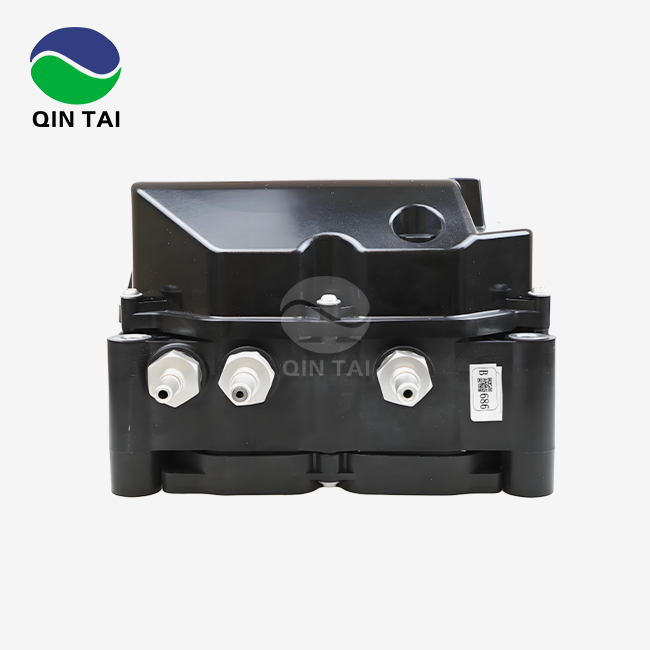
Xi'an Qintai Automotive Emission Technology, China's top sensor producer, is reliable. They sell mostly to Weichai Power, Yuchai Power, and Quanchai Power. ISO 9001, IATF 16949, and other top industry certifications maintain our high-volume production quality. Our pressure sensors, NOx sensors, and entire SCR aftertreatment systems fulfill China VI and Euro VI requirements. 58 innovative patents support our independent R&D. Our engineering staff helps with specification and installation to ensure everything functions well and lasts. If you require OEM parts for new engine projects or trusted aftermarket choices, our worldwide supply network and fast service provide you an edge. Ask info@qt-sensor.com to speak with experienced application engineers who have worked with heavy-duty cars and can help you determine the right sensor arrangement.
References
1. Society of Automotive Engineers. (2022). Automotive Sensor Performance Standards and Testing Protocols. SAE International Technical Paper Series.
2. Anderson, M.J. & Roberts, P.K. (2021). Emission Control Systems: Sensor Technology and Regulatory Compliance. Automotive Engineering Press.
3. International Organization for Standardization. (2020). Quality Management Systems for Automotive Production: IATF 16949 Implementation Guide. ISO Publications.
4. Chen, L., Wang, H., & Zhang, Y. (2023). Advanced Materials for High-Temperature Automotive Sensors. Journal of Automotive Engineering Technology, 45(3), 287-304.
5. Thompson, R.D. (2021). Fleet Maintenance Optimization: Predictive Strategies for Commercial Vehicle Sensors. Transportation Research Institute Annual Review.
6. European Commission Joint Research Centre. (2022). Automotive Emission Sensor Accuracy Requirements Under Euro VI Regulations. EU Technical Standards Documentation.

Our customers’ satisfaction speaks for our quality — contact us to experience the same reliable service.