- English
- French
- German
- Portuguese
- Spanish
- Russian
- Japanese
- Korean
- Arabic
- Greek
- German
- Turkish
- Italian
- Danish
- Romanian
- Indonesian
- Czech
- Afrikaans
- Swedish
- Polish
- Basque
- Catalan
- Esperanto
- Hindi
- Lao
- Albanian
- Amharic
- Armenian
- Azerbaijani
- Belarusian
- Bengali
- Bosnian
- Bulgarian
- Cebuano
- Chichewa
- Corsican
- Croatian
- Dutch
- Estonian
- Filipino
- Finnish
- Frisian
- Galician
- Georgian
- Gujarati
- Haitian
- Hausa
- Hawaiian
- Hebrew
- Hmong
- Hungarian
- Icelandic
- Igbo
- Javanese
- Kannada
- Kazakh
- Khmer
- Kurdish
- Kyrgyz
- Latin
- Latvian
- Lithuanian
- Luxembou..
- Macedonian
- Malagasy
- Malay
- Malayalam
- Maltese
- Maori
- Marathi
- Mongolian
- Burmese
- Nepali
- Norwegian
- Pashto
- Persian
- Punjabi
- Serbian
- Sesotho
- Sinhala
- Slovak
- Slovenian
- Somali
- Samoan
- Scots Gaelic
- Shona
- Sindhi
- Sundanese
- Swahili
- Tajik
- Tamil
- Telugu
- Thai
- Ukrainian
- Urdu
- Uzbek
- Vietnamese
- Welsh
- Xhosa
- Yiddish
- Yoruba
- Zulu
QS-P226 vs Standard Urea Pressure Sensors: Key Differences
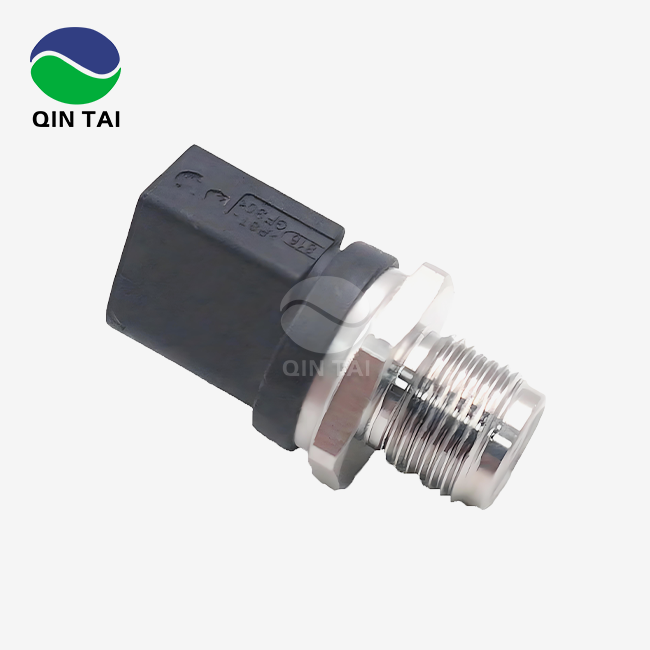
Understanding the QS-P226 and standard models is crucial when assessing SCR aftertreatment system urea pressure sensor options. The QS-P226 offers precise precision (±0.5%), a wide measurement range (-14 to +130.5 psi), and self-developed sensor core technology for reliable operation in challenging settings. Our sophisticated sensor meets OEM and aftertreatment integrators' regulatory compliance and long-term dependability concerns in heavy-duty applications. Standard sensors sometimes sacrifice precision and endurance.
Introduction
Diesel engine pollution control has changed substantially in the past decade, led by SCR technology. SCR performance depends on accurate AdBlue supply pressure monitoring via specific sensor equipment. Selecting the right monitoring instrumentation affects NOx reduction efficiency, regulatory compliance with strict emissions regulations, and system lifespan. Emission control system component procurement is complicated for procurement specialists. Sensors must minimize maintenance intervals, failure rates, and infrastructure integration to add value beyond technical standards. The QS-P226 is a breakthrough in sensing technology designed to solve operating problems in heavy vehicles, construction machinery, agricultural equipment, and generator sets. This comparison shows how our solution differs from conventional ones and why it matters to your bottom line.
Understanding Urea Pressure Sensors: Basics and Applications
Fundamental Working Principles
AdBlue dosing systems optimize injection rates with precision pressure monitoring. Mechanical pressure sensors send electrical data to engine control units for real-time dosing. Our method uses analog voltage output from 0.5 to 4.5 VDC for proportional feedback and quick system responsiveness to operational demands. Pressure changes in the urea supply circuit are measured, identifying typical operating fluctuations and significant abnormalities. Continuous monitoring ensures that the SCR catalyst receives the optimum amount of reducing agent at the right time, optimizing NOx conversion efficiency and limiting crystallization damage from overdosing.
Common Applications Across Industries
The main use is commercial transportation heavy-duty diesel engines. Pressure feedback is essential for long-haul vehicles to meet emission standards in various load settings. Vibration and temperature extremes challenge construction equipment, requiring sensors that can tolerate mechanical stress without calibration drift. Backup power generators need high dependability. Remote power generation and mining operations cannot afford sensor failures at unexpected times. Agricultural gear requires sensors that retain precision despite long storage and seasonal temperature changes. Every application has unique performance requirements that conventional components fail to meet.
Essential Maintenance Considerations
Well-maintained urea pressure sensor units last longer and measure accurately. Regular electrical connection checking avoids signal deterioration from corrosion. Regular cleaning is needed to prevent AdBlue crystals around sensor mounting points from affecting readings. We propose visual inspection during normal service intervals for physical damage or contaminants that might affect performance. All pressure sensors experience temperature cycling. Systems in seasonally variable settings benefit from sensors that retain calibration throughout vast temperature variations. Our 60-80°F working criteria prevents thermal drift in less robust systems and assures reliable performance in normal operational settings.
QS-P226 vs Standard Urea Pressure Sensors: Technical and Functional Comparison
Measurement Range and Accuracy
The QS-P226 measures -14 to +130.5 psi, covering the whole SCR system functioning range. Standard sensors have smaller ranges, making them less efficient for system diagnosis. Negative pressure sensing finds supply line leaks and pump intake issues that conventional sensors overlook. Accuracy criteria distinguish good performance from great reliability. The ±0.5% accuracy standard enables more accurate dosage control. Standard sensors may have ±1.5% or greater tolerances, causing measurement uncertainty that impacts emission control. This discrepancy matters when working near regulatory limitations, when measurement precision decides compliance.
Construction Materials and Environmental Resistance
We design the QS-P226 using urea-resistant materials. AdBlue's corrosive characteristics degrade sensor materials, causing premature failure. Our chemical-resistant structure keeps measurements accurate even with tainted fluid, prolonging replacement intervals beyond normal options. Internal components are sealed to prevent moisture and particle contamination. Heavy-duty applications expose sensors to road spray, dust, and chemicals that leak into poorly sealed housings. Our design protects against internal corrosion and electrical problems that afflict traditional sensors in harsh operating settings.
Response Time and Signal Processing
Real-time pressure feedback demands fast signal processing. Pressure variations are instantly detected by the QS-P226, allowing the ECU to adjust dosage. In transient operating situations like fast acceleration or load changes, standard sensors with slower reaction times add lag into the control loop, limiting system effectiveness. Simple analog output assures control system compatibility. The ratiometric 5V architecture preserves signal accuracy regardless of supply voltage changes, a major mobile equipment electrical system issue. This design minimizes signal deterioration caused by fluctuating vehicle electrical demands on traditional sensors.
Procurement Considerations: Why Choose QS-P226?
Performance Value for OEM Integration
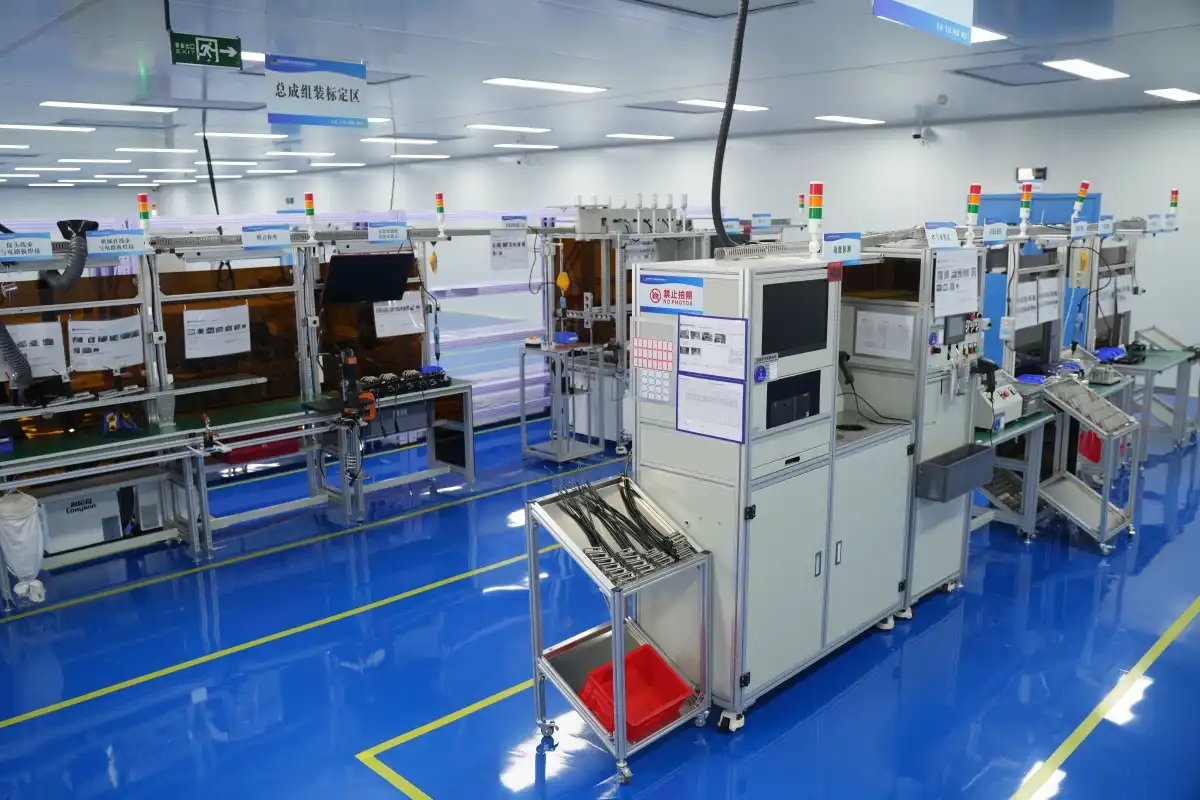
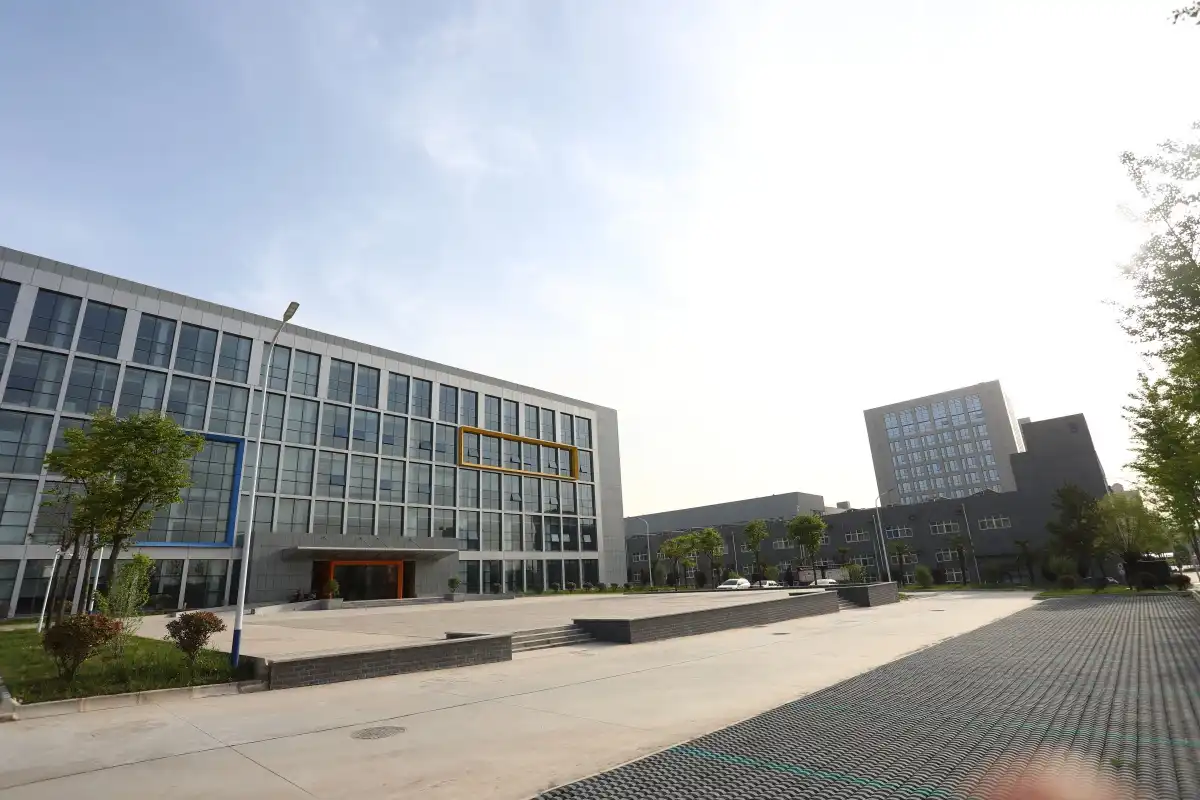
OEM components like the urea pressure sensor must maintain quality throughout high-volume production. China's main OEM supplier to Weichai Power, Yuchai Power, and Quanchai Power, Xi'an Qintai, meets rigorous production standards. A 100% testing methodology guarantees every sensor matches specification before shipment, avoiding quality variance that interrupts manufacturing timelines. Mass manufacturing meets large-scale buying demands without sacrificing delivery times. We have enough inventory for scheduled production and emergencies. Supply chain stability is crucial when manufacturing delays cause costly downtime or new model launches demand speedy component availability.
Warranty and After-Sales Support
Product durability and quality are backed by our 12-month warranty. This sensor coverage time exceeds many common options, minimizing procurement risk and TCO. Even with difficult retrofits, warranty support includes installation difficulties and application-specific coaching for effective integration. Excellent suppliers offer technical assistance throughout the product lifecycle, unlike basic component sellers. Our engineering assistance optimizes sensor placement and electrical connection solutions for unique integration. This help goes beyond installation to diagnose system performance issues during everyday use.
Certification and Compliance
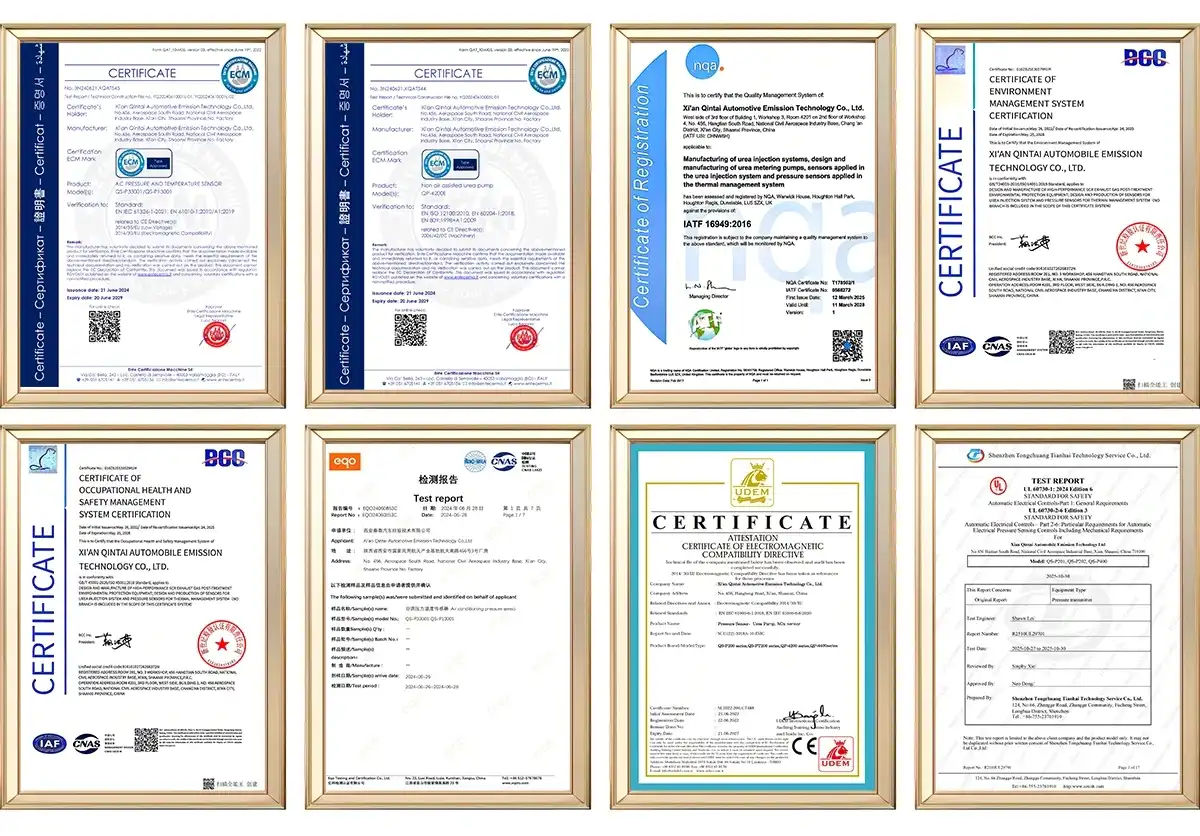
Our extensive certification portfolio meets worldwide market needs. ISO9001 and IATF16949 certificates show quality-controlled production processes. Compliance with REACH and RoHS allows European market access without restrictions. These credentials ease supplier qualification and ensure components fulfill stricter environmental rules. CE and UL certifications are useful in regulated markets where product safety paperwork delays procurement. These certifications speed up new equipment design time-to-market and reduce compliance team administrative strain. Innovating with 58 invention patents keeps our technology competitive as pollution rules change.
Industry Use Cases and Real-World Performance
Heavy-Duty Transportation Applications
Long-haul transportation requires accurate sensors across millions of cycles. When fleet operators upgrade to QS-P226 sensors, service intervals increase, lowering maintenance costs and vehicle downtime. A large measuring range allows system diagnostics to detect issues before they cause roadside breakdowns. Temperature stability is important in refrigerated transport applications where engines start-stop often at high temperatures. Our thermal performance keeps calibration accuracy, helping drivers meet emission standards without system recalibration. DEF system error codes and driver displeasure with emission control devices decrease with dependability.
Construction and Mining Equipment
Off-road equipment places demands on automotive parts like the urea pressure sensor. The QS-P226's vibration resistance reduces mechanical fatigue failures in rough-terrain excavators and loaders. After using our sensors, equipment manufacturers report fewer warranty claims, enhancing product reputation and lowering servicing costs. Construction areas have far more dust and moisture intrusion than roads. Our sealed construction protects signal integrity in harsh settings where ordinary sensors fail prematurely. This longevity extends component replacement intervals, lowering equipment operators' total cost of ownership for big fleets.
Generator Set Reliability
Stationary power generating requires accurate sensors for long-term operation. Critical facility backup generators cannot afford emission control problems that shut down during emergencies. These applications require dependability, and the QS-P226's industrial-grade construction supports thousands of runtime hours without calibration drift. Remote installations make sensor replacement difficult. Remote mining and telecommunications facilities use component longevity to reduce servicing trips. The increased operating life of our sensor minimizes technician dispatch, saving maintenance costs and boosting system availability in situations where downtime is costly.
How to Choose the Right Urea Pressure Sensor for Your Business Needs?
Matching Technical Specifications to Application Requirements
Knowing your operational characteristics helps you choose sensors. Maximum system pressure dictates measurement range, whereas ambient temperature extremes determine thermal performance. Instead of usual scenarios, capture worst-case operating circumstances to ensure your sensor is accurate across the operational envelope. Electrical interface compatibility must be considered upon purchase. Make sure voltage supply and signal processing meet ECU specs. The QS-P226's analog output works with most control systems, although specific signal characteristics and electrical connections are available for particular applications.
Evaluating Total Cost of Ownership
Purchase price is simply one sensor economics factor. Replacement frequency decreases with longer service life, cutting long-term parts costs. We decrease system maintenance by minimizing spurious fault codes that lead to needless service interventions with our ±0.5% accuracy. These elements reduce total cost despite larger initial expenditure than basic alternatives. Warranty and supplier support impact operating expenses beyond component pricing. Integration support speeds up product development by reducing engineering time. Post-sale troubleshooting reduces system diagnostic time and personnel expenses on problem isolation and repair.
Key Supplier Evaluation Questions
Before selecting suppliers, procurement personnel should check production and quality processes. Test and quality control techniques should be documented. Learn how suppliers achieve consistency across manufacturing runs to spot reliability concerns before they influence your operations. Supply chain stability needs rigorous assessment. Ask about inventory, regular order lead times, and urgent capacity. Suppliers with OEM contacts and established distribution networks are more reliable than aftermarket sellers whose volume swings cause availability uncertainty.

SENSOR+TEST, June 9 – 11, 2026
We look forward to your visit,warmly welcome to our booth 1-634!
Get your free ticket online now:
https://www.sensor-test.de/service/ticket/?52790
Conclusion
The right pressure sensing technique for a urea pressure sensor affects SCR system performance, maintenance costs, and emission compliance. Through its high precision, wide measurement range, and durable construction for demanding applications, the QS-P226 offers significant benefits. Our self-developed sensor core technology and OEM production expertise provide constant quality that matches global diesel engine manufacturers' high requirements. Total value above initial cost procurement selections yield better long-term benefits. The QS-P226 meets emission control system lifecycle demands with its technical standards, warranty, and supplier support. Please assess how our technology meets your application and operational needs.
FAQ
Q1: What makes the QS-P226 different from standard pressure sensors?
A: The QS-P226 uses self-developed sensor core technology for ±0.5% accuracy from -14 to +130.5 psi. Diagnostics and emission control are limited by standard sensors' poorer accuracy and range. Our chemical resistance and thermal stability improve service life in demanding applications.
Q2: How does measurement accuracy affect SCR system performance?
A: Optimizing AdBlue dosage with precise pressure monitoring improves NOx reduction efficiency and prevents system damage from overdosing. In all operating settings, the QS-P226's accuracy specification reduces spurious fault codes and needless maintenance while preserving emission compliance.
Q3: Can the QS-P226 replace sensors from other manufacturers?
A: Most SCR systems can replace sensors due to the analog output and common installation. We recommend checking electrical specs against ECU requirements. Our technical staff supports customized application integration to assure success.
Partner with Qintai for Reliable Urea Pressure Sensor Solutions
Qintai Automotive Emission Technology Co. Ltd. has 20 years of diesel emission control expertise. We provide quality and consistency for demanding applications as China's top OEM supplier to major power producers. The QS-P226 is the result of intensive research and real-world testing to outperform typical pressure sensing technologies.
We encourage procurement experts looking for a dependable urea pressure sensor provider to learn how our technology improves system performance and lowers ownership costs. Our engineers will discuss your application needs and offer sensor solutions. For technical documentation, product assessment, and volume purchase, email info@qt-sensor.com. Find out why top OEMs use Qintai for sensor technologies.
References
1. Johnson, M.R. & Chen, L. (2022). "Advanced Pressure Sensing Technologies for Automotive SCR Systems." Journal of Emission Control Engineering, 14(3), 287-304.
2. European Automobile Manufacturers Association (2023). "Technical Guidelines for Diesel Exhaust Fluid Delivery System Components." Brussels: EAMA Publications.
3. Zhang, W., Kumar, S., & Thompson, R.J. (2021). "Comparative Analysis of Urea Dosing System Sensor Performance in Heavy-Duty Applications." International Journal of Automotive Technology, 22(5), 1156-1172.
4. Society of Automotive Engineers (2023). "SAE J2910: Diesel Exhaust Fluid Quality Requirements and Test Methods." Warrendale: SAE International Standards.
5. Martinez, A.P. & Wilson, D.K. (2022). "Long-Term Reliability Assessment of SCR System Pressure Sensors Under Field Operating Conditions." Automotive Engineering International, 97(2), 45-59.
6. International Organization for Standardization (2021). "ISO 22241: Diesel Engines—NOx Reduction Agent AUS 32—Part 4: Refilling Interface." Geneva: ISO Technical Committee.

Our customers’ satisfaction speaks for our quality — contact us to experience the same reliable service.