- English
- French
- German
- Portuguese
- Spanish
- Russian
- Japanese
- Korean
- Arabic
- Greek
- German
- Turkish
- Italian
- Danish
- Romanian
- Indonesian
- Czech
- Afrikaans
- Swedish
- Polish
- Basque
- Catalan
- Esperanto
- Hindi
- Lao
- Albanian
- Amharic
- Armenian
- Azerbaijani
- Belarusian
- Bengali
- Bosnian
- Bulgarian
- Cebuano
- Chichewa
- Corsican
- Croatian
- Dutch
- Estonian
- Filipino
- Finnish
- Frisian
- Galician
- Georgian
- Gujarati
- Haitian
- Hausa
- Hawaiian
- Hebrew
- Hmong
- Hungarian
- Icelandic
- Igbo
- Javanese
- Kannada
- Kazakh
- Khmer
- Kurdish
- Kyrgyz
- Latin
- Latvian
- Lithuanian
- Luxembou..
- Macedonian
- Malagasy
- Malay
- Malayalam
- Maltese
- Maori
- Marathi
- Mongolian
- Burmese
- Nepali
- Norwegian
- Pashto
- Persian
- Punjabi
- Serbian
- Sesotho
- Sinhala
- Slovak
- Slovenian
- Somali
- Samoan
- Scots Gaelic
- Shona
- Sindhi
- Sundanese
- Swahili
- Tajik
- Tamil
- Telugu
- Thai
- Ukrainian
- Urdu
- Uzbek
- Vietnamese
- Welsh
- Xhosa
- Yiddish
- Yoruba
- Zulu
OEM Pressure and Temperature Transmitter for Automotive Applications
Real-time monitoring of important operational parameters is essential for modern diesel engines and pollution control systems. A Pressure and Temperature transmitter measures both variables simultaneously in one small device, reducing correlation problems and simplifying installation. The pollution compliance, protection of expensive components, and optimal performance of heavy vehicles, construction machinery, agricultural equipment, and generator sets depend on these integrated sensors. Selecting the correct dual-parameter sensor affects dependability, warranty costs, and long-term supplier relationships as emission standards tighten internationally and OEM procurement teams face cost constraints.

Understanding Pressure and Temperature Transmitters in Automotive Applications
Integrated dual-parameter sensors have changed automotive system monitoring. A combination transmitter collects pressure and temperature at the same moment in real time, eliminating timing delays and spatial measurement discrepancies. In SCR aftertreatment systems, where correct superheat calculations depend on synchronized diesel exhaust fluid circuit data, or engine oil systems, where pressure spikes correlate with thermal events, this is crucial.
These devices use an NTC thermistor and ceramic pressure sensing element. When pressure varies, the ceramic diaphragm deflects microscopically, changing electrical resistance. The thermistor changes resistance as temperature changes. These analog signals are linearized by onboard circuitry and generate standardized voltage signals for engine control units and aftertreatment controllers.
Automotive-Grade Durability Requirements
Heavy-duty applications stress sensors greatly. Construction equipment vibrates above 15G, exhaust gas temperatures range from -40°C to 130°C under continuous load, and polluted fluids contain abrasives. A reliable transmitter must withstand 10,000+ temperature cycles, alternator load dump voltage spikes, DEF crystallization, and moisture intrusion without drift.
Signal Processing and Output Compatibility
Most automobile control systems need analog voltage outputs between 0.5V and 4.5V to identify sensor problems below 5V. Overvoltage protection up to 32V DC protects against sudden electrical problems, while reverse polarity protection prevents installation mistakes from harming circuits. Supply current under 15mA supports contemporary vehicle distributed power designs.
Essential Factors for Selecting Pressure and Temperature Transmitters for OEM Automotive Use
Selecting a Pressure and Temperature transmitter requires procurement managers to consider product lifecycles. Understanding which criteria matter and which are marketing promises distinguishes effective sourcing methods from costly blunders. Beyond headline figures, accuracy criteria need evaluation. A transmitter with ±1.0% full-scale accuracy in lab circumstances may have a ±3% total error band in automotive situations when running from -30°C to 130°C. Temperature-induced errors result from housing material thermal expansion, electronic component drift, and pressure media viscosity changes. Expecting vendors to deliver entire error band data across temperature extremes shows realistic field performance.
Pressure Range Customization and Application Matching
Standard catalog goods rarely meet application needs. SCR systems run at 5–10 bar, but construction equipment hydraulic circuits may exceed 40 bar at load peaks. Buying a 0-100 bar transmitter for 10 bars reduces resolution and increases measurement uncertainty. Working with manufacturers who provide customizable pressure ranges maximizes accuracy and cost, avoiding over-specified sensors and guaranteeing safety margins.
Material Compatibility with Aggressive Media
Automotive fluid compatibility is difficult. Diesel fuel's sulfur compounds degrade brass fittings, DEF solutions crystallize in air, and electric vehicle heating system POE oils destroy elastomer seals. 304 stainless steel probes are chemically resistant to engine oil, coolant, and gaseous media, while 316L or exotic alloys may be needed for particular applications. Electrical connector materials like PPE+PAGF30 polymer must resist temperature extremes without brittleness or deformation.
Process Connection Standards and Installation Flexibility
Inventory complexity and installation faults decrease with mounting interface standardization. North American manufacturers choose M12x1.5 or NPT fittings, whereas European equipment utilizes G1/4 threads. Purchasers can specify bespoke process connections to expedite production line operations and eliminate field adjustments that violate warranties or create leak routes.
Introducing the QS-PT225: Engineered for Modern Diesel Systems
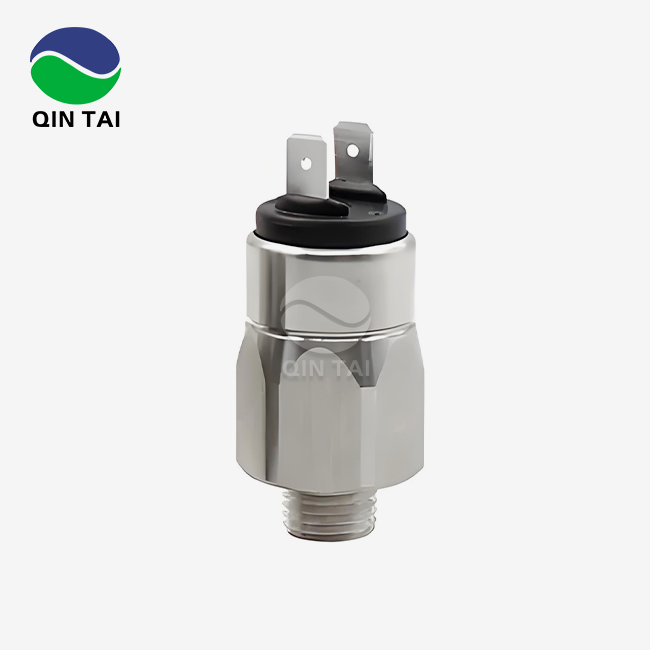
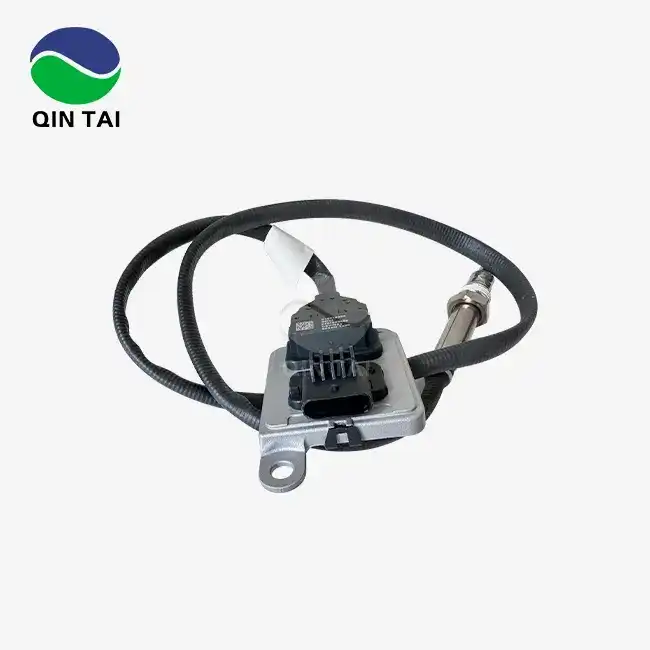
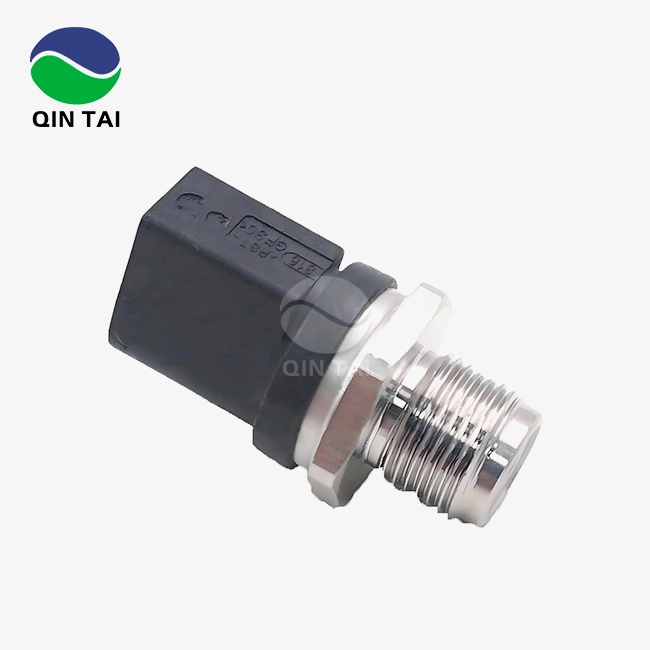
The QS-PT225 dual-parameter transmitter from Xi'an Qintai Automotive Emission Technology solves OEM engineers' aftertreatment and engine control problems. From ceramic sensor element selection to connection material optimization, 20 years of diesel emission control knowledge guide every design choice. The device offers ±1.0% full-scale pressure and temperature accuracy, providing dependable data for control algorithms. Ceramic pressure sensing technology outlasts piezoresistive alternatives, preserving calibration over millions of pressure cycles. Fast thermal response from the integrated NTC thermistor is needed for transient exhaust gas temperature monitoring.
Key Technical Advantages
Modern engine bays have space limits, making single-package solutions useful. The QS-PT225 lowers wiring harness complexity, mounting bosses, and leak spots compared to standalone sensors. Installation torque of 10-20 N·m enables hand-tool assembly without specialist equipment, decreasing production line cycle time. Real-world failure modes are addressed by electrical protection. Reverse polarity protection avoids service installation problems, and 32V overvoltage tolerance protects exposed electronics against load dump transients. Sub-15mA supply current permits many sensors on shared power lines without voltage loss. The 0.5V to 4.5V output range gives control units sensor fault diagnosis headroom. Fault codes for output voltages below 0.3V or above 4.7V enable predictive maintenance before total failures. Modern ECUs' analog-to-digital converters effortlessly combine this output format with CAN bus interfaces.
Customization for Specific Applications
Standardized items cannot meet all applications for a Pressure and Temperature transmitter. Our technical staff works with clients to select suitable pressure ranges, such as 5 bar for DEF dosing systems and 40 bar for common rail fuel injection monitoring. Process connection customisation allows many mounting configurations without adaptor fittings that increase failure spots. Extreme cold beginnings to sustained high-load operation are covered by -40°C to 130°C. Storage temperature tolerance to -50°C protects sensors during northern climate transit and warehouse storage. Pressure ratings of 1.5 to 2 times full scale and 10 MPa burst pressure protect against transient overpressure incidents.

Installation, Calibration, and Troubleshooting Guide for Automotive OEMs
Installation methods eliminate 80% of field failures due to "sensor defects." Understanding mounting techniques preserves equipment and warranty expenditures.
Best Practices for Mechanical Installation
Thread sealants matter more than thought. The torque-to-preload ratio of PTFE tape is uneven and can shred into fluid passageways, blocking downstream. Liquid thread sealants suitable with pressure medium seal reliably without contamination. To avoid damaging ceramic parts or allowing leaks, torque should be applied within the 10-20 N·m standard. Liquid measurement accuracy depends on mounting orientation. Transmissions with process connections downward allow air bubbles to escape, preventing compressible pockets that decrease pressure responsiveness. Electrical connectors should be routed downward to avoid moisture in terminal cavities, which causes intermittent problems in outdoor equipment.
Calibration Requirements and Intervals
Automotive-grade sensors store correction coefficients in onboard memory after factory calibration across temperature and pressure ranges. Field calibration is usually needed after component replacement or overpressure incidents that exceed burst ratings. Scheduled maintenance benefits from verification over calibration. Transmitter output against calibrated reference instruments at two or three pressure points validates operation without modification. Most applications require yearly verification, however extreme conditions or safety-critical equipment may require semi-annual examinations.
Common Failure Modes and Diagnostic Approaches
Signal drift occurs over weeks or months due to contamination on sensor devices or moisture intrusion through faulty seals. Complete signal loss indicates wire damage or power supply failure, whereas sudden output jumps indicate electrical connection difficulties. Tracking pressure but wrong temperature measurements imply NTC thermistor problems independent of pressure sensor operation. Test supply voltage at the sensor connector, output signal impedance, and connectors for corrosion or bent pins to start diagnostics. Installation problems like over-torqued fittings cracking housings or missing sealing washers are visible. Comparing suspicious sensors to known-good ones under identical settings rapidly identifies defects.
Procurement Insights: Buying and Customizing Pressure and Temperature Transmitters
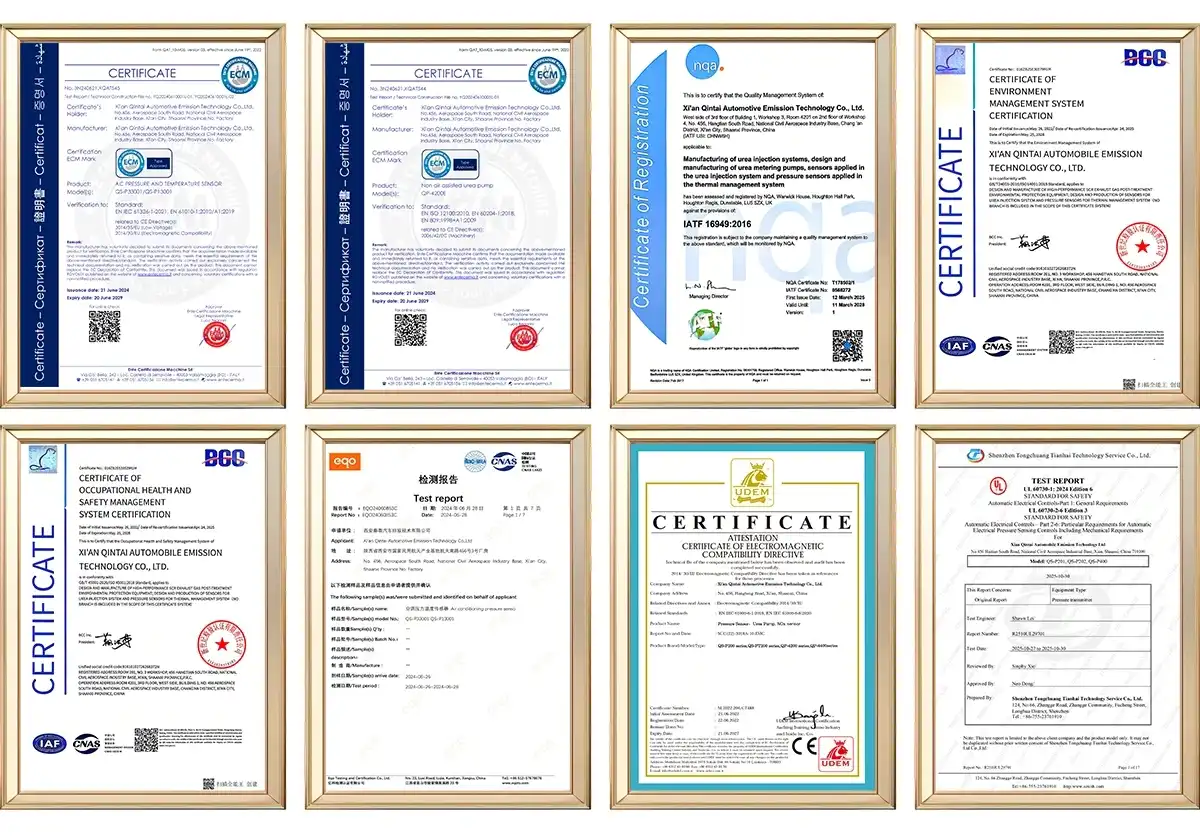
Strategic sourcing of a Pressure and Temperature transmitter goes beyond unit price. Total cost of ownership includes quality warranty costs, production line downtime from broken sensors, and engineering efforts spent on compatibility difficulties. Supplier certificates prove manufacturing maturity objectively. ISO 9001 covers fundamental quality procedures, whereas IATF 16949 certifies automotive quality management systems. For hazardous applications, Ex ratings are important, and REACH/RoHS compliance assures regulatory compliance in European markets. Evaluation of certification scope and audit history shows suppliers' systematic quality control.
Volume Pricing and Lead Time Considerations
Minimum order quantities may surpass early demand predictions, but unit prices reduce dramatically at production levels. Negotiating blanket purchase orders with planned releases balances inventory expenses with volume pricing. Understand suppliers' manufacturing capacity and lead times to minimize stockouts and inventory obsolescence during demand spikes. Customized sensors require two to four weeks for tooling improvements and validation testing. Planning product releases with enough time for bespoke sensor procurement avoids last-minute specification concessions and expedite costs.
Technical Support and After-Sales Service
Industrial suppliers with responsive technical assistance are different from commodity sellers. Application engineers that understand automotive systems aid with development integration. Warranty conditions should include malfunctioning sensors and engineering support for installation, troubleshooting, and compatibility. Geographical service presence impacts responsiveness. Remote manufacturers need worldwide connectivity, but local technical representatives give speedier help. Suppliers' installed bases in comparable applications show their experience with your equipment's issues.
Future Trends and Innovations in Automotive Pressure and Temperature Transmitters
Emission restrictions spur sensor innovation. Euro VII and EPA 2027 require extraordinary NOx reduction, necessitating more accurate aftertreatment system management. These sophisticated control systems require sensors with improved precision, faster reaction times, and more dependability. Miniaturization continues as electrification components fill engine bays. Next-generation transmitters will be 30% smaller and perform better. Advanced packaging methods employing ceramic substrates and MEMS allow these reductions without compromising robustness. Analog outputs are being replaced by digital protocols. CAN bus connections avoid analog-to-digital conversion problems and let transmitters relay self-test findings and running hour counters. Fleet operators may arrange servicing before breakdowns with predictive maintenance data, decreasing downtime.
Smart Sensor Integration and Predictive Diagnostics
Edge processors with machine learning algorithms can identify tiny sensor behavior changes before breakdowns. Monitor signal noise, drift patterns, and reaction time deterioration to get predictive maintenance notifications weeks before sensor failure. Telematics integration provides remote fleet monitoring, discovering systemic issues by vehicle population. Battery electric and fuel cell automobiles arise from thermal management systems for battery packs and fuel cell stacks, which must monitor temperature precisely to prevent damage and maximize charging. Hydrogen fuel systems require high-pressure sensors with greater safety.
Conclusion
Technical characteristics, application requirements, and total cost of ownership must be considered when choosing dual-parameter sensors. Compared to individual sensors, integrated Pressure and Temperature transmitters simplify installation, increase measurement correlation, and minimize system complexity. With ceramic sensing, environmental protection, and versatile customization, the QS-PT225 is automotive-grade engineering. OEM procurement teams should prioritize technical experience, manufacturing certifications, and quick support. Product success depends on cooperating with skilled sensor manufacturers as pollution standards tighten and car electronics advance.

SENSOR+TEST, June 9 – 11, 2026
We look forward to your visit,warmly welcome to our booth 1-634!
Get your free ticket online now:
https://www.sensor-test.de/service/ticket/?52790
FAQ
Q1: What advantages do integrated sensors offer over separate pressure and temperature devices?
A: Sensor mounting at separate places causes spatial and temporal correlation faults. Combining both readings in one housing reduces these issues. A simpler wiring and fewer mounting points speed up installation. Single-device purchase streamlines inventory management and lowers fluid system leaks. Performance is consistent with matched calibration across both parameters.
Q2: How often should automotive pressure and temperature transmitters undergo calibration?
A: Most factory-calibrated sensors only need verification throughout their service life. Most applications benefit from annual output-reference standard verification. After component replacement or overpressure incidents, recalibration is needed. Risk assessment may require more regular verification of safety-critical systems.
Q3: Can these transmitters withstand the harsh vibration and temperature extremes in heavy-duty vehicles?
A: Automotive-grade transmitters for commercial vehicles have vibration-resistant mounting, ruggedized circuitry, and thermally stable materials. QS-PT225 works consistently from -40°C to 130°C and is 10 MPa burst-resistant. Installing sensors according to manufacturer specifications guarantees they last even in harsh construction and mining environments.
Partner with Qintai for Reliable Dual-Parameter Sensing Solutions
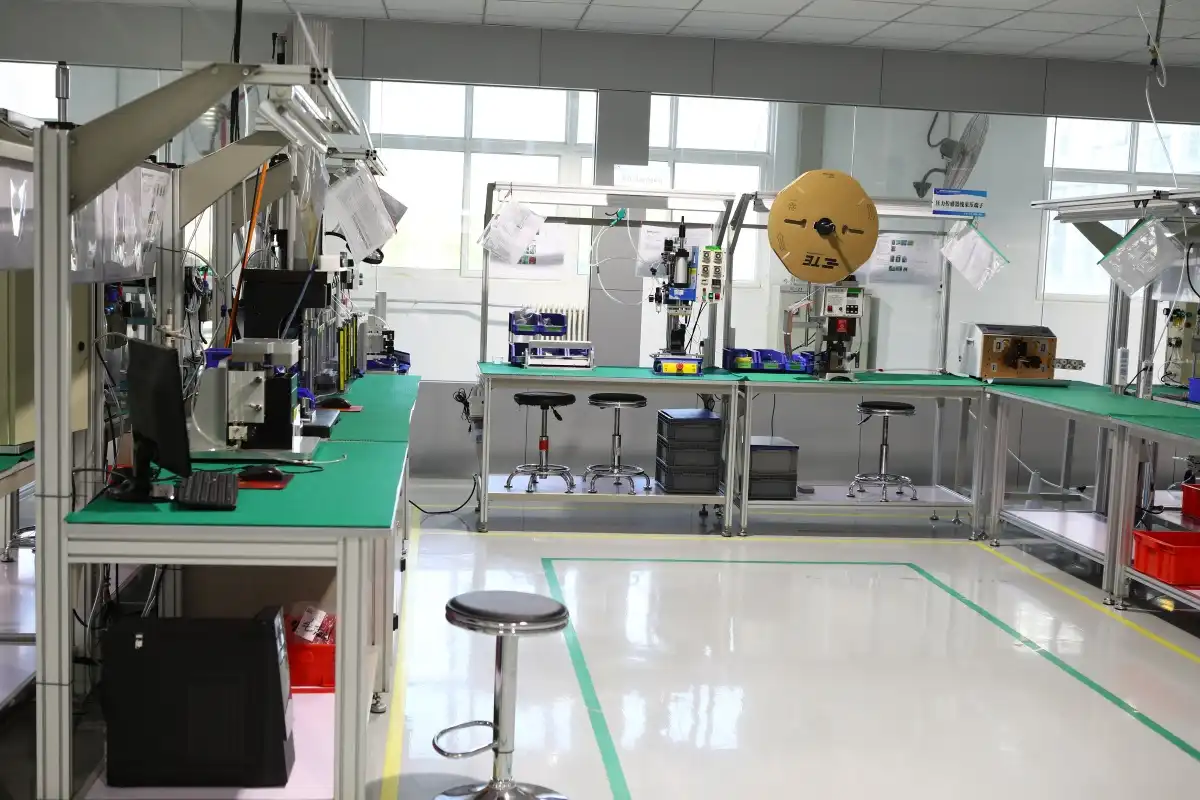
Every client connection at Xi'an Qintai Automotive Emission Technology includes over twenty years of diesel engine sensor and SCR aftertreatment system expertise. As China's top OEM Pressure and Temperature transmitter provider, we reliably service Weichai Power, Yuchai Power, and Quanchai Power. Our IATF 16949-certified factories create bespoke solutions with 58 innovation patents and extensive technical assistance.
Whether you need conventional QS-PT225 units for rapid production or custom-engineered sensors for special application needs, our R&D team optimizes performance and cost. We understand procurement managers' challenges—balancing quality, budget, and supply chain security. Our volume price, customisation, and after-sales assistance set us apart from commodity providers. Discuss your needs with our applications engineers at info@qt-sensor.com to see how our automotive-grade transmitters improve system dependability and lower TCO.
References
1. Society of Automotive Engineers. "Surface Vehicle Recommended Practice J1979: E/E Diagnostic Test Modes." SAE International Standards, 2017.
2. Chen, Y., and Wang, L. "Integrated Pressure and Temperature Sensing for Automotive Exhaust Aftertreatment Systems." International Journal of Automotive Technology, vol. 19, no. 4, 2018, pp. 673-682.
3. ISO 9001:2015 Quality Management Systems - Requirements. International Organization for Standardization, 2015.
4. National Highway Traffic Safety Administration. "Federal Motor Vehicle Safety Standards: Electronic Stability Control Systems." U.S. Department of Transportation, 2021.
5. Zhang, M., et al. "Reliability Analysis of Ceramic Pressure Sensors in High-Temperature Automotive Applications." Sensors and Actuators A: Physical, vol. 295, 2019, pp. 428-437.
6. European Commission. "Regulation (EU) 2019/1242: Setting CO2 Emission Performance Standards for New Heavy-Duty Vehicles." Official Journal of the European Union, 2019.

Our customers’ satisfaction speaks for our quality — contact us to experience the same reliable service.