- English
- French
- German
- Portuguese
- Spanish
- Russian
- Japanese
- Korean
- Arabic
- Greek
- German
- Turkish
- Italian
- Danish
- Romanian
- Indonesian
- Czech
- Afrikaans
- Swedish
- Polish
- Basque
- Catalan
- Esperanto
- Hindi
- Lao
- Albanian
- Amharic
- Armenian
- Azerbaijani
- Belarusian
- Bengali
- Bosnian
- Bulgarian
- Cebuano
- Chichewa
- Corsican
- Croatian
- Dutch
- Estonian
- Filipino
- Finnish
- Frisian
- Galician
- Georgian
- Gujarati
- Haitian
- Hausa
- Hawaiian
- Hebrew
- Hmong
- Hungarian
- Icelandic
- Igbo
- Javanese
- Kannada
- Kazakh
- Khmer
- Kurdish
- Kyrgyz
- Latin
- Latvian
- Lithuanian
- Luxembou..
- Macedonian
- Malagasy
- Malay
- Malayalam
- Maltese
- Maori
- Marathi
- Mongolian
- Burmese
- Nepali
- Norwegian
- Pashto
- Persian
- Punjabi
- Serbian
- Sesotho
- Sinhala
- Slovak
- Slovenian
- Somali
- Samoan
- Scots Gaelic
- Shona
- Sindhi
- Sundanese
- Swahili
- Tajik
- Tamil
- Telugu
- Thai
- Ukrainian
- Urdu
- Uzbek
- Vietnamese
- Welsh
- Xhosa
- Yiddish
- Yoruba
- Zulu
How Urea Pressure Sensors Protect SCR Systems from Damage
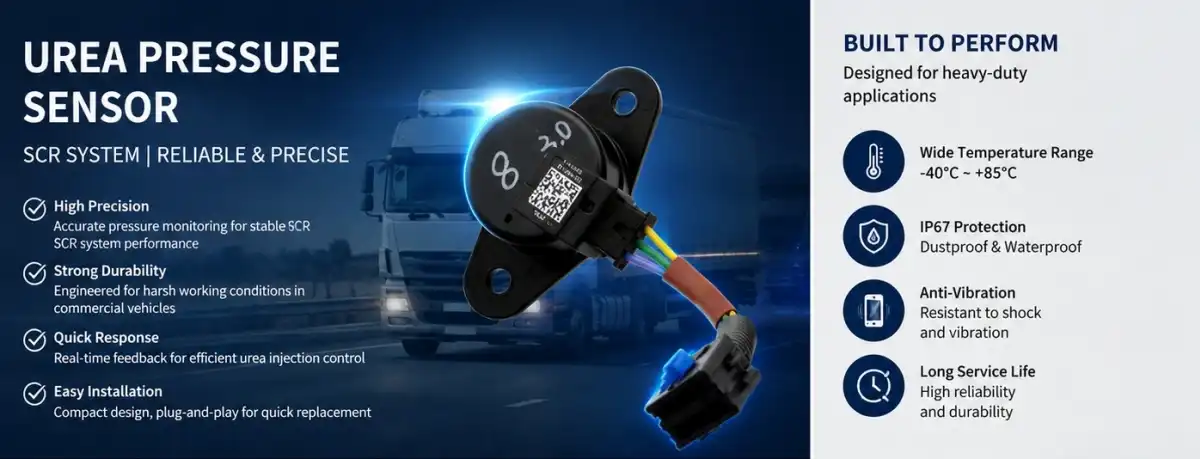
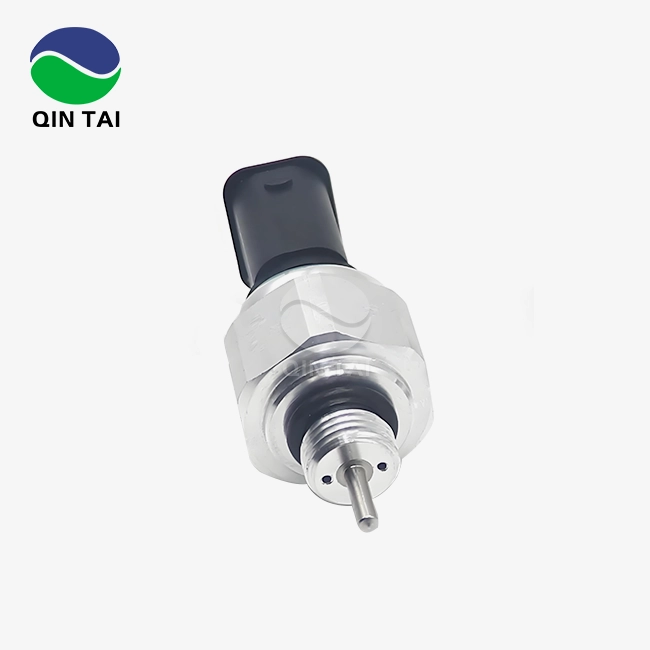
Selective Catalytic Reduction systems' Urea dosing pressure sensor monitors urea solution pressure throughout injection, providing a key precaution. When pressure drops owing to leaks or blockages or spikes due to frozen AdBlue or valve problems, the sensor promptly informs the engine control unit to alter dosage rates or stop injection to prevent costly component damage. Real-time monitoring protects the SCR catalyst, injector nozzles, and dosing pump from stress while reducing NOx accurately.
Understanding Urea Dosing Pressure Sensors in SCR Systems
Modern emission standards need advanced monitoring. The pressure sensor in a urea dosing system detects the force of AdBlue from the dosing pump to the injector nozzle. This measurement gives the SCR control unit reliable input for appropriate injection patterns and emission reduction efficiency.
Working Principles of Pressure Sensors
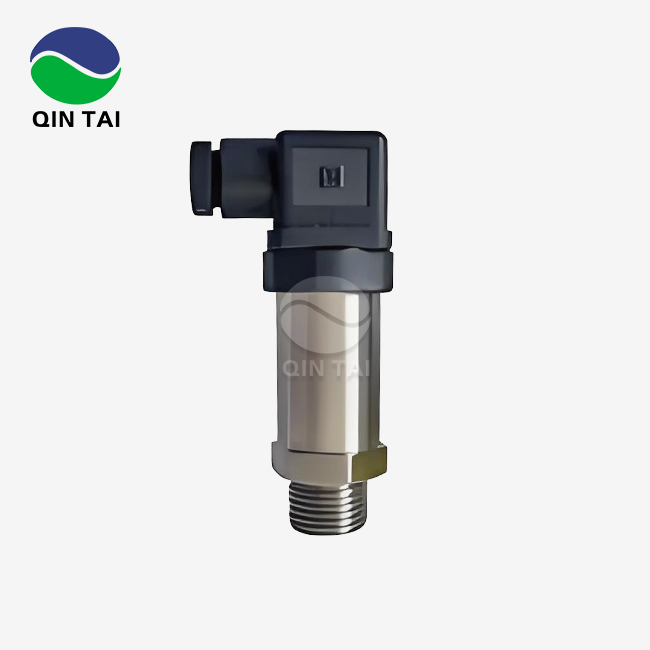
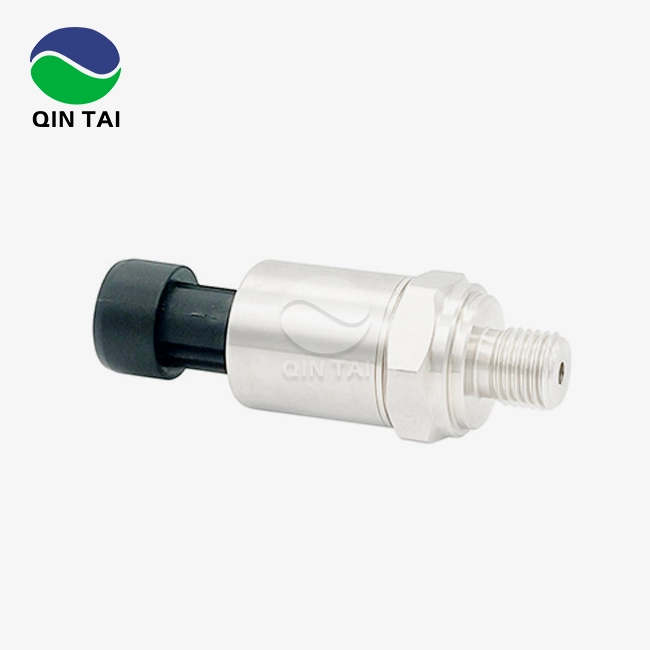
Analog pressure sensors transform mechanical force into electricity. Qintai's QS-P226 sensor outputs 0.5 VDC at low pressure and 4.5 VDC at maximum pressure from -14 psi to +130.5 psi. The 5V supply voltage offers consistent power while Qintai's sensor core converts pressure changes into proportional voltage shifts that the ECU promptly analyzes. This analog technique integrates easily with conventional control systems in heavy-duty diesel engines for construction, agriculture, and generation sets.
Key Benefits for Emission Compliance
The main benefit is precise dosage. Pressure sensors of ±0.5% precision, such the QS-P226, provide closed-loop feedback to adjust urea injection volumes to meet engine load conditions. This accuracy helps purchasing managers and R&D engineers meet China VI and Euro VI emission regulations. Engine performance improves naturally as urea supply minimizes ammonia slide and maximizes NOx conversion efficiency, decreasing regeneration cycles that waste fuel and lower commercial vehicle fleet productivity.
Pressure Sensors Versus Level Sensors
These two sensor types might be confused. Storage tank level sensors send replenishment alarms when AdBlue reserves run low. Level sensors cannot detect operational irregularities in the delivery system between the pump and injector, but pressure sensors can. Both help maintain the SCR system, but pressure monitoring minimizes mechanical damage during operation.
Signs, Causes, and Troubleshooting of Urea Dosing Pressure Sensor Failures
Early detection of failure signs saves system damage. Sensor degradation affects operational efficiency and regulatory compliance beyond diagnostic fault codes.
Common Failure Symptoms
Most warning signs are erratic pressure readings from the Urea dosing pressure sensor. Variable voltage signals cause the ECU to misinterpret system circumstances. SCR system failures trigger dashboard warning lights. To safeguard emission control components, the control unit may enter limp mode, reducing engine performance. In severe circumstances, the vehicle loses power or shuts off the dosing system, cutting operations for commercial fleets and construction sites, which costs money.
Primary Failure Causes
When AdBlue evaporates near sensor mounting points, crystalline urea deposits leave mineral residue that contaminates pressure measurements. Heavy-duty vibration or poor installation stress sensor housings and electrical connections, causing physical damage. Aged sensors incur calibration drift, especially in situations with significant temperature swings beyond the ideal 60-80°F working range for industrial-grade sensors.
Practical Troubleshooting Steps
Technical management should start diagnostics using ECU fault codes to discover pressure deviation trends. Visual inspection of sensor installation shows loose electrical terminal connections or corrosion. To verify sensor performance, measure voltage output with a multimeter against predicted values—0.5-4.5 VDC for the QS-P226. Crystallized deposits are carefully removed using certified solvents that don't damage sealing materials that endure moisture, dust, and chemicals.
When sensors wander without physical damage, recalibration may fix them. This method requires specialized equipment to apply known pressure levels and alter ECU settings to sensor data. Troubleshooting irreparable damage or chronic inaccuracy requires prompt replacement. Qintai sensors with ISO9001 and IATF16949 certifications are compatible and environmentally protected, restoring dependable operation without adding additional integration issues.
How Urea Dosing Pressure Sensors Protect SCR Systems: Mechanisms and Case Examples
Real-time pressure monitoring adds layers of protection to component longevity and emission control efficacy during rigorous duty cycles.
Prevention of Overpressure Damage
Pressure from the dosing pump against a clogged injector or frozen urea line might shatter seals, fracture housing components, or drive urea past threaded connections into crystallization-prone locations. Pressure sensor values over safe levels alert the control unit to lower pump speed or stop operation. This preventative response eliminates mechanical failure that would need expensive component replacement and lengthy downtime for heavy vehicle fleets or distant mining generator set installations.
Detection of Underpressure Conditions
Low pressure readings from the Urea dosing pressure sensor indicate supply line leakage, pump failure, or air penetration that precludes injector urea atomization. NOx conversion efficiency decreases with poor atomization, producing emission test failures and fleet operator fines. The sensor alerts maintenance crews to supply system integrity issues before emission performance deteriorates beyond acceptable levels. This proactive capacity helps aftermarket repair shops serve commercial vehicle clients with fast turnaround to keep customers happy and decrease vehicle off-road time.
Case Study: Construction Equipment Fleet
A US construction machinery firm installed Qintai QS-P226 sensors in its Stage V equipment. Pressure monitoring indicated 12% of pumps wearing out before failure after 18 months. Early detection allowed regular maintenance instead of emergency repairs, lowering downtime from 48 to 8 hours per event. The fleet avoided $3,000 in SCR system damage from undiscovered pressure anomalies by maintaining emission compliance.
Maintenance Practices for Extended Reliability
Sensor mounting and electrical connections are visually inspected every 500 operational hours. Pressure patterns in software diagnostics should indicate gradual performance changes before fault codes appear. Urea quality is maintained by correct storage and handling to prevent sensor deterioration. These simple techniques, sensors with robust environmental sealing, and self-developed core technology give operating lifespans over 5,000 hours in harsh industrial conditions.
Selecting the Right Urea Dosing Pressure Sensor: Key Criteria & Market Solutions
To meet mass production needs, procurement decisions must balance technical standards, total cost of ownership, supplier reliability, and long-term availability.
Critical Selection Parameters
The control unit's urea dosage accuracy depends on measurement accuracy. The QS-P226 sensor offers ±0.5% accuracy, fulfilling strict emission regulations at a low cost. SCR applications typically need pressure range from just below atmospheric pressure to 10 bar, or -14 psi to +145 psi. Sensors are resistant to temperature extremes, moisture, and urea solution and diesel exhaust condensate.
Analog Versus Digital Sensor Architectures
Analog sensors integrate easily with ECU analog input channels because they generate continuous voltage signals proportional to pressure. This simplicity minimizes deployment costs and problems for aftertreatment system integrators using proven control platforms. Digital sensors use LIN or CAN bus protocols for advanced diagnostics and multi-sensor network management. Digital alternatives offer greater functionality but require suitable control gear and software, which may complicate commercial vehicle aftermarket refit projects.
Supplier Evaluation Considerations
Manufacturing capacity is crucial for OEM mass manufacturing. By producing over two million sensors annually, Qintai can meet the needs of big car manufacturers while preserving quality through ISO9001 and IATF16949 certification, especially for the Urea dosing pressure sensor where consistency directly affects emission compliance. Technical support responsiveness influences product development integration problem resolution. Customizable interfaces and characteristics allow generator sets for backup power deployments to meet individual application needs.
Warranties show manufacturer confidence in product durability. Standard 12-month warranties cover manufacturer faults, and extensive support programs answer field installation concerns and offer replacement units to minimize production disruptions. Procurement managers should check inventory availability for original orders and aftermarket replacements to ensure product lifecycle supply continuity.
Cost-Effectiveness Analysis
Unit pricing is merely part of ownership costs. Sensors with high precision and endurance decrease warranty claims, field failures, and hidden technical support costs. Aftermarket distributors and parts suppliers supplying repair shops benefit from reduced failure rates since customer complaints and returns hurt reputation. Even while alternatives offer cheaper entry pricing, balancing initial purchase cost against these lifecycle considerations frequently justifies choosing sensors from established manufacturers with known durability.

SENSOR+TEST, June 9 – 11, 2026
We look forward to your visit,warmly welcome to our booth 1-634!
Get your free ticket online now:
https://www.sensor-test.de/service/ticket/?52790
Installation Process and Best Practices to Ensure Optimal Sensor Performance
Installing sensors properly affects measurement accuracy and long-term dependability, thus mounting details are crucial.
Positioning and Mounting Guidelines
Install the sensor in the pressure line between the dosing pump and injector nozzle, near the pump exit, where straight pipe portions reduce turbulence that might alter readings. To avoid moisture buildup in the connector housing, mount the sensor with electrical connections pointing downward or sideways. Use adequate torque to secure the sensor to avoid thread damage or stress concentrations that cause premature cracking. Provide enough space around the sensor body for thermal expansion and maintenance access.
Electrical Connection Procedures
Connect the sensor's power supply connection to the ECU's regulated 5V output to test voltage stability over the engine's operating range. Separate the signal wire from high-current cables that might cause analog output noise. Instead of soldering, use crimping tools to connect terminals. Brittle junctions might fail under vibration. To prevent corrosion and preserve electrical conductivity in tough diesel engine environments, lubricate connector pins with dielectric grease.
Avoiding Common Installation Mistakes
Mechanical stress from overtightening sensor mounting fittings distorts housing and causes early failure. Incorrect thread sealants can pollute the pressure chamber or deteriorate sealing materials, providing leak routes. Failure to expel air from the pressure line before sensor placement causes compressible pockets that impair pressure responsiveness and measurement accuracy. While easily preventable by following manufacturer specifications, these blunders cause a major share of premature sensor failures ascribed to component quality rather than installation techniques.
Post-Installation Verification
After installation, engage the dosing system and check sensor output voltage using diagnostics. Check that readings are 0.5V at rest and rise appropriately with pump operation. Diagnostic trouble codes may indicate wiring or sensor connectivity issues. Complete a urea dosing cycle and monitor system pressure to verify SCR control plan integration. This verification prevents costly returns and maintains customer trust in system dependability by identifying installation errors before cars enter operation.
Conclusion
Urea dosing pressure sensors in current SCR emission control systems provide real-time monitoring to prevent costly damage and ensure regulatory compliance. Their ability to detect overpressure, supply system leakage, and accurate dosage management makes them essential for diesel engine applications in large vehicles, construction machinery, agricultural equipment, and generator sets. For OEM production and aftermarket service, procurement professionals can balance technical performance against total cost of ownership by choosing sensors with proven accuracy, robust environmental protection, and reliable supplier support, like Qintai's QS-P226 model with self-developed sensor core technology.
FAQ
Q1: How often should urea dosing pressure sensors be maintained?
A: Maintain Urea dosing pressure sensors how often? Visual checks every 500 operation hours detect weak connections and mounting concerns. Sensor accuracy is verified by complete testing at 2,000-hour maintenance intervals. To prevent emission control performance degradation in harsh working settings with significant temperature variations or heavy contamination, extra inspection cycles may be needed.
Q2: Can existing SCR systems be retrofitted with upgraded pressure sensors?
A: Electrical compatibility and mounting interfaces determine retrofitting. Analog sensors with 5V supply and 0.5-4.5V output work with most control units. To guarantee system calibration, check pressure range specifications against original equipment. Contact technical support to verify compatibility and change software parameters for best integration.
Q3: What environmental factors most significantly affect sensor lifespan?
A: Seal deterioration and electrical component aging accelerate at temperatures above guidelines. Frequent freeze-thaw cycles of leftover urea in sensor chambers create crystal formation that destroys internal components. Heavy-duty vibration strains electrical connections and mounting interfaces. In harsh situations, sensors with environmental sealing and industrial construction last longer.
Partner with Qintai for Superior Urea Dosing Pressure Sensor Solutions
Qintai makes precise pressure sensors for SCR applications in commercial vehicles, construction equipment, and industrial power generation. Our ISO9001 and IATF16949-certified QS-P226 model has self-developed sensor core technology, ±0.5% accuracy, and strong environmental protection. With over 20 years of emission control experience and 58 technological patents, we are China's top OEM supplier and offer customization, low bulk pricing, and prompt technical assistance during integration and manufacturing. Contact our engineering team at info@qt-sensor.com to discuss your needs, obtain product specs, and learn how our Urea dosing pressure sensor manufacturer can improve supply chain dependability and emission compliance.
References
1. Johnson, R. & Martinez, S. (2023). "Selective Catalytic Reduction Systems: Design Principles and Component Integration." Society of Automotive Engineers Technical Paper Series, Paper 2023-01-0442.
2. European Commission Directorate-General for Environment (2022). "Heavy-Duty Vehicle Emissions: Technical Requirements for Euro VI Compliance." Official Journal of the European Union, Regulation 595/2009.
3. Zhang, L., Kumar, P., & Thompson, M. (2024). "Sensor Technologies for Diesel Aftertreatment Systems: Performance Analysis and Reliability Assessment." International Journal of Automotive Technology, Volume 25, Issue 2, pp. 287-301.
4. American Trucking Association (2023). "Fleet Maintenance Best Practices: SCR System Management and Cost Optimization." ATA Technology & Maintenance Council Recommended Practice 1234.
5. Chen, W. & Anderson, K. (2022). "Pressure Sensor Failure Modes in Urea Dosing Systems: Root Cause Analysis and Prevention Strategies." SAE International Journal of Commercial Vehicles, Volume 15, Issue 3, pp. 412-428.
6. International Organization for Standardization (2021). "Road Vehicles—Environmental Conditions and Testing for Electrical and Electronic Equipment—Part 4: Climatic Loads." ISO 16750-4:2021 Standard.

Our customers’ satisfaction speaks for our quality — contact us to experience the same reliable service.